Dashain Festival of Nepal: Dates, 15 Days, Traditions and History
The Dashain Festival of Nepal is the country's biggest annual festival for many Nepali families, bringing together religious worship, family…
 Himalayan Gateway Trek - On
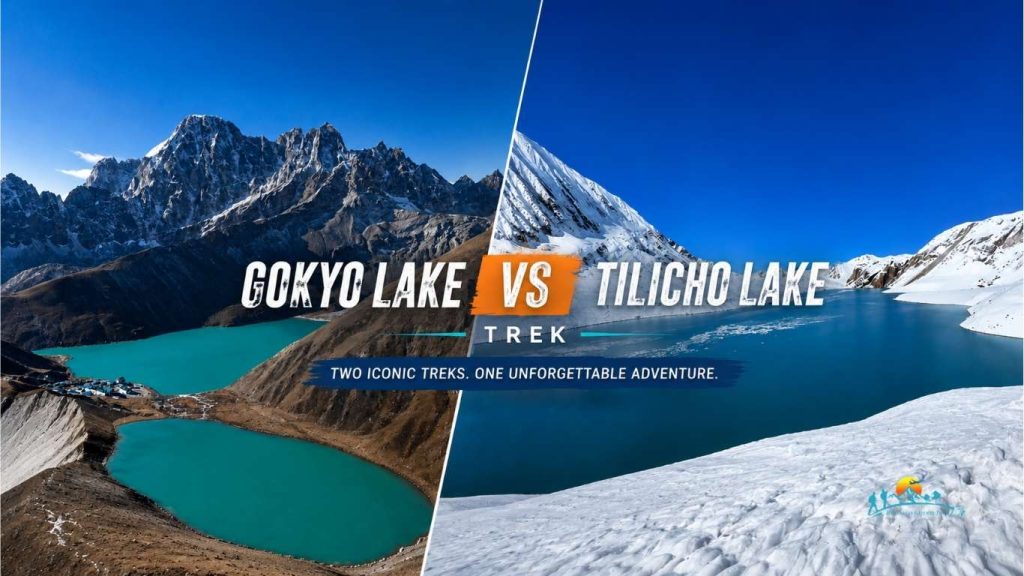
 The Tilicho Lake Trek is a popular choice, but the Gokyo vs Tilicho Lake Trek can be tricky to decide on. Gokyo Lakes are below the towering peaks of the Everest region while Tilicho Lake is in the high region of Annapurna and is surrounded by rugged cliffs and snow covered mountains. Every trek varies from the next in scenery, culture, trail, and more, all the way up to the altitude you’ll be hiking at.
The right one for you will depend on what you are looking for in your adventure. For some trekkers, standing at Gokyo Ri in the presence of the sunrise over Everest, Lhotse, Makalu and Cho Oyu is a dream come true. Others wish to trek to Tilicho Lake, one of the highest lakes in the world, after emerging from the spectacular valleys of Manang. Both hikes are great for different sorts of travelers, so there’s no list of better or worse options.
This guide outlines all the considerations for each one, such as scenery, difficulty, altitude, cost, accommodation, transportation, permits, culture and best season. At the end, you will be able to identify the trek that suits your fitness level, travel plans and experience in the Himalayas.
The table below gives a quick comparison of both treks before looking at each aspect in detail.
| Feature | Gokyo Lakes Trek | Tilicho Lake Trek |
|---|---|---|
| Region | Everest (Khumbu) | Annapurna (Manang) |
| Highest Elevation | Gokyo Ri 5,357 m | Tilicho Lake 4,919 m |
| Trek Duration | 12 to 15 days | 10 to 14 days |
| Maximum Sleeping Altitude | Gokyo Village 4,790 m | Tilicho Base Camp 4,150 m |
| Difficulty | Moderate to Challenging | Moderate to Challenging |
| Best Highlight | Gokyo Lakes and Gokyo Ri | Tilicho Lake |
| Famous Mountain Views | Everest, Lhotse, Makalu, Cho Oyu | Annapurna, Gangapurna, Tilicho Peak |
| Glacier Experience | Cross Ngozumpa Glacier | Limited glacier walking |
| Culture | Sherpa villages | Manangi villages |
| Accommodation | Well-established teahouses | Teahouses with fewer options near Tilicho |
| Transportation | Flight to Lukla | Drive to Besisahar and Manang |
| Best Seasons | Spring and Autumn | Spring and Autumn |
| Suitable for Beginners | With preparation | With preparation |
If you are short on time, this section will help you make a quick decision.
Many trekkers ask which trek is more beautiful. There is no single answer because beauty depends on what you enjoy. If seeing Everest from a high viewpoint is your dream, Gokyo offers a rewarding experience. If standing beside a vast alpine lake surrounded by rugged peaks excites you, Tilicho Lake is difficult to match.
| Traveler | Better Choice | Why |
|---|---|---|
| First-time trekker | Gokyo Lakes Trek | Better acclimatization and comfortable teahouses |
| Photographer | Gokyo Lakes Trek | Sunrise from Gokyo Ri and turquoise lakes |
| Adventure seeker | Tilicho Lake Trek | Narrow trails and dramatic mountain terrain |
| Everest lover | Gokyo Lakes Trek | Close views of Everest and neighboring peaks |
| Annapurna fan | Tilicho Lake Trek | Famous Annapurna landscapes and Manang Valley |
| Culture enthusiast | Gokyo Lakes Trek | Sherpa heritage and monasteries |
| Budget traveler | Tilicho Lake Trek | No domestic flight required |
| Trekker seeking quieter trails | Gokyo Lakes Trek | Fewer trekkers than the Everest Base Camp route |
The Gokyo vs Tilicho Lake Trek comparison is frequently done because both treks end at a beautiful lake at an altitude of over 4,700 meters which is fed by glacier melt. Each of the treks also offer trekkers high mountain scenery, traditional villages, and memorable viewpoints. Despite the similarities, the routes are very diverse in many respects.
The Gokyo Lakes Trek is in between Sagarmatha National Park and the Dudh Koshi Valley above the sacred Gokyo Lakes. This trek is a perfect mix of all the things you can see while on a trek, including the mountains, glaciers and Sherpa culture.
The Tilicho Lake Trek is a section of the Annapurna Circuit route, which then departs from the main route near Manang. The trail leads up to Tilicho Base Camp, before arriving at the lake, which is framed by steep rock faces and snowy peaks.
For many people, the only thing that matters is the altitude. The truth is that the trail itself, weather, transport, accommodation and scenery are far more likely to impact your experience.
The Gokyo Lakes Trek stands out because it combines turquoise glacial lakes, panoramic Himalayan viewpoints, and authentic Sherpa culture in one journey. Although it shares the Everest region with the Everest Base Camp Trek, it attracts fewer trekkers and offers a quieter atmosphere.
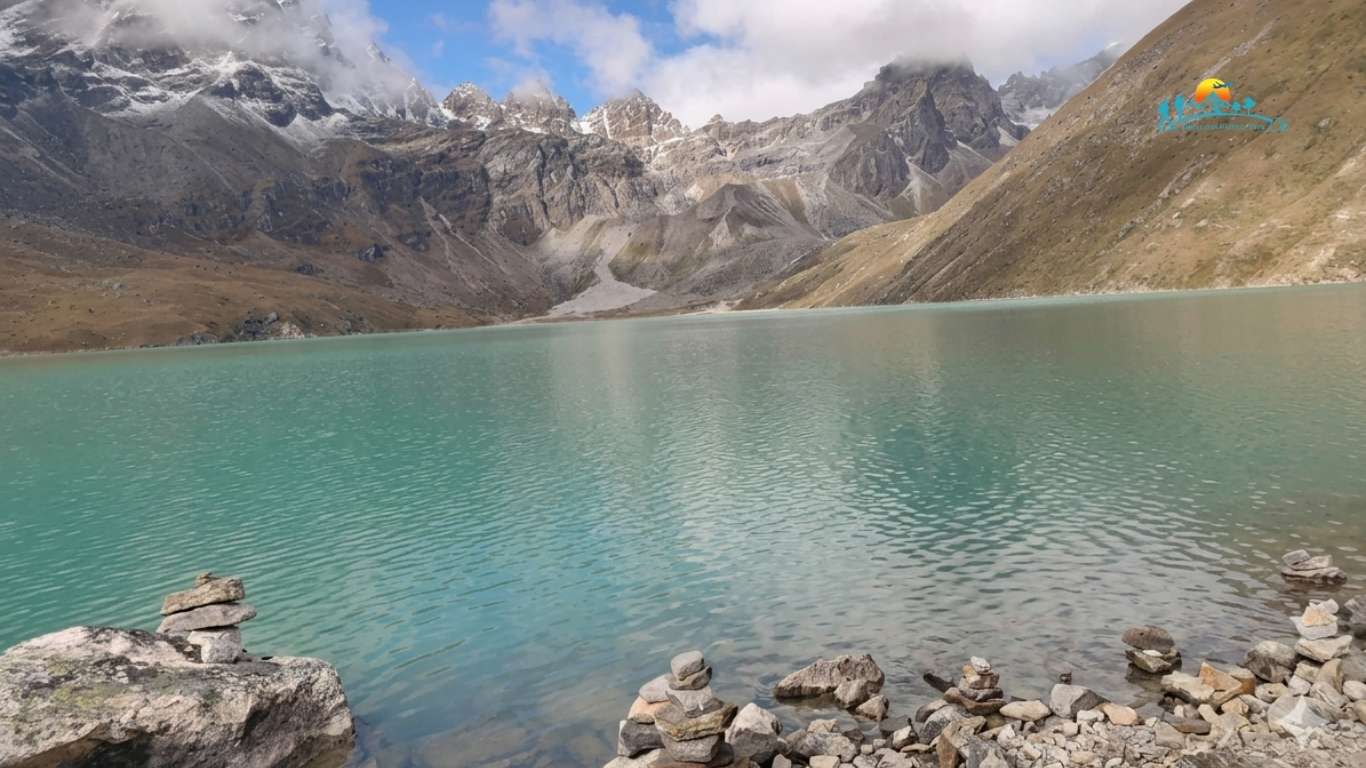
The Gokyo valley is home to a series of six freshwater lakes created by the melting glaciers. They are among the highest freshwater lake systems in the world, and are of religious significance for both Hindus and Buddhists.
The lakes mirror the peaks in the surrounding area, which are also covered in snow most of the year, thus forming one of the most photographed scenes in the mountain of Nepal in spring and autumn. These color variations are seen in their hue from blue to green and as the weather and sun conditions change, each lake looks a bit different.
Unlike many of the mountain lakes which can only be viewed from afar, the Gokyo trail takes one by the side of several lakes before arriving at Gokyo Village.
Gokyo Ri is one of the best vantage points of Nepal as per the views of many experienced trekkers.
The ascent starts before dawn and typically 2 hours from Gokyo Village. Though the climb is quite steep, the view at the top is spectacular.
From the top, you can see:
Few viewpoints in Nepal provide views of four mountains higher than 8,000 meters in a single panorama.
One key aspect of Gokyo’s trek that distinguishes it from other Himalayan hikes is its trek through the Ngozumpa Glacier.
It is the longest glacier in Nepal and forms a rocky and hilly path for a number of kilometres. The glacier is quite different from the forests or villages. It’s one of the most unforgettable sections of the trip due to loose rocks, ice formations and varying terrain.
The trail is not technical. However, careful footing is needed along the crossing.
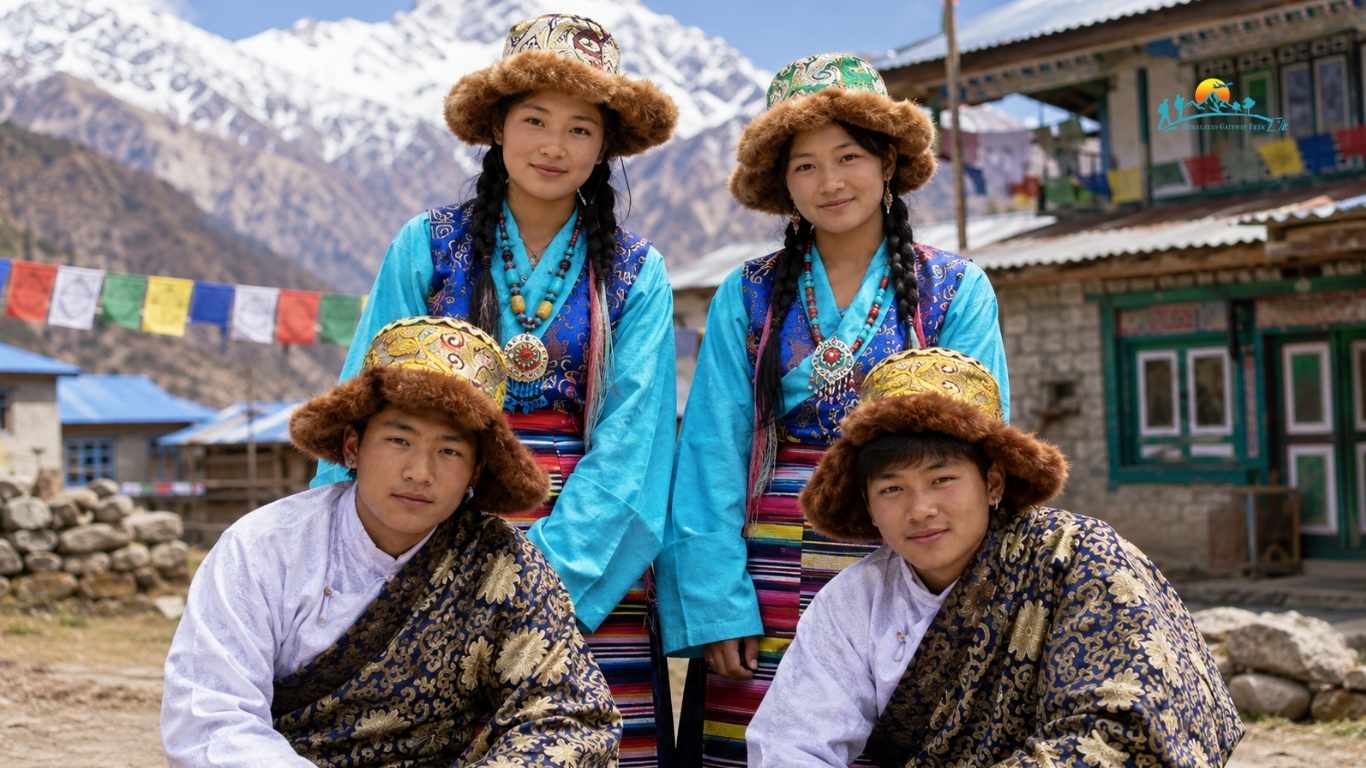
The Gokyo route runs through popular Sherpa villages like Namche Bazaar, Dole, Machhermo and Gokyo Village.
Visitors to the area can enjoy tours to ancient monasteries, pray prayer wheels, walk under colorful prayer flags, and discover the Sherpa cultural traditions. For centuries, family-run teahouses have been offering lodging for trekkers, making the trip a pleasurable and inviting experience along the whole trail.
Local families’ conversations tend to be more personal, as the trail is typically less crowded in comparison with larger trekking routes.
What makes the Tilicho Lake Trek special is that it encompasses the rugged beauty of the Annapurna region and the rewarding experience of reaching one of the highest lakes in the world. This trek goes through dry mountain lands, deep gorges and spectacular rock formations and ends at the lake at 4919 metres, unlike the Gokyo route that traverses glacier valleys and Sherpa villages.
The route to Tilicho Lake is often said to be a constantly changing one. The path starts in the green hills and terraced fields and then heads into dry lands of the Manang Valley. The views are rocky and rugged as the elevation increases, featuring steep walls, deep canyons and snow-capped peaks along the route.
The destination is the reason to travel, but the trip itself is just as memorable thanks to the unique mountain backdrop each day.
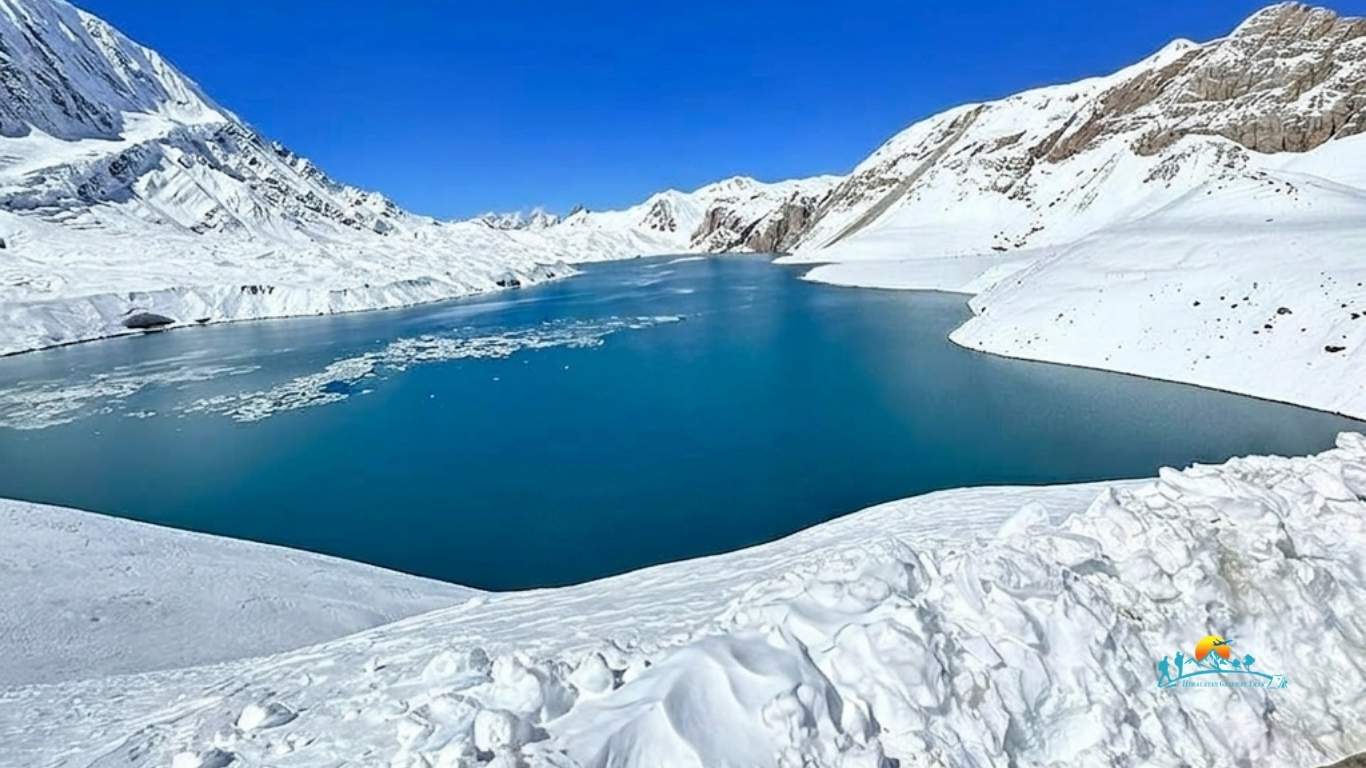
Tilicho lake is one of the popular high altitude lakes in Nepal. The lake is situated at a height of 4,919m and is located under Tilicho Peak with the imposing mountain walls forming a natural amphitheatre.
Tilicho is a single large glacial lake with amazing blue water, which may change colour as a result of the light and weather conditions, unlike Gokyo Lakes which are several lakes connected together.
After days of trekking, this is when many visitors feel they are really close to the shore and feel a sense of achievement. On a quiet morn it creates one of the best photography opportunities in the Annapurna region, because of the reflection of the surrounding mountains.
The lovely Manang Valley is also a highlight of the Tilicho Lake Trekking.
The valley is renowned for its traditional stone villages, Buddhist monasteries and prayer walls as well as its unique Tibetan-influenced culture. Most of the trekkers stay one more day in Manang for acclimatisation, so as to visit the viewpoints, monasteries and Gangapurna Lake nearby.
The village of Manang is a place where trekkers also get a taste of local hospitality before reaching the higher altitudes of the country.
The path to the Tilicho Lake is unlike the Gokyo path.
Much of the area goes through a relatively barren country of hills. Rocky paths have been cut into steep inclines, making the trek interesting particularly between Shree Kharka and Tilicho Base Camp. Care must be taken when walking through this section due to loose rocks and sometimes landslides changes the track conditions after heavy rain or snow.
The section is not technically difficult, but it is challenging mentally for many trekkers due to the exposure.
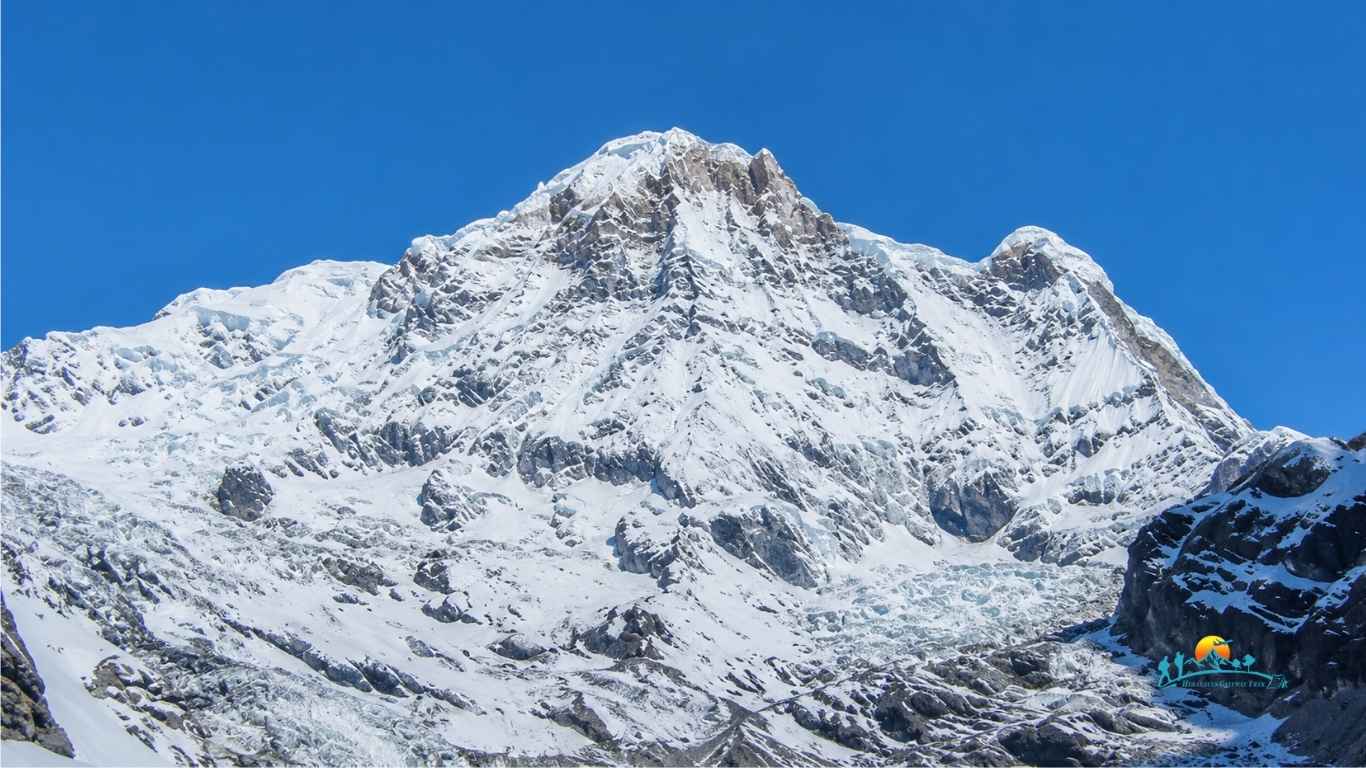
Everest is the star of the sky during the Gokyo Lakes Trek, but in the Tilicho route a different array of Himalayan giants awaits.
Enjoy views along the way of:
As you head down the Manang valley, the mountains seem much closer and are a stunning backdrop on the trek.
The villages along the Tilicho route belong mainly to the Manangi community.
Life here has developed around trade, farming, and mountain tourism for generations. Stone-built houses, Buddhist monasteries, colorful prayer flags, and ancient mani walls reflect the area’s rich cultural heritage.
Compared to the Sherpa villages in the Everest region, Manangi settlements have a different architectural style and a distinct local identity shaped by the Annapurna region’s geography.
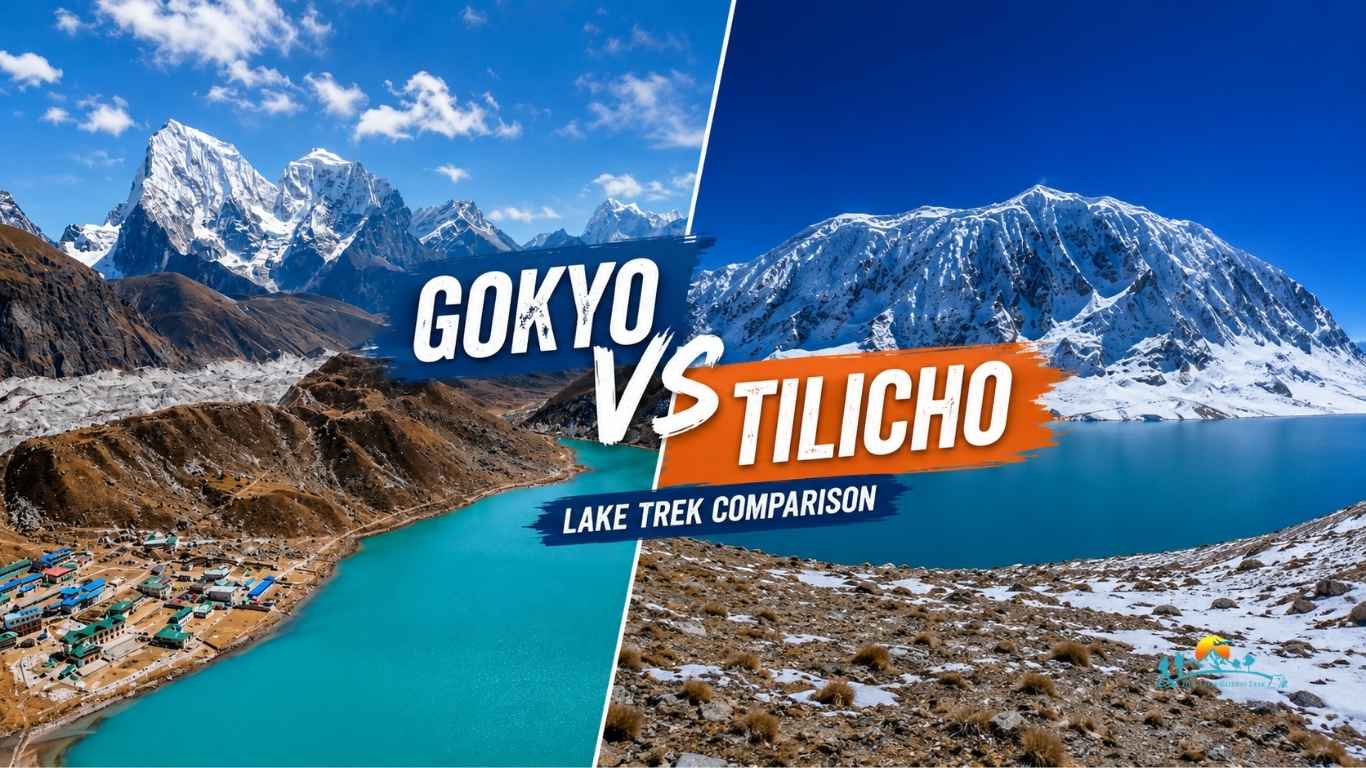
Both treks reward visitors with unforgettable Himalayan scenery, but they offer different experiences from the first day to the last. Comparing each important aspect makes it easier to decide which route suits your travel goals.
| Feature | Gokyo Lakes Trek | Tilicho Lake Trek |
|---|---|---|
| Trekking Region | Everest (Khumbu) | Annapurna (Manang) |
| Main Attraction | Six glacial lakes and Gokyo Ri | Tilicho Lake |
| Highest Point | Gokyo Ri (5,357 m) | Tilicho Lake (4,919 m) |
| Highest Sleeping Altitude | Gokyo Village | Tilicho Base Camp |
| Mountain Views | Everest, Lhotse, Makalu, Cho Oyu | Annapurna, Gangapurna, Tilicho Peak |
| Glacier Experience | Crosses Ngozumpa Glacier | Limited glacier views |
| Culture | Sherpa | Manangi |
| Transportation | Flight to Lukla | Drive to Besisahar |
| Trail Type | Glacier valley and alpine terrain | Rocky valleys and mountain slopes |
| Accommodation | Better developed | Basic near Tilicho Base Camp |
| Best For | Everest lovers and photographers | Adventure seekers and Annapurna trekkers |
The table provides a quick overview, but every factor deserves a closer look.
From the scenery to the local culture and the conditions of the trail, everything is influenced by the region. Although both routes lead to stunning Himalayan lakes, they pass through completely different environments.
The Gokyo Lakes Trek is a great way to explore the Everest region in Sagarmatha National Park, a UNESCO World Heritage Site. The trail passes through rhododendron forests, suspension bridges, Sherpa villages and glacial valleys, finally arriving at the turquoise Gokyo Lakes. A balance of towering mountains and serene landscapes offers a harmonious trekking experience.
The Trekking at Tilicho Lake is part of the Annapurna Conservation Area. It is a dramatic sight change as you cross through deep river valleys, dry mountain slopes, rocky cliffs and alpine terrain. The path is more wild and rugged after you arrive in the Manang area.
The beauty of the mountains is one of the greatest attractions of both treks and each trek offers a different section of the Himalayas.
The highlight of the Gokyo route is the climb to Gokyo Ri (5,357 m). This viewpoint offers one of Nepal’s finest mountain panoramas, where four of the world’s fourteen highest peaks can be seen on a clear day.
Major peaks include:
The first visit to Gokyo Ri is often the highlight of the hike as the sun rises over the Everest range and golden light streams down.
The hike through the Tilicho is also amazing to watch the Annapurna Massif throughout the way. In contrast to Gokyo where the mountains are seen from a high peak, numerous of the summits of the Annapurna range are soaring above the trail and feel much closer.
During the trek, you can enjoy views of:
These lofty mountains provide a fantastic backdrop along the entire way to Tilicho Lake from Manang.
Recommendation: If you’re looking to see Everest and other 8,000-meter peaks, then you should choose Gokyo. Opt for Tilicho if you’re planning to go for the rugged beauty of Annapurna range.
The views around the lakes are very different, but both treks involve high altitude lakes.
The Gokyo Lakes Trek takes you through a string of six beautiful turquoise and emerald colour glacial lakes. These sacred lakes lie beside the Ngozumpa Glacier, and produce good pictures of the surrounding mountains on clear days. Each lake is unique, and the trip is scenic throughout.
Instead of going to several small lakes, the Tilicho Lake Trek leads you to one magnificent lake. The Tilicho Lake is nestled under the steep slopes and the snow-covered mountains, making a stunning mountain scene. The size of the lake is such that many trekkers are left with the impression of the lake.
Gokyo is a great base for more variety-minded photographers, and Tilicho Lake is even more impressive for those who prefer a strong alpine setting.
The difficulty and enjoyment of a trek varies with trail conditions.
The Gokyo Lakes Trek is on well-established paths that include stone steps, suspension bridges, forest tracks and crossing the Ngozumpa Glacier. The path is relatively easy to follow, but may be unsafe for glacier crossings due to loose rocks and uneven terrain.
The Tilicho Lake Trekking has a few rough sections. The path narrows after Manang and goes under the high cliffs, where there may be landslides along the way. Trees and gravels and rocky tracks need particular attention, particularly in poor weather conditions.
Both walks are considered non-technical but require good trekking boots and walking on both.
On both treks, accommodation will be in traditional teahouses, with varying levels of comfort.
The Gokyo Lakes has a well-developed network of teahouses. The majority of villages offer comfortable twin-sharing rooms, warm dining halls, freshly prepared meals, charging facilities and WiFi (for a fee). Many places provide hot showers, becoming more costly as altitude increases.
The accommodation in the Tilicho route is comfortable till Manang. At this point, the facilities are more basic due to its remote location. Restrooms at teahouses close to Tilicho Base Camp are generally basic, have shared toilets, have limited electricity and limited food options.
Generally, the accommodation is slightly better at Gokyo, and the mountain is more remote at Tilicho.
Food plays an important role during any Himalayan trek because your body needs plenty of energy at high altitude.
Both routes offer similar menus since most teahouses serve traditional Nepali and basic international dishes.
Popular meals include:
Dal Bhat remains the favorite choice among trekkers because it is filling, nutritious, and usually comes with unlimited refills. As you gain altitude, meal prices increase because supplies must be carried by porters, yaks, or mules.
The number of people can affect the serenity and fun of a hike.
Many hikers heading to Everest Base Camp end up going on to Gorak Shep rather than hopping into the Gokyo Valley, which is why the Gokyo Lakes Trek isn’t as popular. From Namche Bazaar the trail gets quieter and a chance to enjoy the mountains without the crowds.
The Tilicho Lake Trek also sees less number of trekkers compared to the main Annapurna Circuit. The majority of tourists head on, towards Thorong La Pass; a small number of visitors take the side trip to visit the Tilicho Lake. During off peak times of trekking, the route is peaceful and quiet.
Both routes are great options for those who want a more tranquil experience in the Himalayas.
The most crucial aspect regarding the Gokyo vs Tilicho Lake Trekking is the level of difficulty. Both roadways are of moderate to hard difficulty but their reasons for the difficulty are different. Gokyo challenges you in higher altitudes and Tilicho is asking for your attention in rugged and exposed trails.
These walks take several days (5 to 8 hours a day) on foot. There are some long climbs, steep downhill sections, rocky sections, and high altitude sections on the trails.
The Gokyo Lakes Trek is a relatively gradual ascent up the Khumbu Valley leading into Gokyo Village. The trek to Gokyo Ri is steep, but rewarding, particularly the final ascent in the early morning.
There are also long walking days in the Tilicho Lake Trek, especially between Manang, Tilicho Base Camp and Tilicho Lake. The return trip is along the same path, and it makes up the distance traveled.
Verdict: The two walks are demanding of fitness but not technical skills.
The effect of altitude on all trekkers varies, even for those who are fit.
The Gokyo Lakes Trek’s peak point is Gokyo Ri (5,357m) and the trekkers stay at Gokyo Village (4,790m). Spending the night at this elevation makes proper acclimatization essential.
The trek to Tilicho Lake continues to the lake (4919m), but most trekkers stay overnight at the base of the lake, Tilicho Base Camp (4150m) and then hike earlier in the morning to the lake. Being at the lower altitude, many trekkers find altitude to be a little easier.
Walking slowly, taking in ample water and using a staged ascent schedule provides a means to decrease the likelihood of Acute Mountain Sickness (AMS).
Verdict: Gokyo presents a greater altitude challenge because both the trekking and sleeping elevations are higher.
The other big difference between these two treks is the condition of the trail.
The Gokyo route is a well maintained mountain trek, suspension bridge and stone step trek. The crossing of the Ngozumpa Glacier is the most challenging part, as the rocks and terrain are loose, so footing must be carefully taken.
The Tilicho route becomes more challenging after Manang. There are some very narrow mountain roads, rocky terrain, loose gravel and pockets of landslide zones that need constant attention. These are not so difficult sections but could be more exposed.
Tilicho may be a more intense experience for those that don’t like tight mountain paths.
Verdict: Tilicho has the tougher trail conditions, while Gokyo has the higher altitude.
Both trails require an acceptable fitness level.
Walking, stair climbing, cycling, or light aerobic exercise for six to eight weeks prior to the trek will help make it a lot more enjoyable.
Mountain skills are not required but it is recommended that you are used to walking for up to 4 or 5 hours with a daypack.
Another advantage to using a porter is eliminating physical fatigue due to carrying only what you need for the day.
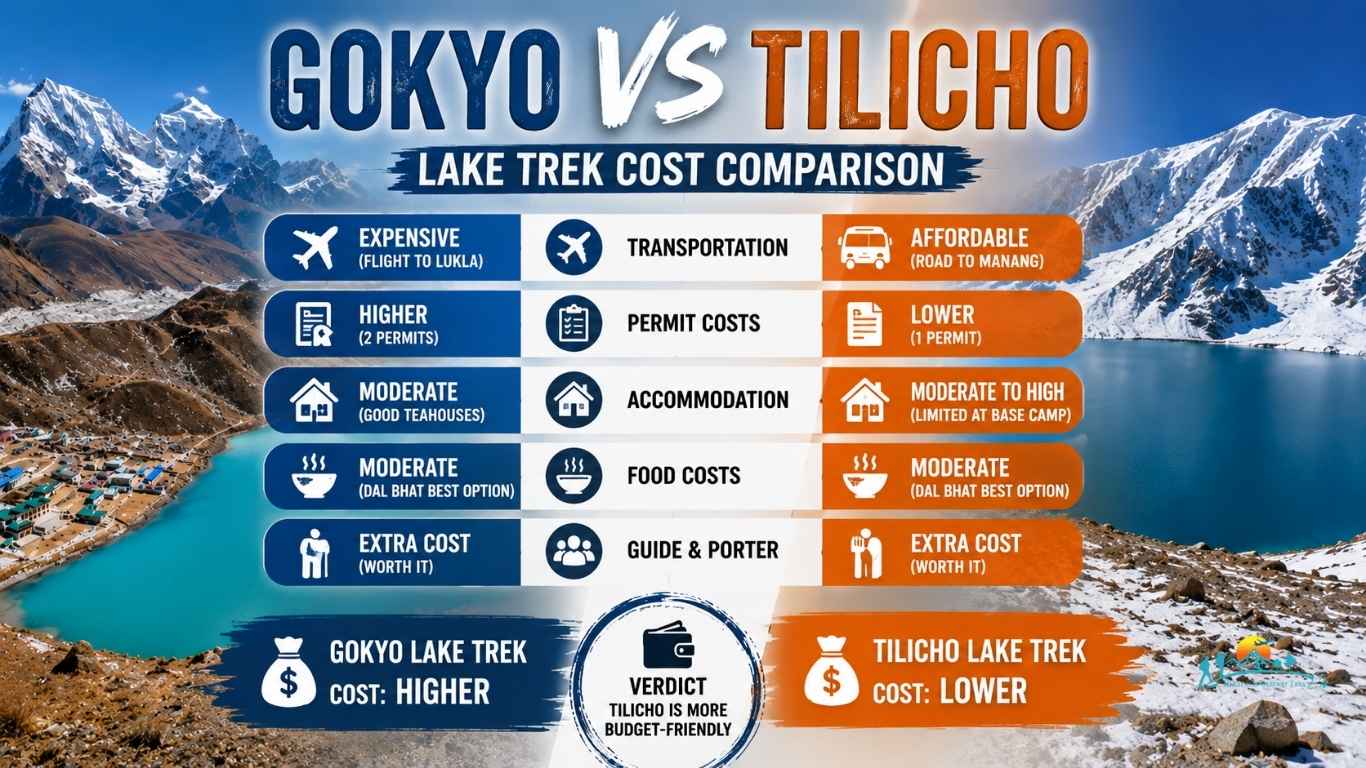
This is made up of several factors such as season, route, guide service, getting there and staying there. Both are great value for money, but the Tilicho Lake Trekking is usually cheaper as it begins by road as opposed to domestic flight to Lukla.
One of the major variations between the two treks is transportation.
The standard flight from Kathmandu to Lukla Airport is the starting point of the Gokyo Lakes Trek. The travel expense is a large part of the budget.
The Tilicho Lake Trek begins with the journey from Kathmandu Valley to Besisahar and then takes a jeep ride to Manang. Transport by road is much more cost-effective than air transport.
Verdict: Tilicho costs less to reach.
The two trekking routes are different and will need different permits.
Gokyo Lakes Trek requires:
Tilicho Lake Trek requires:
Permit fees may change over time, so it is always best to check the latest rates before your trip.
For both routes, the higher the accommodation cost.
The Gokyo route has well-established teahouses and trekkers can choose from a variety of rooms and services.
There is limited accommodation at Tilicho Base Camp and the prices are slightly inflated as provision is brought from far.
Overall, accommodation costs remain fairly similar throughout most of both treks.
At higher altitudes, food costs rise due to the necessity of carrying all consumption goods to the region by means of porters, yaks or mules.
The menu on both routes is the same; except for the higher prices in the higher villages near Gokyo Village and Tilicho Base Camp.
Eating local food like Dal Bhat can be the most affordable option.
Trails are recommended for both hiking, particularly for people visiting Nepal for the first time, to hire a licensed guide.
A guide is responsible for giving assistance about navigation, local knowledge, safety, accommodation and weather conditions.
Many trekkers also rent a porter to transport their primary backpack so they could enjoy traveling with a lighter daypack.
Yes, more people add to your expenses, but many visitors believe the added comfort is worth it.
| Expense | Gokyo Lakes Trek | Tilicho Lake Trek |
|---|---|---|
| Transportation | Higher | Lower |
| Permits | Moderate | Moderate |
| Accommodation | Moderate | Moderate |
| Food | Moderate | Moderate |
| Guide & Porter | Similar | Similar |
| Overall Budget | Higher | Slightly Lower |
Both walks are good value to the extent of the experience they provide.
Tilicho Lake Trek is a little better if cost is your only concern as the Lukla flight isn’t required.
Many trekkers believe the extra dollar is worth it if the objective is to experience the Everest region, visit the Gokyo Lakes and enjoy panoramic views from Gokyo Ri.
It should be based on the kind of experience you’re seeking, not just the price.
The two hikes are topped by the addition of culture. Each itinerary is based on Buddhist principles, but has its own history and traditions to the local communities and lifestyle.
The trek to the Gokyos goes through the heart of the Khumbu region where the Sherpa people have been inhabiting for generations.
The stone houses, colorful prayer flags, chortens, ancient monasteries, mani walls and other cultural features welcome trekkers to the villages like Namche Bazaar, Dole, Machhermo and Gokyo.
Sherpas are regarded in the world as highly accomplished mountaineers, but they are also renowned for their hospitality. Visitors can learn local traditions, life and Buddhist culture by staying at the family run teahouses.
Tilicho route is where the unique culture of the Manangi people is introduced into trekkers.
Villages in and around Manang have been serving as significant trading centres between Nepal and Tibet from long time. The architecture, language, clothing and local customs bear witness to this historical link.
The stone-built houses, ancient monasteries and prayer wheels give all this a peaceful ambiance that seamlessly merges with the surrounding mountains.
In both areas religion continues to be an integral aspect of daily life.
The Gokyo route is dotted with prayer wheels, mani walls, and monasteries, all of which honor the robust Buddhist culture of the Khumbu region.
The route to Tilicho also includes monasteries and religious sites, notably around Manang, where local festivals and religious ceremonies are held all year round.
It is suggested that visitors follow local tradition and walk around the mani walls and chortens in a clockwise direction.
One of the primary attractions of the Gokyo vs Tilicho Lake Trek is the scenery. Both routes can be used to enjoy the Himalayan scenery, but they have different characteristics. The glaciers, turquoise glacial lakes and Everest views are the trademarks of Gokyo while Tilicho is famous for its rugged mountain settings, dramatic cliffs and the beautiful alpine lake.
The Gokyo Lakes Trek offers you through trekking forest, Sherpa village, glacial valleys and panoramic views of the Everest region. The views open up further up the ascent with stunning views of the mountains.
Tilicho Lake trek traverses through the varied landscapes of the Annapurna area, through river valleys, rocky slopes and alpine deserts all the way to the lake.
Verdict: Choose Gokyo for Everest scenery and glaciers. Choose Tilicho for rugged mountain landscapes.
The six stunning glacial lakes here are turquoise and have crystal clear water: Gokyo. The walk is a rewarding walk as you make your way along a number of lakes.
Tilicho is one of the most beautiful alpine lakes with the steep cliffs and snowy mountains surrounding it. It is massive and remote, making an impressive setting.
The highlight of Gokyos is crossing the longest glacier of Nepal called Ngozumpa Glacier. This is a special experience to make the hike a varied one.
The Tilicho route does not include glacier walking but does provide a view of the glaciers from afar.
The sunrise at Gokyo Ri is a well-known spectacle in which the sun illuminates its panorama of Everest, Lhotse, Makalu and Cho Oyu.
Early morning reveals peaceful reflections of surrounding mountains across the calm blue water at Tilicho Lake, which creates an equally fabulous atmosphere.
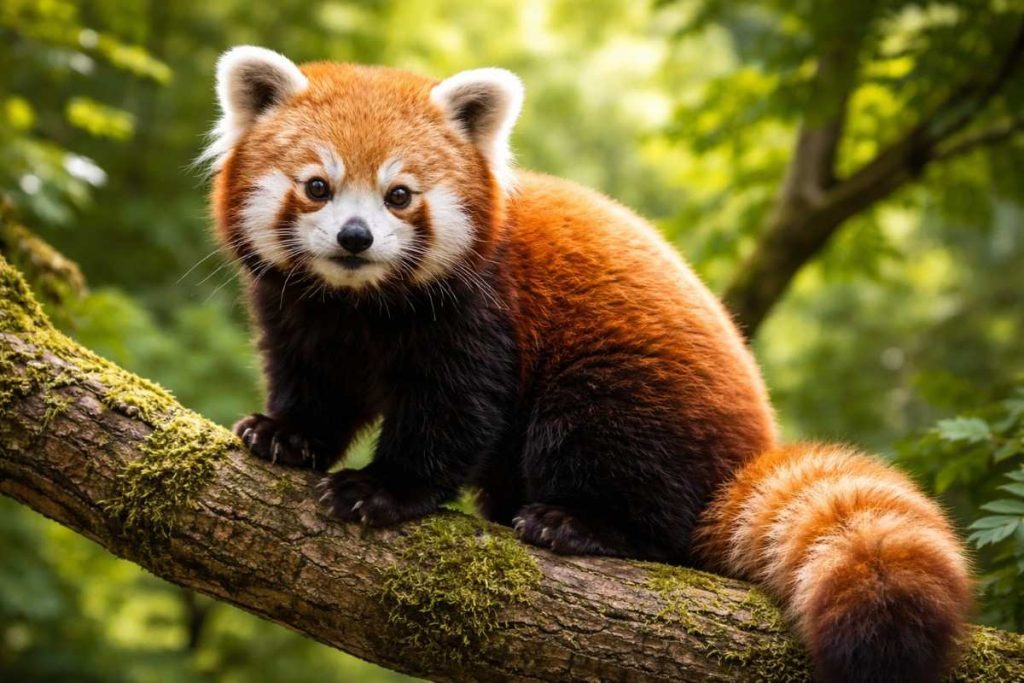
The trail through Gokyo passes through Sagarmatha National Park where one might see Animals of Everest like Himalayan Tahrs, musk deer and colorful mountain birds.
The Tilicho route is within the Annapurna Conservation Area where blue sheep, Himalayan griffons and other alpine animals can be spotted.
Accommodation and food can greatly influence your trekking experience, especially after long days on the trail. Both routes offer comfortable teahouse stays and freshly prepared meals, but the level of comfort varies slightly.
Generally, the Gokyo Lakes Trek has better accommodation facilities; twin sharing rooms, comfortable dining halls, blankets, WiFi, charging facilities and hot showers are also provided in most of the villages.
The accommodation is good till Manang in the Tilicho Lake Trek. After that, teahouses are more basic particularly in the vicinity of Tilicho Base Camp, where rooms, electricity and facilities are limited.
Verdict: Gokyo is slightly more comfortable and has more facilities.Cons: Gokyo is slightly more comfortable and has more facilities.
These two treks offer a comparable menu of treats, such as Dal Bhat, fried rice, noodles, pasta, Tibetan bread, pancakes, omelets, soups, tea and coffee.
In larger villages, there are more choices of foods available; the higher the elevation, the fewer foods available because it is more difficult to transport food.
Safe drinking water is available on both routes. Bring boiled water from a teahouse or fill reusable water bottles at safe drinking water stations provided.
A convenient and economical solution is water purification tablets or a water filtering system.
On both treks there are most service points for WiFi and charging, for an extra cost. The faster the speed of the internet, the higher the elevation; electricity may be limited in rural areas.
It is advisable to carry a power bank to keep your devices charged during the hike.
If comfort and modern facilities are important to you, the Gokyo Lakes Trek has a slight advantage. The Tilicho Lake trek is a more remote trek with simple trekking lodges after Manang but sufficient teahouses for a comfortable trek.
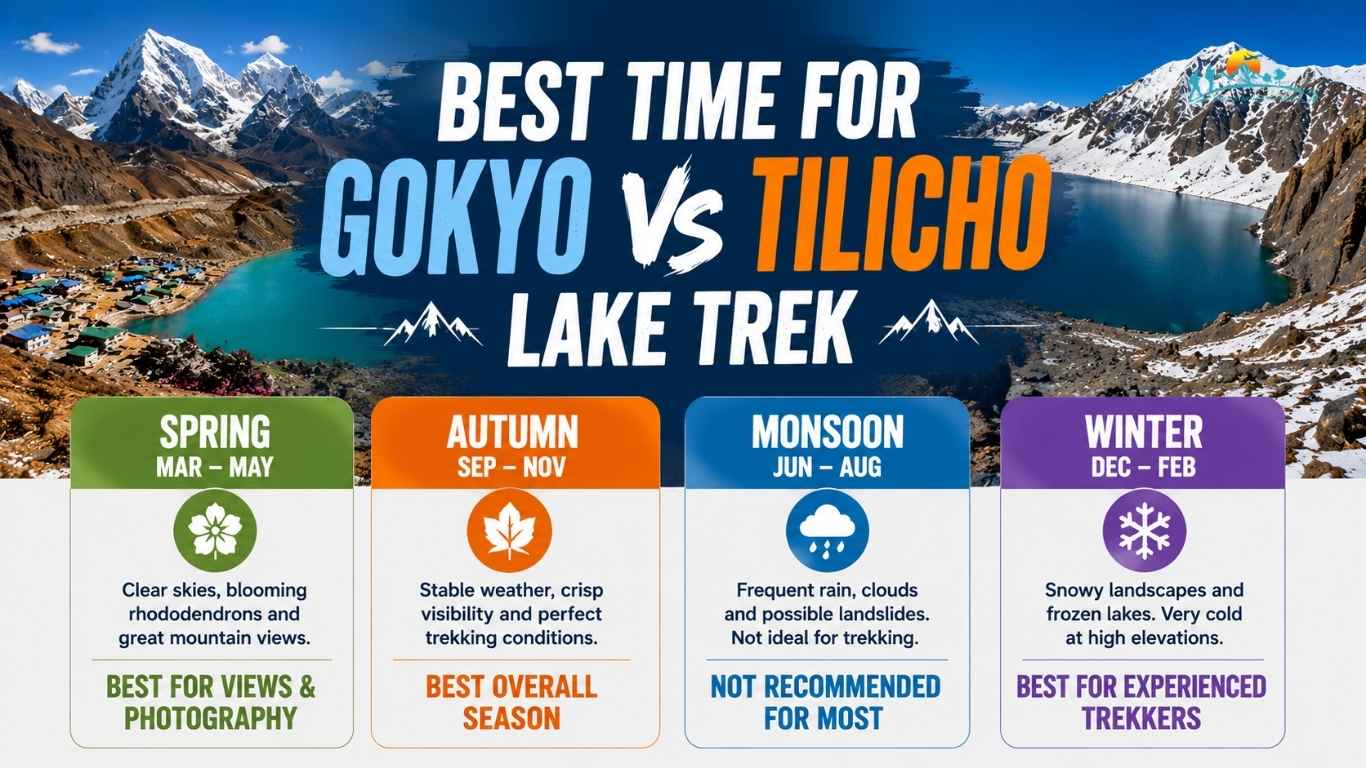
The right season can make a huge difference for people’s trekking experiences, weather, mountain views, etc. Both of them are the best time to undertake them in spring and autumn, but both have their own benefits and difficulties.
Spring is one of the most popular times for both treks.
Temperatures become milder, skies are generally clear, and rhododendron forests bloom at lower elevations. Snow remains on the higher mountains, creating excellent contrast against blue skies.
The Gokyo Lakes appear especially vibrant during spring, while the Annapurna region around Tilicho offers comfortable daytime temperatures and impressive mountain visibility.
Spring is an excellent season for photographers and first-time trekkers.
Autumn is considered the best trekking season in Nepal.
After the monsoon rains, the air becomes clean and visibility improves significantly. Stable weather makes this the preferred season for reaching high-altitude destinations such as Gokyo Ri and Tilicho Lake.
Trails become busier during October and early November, so booking accommodation in advance is recommended.
If your schedule allows only one trekking season, autumn is often the safest choice.
Monsoon brings frequent rain to much of Nepal.
The Gokyo route receives regular rainfall at lower elevations, while clouds often reduce mountain visibility.
The Tilicho route also experiences wet conditions, and landslides can affect roads and trails in the Annapurna region. Trekking during this season requires extra caution and flexible travel plans.
Although some experienced trekkers still visit during the monsoon, it is generally not recommended for first-time visitors.
Winter transforms both regions into peaceful snow-covered landscapes.
The Gokyo Lakes often freeze, creating a unique sight for those willing to trek in cold conditions. Tilicho Lake also experiences heavy snowfall, and access may become difficult depending on weather conditions.
Temperatures drop well below freezing at higher elevations, making proper winter clothing essential.
Winter offers fewer crowds but requires careful planning and suitable equipment.
Gokyo vs Tilicho Lake Trek is not a competition for the better trek but just to find the trek that suits you best and your trekking style. Both routes provide spectacular views of the Himalayas, thrilling experiences and interesting cultural interactions.
For breathtaking views of the Everest, turquoise glacial lakes, a challenge to Gokyo Ri and the abundant Sherpa culture and heritage in the Khumbu region, you should opt for Gokyo Lakes Trek. If you seek dramatic landscapes, the beauty of one of the world’s highest lakes and the experience of a trek through the Annapurna region, then the Tilicho Lake Trek is for you.
No matter which hike you pick, these are the key things to do to enjoy a safe and memorable trip to the Himalayas are preparation, acclimatization, and timing.
It is moderately difficult. It requires walking 5–6 hours daily on rocky, steep terrain. The highest point is Gokyo Ri (5,357m). Altitude sickness is a major risk, but it avoids the relentless steep climbs of the main EBC route.
It is a challenging, strenuous trek reaching 4,919 meters. The toughest part is navigating the notorious, steep landslide-prone zones between Sri Kharka and Tilicho Base Camp. It demands high mental focus, strong endurance, and careful footwork on loose scree.
Absolutely. It offers tranquil, turquoise oligotrophic lakes, fewer crowds than Everest Base Camp, and an incredible panoramic view of four 8,000-meter peaks, including Everest and Cho Oyu—from Gokyo Ri. It is widely considered one of Nepal’s most scenic treks.
The Dhaulagiri Circuit or the Everest Three Passes Trek. Dhaulagiri is an expedition-style route with sustained high-altitude trekking, treacherous glacial walking, and zero tea houses for days, demanding advanced technical alpine skills and extreme physical endurance.
Both are strenuous, but Tilicho Lake is generally considered tougher due to its notorious landslide-prone zones and steep, loose scree trails. Gokyo involves high-altitude climbing up Gokyo Ri but features better-established, physically safer trails throughout the Khumbu region.
Tilicho Lake is higher, sitting at an elevation of 4,919 meters. The main Gokyo Lake rests at 4,750 meters, though hikers usually ascend Gokyo Ri at 5,357 meters for panoramic views of Everest, Lhotse, and Cho Oyu.
Gokyo Lakes wins for massive Himalayan panoramas, offering unparalleled views of four 8,000-meter peaks Everest, Lhotse, Makalu, and Cho Oyu from Gokyo Ri. Tilicho offers spectacular, up-close views of the majestic Annapurna Massif, Tilicho Peak, and surrounding Nilgiri mountains.
A standard Gokyo Lakes trek takes about 11 to 14 days, starting with a flight to Lukla. The Tilicho Lake trek usually requires 10 to 12 days as part of the classic Annapurna Circuit route starting from Besisahar.
Yes, permits are mandatory for both. Gokyo requires the Sagarmatha National Park permit and Khumbu permit, while Tilicho requires ACAP and TIMS cards. Registered guides are highly recommended, and legally required in most of Nepal’s trekking regions.
The ideal times are autumn (September to November) and spring (March to May). These months provide clear skies, stable weather, and optimum visibility for both regions, while winter brings heavy snow that often blocks the high passes.