Tsho Rolpa Trek is a trek through the quiet trails of Rolwaling. This 10 days trip takes you from the vibrant streets of Kathmandu to the outskirts of one of Nepal’s biggest glacial lakes. This route is less crowded than the more popular trekking trails, and offers a chance to see the true nature of the wilderness and local life close to the Tibetan border.
The route quickly moves from the roads of the mid-hills to the solitary system of footpaths. Pass through deep river gorges which physically isolate the valley from modern development.
Here, the tourism industry is still in its infancy and you stay in basic teahouses and eat very basic meals, making each trekker entirely self-reliant.
The route leads steadily up each day towards the mountain walls. The hard trails are a challenge but the unspoiled nature and pure mountain air are worth it.
This trek is for those who want a tough, serene trail that follows the natural rhythm.
The Geography of the Rolwaling Valley
The Rolwaling Valley is very much wedged between the Everest region and the Langtang range. This is a very narrow valley with steep, rocky ridges on either side and a sense of isolation from the rest of the world. Mt. Gauri Shankar stands tall, always visible, framing an overview of your journey.
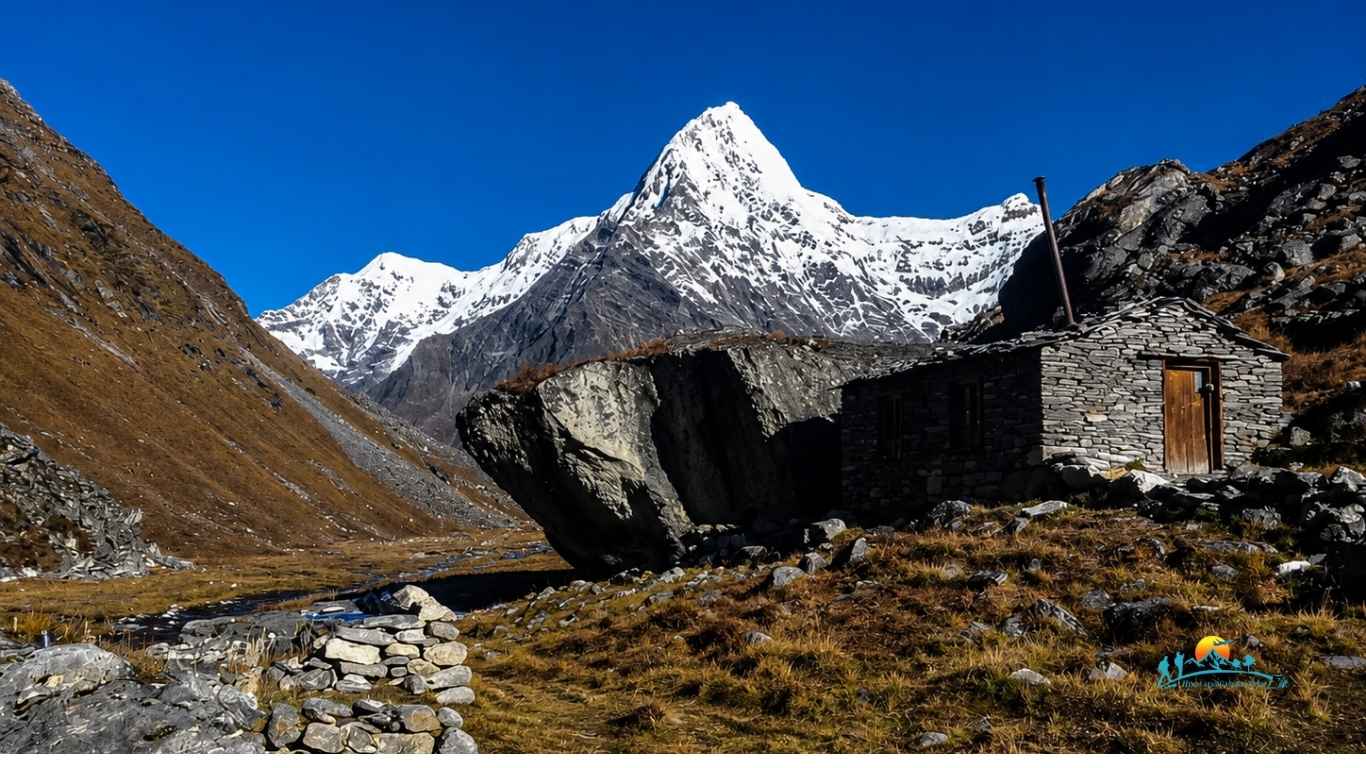
Your walk begins along the Tamakoshi River, where the trail winds through dense bamboo and rhododendron forests. As you gain elevation each day, the lush green surroundings rapidly thin out. By the time you pass the tree line, the terrain switches to a stark alpine environment filled with gravel, rock formations, and glacial moraines.
Cultural Isolation of the High-Altitude Settlements
Along this route the villages are still mostly unaffected by intensive modern tourism. The first big place you will visit is Simi Gaon which has a steep slope and is home to both Sherpa-Tamang communities. The Buddhist influence on the local culture becomes evident as you proceed further down the valley towards Beding and Na Gaon.
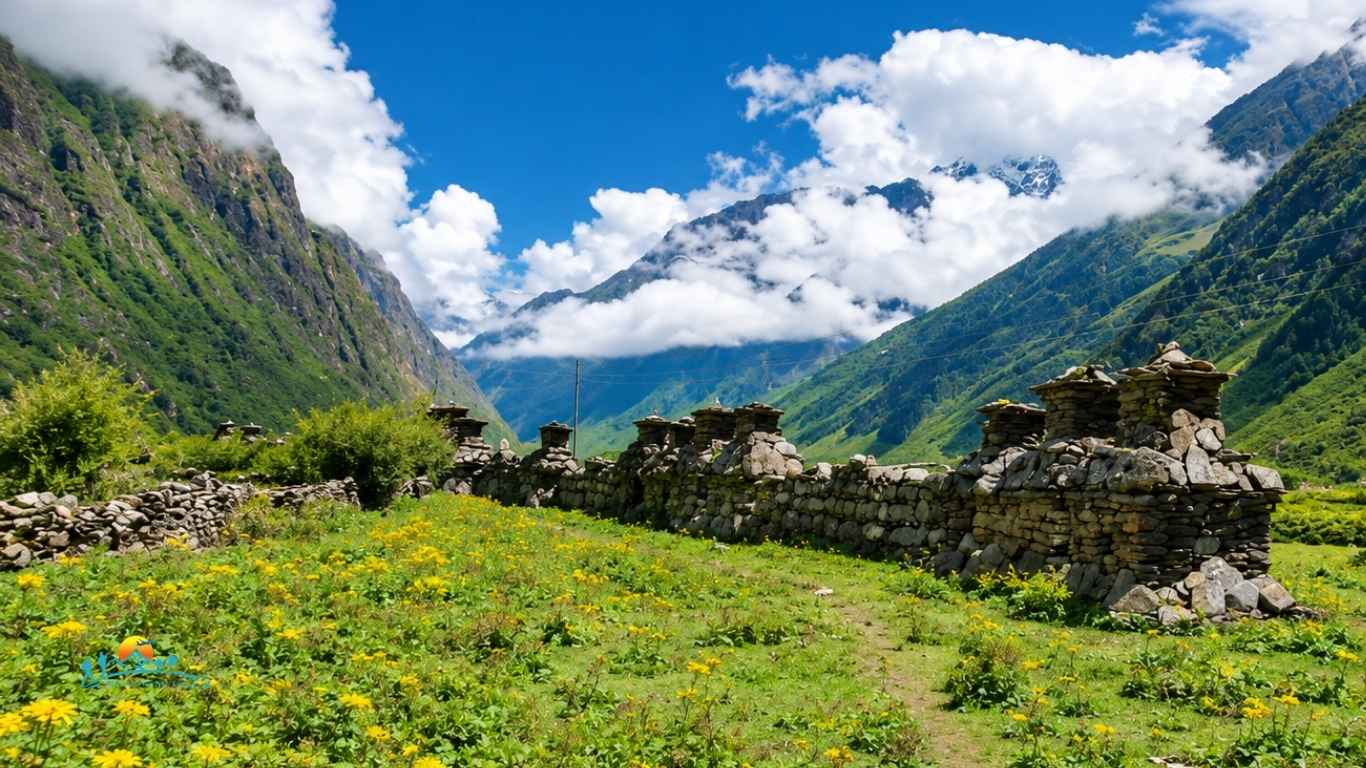
The monasteries of the past, the man-made stones, and prayer flags line the gates of these villages. The local people are dependent on traditional livelihoods, mainly herding yaks and the cultivation of potatoes in the short summer season. Residing in these villages will give you a first-hand experience of what it is like to live in mountain communities.
The Features of Tsho Rolpa Lake
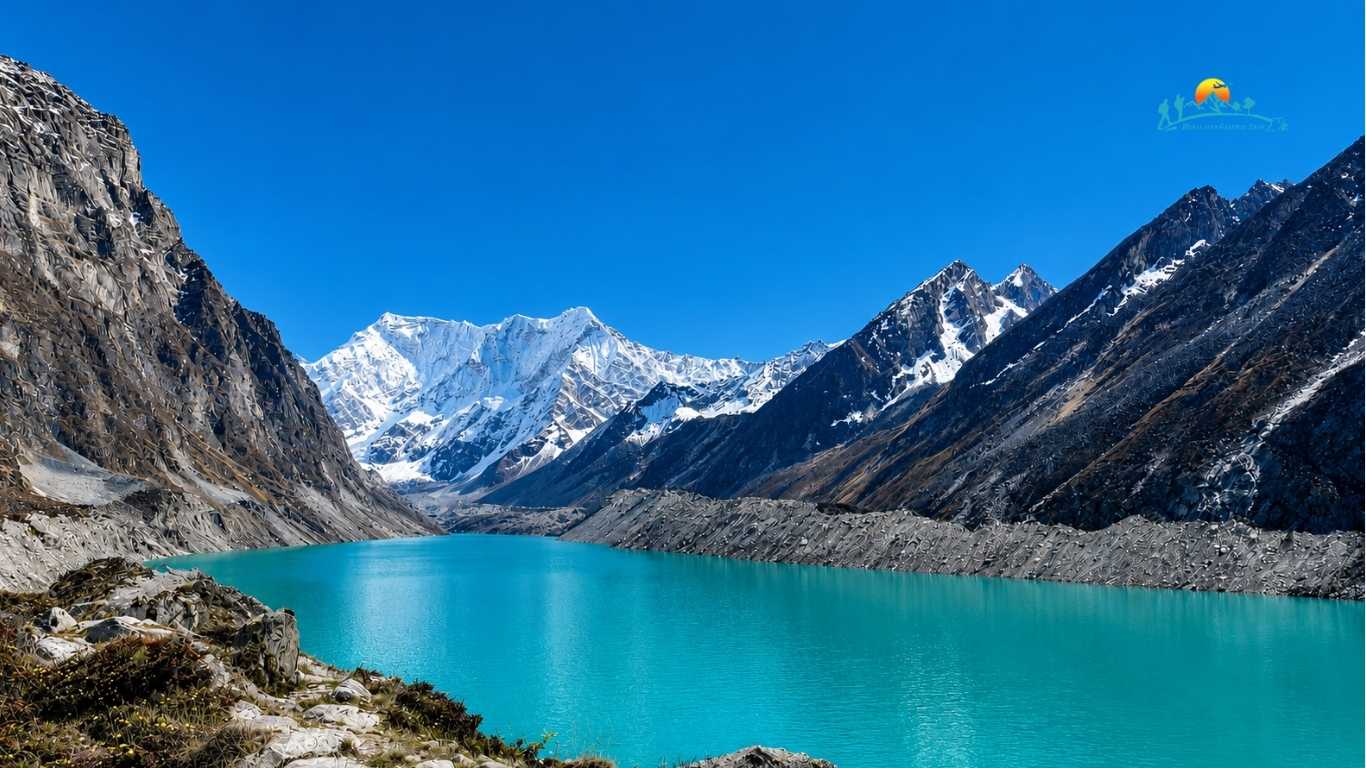
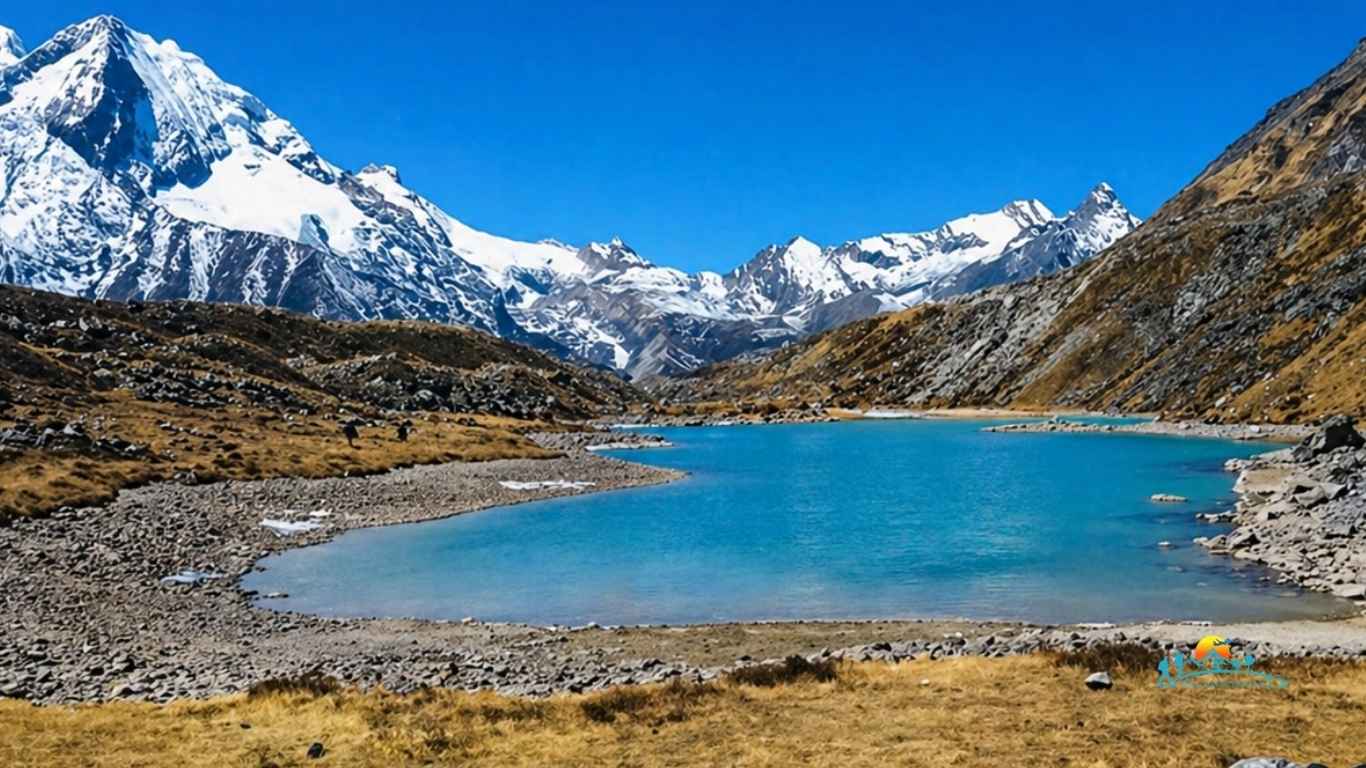
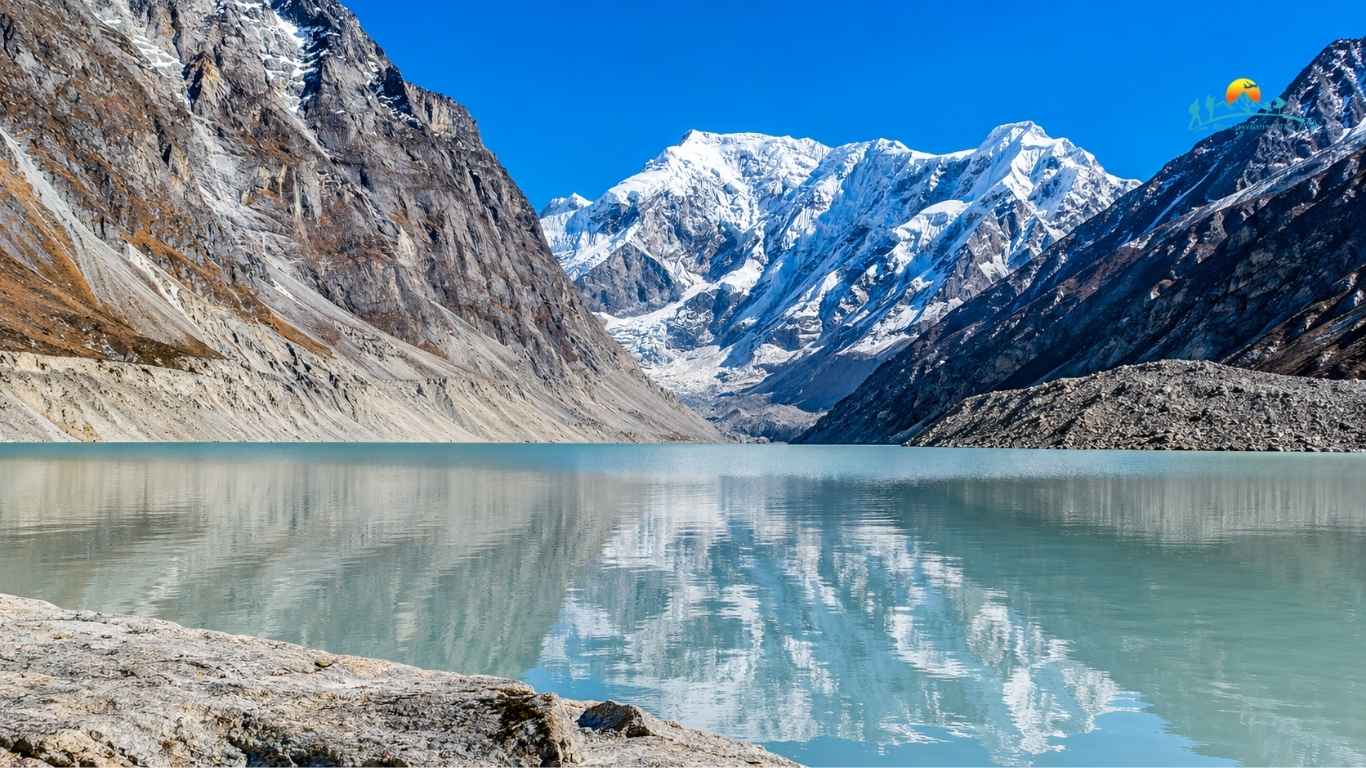
The main attraction of this tour is the Tsho Rolpa Lake at a height of 4,580m, it is one of the best Lakes in Nepal. The lake is fed by the glaciers around it and their water flows gently into a very large valley basin, which is filled with calm, turquoise water.
A natural debris dam made of ice and rock holds the water in place. Walking along the shores of the lake reveals the immediate impacts of changing mountain environments, as you can hear the faint sounds of shifting ice from the glaciers above. The area provides a clear view of the surrounding peaks that trap the lake in its high-altitude bowl.
Elevation Changes and Physical Demands
Due to its steep profile, this walk requires good fitness. The trek begins with a drive to Chetchet, and then a steep ascent up stone steps to Simi Gaon. A journey over 4 days from 1525 m up to 4500 m.
The itinerary spaces out the elevation gains to let your body adjust to the thinning air. However, the cold temperatures, wind, and steep terrain make the daily walks physically taxing. The final days require long hours of downhill walking as you drop more than 3,000 meters back to the starting point of the trail.
Highlights of the Journey
- Trek to Tsho Rolpa Lake, one of the largest glacial lakes in Nepal at 4,580 meters.
- Enjoy clear views of Mt. Gauri Shankar and the rugged peaks of the Rolwaling range.
- Walk through the traditional Sherpa and Tamang villages of Simi Gaon, Beding, and Na Gaon.
- Discover ancient Buddhist monasteries, chortens, and prayer walls deep in the valley.
- Travel along the dramatic gorges of the Tamakoshi River and through dense rhododendron forests.
Benefits with Himalayan Gateway Trek
- Experienced local guides who know the Rolwaling trails and altitude safety protocols perfectly.
- Private jeep transport from Kathmandu to Chetchet for a safe and comfortable ride.
- Carefully selected local tea houses that provide the best available food and rooms.
- Accurate briefing sessions before the trip to prepare you for the high-altitude terrain.
Overview of Tsho Rolpa Trek
The Tsho Rolpa Trek is a trek route which leads into the deep valleys of the Rolwaling region just on the border of Tibet. It’s a scenic trip from Kathmandu, which then turns into a walk for the next 10 days. You cross over waterfalls and up stone steps and see the alpine environment changing.
The trail follows the clean waters of the Tamakoshi River before climbing up to the Sherpa villages of Beding and Na Gaon. Here, local people preserve their traditional ways of life, far from the influence of busy tourist hubs. Ancient monasteries and mani walls mark the entryways to these high settlements.
Tsho Rolpa Lake, which is at 4,580 meters, is the highlight of the walk. This placid, turquoise water body is fed by great glaciers, within the steep rock and ice bowl.
Standing by its shores gives you a direct view of Mt. Gauri Shankar and the changing mountain environment.
Himalayan Gateway Trek will take care of organizing every aspect of your trip including transport and tea house arrangements. We have experienced guides who take you on your journey to keep you safe and ensure you know all about the area’s history. In Himalayan Gateway Trek, you will experience a well-planned trek through this remote wilderness.
10 Days Tsho Rolpa Trek Itinerary
Day 01: Arrival in Kathmandu and Transfer to Hotel (1,400m / 4,593ft)
Your journey begins when your flight lands at Tribhuvan International Airport in Kathmandu Valley. Our representative meets you outside the arrival gate and takes care of your luggage. A private vehicle drives you directly to your hotel through the city center.
After checking into your room, you have time to unpack and rest from your travel. The afternoon remains free for you to rest or stretch your legs. You can stroll through the nearby local markets to observe the city life.
In the evening, you gather for a brief meeting with your trekking guide. We check your gear list and distribute your trekking permits. Your guide explains the route conditions and answers any questions before tomorrow morning’s departure.
Day 2: Private Jeep Drive from Kathmandu to Chetchet, then hike to Simi Gaon (2000m | 6561ft)
You leave Kathmandu early in the morning in a private jeep. The drive takes you along the Araniko Highway before turning onto rural roads next to the Bhote Koshi River.
Your vehicle arrives at Chetchet, a small settlement that marks the start of the walking trail. You cross a long suspension bridge over the rushing Tamakoshi River to begin the foot journey.
You climb steadily for two to three hours through the forested slope until you reach Simi Gaon. This traditional Sherpa and Tamang village.
Day 3: Trek from Simi Gaon to Dongang (2790m | 9153ft)
You start the day with breakfast before entering a dense forest trail. The trail includes a mix of short descents and long uphill stone stairs carved into the mountainside.
As you walk, you get your first clear views of Mt. Gauri Shankar between the breaks in the forest canopy.
After five to six hours of walking, you drop down slightly to arrive at the river settlement of Dongang. This quiet stopping point sits right next to the rushing waters of the Rolwaling Khola. You spend the night in a local lodge surrounded by tall pine trees.
Day 4: Trek from Dongang to Beding (3692m | 12112ft)
The trail climbs out of Dongang along the Rolwaling River, passing through thinning silver pine and rhododendron forests. You cross a suspension bridge and follow a rugged cliff path above 3,000 meters where the air grows thinner. You pause for lunch at a mountain pasture settlement before the valley floor opens completely.
By late afternoon, you reach Beding, the largest Sherpa village in the valley. The settlement features stone houses near the riverbank and an old monastery on the hillside.
You check into a local tea house and drink hot tea to stay warm in the cool alpine climate.
Day 5: Trek from Beding to Na Gaon (4180m | 13713ft)
You enjoy a short, pleasant walking day as you head toward the final high-altitude settlement. The trail follows a gentle uphill incline along the right bank of the river, leaving the tree line completely behind.
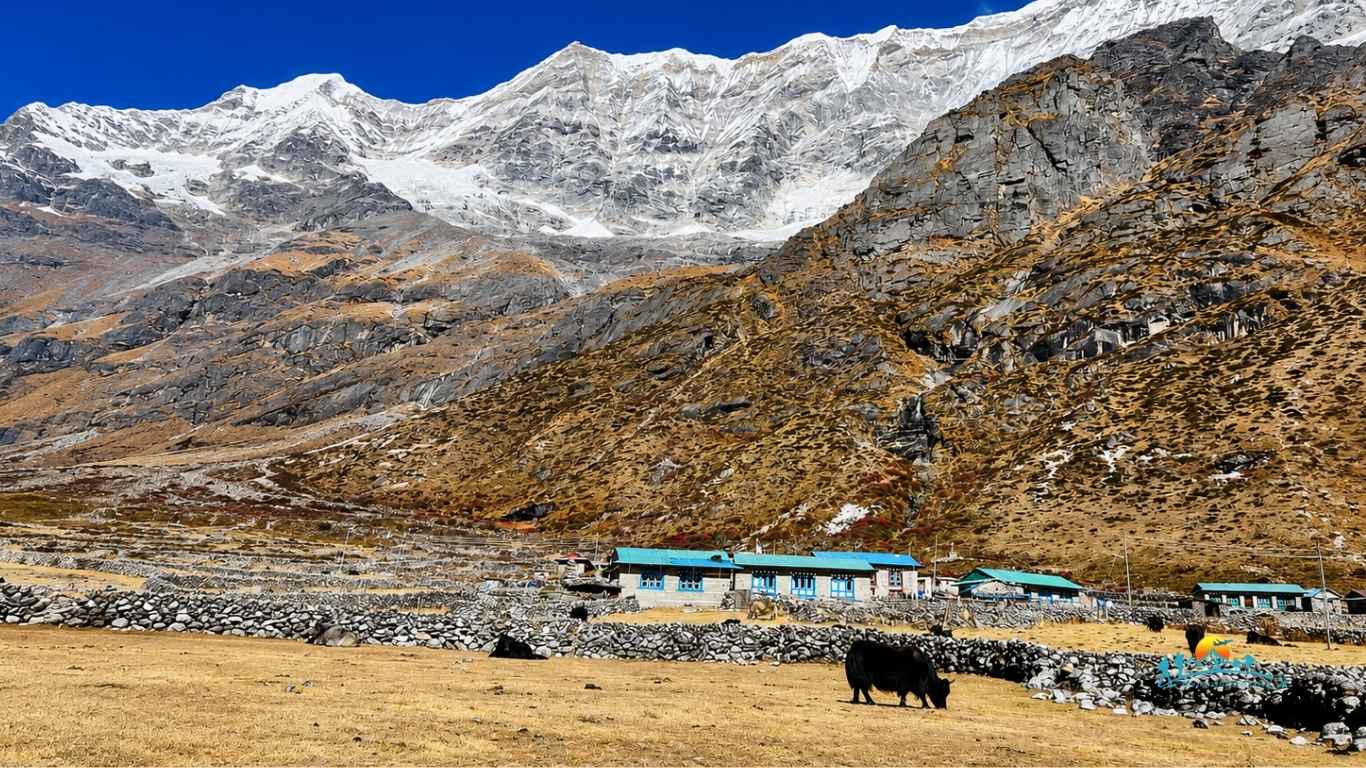
You pass the famous Guru Rinpoche rock art, where religious symbols and flags line the path. The open pastures provide grazing space for local yak herds during the summer months.
After four to five hours of walking, you enter Na Gaon, a flat mountain village enclosed by stone walls.
Day 6: Hike to Tsho Rolpa Lake (4580m | 15026ft) and back to Na Gaon
You start early in the morning for the main destination of the trip. The path leaves Na Gaon and climbs over rugged moraines and rocky trails formed by ancient glaciers.
At the top of the ridge, the massive Tsho Rolpa Lake comes into full view. The turquoise water fills a giant basin bordered by ice walls and gravel fields.
After taking photos and watching the ice formations, you retrace your steps along the moraine trail. The downhill walk takes you back into the wider valley basin. You arrive back at your lodge in Na Gaon by early afternoon for lunch and a long rest.
Day 7: Na Gaon to Dongang (2790m | 9153ft)
You begin your return journey by leaving the high pastures of Na Gaon. The trail runs downhill along the riverbed, passing the rocky shrines and prayer walls again.
You pass through Beding village for a brief morning rest before continuing down the valley. The path re-enters the pine and rhododendron forests, changing the scenery from grey rock to deep green.
The final stretch involves a steady descent along the river gorges. After seven to eight hours of total movement, you arrive back at the riverside camp of Dongang.
Day 8: Dongang to Chetchet (1525m | 5003ft)
You follow the river trail further down, retracing the steps from your first days of trekking. The path goes through bamboo groves and dense woods where you might see local wildlife like langur monkeys.
You reach Simi Gaon by midday and pause to eat lunch overlooking the lower valley. After lunch, you face the long descent down the steep stone staircase that you climbed on Day Two.
You cross the final suspension bridge to finish the walking section of your trip at Chetchet. You check into a basic guest house near the road head and celebrate the completion of the trail.
Day 9: Local Bus Drive from Chetchet to Kathmandu (1400m | 4593ft)
You board a local bus early in the morning at the Chetchet road head. The vehicle drives along the narrow mountain roads that border the Tamakoshi River valley.
The eight hour drive shows you different views of rural life, terraced hillsides, and roadside bazaars. You stop at a local highway restaurant for a traditional lunch of dal bhat.
You arrive at the bus station in Kathmandu by late afternoon and transfer back to your hotel. You enjoy a hot shower and change into clean clothes after a week in the mountains. The evening is yours to relax or celebrate your successful journey with a special dinner.
Day 10: Departure to your home
You eat your final breakfast at the hotel and complete your check-out formalities. The morning remains free for last-minute souvenir shopping in Thamel or packing your bags. You ensure all your flight documents and passports are easily accessible.
Our representative arrives at the hotel according to your flight schedule. A private vehicle picks you up and transfers you through the city to Tribhuvan International Airport. We ensure you arrive at the terminal three hours before your international departure time.
You check in your baggage, pass through airport security, and wait at your departure gate. Your 10-day journey through the Rolwaling Valley and Tsho Rolpa Lake concludes as you board your flight home.
What is Included in the Tour Package
- Airport pickups and drop-offs in a private vehicle according to your flight schedule.
- Standard hotel accommodation in Kathmandu including breakfast.
- Selected tea house and lodge accommodations during the trekking days.
- Full board meals (breakfast, lunch, and dinner) with seasonal fruits during the trek.
- Private jeep transport from Kathmandu to Chetchet and return local bus overland transport.
- An experienced, government-licensed, English-speaking trekking guide and porters.
- Helpful trekking porters to carry your main luggage.
- Gaurishankar Conservation Area Project (GCAP) permits and TIMS cards.
- Comprehensive first aid medical kit carried by the guide.
- All applicable government taxes, official paperwork, and company service charges.
- Trekking certificate
- Farewell dinner
- Sleeping bag and duffel bags to each trekkers (to be returned after the trip)
- Rescue arrangements (based on clients insurance policy)
What is Excluded from the Tour Package
- International airfare, departure taxes, and Nepal entry visa fees.
- Personal trekking gear, specialized high-altitude clothing, and sleeping bags.
- Travel medical insurance covering emergency helicopter evacuation and high-altitude rescue.
- Personal expenses including hot showers, Wi-Fi access, and device battery charging at tea houses.
- Cold drinks, mineral water, snacks, alcoholic beverages, and bar bills on the trail.
- Tips and gratuities for your trekking guide, porters, and drivers at the end of the trip.
- Any expenses caused by unexpected events like flight delays, political strikes, or natural roadblocks.
Preparing the right gear is crucial for a safe and comfortable journey through the high-altitude terrain of the Rolwaling Valley. This comprehensive checklist outlines the essential clothing, footwear, and personal items required for your 10-day itinerary.
Himalayan Gateway Trek ensures group safety items like medical kits are handled, but individual comfort depends on proper personal equipment.
- Sturdy, broken-in trekking boots with good ankle support and deep grip.
- High-quality down jacket and a waterproof, windproof outer shell jacket.
- Four-season sleeping bag rated to comfort levels down to -15°C.
- Lightweight, moisture-wicking trekking shirts and quick-dry hiking pants.
- Thermal base layer tops and bottoms for cold alpine nights above 3,000 meters.
- Warm fleece jacket or medium-weight pullover for insulation layers.
- Pair of adjustable trekking poles
- UV-protection sunglasses, a wide-brimmed sun hat, and an insulated winter beanie.
- Bright headlamp with extra sets of batteries
- Two-liter reusable water bottles or a hydration bladder
- Personal toiletries, quick-dry travel towel, high-SPF sunblock, and moisturizing lip balm.
The 10-day Tsho Rolpa Lake Trek is an extraordinary adventure into the unspoiled and harsh environment of the remote Rolwaling Valley. This is an off-the-beaten-path route and is still largely undeveloped for mass commercial tourism, which means that it is an authentic alpine experience and needs careful preparation and an adventurous spirit.
Hikers will traverse the diverse landscape of rhododendron forests, thin cliff-side trails and a host of other unique local conditions, all while staying in local tea houses, which are authentic, basic and give the hiker a true taste of the Sherpa way of life.
Safety is our utmost priority throughout this remote wilderness expedition. Gaining altitude up to 4,580 meters means a slow, steady pace and proper acclimatization are essential to prevent Acute Mountain Sickness (AMS).
Our expert guides monitor your physical well-being daily and carry comprehensive medical kits, but it remains a mandatory requirement for all participants to possess comprehensive travel insurance that explicitly covers high-altitude rescue and emergency medical evacuation.
Weather and Best Trekking Seasons
The best time to visit the Rolwaling Valley is in the Spring (March-May) or Autumn (September-November). The skies are clear in these months and offer spectacular, unobstructed views of Mt. Gauri Shankar, and daytime temperature is very conducive for uninterrupted hiking.
Physical Fitness and Preparation
This hike is rated as moderate to strenuous because of the wilderness nature of the region, and the back-to-back days of hiking at high elevation. There is no technical climbing and no prior mountaineering experience required, but a good level of fitness, particularly of the legs, is strongly advised for the 4-8 hours of walking on the trails every day.
Food and Accommodation Logistics
The tea houses here are small, family owned and cozy but rustic, making them a great place to stay while hiking the trail. Twin-sharing rooms and hearty, freshly prepared local meals are all included with your package, but additional “bells and whistles” such as running hot showers, satellite Internet access and facilities for charging electronic devices come with a small out of pocket charge to the lodge owners.
Travel Permits and Insurance Policies
Special official permits are required to enter the protected wilderness, including a GCAP permit and a TIMS card. We can provide these for you. Plus, if you would like medical costs and helicopter evacuation to be covered up to an altitude of 5,000m in your insurance policy, it is a requirement before you step onto the trail.
Acute Mountain Sickness (AMS) and Safety Protocols
Trekking to an elevation of 4,580 meters at Tsho Rolpa Lake, you will find the air a lot thinner and the oxygen level much lower. Itineraries are carefully planned for a safe trip we don’t plan it too steep so that the natural acclimatization can be observed. Our guides know what to look out for each day for signs and symptoms of Acute Mountain Sickness (AMS), including persistent headache, dizziness, loss of appetite, and are trained to use standard first-aid protocols, which include descent and/or coordinating an emergency helicopter evacuation if needed.
Terms & Policies
Thank you for choosing Himalayan Gateway Trek. Our goal is to provide a safe, enjoyable, and memorable travel experience. Please review the following terms and policies before confirming your booking.
📍Booking & Payment
- 👉 A 20% deposit is required to confirm your booking.
- 👉 The remaining balance must be paid on your arrival day in Nepal
- 👉 Your booking is confirmed once we receive your deposit and send a confirmation.
📍Cancellation & Refunds
- 👉 If you cancel your trip 45 days or more before departure, 50% of the deposit amount will be refunded.
- 👉 No refunds are available for cancellations made within 45 days of departure.
- 👉 Any non-refundable costs already incurred, including permits, flights, accommodation, transportation, or other third-party services, will be deducted from the refund amount.
Note: Eligible refunds will be processed within 14 business days of receiving the cancellation request.
📍 Travel Insurance
- 👉 Travel insurance is mandatory for all trekking and adventure trips.
- 👉 Your insurance should cover emergency medical treatment, helicopter evacuation, trip cancellation, and personal accidents.
- 👉 Himalayan Gateway Trek is not responsible for expenses arising from inadequate insurance coverage.
📍 Trip Changes
- 👉 Weather conditions, flight delays, road conditions, government regulations, or other unforeseen circumstances may require changes to the itinerary.
- 👉 Any changes will be made with the safety and well-being of our guests as the highest priority.
📍 Responsibility
- 👉 Himalayan Gateway Trek is not responsible for flight delays, cancellations, injuries, loss of personal belongings, natural disasters, political unrest, or other events beyond our control.
- 👉 By booking a trip with us, you acknowledge and accept the inherent risks associated with trekking and adventure travel.
FAQs
How far is Tsho Rolpa from Kathmandu?
Tsho Rolpa Lake is approximately 115 kilometers northeast of Kathmandu in straight-line distance. By road, the journey involves a 185-kilometer drive to Chhetchhet, followed by a multi-day foot trek covering roughly 25 to 30 kilometers through the valley.
What is Rolpa famous for?
Rolpa is historically famous as the epicenter and birthplace of the decade-long Maoist insurgency in Nepal. Today, it is renowned for its rugged highlands, sacred Jaljala religious site, unique indigenous Magar culture, and untamed guerrilla trekking trails.
Which is the biggest glacier lake in Nepal?
Tsho Rolpa is the biggest glacial lake in Nepal. Situated at an altitude of 4,580 meters in the Rolwaling Valley of Dolakha district, the lake has expanded dramatically over the past 50 years due to rapid Himalayan glacial melting.
Where is Tsho Rolpa Lake located?
Tsho Rolpa Lake is located in the remote Rolwaling Valley of the Dolakha district in northeastern Nepal. Nestled inside the Gaurishankar Conservation Area near the Tibetan border, it is situated between the Everest and Langtang mountain ranges.
How difficult is the Tsho Rolpa Trek?
The trek is classified as moderate to challenging. It requires navigating steep stone stairs, rugged terrains, and high altitudes without technical climbing. Trekkers should possess a good level of physical fitness and stamina for 5–7 daily walking hours.
What is the highest point of the Tsho Rolpa Trek?
The highest point of the trek is Tsho Rolpa Lake itself, which sits at an elevation of approximately 4,580 meters (15,026 feet) above sea level. Some side hikes or extended itineraries like Tashi Lapcha Pass can go higher.
How many days does the Tsho Rolpa Trek take?
The core itinerary typically takes between 7 to 10 days, depending on your walking pace and acclimatization. However, extended versions that include peak climbing or crossing the Tashi Lapcha Pass can take up to 13 to 16 days.
What is the best time to do the Tsho Rolpa Lake Trek?
The ideal seasons are spring (March to May) and autumn (September to November). These periods offer stable weather, comfortable temperatures, and crystal-clear Himalayan views. Spring features blooming rhododendrons, while autumn provides optimal visibility and festive cultural experiences.
Is altitude sickness a concern, and do I need previous experience?
Yes, altitude sickness is a risk since the lake exceeds 4,500 meters. Proper hydration and gradual ascent are vital. While prior trekking experience isn’t mandatory for the standard route, excellent cardiovascular fitness and physical preparation are highly recommended.
What permits are required for the Tsho Rolpa Trek?
Trekkers must obtain the Gaurishankar Conservation Area Project (GCAP) permit and a Trekkers’ Information Management Systems (TIMS) card. These mandatory permits can be acquired through registered trekking agencies in Kathmandu or at designated entry checkpoints along the route.
What type of accommodation and meals are available for the Tsho Rolpa Trek?
Accommodation primarily consists of basic, local family-run teahouses and lodges, though camping is used on extended paths. Teahouses serve simple, traditional meals like Dal Bhat, noodles, and eggs, with food options becoming more limited at higher altitudes.