The Everest Base Camp Trek with Helicopter Return is the premier choice for adventurers who want to stand at the foot of the world’s highest peak without the grueling knee-shattering descent. This trek combines the classic challenge of the Khumbu region with a spectacular aerial finale, offering a bird’s-eye view of the landscapes you just conquered.
Reaching Everest Base Camp (5,364m / 17,598ft) is a bucket-list achievement that takes you through the heart of Sherpa culture, ancient monasteries, and high-alpine glacial moraines. The journey is famous for its iconic landmarks, including the bustling hub of Namche Bazaar, the spiritual center of Tengboche Monastery, and the panoramic masterpiece of Kala Patthar (5,545m), which provides the most photographed view of Mount Everest’s summit.
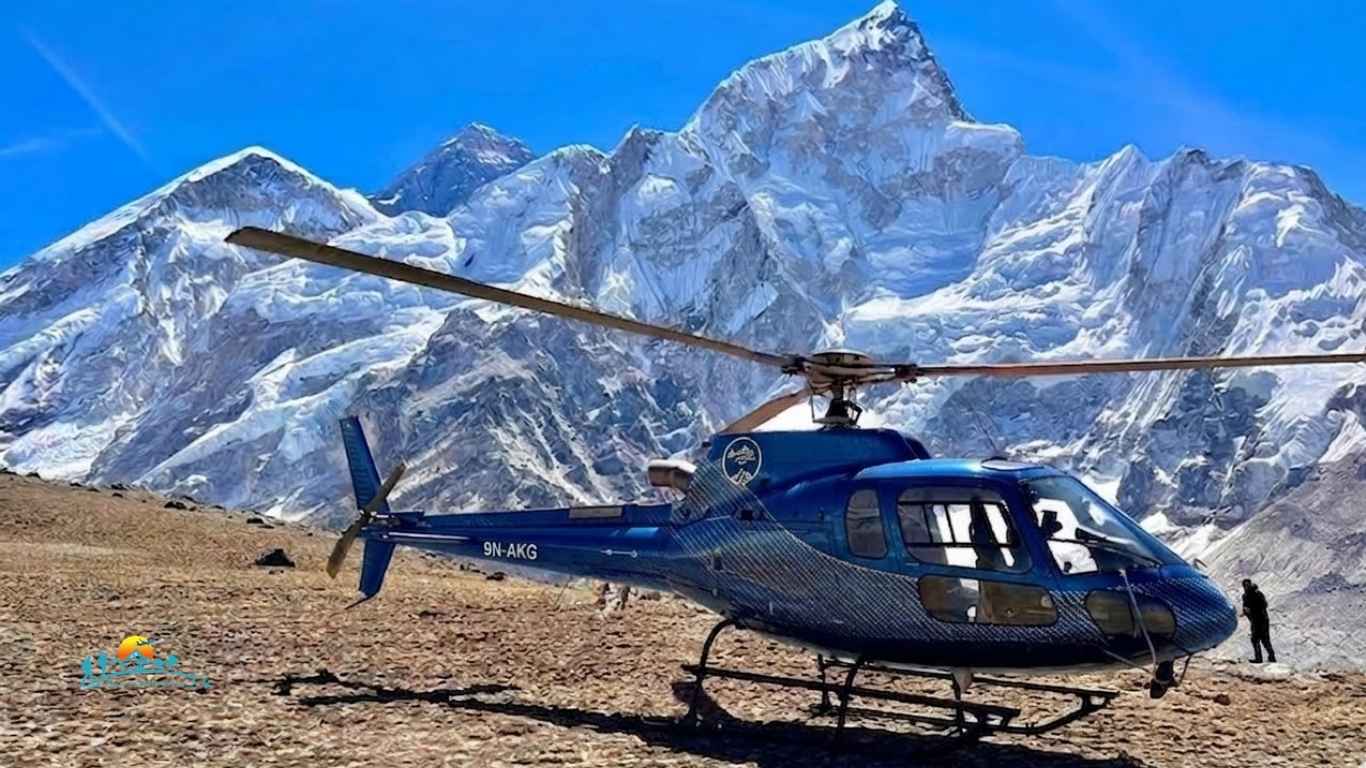
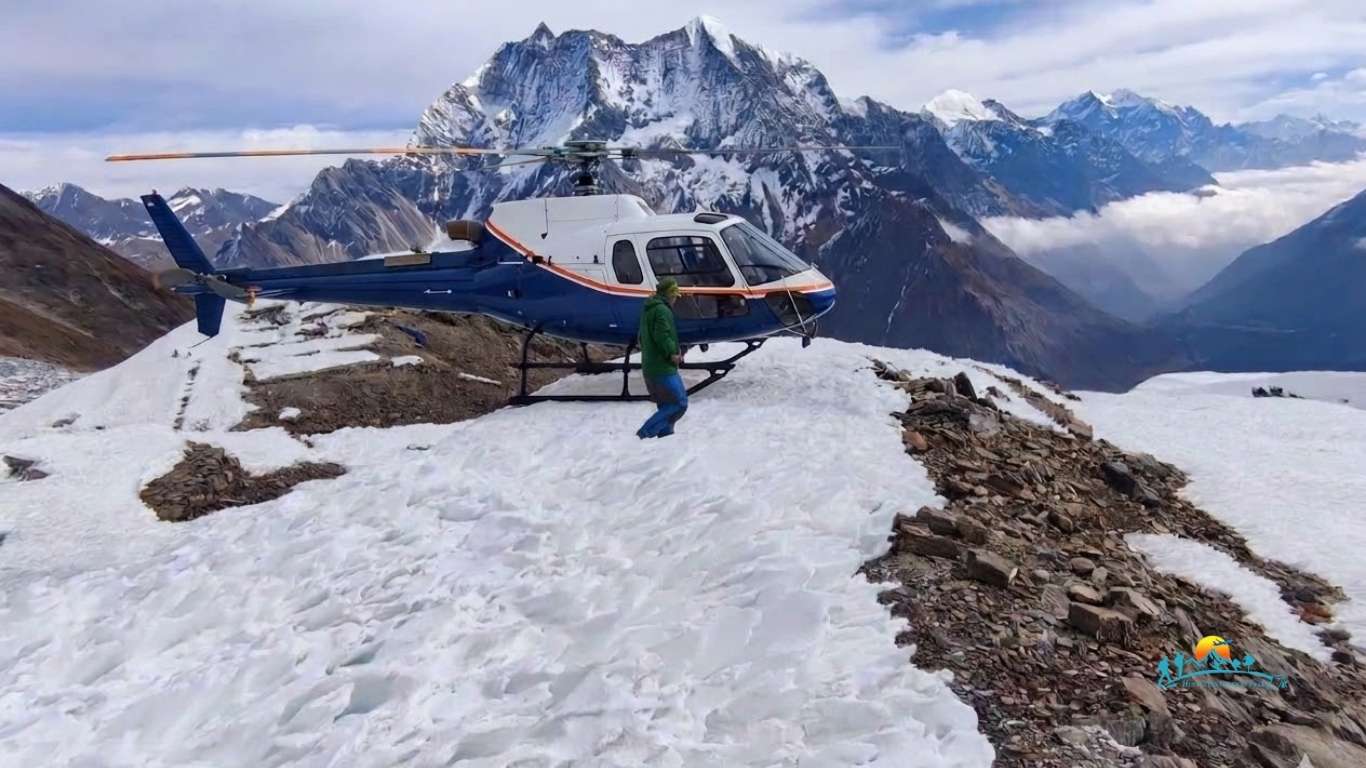
The highlight of this specific itinerary is the luxury helicopter flight from Gorak Shep back to Kathmandu. After days of ascending through rhododendron forests and rocky trails, the flight offers a breathtaking transition from the ice-capped giants of the Himalayas to the lush valleys below. This “fly-back” option is perfect for trekkers who are short on time or those who want to avoid the repetitive descent, ensuring your Himalayan adventure ends on a literal high note.
Major Highlights of the Trip
- Scenic mountain flight from Kathmandu to the Lukla airport.
- Trek through the Sagarmatha National Park, a UNESCO World Heritage site.
- Exploration of Namche Bazaar, the primary trade hub of the Khumbu region.
- Panoramic views of Mount Everest, Lhotse, Nuptse, and Ama Dablam.
- Visit to the Tengboche Monastery, the largest spiritual center in the region.
- Experience of Sherpa culture and hospitality in high altitude villages.
- Successful journey to the Everest Base Camp at 5,364 meters.
- 360 degree Himalayan views from the viewpoint of Kala Patthar at 5,545 meters.
- Observation of the Khumbu Glacier and the famous Khumbu Icefall.
- Private helicopter flight from Gorak Shep directly back to Kathmandu.
- Aerial perspectives of the Himalayan range during the return flight.
Benefits with Himalayan Gateway Trek
- Expert local guides with professional high altitude certification.
- Health monitoring including daily oxygen saturation checks.
- Private airport transfers in a comfortable vehicle.
- Provision of high quality trekking gear including duffel bags.
- Comprehensive coordination of all required trekking permits.
- Emergency first aid kits and satellite communication support.
- Flexible 18 day itinerary with built in buffer days for safety.
- Traditional farewell dinner at a cultural restaurant in Kathmandu.
Journey to the Everest Base Camp
The Everest Base Camp Trek with Helicopter Return is the ultimate 18 day adventure in the Himalayas. This journey is designed for those who want to experience the full trekking route to the foot of Mount Everest but prefer a scenic aerial return to Kathmandu. You will walk through the heart of the Khumbu region and visit iconic Sherpa villages and ancient monasteries.
The trail takes you through Sagarmatha National Park where you can see rare flora and fauna. You will spend time in Namche Bazaar to acclimatize and visit the famous Tengboche Monastery. After reaching Everest Base Camp and the viewpoint of Kala Patthar, you will skip the long walk back down. A private helicopter flight will pick you up from Gorak Shep and fly you directly to Kathmandu. This saves time and offers a stunning bird’s eye view of the world’s highest peaks.
18 Days Everest Base Camp Trek with Helicopter Return Itinerary
Day 01: Arrival in Kathmandu (1,400m) and Hotel Transfer
Day 02: Flight to Lukla and Trek to Phakding
Day 03: Trek from Phakding to Namche Bazaar
Day 04: Acclimatization Day in Namche Bazaar
Day 05: Trek from Namche Bazaar to Tengboche (3,860m)
Day 06: Trek from Tengboche to Dingboche (4,410m)
Day 07: Acclimatization Day in Dingboche (4,410m)
Day 08: Trek from Dingboche to Lobuche (4,940m)
Day 09: Trek to Gorak Shep (5,164m) and Sunset Hike to Kala Patthar
Day 10: Hike to Everest Base Camp (5,364m)
Day 11: Scenic Helicopter Flight from Gorak Shep to Kathmandu
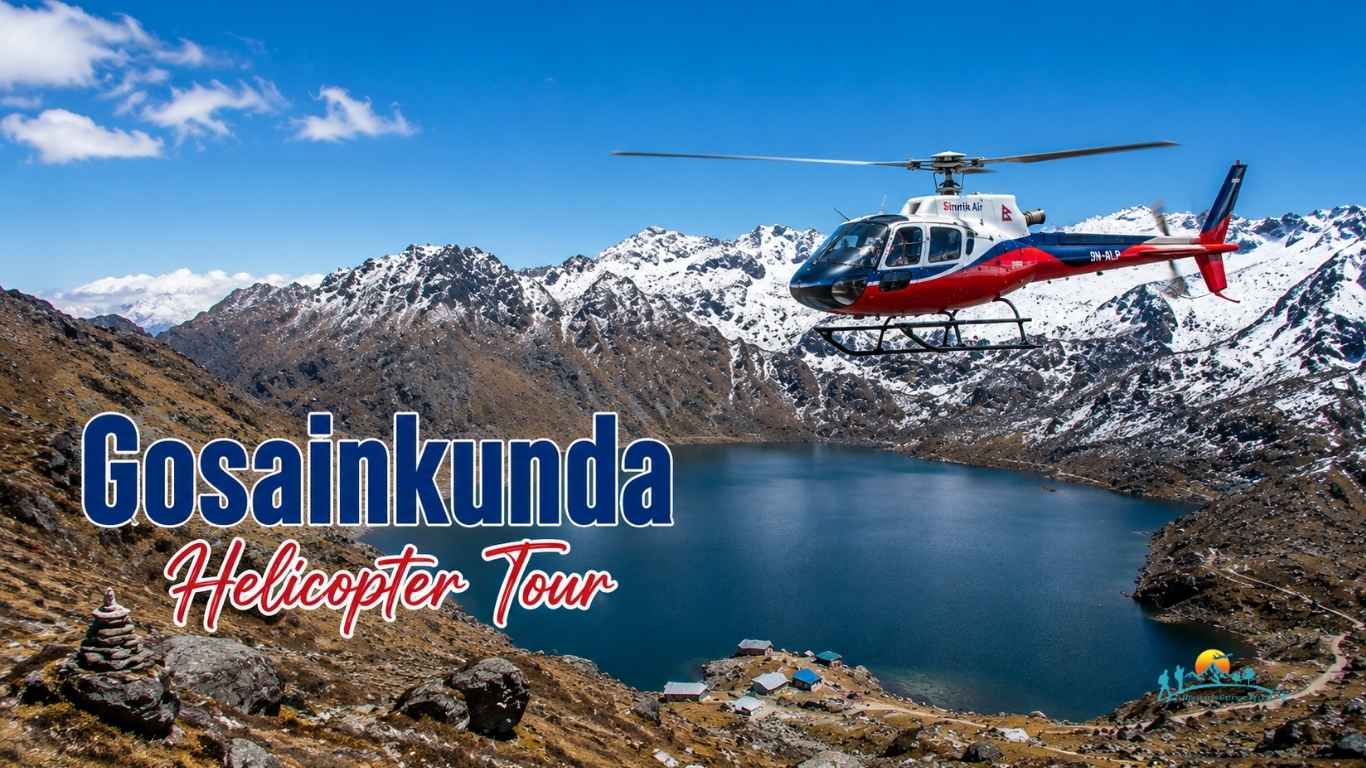
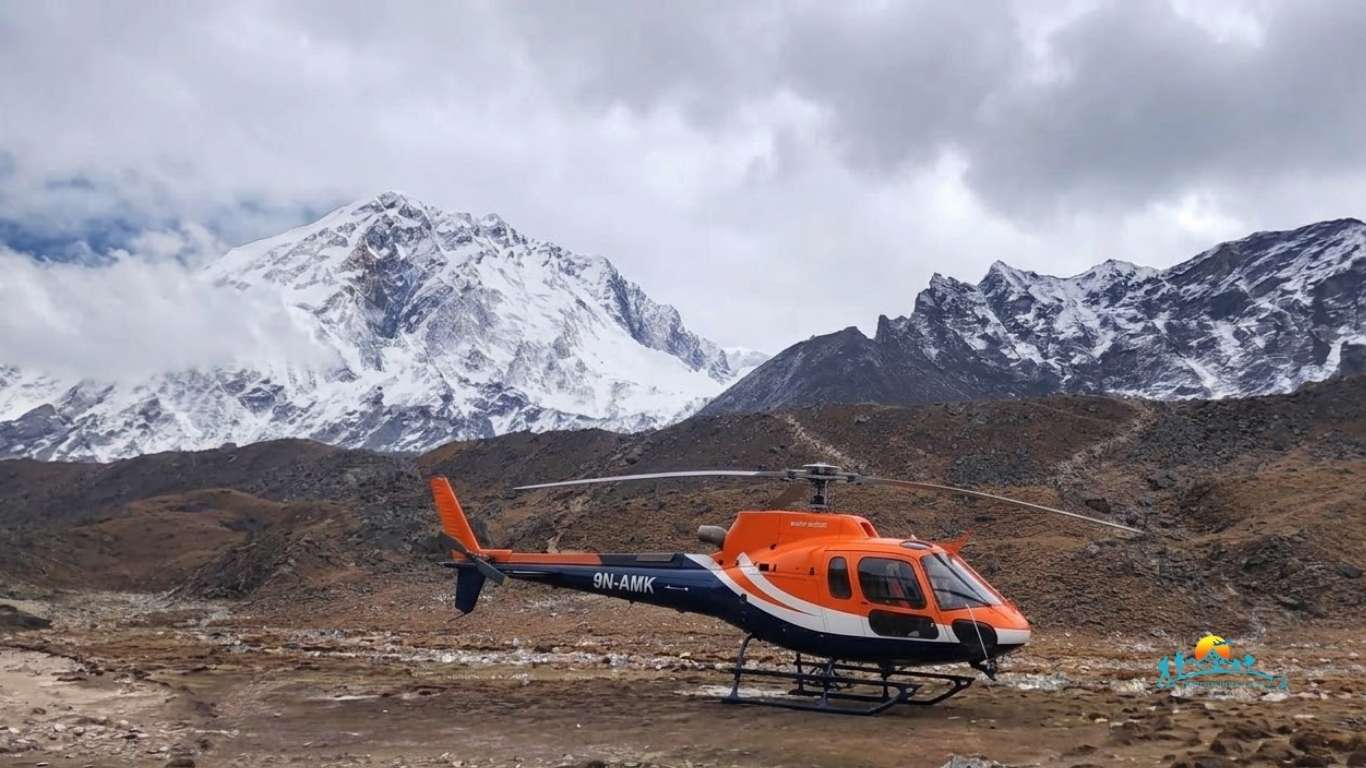
Skip the long walk back and board a private or shared helicopter from Gorak Shep. Lift off from the high mountains and enjoy wide aerial views of the Himalayas, including Mount Everest, Lhotse, and deep green valleys far below. The flight gives you a clear view of the route you have walked over the past days.
After landing in Kathmandu, our team will transfer you to your hotel. Take time to rest, enjoy a hot shower, and recover from the trek. In the evening, join a farewell dinner to mark the completion of the journey.
Day 12: Departure to Home
What is included in the package?
- Airport Transfers: Arrival and departure transfers by private vehicle.
- Kathmandu Accommodation: 3 nights in a 3-star hotel (twin-sharing) with breakfast included.
- Domestic Flights: Kathmandu to Lukla round-trip flight (or Ramechhap during peak season) and all ground transfers.
- Helicopter Return: One-way scenic helicopter flight from Gorak Shep directly to Kathmandu.
- Trekking Permits: Sagarmatha National Park entry permit and Khumbu Pasang Lhamu Rural Municipality permit.
- Professional Staff: Government-licensed, English-speaking trekking guide and experienced porters (1 porter for every 2 trekkers).
- Trek Meals: Full board meals (Breakfast, Lunch, and Dinner) throughout the trekking duration.
- Teahouse Stays: Clean and best available teahouse/lodge accommodation during the trek.
- Staff Logistics: Salary, insurance, equipment, flight, food, and lodging for all Nepalese staff.
- Beverages & Fruits: A cup of tea or coffee with each meal and seasonal fresh fruits served daily after dinner.
- Safety Equipment: Comprehensive first-aid medical kit and an oximeter to monitor oxygen saturation levels daily.
- Social Events: Welcome and farewell dinner parties in Kathmandu.
- Trip Completion: Official trip completion certificate following the successful trek.
What is Excluded from the Package?
- Visa Fees: Nepal entry visa fee (obtainable on arrival at the airport).
- International Airfare: International flights to and from your home country.
- Insurance: Comprehensive travel and rescue insurance covering emergency high-altitude evacuation.
- Kathmandu Meals: Lunch and dinner in Kathmandu, except for the scheduled welcome and farewell dinners.
- Trekking Beverages: Bottled water, alcoholic beverages, sodas, and specialized coffee.
- Personal Expenses: Wi-Fi access, hot showers, battery charging fees, and laundry services during the trek.
- Equipment: Personal trekking gear such as hiking boots, specialized clothing, and trekking poles.
- Crew Tipping: Tips for the trekking guide, porters, and drivers (customary in Nepal).
- Contingency Costs: Expenses resulting from unforeseen circumstances like flight delays, altitude sickness, or early return.
Proper gear is the foundation of a successful Himalayan adventure. This comprehensive list covers the technical clothing, hardware, and personal items required for the trek to 5,545 meters. Because this itinerary includes a helicopter return, we recommend focusing on versatile, lightweight layers to ensure you remain comfortable across changing climates while staying within weight restrictions.
- Sun Hat or Cap
- Neck Gaiter or Buff
- Polarized Sunglasses (UV Protection)
- Headlamp with extra batteries
- Moisture-wicking base layer tops
- Liner gloves
- Waterproof trekking boots (Broken-in)
- Camp shoes or sandals
- Technical trekking socks
- Heavy wool socks
- Sleeping bag (Rated to -15°C)
- Waterproof duffel bag (80L–100L)
- Daypack (30L–35L)
- Water purification tablets or filter
- High SPF Sunscreen and Lip balm
- Personal first-aid kit and blister tape
- Power bank and charging cables
- Quick-dry towel
Experience the ultimate Himalayan adventure with our specialized Everest Base Camp (EBC) trek, designed for those who seek the thrill of the climb without the grueling return trek. This 12-day journey combines classic high-altitude trekking with a luxury aerial exit, saving you three days of downhill walking while offering a perspective of the Khumbu region that is impossible to witness from the ground.
The Trekking Journey Your adventure begins with a legendary flight into Lukla, followed by a steady ascent through the heart of Sagarmatha National Park. You will traverse through iconic Sherpa hubs like Namche Bazaar, visit the spiritual heights of Tengboche Monastery, and witness the majesty of Everest, Lhotse, and Ama Dablam from world-renowned viewpoints. Our itinerary is carefully crafted with built-in acclimatization days in Namche and Dingboche to ensure your safety and comfort as you approach the 5,364-meter mark.
The Helicopter Advantage The highlight of this package is the spectacular helicopter flight from Gorak Shep directly back to Kathmandu. After standing at the foot of the world’s highest peak and reaching the 5,545m summit of Kala Patthar for a sunrise view, you will board a high-performance helicopter. This scenic flight glides over the Khumbu Icefall and deep alpine valleys, providing a rapid and comfortable descent that eliminates the physical strain of the traditional return route.
Why Choose This Package?
-
Time Efficiency: Saves up to 72 hours of trekking time compared to standard itineraries.
-
Maximum Safety: Reduces prolonged exposure to extreme altitudes and minimizes the risk of fatigue-related injuries.
-
Unrivaled Views: Provides both a grounded cultural experience and a breathtaking aerial photography opportunity.
-
Comprehensive Support: Includes licensed expert guides, porter services, and all necessary high-altitude permits.
Terms & Policies
Thank you for choosing Himalayan Gateway Trek. Our goal is to provide a safe, enjoyable, and memorable travel experience. Please review the following terms and policies before confirming your booking.
📍Booking & Payment
- 👉 A 20% deposit is required to confirm your booking.
- 👉 The remaining balance must be paid on your arrival day in Nepal
- 👉 Your booking is confirmed once we receive your deposit and send a confirmation.
📍Cancellation & Refunds
- 👉 If you cancel your trip 45 days or more before departure, 50% of the deposit amount will be refunded.
- 👉 No refunds are available for cancellations made within 45 days of departure.
- 👉 Any non-refundable costs already incurred, including permits, flights, accommodation, transportation, or other third-party services, will be deducted from the refund amount.
Note: Eligible refunds will be processed within 14 business days of receiving the cancellation request.
📍 Travel Insurance
- 👉 Travel insurance is mandatory for all trekking and adventure trips.
- 👉 Your insurance should cover emergency medical treatment, helicopter evacuation, trip cancellation, and personal accidents.
- 👉 Himalayan Gateway Trek is not responsible for expenses arising from inadequate insurance coverage.
📍 Trip Changes
- 👉 Weather conditions, flight delays, road conditions, government regulations, or other unforeseen circumstances may require changes to the itinerary.
- 👉 Any changes will be made with the safety and well-being of our guests as the highest priority.
📍 Responsibility
- 👉 Himalayan Gateway Trek is not responsible for flight delays, cancellations, injuries, loss of personal belongings, natural disasters, political unrest, or other events beyond our control.
- 👉 By booking a trip with us, you acknowledge and accept the inherent risks associated with trekking and adventure travel.
FAQs
1. What permits are required for the EBC Trek with Helicopter Return?
Trekkers require two essential permits for this journey: the Khumbu Pasang Lhamu Rural Municipality Permit and the Sagarmatha National Park Entry Permit. These permits are typically arranged by your trekking agency and are mandatory for entering the protected region.
How difficult is the EBC Trek with Helicopter Return?
The trek is considered moderately difficult, requiring good physical fitness and mental preparation. While the helicopter return avoids the strenuous downhill walk, you must still hike several hours daily on rugged, steep terrain reaching altitudes above 5,000 meters.
Will I get altitude sickness on the Everest Base Camp Trek?
Altitude sickness is a potential risk as you ascend above 3,000 meters. To minimize this, itineraries include acclimatization days in Namche Bazaar and Dingboche. Staying hydrated, walking slowly, and listening to your body are crucial for a safe experience.
What happens if I get altitude sickness during the trek?
If altitude sickness symptoms occur, your guide will assess the situation immediately. Minor cases require resting or descending lower. For severe conditions, emergency helicopter evacuation to Kathmandu is arranged to ensure you receive urgent and professional medical treatment at a hospital.
Can I customize the itinerary of the Helicopter Return Trek?
Yes, most trekking agencies allow you to customize the itinerary based on your preferences, time constraints, and fitness level. You can add extra acclimatization days or include side trips to places like Gokyo Lakes before taking the helicopter back.
How many people can fly in one helicopter at the same time?
A standard helicopter carries up to five passengers, but weight restrictions apply at high altitudes. Above 4,000 meters, the helicopter may shuttle smaller groups or reduce weight to ensure safety during takeoff from locations like Gorak Shep or Pheriche.
What types of restrooms are provided during the trek?
Accommodations along the trail provide basic restroom facilities. While modern lodges in lower regions offer Western-style toilets, higher altitude teahouses usually feature shared squat toilets. It is essential to carry your own toilet paper and hand sanitizer for the trek.
Can I use my credit card during the trek?
Credit cards are generally accepted in major hubs like Namche Bazaar, though they often incur a processing fee. However, in smaller villages and higher altitudes, only cash is accepted. It is essential to carry enough Nepalese Rupees for personal expenses.
Can I find vegetarian or vegan food on the trek?
Yes, teahouses offer a variety of vegetarian and vegan options, including the traditional “Dal Bhat,” pasta, and vegetable soups. Since meat is often carried up by porters and may not be fresh, many trekkers prefer sticking to vegetarian meals.
What is the weight limit for the helicopter and trekking bags?
The weight limit for the helicopter return is typically 10 to 15 kilograms per person. This includes your duffel bag and daypack. Adhering to this limit is crucial for the helicopter’s performance and safety standards during high-altitude takeoffs and landings.
Is oxygen available in the helicopter?
Yes, helicopters are equipped with supplementary oxygen cylinders for emergency use. If a passenger experiences breathing difficulties due to the high altitude, the pilot or crew can provide immediate oxygen support to ensure comfort and safety during the flight back.
Is it safe to fly in a helicopter in the Everest region?
Helicopter flights in the Everest region are safe when operated by experienced pilots. Flights are subject to strict CAAN regulations and depend entirely on favorable weather. Safety is prioritized, and flights are canceled if conditions are deemed unsafe for travel.
Does the helicopter land at Everest Base Camp?
Helicopters usually do not land at Everest Base Camp due to unstable terrain and limited space during the climbing season. Instead, they land at Kala Patthar (5,545m), which offers superior panoramic views of Mount Everest and the surrounding Himalayan peaks.
What happens if the weather is bad on the flight day?
If weather conditions are unfavorable for flying, the helicopter flight will be rescheduled for the next available clear window. If the flight cannot take place, agencies typically offer a refund for the helicopter portion or arrange an alternative return route.