About The Tour
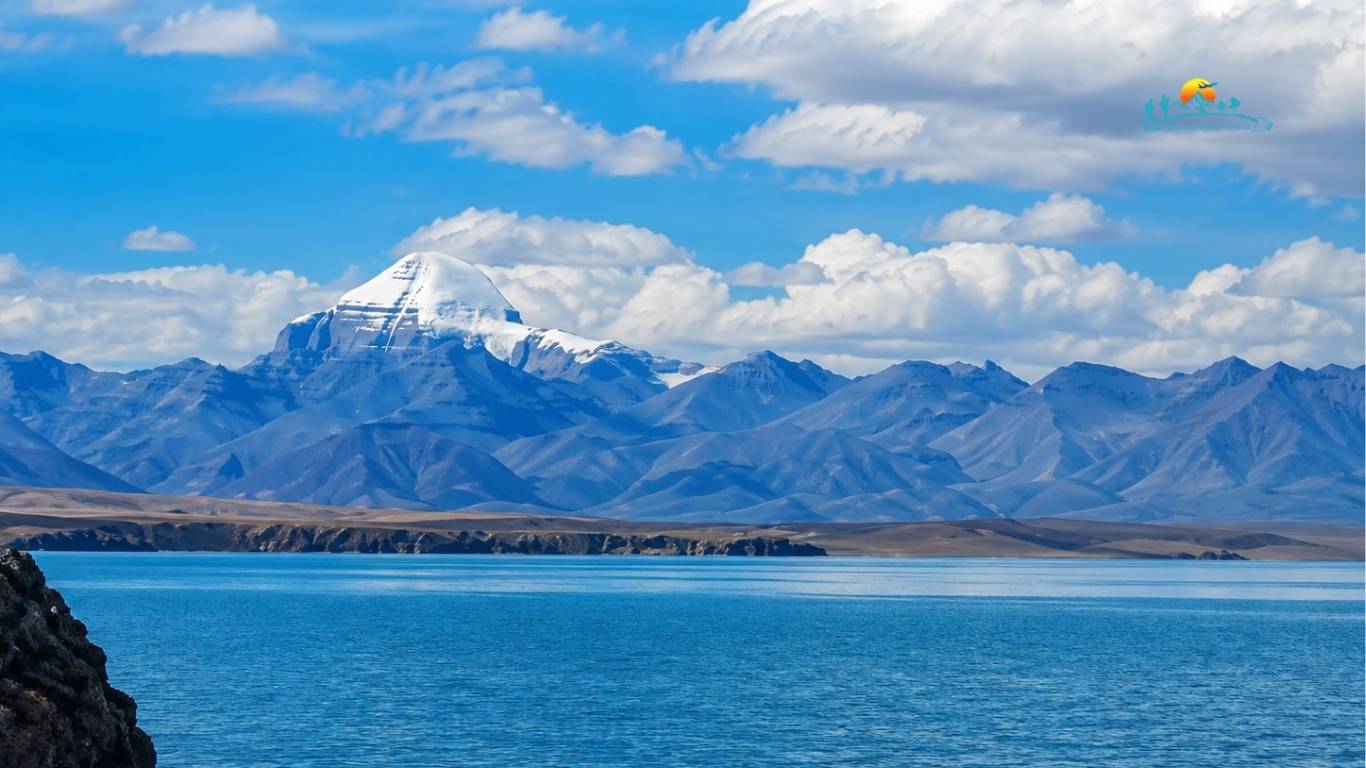
This tour starts with a drive from Kathmandu Valley to the border. From there, you travel across the vast Tibetan countryside with overnight stops in Kyirung and Saga. This tour includes walking around the sacred Mount Kailash and spending the night by the shores of Lake Mansarovar at an altitude of 4600 m.
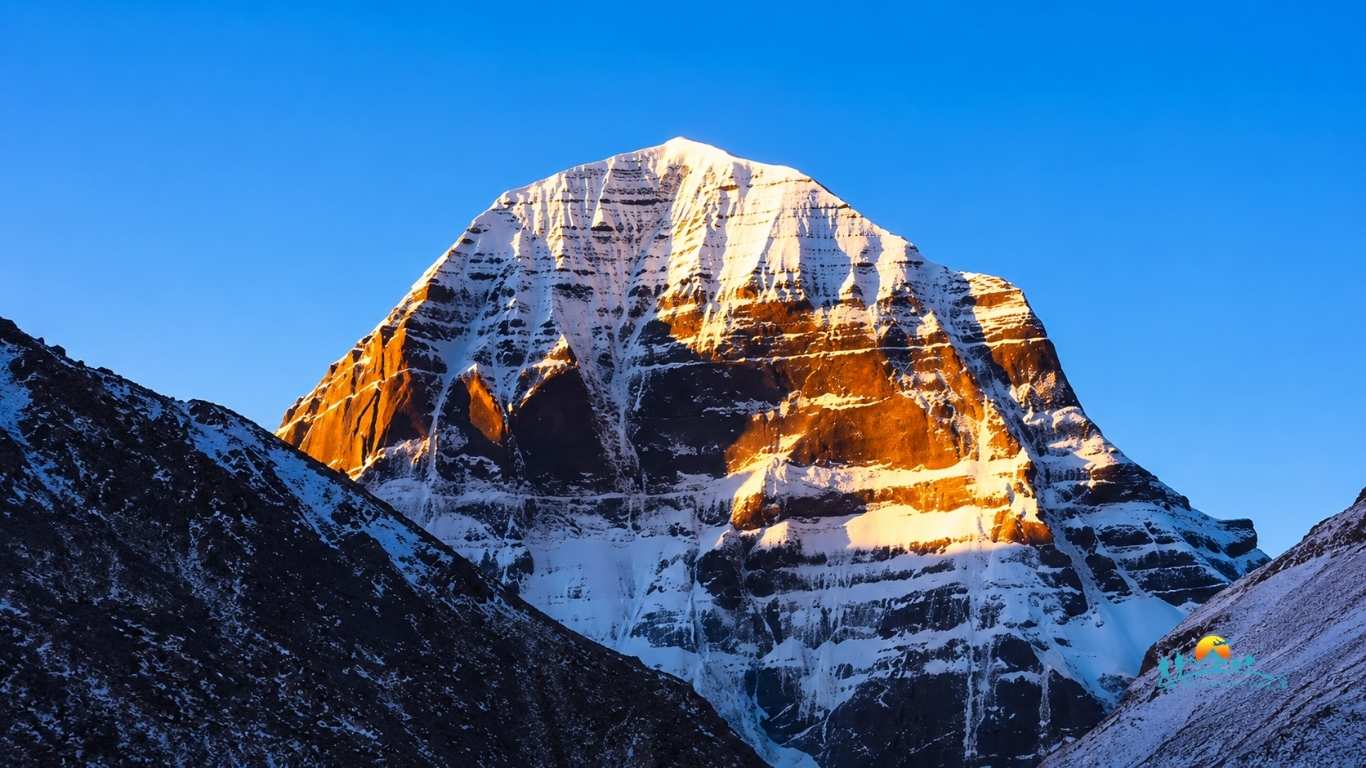
Mount Kailash reaches a height of 6,714 meters. People also call this peak Kailash Parvat, Tise, or Kang Rinpoche, which means Jewel of the Snows. It attracts devoted pilgrims and outdoor travelers from all over the world.
This peak carries immense meaning for several major religions. Believers see it as the central point connecting the physical world with the spiritual universe.
Hindus revere Mount Kailash as the home of Lord Shiva. Traveling to this holy mountain purifies the human soul and grants final spiritual freedom.
Buddhists see the mountain as an earthly representation of the cosmic Mandala where divine beings live. It serves as a powerful sign of spiritual growth and final awakening.
Our precise 10-day tour provides a complete travel route through the remote, rocky areas of Western Tibet. The trip travels through elevations between 2,745 meters and 5,630 meters.
Join this special pilgrimage today to see beautiful views, experience old traditions, and build lasting friendships with fellow travelers.
Allow the pure power of the peak and the lake to uplift your mind.
Permits for the Mount Kailash Tour
There are several official documents required to enter into the Tibet. Autonomous Region to access Mount Kailash. We take care of the application for you. These include your Tibet Travel Permit, Alien’s Travel Permit, Military Permit and group visa from Chinese Embassy in Kathmandu.
Passport must be sent to us at least 30 days before your departure. These original documents will be subjected to a cross-check with the border officials at Rasuwagadhi when you cross the border.
Tour Highlights
- Complete the 52-kilometer sacred walking circuit around Mount Kailash.
- Cross the demanding Dolma La Pass at an altitude of 5,630 meters.
- Rest by the shores of the sacred Lake Mansarovar at 4,600 meters.
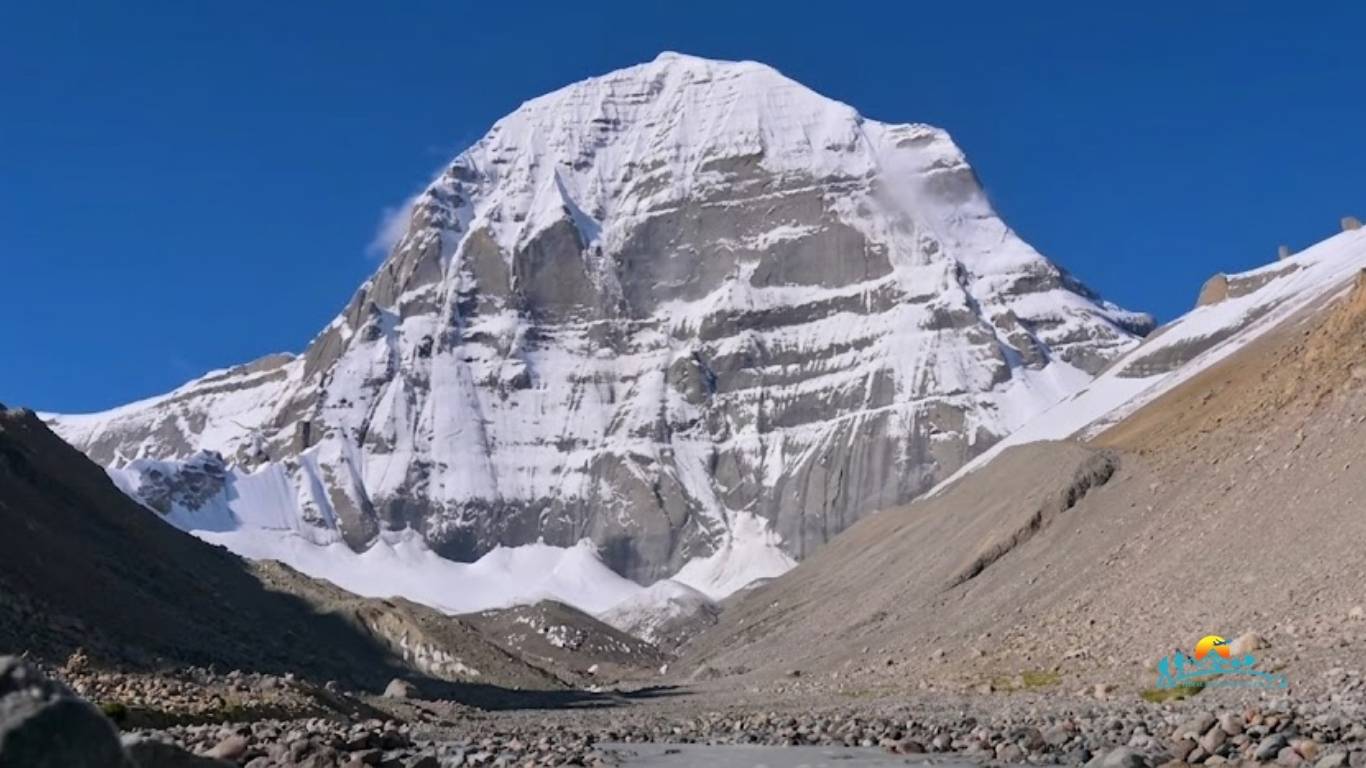
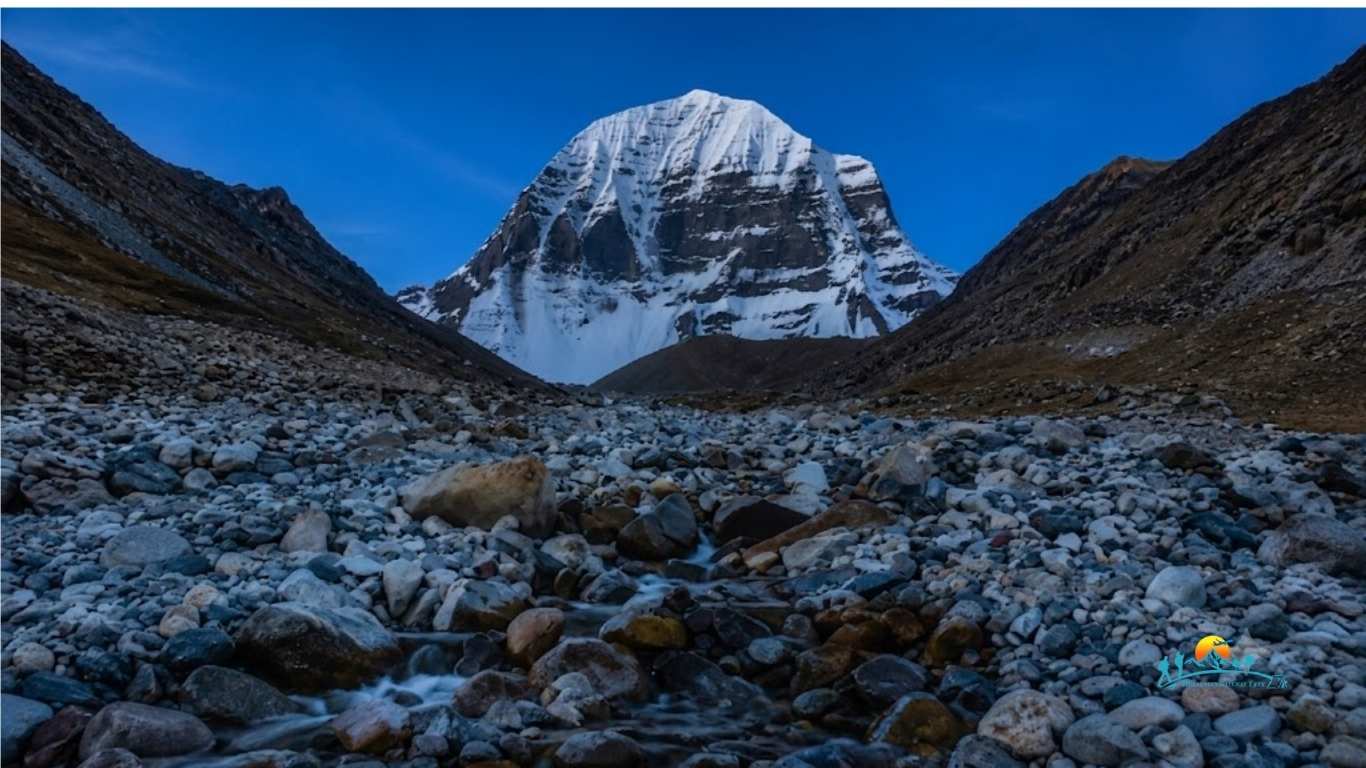
- View the sheer vertical North Face of Mount Kailash directly from Dira-Puk.
- Travel along the scenic trans-Himalayan overland route from Kathmandu via the Kyirung border.
- Spend your nights in authentic Tibetan border towns and local settlement guest houses.
Why Book With Himalayan Gateway Trek
- Enjoy clear and identical pricing for both private trips and fixed group departures.
- Stay safe with a mandatory acclimatization day at 2,800 meters built into your schedule.
- Rely on our team to manage your complete Tibet travel permits and group visa paperwork.
- Travel with experienced guides who monitor local border conditions and mountain weather changes in real time.
Overview of the 10-Day Mount Kailash & Lake Mansarovar Overland Tour
This 10-day overland tour takes you from Kathmandu across the Tibetan border at Rasuwagadhi to Mount Kailash and Lake Mansarovar. The physical highlight of the journey is the 52-kilometer trekking circuit, where you will face your toughest challenge crossing the Dolma La Pass at 5,630 meters. From the camp at Dira-Puk, you will experience a direct, close-up view of the mountain’s dramatic North Face.
We run regular group departures and private trips for the exact same price. You can message our team of Himalayan Gateway Trek. We strongly advise adding two or three buffer days to the end of your travel schedule because mountain road conditions and border clearance timelines between Kathmandu and Kyirung can change unexpectedly.
Accommodation consists of basic twin-share rooms or dormitories in local Tibetan guest houses, where staff prepare fresh vegetarian meals daily. You need excellent physical stamina to walk long distances at high altitudes. To ensure your safety, we build a mandatory acclimatization rest day into the itinerary at Kyirung (2,800 meters) before ascending onto the high Tibetan plateau.
Detailed 10-Day Mt. Kailash & Lake Mansarovar Overland Itinerary
Day 01: Drive from Kathmandu to Kyirung
Start early from Kathmandu Valley and drive along the mountain highway heading north. You will pass through local towns like Trishuli and Dhunche before arriving at the Rasuwagadhi border post. After completing the exit paperwork with Nepal immigration, cross the border bridge into Tibet.
Meet your Tibetan guide, complete the entry formalities at Chinese customs, and take a short drive to the border town of Kyirung for the night.
Day 02: Rest and Acclimatization Day in Kyirung
Spend the full day resting in Kyirung to allow your body to adapt to the altitude. This rest period is essential before climbing onto the high Tibetan plateau tomorrow. You can take short, leisurely walks around the local village streets or visit the town market.
Drink plenty of water throughout the day to help your physical adjustment and rest fully for your further tour.
Day 03: Drive from Kyirung to Saga
Leave Kyirung after breakfast and begin a steep climb up onto the main Tibetan plateau. The road opens up to vast plains and offers views of high peaks like Shishapangma. Drive 232 kilometers across the dry landscape and cross the Brahmaputra River before arriving at the settlement of Saga for your overnight stay.
Once you reach Saga, check into your hotel and enjoy a fresh hot dinner. The town offers a final chance to purchase any extra trekking snacks or supplies.
Day 04: Drive from Saga to Lake Mansarovar via Paryang
This is the longest driving day of the trip, covering 507 kilometers across western Tibet. The route passes through the small settlement of Paryang and reveals wide views of the desert plateau. As you approach the final stretch, you will see the peak of Mount Kailash on the horizon. Reach the shores of the sacred Lake Mansarovar late in the afternoon.
Spend the late evening watching the sunset over the quiet waters. The cold mountain air increases here, so dress in your heavy thermal layers before sleeping.
Day 05: Short Drive from Lake Mansarovar to Darchen
Spend your morning resting by the lake or walking along the shoreline to view the Gurla Mandhata peak. After lunch, take a short 40-kilometer drive to Darchen. This town sits at the base of Mount Kailash and acts as the starting point for the walking circuit. Use the afternoon to organize your trekking gear and rest.
Pack your main duffel bag for the support team or pack animals tonight. Rest early because your multi-day walking circuit starts tomorrow morning.
Day 06: Trek from Darchen to Dira-Puk
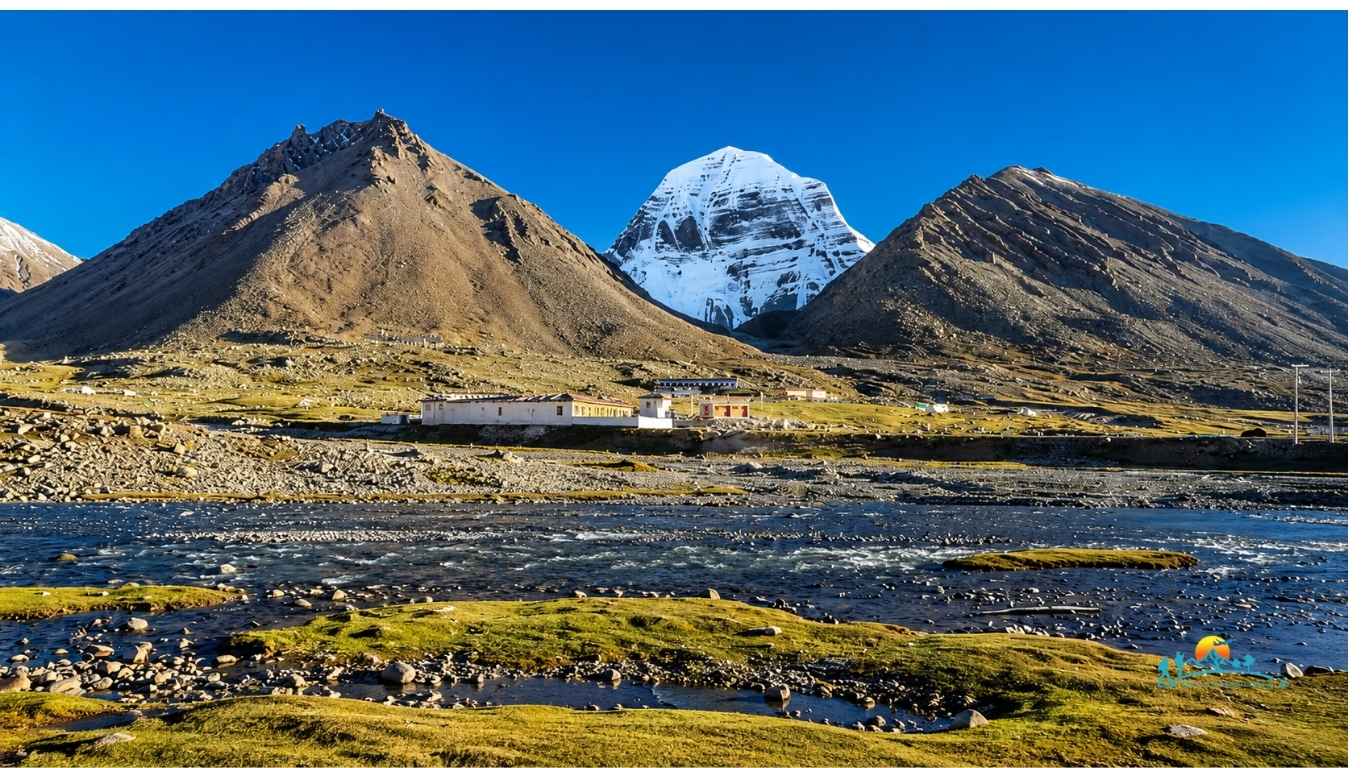
Begin the first day of your Mount Kailash circuit by walking west from Darchen. The trail follows a gentle uphill slope along the valley floor, passing through the landmark flagpole site at Tarboche. As you draw closer to the overnight camp at Dira-Puk, the sheer, vertical North Face of Mount Kailash appears directly in front of you.
The guest house here provides very basic amenities directly facing the mountain. Sleep early to save your energy for the challenging mountain pass tomorrow.
Day 07: Trek from Dira-Puk to Zuthul-Puk via Dolma La Pass
Start walking before dawn to tackle the most physically demanding stage of the circuit. You will climb 550 meters up to the top of the Dolma La Pass at 5,630 meters, the highest point of the tour. After crossing the pass, make a steep 600-meter descent past the green waters of Gauri Kunda to reach the flat valley floor leading to Zuthul-Puk.
Reach the quiet settlement of Zuthul-Puk by late afternoon. Drink warm fluids and rest your sore muscles after completing this intense walking day.
Day 08: End of Circuit Trek and Drive to Saga
Walk the final flat 10 kilometers of the circuit along the river valley to complete the loop back toward Darchen. Your transport vehicle will wait for you at the end of the trail. Board the bus and begin the long drive back across the plateau highway to return to the town of Saga for the night.
Arrive back at the hotel in Saga by evening. Enjoy a warm shower and a satisfying vegetarian meal to celebrate your successful circuit completion.
Day 09: Drive from Saga back to Kyirung
Retrace your steps across the plateau as you drive 232 kilometers back toward the southern border. The road leaves the high, dry plains and drops down into the greener, lower-elevation valley of Kyirung. Check into your hotel for your final night in Tibet.
Enjoy the thicker, richer air at this lower altitude. Organize your bags tonight to ensure a smooth border crossing back into Nepal tomorrow morning.
Day 10: Drive from Kyirung back to Kathmandu
Drive to the Tibet-Nepal border after breakfast. Clear Chinese customs and immigration, then walk across the border bridge to the Rasuwagadhi post on the Nepal side. Complete your entry visa processing with Nepal immigration officials, meet your local vehicle, and drive back along the highway to end your trip in Kathmandu.
Reach Kathmandu by late evening depending on highway traffic. Your driver drops you off at your hotel, concluding your ten-day pilgrimage journey.
What is Included in the Tour Package
- Official Tibet travel permits and Chinese group visa documentation.
- Clean accommodation matching the itinerary including hotels in Saga and local Tibetan guest houses.
- Fresh vegetarian meals covering breakfast, lunch, and dinner inside Tibet.
- Private transport from Kathmandu to the border and a designated Tibetan tour coach within Tibet.
- Services of an authorized English speaking local Tibetan guide throughout the journey.
- All applicable local entry fees, monastery admission tickets, and conservation area permits.
- Daily monitoring of group wellness and coordination of the built-in acclimatization schedule.
What is Excluded from the Tour Package
- International emergency travel medical insurance and personal rescue coverage.
- Nepal re-entry visa processing fees at the border post.
- Personal clothing, heavy thermal layers, trekking boots, and individual sleeping bags.
- Small fees for local amenities like guesthouse hot water usage and device charging options.
- Tips and gratitude payments for the local Tibetan guides, transport drivers, and kitchen support crew.
- Personal trail snacks, bottled water, canned juices, carbonated soft drinks, and all alcoholic beverages.
Packing correctly for the Mount Kailash pilgrimage ensures your comfort and safety across the high-altitude Tibetan plateau. Because you will experience a dramatic shift from the lower valleys near the border to the extreme alpine cold of the trekking circuit, a strategic layering system is essential.
Temperatures routinely drop below freezing during the nights at Dira-Puk and Zuthul-Puk, even during the peak summer months. We advise choosing high-quality synthetic or down insulation that keeps you warm without adding excessive bulk to your daypack.
Your primary luggage will travel in our main transport vehicle or via support pack animals during the three-day walk, meaning you only need to carry a functional daypack for your daily essentials. Dust and strong winds are common across western Tibet, so protective outerwear and secure storage bags help protect your electronics and clothing.
Please review our categorized gear list below to make sure you possess all the necessary footwear, thermal layers, and personal medical items before leaving Kathmandu.
- High-quality down jacket rated for winter temperatures
- Windproof and waterproof outer shell jacket and trousers
- Moisture-wicking thermal base layers (both tops and bottoms)
- Four-season sleeping bag with a comfort rating
- Lightweight fleece sweaters or mid-layer jackets
- Durable 30 to 40 liter daypack with a waterproof rain cover to
- Sturdy, broken-in trekking boots with excellent ankle support and a waterproof membrane.
- Pair of adjustable trekking poles to reduce knee strain
- UV-protection sunglasses, high-SPF sunscreen
- Warm insulated gloves, thick wool hiking socks, and a thermal beanie
- High-capacity portable power bank
This comprehensive overland tour provides full coordination for a smooth trans-Himalayan journey from Kathmandu. Our operational team manages the logistical heavy lifting so you can focus completely on your physical preparation and wellness. Because this route crosses international borders and enters a heavily regulated region, understanding the practical conditions of the plateau helps ensure a successful pilgrimage.
Below are five key areas detailing the exact requirements and operational frameworks for this tour.
1. Permit and Visa Protocols
Traveling into western Tibet requires specific military clearances and a Chinese Group Visa. Our team manages this complex paperwork using clear copies of your passport. You must submit your complete documents at least thirty days before departure. The physical passport must reach our Kathmandu office three working days before the tour begins to finalize the border immigration clearance.
2. Altitude Adaptation and Health
Crossing high mountain passes demands careful pacing and physical awareness. Our itinerary includes a mandatory rest day at 2,800 meters to give your body adequate time to adjust before you ascend to the high-altitude plains. Our guides carry portable oxygen cylinders and medical kits to monitor group safety and manage any early symptoms of mountain sickness immediately.
3. Food and Dietary Arrangements
The high-altitude kitchens along the route serve fresh, energy-dense vegetarian food daily. Meals rely on warm, easily digestible options like rice, lentils, steamed vegetables, and hot noodle soups to maintain your physical strength. We advise carrying your own favorite protein bars, electrolyte powders, or personal trail snacks from Kathmandu to supplement your daily intake.
4. Accommodation Realities
While border towns provide comfortable hotel rooms with standard plumbing, the accommodations along the immediate trekking loop are very basic. These settlement guest houses offer simple dormitory beds, communal toilets, and limited access to running water. Electricity for device charging runs on solar power and is usually available for a small fee during specific evening hours.
5. Essential Schedule Buffer
Mountain highway conditions and administrative border checkpoints can change without warning due to weather or local policy updates. We strongly instruct every traveler to add two or three open buffer days to the end of their vacation schedule. This cushion protects your travel plans and ensures you do not miss your international flights home if unexpected delays occur.
Terms & Policies
Thank you for choosing Himalayan Gateway Trek. Our goal is to provide a safe, enjoyable, and memorable travel experience. Please review the following terms and policies before confirming your booking.
📍Booking & Payment
- 👉 A 20% deposit is required to confirm your booking.
- 👉 The remaining balance must be paid on your arrival day in Nepal
- 👉 Your booking is confirmed once we receive your deposit and send a confirmation.
📍Cancellation & Refunds
- 👉 If you cancel your trip 45 days or more before departure, 50% of the deposit amount will be refunded.
- 👉 No refunds are available for cancellations made within 45 days of departure.
- 👉 Any non-refundable costs already incurred, including permits, flights, accommodation, transportation, or other third-party services, will be deducted from the refund amount.
Note: Eligible refunds will be processed within 14 business days of receiving the cancellation request.
📍 Travel Insurance
- 👉 Travel insurance is mandatory for all trekking and adventure trips.
- 👉 Your insurance should cover emergency medical treatment, helicopter evacuation, trip cancellation, and personal accidents.
- 👉 Himalayan Gateway Trek is not responsible for expenses arising from inadequate insurance coverage.
📍 Trip Changes
- 👉 Weather conditions, flight delays, road conditions, government regulations, or other unforeseen circumstances may require changes to the itinerary.
- 👉 Any changes will be made with the safety and well-being of our guests as the highest priority.
📍 Responsibility
- 👉 Himalayan Gateway Trek is not responsible for flight delays, cancellations, injuries, loss of personal belongings, natural disasters, political unrest, or other events beyond our control.
- 👉 By booking a trip with us, you acknowledge and accept the inherent risks associated with trekking and adventure travel.
FAQs
Is the Mount Kailash trip difficult?
Yes, the journey is considered physically strenuous and challenging. It involves long overland drives and trekking for three consecutive days above 4,500 meters, navigating rugged terrains, steep ascents, and unpredictable mountain weather conditions.
Can asthma patients go to Kailash Mansarovar?
Traveling with asthma is highly risky due to extreme high altitudes where oxygen levels drop by half. Asthma patients must obtain strict medical clearance, carry rescue inhalers, and ensure adequate oxygen cylinders are available.
How much is the Kailash tour package from Nepal?
Standard overland tour packages from Kathmandu generally range between $1,500 and $2,000 per person. However, customized luxury itineraries or comprehensive 16-day spiritual yatras can range from $3,000 to $4,000 depending on services.
How to plan a trip to Mount Kailash?
Start by choosing an authorized travel agency to secure your mandatory Tibet Travel Permit and Group Visa. Dedicate two months to physical cardio preparation, buy high-altitude trekking gear, and choose dates between May and September.
Where is Mount Kailash located?
Mount Kailash is located in the remote western part of the Tibetan Plateau within China’s Ngari Prefecture. It sits near the unique tri-junction border of Tibet, Nepal, and India, serving as a prominent spiritual center.
What is the difference between Lake Mansarovar and Rakshas Tal?
Lake Mansarovar is a sacred, freshwater lake symbolizing light, purity, and divine energy. In contrast, neighboring Rakshas Tal is a saltwater lake shaped like a crescent moon, traditionally associated with dark forces and demonic energy.
What is the best time to undertake the Kailash Mansarovar Yatra?
The ideal time for the pilgrimage is from May to September. During these months, the weather remains relatively stable, skies are clear, and temperatures are favorable for high-altitude trekking and outdoor circumambulation.
What are the age limits for the Mount Kailash Tour?
Generally, participants must be between 12 and 70 years old. Due to extreme high-altitude conditions and strenuous physical demands, children under 12 and seniors over 70 are restricted to ensure overall travel safety.
What permits and visas are required for the journey?
Travelers require a valid passport, a Chinese Tourist Visa or Chinese Group Visa applied from Kathmandu, and a Tibet Travel Permit. Special military and alien travel permits are also mandatory for the Ngari region.
Can Nepali citizens visit Mount Kailash, and what are the special requirements?
Yes, Nepali citizens can visit via overland or flight routes. They need to coordinate through authorized travel agencies to obtain specific border permits, Tibet Entry Permits, and a Chinese visa designated for Nepalese nationals.
Can solo travelers join the Mount Kailash tour?
Yes, solo travelers can easily join a fixed-departure small group tour. This option helps fulfill group visa requirements for Tibet, lowers individual logistics costs, and ensures a supportive environment during the trek.
Is travel insurance mandatory for the Kailash Yatra?
Yes, comprehensive travel insurance is strongly advised. It must explicitly cover high-altitude trekking up to 6,000 meters, emergency medical treatments, and emergency helicopter evacuation expenses across the Nepal-Tibet border regions.
How can I prevent or manage acute mountain sickness (AMS)?
Proper acclimatization, staying well-hydrated, and walking at a slow, steady pace are critical. Travelers should avoid alcohol, rest adequately during designated stops, and carry prescribed medications like Acetazolamide (Diamox) under medical advice.
Is it possible to hire a horse or a porter during the trek?
Yes, horses and personal porters can be hired at Darchen before beginning the Parikrama. This service is available at an extra fee to assist pilgrims who cannot carry heavy bags or walk the rugged mountain paths.
What essential items should I pack for the tour?
Essential gear includes a heavy down jacket, thermal innerwear, sturdy trekking boots, UV-protection sunglasses, sunscreen, a power bank, personal toiletries, a first-aid kit, trekking poles, and a high-quality water bottle or thermos.