Island Peak climbing is one of the most iconic trekking peaks in Nepal a 14-day adventure in the Everest region with a combination of high altitude trekking and real mountaineering.
Standing at 6,189 meters (20,305 feet) and graded PD+ on the Alpine Grading System, it’s technical enough to feel like real climbing, yet achievable for fit trekkers with no prior mountaineering experience, guided every step of the way with ropes, crampons, and ice axes.
It includes the traditional Khumbu Valley route through Namche Bazaar, Tengboche and Dingboche to Island Peak Base Camp followed by a few acclimatization days prior to summit push. At the top, it offers close up views of Mount Everest, Lhotse, Nuptse and Makalu.
Spring (March-May) and autumn (September-November) are the best seasons. Many climbers take this trip with the EBC Trek, as this is a great way to get ready for the trek to Everest Base Camp.
Island Peak Climbing Highlights
- Enjoy breathtaking panoramic views of Everest, Lhotse, Makalu, and other towering peaks from the summit of Island Peak.
- Island Peak offers an exciting climb for those with basic mountaineering skills, making it ideal for adventure seekers.
- Trek through iconic Sherpa villages like Namche Bazaar, Tengboche, and Dingboche, immersing yourself in local culture and natural beauty.
- Multiple acclimatization days are built into the itinerary to help prevent altitude sickness and ensure a safe summit attempt.
- Treks are led by professional guides and Sherpas, providing expert assistance, safety, and support throughout the journey.
- The climb involves the use of crampons, ice axes, and ropes, giving climbers hands-on experience with technical mountaineering.
- Reaching the summit of Island Peak is a rewarding accomplishment, offering both a sense of personal triumph and a deep connection to the Himalayas.
Benefits of Peak Climbing with Himalayan Gateway Trek
- Ensures expert leadership from officially qualified climbing professionals.
- Comprehensive Itinerary and Planning
- Personalized support with a 1:1 or 1:2 ratio during the critical final summit push.
- We provide top-notch equipment and logistics
- Deep-rooted community ties offering an immersive cultural experience in the Khumbu region
- Easy handling of all Sagarmatha National Park and NMA permits.
- Strict safety measures, including oxygen checks, PAC chambers, and helicopter rescue plans.
- Local Insight and Connection
Comprehensive Island Peak Climbing Guide
Nepal’s Island Peak climbing is among the most popular peaks and a thrilling and achievable option for climbers wanting to test themselves. Island Peak rises to 6,189m in the Everest region with stunning views of the majestic mountains of the Everest region including Mount Everest, Lhotse and Makalu. The climb is technically challenging but can be done by those who have a little mountaineering experience, or by hiring a guide and mountaineering crew to assist.
The journey typically starts with a flight from Kathmandu to Lukla, followed by a trek through the picturesque Khumbu Valley. As trekkers make their way to Island Peak Base Camp, they pass through iconic villages like Namche Bazaar, Tengboche, and Dingboche, allowing ample time for acclimatization to combat altitude sickness. A key feature of the trek is the careful acclimatization process, with several rest days incorporated to prepare climbers for the challenging summit push.
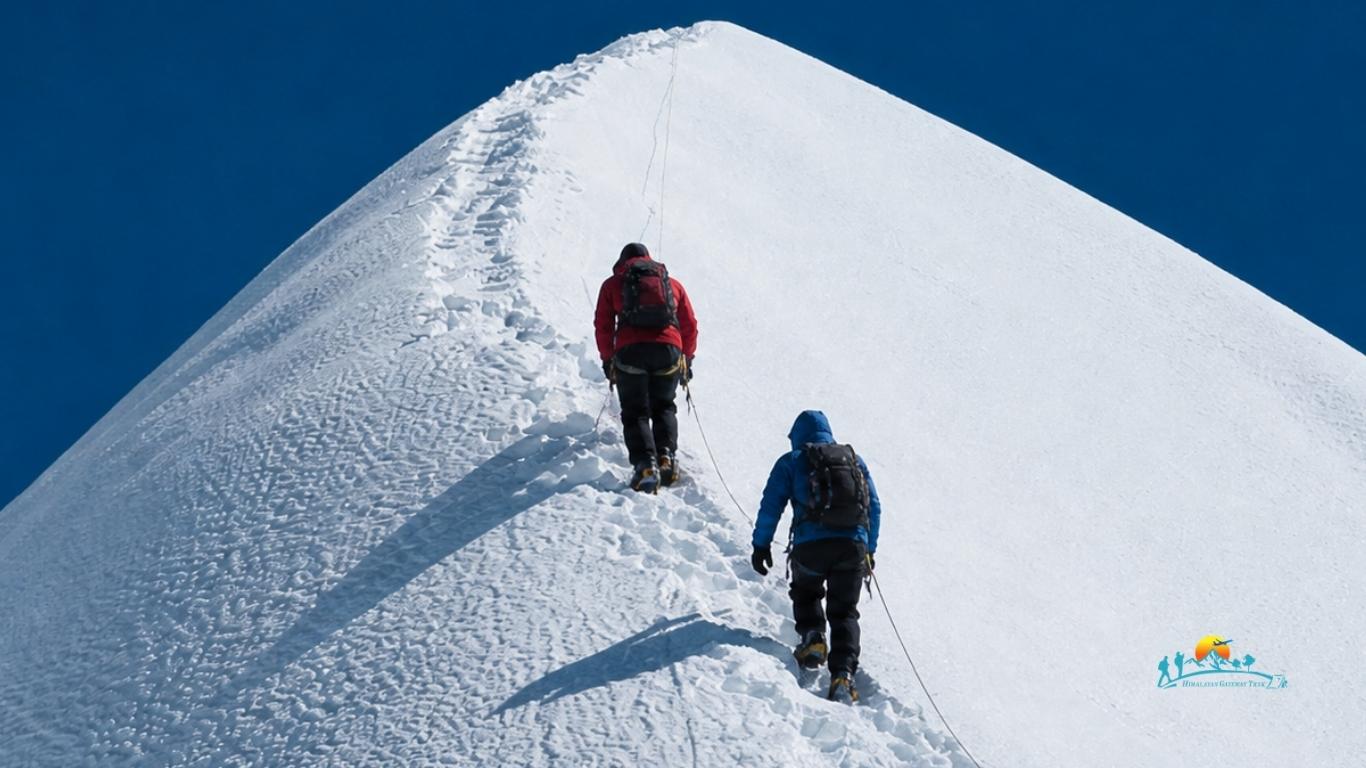
To get to the summit of Island Peak, one must combine trekking and technical climbing. The last climb is in a harness with crampons and an ice axe, since they are crossing a steep, icy slope to the summit. The guided trips make sure that climbers have the proper gear and safety measures. The guides and Sherpas are highly experienced individuals who offer valuable guidance and support in climbing techniques and safety during the ascent to the summit.
The entire journey usually takes around 16 to 18 days, including the trek to the base camp, acclimatization days, and the climb itself. Upon successfully reaching the summit, climbers are rewarded with panoramic views of the Himalayan giants and a sense of accomplishment. With proper preparation, guidance, and support, Island Peak Climbing is an unforgettable adventure for anyone seeking to experience the beauty and thrill of mountaineering in Nepal.
Island Peak Climbing Itinerary
Day 01: Flight from Kathmandu/Manthali to Lukla & Trek to Phakding
Your adventure begins with an exciting early morning flight from Kathmandu or Manthali to Lukla Airport. The flight offers amazing aerial views of green hills and distant Himalayan peaks. Once you arrive at the well-known Tenzing-Hillary Airport in Lukla, you will get your trek team and set up your equipment.
The trek starts with a gentle downhill walk through peaceful Sherpa villages. You will follow the river of rushing waters of Dudh Koshi River passing by the prayer walls and carved manis stones. The path is not too difficult to walk and is a way to get warmed up for the days to come.
You will pass across colorful prayerflag painted suspension bridges in the afternoon. From here it is a nice walk of 3-4 hours to arrive at the village of Phakding. You will be staying at a local teahouse where you can get a comfortable bed to sleep on and a hot dinner for the evening.
Day 02: Trek from Phakding to Namche Bazaar
After a warm breakfast, you will start trekking alongside the Dudh Koshi River. You will enter Sagarmatha National Park at Monjo, where park permits are checked. The trail winds through lush pine forests and small mountain settlements.
Today’s biggest highlight is crossing the famous Hillary Suspension Bridge, suspended high above the river gorge. Shortly after crossing, you will begin the steep climb up toward Namche Bazaar. On a clear day, you might get your very first view of Mount Everest through the trees.
By late afternoon, you will arrive at Namche Bazaar, the bustling hub of the Khumbu region. This horseshoe-shaped town is filled with bakeries, equipment shops, and vibrant markets. You will settle into your teahouse and relax to help your body adjust to the higher altitude.
Day 03: Rest Day to Relax and Acclimatize at Namche Bazaar
Proper acclimatization is essential for a safe mountain adventure. Today is an active rest day in Namche Bazaar, designed to help your body adapt to the thinner air. Instead of staying still, you will follow the proven strategy of climbing high and sleeping low.
In the morning, you will take a short hike up to the world-famous Everest View Hotel. From the terrace, you will enjoy sweeping views of Mount Everest, Lhotse, Ama Dablam, and Thamserku. You can also visit the local Sherpa Culture Museum and photo gallery.
After spending time at higher elevation, you will head back down to Namche Bazaar for lunch. You have the afternoon free to explore local cafes, buy extra gear, or rest at your lodge. A good night’s sleep tonight will prepare you for the higher trails ahead.
Day 04: Trek from Namche Bazaar to Tengboche
Today’s trail begins with a scenic walk along the side of the valley high above the Imja River. The path offers incredible views of Ama Dablam, Kantega, and Mount Everest. You will pass through quiet forests where you might spot mountain wildlife like Himalayan tahr or colorful pheasants.
The route drops down into the riverbed at Phunki Tenga, where you will stop for a quick lunch break. After crossing the river, you face a steady uphill climb through rhododendron and pine trees lasting about two to three hours.
The climb ends at Tengboche, home to the largest Buddhist monastery in the Khumbu region. You will visit Tengboche Monastery to witness the peaceful evening chanting by monks. Surrounded by high mountains, this village offers one of the best photo spots in Nepal.
Day 05: Trek from Tengboche to Dingboche (4,360 m)
Trek through beautiful rhododendron forests and open valleys, gradually gaining altitude as you approach Dingboche. The trail offers scenic views of the towering peaks around you, and as you reach this small village, you’ll be rewarded with splendid vistas of the surrounding mountains, including the impressive Ama Dablam and the ever-present sight of Everest in the distance.
This village sits above 4,000 meters and is known for its stone-walled fields. You will check into your teahouse, stay hydrated, and rest as the temperatures drop quickly in the evening.
Day 06: Trek from Dingboche to Chhukung
Today is a shorter trek designed to gently raise your elevation as you head deeper into the Imja Valley. You will leave Dingboche and walk along open, high-altitude terrain directly below the massive south face of Lhotse and Nuptse.
The path is a steady, slow incline across glacial moraines and rocky trails. Because of the high altitude, you will keep a slow and steady pace to save energy and protect your lungs. Island Peak comes clearly into view directly ahead of you.
You will arrive at Chhukung by lunchtime, giving you plenty of time to rest and relax. Chhukung is the last inhabited teahouse settlement before Island Peak Base Camp. You will spend the afternoon checking your climbing gear and resting in the warm lodge dining hall.
Day 07: Rest Day to Relax and Acclimatize at Chhukung
Today is your second vital acclimatization day before pushing toward Island Peak Base Camp. Taking time to adapt to this high altitude greatly improves your physical strength and overall summit success rate.
In the morning, you will climb Chhukung Ri, a viewpoint standing at 5,550 meters. The steep trail rewards you with breathtaking views of Lhotse, Makalu, Imja Tse, and huge glaciers. Standing at this height prepares your body for the upcoming summit day.
After descending back to Chhukung for lunch, your climbing guide will inspect your harness, boots, crampons, and ice axe. You will practice knot-tying and safety equipment checks before enjoying an early dinner and a restful night’s sleep.
Day 08: Trek from Chhukung to Island Peak Base Camp (5,200 m)
You will leave the teahouses behind today and trek toward Island Peak Base Camp. The trail leads along the steep slope of the Imja Valley, winding through rocky glacier paths next to Imja Lake.
Upon reaching Base Camp at 5,200 meters, your crew will set up four-season mountain tents. After a warm meal prepared by the kitchen staff, your climbing guide will hold a pre-climb training session. You will practice using fixed ropes, ascenders (jumars), and safety lines.
You will organize your warm mountain clothing and climbing gear inside your tent before sunset. Since summit day starts long before midnight, you will go to sleep very early to get as much rest as possible.
Day 09: Summit Island Peak (6,189 m) and Return to Chhukung (4,735 m)
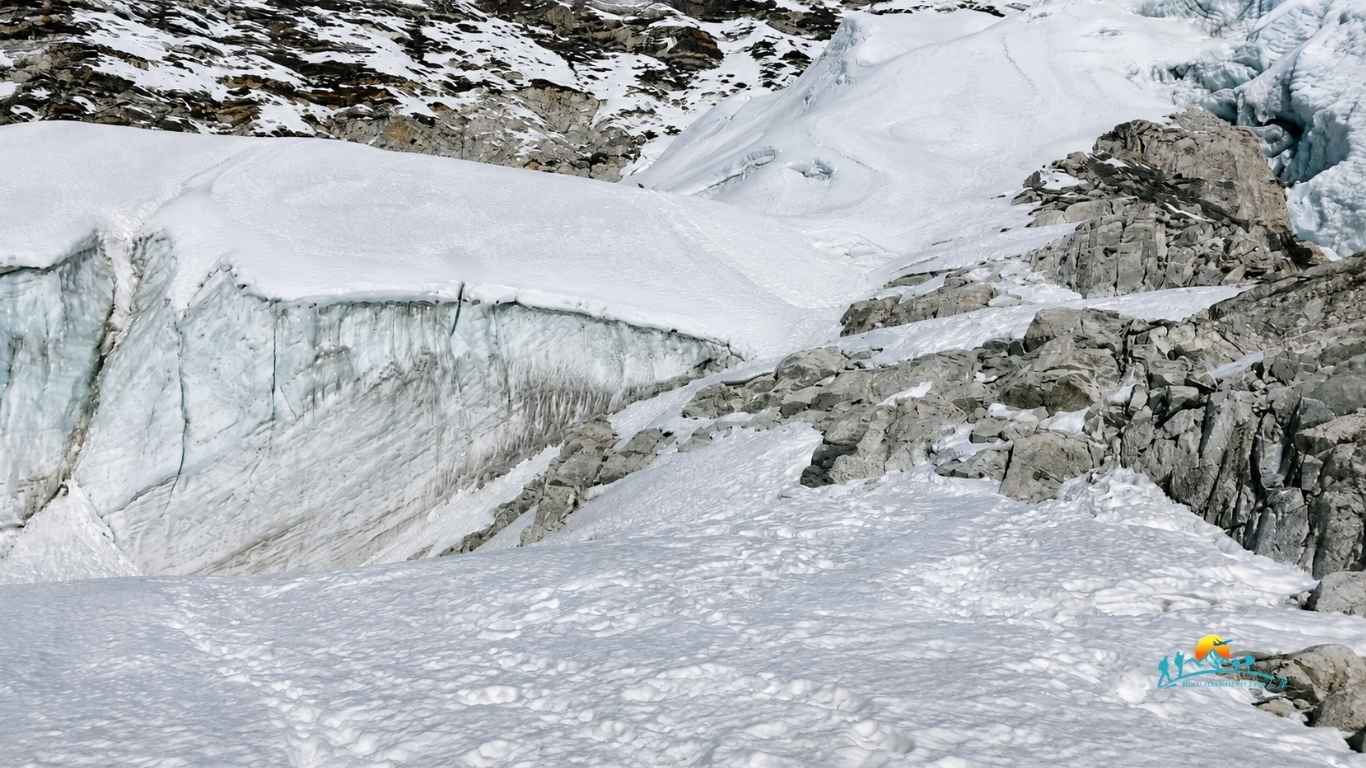
Today is the big day. You will wake up around 1:00 AM, gear up in full alpine layers, and begin climbing under the starlight. The initial path climbs a steep rocky gulley before reaching the edge of the glacier, where you will put on crampons and rope up.
You will cross snow bridges and tackle a steep 100-meter ice wall using your ascender and fixed ropes. Pushing through the final narrow ridge leads you directly to the summit of Island Peak at 6,189 meters. Standing at the top rewards you with panoramic views of Lhotse, Makalu, and Ama Dablam.
After taking photos and celebrating on the peak, you will carefully rappel down fixed lines back to Crampon Point. You will descend to Base Camp for warm soup, then continue walking back to Chhukung for a night in a cozy teahouse.
Day 10: Extra Day for Climbing if Summit Was Unsuccessful
High mountain weather can change quickly, bringing high winds or heavy snowfall. This built-in contingency day ensures that bad weather on Day 9 will not stop you from reaching the summit.
If bad weather or altitude delays affected your attempt yesterday, you will use today for your main summit push. Having this extra day built into the schedule creates a safe margin and greatly increases your chance of reaching the summit.
If you successfully reached the summit on Day 9 as planned, today becomes a restful buffer day. You can sleep in, relax your tired muscles, write in your journal, and celebrate your achievement with your guide team in Chhukung.
Day 11: Trek from Chhukung to Tengboche (3,870 m)
With the summit complete, you will begin your descent back down the Khumbu Valley. As you drop to lower elevations, you will notice breathing becomes much easier with the rich oxygen levels returning.
The trail passes back through the stone-walled village of Dingboche and continues down to Pangboche. You will pass ancient chortens, mani walls, and cross the Imja River bridge once again. The scenery looks fresh and different as you walk downward.
You will arrive back at Tengboche by late afternoon. After several days above the tree line, returning to green rhododendron forests feels refreshing. You will spend the night in a cozy teahouse overlooking the monastery.
Day 12: Trek from Tengboche to Namche (3,440 m)
Your day begins with a steep descent through lush pine and oak forests down to the river crossing at Phunki Tenga. Keep an eye out for mountain wildlife like musk deer and birds along the forested path.
After crossing the bridge over the river, the trail climbs back up the valley wall toward Kyangjuma. The remaining walk to Namche Bazaar is a smooth, wide trail built high above the valley floor with constant views of Everest and Ama Dablam.
You will return to Namche Bazaar by early afternoon. It is a wonderful feeling to re-enter town, where you can enjoy hot showers, Wi-Fi, fresh coffee, and bakeries. Tonight you can relax and celebrate your mountain accomplishment.
Day 13: Trek from Namche to Lukla (2,850 m)
Today is your final day of walking in the Everest region. You will descend the mountain trail from Namche Bazaar, crossing the high Hillary Suspension Bridge one last time.
The trail follows the Dudh Koshi River back through Monjo, Phakding, and several peaceful farming hamlets. While it is a long day of walking, the lower elevation makes it feel easy and comfortable. You will enjoy the warm mountain air and lush green scenery.
You will finish your trek with a final upward walk into Lukla town. In the evening, you will gather with your guides and porters for a farewell dinner to celebrate a successful trip and thank the local crew for their hard work.
Day 14: Fly Back to Kathmandu/Manthali from Lukla
You will board an early morning flight from Lukla Airport back to Kathmandu or Manthali. As the small plane takes off, you can enjoy one last magnificent view of the Everest mountain range from your window.
Upon landing, our team will meet you at the airport and transfer you to your hotel in Kathmandu. After two weeks in the remote mountains, a comfortable hotel room and warm bath are welcome luxuries.
You have the rest of the day free to rest, do last-minute souvenir shopping in Thamel, or explore city sights. In the evening, you can celebrate the successful completion of your 14-day Island Peak expedition!
.
What is included in this trek package?
- Airport Pick up & drop by private car.
- Twin sharing Teahouse / Tented accomodaion during the trek /climb.
- Domestic Flight (Kathmandu - Lukla - Kathmandu )
- All standard full-board (main course) meals during the trek and climb
- Island Peak Climbing permit
- Snacks (cookies) and seasonal fresh fruits every day
- A government-licensed English-speaking trekking /climbing guide & Porter.
- Porter Service ( 1:2 Trekkers ), max weight is 25 Kg (12.5 Kg per trekker )
- Group Climbing Gears (Harness, Crampons,Ice axe,Ascender,Karabiners,Climbing helmet, Climbing Boots)
- Sagarmatha National Park Permit and all other permits
- Food,salary, meals, insurance, lodging, transportation, flights, and other necessary equipment for guides and porters.
- Farewell dinner
- Seeping bag & duffel b ag to each treklkers (to be returned after the trip)
- Rescue arrangements incase of emergency (based on clients insurance poicy)
What is excluded in this trek package?
- International flight costs
- Nepal Entry Visa Fees for multiple entries on arrival at Tribhuvan International Airport- (15 days - $30, 30 days- $50 and 90 days- $125)
- All accommodations in Kathmandu, before and after the journey
- Extra night accommodation in Kathmandu due to early arrival or late departure, or early return from the trek.
Island Peak Climbing Map



When preparing for Island Peak Climbing, it’s essential to have the right gear to ensure safety, comfort, and success. The trek to Island Peak involves both trekking and technical climbing, so you will need a combination of basic trekking equipment and specialized climbing gear.
Clothing:
For the cold weather and varying temperatures of the Everest region, layering is key. Start with moisture-wicking base layers, add insulating layers, and top it with a waterproof and windproof outer layer.
- Base Layers: Moisture-wicking thermal tops and bottoms
- Insulating Layers: Fleece or down jacket for warmth
- Outer Layers: Waterproof and windproof jacket and pants (Gore-Tex or similar)
- Down Jacket: Essential for the higher altitudes and cold temperatures
- Climbing Boots: Waterproof, high-cut boots for ankle support and insulation
- Trekking Shoes: Lighter shoes for lower-altitude trekking
- Warm Hat and Gloves: Beanie and insulated gloves (consider both light and heavy-duty gloves)
- Sun Hat and Buff/Neck Gaiter: For sun protection
Climbing Equipment:
As Island Peak involves technical climbing, you’ll need specific gear to help you safely navigate the summit.
- Crampons: Essential for ice and snow-covered sections of the climb
- Ice Axe: For stability on the ice sections of the summit push
- Climbing Harness: A comfortable and adjustable climbing harness
- Carabiners and Locking Carabiners: Used for securing ropes and anchors
- Ropes (If not provided by the guide): For the technical climb, ropes will be required for safety
- Climbing Helmet: Protects your head from falling debris or any unexpected obstacles
Trekking Equipment:
- Backpack: A 40-50L trekking backpack for personal items, with additional smaller bag for summit day gear
- Sleeping Bag: Rated for temperatures down to -10°C to -20°C (depending on the season)
- Trekking Poles: Helpful for stability on uneven terrain
- Headlamp: With extra batteries, necessary for early morning starts or emergencies
Miscellaneous:
- First Aid Kit: Including painkillers, bandages, blister care, and altitude sickness medication (Diamox, etc.)
- Water Purification Tablets or Steripen: Ensures safe drinking water during the trek
- Sunscreen and Lip Balm: For protection from the strong sun at higher altitudes
- Snacks: High-energy snacks (trail mix, energy bars) for the trek and summit push
- Personal Identification & Permits: Keep your trekking permits and passport with you
- Camera and Power Bank: To capture the stunning views and recharge your devices
Optional Gear:
- Gaiters: To prevent snow and debris from getting into your boots
- Thermal Socks: A few pairs of thick, warm socks to protect against frostbite
- Sunglasses: High UV protection sunglasses for sun glare at high altitudes
- Down Suit (for the summit day): Sometimes necessary depending on the weather conditions during your climb
By ensuring you have the appropriate equipment, you can be well-prepared for the challenges of Island Peak Climbing, making your experience more enjoyable and safer. Make sure to check with your guide or trekking agency if they provide any of this equipment, and remember that comfort and safety should always come first.
- Moisture-wicking thermal tops and bottoms
- Fleece or down jacket for warmth
- Waterproof and windproof jacket and pants (Gore-Tex or similar)
- Waterproof, high-cut boots for ankle support and insulation
- Lighter trekking shoes for lower-altitude trekking
- Beanie and insulated gloves (consider both light and heavy-duty gloves)
- Sun Hat and Buff/Neck Gaiter for sun protection
- Crampons which are essential for ice and snow-covered sections of the climb
- Ice Axe for stability on the ice sections of the summit push
- A comfortable and adjustable climbing harness
- Carabiners and Locking Carabiners
- Ropes (If not provided by the guide for the technical climb
- Climbing Helmet which protects your head from falling debris
- 40-50L trekking backpack for personal items, with additional smaller bag for summit day gear
- Sleeping Bag rated for temperatures down to -10°C to -20°C
- Trekking Poles helpful for stability on uneven terrain
- Headlamp with extra batteries
- First Aid Kit including painkillers, bandages, blister care, and altitude sickness medication (Diamox, etc.)
- Water Purification Tablets or Steripen
- Sunscreen and Lip Balm
- Personal Identification & Permits
- Camera and Power Bank to capture the stunning views and recharge your devices
- Gaiters to prevent snow and debris from getting into your boots
- High UV protection sunglasses for sun glare at high altitudes
- Down Suit (for the summit day)
Guided Island Peak Climbing is a popular adventure in Nepal that calls on every trekker to test their skills in peak climbing. In the Everest region, Island Peak (6,189 meters / 20,305 feet) is a relatively moderate technical climb, but it requires physical fitness, thorough preparation, and the expertise of experienced professionals who can ensure safety and success in climbing the mountain. A guided climb is much safer and easier to complete, especially for those with little climbing experience, and it provides expert support.
What to Expect with a Guided Island Peak Climb:
-
Professional Guides and Sherpas:
- Experienced Leaders: A certified guide with vast experience in mountaineering will lead the expedition. Guides have expert knowledge of the terrain, weather conditions, and climbing techniques. They also ensure that safety standards are followed throughout the climb.
- Sherpas: Highly qualified Sherpa will help with the equipment, support on the climb and knowledge about the cultural and natural environment.
-
Pre-climb Training:
- There are some trekking companies that put together pre-climb training sessions for the climbers to get familiar with the equipment and techniques in the high altitude climbing. These can range from rope handling to using crampons and the use of the ice axe.
- This training can significantly boost your confidence and make you feel more prepared for the technical aspects of the climb.
-
Climbing Support:
- Camp Setup and Logistics: Your guide and Sherpas will work out all these details, from establishing base camps to permits and food. You will not have to pack heavy equipment or hike through mountains – all will be provided.
- Altitude Sickness Monitoring: Guides are knowledgeable about the symptoms of altitude sickness and know how to manage altitude sickness properly. They will provide acclimatization days in the programme to reduce the chances of getting sick.
- Summit Push Assistance: Guides will be leading the way up on summit day and will provide technical assistance in the ice climbing section of the peak. They will make sure that you are using the proper methods and safety equipment.
-
Safety Measures:
- Climbing Gear: Your guide will make sure you have the proper climbing gear, including climbing boots, crampons, harnesses, ropes and ice axes. If you don’t own it then most trekking companies will rent you equipment.
- Emergency Plans: In case of any emergencies (weather issues, injury, or altitude sickness), your guide will have an emergency evacuation plan. Helicopter rescue services can be arranged if needed, and the team is prepared to deal with any unexpected circumstances.
- Weather Monitoring: Guides monitor weather conditions and plan the summit attempt in the safest weather conditions possible.
-
Comfort and Food:
- You will stay in comfortable lodges and teahouses on the trek, and receive hot meals on the road. Local dishes (Dal Bhat, Nepali momo) and international dishes (Pasta, soups, noodles) are offered.
- Summit day will include a light breakfast and snacks, since you will need to get up early and this will be a long climb.
-
Permit and Logistics Handling:
- The agency will handle all the required permits (Sagarmatha National Park permit, TIMS and Island Peak climbing permit). They also book domestic flights and shuttle service to and from Lukla, facilitating the smooth journey.
Benefits of a Guided Island Peak Climb:
- Expertise: With a professional guide, you are in safe hands. They ensure the best route, offer climbing tips, and can help with any climbing difficulties.
- Safety: Guides are well-trained in handling emergencies and know the mountain like the back of their hand. They help mitigate risks related to altitude sickness, weather, and climbing safety.
- Local Support: Local Sherpas enhance the experience by providing cultural insights and adding a personal touch to the journey.
- Peace of Mind: Knowing everything from logistics to food and gear is handled allows you to focus purely on enjoying the climb and achieving your summit goal.
Note to Travelers :
We organize private treks for groups of at least two people and do not add anyone in your group. Contact us via Call/WhatsApp/Viber at +977 - 9861197727 or email himalayangatewaytrek@gmail.com You can also use our Free Trip Planner.
Group Discount Price
Terms & Policies
Thank you for choosing Himalayan Gateway Trek. Our goal is to provide a safe, enjoyable, and memorable travel experience. Please review the following terms and policies before confirming your booking.
📍Booking & Payment
- 👉 A 20% deposit is required to confirm your booking.
- 👉 The remaining balance must be paid on your arrival day in Nepal
- 👉 Your booking is confirmed once we receive your deposit and send a confirmation.
📍Cancellation & Refunds
- 👉 If you cancel your trip 45 days or more before departure, 50% of the deposit amount will be refunded.
- 👉 No refunds are available for cancellations made within 45 days of departure.
- 👉 Any non-refundable costs already incurred, including permits, flights, accommodation, transportation, or other third-party services, will be deducted from the refund amount.
Note: Eligible refunds will be processed within 14 business days of receiving the cancellation request.
📍 Travel Insurance
- 👉 Travel insurance is mandatory for all trekking and adventure trips.
- 👉 Your insurance should cover emergency medical treatment, helicopter evacuation, trip cancellation, and personal accidents.
- 👉 Himalayan Gateway Trek is not responsible for expenses arising from inadequate insurance coverage.
📍 Trip Changes
- 👉 Weather conditions, flight delays, road conditions, government regulations, or other unforeseen circumstances may require changes to the itinerary.
- 👉 Any changes will be made with the safety and well-being of our guests as the highest priority.
📍 Responsibility
- 👉 Himalayan Gateway Trek is not responsible for flight delays, cancellations, injuries, loss of personal belongings, natural disasters, political unrest, or other events beyond our control.
- 👉 By booking a trip with us, you acknowledge and accept the inherent risks associated with trekking and adventure travel.
FAQs
Is climbing Island Peak Climbing difficult?
Island Peak Climbing is physically demanding and considered a “trekking peak,” but it involves technical challenges. Climbers face a steep glacier crossing with crevasses and a final 100m vertical headwall. It requires high cardiovascular fitness and basic technical skills with ropes.
Which is harder, Lobuche or Island Peak?
Island Peak is generally considered more technical due to the steep 45-degree headwall and crevasse crossings using ladders. Lobuche East involves more rock scrambling and a long, exposed ridge. Both require similar fitness, but Island Peak feels more like “true” mountaineering.
What is the difficulty grade for Island Peak Climbing?
Island Peak Climbing is officially graded PD+ (Peu Difficile+) on the Alpine Grading System. This means “slightly difficult.” It involves glacial travel and steep snow slopes, making it the perfect “entry-level” mountain for those transitioning from trekking to technical climbing.
Is Island Peak Climbing harder than Kilimanjaro?
Yes, Island Peak Climbing is significantly harder. While Kilimanjaro is a high-altitude “walk-up” requiring no technical gear, Island Peak requires using crampons, ice axes, harnesses, and jumars. The technical complexity and steeper terrain make it a much tougher physical challenge.
What is the best time of year for Island Peak Climbing?
The best windows for Island Peak Climbing are Spring (March to May) and Autumn (September to November). Spring offers warmer temperatures and blooming flora, while Autumn provides exceptionally clear skies and stable weather, which are crucial for a safe and successful summit push.
Do I need previous mountaineering experience for Island Peak Climbing?
For Island Peak Climbing, professional experience isn’t mandatory, but previous high-altitude trekking is highly recommended. You must be comfortable using a harness and carabiners. Most operators provide a “pre-climb training” session at base camp to teach you essential rope and ice axe techniques.
How high is the summit of Island Peak?
The summit stands at 6,189 meters (20,305 feet). At this altitude, oxygen levels are roughly half of those at sea level. The height offers a spectacular vantage point, surrounded by massive 7,000m and 8,000m peaks like Lhotse and Makalu.
What permits are required for the Island Peak Climbing?
You need three specific permits: the NMA Climbing Permit, the Sagarmatha National Park entry permit, and the Khumbu Pasang Lhamu local permit. These are typically organized by your trekking agency and are mandatory for legal entry into the region.
What is the typical success rate in Island Peak Climbing?
The success rate is approximately 80-90%. Failures are usually due to unpredictable weather, inadequate acclimatization, or poor physical preparation. Choosing a longer itinerary that includes the Everest Base Camp trek significantly improves your body’s ability to handle the altitude.
Can you see Mount Everest from the summit?
The full summit of Everest is not visible because the massive Lhotse South Face blocks the view. However, you get stunning, close-up perspectives of Nuptse, Ama Dablam, and Makalu, which many climbers find even more visually impressive than seeing Everest.
How long does the entire expedition take?
A standard expedition takes 16 to 20 days. This duration includes the trek through the Khumbu Valley for acclimatization, the climb itself, and “buffer days” to account for potential flight delays in Lukla or bad weather on the mountain.
Is specialized travel insurance mandatory?
Yes, you must have insurance that specifically covers “mountaineering” up to 6,500 meters and includes emergency helicopter evacuation. Standard travel policies often exclude technical climbing, so verify that your plan covers the use of ropes, crampons, and ice axes.
What technical gear is required for Island Peak Climbing?
Required gear includes mountaineering boots, crampons, a climbing harness, an ice axe, a helmet, and a “jumar” (ascender). Most of this heavy equipment can be rented in Chukhung or Namche Bazaar if you don’t want to carry it from home.
Are Lukla flights reliable?
Flights to Lukla are highly weather-dependent and frequently delayed. It is essential to build at least two extra “cushion days” into your itinerary to ensure you don’t miss your international flight home due to fog or wind in the mountains.
Where do we sleep during the Island Peak Climbing?
During the trek, you stay in local teahouses. However, at Island Peak Base Camp, you will sleep in high-quality mountain tents. Professional teams provide dining tents, kitchen staff, and foam mattresses to ensure you are well-rested before the summit attempt.
Is supplemental oxygen used for this peak?
No, supplemental oxygen is rarely used for Island Peak as the altitude is below 7,000 meters. Proper acclimatization during the approach trek is usually sufficient. However, guides always carry emergency oxygen and a comprehensive medical kit for safety reasons.
What are the symptoms of Altitude Sickness (AMS)?
Common symptoms include persistent headaches, loss of appetite, nausea, and dizziness. To prevent AMS, you should climb slowly, stay hydrated, and follow the “climb high, sleep low” principle. If symptoms become severe, immediate descent is the only effective treatment.
Can I combine Island Peak with Everest Base Camp?
Most climbers combine the two for the best experience. Trekking to Everest Base Camp and Kala Patthar first provides excellent acclimatization, which significantly increases your chances of summiting Island Peak successfully by allowing your body more time to adapt.