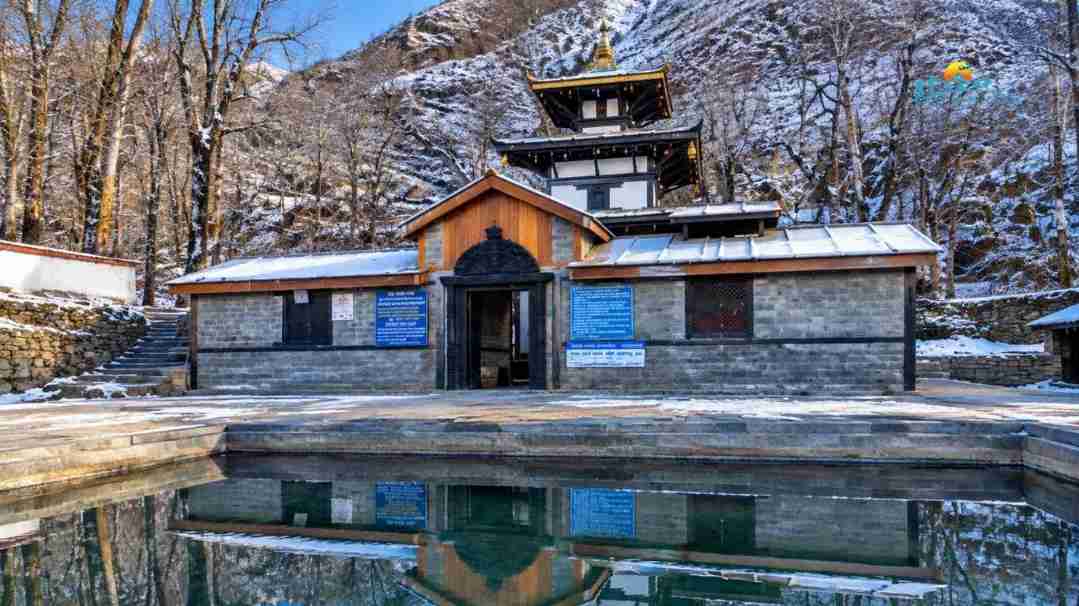
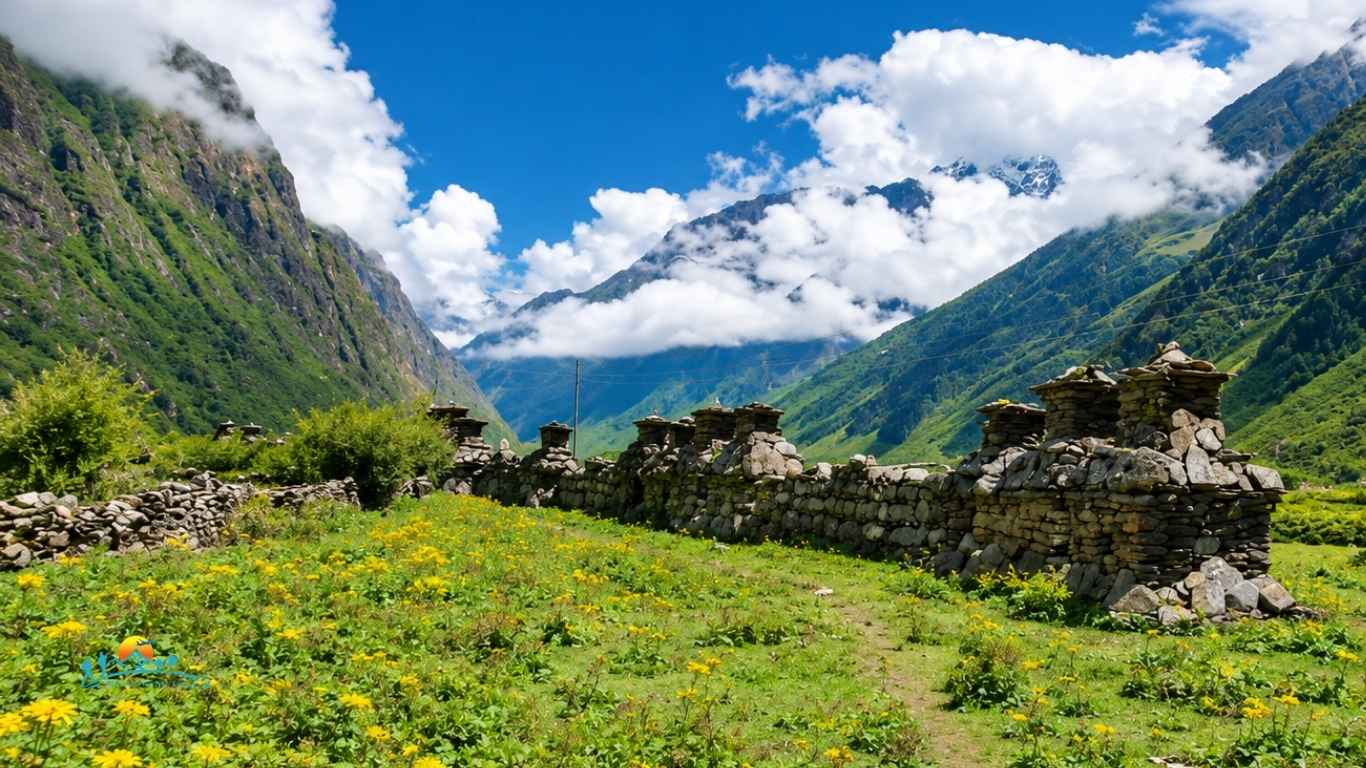
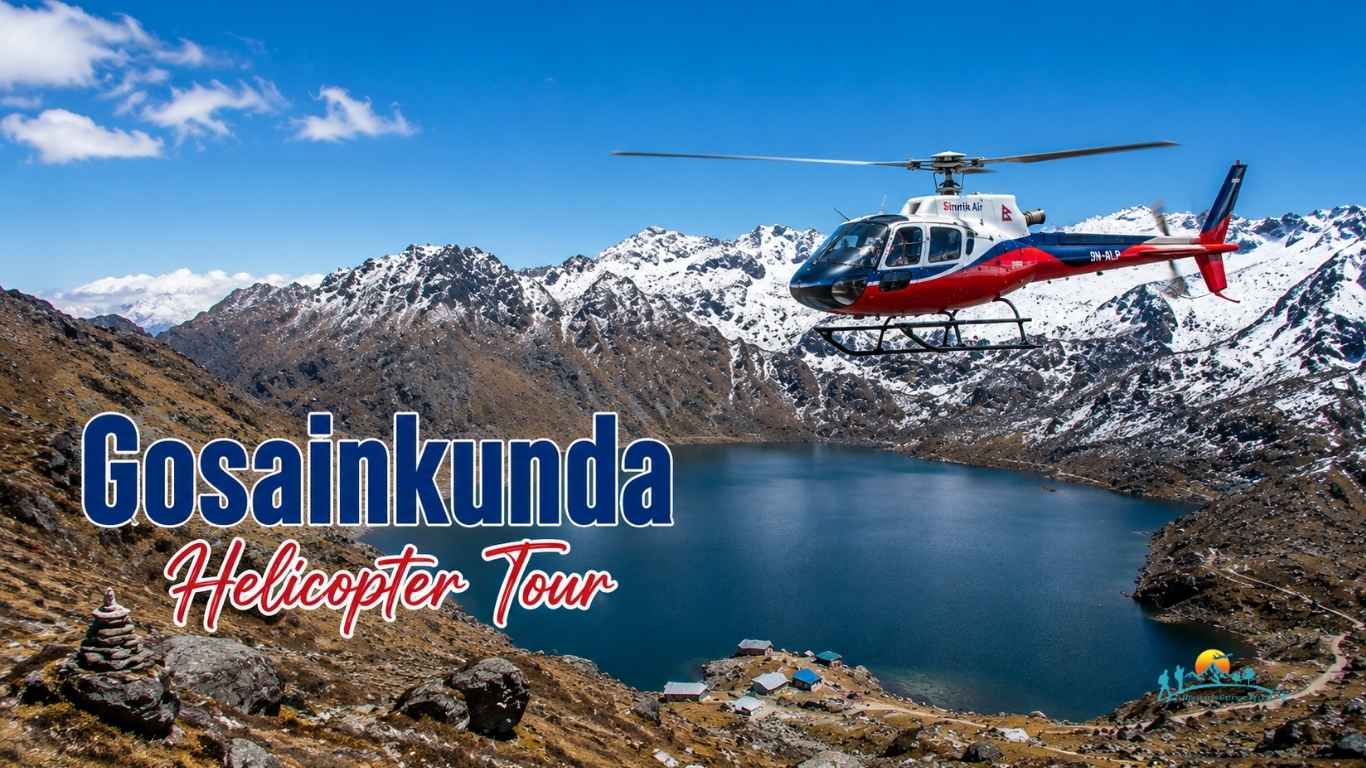
The Everest Base Camp and Two Pass Trek is a grand route through the Khumbu region. It joins the famous walk to Everest with the quiet beauty of the Gokyo Valley. This trek moves through high mountain passes, hidden valleys, and Sherpa villages. You will reach the foot of the world’s tallest peak and see the bright blue water of the Gokyo Lakes.
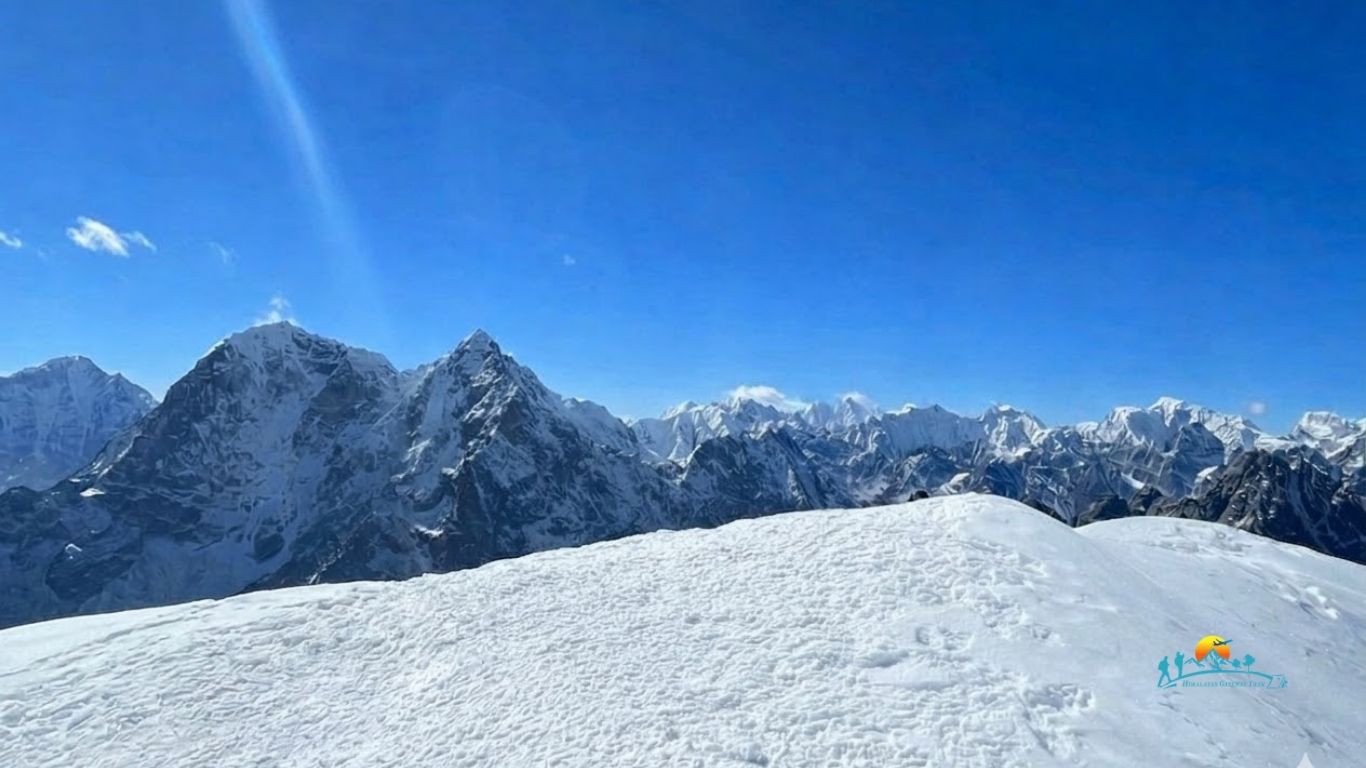
The trek over Cho La and Renjo La passes gives you a view of the mountains that most people never see. From the top of these passes, you can see four of the six highest peaks on Earth: Everest, Lhotse, Makalu, and Cho Oyu. The trip also includes a visit to Kala Patthar for a look at the Everest massif. This is a tough walk made for people who want to see more of the high peaks and quiet trails.
If you want a trip that shows the best of the Everest region, this 17 day trek is the right choice. Stay with Himalayan Gateway Trek for advice and news about the best mountain trips in Nepal.
EBC + 2 Pass Trek Highlights
- Fly to Lukla then trek to Phakding
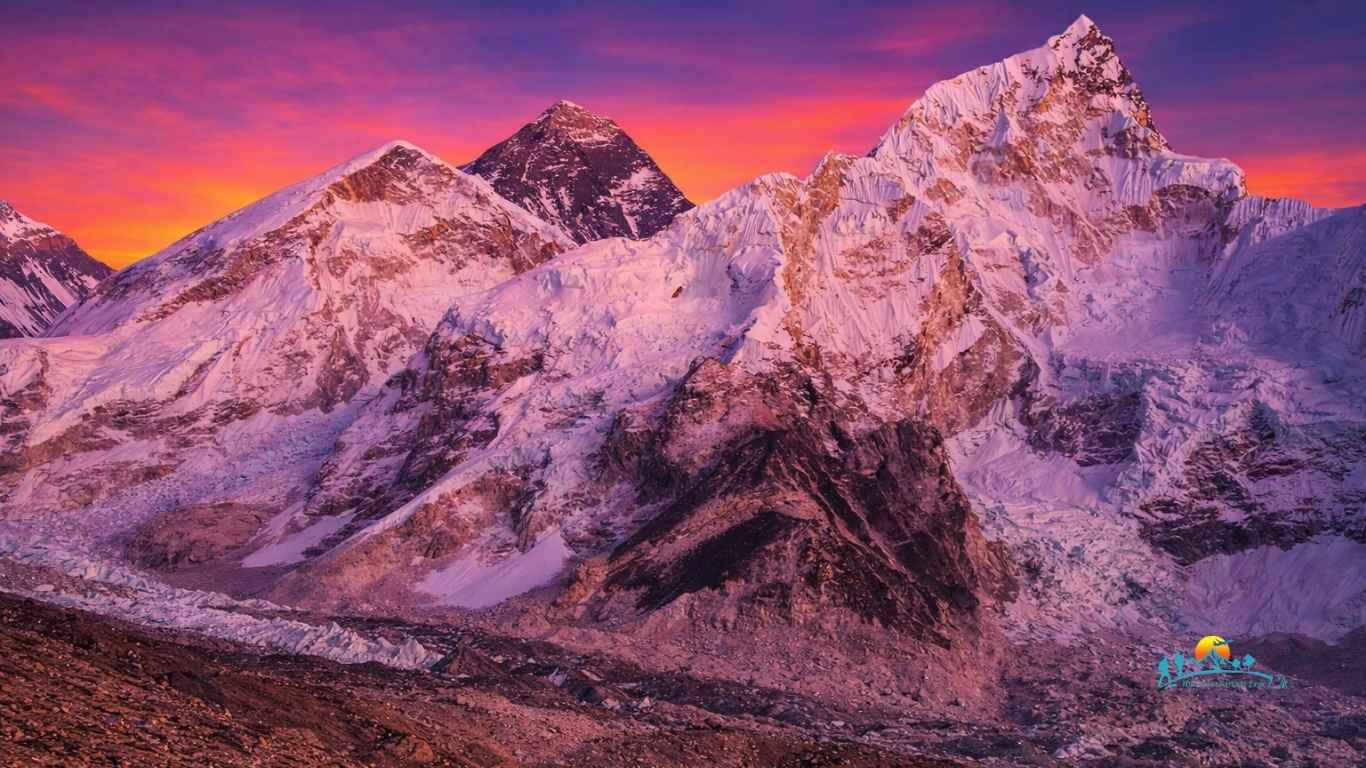
- Climb Kala Patthar (5,550m) for a clear view of the Everest massif
- Cross two high mountain passes: Cho La (5,420m) and Renjo La (5,360m).
- See the five emerald green lakes of the Gokyo Valley.
- Walk to the top of Gokyo Ri for a view of four 8,000m peaks.
- Experience the local Sherpa culture in Thame and Khumjung villages.
- Visit Tengboche Monastery, the largest in the Khumbu region.
Benefits with Himalayan Gateway Trek
- Small group sizes to ensure your safety and comfort.
- Carefully planned days to help your body adjust to the high altitude.
- Trek with experienced local guides who prioritize your safety and enjoyment throughout the journey.
- Enjoy customized itineraries that match your fitness level, preferences, and available time.
- Fair and clear pricing with no hidden fees.
- Stay in local teahouses and connect with the local people to immerse yourself in their culture.
- Multi-channel communication (Email, WhatsApp, Facebook, WeChat, Viber, Skype, Zoom).
- Himalayan Gateway Trek promotes eco-friendly and responsible trekking, working closely with local communities to ensure that tourism benefits the region while preserving the environment.
18 Day Journey to Everest Base Camp and Two Pass
This 18 day trek is a complete way to see the Khumbu region. It starts with the classic walk to Everest Base Camp, where you stand at the foot of the world’s tallest mountain. You will climb Kala Patthar to see the sun rise over the peaks before moving toward the quiet Gokyo Valley.
The route is a great challenge for those who want more than the standard path. You will cross the Cho La pass to reach the bright blue Gokyo Lakes and the massive Ngozumpa Glacier. After seeing the lakes, you will cross the Renjo La pass. This second pass gives you a wide view of Everest, Lhotse, and Makalu from a different angle. The walk takes you through Sherpa villages and old monasteries, ending back in the busy streets of Namche Bazaar. This is a tough but rewarding trip for people who love high mountains and quiet trails.
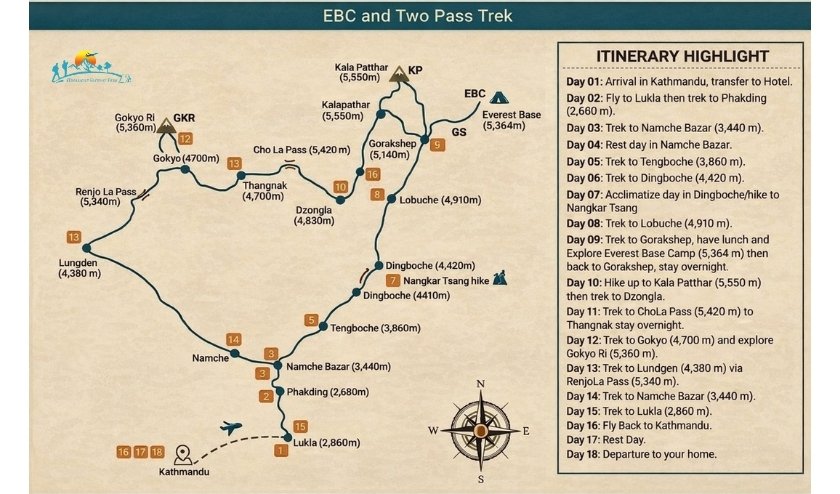
18 Day Everest Base Camp and Two Pass Trek Detailed Itinerary
Day 01: Arrival in Kathmandu and transfer to Hotel
As soon as you touch down at Tribhuvan International Airport in Kathmandu, a member of our team will be waiting at the gates to greet you. We will handle your luggage and drive you directly to your hotel so you can settle in without any stress.
Once you have checked in, the rest of the afternoon is yours. You might choose to catch up on sleep after your flight, or you can head out to find a quiet cafe. If you feel like stretching your legs, the nearby streets are full of local shops, colorful markets, and hidden temples waiting to be found.
Later in the evening, we will gather for a pre-trek briefing. We’ll go over the daily schedule, check your gear, and talk through exactly what to expect on the trail. We are truly glad to have you here and are committed to making your stay in Nepal a wonderful memory.
Day 02: Fly to Lukla and walk to Phakding
Your mountain adventure begins with a short, scenic flight to Lukla, providing a stunning view of the high peaks from above. After landing at the small mountain airstrip, we will lace up our boots and begin the first leg of our walk toward Phakding.
We will stay close to the banks of the Dudh Koshi River, listening to the constant sound of its rushing, glacier-fed water. As we move along the trail, we will pass through quiet Sherpa hamlets where you can see the daily life of the local people. Along the way, you’ll see colorful prayer flags fluttering in the breeze and ancient stone walls carved with traditional prayers, making for a peaceful start to our journey.
Day 03: Trek from Phakding to Namche Bazar
Follow the winding trail along the banks of the river and cross high suspension bridges that sway gently above the rushing blue water. After entering the gateway of Sagarmatha National Park, a protected area of great natural beauty, the path turns upward for a steady climb through fragrant pine forests.
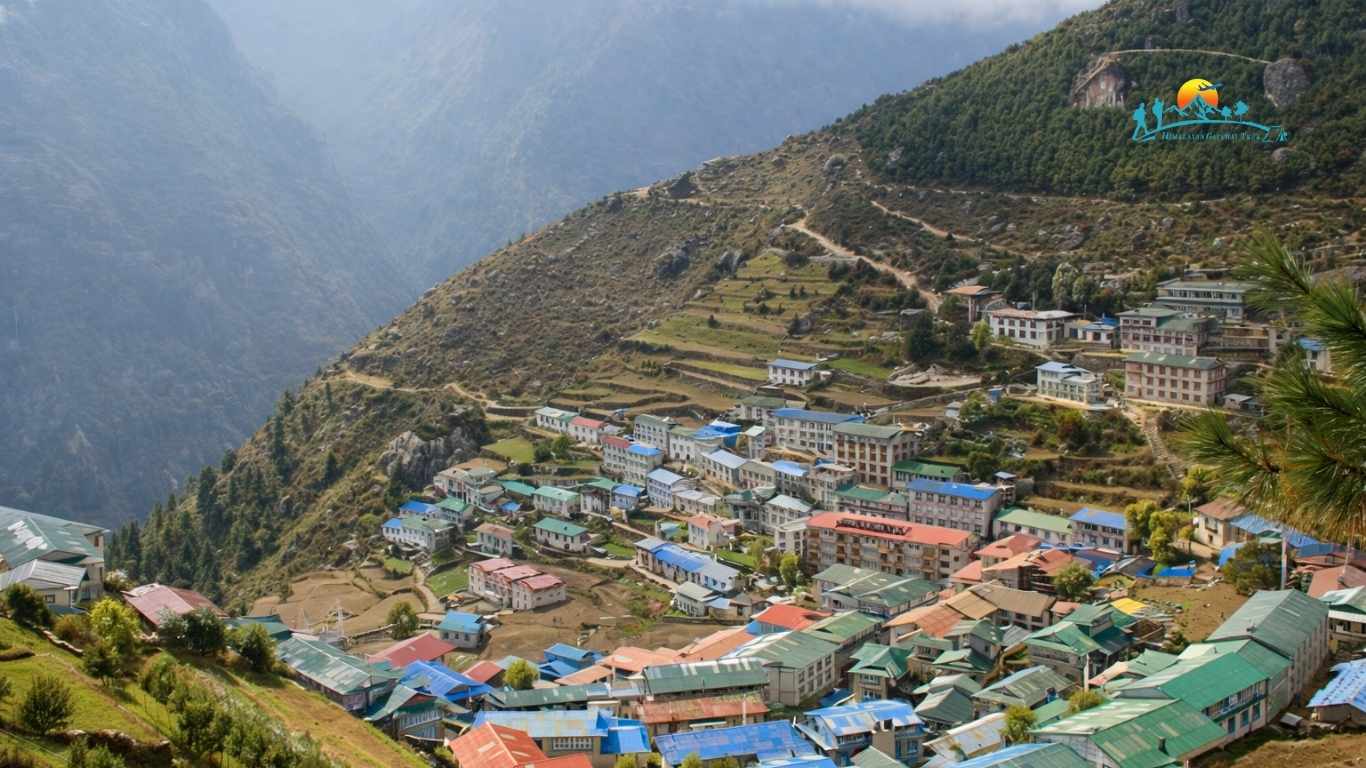
Your efforts are rewarded as you reach Namche Bazaar, the bustling heart of the Everest region. This famous mountain town, tucked into a natural horseshoe-shaped slope, is the main gathering place for trekkers and local Sherpas alike.
Day 04: Rest day in Namche Bazar
This day focuses on resting and allowing your body to adjust to the higher altitude. We will walk up to the Everest View Hotel, where you can sit and enjoy your first clear sights of the world’s highest peaks.
The path offers a steady climb above the town, revealing grand ridges and snowy summits. Afterward, we will visit the local museum to learn about Sherpa culture and mountain history before heading back to Namche. Staying active at this height ensures you feel strong and ready for the trails ahead.
Day 05: Trek from Namche Bazar to Tengboche
The trail winds along the mountainside, offering grand views of Everest, Lhotse, and the striking peak of Ama Dablam. We descend through shaded pine forests to cross the Dudh Koshi River once more before beginning the steady, winding climb toward Tengboche.
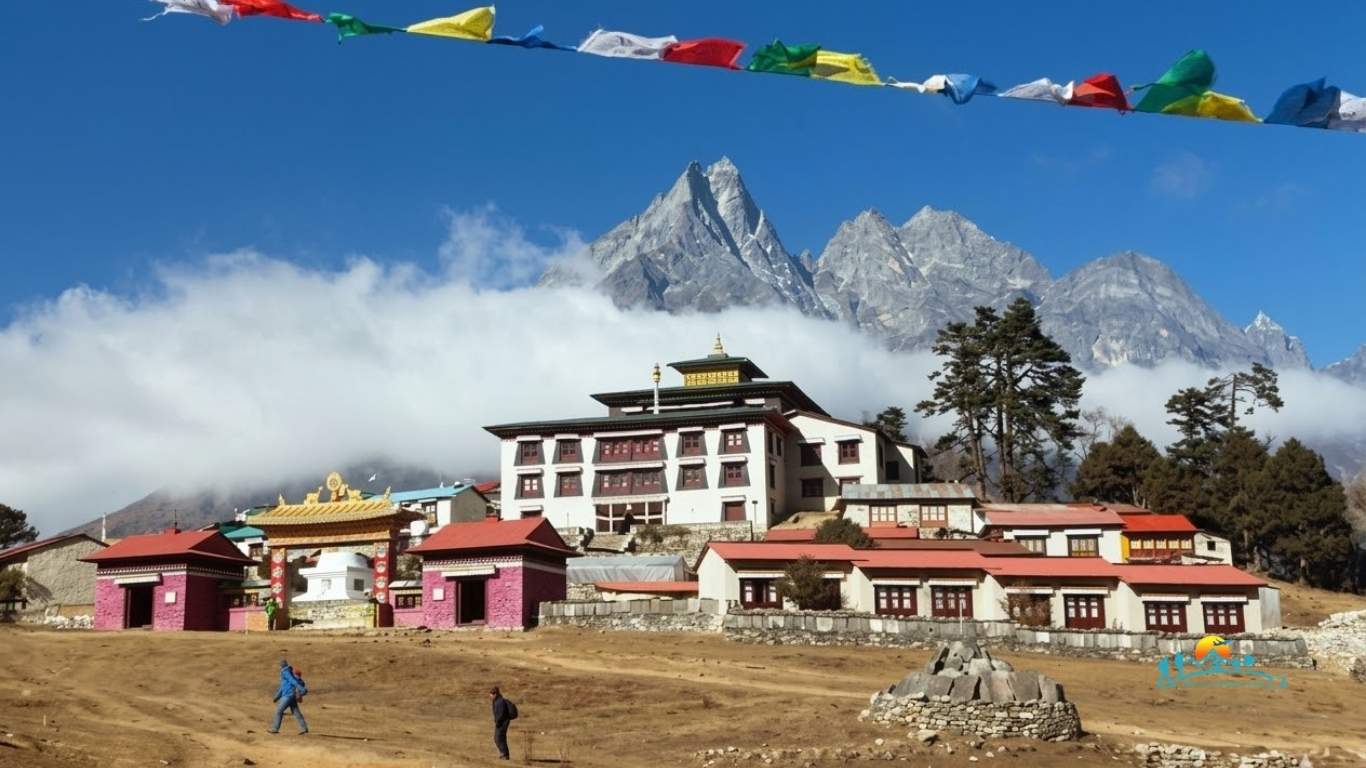
Upon reaching the top, the trees open up to reveal the famous Tengboche Monastery, the largest and most significant spiritual center in the Khumbu region. You can step inside to observe the monks during their prayers and soak in the peaceful atmosphere surrounded by giant, snow-capped summits. This stop provides a perfect moment of quiet reflection before we settle in for the night.
Day 06: Trek from Tengboche to Dingboche
The path winds through thick rhododendron forests and across the sturdy Imja Khola bridge, where the water rushes deep below. As we continue, you will pass ancient mani walls carved with prayers and wide summer pastures used by local herders.
Upon reaching Dingboche, the trees disappear and the landscape shifts into a rugged, alpine valley. You will see patchwork fields protected by hand-built stone walls, designed to shield crops from the high-altitude winds. This village offers a striking perspective of the valley, with the towering face of Lhotse and Island Peak framing the horizon.
Day 07: Acclimatization Day in Dingboche and Hike to Nangkar Tsang
To help your body get used to the thin mountain air, we take a steady hike up the slopes of Nangkar Tsang Peak. As you gain height, the horizon expands to reveal a stunning panorama of the world’s highest giants, including the massive peaks of Makalu, Lhotse, and the sharp spire of Ama Dablam.
The climb is a great way to build your strength while taking in the vastness of the valley below. After spending some time enjoying the views from the top, we head back down to Dingboche for a warm lunch. The rest of the afternoon is yours to relax, drink plenty of water, and prepare for the move toward higher ground.
.
Day 08: Trek from Dingboche to Lobuche
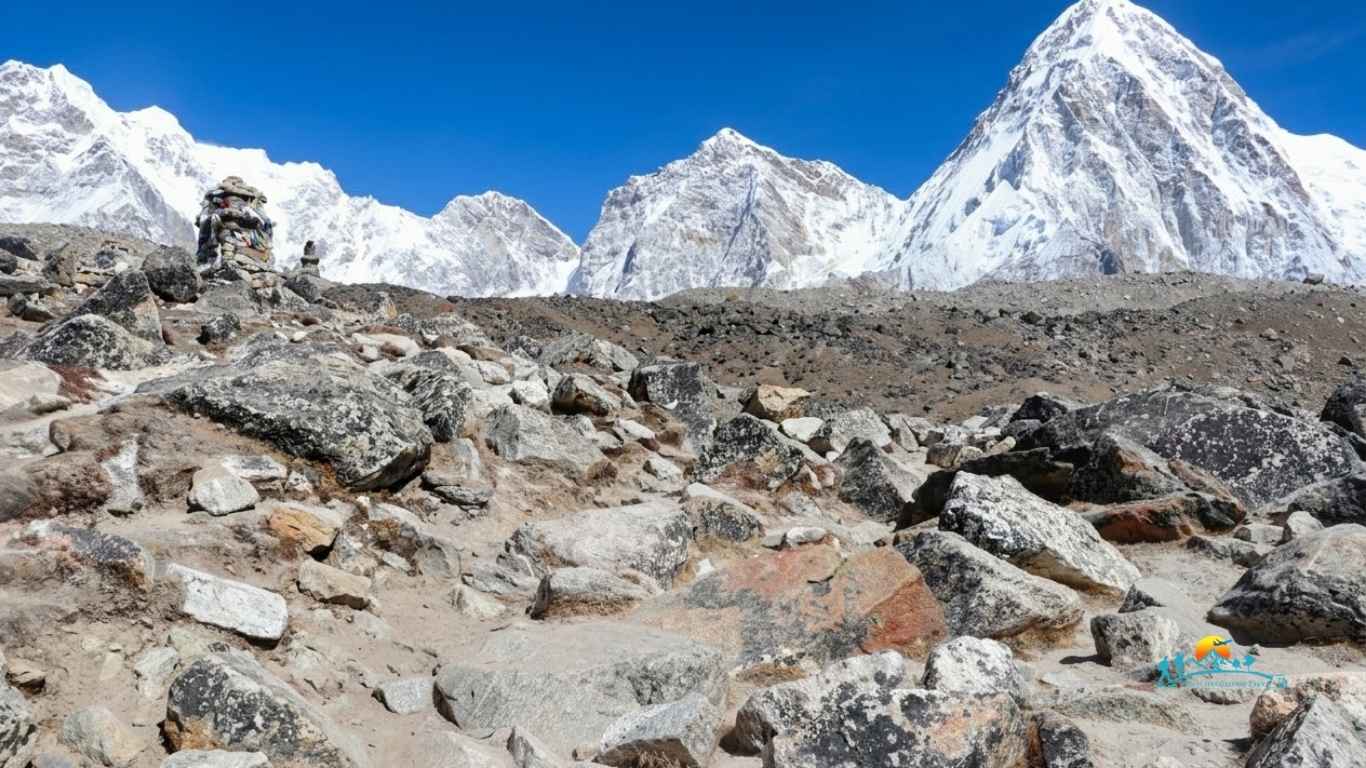
The trail stretches across a wide, open valley as we head toward the small settlement of Thukla. From there, we begin a steep climb up a rocky ridge that leads to a moving memorial site, where stone monuments stand in memory of climbers who lost their lives on these peaks.
As we continue, the path runs alongside the massive lateral moraine of the Khumbu Glacier, offering a close look at the shifting ice and rock. The air becomes colder and thinner as we arrive in the quiet outpost of Lobuche.
Day 09: Trek to Gorakshep ,have lunch and Explore Everest Base Camp (5,364 m) then back to Gorakshep
The path follows the rocky edge of the Khumbu Glacier as we make our way toward Gorakshep. After a quick stop for lunch, we continue our walk to reach the legendary Everest Base Camp, the site where history is made.
Standing at the foot of the world’s tallest peak, you will be right at the edge of the massive Khumbu Icefall, where giant blocks of ice create a frozen waterfall. During the climbing season, the area is dotted with the bright, colorful tents of expedition teams from around the globe. After taking time to soak in the atmosphere of this iconic spot, we retrace our steps back to Gorakshep for a well-earned night of rest.
Day 10: Hike to Kala Patthar and Trek to Dzongla
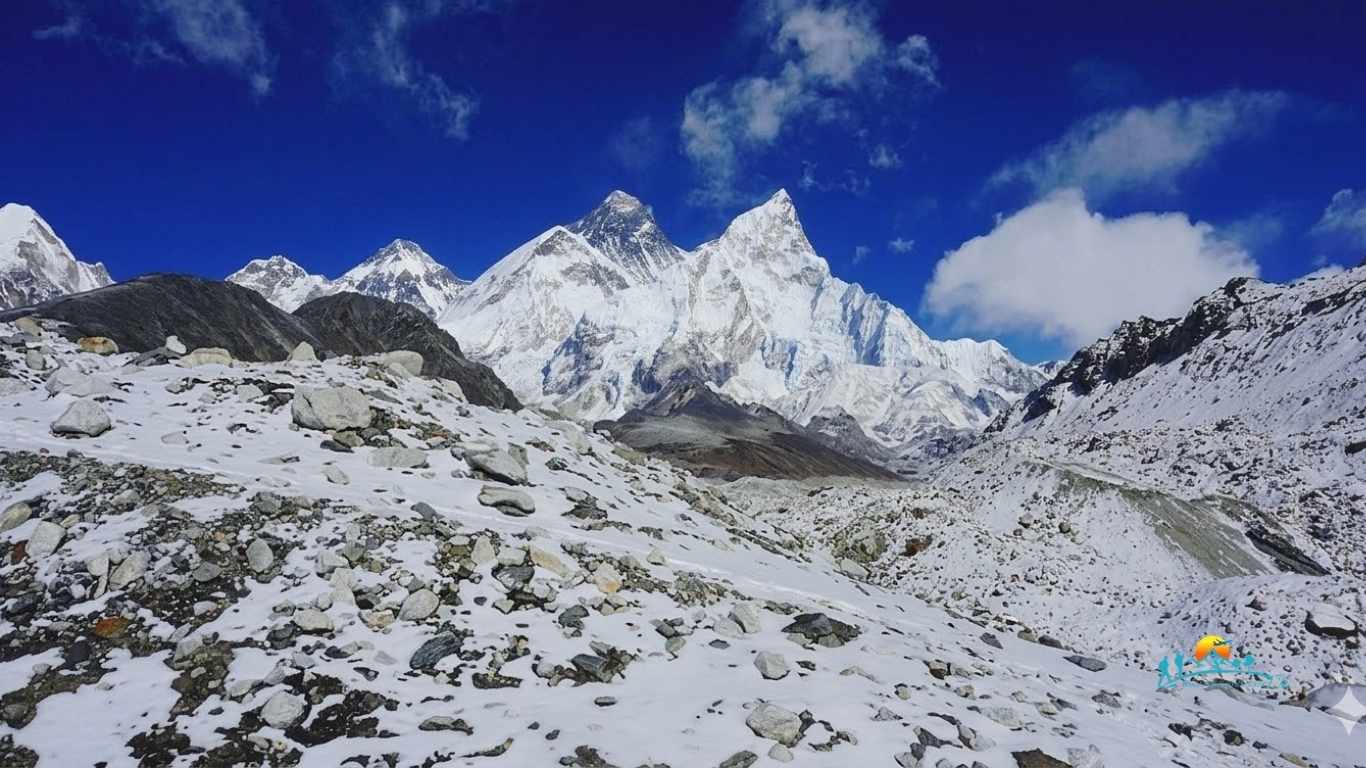
We start our walk under the stars, climbing the steep slopes of Kala Patthar well before dawn. As the sun begins to rise, you will see the peaks catch the first light, offering the most famous and clear view of Mount Everest’s summit.
After coming back down to Gorakshep for a warm breakfast, we head away from the crowds toward the quiet village of Dzongla. This part of the journey feels different, as the path becomes more secluded and peaceful. It is a steady walk across open ground that allows you to gather your strength and focus as we get ready to cross the high mountain pass the following day.
Day 11: Cross the Cho La Pass and Trek to Thangnak
This is the most challenging day of the trip, requiring an early start to tackle the steep and icy Cho La Pass. You will need steady footing to navigate the rocky terrain and frozen slopes, but the wide mountain views from the top are truly spectacular.
After crossing the pass, we descend toward the small settlement of Thangnak. This quiet spot near the edge of the Gokyo Valley is the perfect place to rest and recover after a long, rewarding day on the trail.
Day 12: Trek to Gokyo and Hike to Gokyo Ri
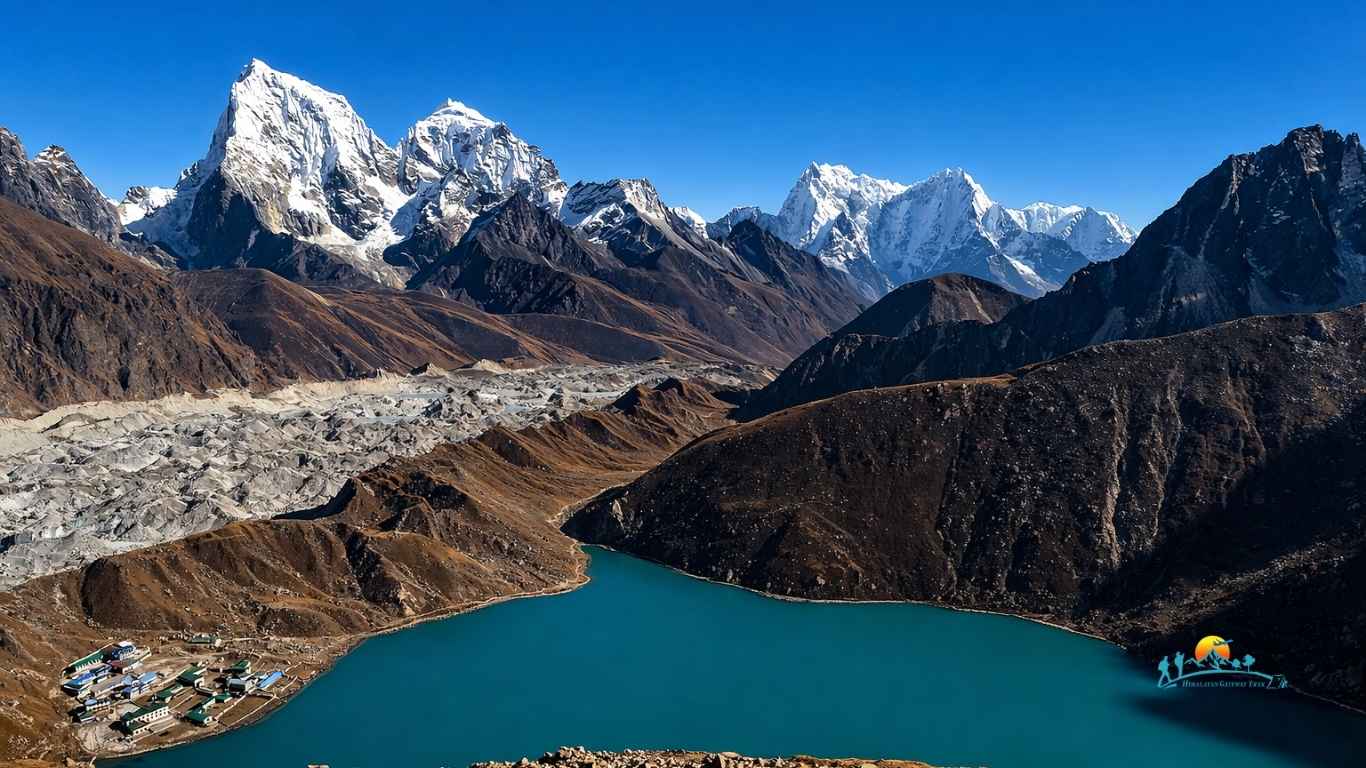
We walk across the Ngozumpa Glacier, the longest in Nepal, navigating a rugged landscape of rock and ice to reach the turquoise Gokyo Lakes. After lunch by the third lake, we climb the slopes of Gokyo Ri to witness a truly massive horizon.
From the top, the view is unmatched, featuring four of the world’s tallest peaks: Everest, Lhotse, Makalu, and Cho Oyu. Standing above the shimmering lakes and the giant glacier below, you’ll see the Himalayas in their full, snowy grandeur.
Day 13: Cross Renjo La Pass and Trek to Lungden
Leaving the Gokyo Valley, we climb to the top of the Renjo La Pass. The view looking back toward the turquoise lakes and Everest is often called the finest in the world. We then follow a long stone staircase down into the quiet, remote valley of Lungden, moving through a peaceful landscape far from the busier trails.
Day 14: Trek from Lungden to Namche Bazar
The trail leads down through the Thame Valley, a historic trade route that has connected Nepal and Tibet for centuries. Along the way, we will stop to visit the ancient Thame Monastery, one of the oldest and most significant spiritual sites in the region, perched high on the cliffs above the village.
From there, we continue our descent, eventually making our way back into the familiar, lively streets of Namche Bazaar. After days in the high, quiet wilderness, the town’s warm cafes and local shops provide the perfect setting for a celebratory evening to mark the nearing end of our journey.
Day 15: Trek from Namche Bazar to Lukla
On our last day of walking, we head down the steep trail from Namche and cross the high suspension bridges over the river once more. We retrace our steps through the familiar paths of Phakding before arriving back in Lukla to complete our loop.
In the evening, we share a final dinner with our local guides and porters. It is a wonderful time to celebrate the journey, swap stories from the trail, and thank the team for their hard work before our flight back the next morning.
Day 16: Fly from Lukla back to Kathmandu
We take an early flight from Lukla back to Kathmandu, providing one last look at the Himalayas from above. Upon landing, our team will be there to meet you and provide a smooth transfer back to your hotel.
The rest of the day is yours to enjoy at your own pace. You can catch up on well-deserved rest, or head into the vibrant streets of Thamel for some souvenir shopping and a final taste of the city’s local flavors. It’s a great time to relax and reflect on your journey before we gather for a farewell dinner in the evening.
Day 17: Free Day for Relaxation or Sightseeing
This day serves as a flexible buffer to account for any flight delays from Lukla, ensuring your travel plans remain on track. If the weather is clear and you have already returned, you can use the time to explore Kathmandu’s rich culture.
Consider visiting iconic World Heritage sites like the sacred Pashupatinath Temple or the towering Boudhanath Stupa, where you can soak in the spiritual atmosphere. Alternatively, you might prefer a quiet afternoon relaxing at a local café, reflecting on your Himalayan adventure over a cup of coffee before your final departure.
Day 18: Transfer to the Airport for Departure
Our representative will meet you at your hotel and provide a comfortable drive to the airport three hours before your scheduled departure. This ensures a smooth check-in and plenty of time to navigate the terminal before your flight.
As you head toward your gate, we wish you a safe and pleasant journey back home. We hope you carry with you incredible memories of the mountains and the unique spirit of the Himalayas, and we look forward to welcoming you back for another adventure in the future.
What is included in the tour price?
- Airport pick-up and drop-off by private vehicle.
- Three nights of hotel stay in Kathmandu with breakfast.
- Round-trip domestic flights between Kathmandu and Lukla.
- All necessary trekking permits including Sagarmatha National Park and Khumbu Pasang Lhamu Rural Municipality.
- Experienced and government-licensed trekking guide and porter
- One porter for every two trekkers to carry your main luggage (he wil carry 25-28 Kg)
- Twin sharing tea house accommodation during the trek.
- Three meals a day (Breakfast, Lunch, and Dinner) during the trek.
- Seasonal fresh fruits served after dinner.
- First aid kit carried by the guide for basic medical needs.
- All government taxes and service charges.
- Sleeping bag and duffel bag to each trekkers (to be returned after the trip)
- Trekking certificate
- Farewell dinner at typical nepali restaurant
- Travel & rescue arrangement (Helicopter evacuation available if required, at clients cost based on clients insurance policy).
What is not included in the tour price?
- International airfare to and from Nepal.
- Nepal entry visa fee.
- Personal travel and medical insurance (Rescue evacuation is mandatory).
- Personal trekking equipment and clothing.
- Drinking water, tea, coffee, and cold drinks during the trek.
- Hot showers, Wi-Fi, and battery charging fees at the tea houses.
- Tips for the trekking guide and porters.
- Any costs caused by flight delays, weather, or events beyond our control.
- All other expenses not mentioned in the include section.
EBC + 2 Pass TREK

Packing the right gear is vital for a safe and comfortable journey through the high passes of the Everest region. Since you will be crossing altitudes above 5,000m, you need layers that can handle freezing temperatures and wind. We recommend high-quality, lightweight items that provide warmth without adding too much weight to your pack. Below is a list of the essential items you should bring for this 18 day adventure.
- Moisture-wicking thermal tops & bottoms.
- Fleece or down jacket for warmth.
- Waterproof & windproof jacket and pants.
- Neck gaiter or buff to protect against wind and dust
- Headlamp with extra batteries.
- Moisture-wicking base layers.
- Heavyweight down jacket for cold mornings and evenings.
- Waterproof and windproof outer shell jacket.
- Fleece or insulated mid-layer jacket.
- Comfortable trekking trousers
- Thermal leggings
- Lightweight shoes or sandals
- Trekking Backpack (30-40L).
- Sunglasses: UV protection for high-altitude sun exposure.
- Water Bottles & Hydration Bladder (2L capacity).
- Toothbrush, Toothpaste, & Biodegradable Soap.
- Basic First Aid Kit (bandages, antiseptic, pain relievers, etc.).
- Lip Balm & Sunscreen (SPF 50+).
- Energy Bars, Chocolates, Dried Fruits, or Nuts.
- Altitude Sickness Medicine .
Best Season
The best time for the Everest Base Camp & Two High Passes Trek is spring (March to May) and autumn (September to November). Spring offers warmer temperatures, blooming rhododendron forests, and clear skies. Autumn provides stable weather and crisp, post-monsoon air, which ensures excellent visibility for panoramic views of the Himalayas.
Trekking Duration & Difficulty
This trek typically spans 16 to 19 days and is rated as strenuous or challenging. It involves crossing high mountain passes like Cho La (5,420m) and Renjo La (5,360m), as well as reaching the Everest Base Camp (5,364m) and the viewpoint at Kala Patthar (5,545m). It is physically demanding and recommended for those with good fitness and some trekking experience.
Transportation
The journey usually begins with a scenic 30 to 40-minute flight from Kathmandu (or Ramechhap during peak seasons) to Lukla, the gateway to the Everest region. Upon completing the trek, you will fly back from Lukla to Kathmandu. Ground transportation is typically provided for airport transfers and any necessary travel between Kathmandu and Ramechhap.
Typical Daily Schedule
Days generally start with an early breakfast around 7:30 AM, followed by 5 to 8 hours of walking depending on the terrain and elevation gain. The schedule includes a midday lunch break at a teahouse along the trail. Afternoons are for reaching the next village for rest and acclimatization, while evenings involve dinner, briefing for the next day, and socializing in the teahouse common area.
Accommodation & Meals
The package includes hotel accommodation in Kathmandu before and after the trek, and traditional teahouses or lodges during the journey. These teahouses offer basic but comfortable rooms, typically on a twin-sharing basis. Trekkers are served three freshly cooked meals a day—breakfast, lunch, and dinner—at the teahouses, featuring a mix of local and international dishes.
Permits & Entry Fees
Trekkers are required to obtain the Sagarmatha National Park Entry Permit and the Khumbu Pasang Lhamu Rural Municipality Permit. These permits support local conservation efforts and the maintenance of the trails within the UNESCO World Heritage site.
Trekking Support & Safety
For a safe experience, the trek includes an experienced, licensed, English-speaking guide who monitors health and navigation. Porters are assigned to carry the main luggage, typically at a ratio of one porter for every two trekkers. Safety equipment such as a first aid medical kit and pulse oximeter are standard to monitor oxygen levels and manage altitude-related concerns.
Terms & Policies
Thank you for choosing Himalayan Gateway Trek. Our goal is to provide a safe, enjoyable, and memorable travel experience. Please review the following terms and policies before confirming your booking.
📍Booking & Payment
- 👉 A 20% deposit is required to confirm your booking.
- 👉 The remaining balance must be paid on your arrival day in Nepal
- 👉 Your booking is confirmed once we receive your deposit and send a confirmation.
📍Cancellation & Refunds
- 👉 If you cancel your trip 45 days or more before departure, 50% of the deposit amount will be refunded.
- 👉 No refunds are available for cancellations made within 45 days of departure.
- 👉 Any non-refundable costs already incurred, including permits, flights, accommodation, transportation, or other third-party services, will be deducted from the refund amount.
Note: Eligible refunds will be processed within 14 business days of receiving the cancellation request.
📍 Travel Insurance
- 👉 Travel insurance is mandatory for all trekking and adventure trips.
- 👉 Your insurance should cover emergency medical treatment, helicopter evacuation, trip cancellation, and personal accidents.
- 👉 Himalayan Gateway Trek is not responsible for expenses arising from inadequate insurance coverage.
📍 Trip Changes
- 👉 Weather conditions, flight delays, road conditions, government regulations, or other unforeseen circumstances may require changes to the itinerary.
- 👉 Any changes will be made with the safety and well-being of our guests as the highest priority.
📍 Responsibility
- 👉 Himalayan Gateway Trek is not responsible for flight delays, cancellations, injuries, loss of personal belongings, natural disasters, political unrest, or other events beyond our control.
- 👉 By booking a trip with us, you acknowledge and accept the inherent risks associated with trekking and adventure travel.
FAQs
How difficult is the Everest Two High Passes trek?
This trek is challenging because it goes over Cho La and Renjo La. It is harder than the standard Everest Base Camp walk. You need high fitness and strong legs to handle the long days at high altitude.
When is the best time to do this trek?
The best seasons are spring and autumn. March to May brings blooming flowers and clear skies. September to November offers steady weather and sharp mountain views after the monsoon rain clears the dust from the high mountain air.
How can I prevent altitude sickness during the trip?
Drink plenty of water and walk at a slow pace. We include rest days in Namche and Dingboche to help your body adjust. If you feel a headache or dizziness, tell your guide immediately to stay safe.
Is travel insurance mandatory for the Everest region?
Yes, insurance is required for all trekkers. Your policy must cover high altitude activities and emergency helicopter rescue up to 6,000 meters. This protects you from high costs if you get sick or injured on the remote trails.
What kind of accommodation should I expect?
You will stay in local tea houses which are basic mountain lodges. Rooms usually have two single beds and shared bathrooms. The common areas are heated with a stove in the evenings to keep everyone warm and cozy.
What types of food are served on the trail?
Tea houses serve healthy meals like Dal Bhat, eggs, porridge, and pasta. Dal Bhat is the best choice for energy. We recommend eating fresh food and avoiding meat at high altitudes to keep your stomach feeling good.
What permits do I need for this route?
You need two main permits for this journey. These are the Khumbu Pasang Lhamu Rural Municipality permit and the Sagarmatha National Park entry permit. Your trekking agency will usually arrange these for you before the walk starts in Lukla.
How do I get to the start of the trek?
Most people take a short flight from Kathmandu or Ramechhap to Lukla. The flight is scenic but depends on clear weather. It is wise to have a few extra days in your schedule in case of flight cancellations.
Is drinking water safe on the trek?
Do not drink tap water directly from the trail. You should buy boiled water from tea houses or use purification tablets in your bottle. This keeps you healthy and prevents stomach issues while you are far from a hospital.
What are the essential items for the high passes?
You need sturdy boots, a warm down jacket, and a good sleeping bag. For the passes, trekking poles and micro spikes are helpful for icy sections. Dressing in layers is the best way to stay warm in the wind.
Can I do this trek without a guide?
The Nepal government now requires most trekkers to have a licensed guide for safety. Having a guide is very helpful for finding the path over the high passes when there is snow or if the weather turns bad.
Will I have internet access during the trek?
Wi-Fi is available in many tea houses for a small fee. You can also buy a local SIM card with data. Be aware that the signal is often weak or slow when you are high up in the mountains.
How can I charge my phone or camera?
You can charge your devices at the tea houses for an extra cost. They often use solar power, so it is a good idea to bring a power bank. This ensures your camera is ready for the beautiful sunrise views.
How is this trek different from the Three Passes Trek?
The Two Passes trek skips the Kongma La pass but still visits Everest Base Camp and Gokyo. It is a bit shorter and less tiring than the full circuit but still shows you the best parts of the area.
What kind of training should I do before going?
Focus on cardio exercises like hiking, running, or swimming. Strengthening your legs and core is also important. Try walking with a weighted backpack for a few months before your trip to prepare for the long days of uphill climbing.
Is the hike to Gokyo Ri worth it?
Yes, the view from the top of Gokyo Ri is incredible. You can see four of the world’s tallest mountains and the massive Ngozumpa glacier. It is one of the best spots for photography in the entire Khumbu region.
What is the weight limit for my luggage?
The flight to Lukla has a strict weight limit of 15 kg per person. This includes your main duffel bag and your small daypack. Your porters will carry the heavy bags while you carry your own water and camera.