

Best Time to Visit Nepal: Weather, Seasons, and Month-by-Month Guide
October to November and March to April are the best time to visit Nepal for clear mountain views and trekking,…
 Himalayan Gateway Trek - On
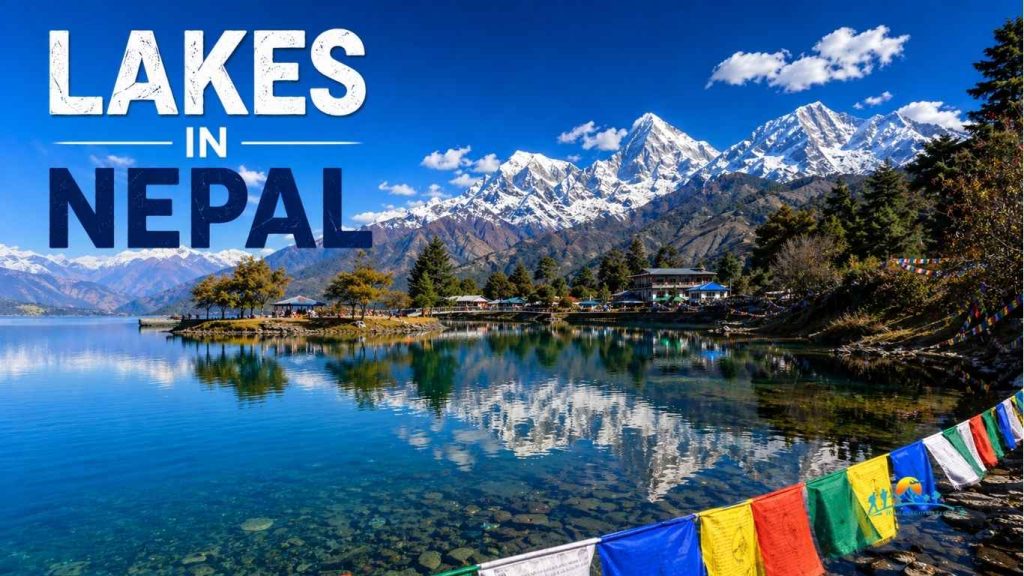
 Nepal is known for mountains, but its lakes deserve equal attention. Snow-fed alpine waters, calm valley lakes, sacred ponds, and wildlife wetlands give the country a rare mix of scenery and culture. Some lakes sit above 4,000 meters beside glaciers, while others rest in warm lowlands filled with birds and forests. This variety makes lakes in Nepal special for trekkers, pilgrims, photographers, and casual travelers alike.
Many visitors know only Phewa Lake in Pokhara or Rara Lake in the west. Yet Nepal has thousands of lakes spread across the Himalayas, hills, and Terai plains. Each one has its own mood, local story, and travel experience.
This guide covers the most beautiful and important lakes in Nepal, along with travel tips, best seasons, and quick facts to help you plan.
Nepal’s lakes are unique because they lie in different natural settings. In the Himalayan region, Lakes of higher altitude lie close to glaciers and high peaks, creating beautiful scenery for people. Lakes such as Tilicho, Gosaikunda Lake, and Gokyo are known for their clear and fresh water and peaceful surroundings.
Lakes in mountain towns and rural areas provide homes to towns, agricultural communities, and tourism. Lakes like Phewa, Begnas, and Rupa are visited for boating, fishing, lakeside rooms, and views. They are essential in everyday life and offer visitors the chance to easily get outdoors for some relaxation.
The lakes of Nepal are also important culturally and ecologically. Religious lakes attract pilgrims each year for festivals, and wetland lakes are home to birds, fish, crocs, deer, and more. This uncommon combination of mountain scenery, indigenous culture, and biodiversity makes Nepalese lakes special for all visitors.
Nepal is home to thousands of lakes spread across the Himalayas, hills, and Terai plains. These lakes vary greatly in size, depth, altitude, and cultural importance. Some are famous for tourism, while others are known for pilgrimage, wildlife, or trekking routes. From the vast waters of Rara Lake to the sacred shores of Gosaikunda, each lake adds something unique to Nepal’s natural beauty. The table below highlights some important facts about lakes in Nepal.
| Topic | Detail |
|---|---|
| Estimated number of lakes | 5,000+ |
| Largest natural lake | Rara Lake |
| Deepest famous lake | Shey Phoksundo Lake |
| Most visited lake | Phewa Lake |
| Well-known sacred lake | Gosaikunda |
| High altitude famous lake | Tilicho Lake |
| Popular lake city | Pokhara |
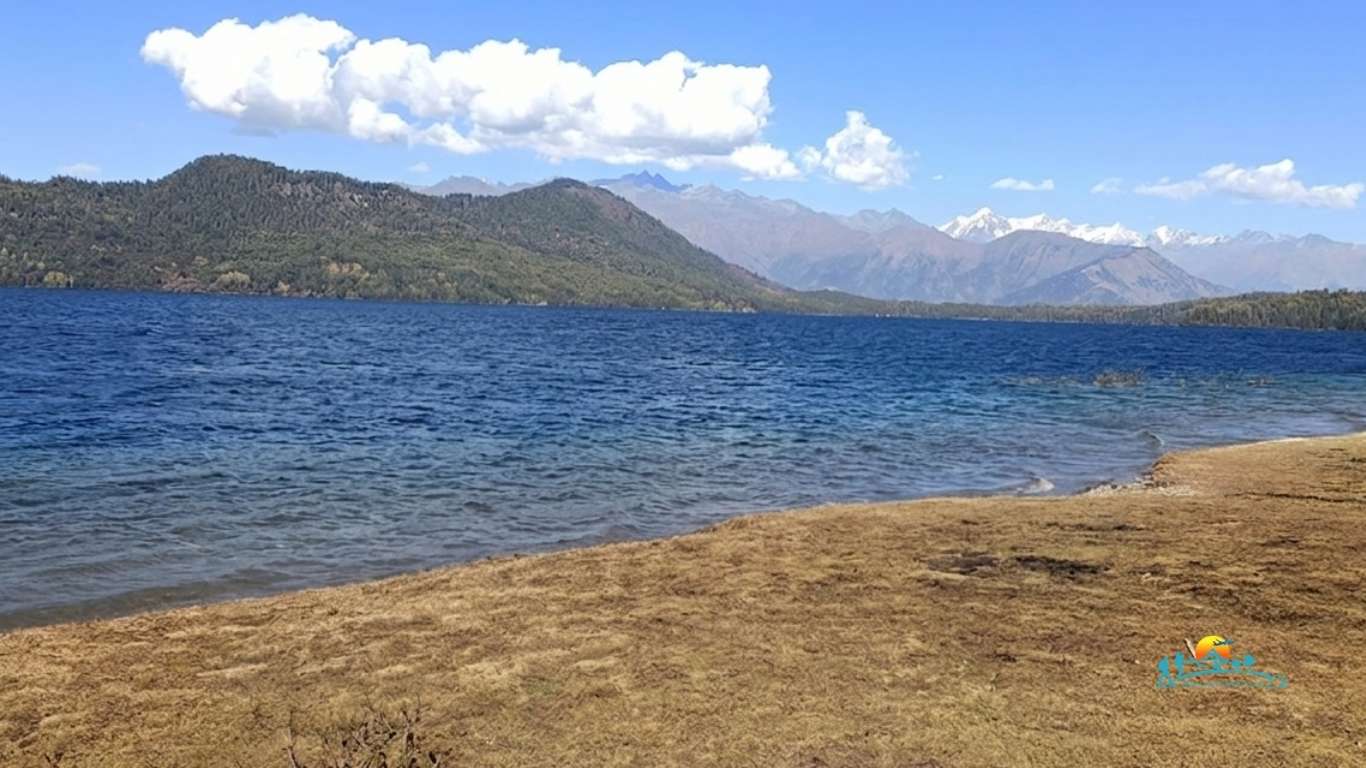
Rara Lake is the largest natural lake and one of the most beautiful freshwater lakes in Nepal. It is located within Rara National Park in Mugu District at an elevation of 2,990 meters. It is bordered by forests of pine, spruce, and juniper trees that make the surroundings serene and peaceful. It’s a photographer’s dream with its blue water and reflecting mountains.
It is the peaceful environment that attracts visitors to Rara Lake. This is a peaceful, remote area compared to other places. Visitors can take short walks along the shore, spot birds, and watch the sunrise. It is best visited during spring or fall when the weather is clear, and the roads are open.
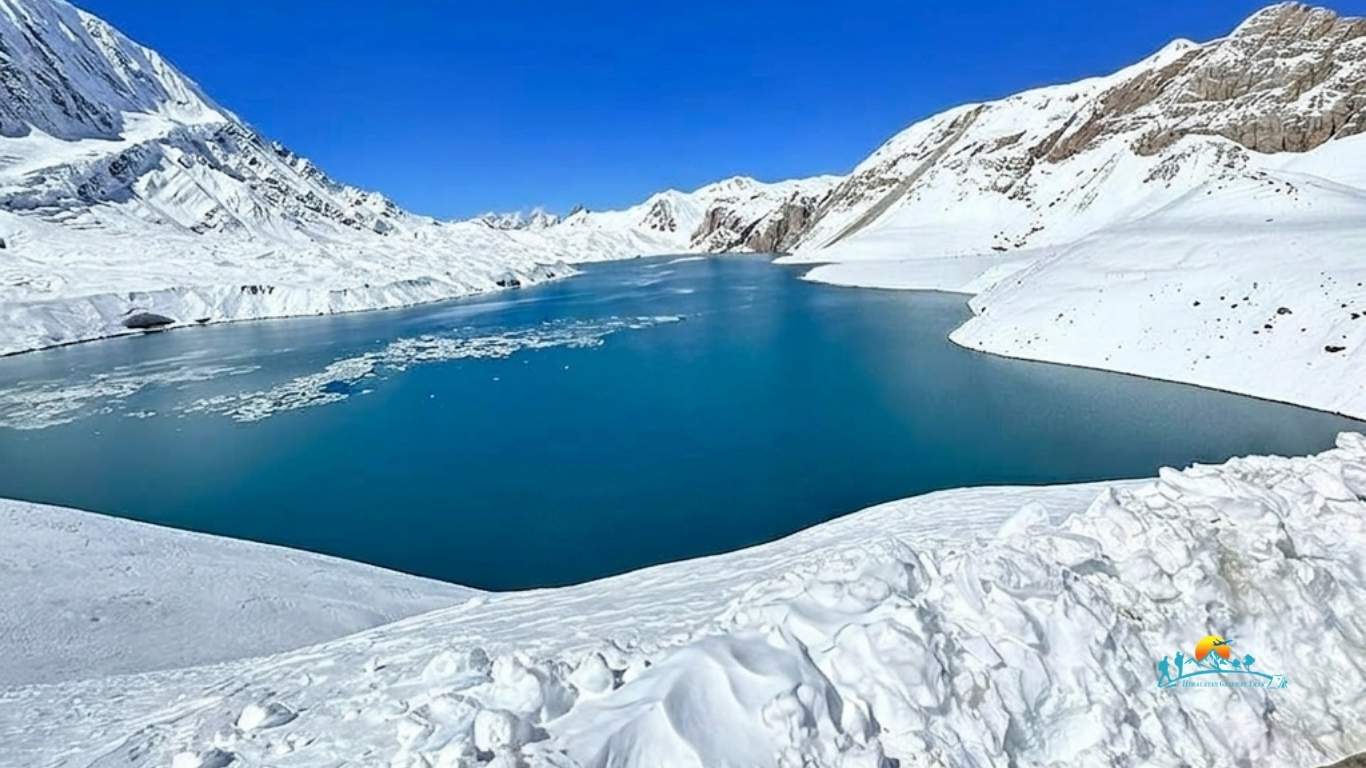
Tilicho Lake is renowned for being at a high altitude in the Annapurna region. It is located at 4,919 meters and is one of the world’s most famous lakes. It is normally reached by trekking from Manang over a rough, steep path, through varying mountain climates.
The reward is worth the effort. Snow-covered peaks rise around the lake, and the landscape feels wild and dramatic. Many trekkers visit Tilicho as an extension of the Annapurna Circuit. Spring and autumn offer the safest and clearest trekking conditions.
Another factor that makes the trek challenging is the unpredictable weather of Tilicho Lake, which can vary from hour to hour. The trek is more demanding than other trails in the Annapurna region due to the windy weather, cold temperatures, and occasional snowfall. But it remains one of the most satisfying trips in Nepal due to the rugged Himalayan beauty encountered along the way.
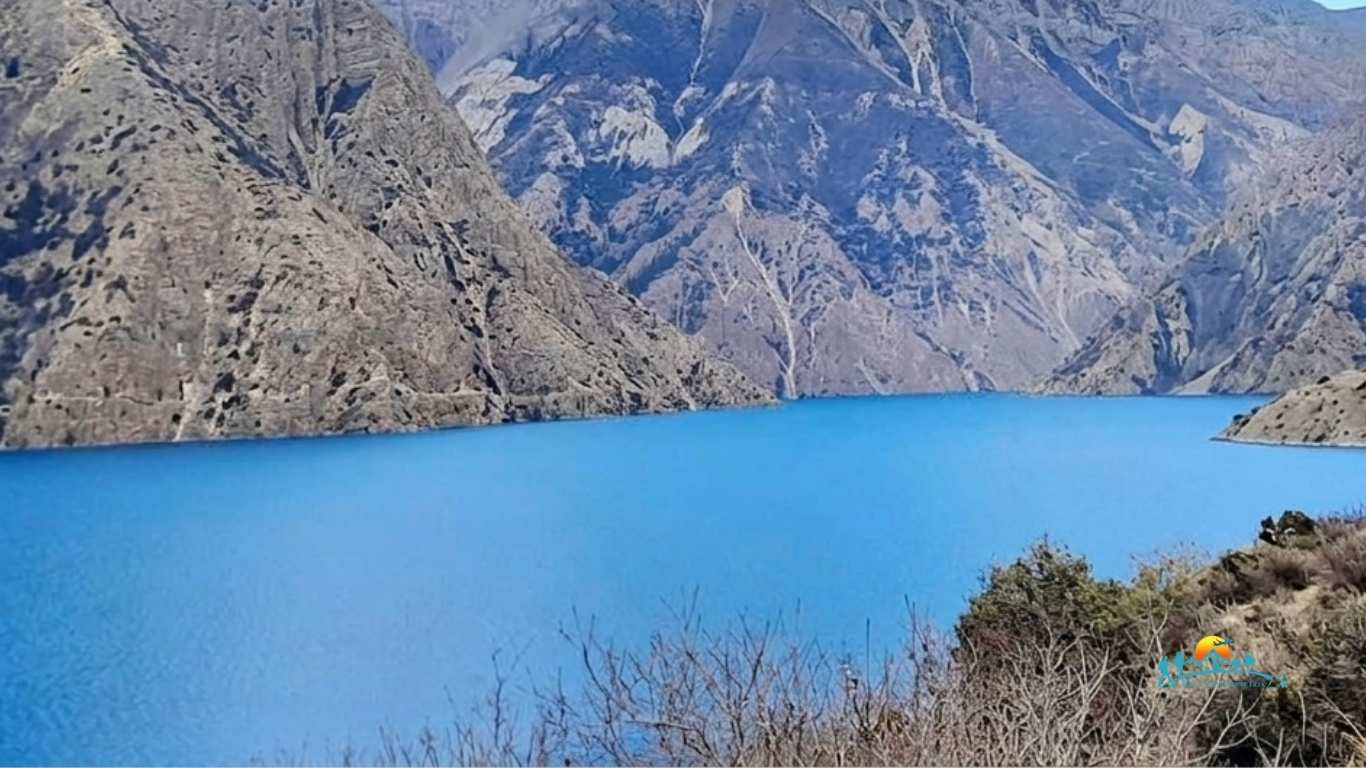
Shey Phoksundo Lake is known for its deep blue color and edge setting in Dolpo Region. It lies inside Shey Phoksundo National Park and is often considered one of the most scenic lakes in Nepal. The lake’s striking color comes from mineral-rich glacial water.
The route to the lake also passes villages influenced by Tibetan culture, adding cultural value to the journey. This region remains less crowded than major trekking areas, so visitors enjoy quiet trails and raw natural beauty. Summer and early autumn are popular travel months.
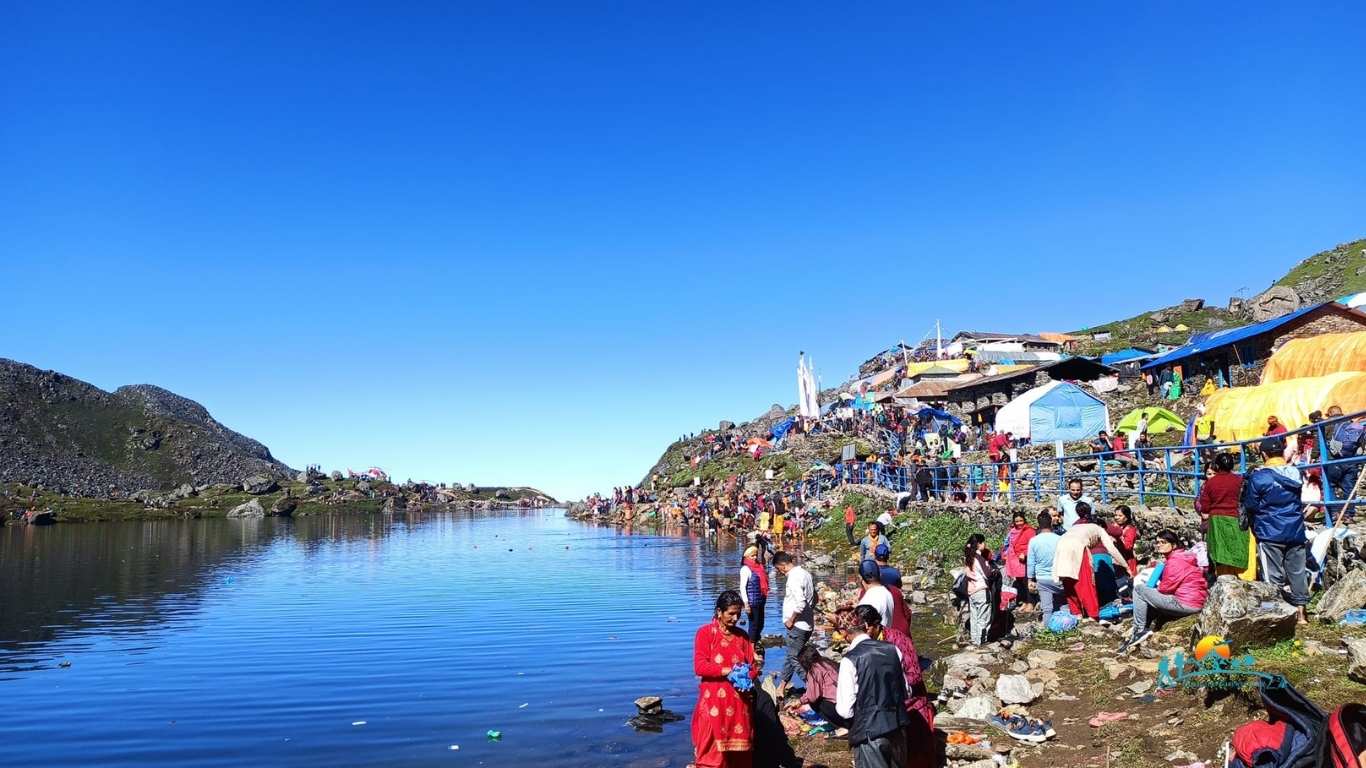
Gosaikunda Lake is one of Nepal’s most sacred high-altitude lakes and holds deep religious importance for Hindus. It lies in the Langtang region, around 4,380 meters above sea level, and it is surrounded by hills and rocky environment. According to Hindu mythology, the lake was created by Lord Shiva when he hit the mountain with his weapon to drink water and cool his burning throat, which happened by consuming poison.
The lake attracts thousands of visitors every year, especially during the Janai Purnima festival. During this time, devotees travel long distances to take a holy dip in the water, which is believed to wash away sins and bring blessings. As devotees walk through hard areas to reach the Gosainkunda Lake, the journey is considered part of the devotion
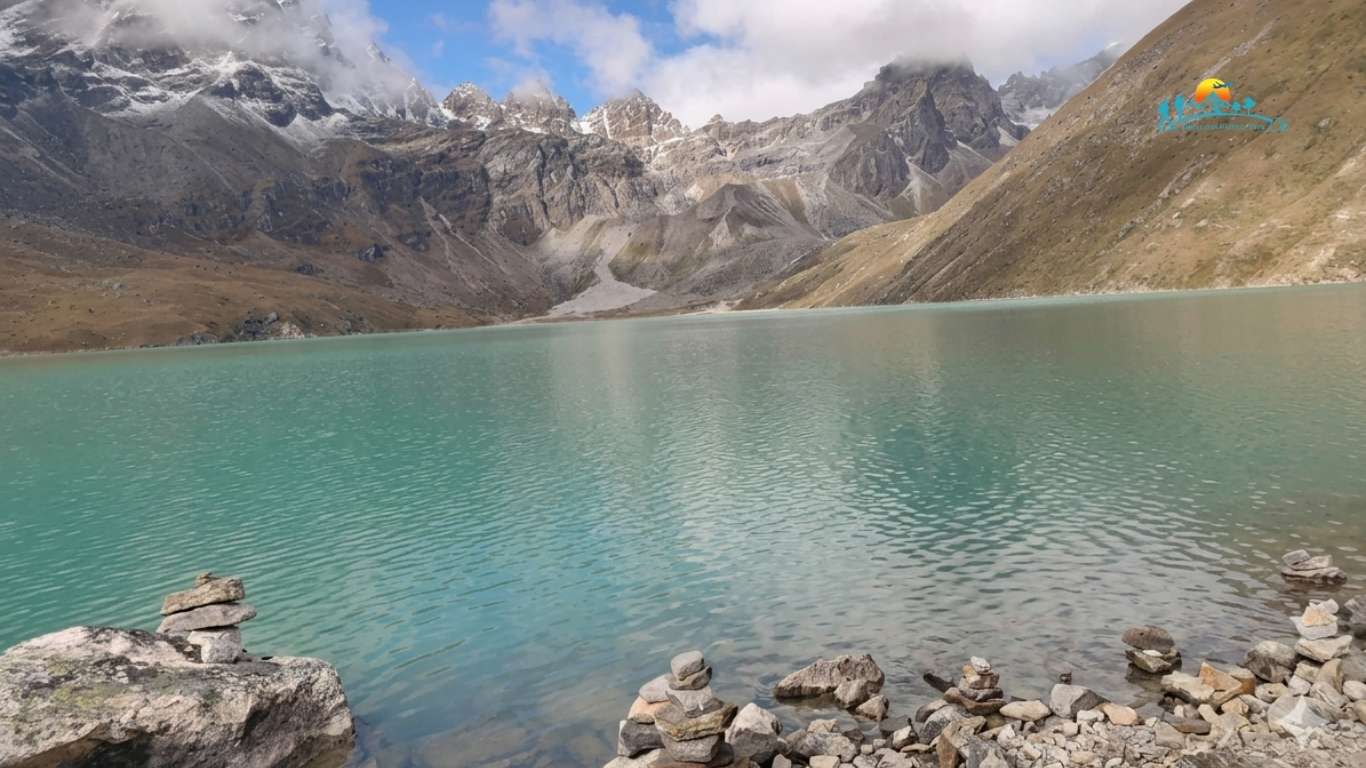
Gokyo Lakes are a group of glacier-fed lakes in the Everest region. Their bright turquoise water and high mountain setting make them one of Nepal’s finest trekking destinations. These lakes sit along the Gokyo trekking route, an alternative to the classic Everest Base Camp trail.
Many travelers climb Gokyo Ri for sunrise views of Everest, Cho Oyu, and surrounding peaks. The combination of lakes and mountains creates one of the strongest landscapes in Nepal. Spring and autumn are the best seasons for clear skies.
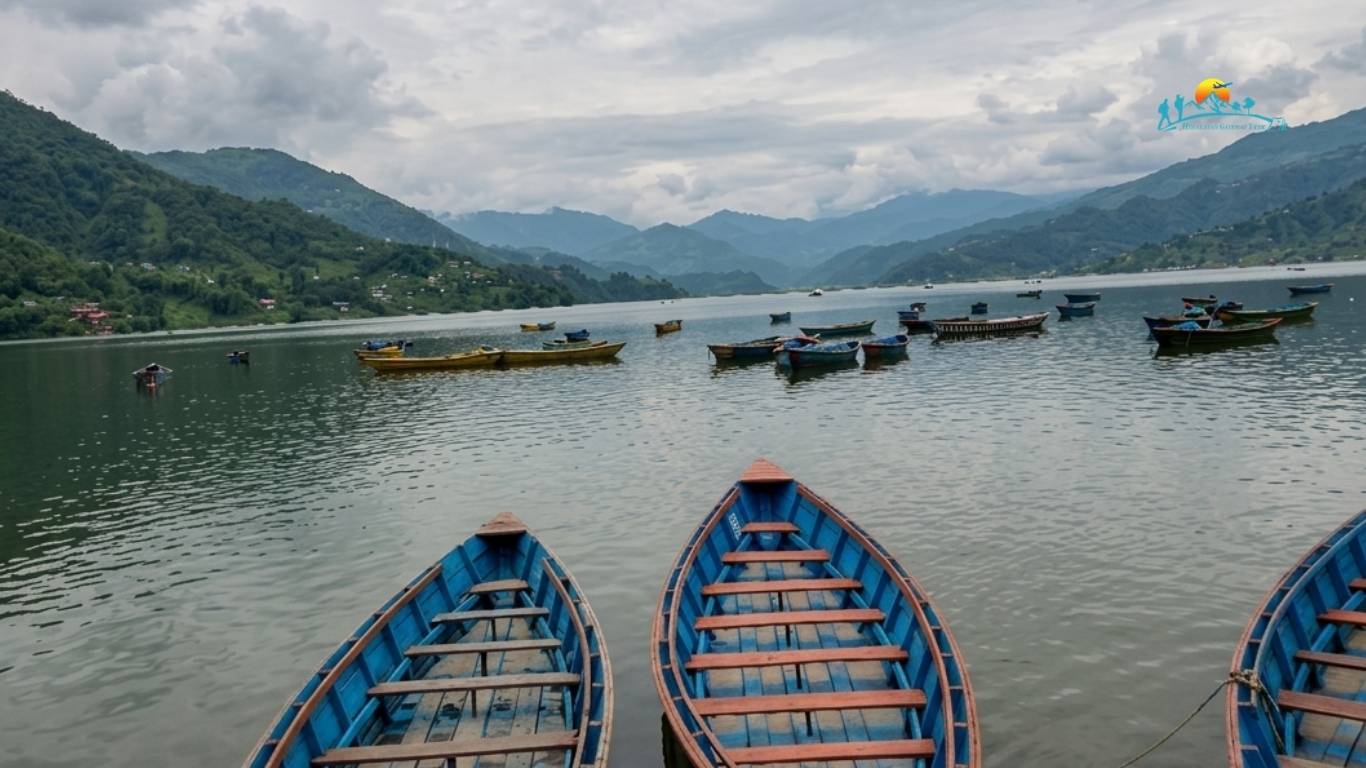
Phewa Lake is the most popular lake in Nepal and the tourist hub of Pokhara Valley. You can enjoy lake boating, restaurants and clear reflections of the Annapurna mountain range. An island temple, Tal Barahi, is also a highlight.
Phewa is popular with families, couples and individuals, thanks to the accessibility and year-round activity. Boating at sunset is most common. It also can be combined with paragliding, hiking, or sightseeing.
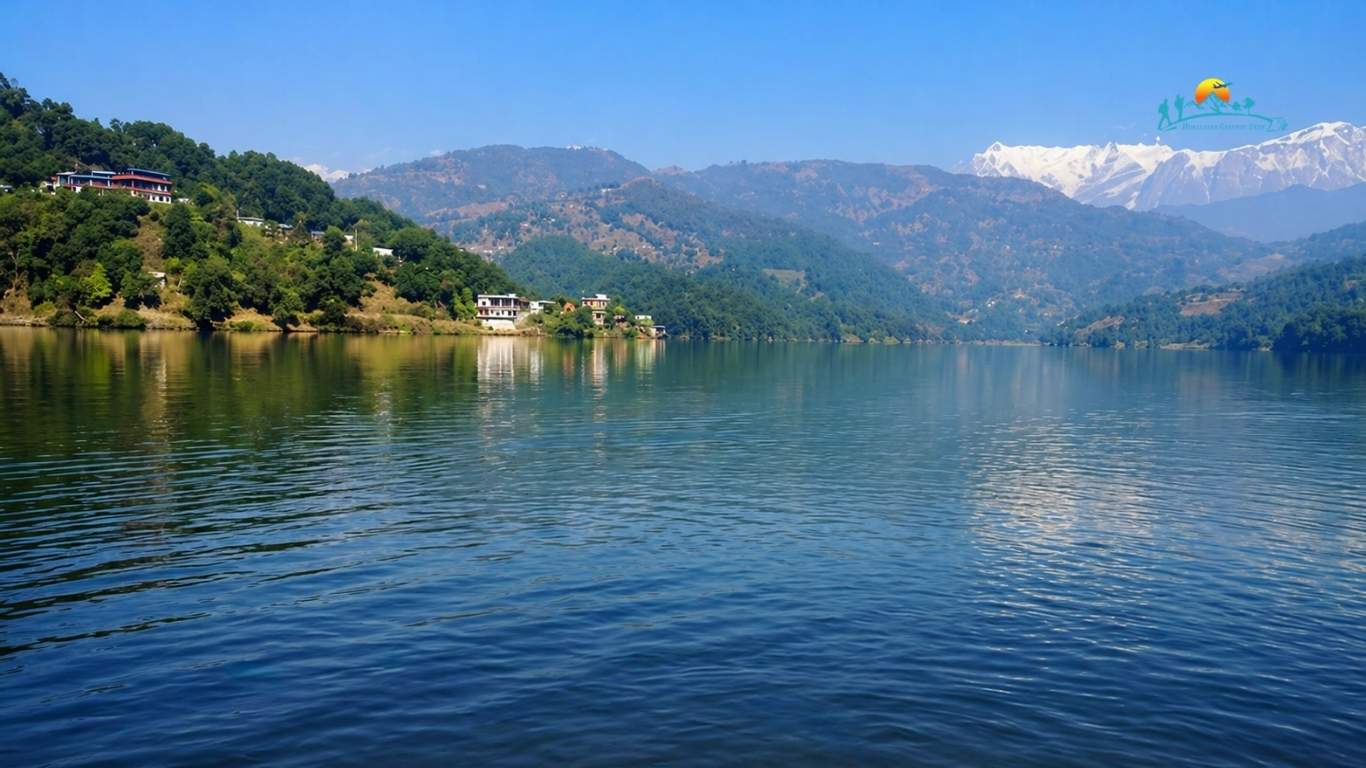
Begnas Lake offers a quieter and more relaxed experience than Phewa Lake. Located east of Pokhara, it is surrounded by green hills and farmland. The calm water and peaceful setting make it ideal for visitors who prefer a slower pace.
Fishing, boating, and lakeside stays are common here. Many travelers choose Begnas for overnight retreats away from city noise. Early morning views are especially pleasant.
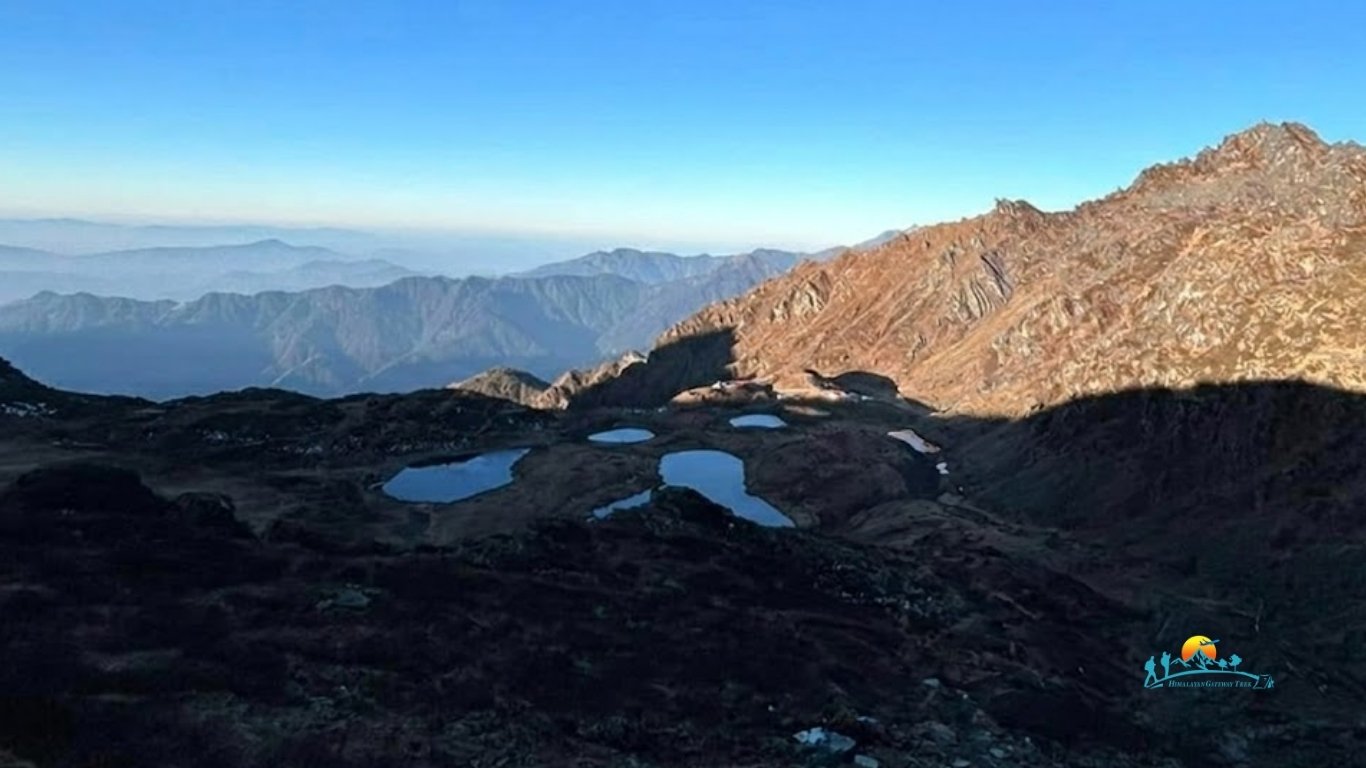
Panch Pokhari translates as “five lakes” and is a holy set of high-altitude lakes northeast of Kathmandu in the district of Sindhupalchok. The lakes are perched high in the Himalaya in a remote location, with panoramic views of hills, barren terrain, and remote snowy mountains. It is called Panch Pokhari because of the five holy ponds that are significant to Hindu devotees.
The trek to Panch Pokhari is less busy than other trails, such as Langtang or Everest, making it a great choice for those looking for a peaceful hiking experience. The trek takes you through forests, villages, and high ridges before you arrive at the lake. On Janai Purnima, it attracts devotees for worship and bathing.
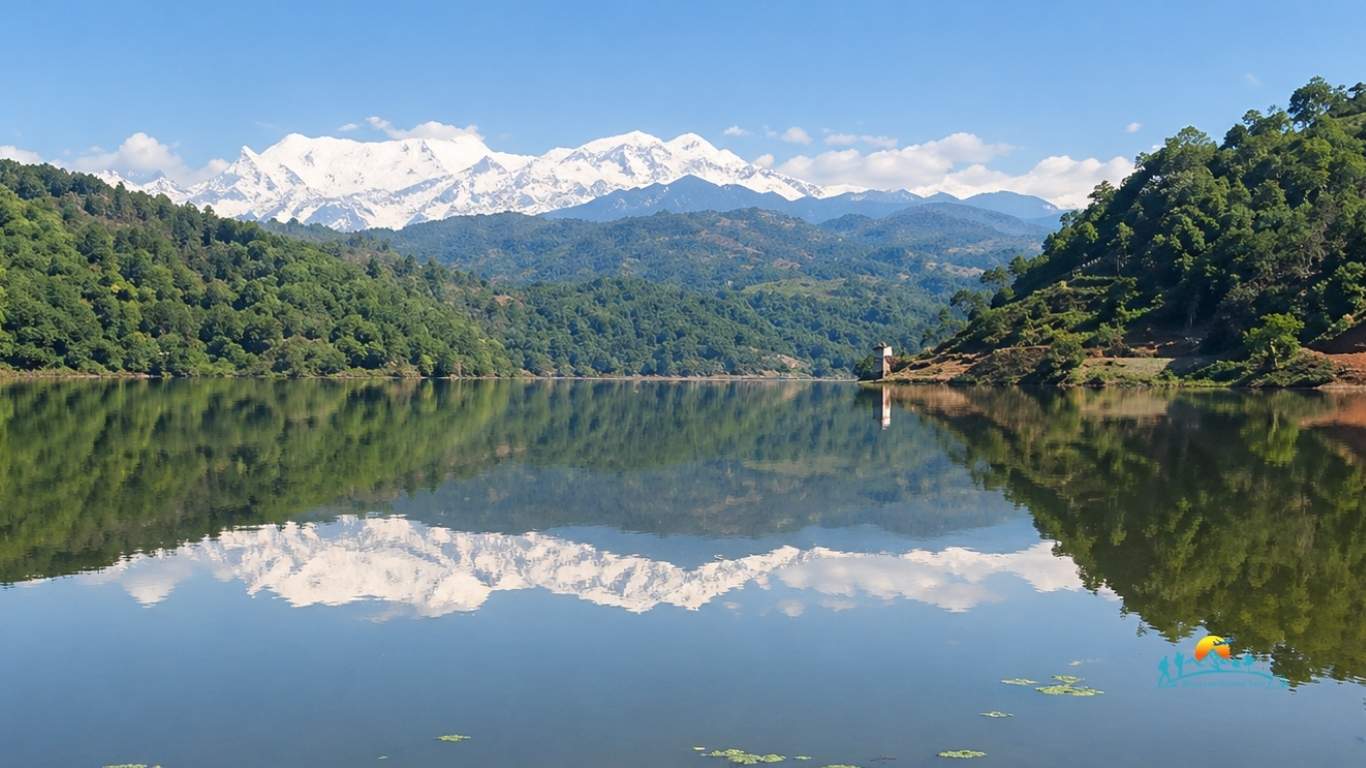
Rupa Lake lies close to Begnas Lake and is known for birdlife and rural scenery. Compared with busier tourist lakes, Rupa remains calm and less commercial.
Visitors enjoy quiet boating, photography, and village walks around the shoreline. It is a good choice for travelers who want nature and local life near Pokhara.
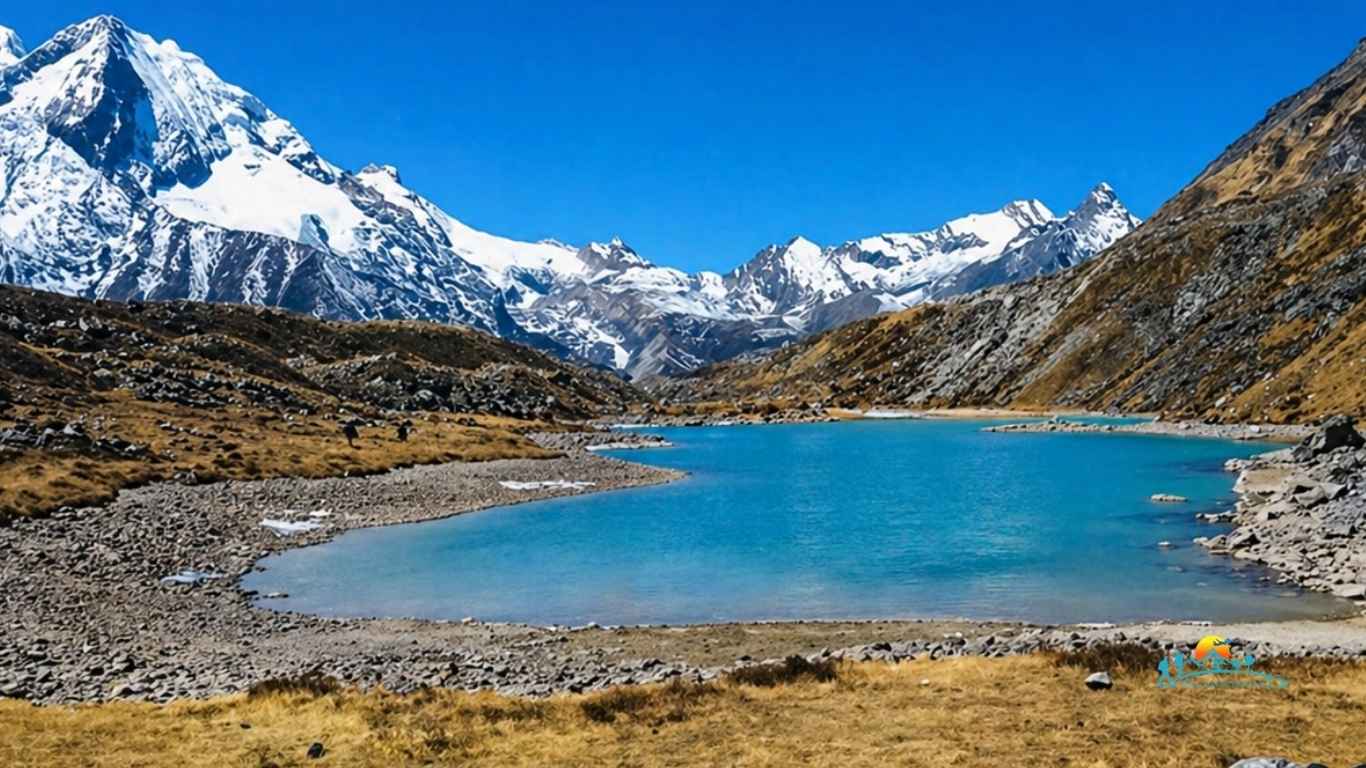
Tsho Rolpa is one of the largest glacial lakes in Nepal and lies in the Rolwaling region of Dolakha. The lake formed from melting glaciers and continues to change slowly over time. Surrounded by steep hills and ice-covered mountains, it creates a strong alpine setting that feels remote and powerful.
The trail to Tsho Rolpa is long and less traveled, which makes it suitable for trekkers who prefer quiet routes. The journey passes through forests, suspension bridges, and small settlements before reaching the glacial valley. The lake is also closely studied due to glacial movement, making it important from both travel and environmental perspectives.
Imja Tsho is a glacial lake located in the Everest region near Island Peak. It has expanded over the years due to melting ice from nearby glaciers. The lake sits in a high mountain valley surrounded by rocky slopes and towering peaks.
Trekkers moving to Everest Base Camp or climbing routes see this lake along the way. On clear days, the surrounding mountains are reflected in the water. The area also shows how Himalayan glaciers are changing over time, which makes the lake a noticeable stop in the Everest region
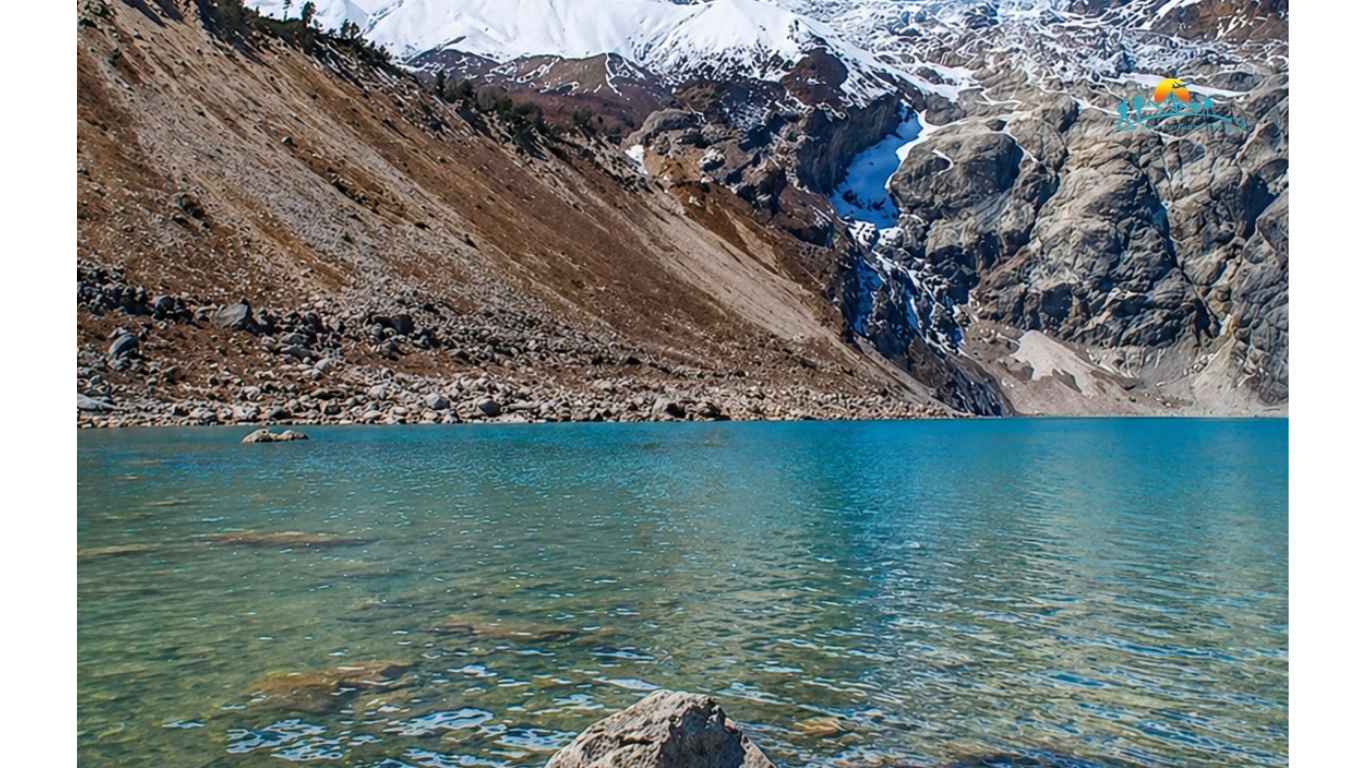
Birendra Lake is located in the Manang region and is one of the easiest high-altitude glacial lakes to reach during the Annapurna Circuit trek. The lake receives water directly from nearby glaciers, which gives it a bright blue-green color depending on the season and the amount of sunlight.
Many trekkers stop here because it sits close to the main trail. The short walk from Manang village makes it a popular rest point before higher altitude sections. Snow-covered peaks and open valleys around the lake make it a simple but memorable side trip.
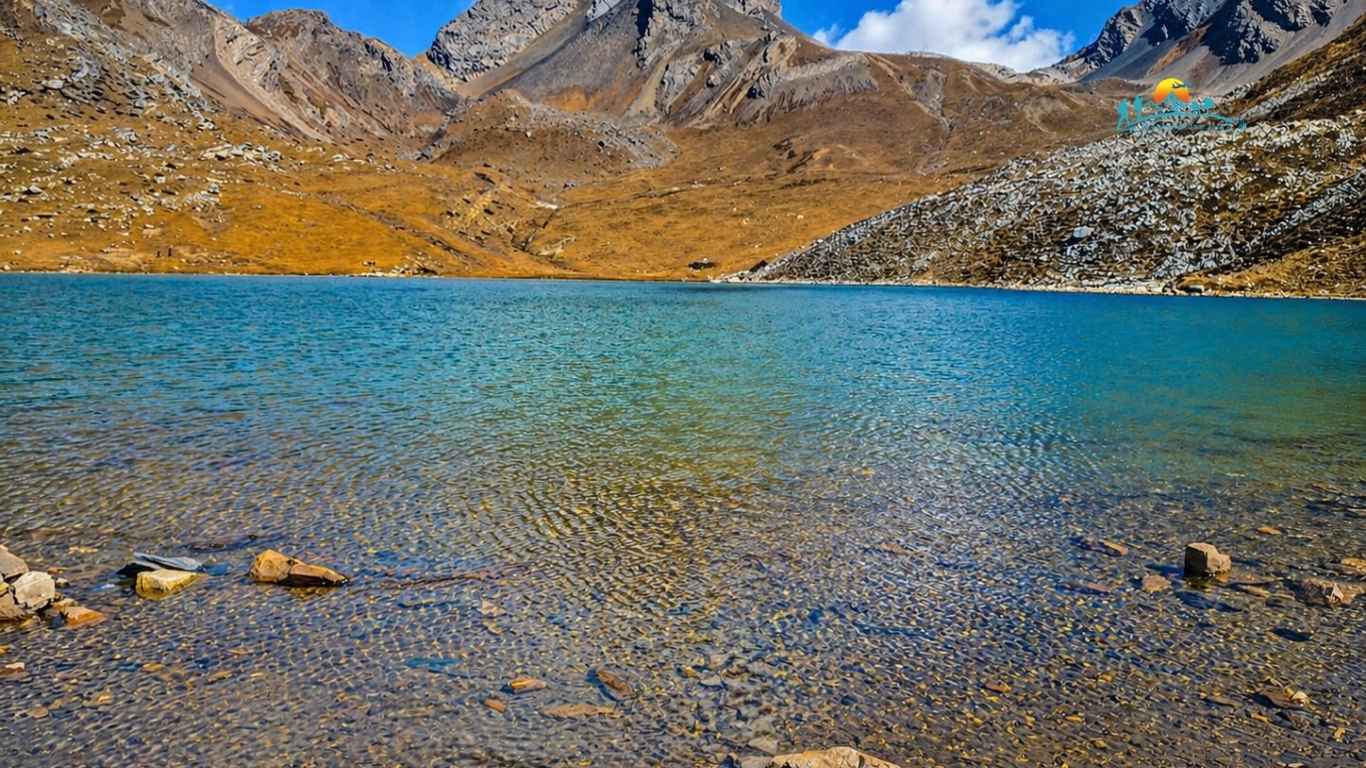
Ice Lake, located above Manang in the Annapurna region, is a day hike that is often taken by trekkers acclimatising to the altitude. Despite its name, the lake isn’t always frozen. The name refers to its low temperature and altitude, where it’s cold most of the year round. The route begins from Manang, taking a steep climb upwards through arid hillsides, yak grazing grounds, and stony and almost treeless trails.
It’s a challenging trek due to steep ascent and altitude. It’s generally done in slow time, with many stops, as the climb is the time for the body to get used to the altitude before proceeding to higher passes such as Thorong La. As you ascend, the scenery transforms from village life to open mountain views, experiencing the sense of altitude in the Himalayas.
From the summit, Ice Lake provides panoramic views of Annapurna II, Annapurna III, Gangapurna, and other peaks. The lake is peaceful, and on clear days, one can see reflections of the sky and peaks. It’s described by many as one of the most rewarding short treks in the Manang region.
Mai Pokhari is a sacred wetland lake located in Ilam district of eastern Nepal. It lies inside a forested area where mist and cool weather are common. The lake is important for both religious worship and local biodiversity.
People visit the site for prayer, quiet walks, and nature observation. The surrounding forest supports different plant and bird species, making it a calm natural stop. The peaceful environment attracts visitors who prefer less crowded destinations.
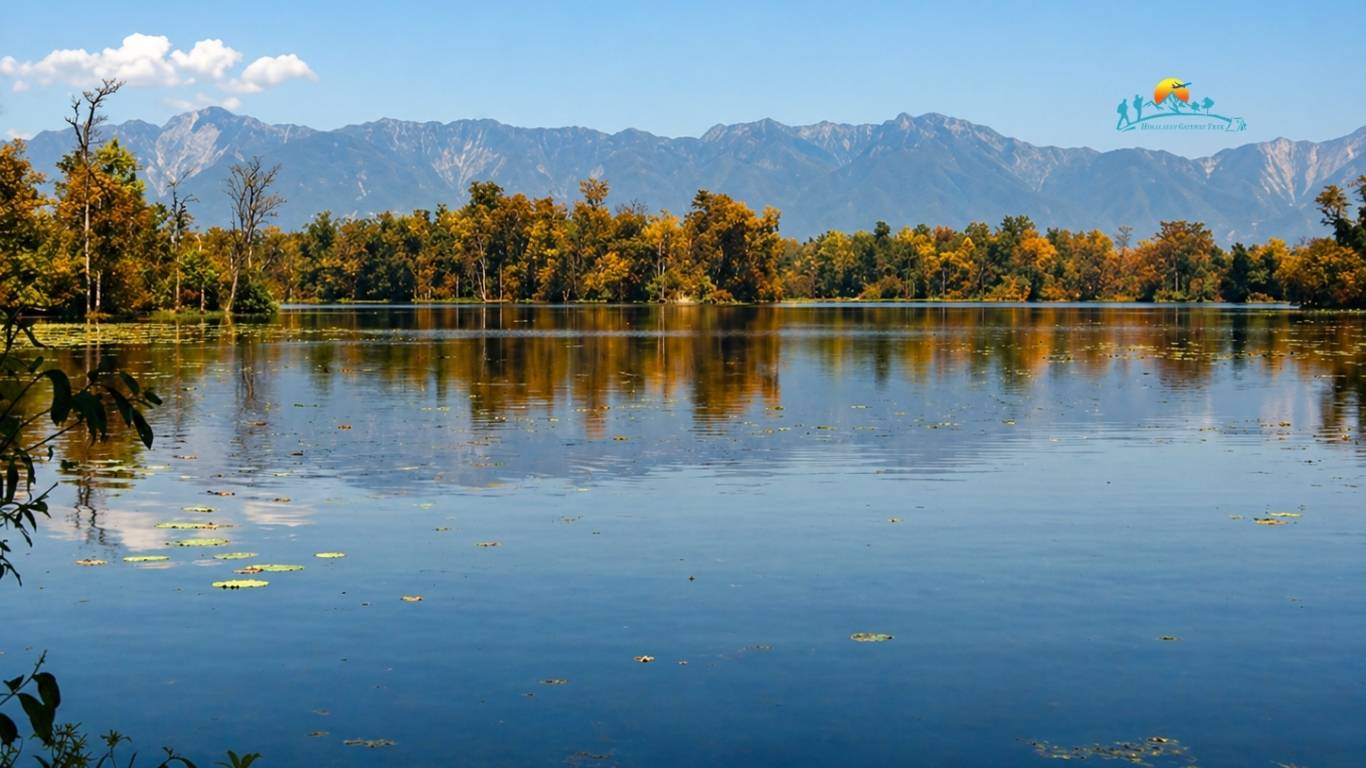
Ghodaghodi Lake is a large wetland system in western Nepal and is listed under the Ramsar Convention for its ecological importance. The lake area includes grasslands, marshes, and forest patches that support a wide range of wildlife.
Birdwatching is one of the main activities here, especially during migration seasons. The calm water and natural setting make it suitable for slow exploration. Local communities also depend on the lake for fishing and daily use.
Gangapurna Lake is located close to Manang village in the Annapurna region and forms from meltwater coming down from the Gangapurna Glacier. The lake sits in a dry, high-altitude valley surrounded by steep rocky slopes and snow-covered peaks. Because it is only a short walk from Manang, it is one of the most accessible glacial lakes along the Annapurna Circuit.
The lake is known for its calm surface and clear blue-green water, which changes shade depending on sunlight and weather. The surrounding landscape feels open and rugged, with glacier ice visible above the lake area. Trekkers often visit it as part of acclimatization while staying in Manang, making it a common stop before moving toward higher sections of the trek.
Khaste Lake is a small wetland lake located in the Pokhara valley. It is less crowded compared to nearby tourist lakes, which gives it a quiet natural setting.
The lake supports birdlife and local vegetation, making it a simple spot for short walks and observation. Visitors often come here for a break from busier areas in Pokhara.
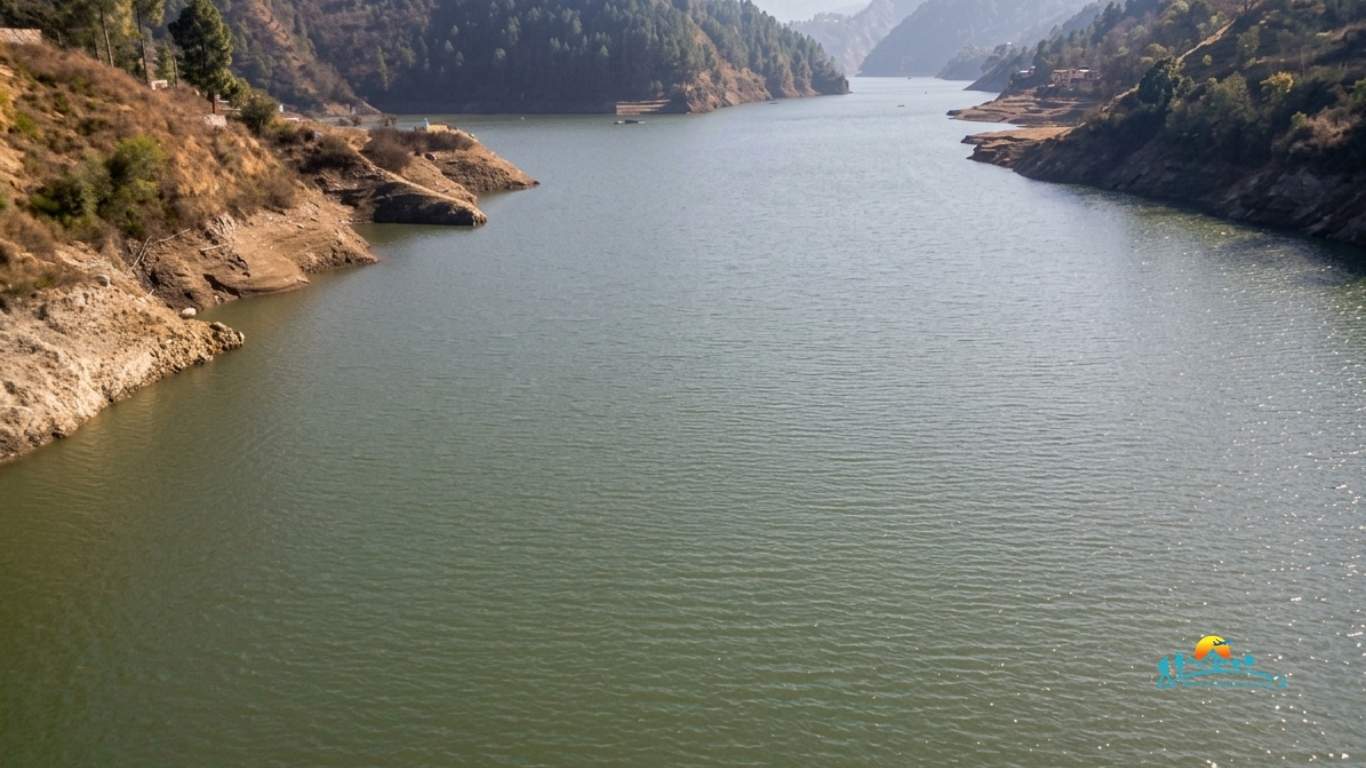
Indra Sarovar is the largest man-made lake in Nepal and lies near the Kulekhani hydropower area in Makwanpur district. The lake was created to support electricity generation, but over time it has also become a well-known stop for travelers. The wide water body sits between green hills, creating a calm contrast to the surrounding rugged terrain.
The journey to Indra Sarovar is one of its main attractions. The road from Kathmandu passes through winding hill routes with frequent viewpoints over valleys and forests. Visitors often stop at small viewpoints along the way to enjoy the scenery. Once at the lake, people can relax by the shore, take short boat rides, or simply enjoy the quiet surroundings away from city noise.
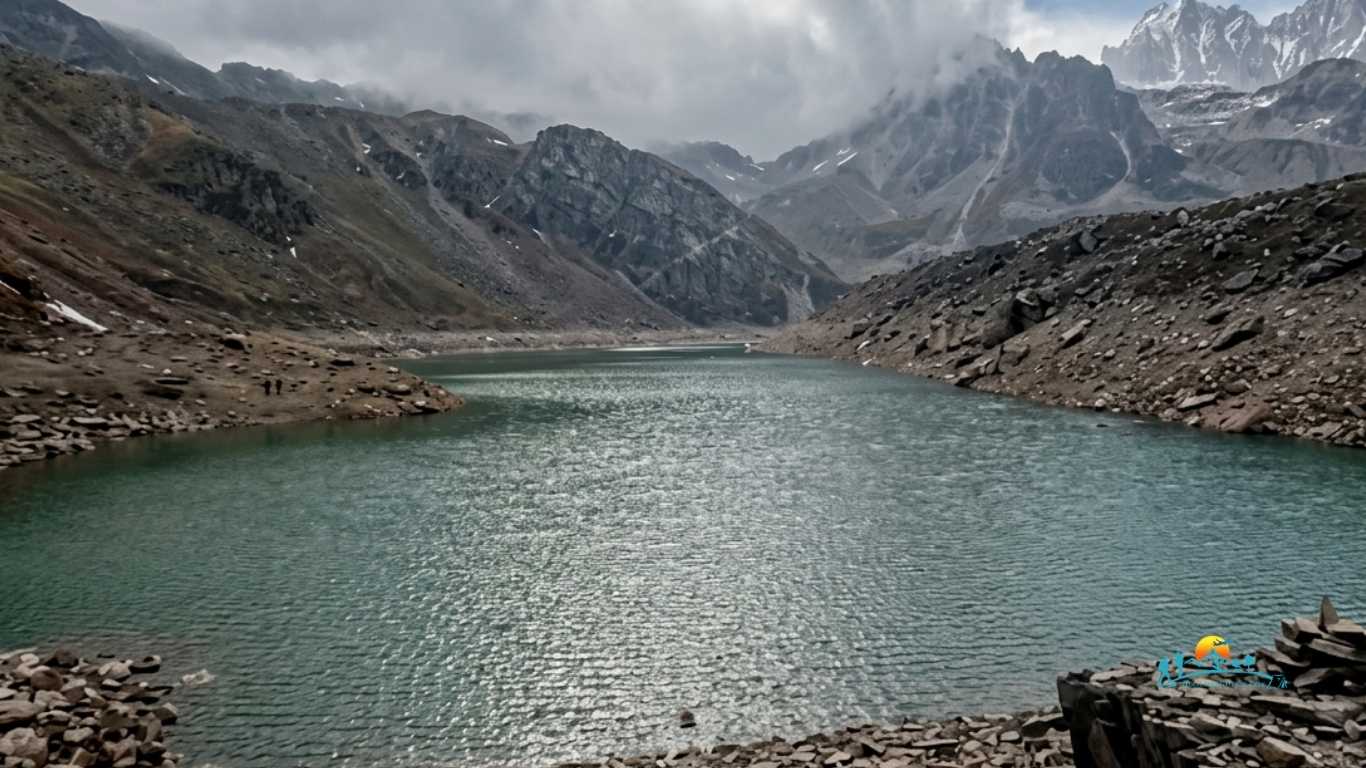
Dudh Pokhari is a sacred lake located in Lamjung district and holds religious importance for local communities and Hindu pilgrims. The name “Dudh Pokhari” refers to the milky white appearance of the water, which is connected to local belief and natural reflection from surrounding rocks and sediment. The lake is surrounded by hills, forests, and traditional settlements that give the journey a rural feel.
The trek to Dudh Pokhari passes through quiet villages, terraced fields, and forest paths. During Janai Purnima and other religious festivals of Nepal, pilgrims travel to the lake to offer prayers and take part in rituals. The mix of natural beauty and cultural tradition makes the visit meaningful, especially for those interested in local heritage and less crowded trekking routes.
Ramaroshan Lakes are located in the far-western part of Nepal in Achham district and form a wide natural area made up of several small lakes, green meadows, and forest patches. The setting feels open and peaceful, with rolling hills and scattered water bodies spread across the landscape. This combination of grasslands and lakes creates a calm environment that feels very different from busy trekking regions.
The area is still less developed for tourism, so it does not see large crowds. This gives visitors a quiet travel experience where nature feels undisturbed. Local villages around the region add a simple rural lifestyle to the visit, and travelers often enjoy walking through open fields, observing birds, and spending time in natural surroundings without noise or rush.
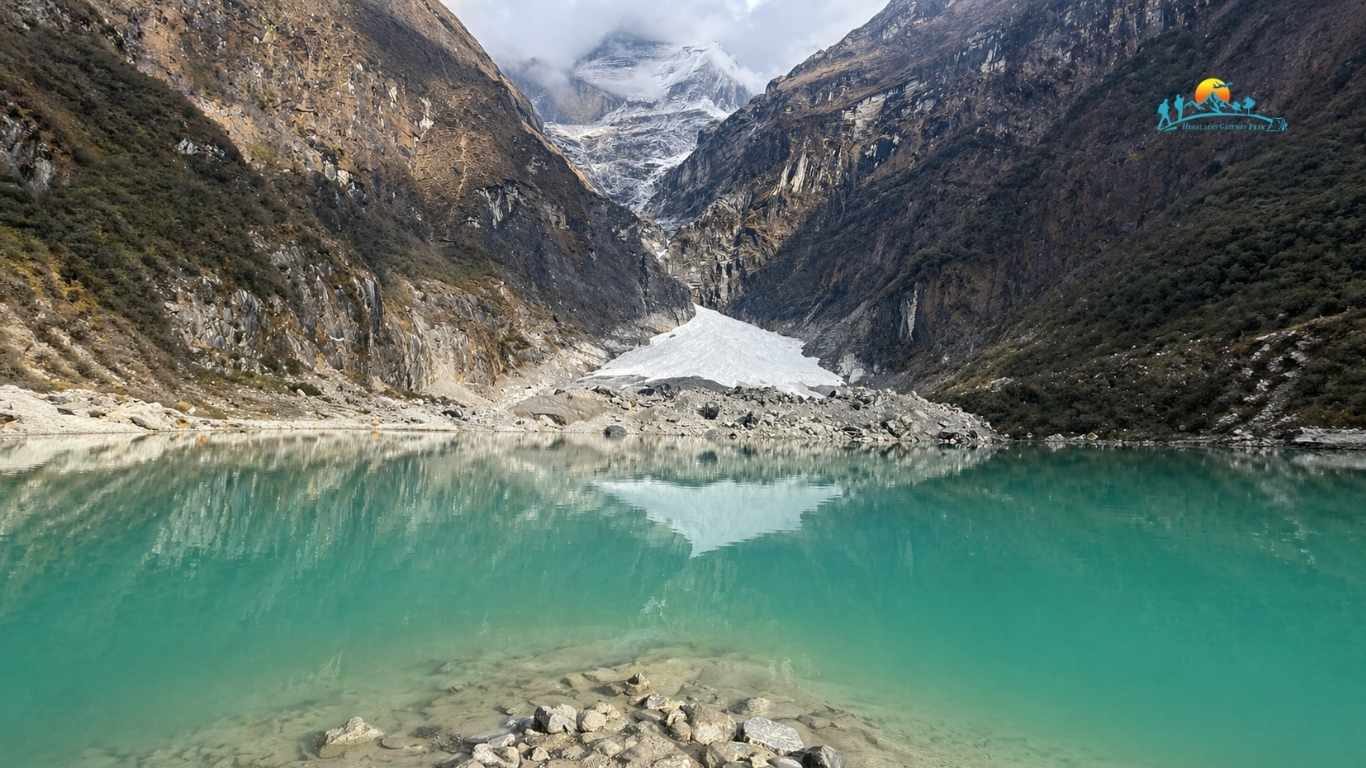
Kapuche Lake is located in the Kaski district near the Annapurna region and is known as one of the lowest altitude glacier lakes in Nepal. It sits at the base of the Kapuche Glacier, where melting ice forms a small but striking turquoise lake. The route to the lake usually starts from villages near Pokhara and passes through forests, suspension bridges, and hillside settlements.
The lake has gained attention in recent years because it offers a short Himalayan trekking experience compared to longer routes like the Annapurna Circuit. The glacier above the lake shows clear signs of how ice slowly shapes the valley below. Trekkers often visit for a one or two-day hike, making it a growing choice for those who want mountain scenery without a long expedition.
Damodar Kunda is a sacred pilgrimage lake located in Upper Mustang at a very high altitude near the Tibetan plateau. It holds deep religious value for Hindu devotees who believe the lake water has spiritual significance and is linked with purification rituals. Because of this belief, many pilgrims travel long distances to reach the site despite its remote location.
The journey to Damodar Kunda passes through dry desert-like landscapes, strong winds, and high mountain terrain. Unlike green hills found in other parts of Nepal, this region has a rugged and arid feel with wide open spaces and rocky cliffs. The travel is physically demanding, but visitors continue to make the journey due to its strong cultural and religious importance, which makes it one of the most respected lakes in Nepal.
Good planning improves safety and comfort, especially for remote lakes.
Lakes in Nepal show another side of the country beyond mountain peaks. Some are lively and easy to reach, while others demand days of walking through remote valleys. Phewa brings comfort, Rara brings peace, Tilicho brings challenge, and Gosaikunda brings faith.
If you want one trip with boating, trekking, nature, and culture, Nepal’s lakes can give all of it. Choose the lake that matches your style, season, and travel energy, then take your time when you get there.
Nepal is home to stunning water bodies, including Rara Lake, Phewa Lake, Tilicho Lake, Phoksundo Lake, Begnas Lake, Gosaikunda, Rupa Lake, Gokyo Lakes, Imja Tsho, and Mai Pokhari. These lakes offer breathtaking views and unique ecosystems across different altitudes.
Phewa Lake in Pokhara is the most famous lake in Nepal due to its accessibility and the stunning reflection of Mount Machhapuchhre. Rara Lake and Tilicho Lake are also highly renowned for their immense size and high-altitude alpine beauty.
Nepal contains approximately 5,358 lakes, ranging from high-altitude glacial lakes to tropical ponds. These water bodies are distributed across the Himalayan, Hilly, and Terai regions, playing a vital role in the country’s ecology, biodiversity, culture, and tourism industry.
Nepal’s five largest lakes are primarily located in the Himalayan and Hilly regions. Rara Lake is in Mugu, Phoksundo Lake in Dolpa, and Tilicho Lake in Manang. Phewa and Begnas lakes are situated in the lower-altitude Kaski district near Pokhara.
Tilicho Lake, situated at 4,919 meters in the Manang district, is world-famous as one of the highest lakes. However, the newly discovered Kajin Sara Lake, located at over 5,000 meters, is now frequently cited as the highest lake in Nepal.
Shey Phoksundo Lake, located in the Dolpa district, is the deepest lake in Nepal, reaching depths of approximately 145 meters. Known for its mesmerizing turquoise color, this alpine freshwater lake sits beautifully within the protected Shey Phoksundo National Park.
While the largest lakes are distant, Taudaha Lake and Nagdaha are popular spots near Kathmandu. For a high-altitude experience, Gosaikunda Lake in Rasuwa is reachable via a multi-day trek and serves as a major pilgrimage site for visitors.
Gosaikunda Lake is a sacred alpine lake located in Langtang National Park. It holds immense religious significance for Hindus and Buddhists, who believe Lord Shiva created it. Thousands of pilgrims visit during the Janai Purnima festival to take holy baths.
Phewa Lake in Pokhara is world-famous for reflecting the iconic “Fishtail” peak, Mt. Machhapuchhre, on its calm waters. This picturesque setting, combined with the Tal Barahi Temple situated on a central island, makes it a top destination for travelers.
The Gokyo Lakes are a series of six high-altitude oligotrophic lakes in the Everest region, located between 4,700 and 5,000 meters. They comprise the world’s highest freshwater system and offer spectacular views of Mount Everest and surrounding 8,000-meter peaks.
The best time to visit Nepal’s lakes is during spring (March to May) and autumn (September to November). During these months, the weather is stable and clear, providing unobstructed views of the surrounding Himalayan peaks and vibrant turquoise waters.