

Best Time to Visit Nepal: Weather, Seasons, and Month-by-Month Guide
October to November and March to April are the best time to visit Nepal for clear mountain views and trekking,…
 Himalayan Gateway Trek - On
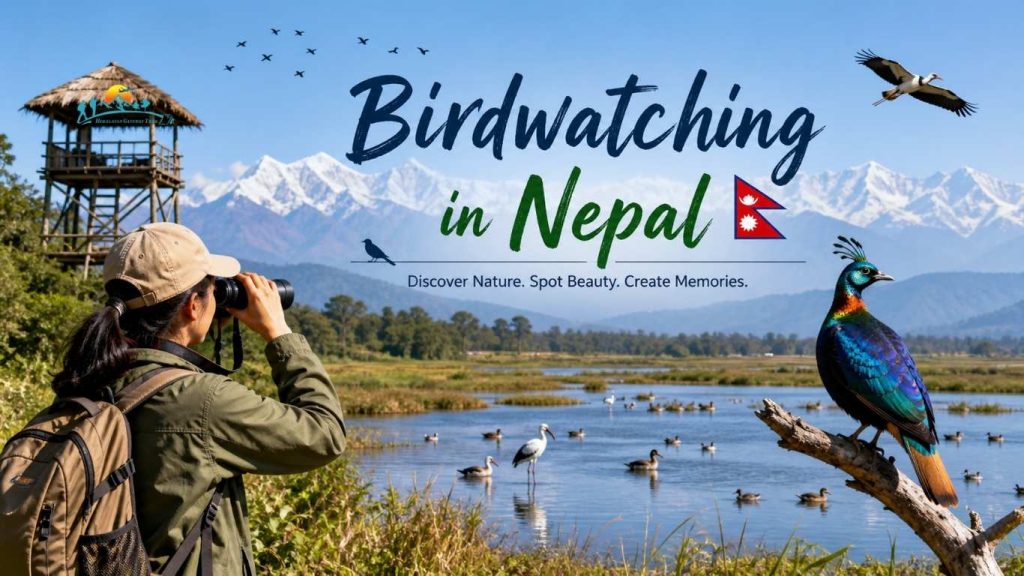
 Birdwatching in Nepal offers one of the richest birding experiences in Asia, with over 850 species found across a small yet highly varied landscape. From lowland wetlands to alpine forests, the country creates ideal conditions for both resident and migratory birds throughout the year.
Nepal stands out because of its sharp altitude range within a short distance. You can move from tropical plains to snow-covered hills in a single day, and each zone supports different bird species. This diversity allows birdwatchers to spot rare birds without traveling long distances between habitats.
Nepal is a global hotspot for birdwatching due to its geographic variation, climate zones, and position along major migration routes. The country lies between the Palearctic and Indo-Malayan regions, which brings together species from both ecosystems.
Key facts about birdwatching in Nepal:
Birdwatchers can find:
This natural variation makes Nepal suitable for both beginners and experienced birdwatchers.
The best places for birdwatching in Nepal offer different habitats, bird species, and experiences. Each location below provides a unique setting for bird lovers.
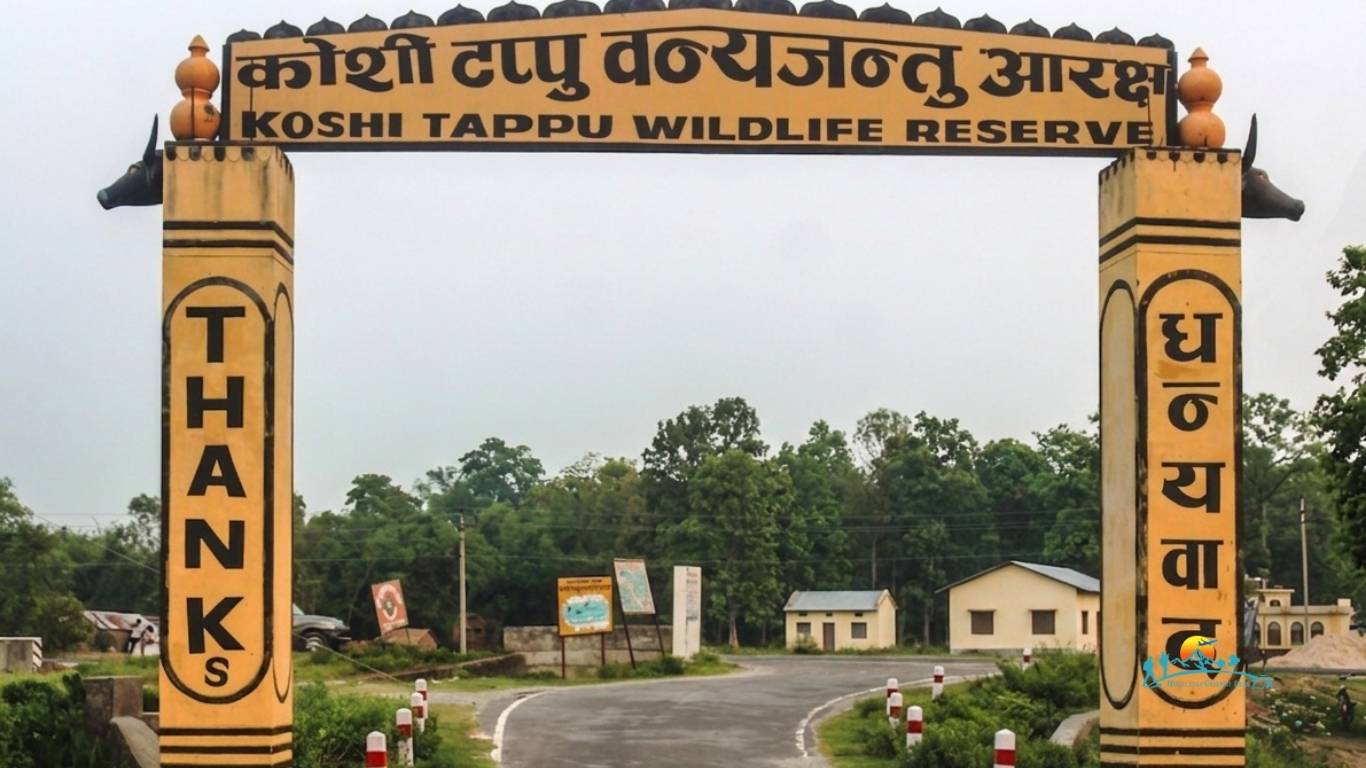
Koshi Tappu Wildlife Reserve stands out as the top location for wetland birdwatching in Nepal because of its large number of migratory species and open viewing areas. During winter, thousands of birds arrive from colder regions, filling the skies and riverbanks with activity. The flat terrain, wide grasslands, and river systems make it easier to spot birds without obstruction, which is especially helpful for beginners and photographers.
Birdwatchers can observe large flocks of waterfowl along with rare species such as the Bengal Florican. The best time to visit is from November to February when migratory birds are at their peak. Early mornings and late afternoons provide the clearest views as birds are most active during these hours.
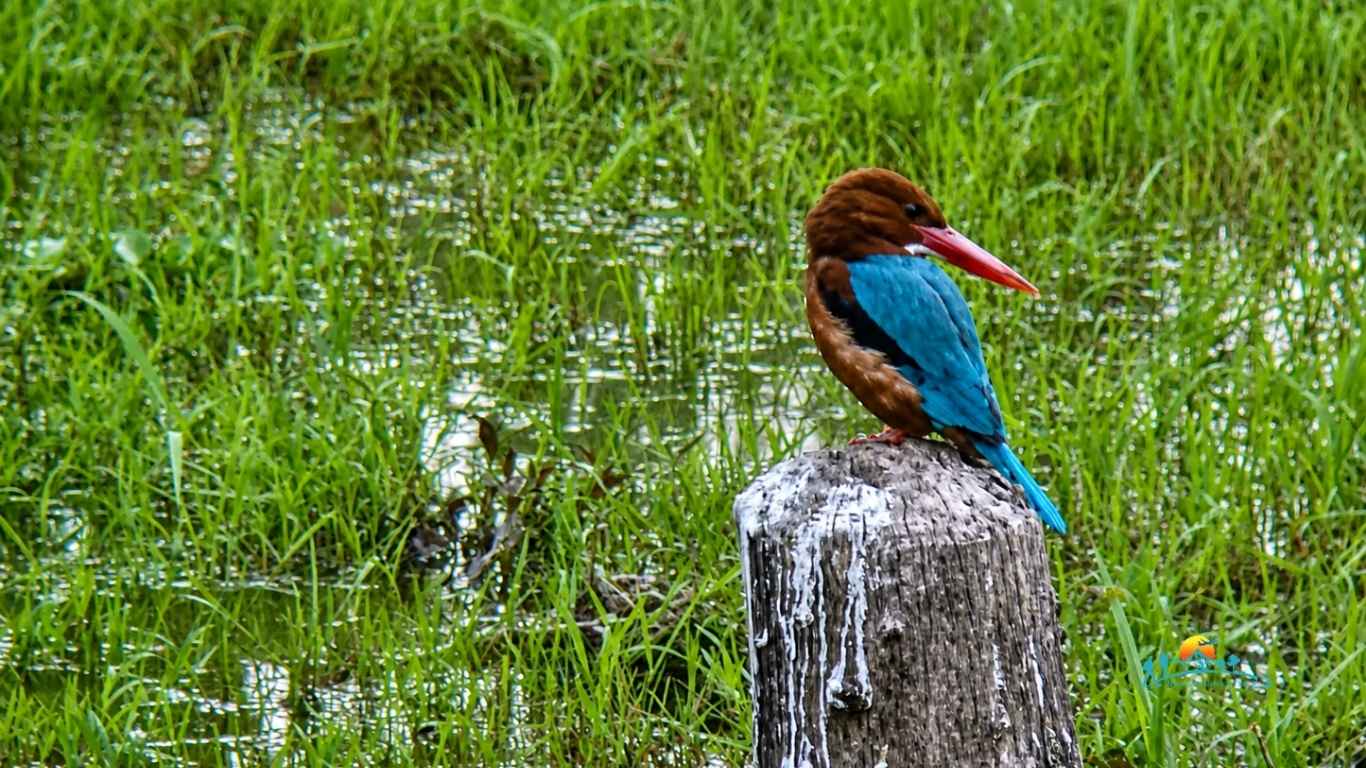
Chitwan National Park is one of the most popular birdwatching destinations because it combines forest, grassland, and river habitats in one area. This variety supports over 500 bird species, making it a strong choice for those who want to see different types of birds in a single trip. The park also allows visitors to combine birdwatching with jungle safaris, which adds more value to the experience.
Birdwatchers can spot hornbills, kingfishers, eagles, and many other species across different landscapes. The best time to visit is from October to March when the weather is clear and bird activity is high. The well-developed tourism infrastructure makes it easy for both beginners and experienced birdwatchers to explore the park comfortably.
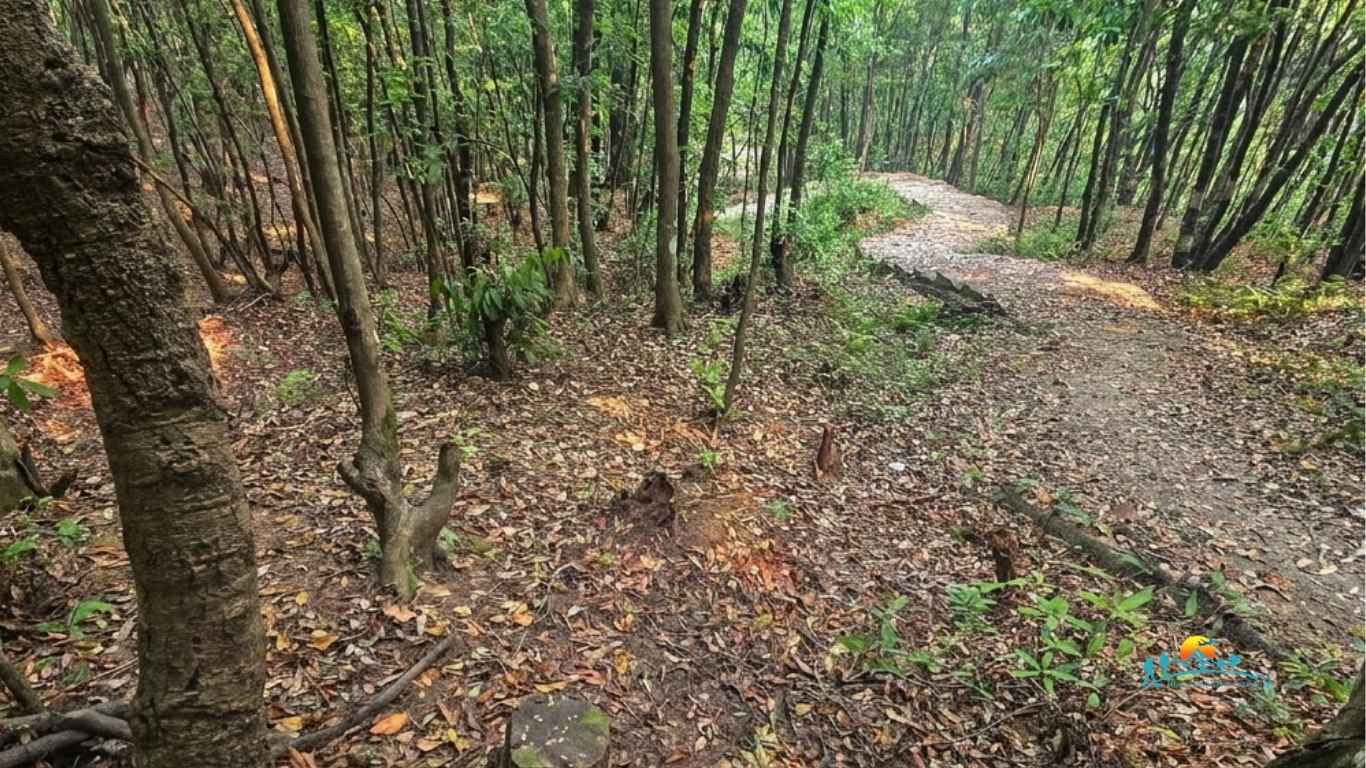
Phulchowki Hill is the best birdwatching location near Kathmandu Valley due to its dense forest and high number of bird species. It attracts both resident and migratory birds, making it a reliable spot for birdwatching throughout the year. The hill’s elevation creates a rich habitat where birds thrive, especially during the spring season.
More than 300 species have been recorded here, including many forest birds that are difficult to find elsewhere. The best time to visit is from March to May when bird activity increases during the breeding season. Early morning visits offer the best chances of spotting birds as they are most active at that time.
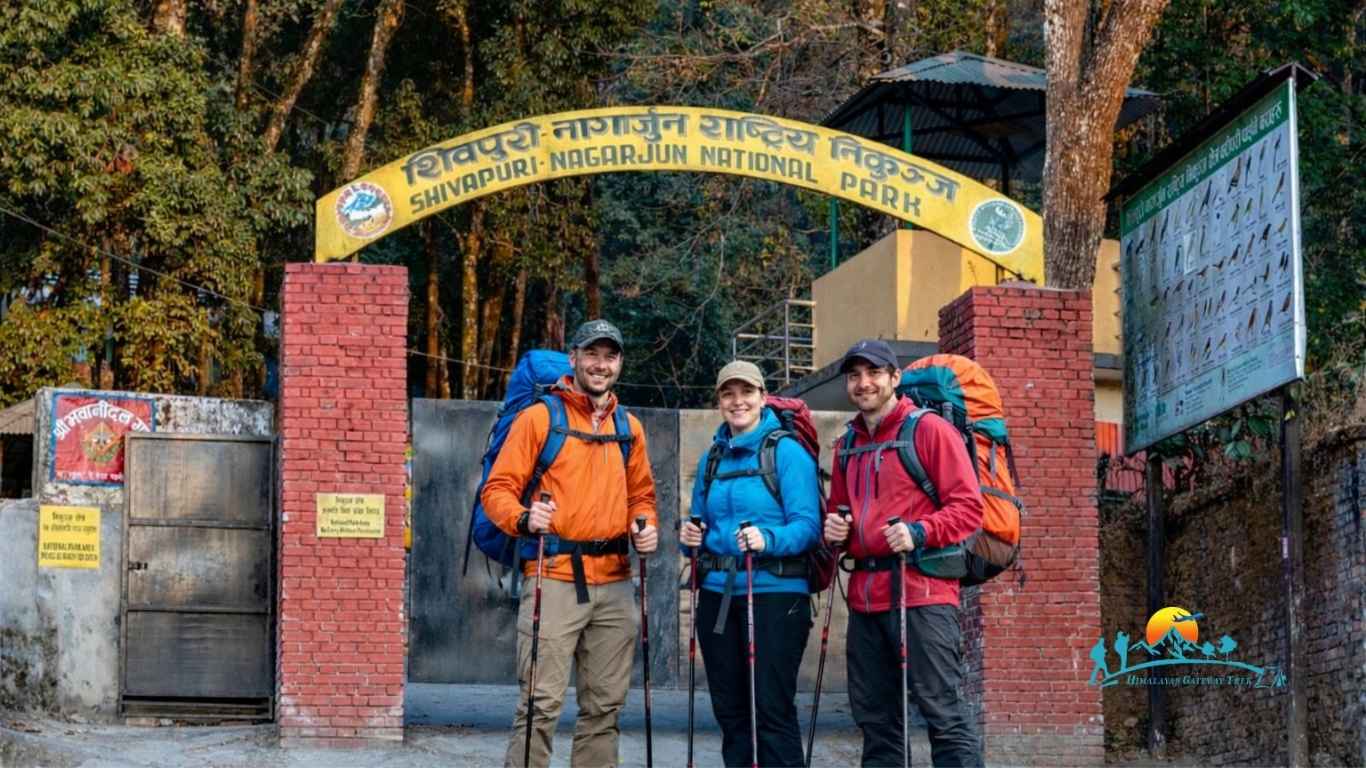
Shivapuri Nagarjun National Park provides a calm and accessible birdwatching experience close to Kathmandu. The park features forest trails and moderate hiking routes, which allow birdwatchers to explore different elevations and habitats in a single visit. It is a suitable location for those who prefer quiet surroundings and short treks.
Visitors can see laughingthrushes, flycatchers, raptors, and other woodland birds along the trails. The park also attracts migratory species during certain seasons. The best time to visit is from October to April when the weather is stable and visibility is clear, making birdwatching more enjoyable.

Bardiya National Park offers a peaceful birdwatching experience with fewer crowds and well-preserved habitats. Its remote location helps protect bird populations, which increases the chances of spotting rare and shy species. The park includes grasslands, forests, and river systems that support a wide range of birds.
Birdwatchers who prefer quiet environments often choose Bardiya over more popular locations. The best time to visit is from November to March when bird activity is high and conditions are comfortable. The calm setting allows for focused birdwatching without disturbance.
Each birdwatching location in Nepal offers a distinct experience based on its habitat, season, and bird species. Some places are better for migratory birds, while others are known for forest or grassland species. Choosing the right destination depends on what type of birds you want to see and the time of year you plan to visit. The comparison below will help you quickly understand the differences and plan your trip more effectively.
| Location | Habitat Type | Best Season | Key Birds |
|---|---|---|---|
| Koshi Tappu | Wetlands | Winter | Migratory waterfowl |
| Chitwan National Park | Jungle & rivers | Winter & spring | Hornbills, kingfishers |
| Phulchowki Hill | Forest | Spring | Forest birds, migrants |
| Shivapuri Nagarjun | Forest hills | Autumn & winter | Flycatchers, raptors |
| Bardiya National Park | Grassland | Winter | Rare and shy species |
Different regions in Nepal support different bird species due to changes in altitude, climate, and vegetation. This variation allows birdwatchers to experience multiple habitats within a short distance, making each region worth exploring for a unique set of birds.
The Terai lowlands provide the best environment for wetland and grassland birds because of their warm climate, rivers, and open plains. Areas such as Koshi Tappu, Chitwan, and Bardiya attract large numbers of resident and migratory birds throughout the year. Birdwatchers can commonly spot storks, cranes, ducks, geese, and several grassland species that thrive in these open and water-rich habitats. Winter is especially active as migratory birds arrive in large numbers.
The mid-hills region offers rich forest habitats that support a wide range of bird species, especially around Kathmandu Valley. Locations like Phulchowki, Shivapuri, and Nagarjun are well known for their bird diversity and accessibility. This region is ideal for spotting forest birds, including songbirds and seasonal migrants. The mix of dense vegetation and moderate altitude creates a balanced environment for birdwatching throughout most of the year.
The Himalayan region is home to high-altitude birds that are rare and often harder to find due to challenging terrain. These areas provide a unique birdwatching experience for those willing to travel further into the mountains. Birdwatchers can encounter species such as the Himalayan Monal, snow pigeons, and various birds of prey that adapt to colder conditions. Clear weather and proper timing are important for spotting birds in this region.
Nepal is home to several rare and unique bird species that attract birdwatchers from around the world because of their limited range and conservation status. The country’s mix of habitats supports birds that are difficult to find elsewhere, which makes each sighting special and valuable.
Some important birds include:
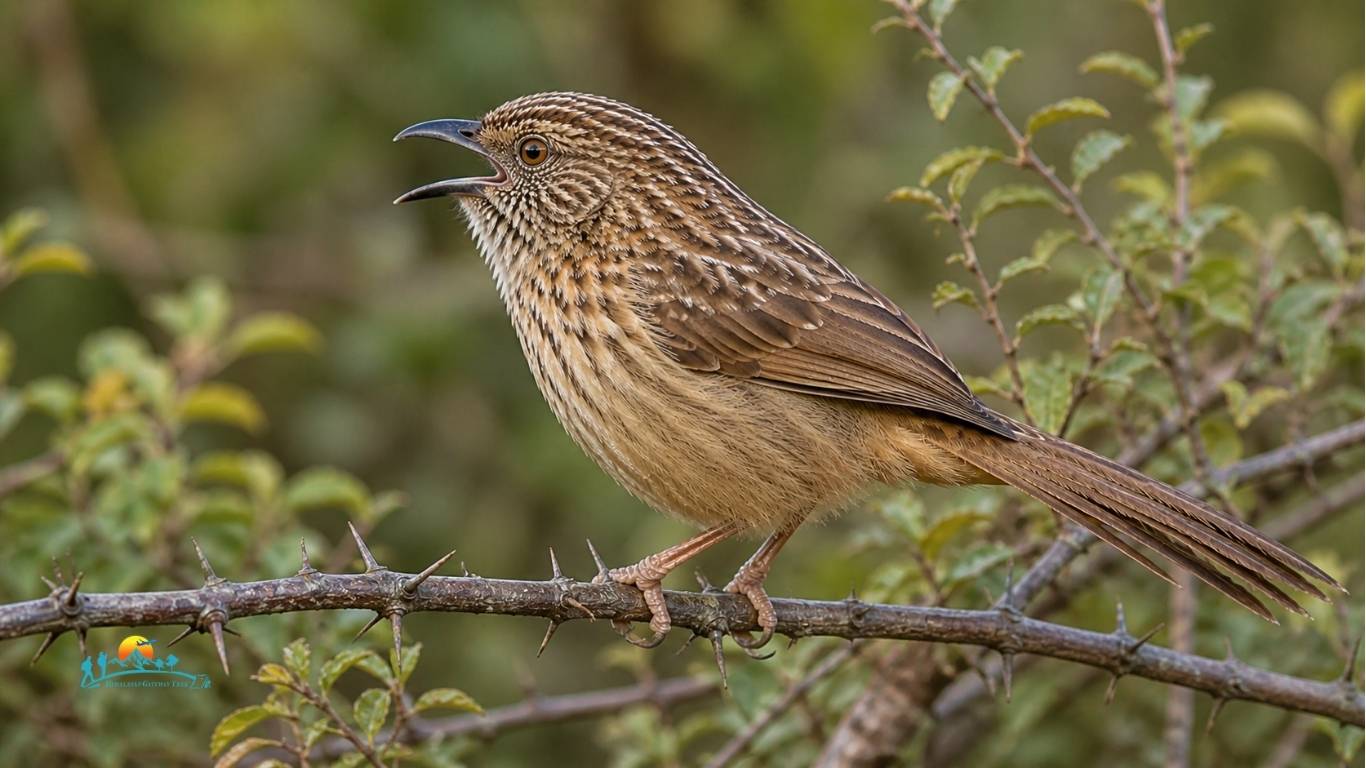
The Spiny Babbler is the only bird species that exists only in Nepal, which makes it a special attraction for birdwatchers visiting the country. It is usually found in dry scrublands and bushy areas around the mid-hills, especially near Kathmandu Valley. This bird is not very colorful, but its unique status makes it highly sought after by bird enthusiasts.
It is often heard before it is seen because it stays hidden in dense vegetation. Early morning visits increase the chance of spotting it as it becomes more active during cooler hours.
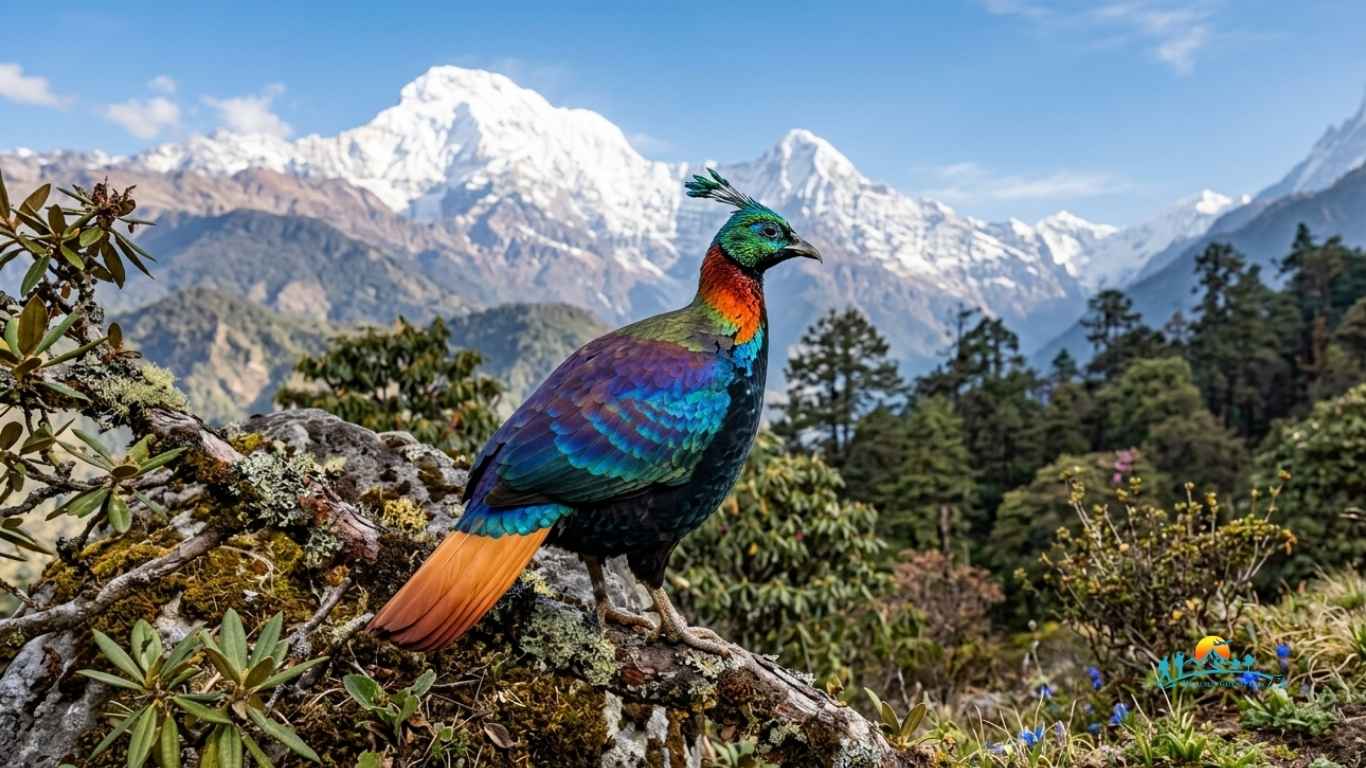
The Himalayan Monal or Danphe is Nepal’s national bird and is widely admired for its striking metallic colors and beautiful feather patterns. It lives in higher Himalayan forests and alpine meadows, usually at elevations where the air is cooler and vegetation is sparse. Its bright appearance makes it easier to identify compared to other mountain birds.
Males are especially colorful, while females have more subtle tones for camouflage. The best time to spot them is during early morning when they come out to feed on the forest floor.
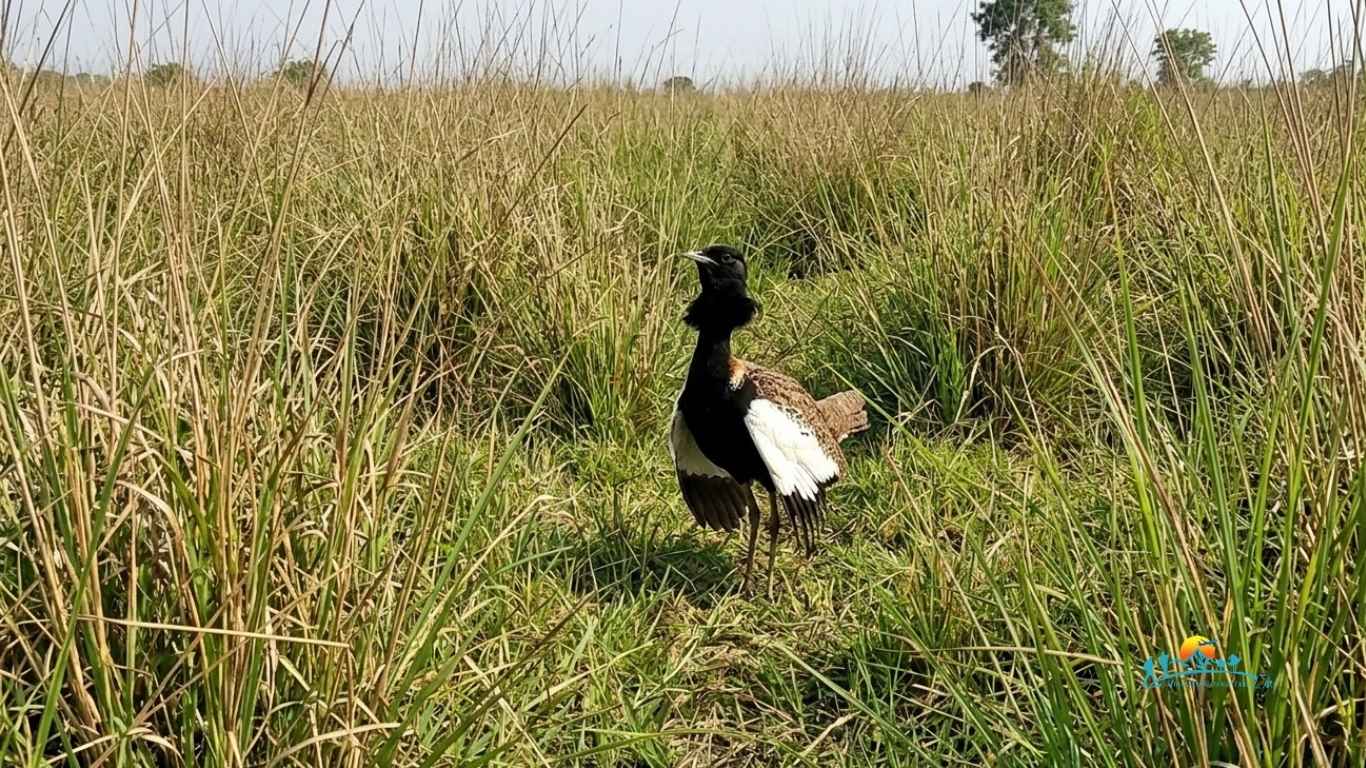
The Bengal Florican is one of the rarest grassland birds in Nepal and is often considered endangered due to habitat loss. It prefers tall grasslands in protected lowland areas such as national parks, where it can remain hidden from predators. Its presence is usually a sign of a healthy grassland ecosystem.
This bird is shy and difficult to approach, so sightings are rare and often depend on patience. It is most active during the breeding season when males perform display flights.
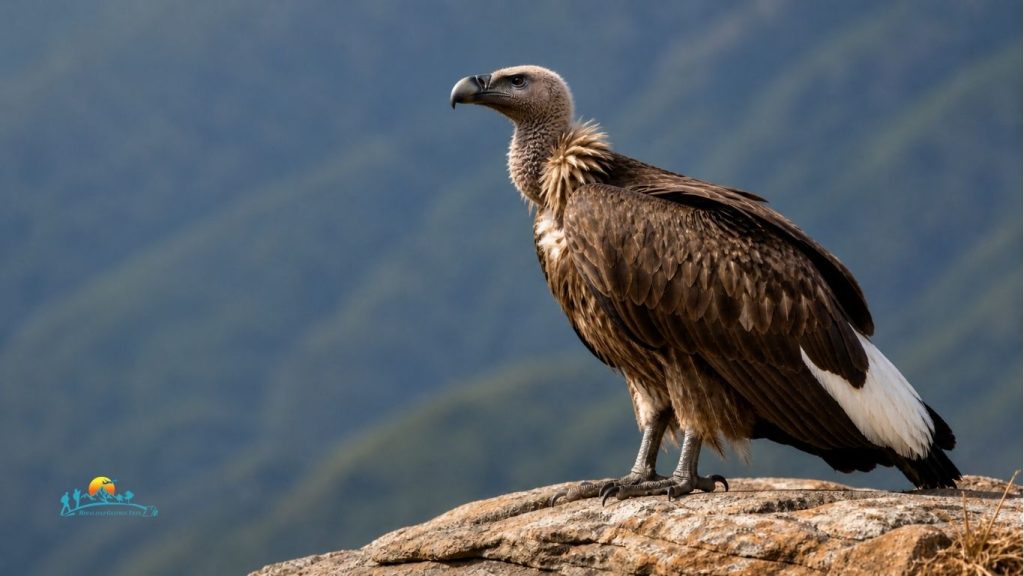
The White-rumped Vulture is a critically endangered species that plays an important role in the ecosystem by cleaning carrion from the environment. It is commonly seen in open landscapes, forest edges, and near protected reserves where food sources are available. Conservation efforts in Nepal have helped stabilize its declining population.
These vultures often gather in groups and can be spotted soaring high in the sky or resting on tall trees. They are more visible during the cooler parts of the day when they search for food.
The best time for birdwatching in Nepal depends mainly on bird migration patterns, breeding cycles, and weather conditions. Each season offers a different experience, so the ideal time varies based on what species you want to observe and the region you plan to visit.
Winter is ideal for migratory birds, especially in wetlands like Koshi Tappu.
Spring offers the highest bird activity due to breeding season.
Rain makes birding difficult, though resident birds remain active.
Clear skies and fresh landscapes make birdwatching enjoyable.
Kathmandu Valley offers excellent birdwatching opportunities without long travel. Many bird species can be seen within a short distance from the city.
Top spots include:
Taudaha Lake becomes important in winter when migratory birds arrive. Phulchowki remains the most popular site for forest birds.
This region is ideal for beginners and travelers with limited time.
Birdwatching tours in Nepal can be done in two main ways: with a guided tour or as an independent trip. Both options offer different advantages depending on your experience level, budget, and interest in bird identification. Guided tours provide expert support and better chances of spotting rare birds, while independent birdwatching gives more freedom and flexibility to explore at your own pace. The comparison below helps you choose the right approach.
| Factor | Guided Birdwatching Tours | Independent Birdwatching |
|---|---|---|
| Experience | Led by expert local guides | Self-planned exploration |
| Bird Identification | High accuracy with expert help | Depends on personal knowledge |
| Best Locations | Remote areas like Koshi Tappu and Chitwan | Easy-access areas like Kathmandu Valley |
| Chances of Rare Birds | Higher due to guide knowledge | Moderate to low without guidance |
| Convenience | Very convenient, includes planning | Requires full planning by traveler |
Birdwatching in Nepal often involves walking through forests, wetlands, and hill trails, so carrying the right gear makes the experience more comfortable and productive. Good equipment helps you spot birds clearly, identify species correctly, and stay prepared for changing weather conditions across different regions.
Having lightweight and practical items also reduces fatigue during long walks, especially in places like Phulchowki or Chitwan where birding can last several hours.
Carrying light and practical equipment helps during long walks.
Beginners can greatly improve their birdwatching experience by following a few simple and practical techniques. Starting early in the morning is one of the most important habits because birds are most active during this time as they search for food and communicate through calls. Staying quiet and moving slowly helps avoid disturbing birds, increasing the chances of observing natural behavior without interruption.
Paying attention to bird calls and sounds is equally important because many species are easier to hear before they are seen. Wearing neutral-colored clothing helps blend into the environment, making birds feel less threatened. Maintaining a safe distance is also necessary to avoid disturbing nesting or feeding birds. Above all, patience plays a key role, as birdwatching often requires waiting quietly for the right moment to observe different species.
Birdwatching in Nepal offers unmatched diversity within a compact area, allowing birdwatchers to experience multiple habitats in a short time. The combination of rare species, accessible locations, and seasonal variation makes Nepal one of the most rewarding destinations for bird lovers.
Whether you are a beginner or an experienced birdwatcher, Nepal provides opportunities that are both rich and memorable.
Nepal is home to over 900 species of birds (roughly 8% of the world’s total bird population) within a relatively small geographic area. Its extreme altitudinal range from the tropical lowlands to the arctic Himalayan peaks creates diverse habitats (tropical, temperate, alpine) that support a massive variety of avian life.
The most highly recommended spots include:
1. Koshi Tappu Wildlife Reserve: The best wetland site for waterbirds and migratory species.
2. Chitwan National Park: Known for grassland and riverine forest species.
3. Phulchowki Hill: The highest point in the Kathmandu Valley, famous for its incredible diversity.
4. Shivapuri Nagarjun National Park: Great for hill-forest birds.
5. Bardia National Park: Ideal for seeing Bengal Floricans and various raptors.
The top spots are Phulchowki Hill, Shivapuri Nagarjun National Park, Taudaha Lake (best for winter migratory ducks), the Manohara River, and the Bajrayogini area.
1. Spring (March to May): Peak season as birds are active, breeding, and singing.
2. Autumn (September to November): Excellent weather and clear views, coinciding with post-breeding activity.
3. Winter (December to February): The best time to see migratory birds that fly south from Siberia and Tibet to Nepal’s wetlands and lakes (like Taudaha and Koshi Tappu).
Yes. The Spiny Babbler (Kande Bhyakur) is the only bird species found exclusively in Nepal. It is most commonly spotted around the Kathmandu Valley, particularly in the thickets of Phulchowki and Shivapuri.
The national bird is the Himalayan Monal, locally known as the Danphe. It is a multi-colored bird found in high-altitude Himalayan regions.
Birders often visit Nepal to see the Bengal Florican, Lesser Florican, Great Hornbill, Sarus Crane, Swamp Francolin, and various species of Vultures and Eagles.
Yes. Many operators offer “Birdwatching Treks,” such as the Annapurna Base Camp trek or Langtang trek, which combine traditional Himalayan hiking with stops in specific altitudinal zones known for rare high-altitude species.