
Dashain Festival of Nepal: Dates, 15 Days, Traditions and History
The Dashain Festival of Nepal is the country's biggest annual festival for many Nepali families, bringing together religious worship, family…
 Himalayan Gateway Trek - On
 A jungle safari in Nepal offers one of the most memorable wildlife journeys in South Asia because the country brings together dense forests, wide grasslands, wetlands and river ecosystems in one region. Travellers come to Nepal to see Bengal tigers, one-horned rhinos, wild elephants, crocodiles and more than nine hundred bird species. This guide gives you every detail you need to plan a perfect wildlife trip that matches your travel style, comfort level and time. The content below is written in clear steps so readers can move from interest to action without confusion.
A jungle safari in Nepal creates a close connection with nature because the protected parks are still wild and less crowded than many other parts of Asia. The southern belt of Nepal, known as the Terai, holds thick forests, grasslands, and wetlands that are home to rare wildlife. Travellers can choose jeep safaris, walking safaris, canoe rides, and multi-day wildlife tours based on their comfort and interests. It is one of the top things to do in Nepal.
Wildlife tourism in Nepal has grown very much because the country protects habitats and focuses on its conservation. The parks are kept very safe, and are managed by trained workers and supported by local communities. Whether you are visiting for the first time or planning your next trip, the guide below will help you understand the parks, activities, costs, accommodation and ideal travel periods.
Nepal’s southern plains form the main wildlife zone and are known for their dense sal forests, riverine forests and tall grasslands. These areas support Bengal tigers, one-horned rhinos, elephants, sloth bears, crocodiles, deer species, leopards, and many small mammals. Conservation efforts in Nepal are considered effective because communities living near the parks take part in wildlife protection and benefit directly from tourism.
The success of the rhino population in Chitwan and Bardia is one of the strongest conservation stories in Asia. Tigers have also increased in number due to strong anti-poaching measures and regular monitoring. The parks of Nepal allow only visitors with proper permits and trained guides, which keeps the natural balance in good shape.
The most popular parks for a jungle safari in Nepal are Chitwan National Park, Bardia National Park, Shuklaphanta National Park and Koshi Tappu Wildlife Reserve. Each offers a unique setting, different wildlife behaviour and travel experience. Below you will find a detailed guide to each park, including activities, wildlife, how to reach and where to stay.
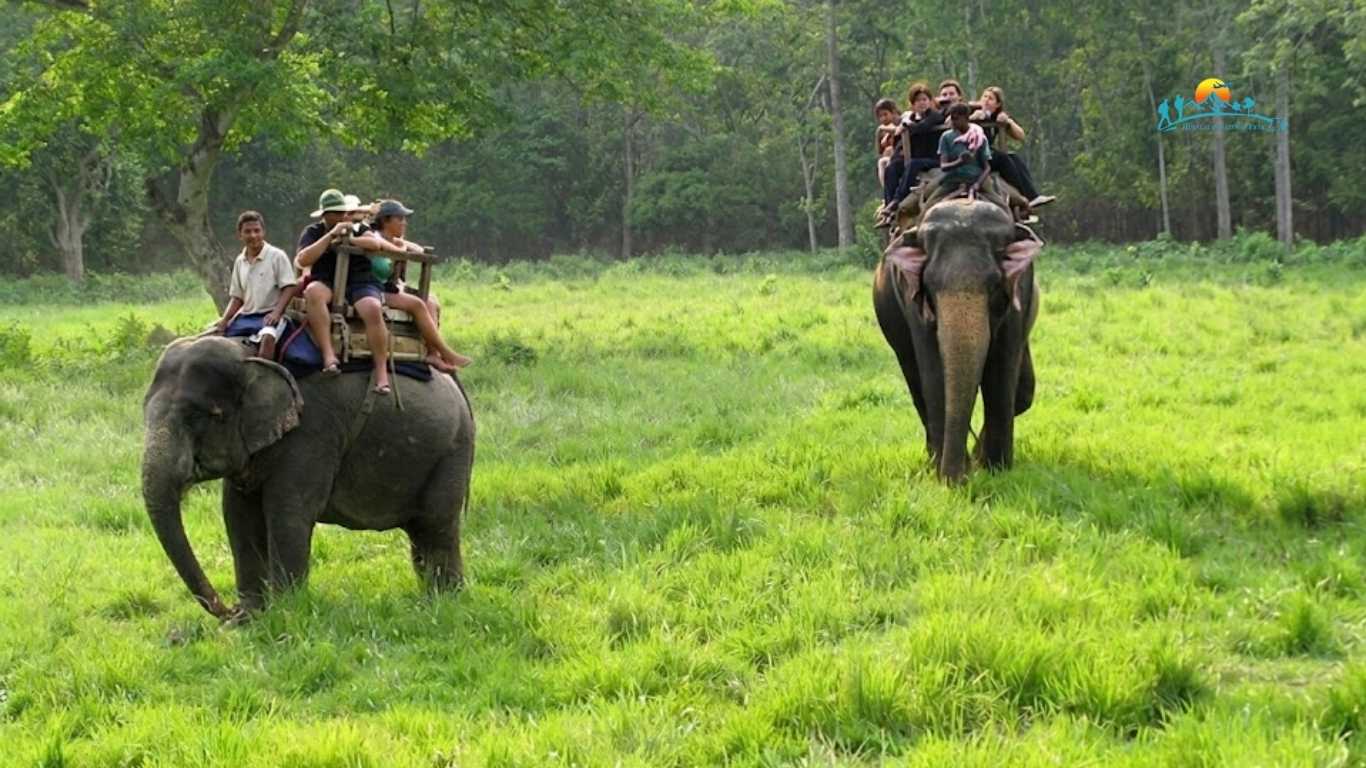
Chitwan National Park is the most visited wildlife park in Nepal because it offers the highest chances of seeing one horned rhinos, gharials, marsh mugger crocodiles and many birds. The park also gives visitors a real chance of spotting Bengal tigers, though tiger sightings are more predictable in Bardia.
The dry season from October to March gives the best wildlife visibility because the grass is shorter and animals come near water sources. April and May are warmer but offer good tiger activity. Monsoon months from June to September bring heavy rain and tall grasses, which reduces visibility.
Chitwan offers comfortable lodges, eco resorts and luxury properties. Options range from budget friendly homestays to high end jungle lodges with guided tours and private jeeps.
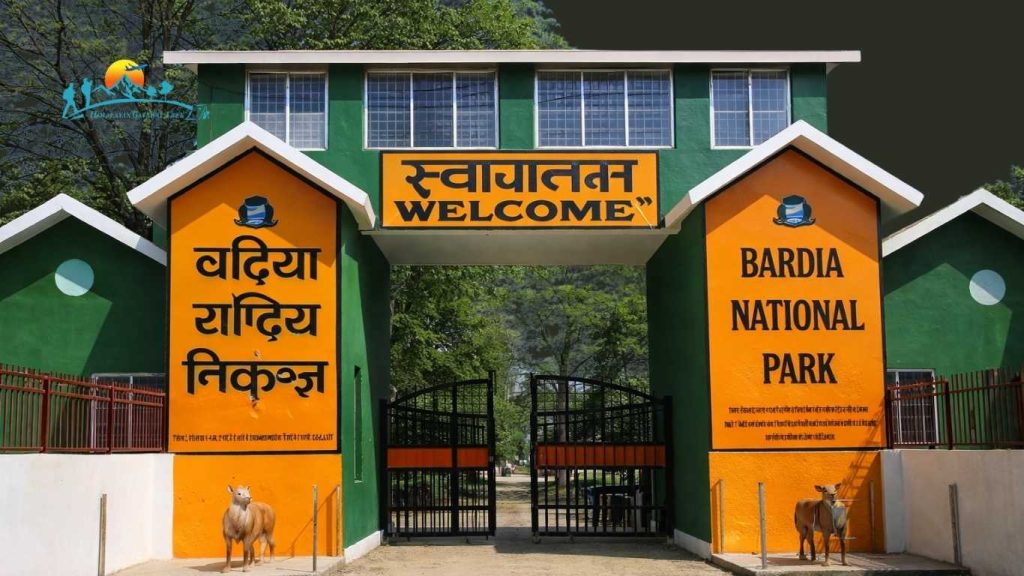
Bardia National Park is perfect for travellers who want a quiet and raw wildlife experience because it receives far fewer visitors than Chitwan. It is recognised as the top destination for tiger sightings in Nepal. The park also has a healthy population of elephants and rhinos.
Tiger sightings peak from February to April when temperatures rise and tigers move near riverbanks. November to March offers pleasant weather and good visibility.
Bardia offers peaceful jungle lodges, eco camps and a few luxury properties. Most lodges include guided activities and meals.
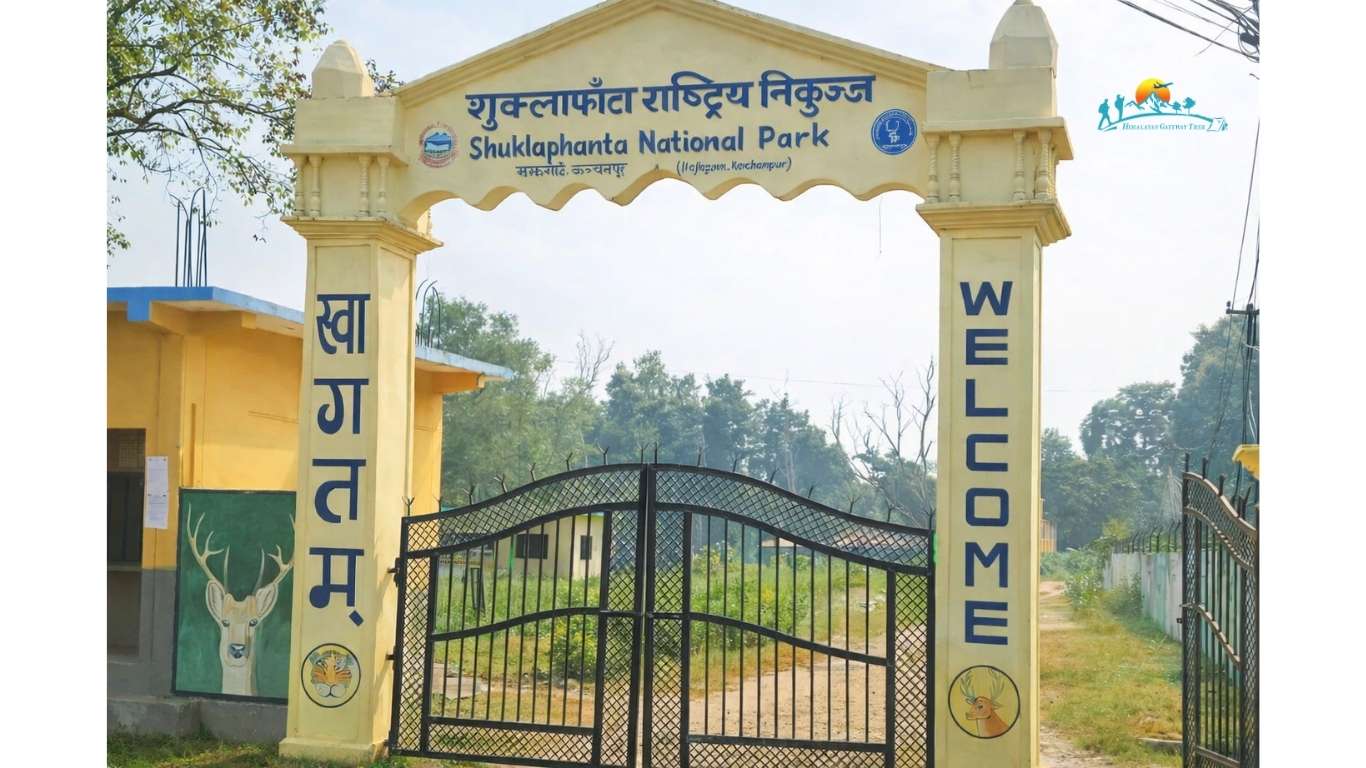
Shuklaphanta National Park is ideal for travellers who prefer wide open grasslands. The park contains huge numbers of swamp deer and birds migrate to the park throughout all of Asia. The open spaces and peaceful environment provide the visitors with a serene wildlife experience.
The months of November to April have clear skies of the grasslands and better probabilities of animal observation.
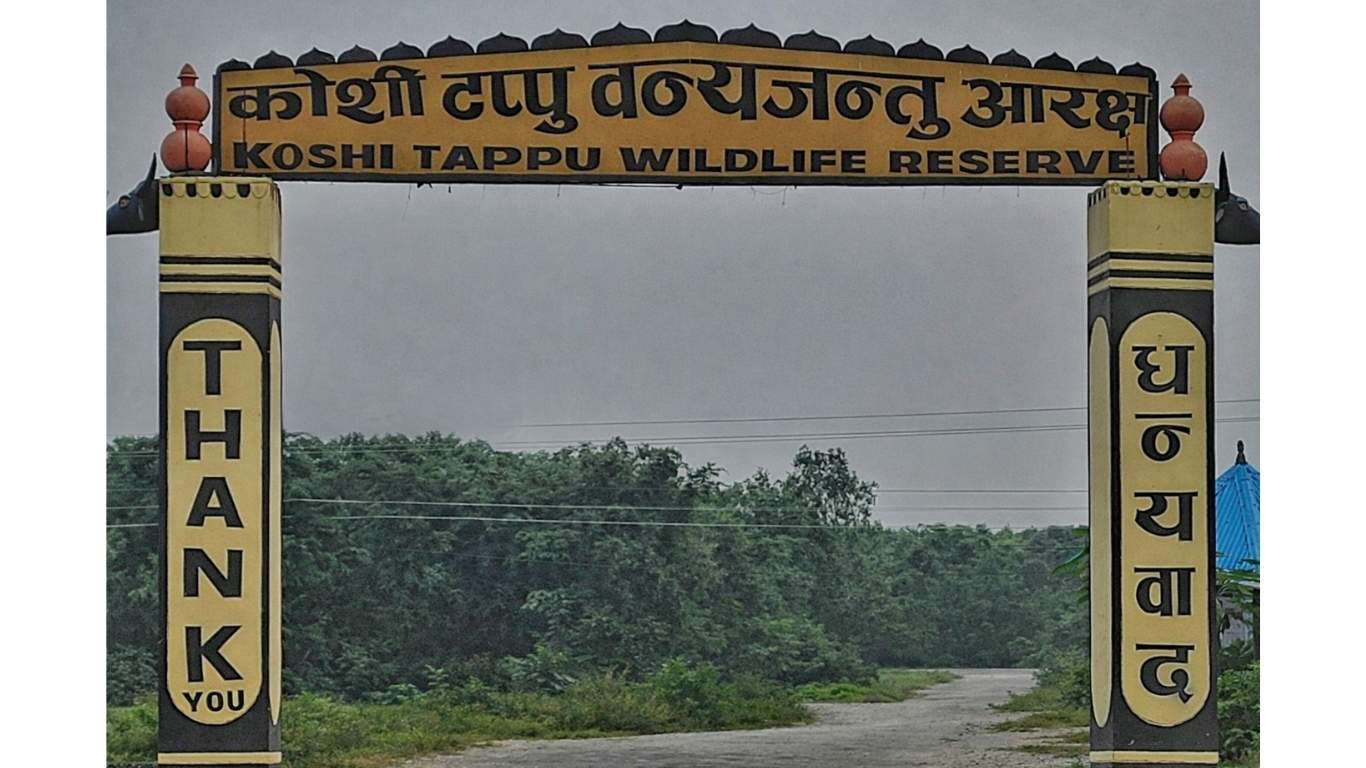
Koshi Tappu is perfect for birdwatchers because it holds hundreds of migratory birds along the Koshi River floodplains. This is also one of the few places where you can see wild water buffalo.
Winter months from November to February bring thousands of migratory birds, making it the best period.
The wildlife of Nepal is diverse because the forests, grasslands and river systems support large mammals, birds and reptiles. Travellers often visit Nepal specifically to see rare animals that are hard to find elsewhere.
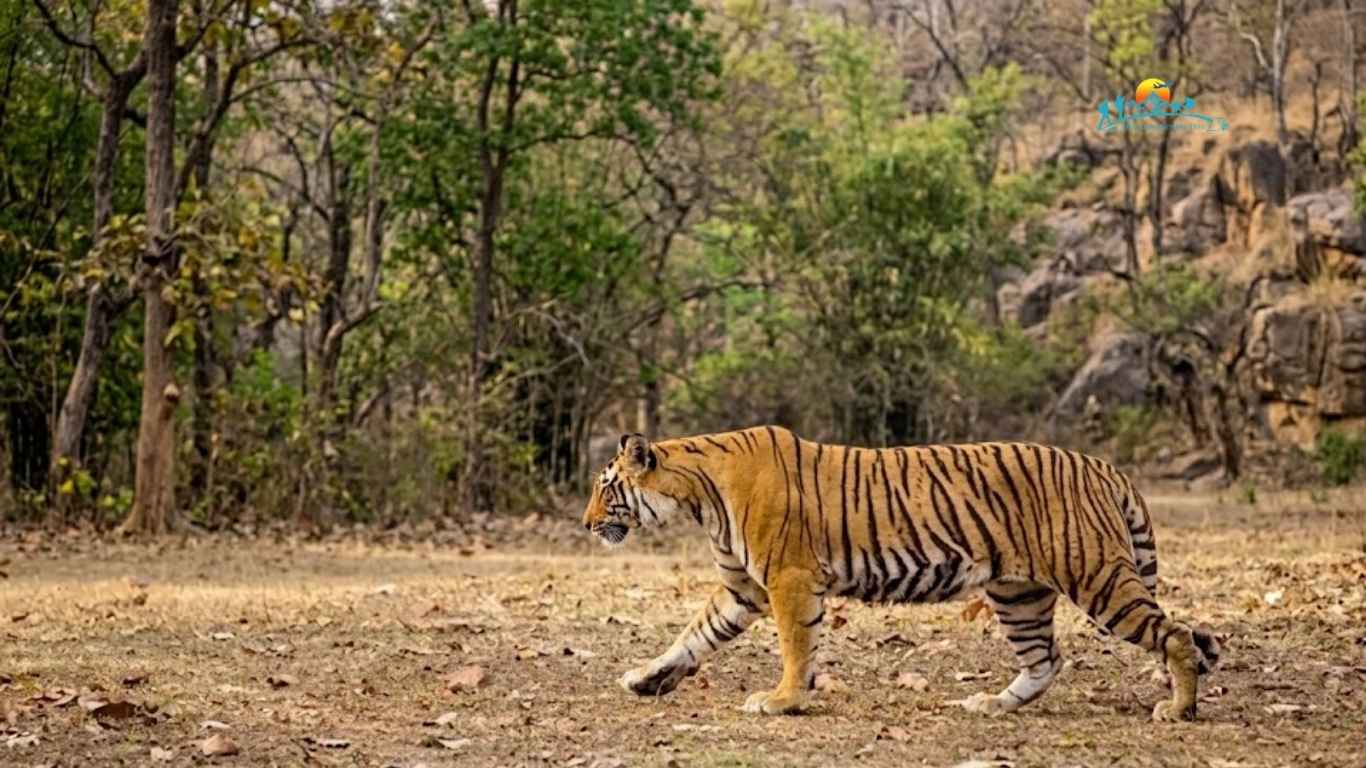
The Bengal tiger is the main attraction for many visitors because Nepal has one of the strongest tiger populations in South Asia. Bardia has the highest chance of sightings, followed by Chitwan. Tigers are usually active early in the morning and late afternoon.
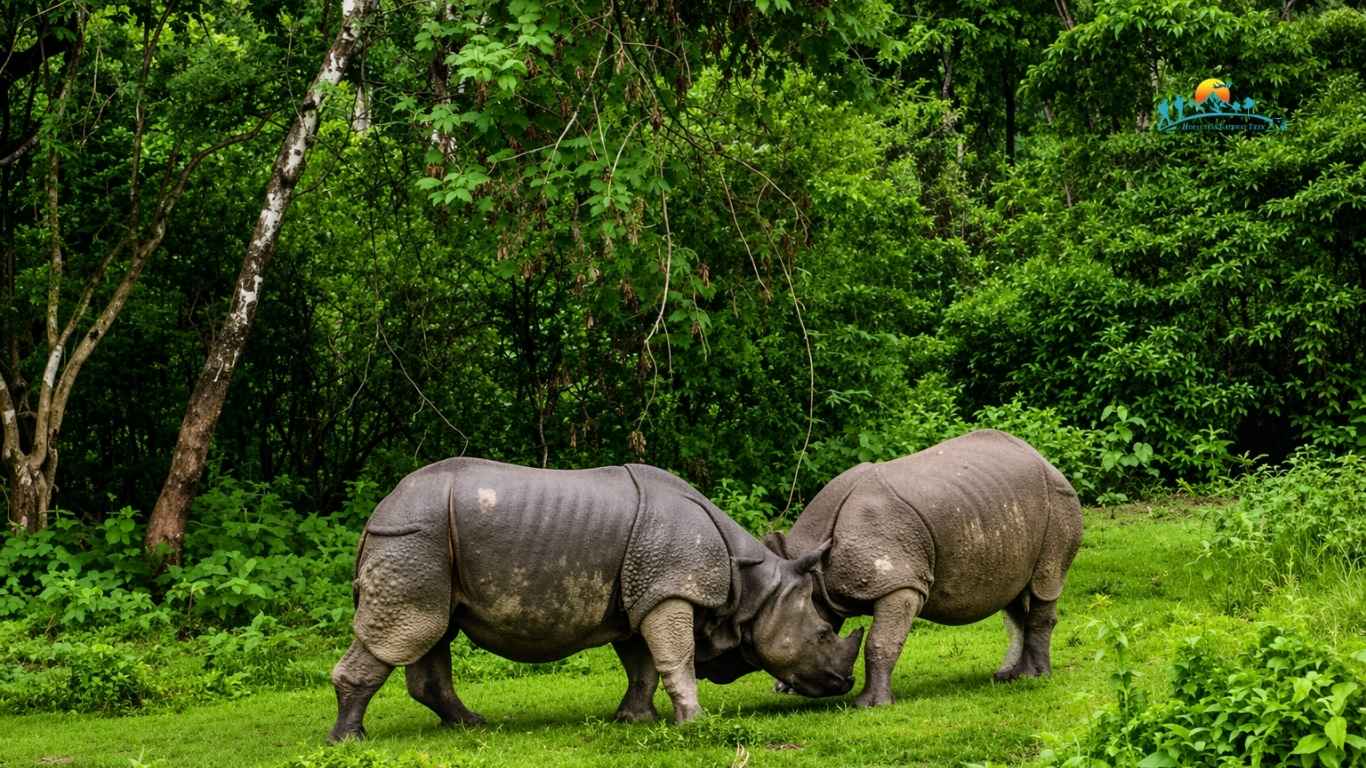
The one horned rhinoceros is the pride of Chitwan. The rhino population has grown steadily due to strong protection measures. Rhinos are seen near grasslands, riverbanks and mud wallows.

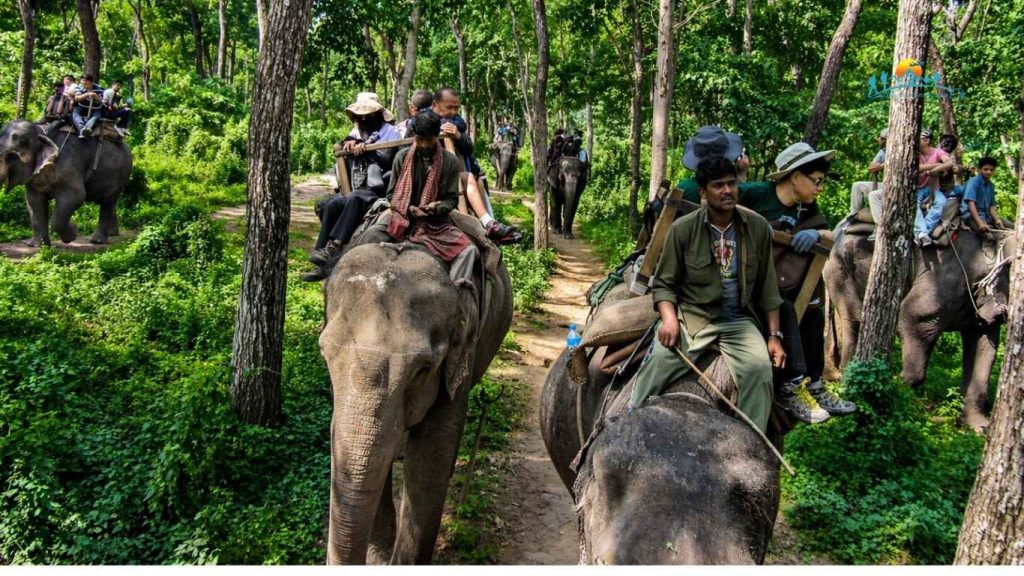
Asian elephants are seen in Bardia and Chitwan. These gentle giants move in herds during the dry season and visit riverbanks during warm periods.
The Terai region is one of the richest bird habitats in Asia. Wetlands, grasslands and forests support resident and migratory species. Bird lovers visit Chitwan, Bardia and Koshi Tappu for rare sightings.
Different parks offer different activity styles. Some travellers prefer jeep safaris while others enjoy walking inside the forest. Below are the main activities and what you can expect.
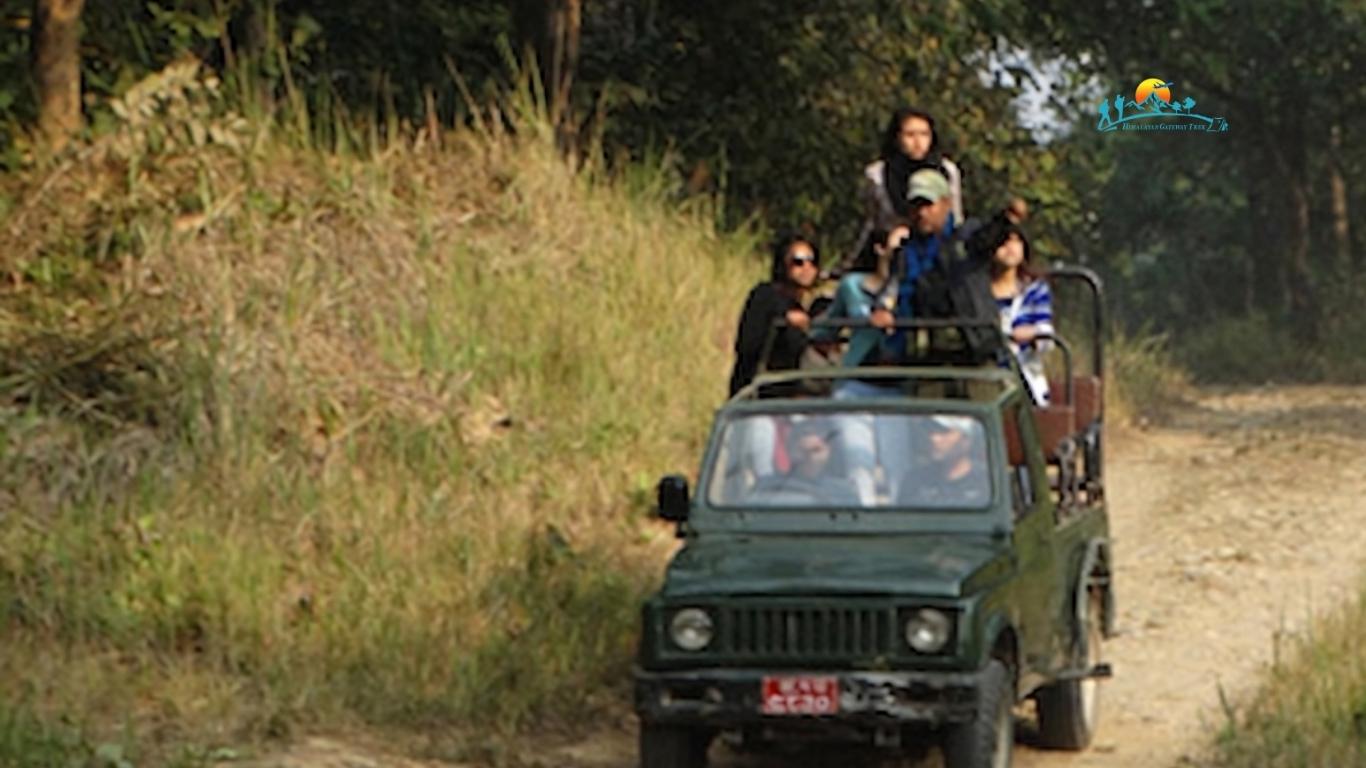
Many travellers prefer Jeep safaris because they cover long distances inside the park and give higher chances of spotting wildlife. Morning and afternoon drives are most common, while some parks offer full-day safaris.
Walking safaris offer a close experience with the natural environment because travellers move on foot with naturalists. These safaris require attention, patience and a trained guide.
Canoe safaris allow travellers to see crocodiles, birds and river species. These rides are calm and safe with trained paddlers.
Multi-day wildlife tours suit travellers who want a complete wildlife experience across multiple national parks. These tours usually combine Chitwan, Bardiya, Shuklaphanta, or Koshi Tappu, offering a deeper look into Nepal’s diverse ecosystems.
They include jeep safaris, walking safaris, canoe rides, birdwatching, and cultural village walks, giving you more chances to spot rare wildlife and explore local communities.
The best time depends on the wildlife you want to see and the weather you prefer. Below is a detailed breakdown.
The dry season is considered the best time for a jungle safari in Nepal because the grass becomes shorter and animals move near water sources. The temperature stays pleasant, and the roads remain clean for safe travel.
April and May offer higher chances of tiger sightings because temperatures rise and animals stay near rivers. The heat can be strong, but visibility remains good.
Monsoon brings heavy rain, high grass and muddy trails. This reduces visibility. However, greenery becomes dense and bird activity increases.
Nepal offers all types of accommodation near national parks, from luxury lodges to budget friendly stays. Many lodges offer packages that include meals, guides and safaris.
Luxury lodges provide private jeeps, top quality rooms, fine dining and fully guided safari activities. These properties are ideal for couples, families and travellers who prefer comfort.
Tented camps offer a blend of comfort and wilderness feeling. They include large tents, attached bathrooms, trained naturalists and organised safari itineraries.
Mid range lodges suit most travellers because they offer comfort at a fair price. Rooms are clean and meals are included.
Budget travellers can stay in homestays or simple lodges near the buffer zone. These places offer basic rooms and local meals.
Nepal’s national parks require permits and entry fees. Costs depend on the park, activity and duration. Below is a simple fee structure for visitors.
Each park has a separate entry fee. Visitors must purchase permits at the entry gate or authorised office. Fees usually include a conservation charge.
| Activity | Duration | Suitable For | Cost Range |
|---|---|---|---|
| Jeep Safari | Half day | All travellers | Medium |
| Jeep Safari | Full day | Wildlife photographers | High |
| Walking Safari | Half or full day | Nature lovers | Low to medium |
| Canoe Safari | 1 to 2 hours | Bird lovers | Low |
Proper preparation improves safety, comfort and overall experience. Below are the key items and precautions you should follow.
Visitors should follow safety rules because wildlife parks have strict regulations. Guides provide instructions for behaviour inside the forest.
A reliable operator makes your trip safe and well organised. Look for trained guides, good vehicles and clear itineraries. Avoid operators who offer activities that violate park rules.
Travellers can reach the wildlife parks by flight, road or through nearby border points.
Chitwan and Bardia are accessible by short domestic flights from Kathmandu and other airports from Nepal.
Buses and private vehicles run daily to Chitwan, Bardia, etc. from major cities.
Travellers can enter from Sunauli, Raxaul, Banbasa or Gulariya borders.
A jungle safari in Nepal creates an unforgettable experience because the parks offer a natural environment with real wildlife movement. The country protects its forests carefully and provides trained guides for safe travel. Whether you choose Chitwan, Bardia, Shuklaphanta or Koshi Tappu, each destination offers a different experience with rhinos, tigers, elephants, birds and river life. Your wildlife journey becomes more rewarding when you travel responsibly and follow the park rules.
In the end, a jungle safari in Nepal is more than just spotting animals, it’s about connecting with nature, supporting conservation, and experiencing the rich culture that surrounds each park.
Jungle safaris are primarily located in the southern Terai plains. The most popular destinations are Chitwan National Park and Bardia National Park, though Shuklaphanta and Koshi Tappu Wildlife Reserves also offer unique and remote wildlife viewing experiences.
Chitwan National Park is the most popular due to accessibility and high rhino sighting chances. However, Bardia National Park is considered the best for those seeking a wilder experience and a better chance to spot elusive Royal Bengal tigers.
Yes, Nepal offers world-class jungle safaris in its subtropical lowlands. Unlike the African savannah, Nepal’s safaris take place in dense sal forests and tall grasslands, focusing on rhinos, tigers, and diverse bird species via jeep or foot.
Bardia National Park is the largest and most undisturbed wilderness area in Nepal’s Terai region. Covering 968 square kilometers, it provides a vast, protected habitat for endangered species like the Royal Bengal tiger and the one-horned rhinoceros.
October to March is ideal for pleasant weather. However, January to March is best for wildlife spotting because the tall elephant grass is cut, significantly improving visibility of tigers, rhinos, and other animals in the wild.
You can see the rare one-horned rhinoceros, Royal Bengal tigers, leopards, and crocodiles. Nepal is also a birdwatcher’s paradise, home to over 500 species, alongside various deer, monkeys, and unique Gangetic dolphins in the western river systems.
Yes, safaris are very safe when accompanied by professional naturalists. Always follow your guide’s instructions, remain inside the vehicle during jeep tours, and maintain a respectful distance from wildlife to ensure a secure and enjoyable adventure.
Pack lightweight, neutral-colored clothing to blend into the environment. Essential items include comfortable walking shoes, binoculars, sunblock, insect repellent, a hat, and a light jacket for early morning or late evening excursions when temperatures can drop.
A 3-day, 2-night package is generally recommended. This duration allows enough time for a jeep safari, canoeing, guided jungle walks, and cultural programs without feeling rushed, providing a comprehensive experience of the park’s diverse ecosystem.
Most packages include jeep safaris, dugout canoe rides on the river, guided nature walks, and bird watching. Many tours also feature traditional Tharu cultural dance performances, offering a unique blend of wildlife adventure and local indigenous heritage.
Absolutely! Jungle safaris are educational and exciting for all ages. Most resorts offer family-friendly accommodations and activities like canoeing and nature walks that are safe and engaging for children, making it a perfect destination for family holidays.
You can take a short 25-minute scenic flight to Bharatpur (for Chitwan) or Nepalgunj (for Bardia). Alternatively, tourist buses and private cars offer a budget-friendly 5 to 10-hour drive, showcasing Nepal’s beautiful hills and rural landscapes.