Best Time to Visit Nepal: Weather, Seasons, and Month-by-Month Guide
October to November and March to April are the best time to visit Nepal for clear mountain views and trekking,…
 Himalayan Gateway Trek - On
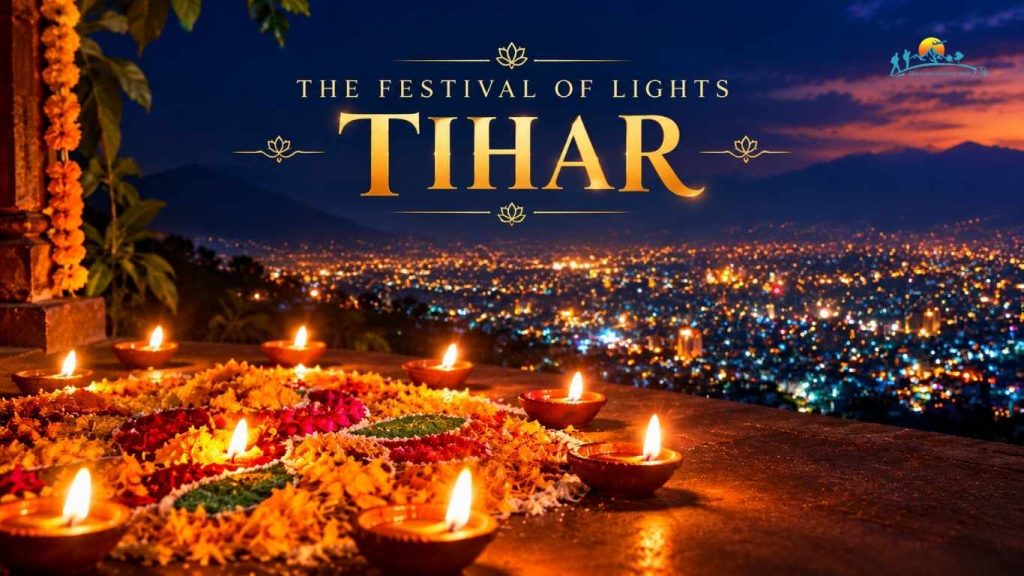
Tihar also known as festivals of light is one of the most popular festivals in Nepal where people light oil lamps, decorate houses with colors, worship animals, and gather their families. Tihar is celebrated for five days, in which crows, dogs, cows, oxen are honored, Goddess Laxmi is welcomed and the brother-sister relationship is celebrated.
People decorate their homes and streets with diyos, marigold garlands and rangolis. The groups go to the neighbourhoods to sing traditional Deusi-Bhailo songs. The festival is celebrated in Nepal with some similarities to Diwali in India although there are some differences.
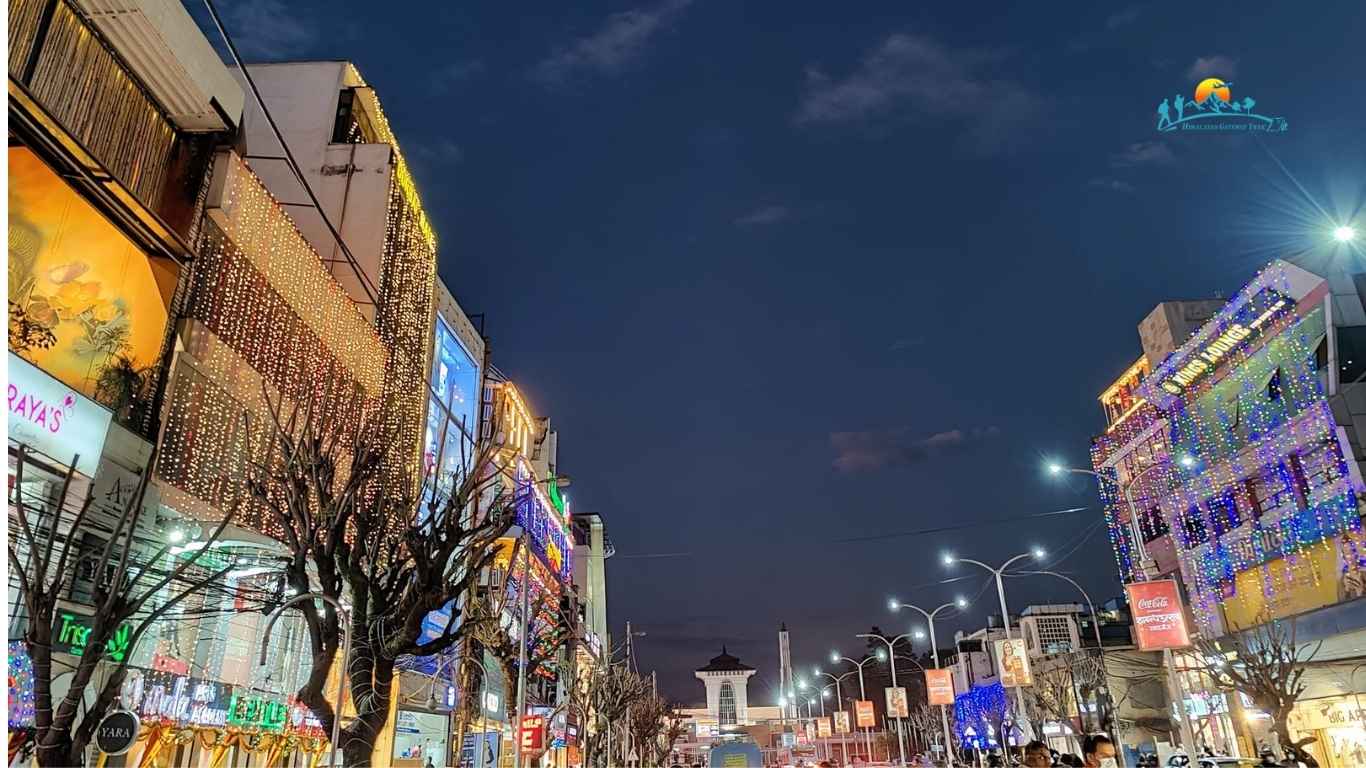
The festival of lights is a five-day long Hindu celebration of prosperity, respect for animals and family bonds. It is also referred to as Deepawali and is sometimes referred to as Yama Panchak, which is related to the god of death, Yama. Generally the festival is held in October or November, as per Nepali lunar calendar.
Every day is a new day with its own goal. Crows are fed, dogs are honored, cows are worshipped, Goddess Laxmi is prayed and brothers and sisters are celebrated. Another time of significance in the Kathmandu valley is celebrated with Newar traditions such as Mha Puja, and the start of the Nepal Sambat calendar, which is the Newar calendar.
It is also a period of time in which the families prepare special food, visit relatives, decorate their houses and invite people who sing Deusi-Bhailo songs. Many of these traditions are held at home; others occur in the public streets and neighborhoods.
The festival is a celebration of various facets of Nepali life. Religious ceremonies are performed, with music, food, family and community celebration.
The festival usually falls in October or November, but its exact dates change every year because the festival follows the lunar calendar. Anyone planning a visit to Nepal should check the calendar for the year of travel rather than relying on dates from an older article.
In 2026, the main five days of Tihar fall between November 7 and November 11.
| Festival day | Main observance | Date in 2026 |
|---|---|---|
| Day 1 | Kaag Tihar, worship of crows | November 7 |
| Day 2 | Kukur Tihar and Laxmi Puja | November 8 |
| Day 3 | Gai Tihar, worship of cows | November 9 |
| Day 4 | Goru Tihar, Govardhan Puja, Mha Puja, and Nepal Sambat New Year | November 10 |
| Day 5 | Bhai Tika | November 11 |
Some observances can fall on different days from the pattern readers may have seen in other years. In 2026, Kukur Tihar and Laxmi Puja fall on the same date, while Gai Tihar follows the next day. This is why checking the local calendar matters.
Want to experience Nepal’s festivals in person? Our local team can help you plan your trip.
Every day has a unique significance, ranging from honoring the animals to wishing for prosperity and celebrating family bonds. The five days also demonstrate the linkages between Nepali traditions and the normal life.
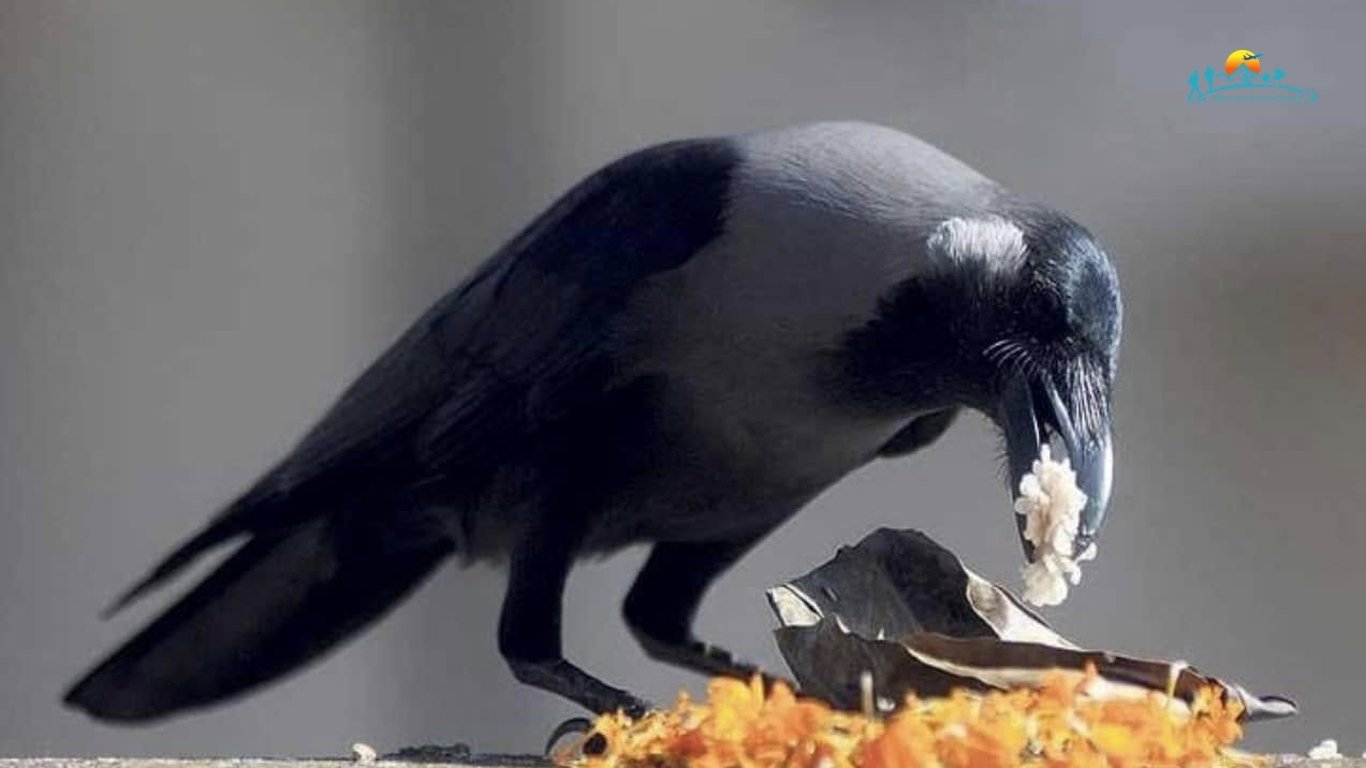
It is dedicated to the crow, which according to tradition, is a messenger of the god of death, Yama. The crow feeding is an expression of respect and a prayer for peace and good fortune.
Families can leave rice, grain, sweets or other food outside their home for crows to eat. It is believed that these birds are messengers between the human world and the world of the gods.
Crows also have a place in Nepali stories and customs linked with death and the afterlife. Their role in Tihar reminds people to respect animals that often live close to human settlements but receive little attention during the rest of the year.
For visitors it offers an insight into the beliefs that underlie the festival. It’s also the beginning of 5 days of prayer, decorating the home and family fun!
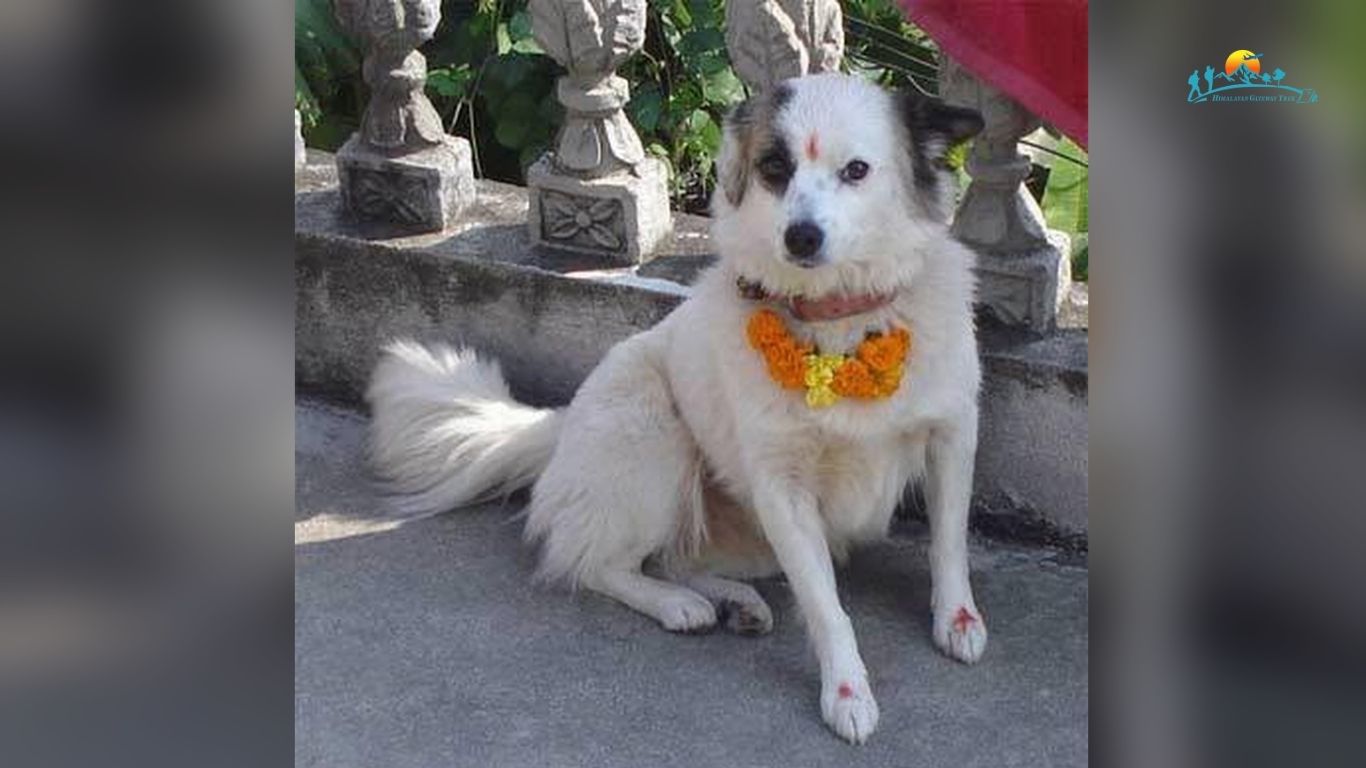
It is the day in which dogs are worshipped for their loyalty, companionship and their role in Hindu rituals. This event is an homage to both family dogs and stray dogs.
They put red tika on the forehead of the dog, marigold garlands around its neck and give it food. The tradition has also religious significance because of the association with Bhairava and Yama by dogs.
Kukur Puja is one of the most familiar of the festival practices in Nepal. It also serves as a reminder to treat animals kindly and respectfully all year round, not just during the festival.
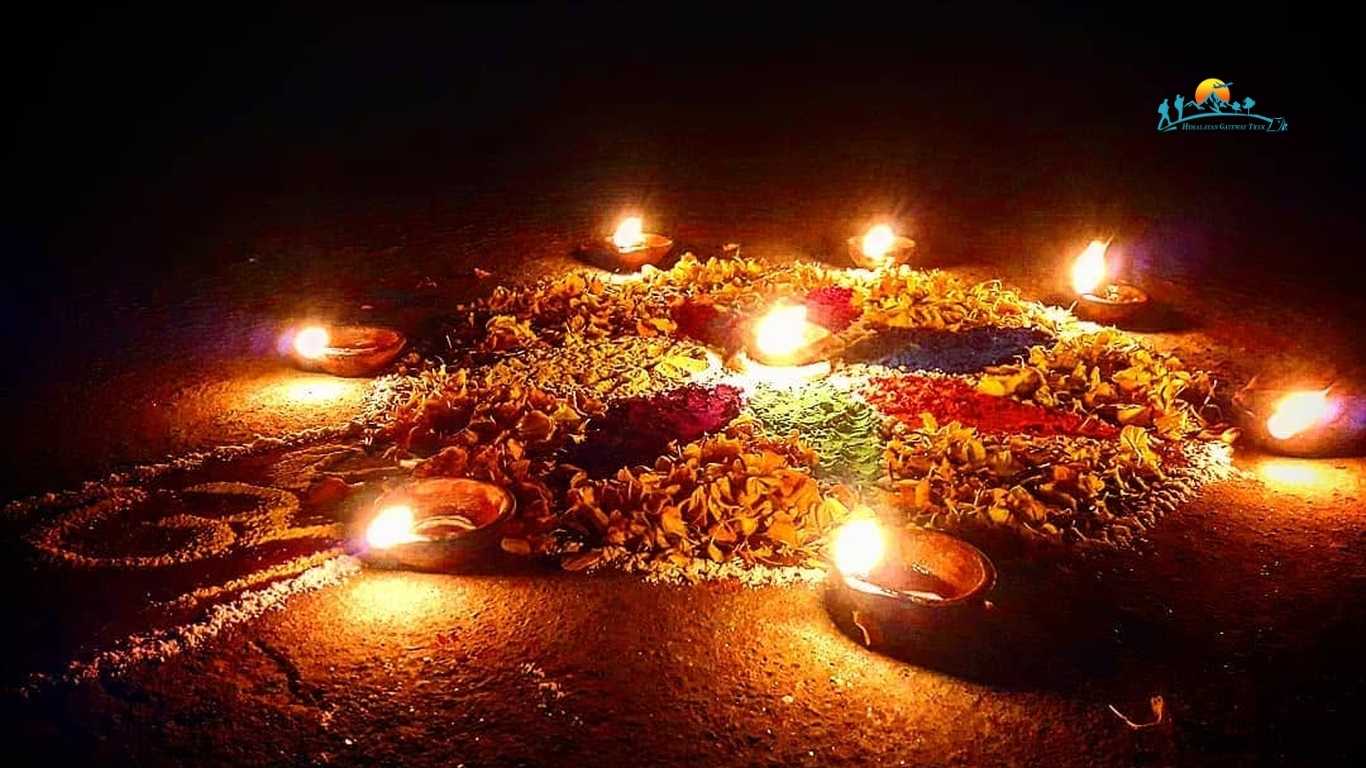
Laxmi Puja is one of the most significant days of the festival as people offer puja to Goddess Laxmi to attain wealth, good fortune and prosperity. Marigold garland, lights and rangoli designs are put around the doorways to clean and adorn the home. Some families make little footprints leading into the house to receive the goddess.
At the end of the day, families light up the diyos after the sun sets, on the windows, balconies, courtyards, and doorways. They present sweets and fruits to God during the prayers and shopkeepers may bow down to their accounts and cash boxes for a favorable year.
It helps to lighten homes and streets throughout Nepal, making it a festive season. Laxmi Puja is a great chance for visitors to see the decorations, and to learn about the traditions that make this festival unique.
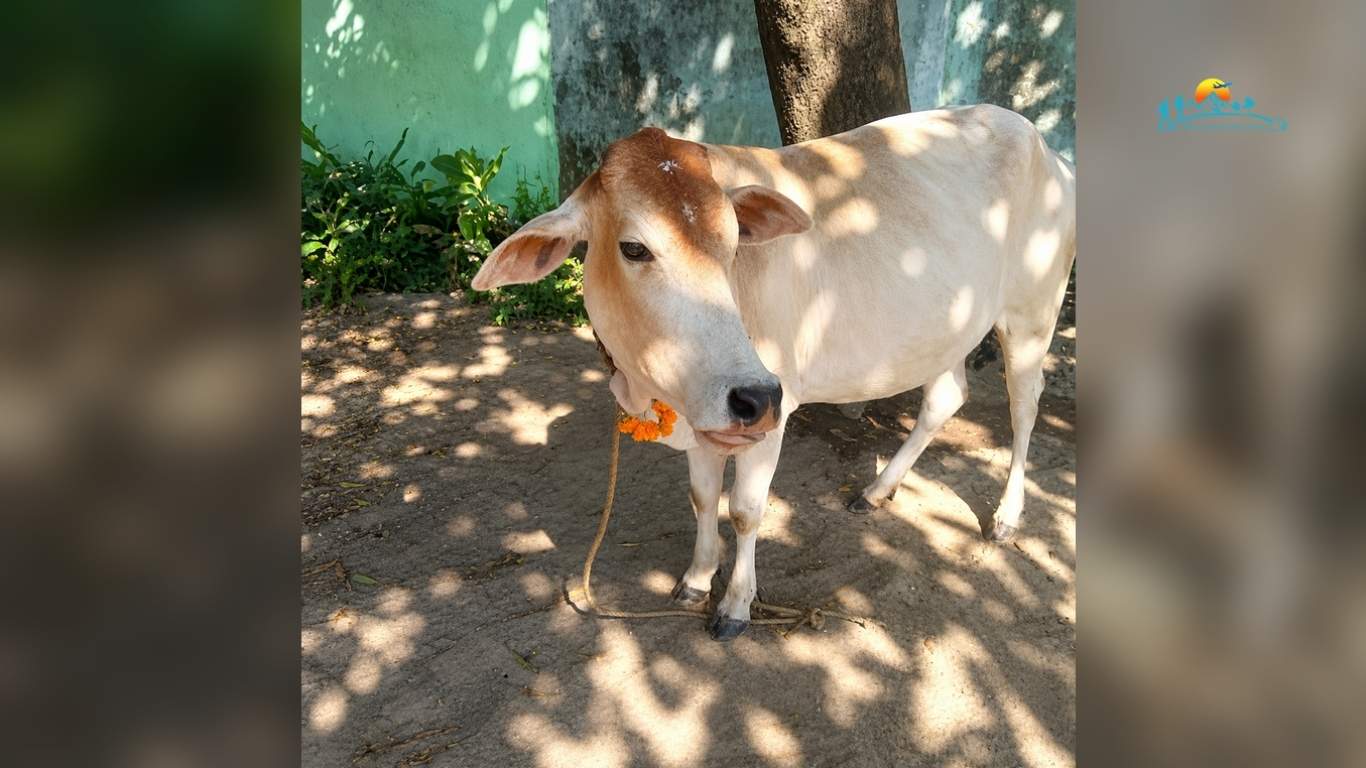
Cows are considered religious and sacred in Hindu beliefs, and thus are honored by the Gai Tihar festival. Cows are fed grass or feed in the family’s presence, marigold garlands are tied around their necks and tika is applied as a sign of respect.
Cows are a significant part of Nepali life and culture, and have been important to the region’s agriculture for centuries. In this festival, people show their gratitude for what they have done for their families and communities.
It is celebrated on November 9th in 2026. The event is a celebration of the significance of animal welfare and the care of animals in everyday life.

There are a number of traditions during the fourth day of the festival. Goru Tihar is to pray for the welfare of oxen who are used in the agricultural process, and Govardhan Puja is based on Lord Krishna lifting Govardhan Hill to save the villagers and their cows. These rituals are symbolic of animal, nature and agricultural life.
The Newar celebrate Mha Puja, a ritual to pay homage to the self and make wishes for health, happiness, and wealth.
Families create mandalas and perform prayers as part of Swanti, the Newar festival period. Mha Puja also marks the beginning of Nepal Sambat, the Newar calendar.
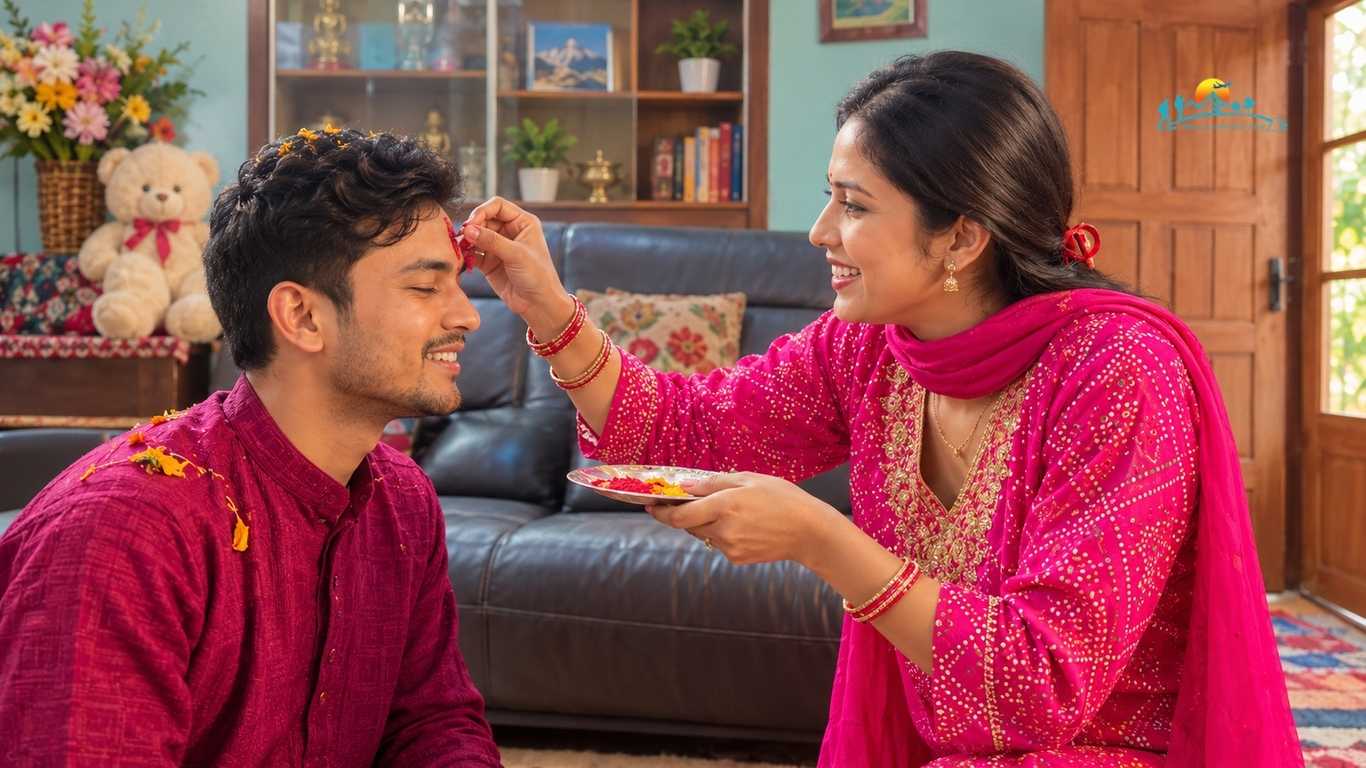
Bhai Tika is the ultimate celebration and the final day where the bond of brother and sister is celebrated. Sisters apply tika with 7 colors, garland with flowers and pray for the long life and good health of their brothers. Brothers give blessings and gifts in return.
The day has been associated with the traditional Yama-Yamuna story, which tells of the prayer of Yama and his sister Yamuna for a long life.
At Bhai Tika, families get to enjoy their celebrations together, exchange gifts and enjoy festive foods together, which is one of the most significant events.
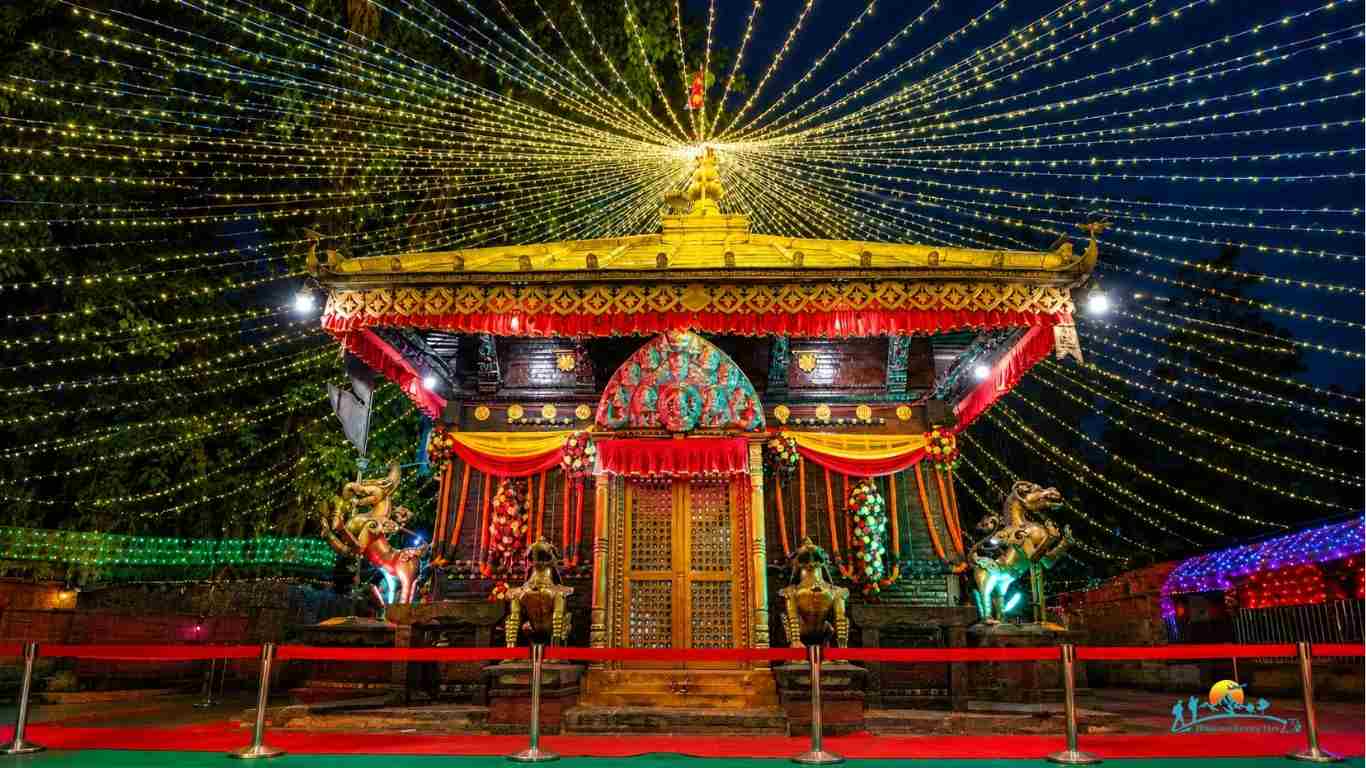
It is known as the festival of lights as people light their homes and neighbourhoods with oil lamps, candles and electric lights, particularly during Laxmi Puja. The lights will give a warm festive feeling around Nepal.
Diyos are small oil lamps used by the family around doors, windows, courtyards and prayers areas. Colourful electric lights and marigold garlands are also a feature of many homes during the festival.
They make rangoli with colour powders, rice flour and flowers around the door leading to their house. These are decorations to welcome Goddess Laxmi during the Laxmi Puja and are a way to pray for wealth and prosperity.
At night time, the lights add to the residential streets and traditional neighbourhoods, making them very lovely. These displays are for guests to enjoy, and they provide an opportunity to learn about the traditional festivals of Nepal and to respect the local culture.
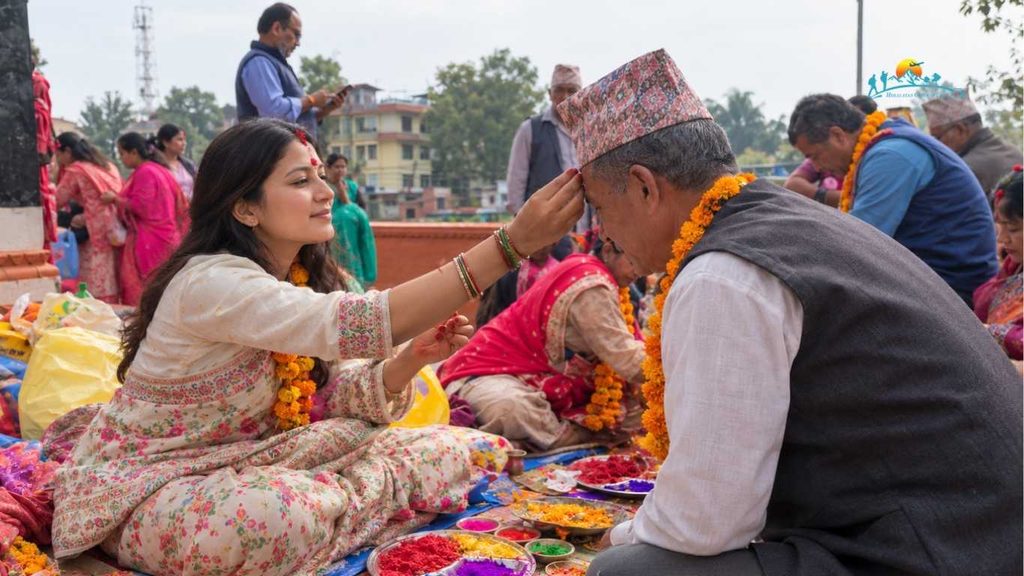
Rani Pokhari in Kathmandu is a special place to observe Bhai Tika, especially for people who cannot celebrate the festival with their brothers or sisters. The historic temple at the center of the pond usually opens to the public on Bhai Tika, allowing visitors to offer prayers and honor the festival’s message of love and family bonds. Check local notices for opening times before visiting.
Many people visit Rani Pokhari during Bhai Tika to receive blessings and take part in the festive atmosphere. The site holds cultural and religious importance in Kathmandu, making it a meaningful place to experience this tradition. Visitors should expect crowds and follow local rules while visiting.
This festival brings music, food, flowers, and community gatherings into Nepali homes and neighborhoods. These traditions make the festival lively and meaningful.
Deusi-Bhailo is a traditional singing and dancing custom during the festival. Groups visit homes, sing blessings, and receive money, sweets, or food. Children and adults take part, sharing festive cheer with their communities.
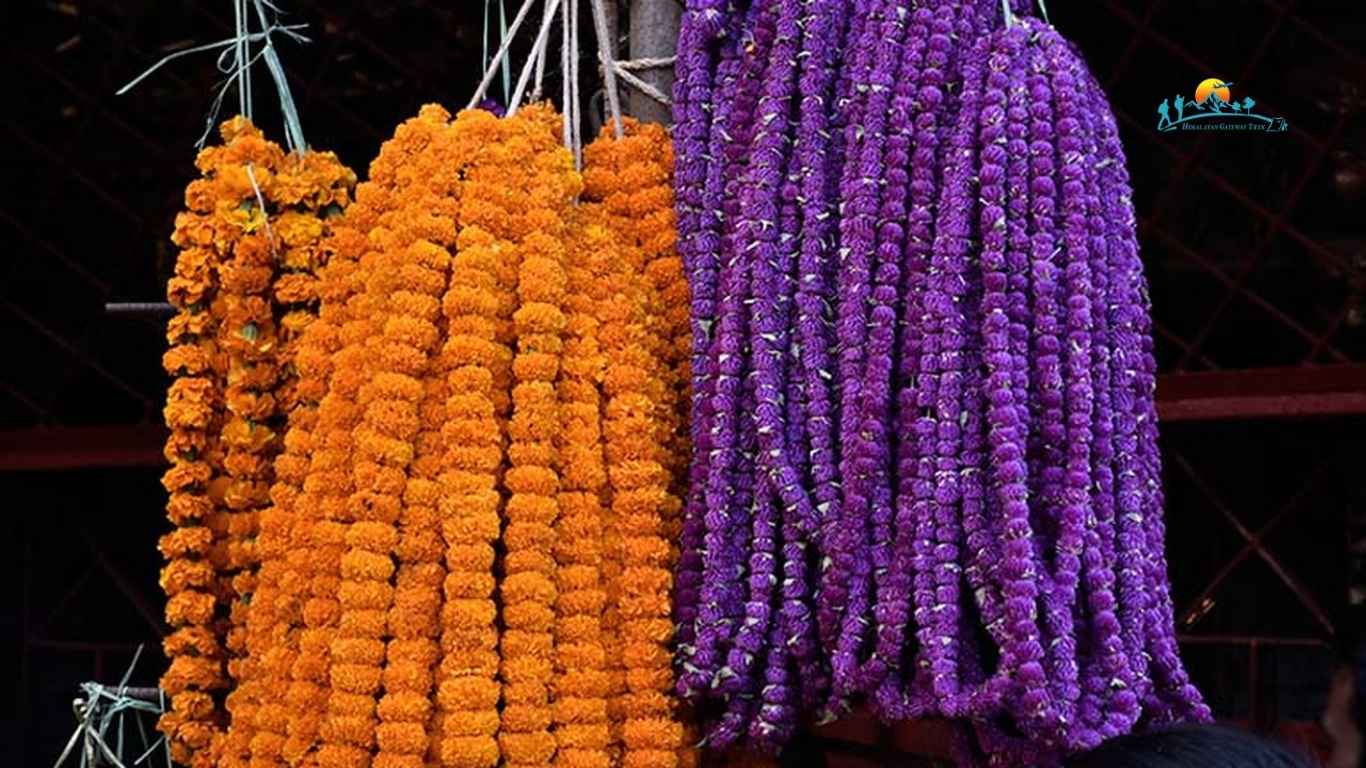
Families decorate their doorways and courtyards with colorful rangoli made from powders, rice flour, or flowers. Marigold garlands brighten homes and are used in religious rituals. During Bhai Tika, makhamali garlands symbolize wishes for long life.

Food is a major part of Tihar because families prepare meals for religious offerings, relatives, and visitors. The dishes vary between households and regions, but some are widely associated with the festival.
| Food | What it is | How it is enjoyed |
|---|---|---|
| Sel roti | A ring-shaped bread made from rice flour | Served during family gatherings and festivals |
| Sweets | Traditional sweets prepared at home or bought from shops | Offered during puja and shared with guests |
| Fruits and grains | Common food offerings used in rituals | Presented during worship |
| Festive meals | A mix of family dishes and regional foods | Shared with relatives during the holiday |
Tihar and Diwali share several customs, including lighting lamps, decorating homes, and worshipping Goddess Laxmi in many Hindu traditions. However, the festivals are not identical. Nepal’s the festival is especially known for its five-day observances, animal worship, and Bhai Tika.
| Feature | Tihar in Nepal | Diwali in India |
|---|---|---|
| Common name | Tihar or Deepawali | Diwali or Deepawali |
| Main theme | Lights, prosperity, animals, and family bonds | Light, prosperity, and different religious traditions |
| Animal worship | Crow, dog, cow, and ox worship feature in the traditions | Customs vary by region and community |
| Sibling celebration | Bhai Tika is a central part of the festival | Bhai Dooj is observed in many communities |
| Local customs | Includes Deusi-Bhailo and Newar Mha Puja | Rituals differ widely across Indian regions |
Both festivals have religious and cultural meaning, and the exact traditions vary within each country. Tihar has its own place in Nepal’s annual festival calendar, so it should not be treated as simply another name for every form of Diwali celebration.
Planning ahead can make a visit during the festival easier because businesses, transport services, and attractions may follow different schedules during the holiday.
Yes, travelers can plan a cultural visit and include a trek in the same trip, provided they allow enough time for both. The right plan depends on the trekking route, the dates of the festival, and transport arrangements.
Some travelers prefer to spend the days around Laxmi Puja and Bhai Tika in Kathmandu before heading toward the mountains. Others may finish a trek before the festival so they can enjoy the celebrations with a local guide or host.
Before choosing an itinerary, consider these points:
For travelers interested in both mountain scenery and Nepali culture, Himalayan Gateway Trek can help them learn about suitable trekking options and cultural visits in Nepal.
The Festival of Lights is an important part of Nepal’s cultural life. Its five days bring together animal worship, prayers for prosperity, colorful decorations, traditional songs, and family gatherings. Each observance adds something different, from honoring dogs and cows to celebrating the bond between brothers and sisters.
For travelers, this festival offers a chance to learn about Nepali traditions through public celebrations, decorated streets, local food, and conversations with people who celebrate the festival. The experience becomes more rewarding when visitors check the dates, plan ahead, and respect local customs.
Tihar is a five-day Hindu festival celebrated in Nepal to honor animals, Goddess Laxmi, and family relationships. Known as the Festival of Lights, it features oil lamps, colorful decorations, religious rituals, traditional songs, and family gatherings.
Tihar celebrates the relationship between humans, animals, and deities. People honor Yama, the god of death, and Goddess Laxmi, the goddess of wealth, while expressing gratitude toward animals and celebrating family relationships, especially during Bhai Tika.
In 2026, Tihar begins on November 7 with Kaag Tihar and ends on November 11 with Bhai Tika. The main Laxmi Puja celebration falls on November 8, according to the published 2026 festival calendar.
It falls on November 8, 2026, in the published festival calendar. On this day, people honor dogs for their loyalty and companionship by offering food, applying tika, and placing marigold garlands around their necks.
Bhai Tika is the final day, celebrating the relationship between brothers and sisters. Sisters apply seven-colored tika, offer flower garlands, and pray for their brothers’ well-being. Brothers reciprocate with blessings, gifts, and expressions of affection.
Traditionally four animals are honoured: crows, dogs, cows, and oxen. Crows are associated with messages from Yama, dogs represent loyalty and protection, cows symbolize nourishment and prosperity, and oxen are respected for their agricultural contribution.
Tihar traditions include worshipping animals, lighting diyos, decorating homes with rangoli and marigold garlands, and singing Deusi-Bhailo songs. Families also prepare traditional foods, visit relatives, perform religious rituals, and celebrate sibling relationships during Bhai Tika.
Yes, tourists can visit Nepal during Tihar to experience decorated streets, traditional music, religious customs, and local celebrations. Travelers should check festival dates, arrange accommodation and transportation in advance, and respect local traditions when observing ceremonies or taking photographs.
Deusi-Bhailo is a tradition in which groups visit homes, singing and dancing while offering blessings to families. Hosts commonly give participants money, sweets, fruit, or food, making the activity an important part of community celebration.