Best Time to Visit Nepal: Weather, Seasons, and Month-by-Month Guide
October to November and March to April are the best time to visit Nepal for clear mountain views and trekking,…
 Himalayan Gateway Trek - On
 Nepali New Year is one of the best times to visit Nepal because it combines culture, festivals, and local life in a way few other periods can match. Streets fill with music, happiness, temples getting long lines of visitors, and historic towns hosting festivals that still follow their original traditions.
This guide explains everything you need to know about the Nepali New Year Celebration in Nepal, from its meaning and history to where to go, what to eat, and how to plan your trip.
Nepali New Year marks the first day of the Bikram Sambat calendar, which is the official calendar used in Nepal. It usually falls in April, and it signals the start of a new year. It falls in the month of Baishakh.
Unlike January 1 celebrations seen in many countries, this New Year has a strong cultural and religious base. People welcome the day by visiting temples, spending time with family, joining local events, and attending concerts.
Key facts:
For locals, it is not just a date change. It is a moment for renewal, reflection, and hope.
Each year, the Nepali New Year falls around April 13 or April 14 depending on the Bikram Sambat calendar cycle. depending on the Bikram Sambat calendar cycle.
This timing is important because:
Travelers often find this period ideal for visiting because the climate supports both city tours and outdoor trips.
The Nepali New Year is based on the Bikram Sambat calendar, which is over two thousand years old. It is believed to be linked to King Vikramaditya, a historical figure associated with timekeeping and governance.
The calendar was adopted as the official one in Nepal for centuries. The New Year evolved into a cultural activity where individuals mix religious activities with community activities.
Historical elements include:
Even today, the celebration carries the same spirit. Families honor traditions while younger generations add modern elements like concerts and social events.
The Nepali New Year is unique in that it combines both old traditions and modern living in a natural manner. It is not being performed in a tourist manner. It is lived by the people.
The main causes that distinguish it:
Comparison with global New Year celebrations:
| Aspect | Nepali New Year | Western New Year |
|---|---|---|
| Calendar | Bikram Sambat | Gregorian |
| Time | Mid April | January 1 |
| Focus | Culture and tradition | Parties and countdowns |
| Experience | Community based | Event based |
This mix of tradition and openness makes the experience more personal and memorable.
Celebration takes place across homes, temples, and public spaces because this day has both personal and social meaning. People welcome the new year by combining religious rituals, family time, and community gatherings, which creates a balanced and meaningful start.
Family rituals guide the beginning of the new year because people believe the first day sets the tone for the months ahead. The focus stays on purity, gratitude, and togetherness.
Common practices include:
Most families rise early in the morning and start the day by visiting the temple, praying there, and getting blessings in the new year. The temples are filled with people who have the same motive, and the elders usually guide the younger ones, making them know what these traditions are all about.
At home, individuals wash their homes and put on new clothes to usher in a new year. Families make special meals and share meals, and this helps to build a stronger family. Elders make a blessing, and occasionally some little gifts, as well as most of the people look back on the past year, and make simple plans for the future.
Public celebrations bring energy to cities and towns because communities gather to mark the day together. People step out of their homes and join others in open spaces, which creates a strong sense of unity. The shared excitement, music, and movement make the entire area feel alive. Visitors can easily feel this atmosphere as locals celebrate with joy and enthusiasm throughout the day.
You will see:
In major cities, public areas become lively from morning until late evening.
Modern celebrations attract younger crowds as they combine tradition with entertainment. Most of the youth look for a way to have fun during the festival in a more social and vibrant environment. Cities have a blend of both cultural and modern experiences, making the celebration exciting. This change brings something new and yet honors the significance of the New Year.
Popular activities include:
This balance makes the festival pertinent to all ages.
Location matters because each place offers a different type of experience during New Year.

Kathmandu Valley has a blend of both tradition and modern life since it is the capital city of Nepal. The New Year makes the city active when people visit temples, attend events, and congregate in the streets. Cultural and social life occur in various locations of the city. Such diversity enables tourists to enjoy the various facets of the celebration at a single venue.
What to expect:

The best place to explore culture is Bhaktapur since it preserves ancient traditions. During the New Year, the whole city is a living heritage site because of the Bisket Jatra festival that happens during the New Year. The streets, squares, and temples join the festivity. The traditions that are several years old can be shared by visitors.
Why visit:

Pokhara Valley is a destination that draws tourists as they can have a relaxing experience and a party at the same time. The seaside is vibrant with music, parties, and celebrations. Meanwhile, the natural environment offers a serene and picturesque environment. This balance is popular enough to visit during the New Year.
What to expect:

Nagarkot resorts are ideal when one wants to relax since it offers serene environments. It provides a silent escape of urban festivities. Many people visit here to enjoy nature and start the new year in a relaxed way. The atmosphere is cleaner and less crowded.
What to expect:
Tourists gain a direct connection with local culture because the celebration happens openly in public spaces.
Experiences include:
The atmosphere feels welcoming, which makes it easy for visitors to be part of the celebration.
The culture of festivals adds depth to the New Year, as it ties together history, religion, and the action of the community. These festivals are not independent but are of the same festive period, thus making the celebration more meaningful. Every location has its traditions, which are transmitted through generations. The visitors are able to observe the actual cultural practices that have not changed.
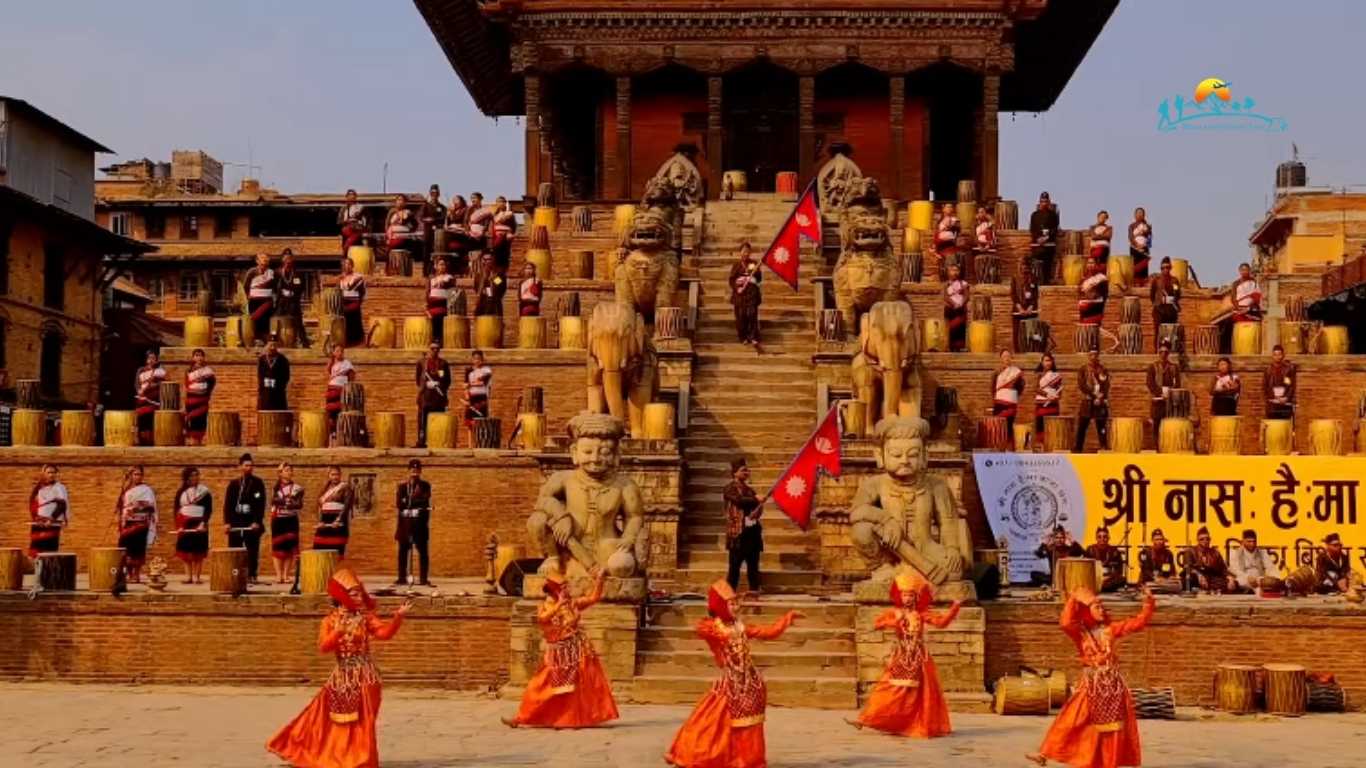
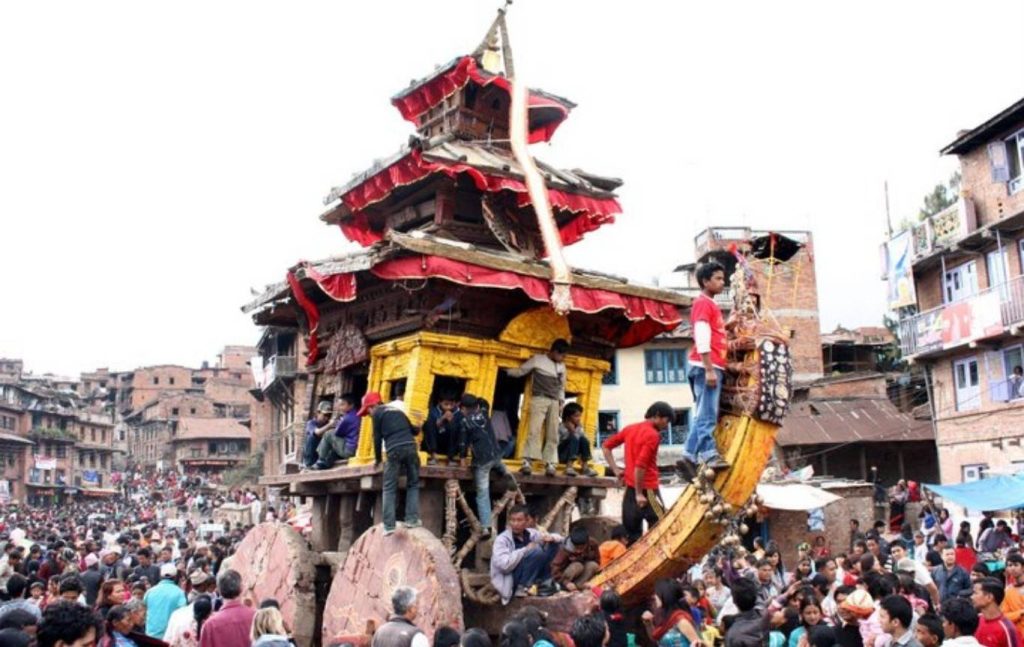
The best-known festival of the Nepali New Year is Bisket Jatra, as it involves the dramatic pulling of chariots and the heavy participation of the community. The whole town is on the move since people come to participate in or spectate the events. The excitement is accumulating as various groups unite to do the chariot pulling and make it a hostile environment. The festival is both a celebration and a tradition.
What makes it Special:
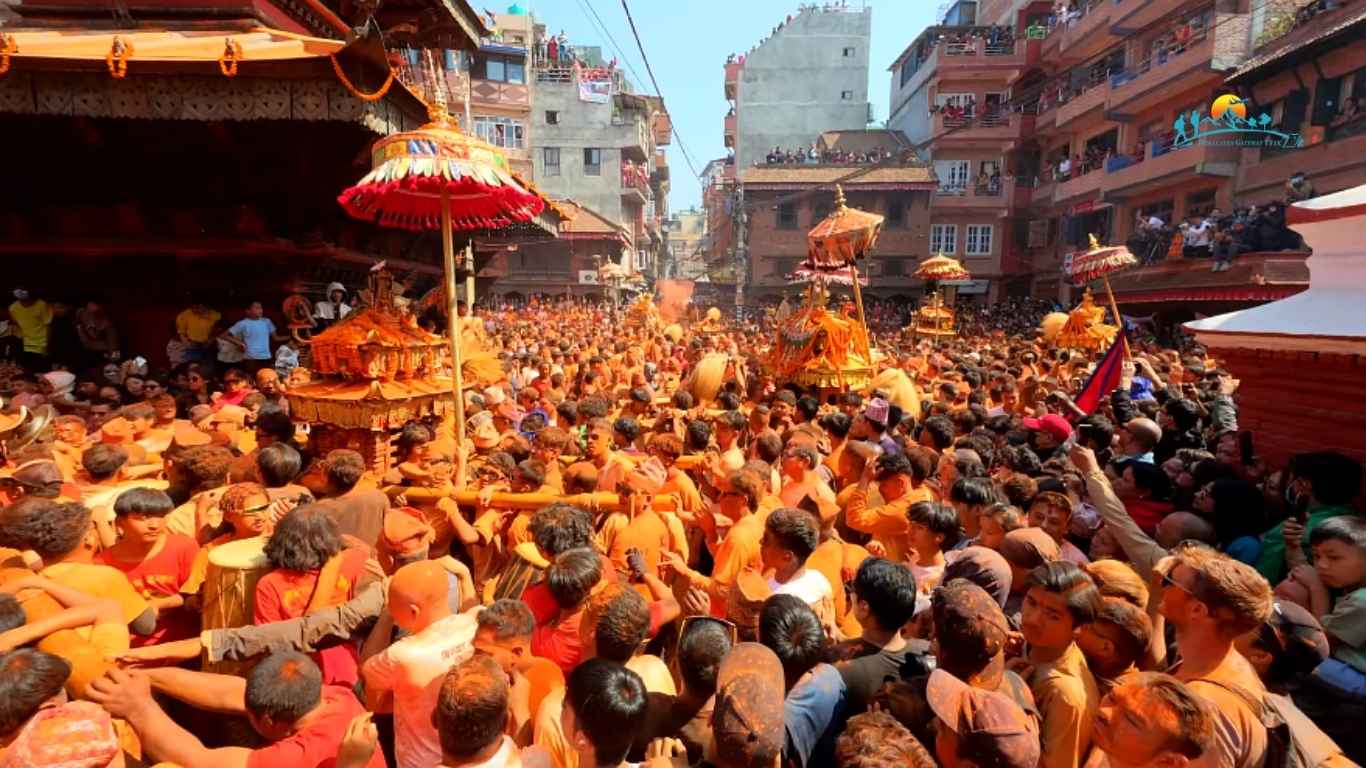
Thimi becomes vibrant during New Year because locals celebrate with color and movement. The streets fill with people who take part in processions and traditional activities. The use of color and music makes the environment lively and engaging. It feels active from morning until late in the day.
What makes it special:
Visitors can observe from close range while respecting local customs.
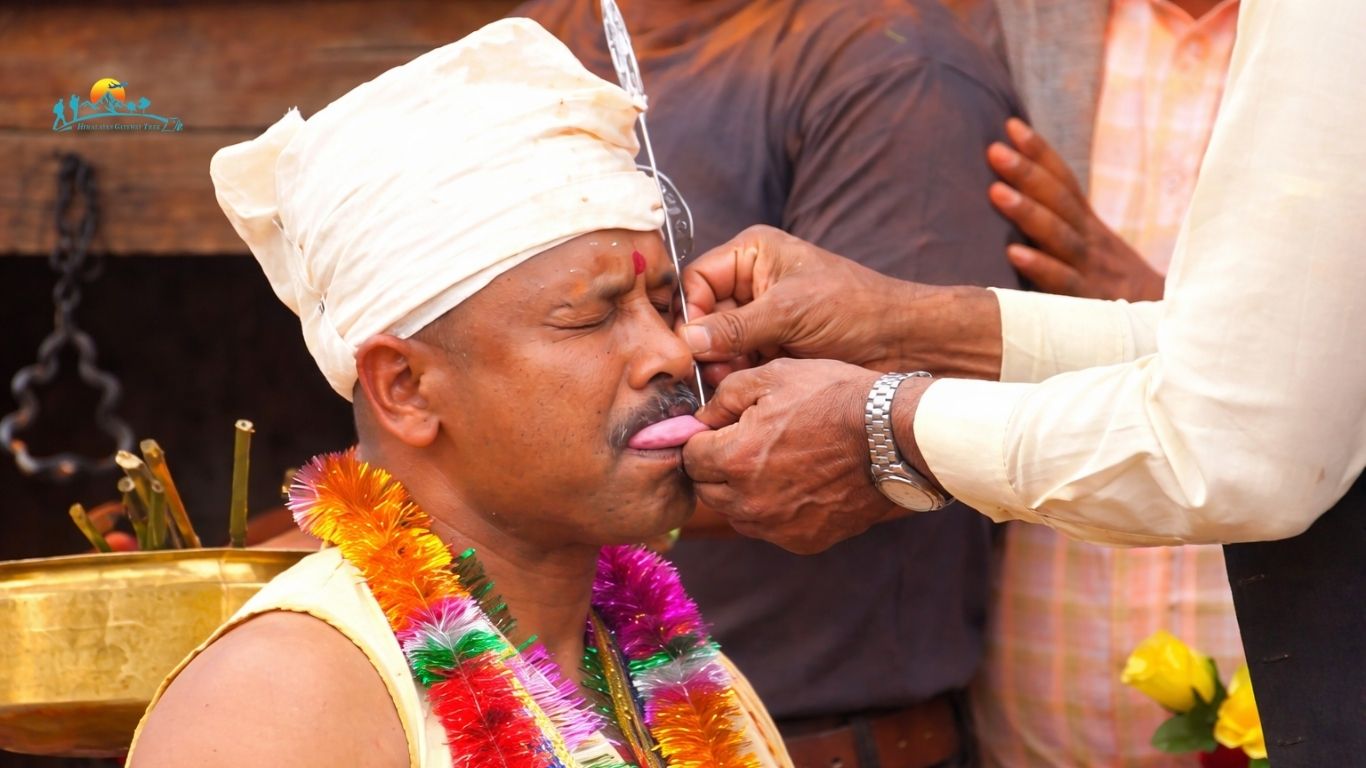
Bode has a special ritual, which is a reflection of devotion and belief. The event is an attraction due to its uncommon and traditional practice. It attracts locals in masses who come to witness the ritual and pay respect. It is still a significant component of the New Year’s time in this region.
Key features:
This is not normal, but it has a profound meaning to the community.
Nepali New Year weather is comfortable, as it is in spring when Nepal transitions out of winter to warmer weather. Days are not hot, but warm enough, so it is easier to walk around cities and visit festivals.
In most parts, including Kathmandu Valley and Pokhara, the skies tend to remain clear, hence visitors enjoy clear skies to view and take photographs. Cities also seem to have hills and mountains that appear clearer at this season.
Light clothing works well during the day, but evenings can feel slightly cool in places like Nagarkot and hill areas. This balanced weather helps travelers move easily between festivals, temples, and outdoor attractions without difficulty.
Planning ahead improves your experience because this period attracts both locals and tourists, which makes popular destinations crowded and hotel prices higher than usual. Many travelers also move between cities during this time, so transport can feel busier than normal. A simple plan helps you avoid last-minute stress and enjoy the celebration properly.
Important tips:
These steps help you enjoy the festival without stress.
Nepali New Year Celebration in Nepal brings together culture, tradition, travel, and community life in a natural and meaningful way. From temple rituals and family gatherings to festivals like Bisket Jatra and lively city events, every part of the country adds its own style to the celebration.
For travelers, this period offers a rare chance to experience Nepal at its most active and welcoming. Whether you explore heritage cities like Bhaktapur, enjoy lakeside evenings in Pokhara, or witness local traditions in smaller towns, the experience feels real and connected to everyday life. Careful planning helps you enjoy the festival smoothly and makes the journey more memorable.
Nepali New Year, known as Navavarsha, typically falls in mid-April on the first day of the month of Baisakh. It follows the Bikram Sambat (B.S.) calendar, marking the official start of the year with vibrant street celebrations and deep-rooted cultural traditions.
The Bikram Sambat calendar is approximately 56.7 years ahead of the Gregorian calendar. As Nepal’s official solar calendar, it governs national holidays and administrative schedules. It is deeply tied to Hindu tradition, placing the current year at 2083 B.S. as of April 2026.
It is a time for “New Beginnings” and togetherness. Families gather for traditional feasts, exchange well-wishes, and visit temples to pray for prosperity. In many regions, the day is marked by colorful parades, lively music, and energetic street festivals that showcase local heritage.
Bisket Jatra is a major festival in Bhaktapur that coincides with the New Year. It features the pulling of massive chariots and the erecting of a ceremonial pole. This high-energy event symbolizes victory over ancient serpents and welcomes the year with immense spiritual fervor.
Yes, Nepal is culturally diverse and recognizes several New Years. While Bikram Sambat is the national standard, other communities celebrate Nepal Sambat (Newari New Year), Lhosar (Tibetan/Tamang/Gurung New Year), and the Gregorian New Year, reflecting the country’s rich ethnic tapestry.
The festival features the dramatic pulling of massive wooden chariots for Lord Bhairav and Goddess Bhadrakali through Bhaktapur’s narrow streets. A massive wooden pole, the Lyo Sin Dyo, is also erected and crashed down to symbolize the beginning of the year.
Nepali New Year always falls on Baishakh 1st, the inaugural day of the Bikram Sambat calendar. Usually occurring around April 14th, it marks the official start of the national year in Nepal, celebrated with public holidays and joyful gatherings.