Dashain Festival of Nepal: Dates, 15 Days, Traditions and History
The Dashain Festival of Nepal is the country's biggest annual festival for many Nepali families, bringing together religious worship, family…
 Himalayan Gateway Trek - On
 Pokhara stands as Nepal’s tourism capital and offers a rare mix of mountain views, peaceful lakes, thrilling adventure sports, and living cultural traditions. Snow peaks rise behind calm waters, temples sit on forested hills, and trekking trails begin just outside the city. Travelers come here for sunrise over the Annapurna range, paragliding above Phewa Lake, short hikes to white stupas, and long journeys toward high Himalayan base camps. This guide covers the best things to do in Pokhara with practical details such as timing, cost, difficulty, and local tips. You will find mountain viewpoints, lake experiences, adventure sports, cultural landmarks, treks, food areas, and essential travel advice for 2026.

Pokhara attracts visitors because it combines natural beauty with easy access and year round activities. The Government of Nepal declared Pokhara as the country’s tourism capital, which increased infrastructure, road access, and airport facilities. Travelers can reach the city quickly and start exploring without long transfers.
Pokhara serves as the gateway to the Annapurna Conservation Area, Nepal’s largest protected region. Trekkers heading toward Annapurna Base Camp, Mardi Himal, or Poon Hill begin their journey here.
Adventure seekers find paragliding, ziplining, rafting, and ultralight flights within short distance of the lakeside. Those who prefer slow travel enjoy yoga studios, lakeside cafes, spas, and peaceful sunrise walks.
Access from Kathmandu is simple by flight or tourist bus, which makes Pokhara suitable for short visits as well as extended stays.

Sunrise at Sarangkot offers the clearest view of the Annapurna range rising above Pokhara Valley. The viewpoint sits at about 1,600 meters and faces a wall of Himalayan peaks.
On clear mornings, you can see:
Best time: Arrive 30 minutes before sunrise between October and April for sharp mountain visibility.
Photography tips:
You can reach Sarangkot by taxi, motorbike, hiking trail, or the Annapurna Cable Car. The cable car saves time and adds comfort for families.

The World Peace Pagoda provides wide views of Phewa Lake and the Annapurna range from a quiet hilltop. The white stupa stands as a symbol of peace and attracts both pilgrims and hikers.
Sunrise brings soft light and fewer visitors. Sunset offers dramatic skies and city lights.
Hiking route:
Visitors can also drive part of the way. The site remains ideal for meditation and quiet reflection during early hours.

The Pumdikot Shiva Statue rises 108 feet tall and ranks among the largest Shiva statues in Nepal. The hilltop location offers wide views of the Annapurna range, Phewa Lake, and the Pokhara Valley, which makes it both a spiritual and scenic stop.
The statue sits at an elevation of around 1,500 meters, slightly higher than the Lakeside area. Visitors can see snow peaks on clear days, especially during autumn and spring. The peaceful setting and open sky create a calm atmosphere that suits prayer, quiet time, and photography.
Best visiting hours:
The complex includes 108 small Shiva lingams placed around the main platform, symbolizing sacred Hindu beliefs. Wide stone steps lead to the statue base, and a staircase allows visitors to reach higher viewing points for better photo angles. Entry fees are minimal, and basic facilities such as parking and small shops are available near the entrance.

Boating on Phewa Lake remains one of the most relaxing activities in Pokhara. The calm water reflects mountains and colorful boats.
Cost:
Duration:
Safety:
Best time:

Tal Barahi Temple stands on a small island in the center of Phewa Lake and remains one of the most important religious sites in Pokhara. Devotees visit this two story pagoda style Hindu temple to worship Goddess Barahi, a manifestation of Durga who is believed to protect the city and its people.
The temple’s location in the middle of the lake gives it a unique charm. As you approach by boat, you can see prayer flags, bells, and devotees offering flowers and tika. The peaceful water surrounding the shrine adds to the spiritual atmosphere.
How to reach:
Entry fee:
The temple becomes busy on Saturdays, which is the weekly holiday in Nepal, and during major Hindu festivals such as Dashain and Tihar. Morning visits offer a quieter experience and better light for photography. Visitors should remove shoes before entering the main shrine and dress modestly as a sign of respect.
Lakeside offers a lively walking street filled with cafes, shops, live music venues, and trekking agencies. Evening walks along the lake create a relaxed atmosphere.
Popular experiences:
Restaurants serve Nepali, Indian, Korean, Italian, and Tibetan food. Nightlife remains active but safe.

Paragliding gives a bird’s eye view of mountains, lake, and city. Flights launch from Sarangkot hill.
Flight duration:
Cost range:
Safety level:
Clear weather from October to April provides the best flying conditions.
ZipFlyer Nepal operates one of the world’s steepest and fastest ziplines, making it a top adventure activity in Pokhara. Riders launch from the hills near Sarangkot and descend toward the valley floor with open views of forests, farmland, and the Annapurna range in the background.
The ride begins with a safety briefing and equipment check. Staff secure each rider with a full body harness, helmet, and gloves. After a countdown, you accelerate quickly down the cable, reaching high speed within seconds.
Length:
Vertical drop:
Speed:
Price:
The entire experience, including transport to the launch site and return transfer, usually takes about 2 to 3 hours. Clear weather provides the best mountain views during the ride. Participants should meet minimum weight requirements and follow staff instructions closely for safety.

Upper Seti River provides short but exciting rafting experiences.
Skill level:
Season:
Duration:
Professional guides lead each raft and provide safety briefing.

Bungee jumping near Kushma offers one of the highest bridge jumps in Nepal and delivers a pure adrenaline rush for thrill seekers. The jump takes place from a suspension bridge built over the deep Kali Gandaki River gorge, surrounded by steep cliffs and dramatic scenery.
Height:
Travel time:
The experience begins with registration, weight check, and a safety briefing conducted by trained staff. Professional operators secure each jumper with a body harness and ankle straps before allowing access to the platform. Once ready, you step to the edge of the bridge and jump freely toward the river below before the cord pulls you back smoothly.

Gupteshwor Mahadev Cave features limestone formations and a sacred Shiva shrine. The cave connects to the underground section of Davis Falls.
Visitors walk through narrow passages and descend staircases. Lighting remains adequate but slippery floors require caution.

Davies Falls displays a powerful waterfall that disappears dramatically into a deep underground tunnel, making it one of the most unusual natural attractions in Pokhara. The water from Phewa Lake flows through a narrow channel and drops into a hidden cave system, where it continues underground.
The site is well maintained with landscaped gardens, paved walkways, and multiple viewing platforms. Railings allow visitors to observe the swirling water safely from different angles. Informational boards explain the local legend behind the name, which is linked to a tragic incident involving a foreign visitor decades ago.
Monsoon season from June to September increases water volume, creating a stronger and louder visual impact. During dry winter months, the waterfall becomes calmer but still worth visiting. A short visit of 30 to 45 minutes is usually enough to explore the area and take photos.

The International Mountain Museum presents mountaineering history, Himalayan cultures, and geological exhibits under one roof. It serves as an educational stop for anyone interested in the mountains beyond scenic views.
The museum covers the stories of major Himalayan expeditions and the lives of climbers who attempted or summited the world’s highest peaks. Detailed displays explain mountain formation, altitude challenges, and the lifestyle of ethnic communities living in high regions.
Highlights:
The outdoor section includes life size statues and information panels about different mountain ranges. Allocate 1 to 2 hours for a full visit. Morning visits are quieter and allow more time to read exhibits without crowds.
Bindhyabasini Temple stands as one of the oldest and most respected temples in Pokhara. Dedicated to Goddess Bhagwati, the temple attracts daily worshippers as well as visitors interested in local traditions.
The hilltop setting offers open views over the old bazaar area and distant hills. White walls, traditional pagoda architecture, and ringing temple bells create a strong spiritual atmosphere. Devotees often bring flowers, tika, and small offerings.
Morning prayer time gives a deeper cultural experience, especially during special rituals and festival days. Visitors should dress modestly and remove shoes before entering the main shrine area. A short visit of 30 to 45 minutes allows enough time to observe the rituals and enjoy the peaceful surroundings.

Ghorepani Poon Hill provides a short Himalayan trekking experience with sunrise mountain views.
Difficulty:
Duration:
Best season:
The trail passes rhododendron forests and Gurung villages.

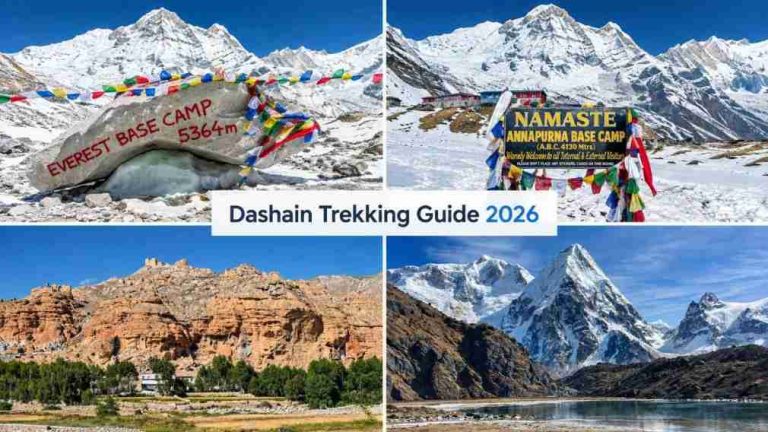
The Annapurna Base Camp trek leads to 4,130 meters inside the natural amphitheater known as the Annapurna Sanctuary. Snow covered peaks surround the base camp from all sides, creating one of the most dramatic high altitude settings in Nepal.
The journey begins with terraced farmland and traditional Gurung and Magar villages. As the trail climbs higher, dense rhododendron forests give way to alpine terrain, glacial rivers, and steep rock walls. The final stretch passes through Machhapuchhre Base Camp before reaching Annapurna Base Camp itself.
Difficulty:
Duration:
Best season:
Trekkers witness glaciers, waterfalls, bamboo forests, and wide mountain panoramas. Proper acclimatization, layered clothing, and basic fitness are necessary. Tea houses along the route provide accommodation and meals, which makes the trek accessible without camping.

Mardi Himal Base Camp offers a quieter trekking option with open ridge walking and close views of Machhapuchhre. The trail remains less crowded compared to Annapurna Base Camp, which makes it ideal for those seeking peaceful mountain scenery.
The trek follows forest paths before rising above the tree line to exposed ridges with panoramic Himalayan views. High Camp sits just below the final ascent, and the sunrise hike to Base Camp rewards trekkers with dramatic light on Machhapuchhre and surrounding peaks.
Difficulty:
Duration:
Best season:
Basic tea houses operate along the route, though facilities remain simpler than those on the Annapurna Base Camp trail. Good physical condition and preparation for cold mornings at higher elevation improve the overall experience.
Travel from Kathmandu to Pokhara remains simple and convenient, with multiple transport options available daily. The distance between the two cities is about 200 kilometers.
By Flight
Flights offer mountain views during clear weather and save significant travel time. Morning flights face fewer weather delays.
By Tourist Bus
Tourist buses include rest stops for meals and washrooms. Booking one day in advance during peak season is advisable.
By Private Car or Jeep
The Prithvi Highway connects the two cities. Road conditions have improved in recent years, but construction work and holiday traffic can increase travel time, especially during Dashain and Tihar festivals. Morning departures help avoid heavy congestion.
Budget:
Mid range:
Luxury:
Lakeside suits short stays and nightlife. Hilltop hotels offer quiet environment and better sunrise views.
Budget per day:
Safety:
Internet:
ATM:
SIM cards:
Local etiquette:
Pokhara brings together Himalayan scenery, calm lakes, spiritual sites, and thrilling outdoor activities within one accessible destination. Travelers can wake up to golden peaks, spend the afternoon boating or paragliding, and end the day with lakeside dining. Short visits offer mountain views and adventure sports, while longer stays open trekking routes into the Annapurna region. Clear seasons from October to November and March to April provide the best conditions. Whether you seek relaxation, culture, or high-altitude journeys, Pokhara delivers a memorable Nepal experience in 2026.
Boating on Phewa Lake and visiting the Tal Barahi Temple is the top-rated activity. It offers serene views of the Annapurna range reflected in the water, combining natural beauty with a unique cultural experience on the lake’s iconic island temple.
The best time to visit Pokhara is from October to November or February to April. These months provide the clearest skies for mountain views, pleasant temperatures for hiking, and ideal weather conditions for adventure sports like paragliding and ziplining.
Paragliding is extremely safe and widely considered one of the world’s best experiences. Launching from Sarangkot, you’ll enjoy breathtaking aerial views of the Himalayas and Phewa Lake. It is absolutely worth the price for the adrenaline and spectacular scenery.
With just one day, start with sunrise at Sarangkot, followed by a boat ride on Phewa Lake. Spend your afternoon visiting the World Peace Pagoda and Davis Falls, then end your evening with a relaxing dinner at a Lakeside cafe.
You can reach the World Peace Pagoda by taking a boat across Phewa Lake and hiking up the forest trail, or by hiring a taxi directly to the top. The hilltop offers stunning panoramic views of Pokhara and the Annapurna mountains.
Yes, both Davis Falls and Gupteshwor Mahadev Cave require small entry fees for tourists. These sites are located opposite each other, making it convenient to explore the thundering waterfall and the deep, religious limestone cave together in one short trip.
Beyond boating, you can stroll along the vibrant Lakeside promenade, enjoy live music at waterfront cafes, or go cycling around the shore. The area is perfect for photography, bird watching, and watching the sunset over the distant Himalayan peaks.
Sarangkot is the premier spot for sunrise, offering a golden glow over the Annapurna and Dhaulagiri ranges. For a quieter experience, the Pumdikot Shiva Statue or the World Peace Pagoda also provide spectacular morning vistas of the mountains and valley.
Pokhara is exceptionally safe for solo female travelers. The Lakeside area is tourist-friendly, well-lit, and easy to navigate. Locals are respectful, and the laid-back atmosphere makes it a comfortable destination for meeting fellow travelers and exploring nature or culture independently.
Pokhara’s Lakeside comes alive at night with vibrant bars, live music venues, and cozy cafes. You can enjoy traditional Nepali cultural shows, shop at late-night boutiques, or relax at the Movie Garden for a unique cinematic experience under the stars.
No, you cannot see Mount Everest from Pokhara. While the city offers stunning views of the Annapurna range and Machhapuchhre (Fishtail), Everest is located much further east. For Everest views, you would need to visit the Khumbu region or Kathmandu.
For a quieter experience, visit Begnas Lake or Rupa Lake, located about 40 minutes from the city. You can also explore the Old Pokhara market to see traditional Newari architecture or visit the Methlang viewpoint for a less-crowded mountain vista.
While Kathmandu is the cultural heart, Pokhara is the adventure and relaxation hub. Many travelers prefer Pokhara for its cleaner air, stunning mountain proximity, and laid-back Lakeside vibe, making it the perfect place to unwind before or after a trek.
Families will enjoy boating on Phewa Lake, visiting the International Mountain Museum, and exploring the interactive exhibits. The Annapurna Cable Car ride to Sarangkot is also a hit with kids, offering excitement and great views without a strenuous hike.
Most travelers find three to four days ideal for Pokhara. This allows enough time to experience main sights like Sarangkot and the Peace Pagoda, try an adventure sport like paragliding, and still have plenty of time for lakeside relaxation.
The Pumdikot Shiva Statue is a massive 108-foot tall monument and is definitely worth visiting. It provides spiritual significance and incredible 360-degree views of the Himalayas, Phewa Lake, and the entire Pokhara valley from its high hilltop location.
Pokhara is Nepal’s adventure capital, offering world-class paragliding, the world’s steepest zipline, bungee jumping, and ultralight flights. For water enthusiasts, white-water rafting on the Upper Seti River provides a thrilling half-day trip with incredible mountain views and challenging rapids.