Best Time to Visit Nepal: Weather, Seasons, and Month-by-Month Guide
October to November and March to April are the best time to visit Nepal for clear mountain views and trekking,…
 Himalayan Gateway Trek - On
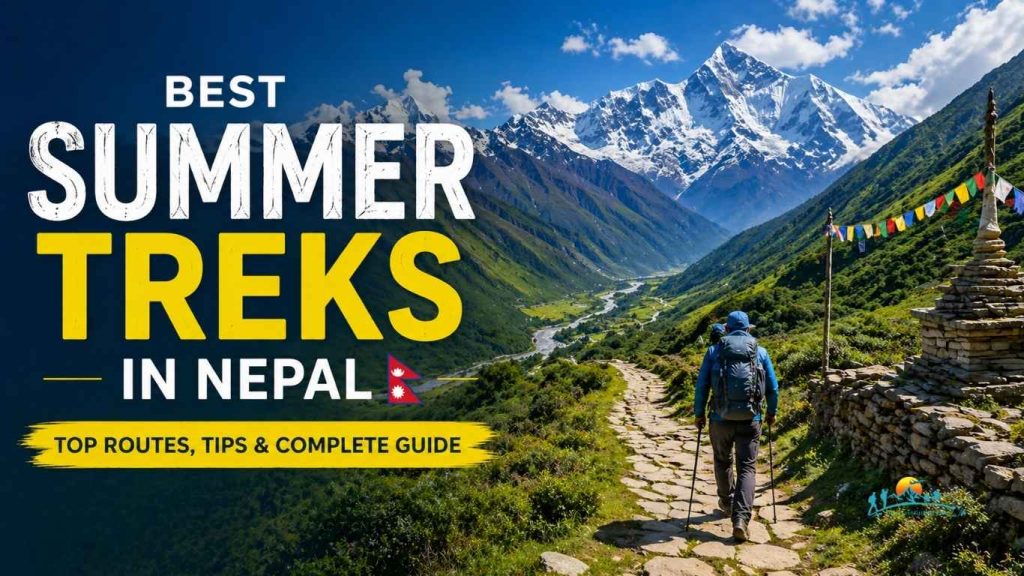
 Summer trekking in Nepal offers a different side of the Himalayas, where green hills, flowing rivers, and quiet trails replace the busy autumn crowds. Many trekkers avoid June to August due to rain, yet this season rewards those who choose the right regions and prepare well. This guide covers everything you need to plan a successful trek, from the best routes to safety tips and real on-ground advice.
Another key advantage of trekking during summer is the strong connection with local life, as villages are active with farming and daily routines during this season. You get to witness authentic culture, fresh landscapes, and a quieter atmosphere that allows a more personal and meaningful trekking experience.
Summer trekking is unique because fewer people travel during this time, so you can enjoy a quiet journey and connect with the locals. The monsoon season is the rainy season in Nepal, so this season brings heavy rain to most parts of Nepal, but some areas remain dry due to their location behind the Himalayas.
These are known as rain shadow areas. Some of the best treks, such as Upper Mustang and Upper Dolpo, are located here and are safe to visit even during the monsoon season.
Also, the region transforms. Forests are green, waterfalls are powerful, and rivers are full. This makes the place even more beautiful than autumn or spring
Key reasons trekkers choose summer:
Trekking in Nepal during summer months is from June until August, with different conditions each month. The weather is highly variable, so knowing the monthly variations can help make your trek safer and more enjoyable. Knowing which region to trek in based on rainfall and trail conditions can be a crucial factor.
| Month | Weather Condition | Trekking Suitability |
|---|---|---|
| June | Start of monsoon, mixed weather | Good in rain shadow areas |
| July | Peak rainfall in most regions | Best only in dry regions |
| August | Rain continues but clearer skies at times | Moderate with proper planning |
Rain usually falls in the afternoon or evening. Morning hours often remain clear, which makes early starts important. Rain shadow areas remain mostly dry throughout these months, making them the safest choice for trekking.
Below is the complete list of the best summer treks in Nepal, where you will know which places are good and safe for trekking in Nepal during the summer and monsoon.
These treks remain the most reliable choices during the monsoon because they lie in regions that receive little to no rainfall. The Himalayan range blocks rain clouds, creating dry trekking conditions even in peak summer.
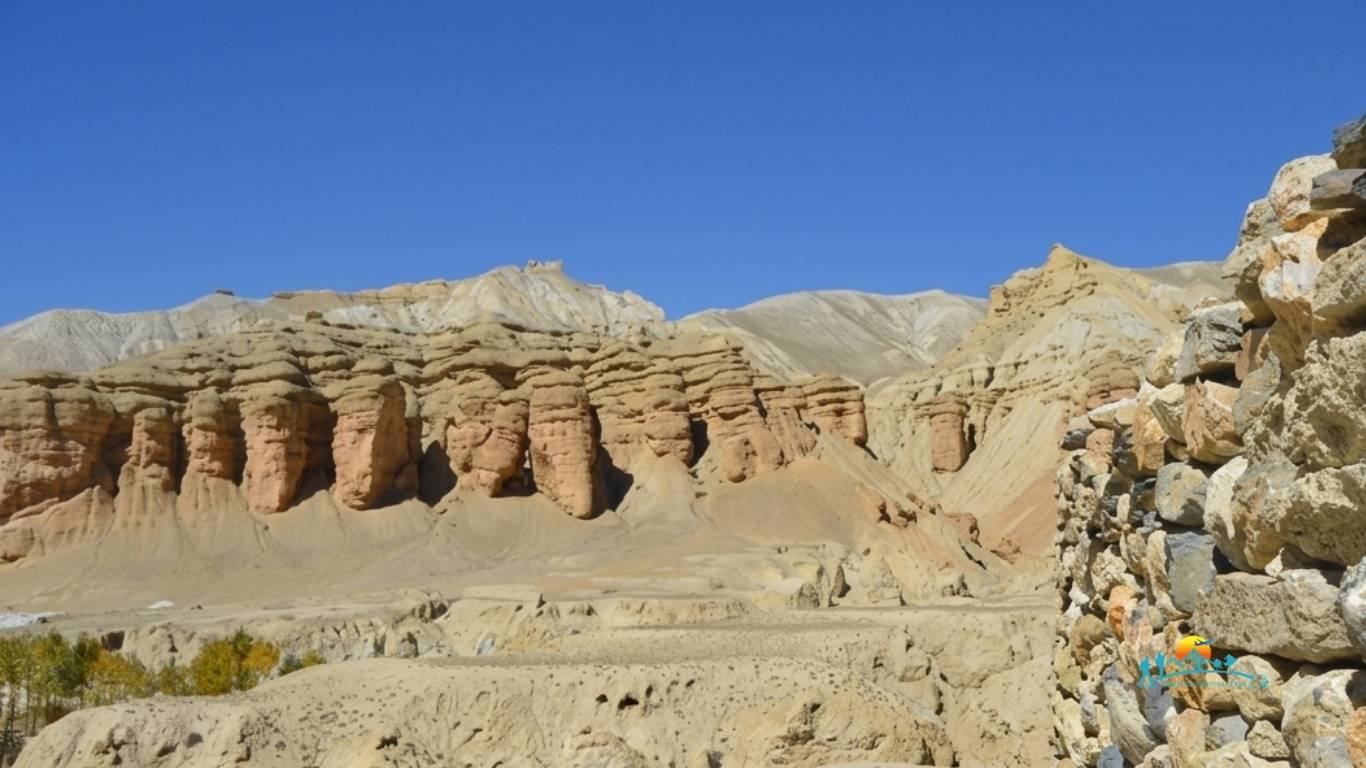
The Upper Mustang Trek is located in the rain shadow of the Annapurna and Dhaulagiri ranges, making it a dry region even in the midst of monsoons. Upper Mustang provides a unique desert-like landscape in Nepal, with deep canyons, eroded cliffs, and open valleys.
This trek is unique in that you walk on dusty roads rather than in forests. Your journey starts in Jomsom and includes stops at Kagbeni, Chele, Ghami, and Tsarang before ending in Lo Manthang, the cultural hub of this region. This path offers reliable trekking conditions in the summer, making it a safe and secure option.
Upper Mustang is known for its rich Tibetan culture and history. Lo Manthang, a fortified city, showcases a culture that has stood the test of time, and ancient caves and monasteries enrich the experience. This trek is not overly difficult, with long days but not high altitudes.
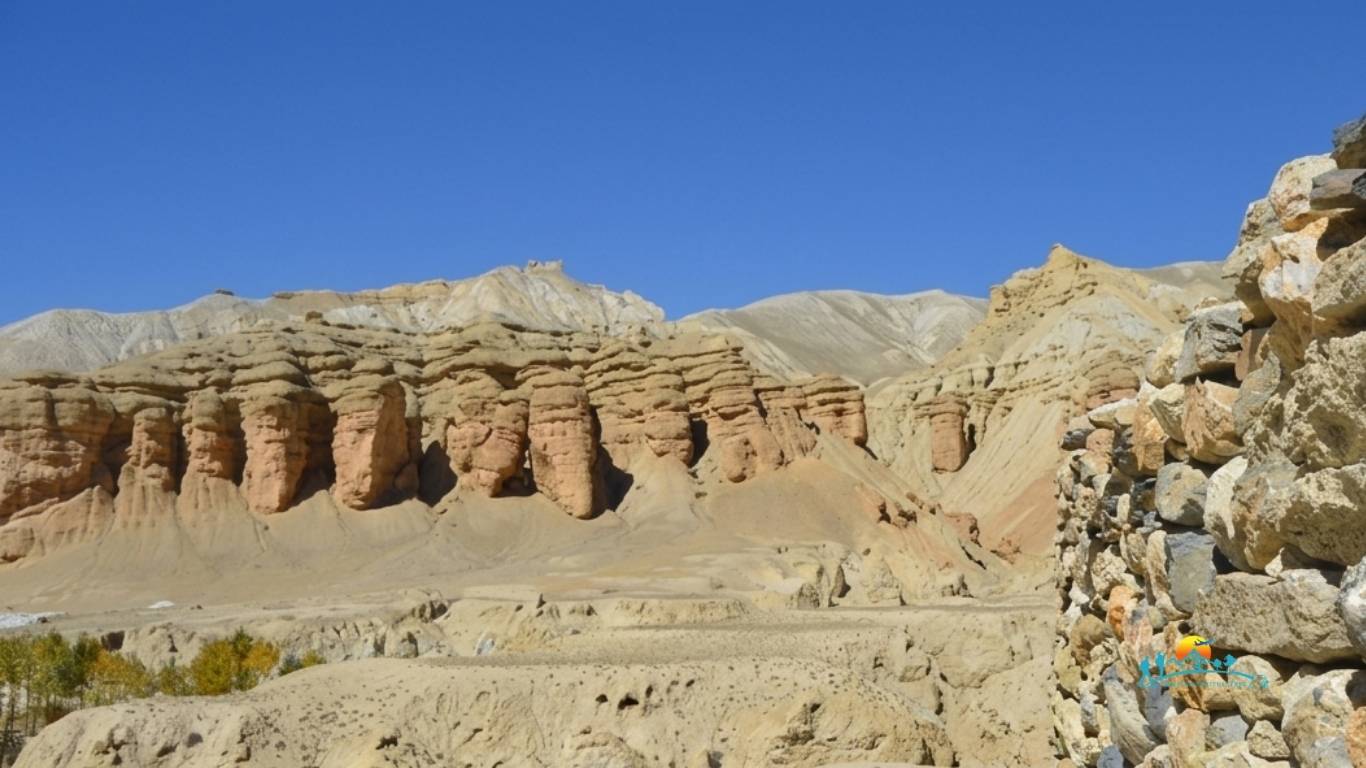
This trek is one of the most remote and untouched treks of Nepal, and it is one of the treks that requires Restricted Area Permits. Due to its location, Upper Dolpo stays dry during summer. The terrain includes high passes above 5000 meters, wide empty valleys, and long stretches without settlements. The trek is about isolation and unspoiled beauty rather than comfort. Routes are rough, and the landscape is vast and quiet, giving a feeling of separation from the world.
The main attraction of Upper Dolpo is Shey Phoksundo Lake, which is known for its deep blue color and calm surroundings. It is also home to both Bon and Buddhist cultures, enhancing the cultural experience of the trek. Trekking conditions can be demanding, with long distances between villages and the need for camping in several sections. The difficulty level is high, requiring strong physical fitness and preparation. This trek suits experienced trekkers who want a challenging route and a truly remote Himalayan experience.
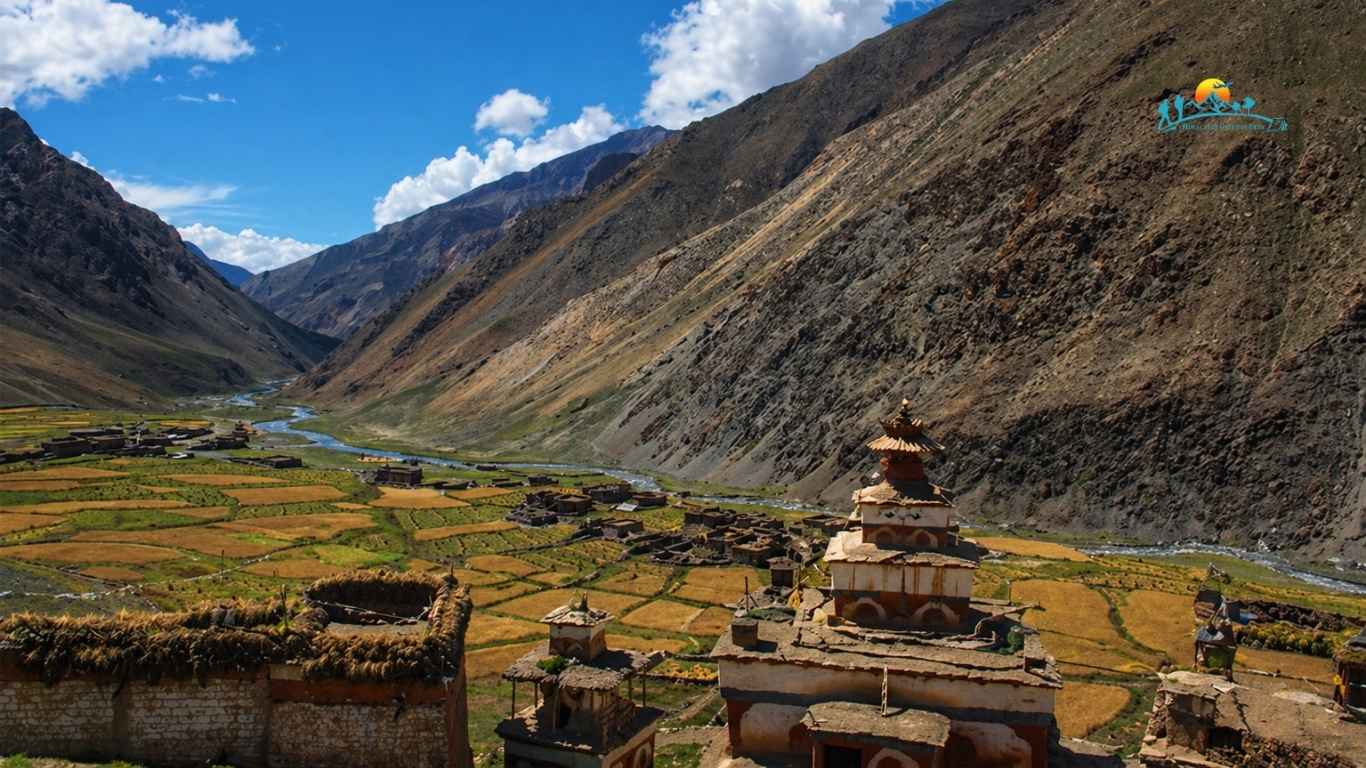
The Lower Dolpo Trek offers a less challenging way to explore the Dolpo region while still offering a remote trekking experience. The trek combines forested trails with dry highland areas, creating a varied journey. Lower Dolpo Trek is more accessible and has better facilities than Upper Dolpo, making it suitable for trekkers who want a balance between challenge and comfort.
Along the way, trekkers pass through traditional villages that reflect local culture and lifestyle. The trek is moderately remote, providing the feeling of being in a remote area without the extreme conditions of Upper Dolpo. The difficulty level is moderate to hard, which makes it an excellent choice for adventure seekers who don’t wish to embark on a longer, more rugged journey.
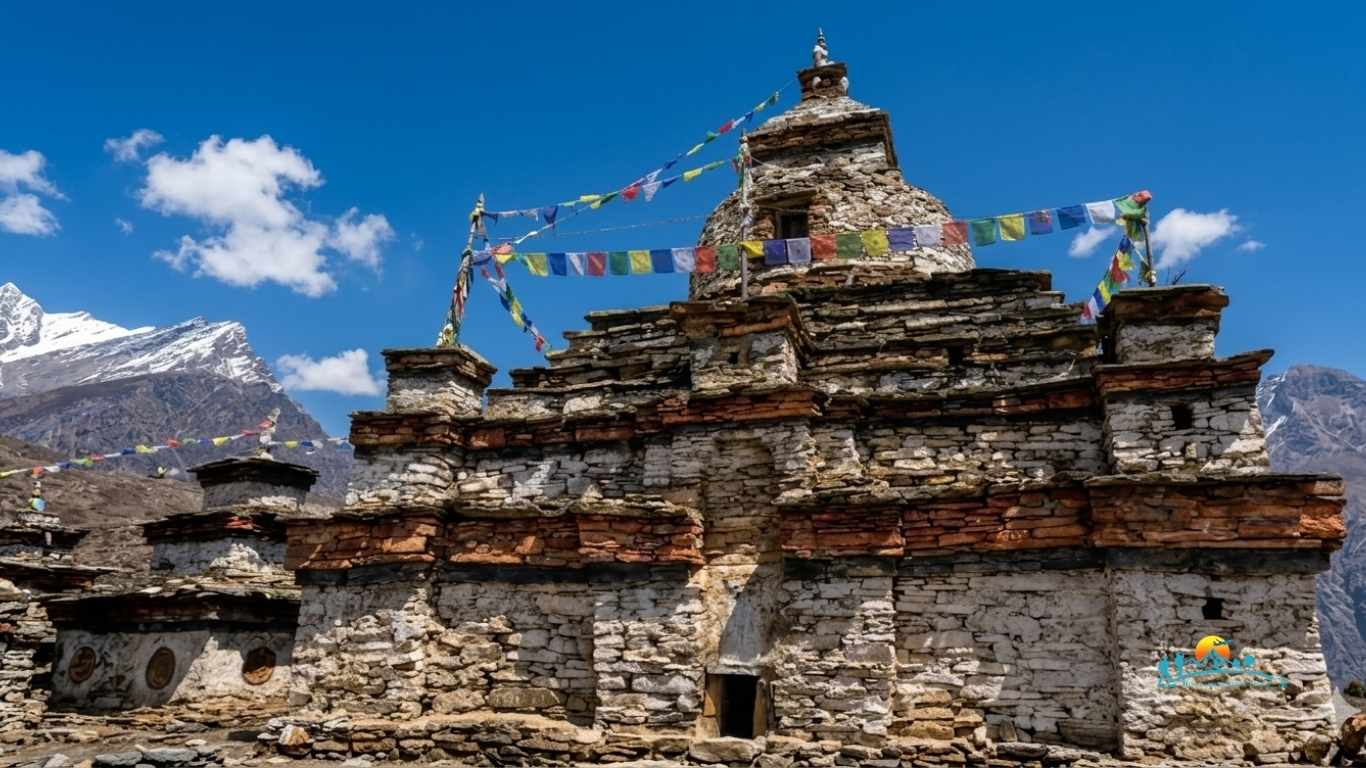
The Nar Phu Valley Trek lies between the Annapurna and Manaslu regions, and due to its location, it stays dry during the summer season. The trail moves through narrow rocky walls, high suspension bridges, and traditional stone villages that reflect a strong Tibetan influence. This trek feels quiet and untouched, with fewer trekkers compared to more popular routes.
The trek takes you into a remote valley where life is lived traditionally. You’ll visit villages such as Nar and Phu, where life continues as it has for centuries. The highlight of the trek is the Kang La Pass with panoramic views of the Annapurna range.
This trek is moderate to difficult and is popular among those seeking a less popular, cultural, and mountain experience.
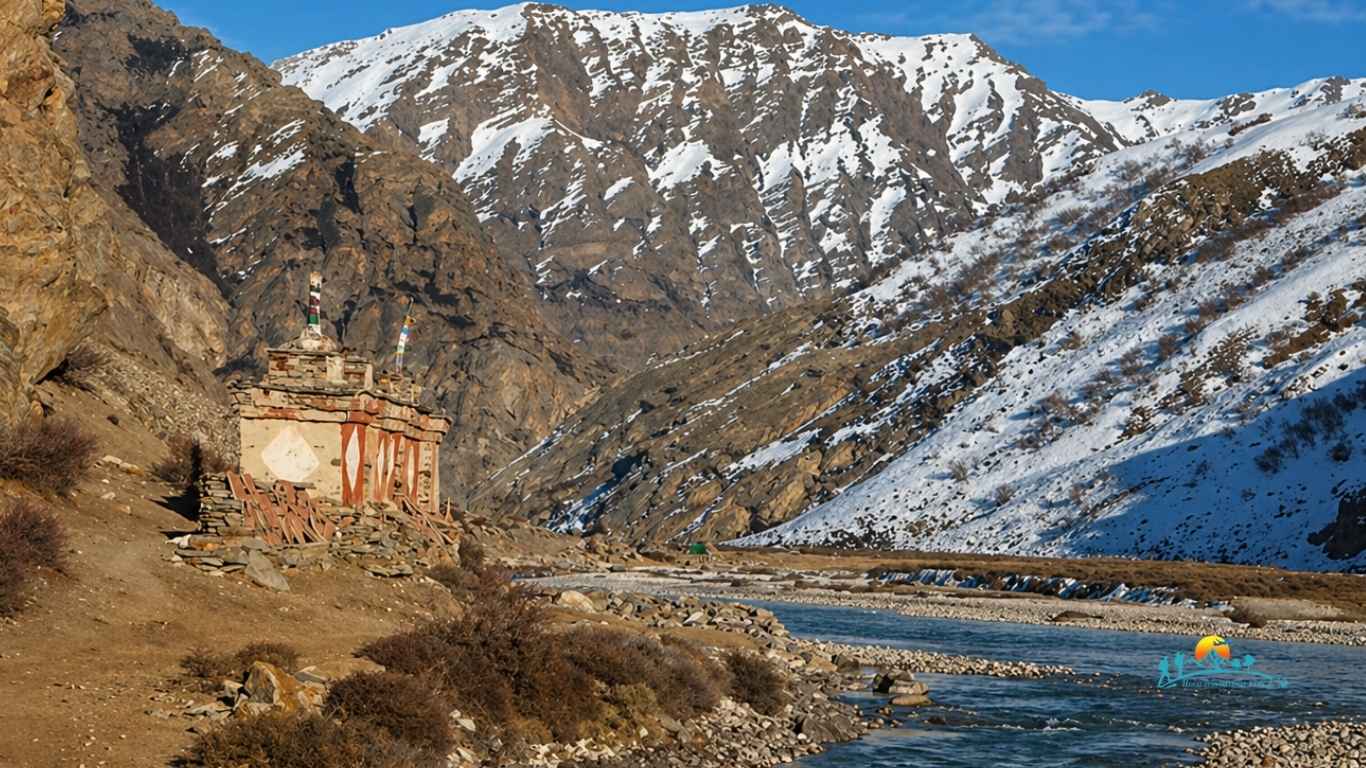
The Humla Limi Valley Trek is one of the least-traveled routes in Nepal, which is located near the remote border region of Tibet. It is suitable for trekkers who prefer fewer crowds and isolation because the area sees very few trekkers. The trail passes through wide valleys, ancient villages, and landscapes that feel untouched by modern development.
This trek stands out for its strong Tibetan cultural influence, seen in monasteries, prayer flags, and local traditions. Trekking conditions include long walking days and limited food options, which require careful planning and support. A guide and proper logistics are necessary due to the remoteness of the region. The difficulty level is high, making it suitable for experienced trekkers who want a quiet and challenging journey away from crowded trails.
These treks do not fall fully under rain shadow zones, but they still work in summer with careful timing and route selection. The key idea is that trekkers adjust their daily schedule and choose higher sections where rainfall impact is lower.

The Annapurna Circuit Trek is good for summer because this trek shifts from rainy low altitude regions to dry high altitude regions. Monsoon rains fall on the lower regions like Besisahar and Dharapani, which makes trails muddy and slow. The weather becomes drier as you go upwards to higher regions.
The main strength of this trek is the gradual change in landscape and climate, which allows trekkers to adjust as they gain altitude. Forest areas can be wet and slippery, but the upper regions offer a more open and drier trek. This trek has moderate difficulty, which has longer walking days and a high-altitude crossing at Thorong La Pass.
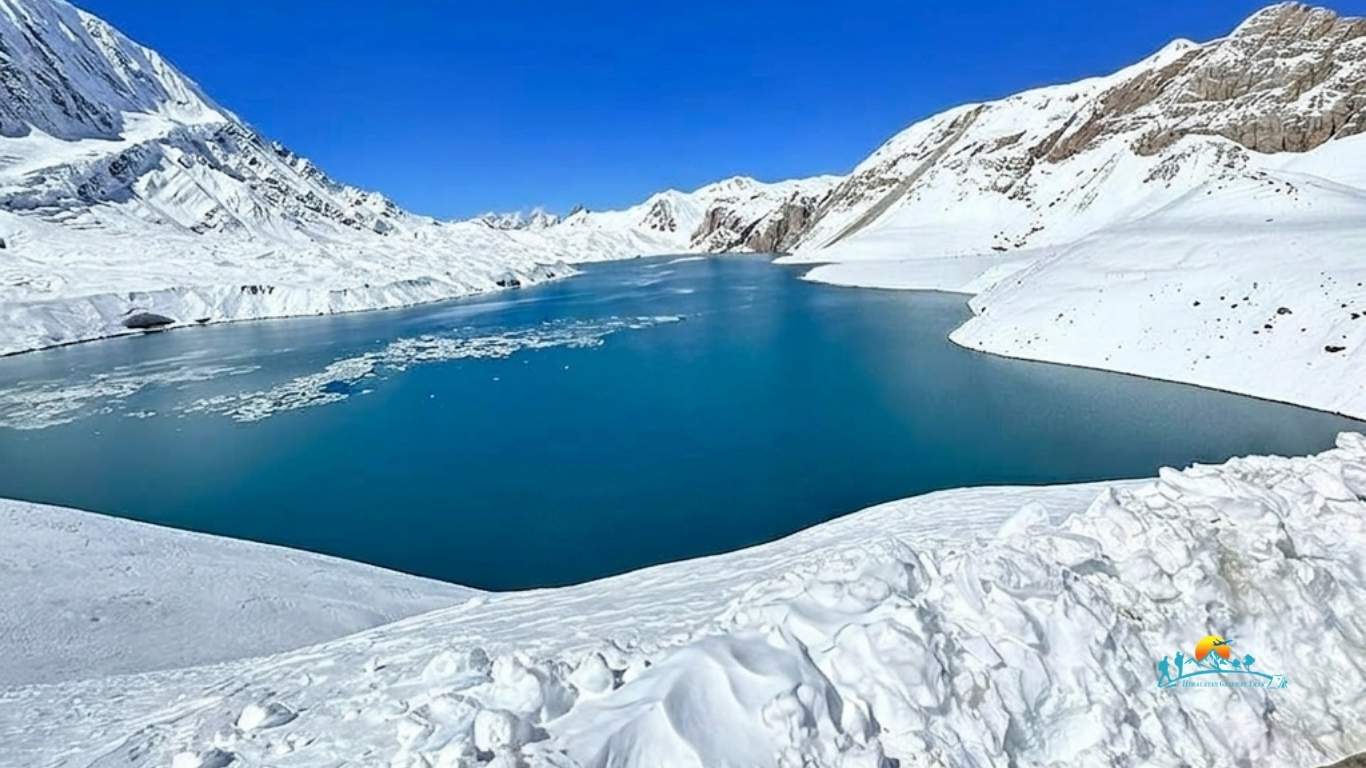
The Tilicho Trek is a side trip from the Annapurna Circuit to one of the world’s highest lakes. It is accessible in summer mostly from the Manang region, where the trail is stable, while lower altitudes are affected by the monsoon. The path to the lake is slippery, steep, and narrow, with slippery rocks, so caution is needed, particularly in the wet season.
Despite the challenges, trekkers still choose this route in summer because of the rare experience of reaching Tilicho Lake. The high-altitude setting and dramatic mountain surroundings make it one of the most unique side trips in Nepal. The trek is moderate to challenging, depending on weather conditions and trail stability.
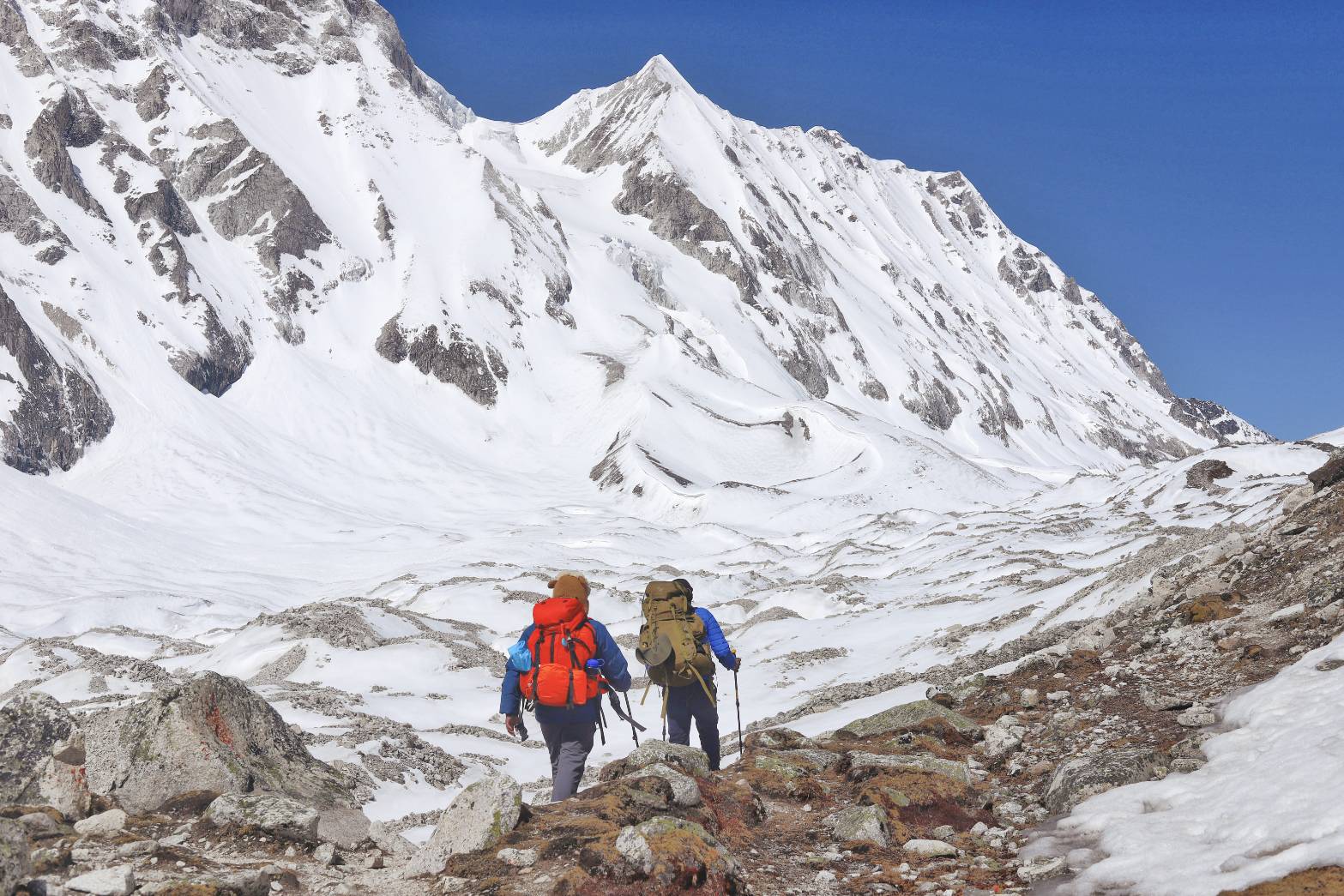
The Manaslu Circuit Trek gets rain in lower forested areas during the summer months, which could make the trails slippery and harder to navigate. But as the trail ascends, the weather settles down, and trekking conditions improve. The higher trails are drier and have a better view than the lower ones.
It’s also considered less crowded than Annapurna, with cultural villages along the way. During monsoons, the trek can be safely done with careful planning and timing. This trek is moderate to difficult, primarily because of the weather effects at lower altitudes.
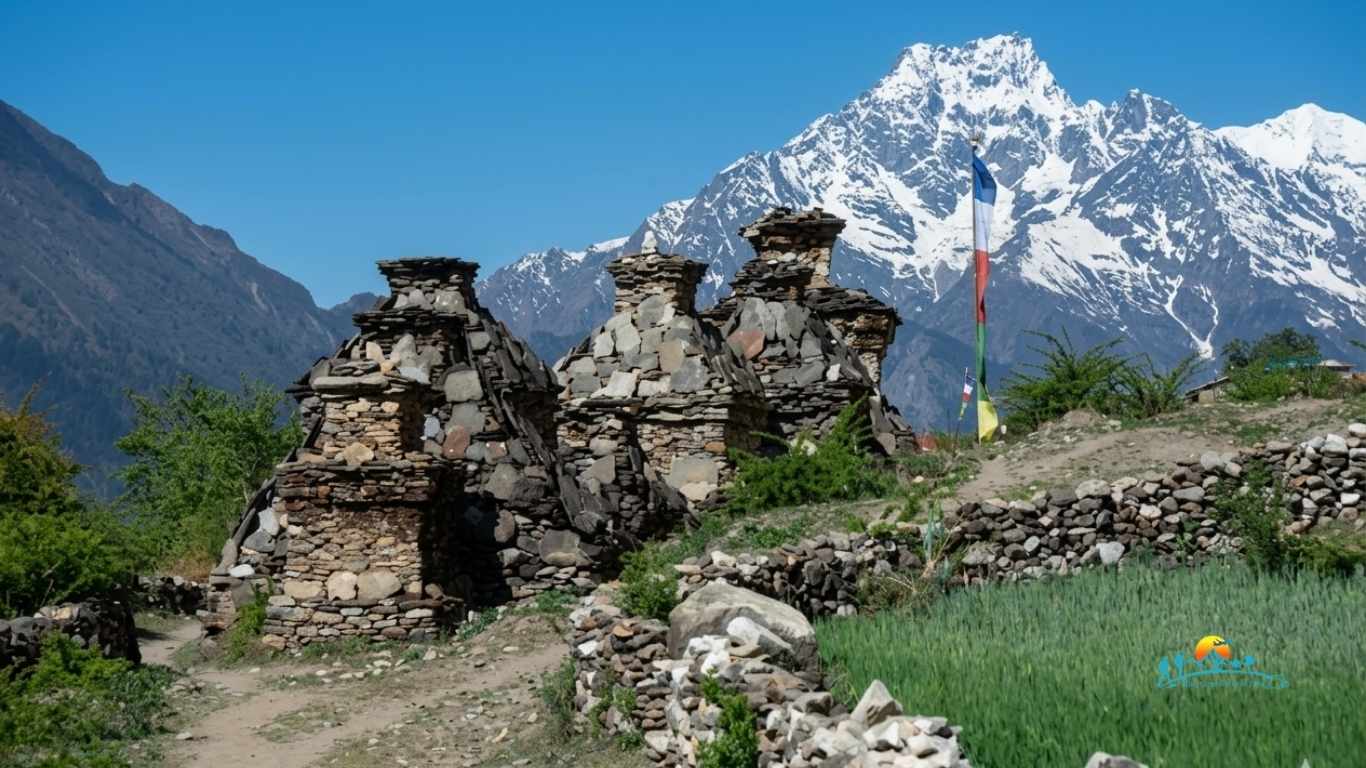
The Tsum Valley Trek is a serene exploration of a remote cultural area that is less visited even in the high tourist season. Rain in summer mostly affects the lower forest trails, which can be slippery at times, but the inner valley remains peaceful and quiet.
The trek leads through ancient villages where life goes on in its ancestral ways. The trek is more about cultural immersion, not weather. It involves visiting monasteries, prayer walls, and traditions. The valley remains peaceful even in the monsoon, and is ideal for slow and cultural trekkers.
The Everest region treks are less suitable during summer compared to rain shadow areas, but they are still possible with proper planning and flexible expectations. Monsoon brings frequent cloud cover, rain in lower valleys, and occasional travel delays, especially at Lukla airport. Even with these challenges, some trekkers still choose this region for its quiet trails and fewer crowds compared to peak seasons.
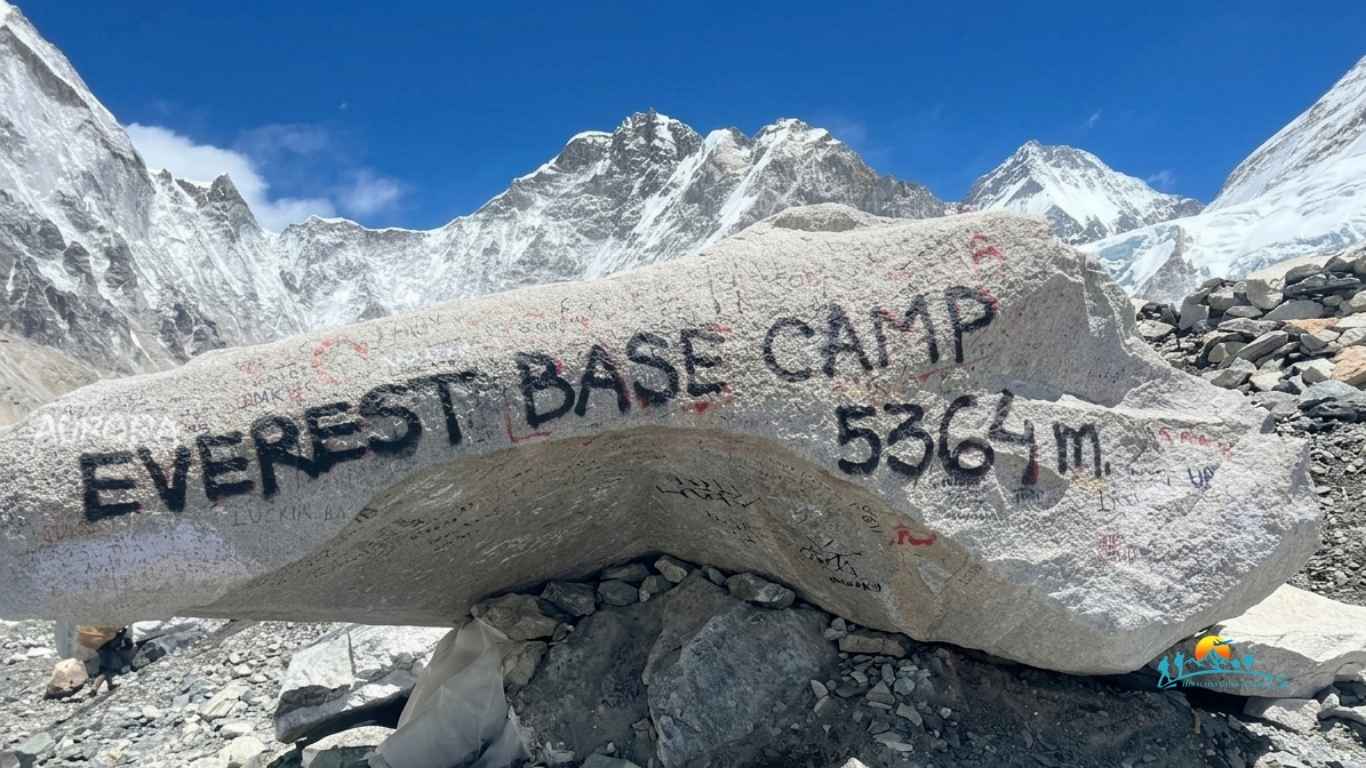
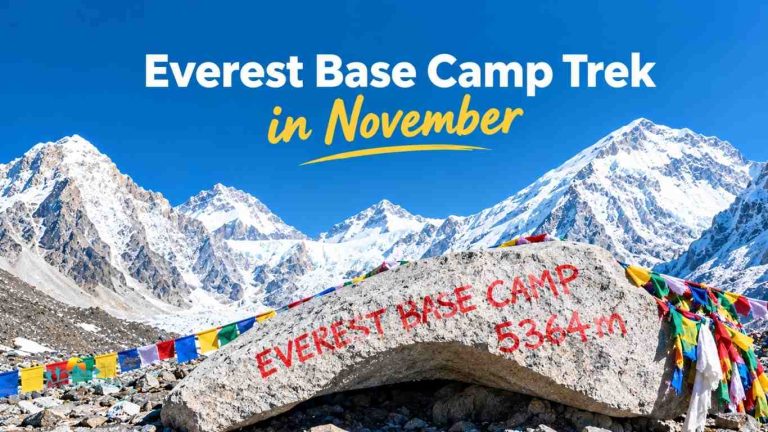
The Everest Base Camp Trek during summer comes with mixed conditions. Lower sections of the trail, especially around Lukla and Namche Bazaar, often receive rain, which makes paths wet, slippery, and slower to walk. Flight delays and cancellations are also common due to changing weather. However, higher sections toward Tengboche, Dingboche, and Everest Base Camp itself can have clearer moments between clouds, offering brief but strong mountain views.
Despite the challenges, many trekkers still choose this season because the trail is far less crowded. You can walk through quieter villages and experience a more peaceful version of the Everest region. The trek is still considered challenging due to weather uncertainty and altitude, but it remains achievable for prepared trekkers who are flexible with timing.
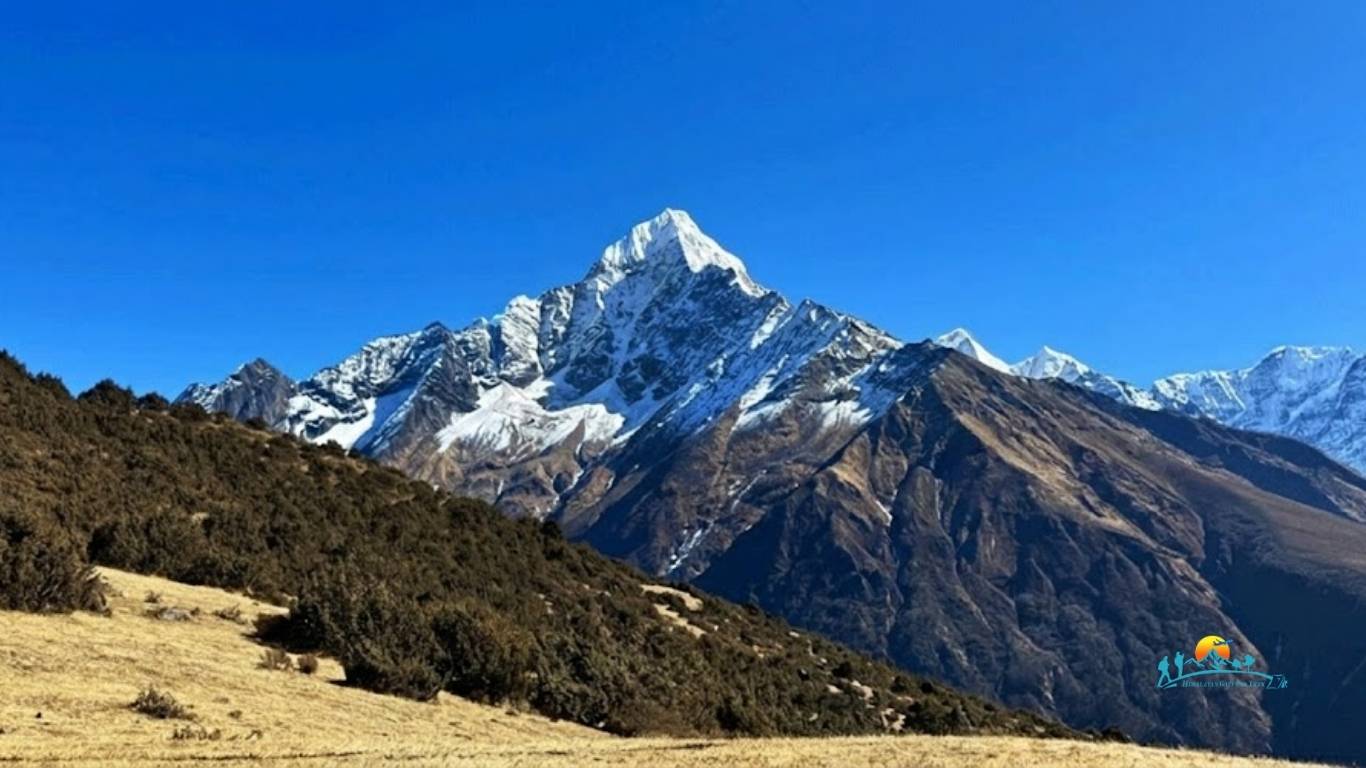
The Everest View Trek is a shorter option for people who are interested in the Everest region but don’t want to embark on a long trek. It typically takes you to locations such as Namche Bazaar and other viewpoints, where you can see limited views of Everest and other peaks.
In summer, the view is often obstructed by clouds, but the occasional clear skies still allow glimpses. It is ideal for those with less time, or seeking a less intense trekking experience. It’s also possible in the monsoon but the trails can be slippery and muddy. It’s an easy way to explore the Everest region without high-altitude trekking skills.

The Everest Gokyo Lake Trek offers stunning views of high-altitude lakes and panoramic mountain views, but in summer, these views may be obscured by clouds. But the lakes are still a huge attraction, with their peaceful blue waters reflecting dramatic surroundings. This route goes through the less-touristy parts of the Everest region, so it’s not as busy as the main route to base camp.
In the monsoon, the trek emphasises landscapes and lakes more than mountains. The weather is unpredictable, so you may have brief periods of mountain views. It is still a moderate to difficult trek (depending on elevation gain and path), but can be achieved with some planning and effort.
A trek becomes suitable for summer in Nepal only when the weather pattern, altitude, and terrain work together to reduce monsoon problems. During June to August, many lower trails become wet, slippery, and blocked by landslides, so not every route is safe or enjoyable. The best summer treks are the ones that naturally avoid heavy rainfall zones and stay stable even during the monsoon season.
In simple terms, summer-friendly treks are not chosen randomly. They are shaped by geography. Some regions sit behind massive Himalayan ranges that block rain clouds, while others climb quickly into dry, high-altitude zones where monsoon impact is very low.
A trek is suitable for summer when:
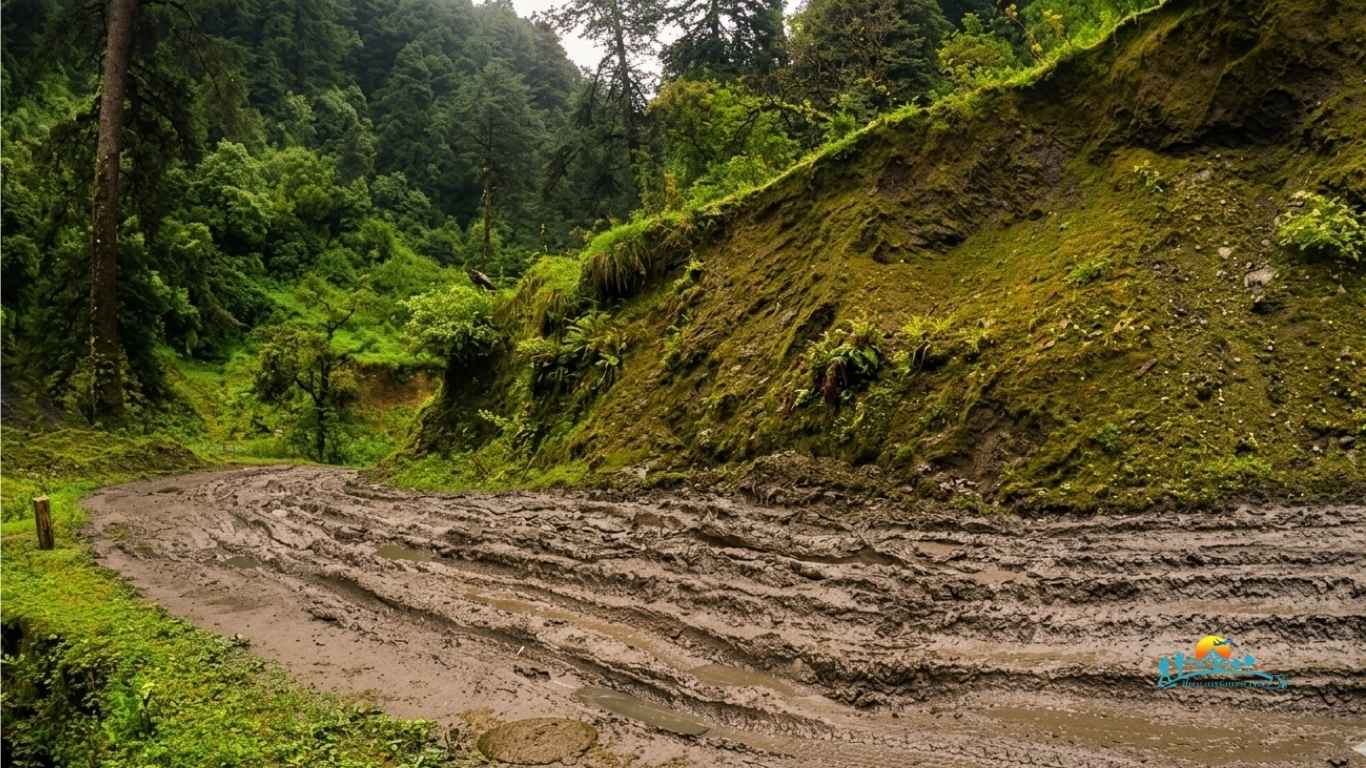
Nepal’s summer treks are more fun and easier than winter treks, but they also have conditions that impact your hiking performance and comfort. In the monsoon season, trails are dynamic due to constant rainfall, humidity, and slippery conditions. Even established trekking paths are different in spring and fall.
You’ll need to adjust to slower trekking some days and be more careful about staying safe on the trail in forest and hillside sections. The weather may change hourly, so expect to be adaptable.
Challenges Trekkers will face:
Summer trekking in Nepal works best when you adjust your daily routine to the weather pattern. Rain usually becomes stronger in the afternoon, while mornings stay clearer and more stable for walking. Planning your movement and packing with this in mind makes a big difference in comfort and safety.
Small decisions like starting early or choosing the right trail can prevent unnecessary delays and difficult situations on muddy paths.
Not many people consider trekking in Nepal during the summer because they prioritise the spring and autumn seasons, where visibility is better. This tendency results in overcrowding and limited availability on the most popular trails. But there are unique opportunities in summer that have more to do with route choice.
Experienced trekkers know that the geography of Nepal provides dry trails even during the monsoon, which transforms the trekking experience. These trails are less crowded, more intimate and peaceful than peak-season routes. Depending on your route, summer is one of the quietest seasons to hike in the Himalayas.
Upper Mustang and Dolpo are premier choices because they lie in the Himalayan rain shadow. These regions avoid heavy monsoon rains, offering dry trails, unique Tibetan-influenced culture, and clear mountain views when other routes are wet and muddy.
Focus on rain-shadow regions like Mustang, Dolpo, or the Nar Phu Valley. These areas remain relatively dry despite the monsoon. Alternatively, short treks near Pokhara or Kathmandu offer lush greenery, though you should always prepare for occasional rain showers.
While subjective, the Annapurna Base Camp trek is frequently cited for its amphitheater views. However, Upper Mustang’s “Forbidden Kingdom” offers a stark, desert-like beauty that is incomparable, especially during the summer when the unique rock formations are most visible.
Summer trekking offers peaceful, traffic-free trails and a wide choice of accommodations. You won’t have to share rooms with many fellow travelers, and the lush, rain-washed landscapes provide a vibrant, unique perspective of the Himalayas that peak seasons lack.
Yes, EBC is possible in summer, but hikers must maintain a flexible schedule. While the mountains are green and lively, lower-altitude rain can cause flight delays to Lukla. Once higher up, the views remain stunning despite occasional cloud cover.
Upper Mustang lies in the rain-shadow area of the Dhaulagiri and Annapurna ranges. This means it receives very little rainfall during the monsoon, offering dry trails, clear blue skies, and a unique desert-like landscape inspired by Tibetan culture.
The Upper Mustang Trek is the premier choice for beginners during summer. Located in the rain shadow, it offers dry, moderate trails and unique Tibetan culture. Lower Mustang and the Ghorepani Poon Hill trek also provide manageable, lush landscapes.
The Phoksundo Lake trek is an ideal short summer option, taking seven to nine days to reach Nepal’s deepest turquoise lake. Alternatively, the Mardi Himal and Langtang Valley treks offer quick, lush escapes with stunning mountain vistas within a week.
Nepal is generally very safe for solo travelers. Since 2023, however, the government requires trekkers to be accompanied by a licensed guide on most routes. This regulation enhances safety, provides cultural insights, and ensures you never get lost on remote trails.
Prioritize high-quality waterproof gear, including a sturdy jacket, pack cover, and gaiters to ward off leeches. Moisture-wicking clothing is vital to stay dry from sweat in the humid air, and trekking poles help navigate slippery, muddy forest paths.
Upper Mustang and Dolpo are top summer destinations as they remain dry during the monsoon. For leisure, Pokhara offers vibrant, lush scenery and powerful waterfalls, while Nagarkot provides fresh air and clear morning mountain views after refreshing summer rains.