Best Time to Visit Nepal: Weather, Seasons, and Month-by-Month Guide
October to November and March to April are the best time to visit Nepal for clear mountain views and trekking,…
 Himalayan Gateway Trek - On
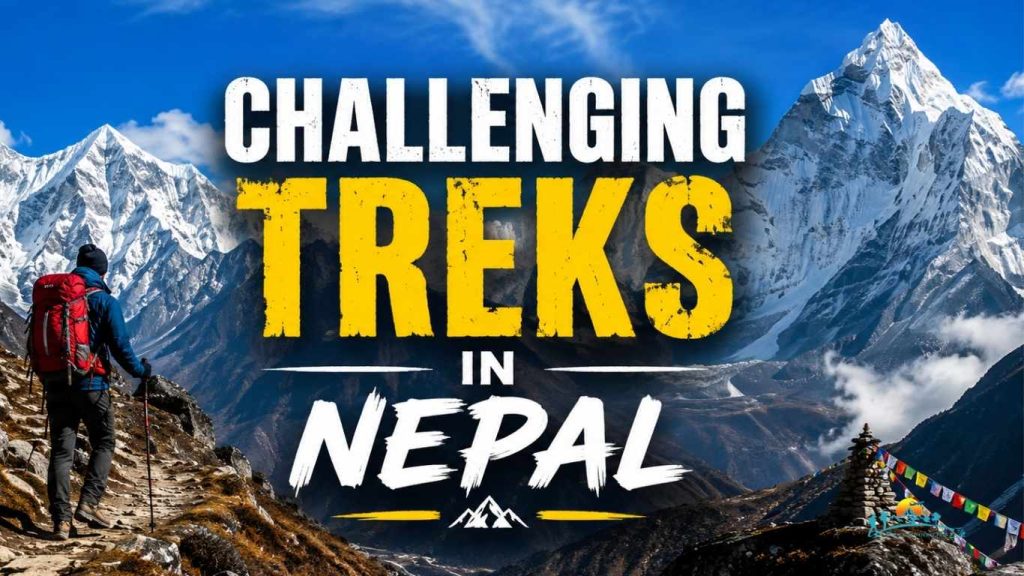
 Some of the most difficult trekking trails in the world are located in Nepal. These are strenuous and challenging trips, with long, hard days and in high passes, thin air and remote valleys. There are some other popular trekking routes that test even the most hardcore of trekkers beyond their comfort zone, while popular ones like Everest Base Camp are visited thousands of times annually.
There are many Challenging Treks in Nepal, but those who plan well will be rewarded. Every difficult step is worth the effort of a snow-covered pass, ancient villages, hidden valleys and close views of some of the highest mountains in the world. Some routes call for a week-long camping experience and others have high passes above 5000m. Some require prior experience in high elevation and lots of endurance.
For the hardcore adventurer, this post lists of challenging Treks in Nepal and why you should put them at the top of your bucket list.
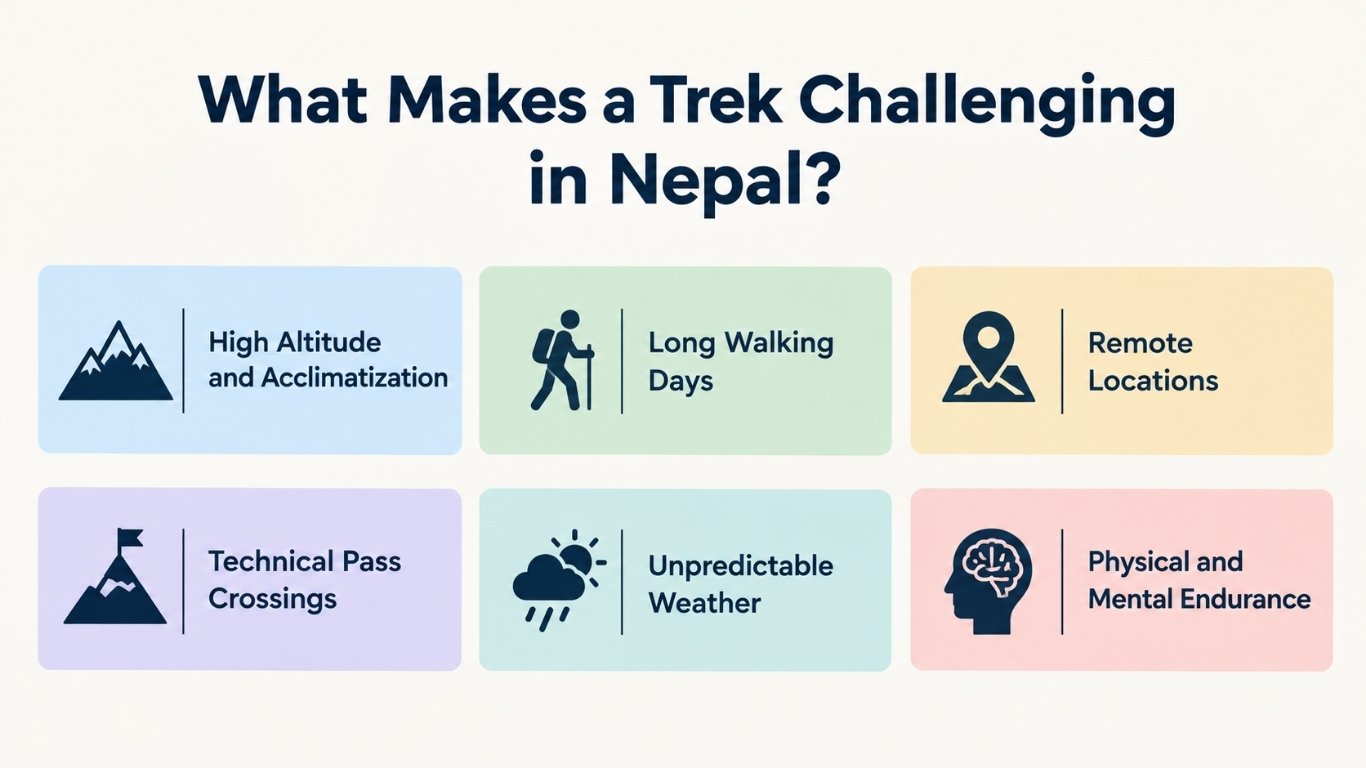
Several factors make a trek easy or hard. The difficulty is not just determined by how high up it is. Remoteness, terrain, weather and distance are also important considerations.
One of the major challenges on the Himalayan trails is high altitude. As you ascend to higher altitudes, air pressure and the partial pressure of oxygen decrease, making breathing and physical activity more difficults.
Routes crossing passes above 5000 m require proper acclimatization require careful acclimatization and proper planning. Trekkers can still suffer from Acute Mountain Sickness if they do not take the necessary rest periods.
Common symptoms include:
Many challenging walks require 6-9 hours of walking per day. Time on certain sections can be 10 hours or more, particularly when traversing mountain passes.
Very steep climbs and descents require good stamina and exertion.
The roads, hospitals, and communication facilities are often lacking in remote areas. Evacuation may get complicated during emergencies. Even today, many places like Upper Dolpo and Limi Valley are isolated.
These are areas where supplies are limited and trekkers need to be well prepared before entering.
Some of these trekking routes involve snowy passes, loose rocks and glaciers. Care must be taken in these sections, and a good balance must be maintained.
Popular high passes include:
The weather is rapidly changing in the Himalayas. It can snow or be windy in the morning and turn sunny by the afternoon.
The best times are autumn (September to November) and spring (March to May).
Difficult treks test patience as much as fitness. Weeks away from modern comforts, basic accommodation, and changing weather conditions can affect motivation.
Strong determination often becomes just as important as physical strength.
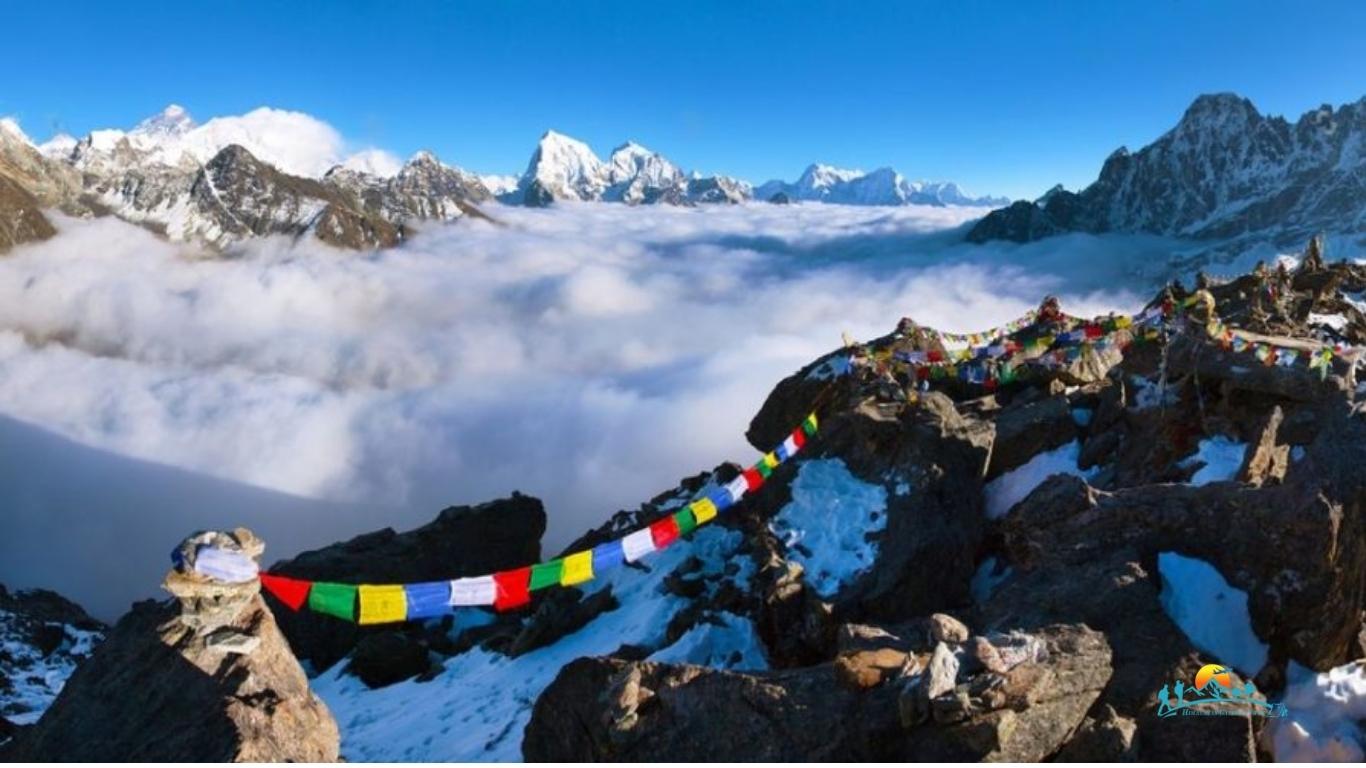
Everest Three High Passes Trek is one of the challenging treks in Nepal, as it combines three difficult passes with the Everest Base Camp trek. The high-altitude trek takes almost three weeks, and acclimatization is essential for a safe trek.
The route crosses Kongma La Pass (5,535 m), Cho La Pass (5,420 m), and Renjo La Pass (5,360 m). These passes are steep, rocky and can be seven to nine hours long, with long walking days. The frigid weather and shifting conditions make it even harder.
While physically challenging, the results can be quite amazing. While enjoying panoramic views of Everest, Lhotse, Makalu and Cho Oyu, trekkers visit Everest Base Camp, Kala Patthar and the beautiful Gokyo Lakes. The traditional Sherpa villages and the old monasteries give cultural values to it.
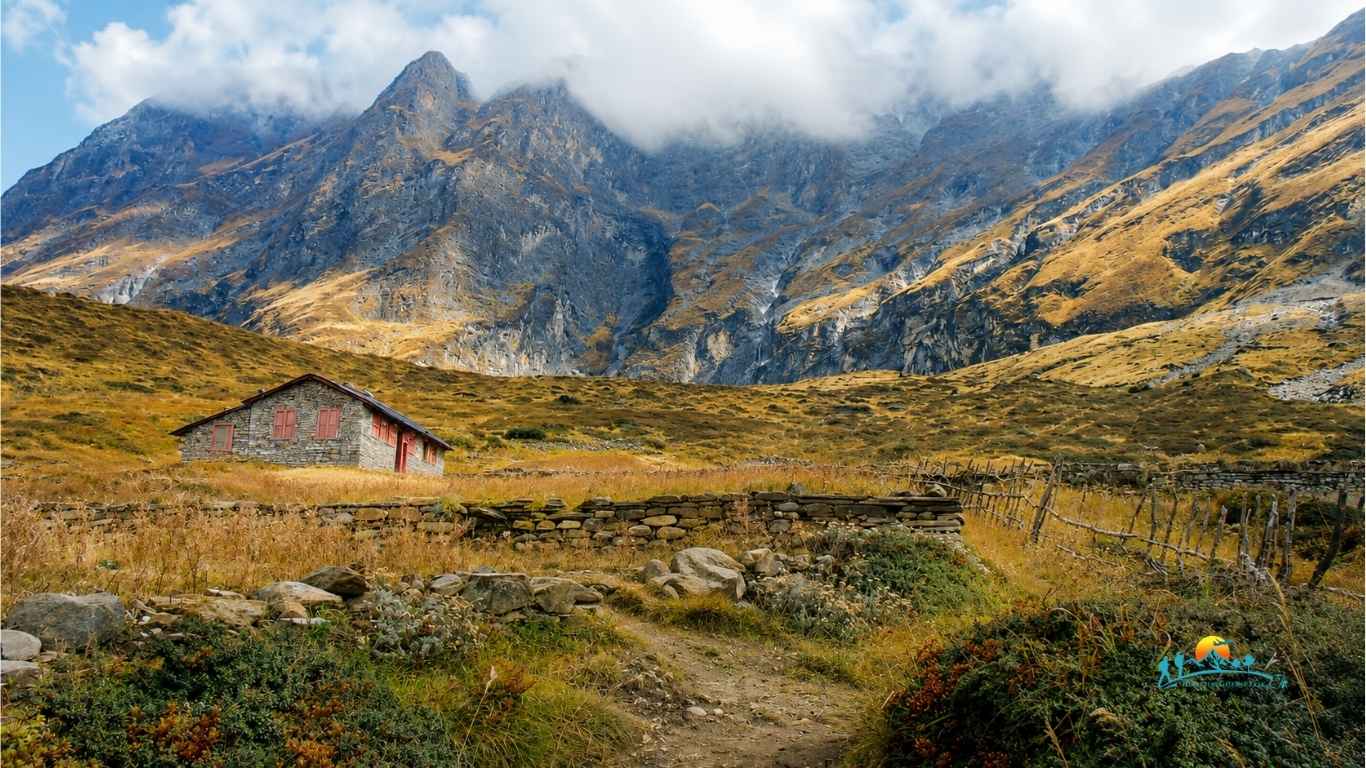
The Dhaulagiri Circuit Trek is one of the most challenging treks in Nepal, with its remote location and high passes. The trail is less crowded than the popular Everest and Annapurna trails, and serves as a more secluded route.
The hike peaks at 5,360m and passes through French Pass and Dhampus Pass. It involves glacier sections, some serious climbing and multiple days of high elevation camping. This hike is physically challenging in part due to the lack of facilities and uneven terrain.
The trek includes Hidden Valley and Dhaulagiri Base Camp, and the glaciers are a spectacular feature. Every hard climb is made worth it by the spectacular vistas of Dhaulagiri I and other peaks. The landscapes alternate between forests, villages and bare alpine areas.
The optimum time to take this hike is spring or fall. The route is a challenging one and previous high altitude experience and endurance are highly recommended.
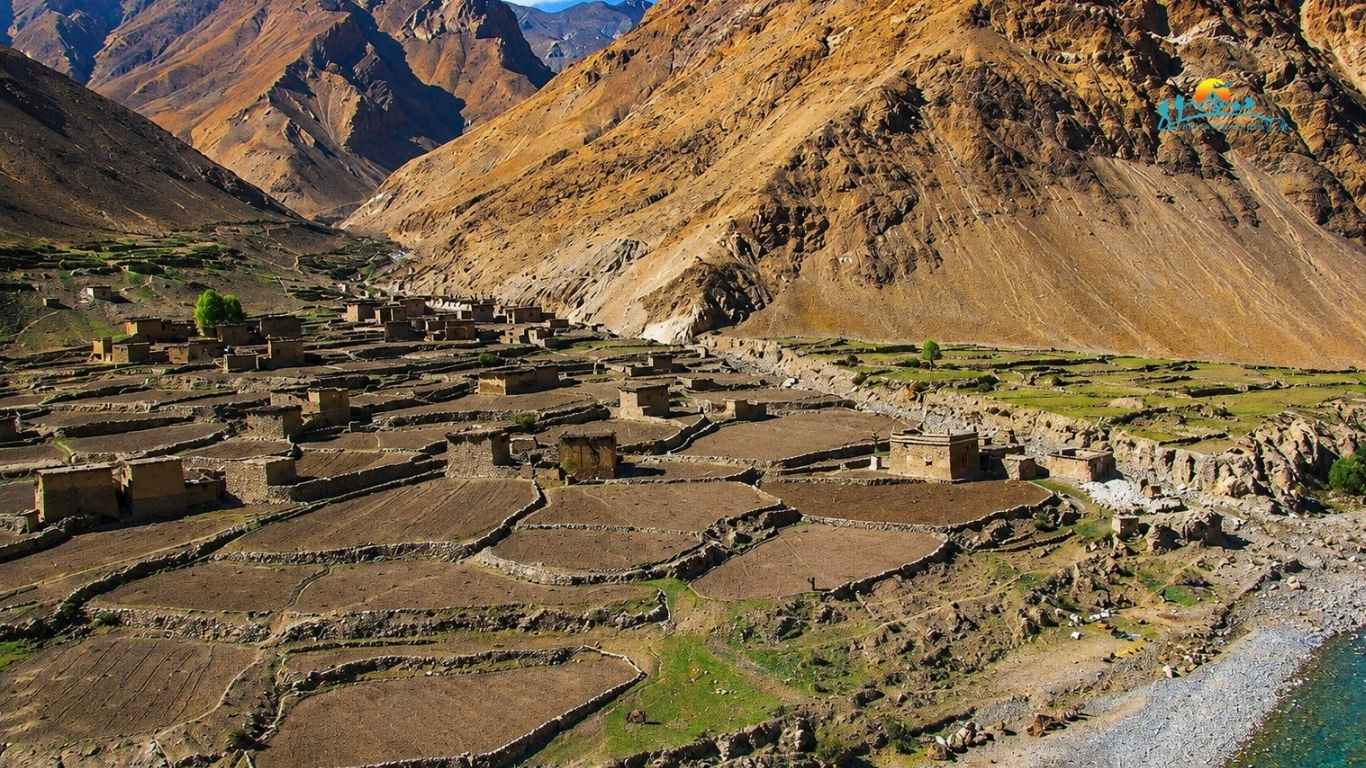
Upper Dolpo is one of the most remote and culturally rich regions of trekking in Nepal. Isolation and length make it one of the more difficult hikes for those wanting a real Himalayan adventure. Much of the path has not been disturbed by development.
Trekkers take over three weeks to traverse the high passes like Kang La, Sela Pass and Jeng La Pass. Limited food options, basic accommodation, and the fact that they need to walk a lot during the day make them a challenge. Several areas remain campable.
The highlight is the beautiful Shey Phoksundo Lake, which is well known for its clear turquoise waters. It’s a very special trip as you get to visit ancient monasteries, learn about Tibetan culture and maybe even see the wildlife like blue sheep and Himalayan griffons.
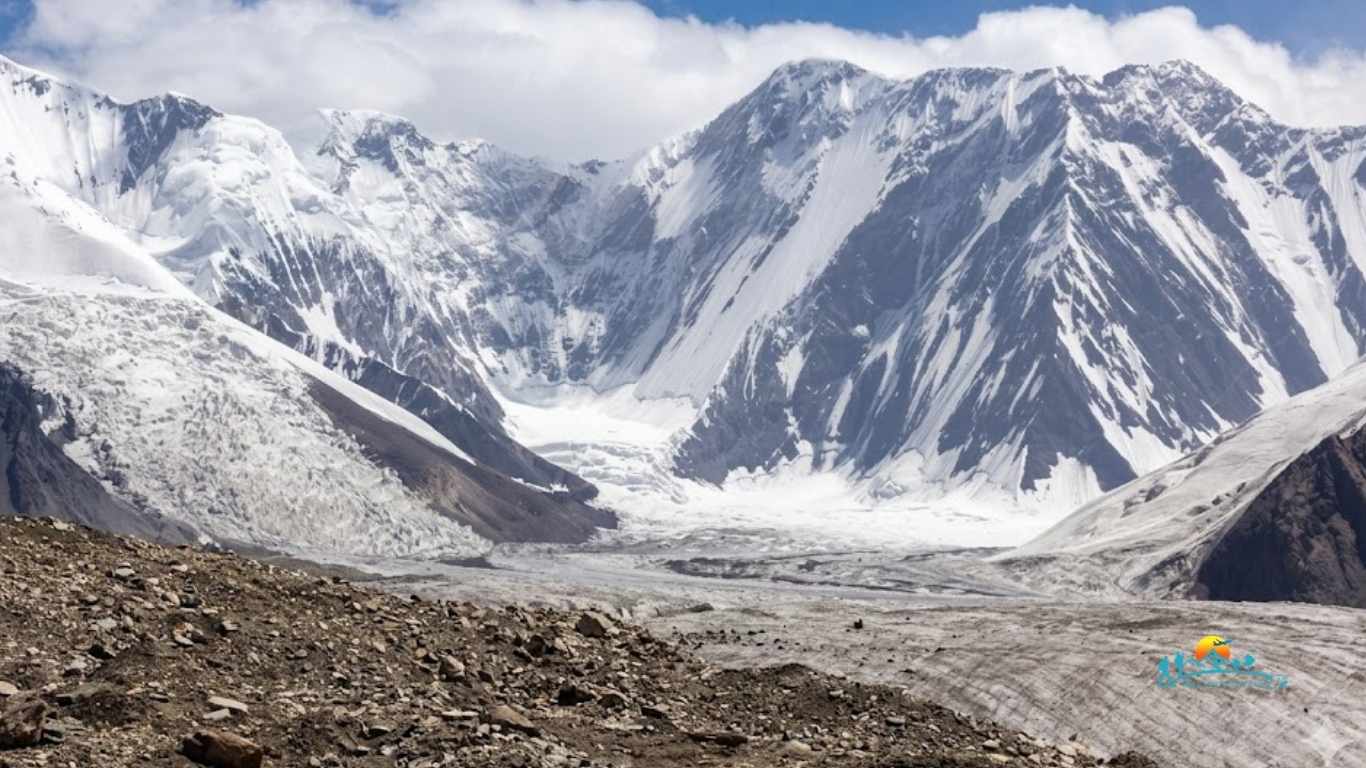
The Kanchenjunga Trek brings the trekkers into one of the least-visited mountain regions of Nepal. This trail is physically demanding due to the long distance and remote location, but it’s a quiet hike with fantastic views.
The trail goes through forests, alpine meadows and traditional villages, leading to Kanchenjunga North Base Camp and South Base Camp. For several weeks, trekkers stay in remote areas with basic amenities and living quarters.
These mountains include Kanchenjunga, Jannu and Kabru Mountains that form some of the best mountain views in eastern Nepal. Rai and Limbu villages provide an opportunity to learn about the local culture outside the trek mass tourism circuit. Add more variety to the landscape with Rhododendron forests and glaciers.
This hike is for those looking for a longer hike and less crowded trails! This is a high-elevation and rocky trek, so previous hiking experience and fitness is helpful.
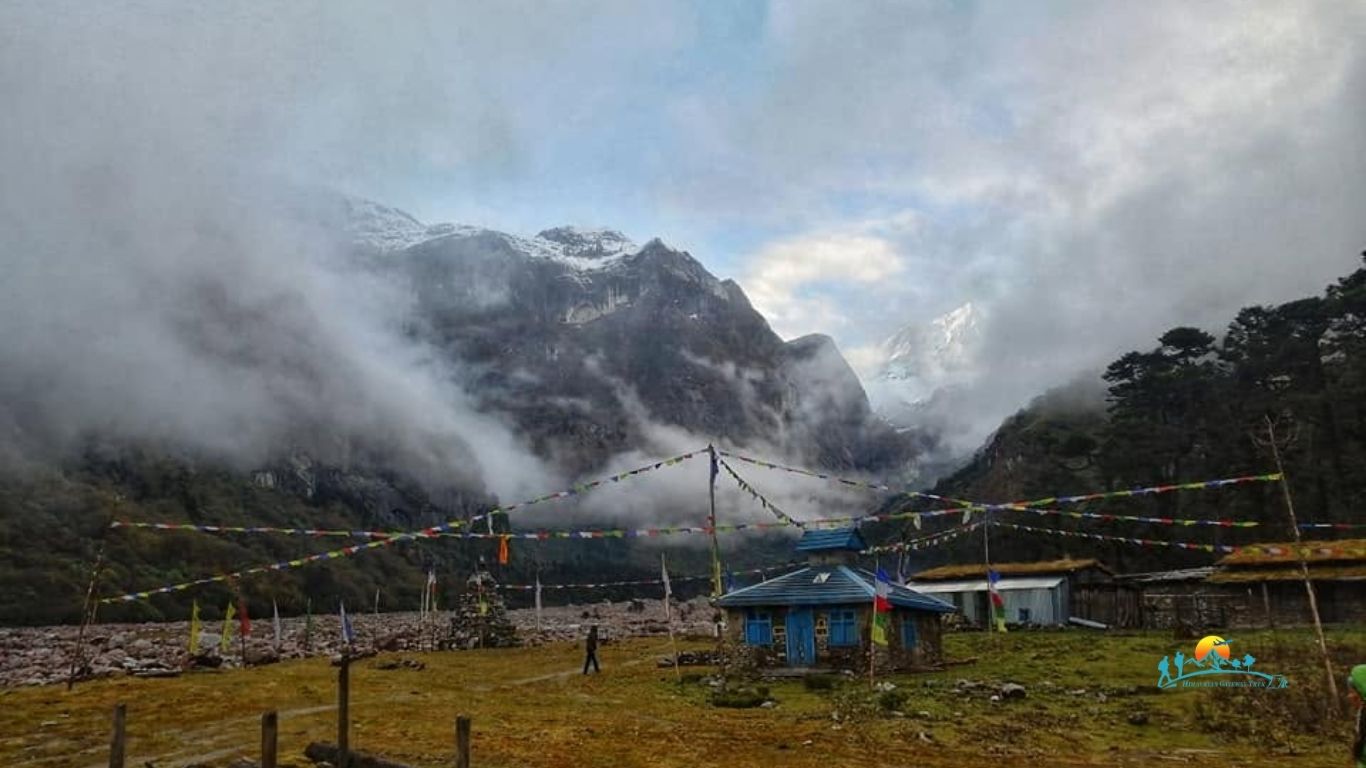
Overall, the Makalu Base Camp Trek is a challenging trek with amazing mountain scenery. It is situated near the Everest region, but it attracts comparatively lesser number of tourists and gives a tranquil trek.
The trekkers slowly ascend through forests and river valleys and rocky tracks till they reach Makalu Base Camp at 4870m. Good physical fitness is required, along with taking it easy and walking for long periods of time, particularly on steep climbs or narrow paths.
The other main attraction is the beautiful Barun Valley, which is home to a wide variety of flora and fauna. Trekkers can enjoy wonderful vistas from base camp to Makalu, Everest, Lhotse, Chamlang and Baruntse. The dramatic scenery makes the effort worthwhile.
This route is ideal for experienced hikers looking for solitude and wilderness. Strong endurance and previous trekking experience help trekkers handle the demanding conditions and changing terrain comfortably.
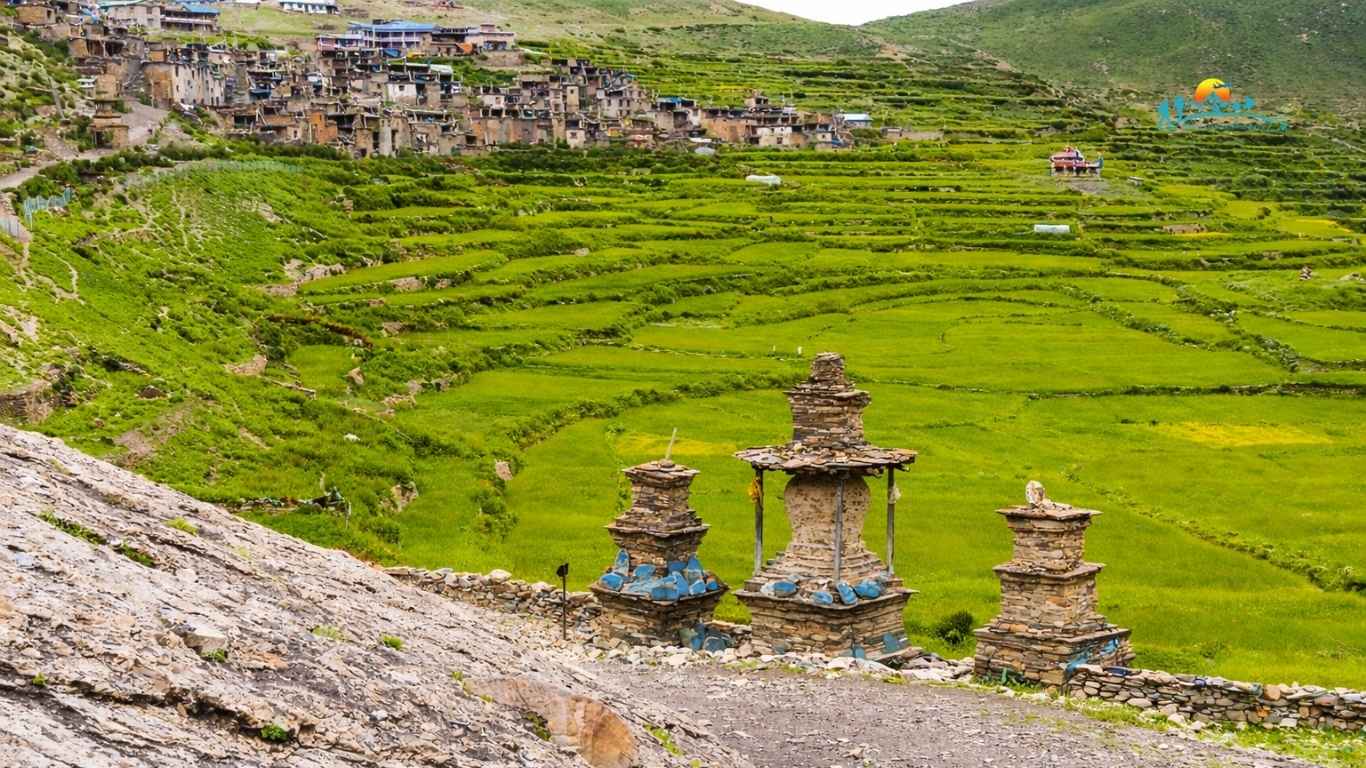
The Nar Phu Valley trek is an ideal fusion of remoteness, ancient culture, and high altitude adventure. This area was behind the Annapurna range and was closed to foreign visitors until 2003 preserving its traditional Tibetan way of life.
The path reaches its highest point of 5,320 metres at Kang La Pass, one of the main difficulties of the trek. Trekkers traverse isolated villages, narrow canyons, and barren valleys, and face the challenge of thin air and steep inclines. Walking can be as much as 6 or 8 hours a day.
The journey is very rewarding and rich in ancient monasteries, stone-built villages and spectacular views of Annapurna II, Gangapurna and Tilicho Peak. The Nar and Phu villages preserve long-standing Tibetan-influenced traditions, stone architecture, monasteries, and local ways of life.
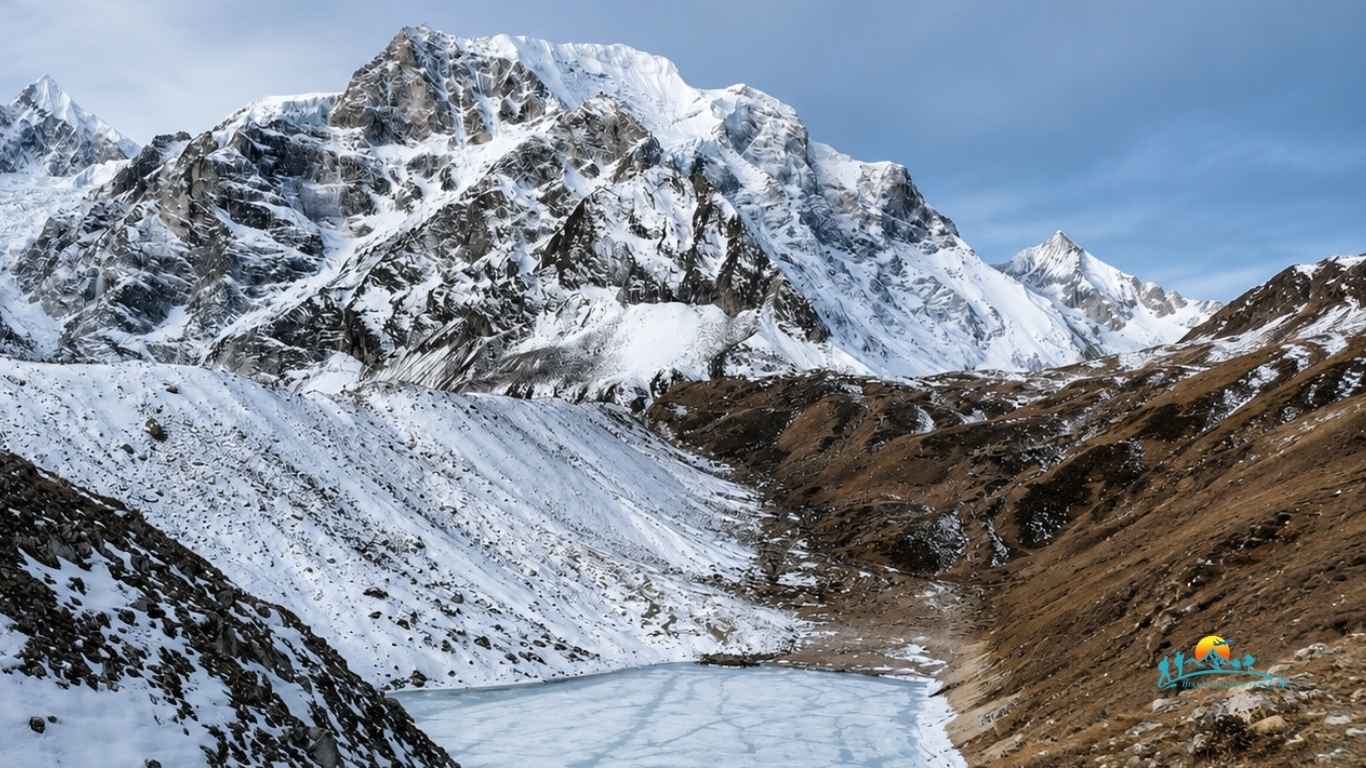
With its dazzling landscapes and lesser-traveled trails, the Manaslu Circuit Trek has emerged as one of Nepal’s top adventure treks. The trek winds around the tallest of the eighth highest peaks in the world (Mount Manaslu), and is an excellent site for culture.
The most challenging part of the trek is Larkya La Pass at 5,106 m. Regular gains in altitude, variable weather conditions and exhausting days call for proper acclimatization and good physical preparation. The trek commonly takes around two weeks, although the exact duration varies by itinerary and acclimatization schedule.
The trail takes you through traditional villages where one can be found Gurung and Tibetan communities. Constantly changing scenery of dense forests, suspension bridges, waterfalls and snow-covered peaks. The highlights of the journey are still Manaslu, Himlung Himal and Cheo Himal views.
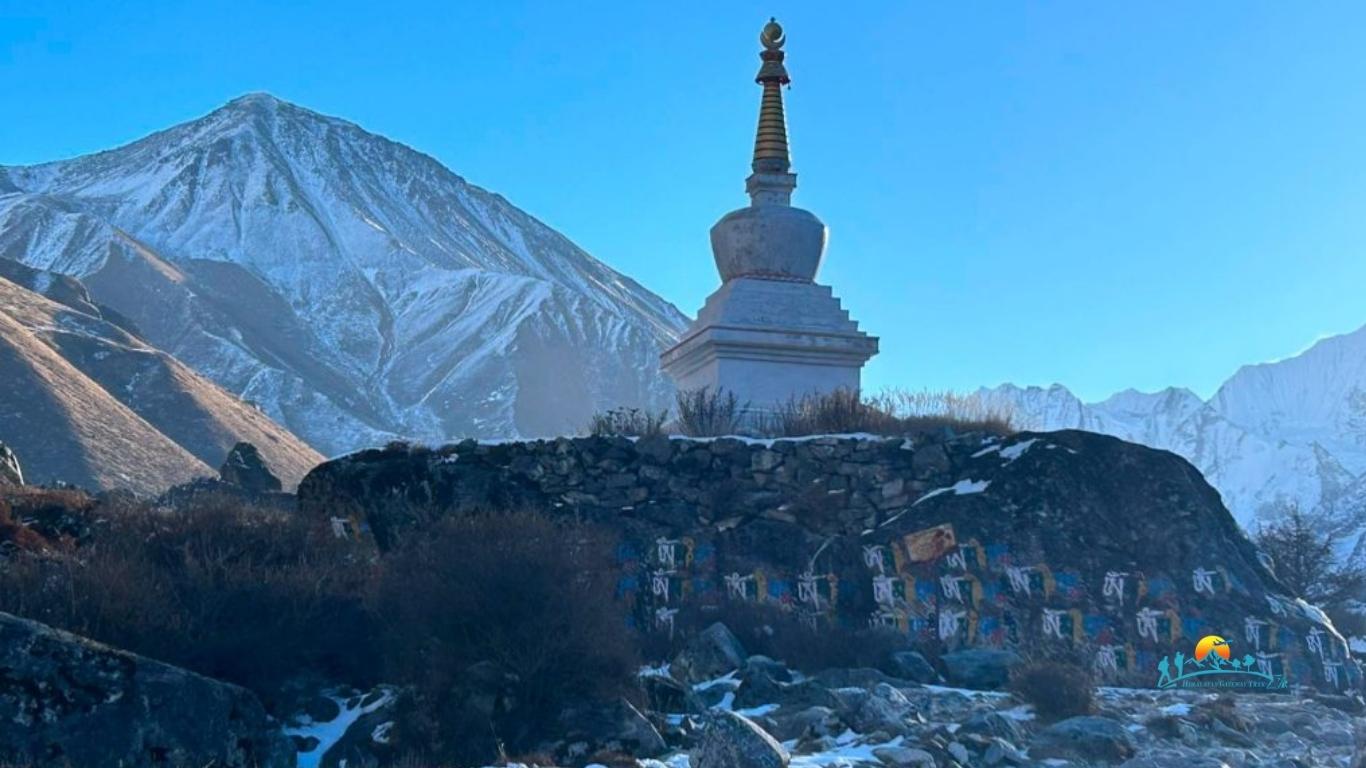
The Ganja La Pass Trek is one of the challenging treks in Nepal which lies in the Langtang region. The steep, hilly slopes and remoteness of the sections make it much more challenging than the much more popular Langtang Valley Trek.
The most difficult part of the trekking is crossing Ganja La Pass (5,122 metres). This can be physically demanding due to snow, loose rock and challenging descents. The difficulty level can often be very much dependent on the weather.
Along the way the trekkers can see beautiful forests, traditional Tamang villages and yak pastures. The pass offers views of Langtang Lirung, Dorje Lakpa and the surrounding peaks. This is a quiet place with many hikers looking for isolation.
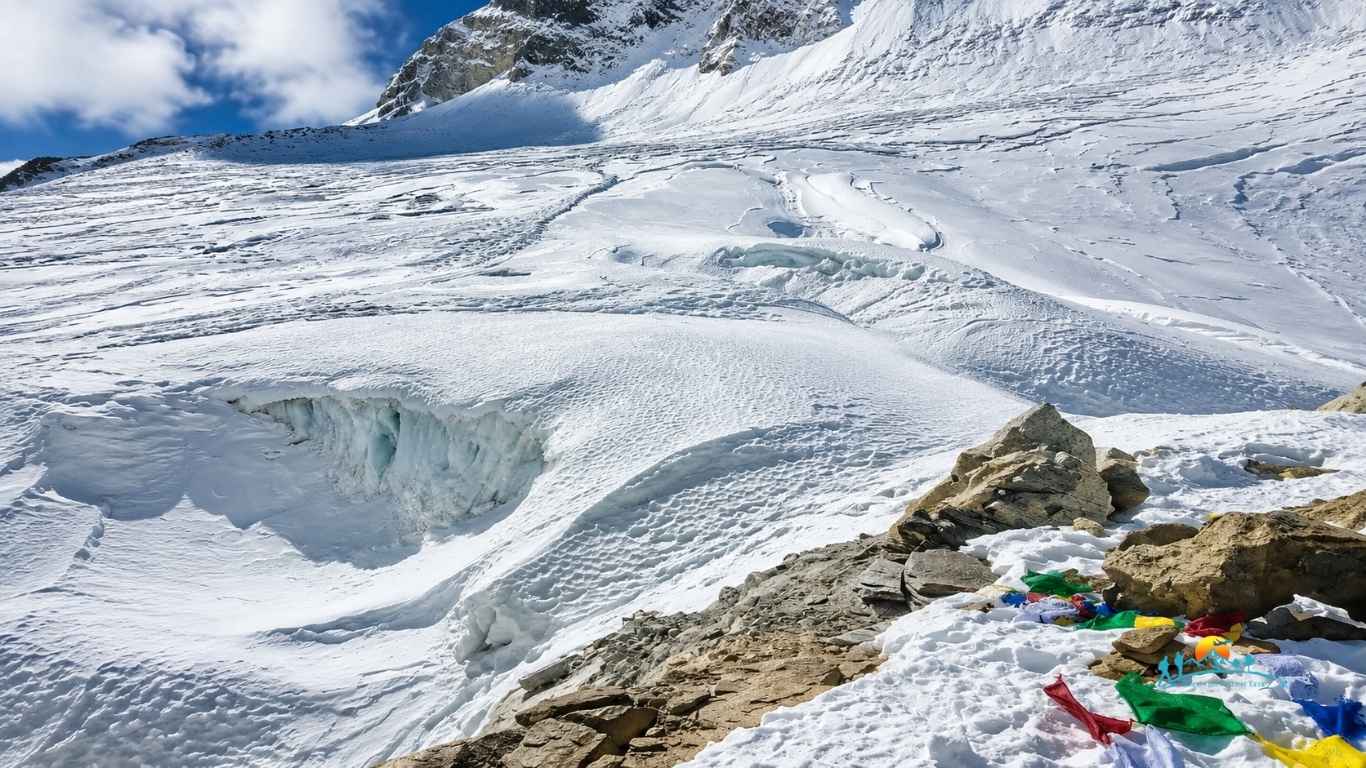
Rolwaling Valley and Tashi Lapcha Pass Trek is one of the most challenging treks in Nepal of high altitude. This is a trek to connect the Rolwaling region with the Everest area via one of the country’s highest trekking passes.
Tashi Lapcha Pass is at 5755m and is only suitable for fit hikers. Rocky paths, glacier portions and steep climbs are the challenges trekkers must endure, and they become more challenging as they ascend. Basic facilities and rugged topography make it difficult.
The beautiful Rolwaling Valley remains one of Nepal’s hidden treasures. Ancient monasteries, glacial lakes, and spectacular views of Gaurishankar create unforgettable memories. Compared to the Everest region, very few trekkers visit this area each year.
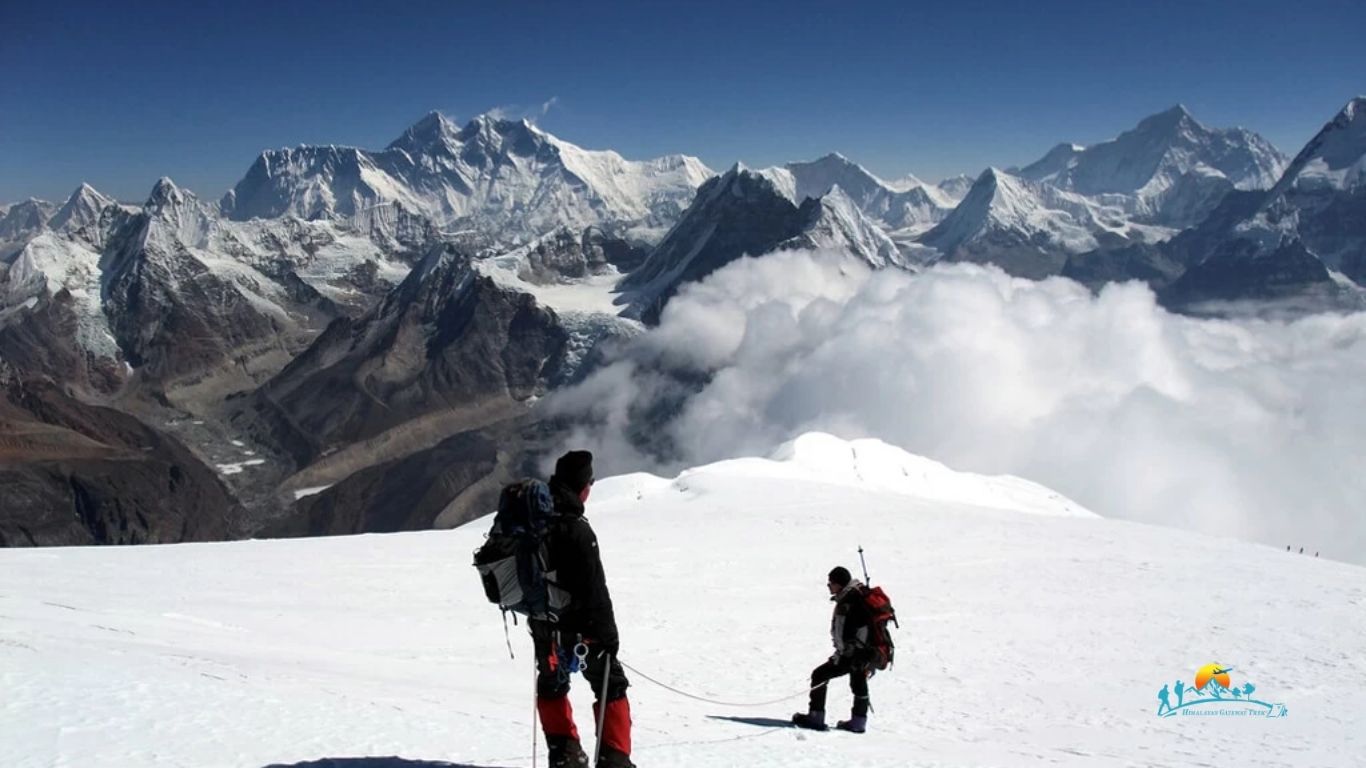
Amphu Lapcha Pass Trek is one of the challenging treks in Nepal. This is a high pass that is not only physically demanding, but also requires a certain level of mountaineering skills.
The pass reaches an elevation of 5,845 meters and connects the Everest and Makalu regions. Snow-covered slopes, glaciers, and technical sections make the crossing more demanding than most standard trekking routes. Ropes may be necessary in certain conditions.
The trekkers get an extra special view of Everest, Lhotse, Island Peak, Ama Dablam and Makalu. The trail includes remote valleys, glacial scenery and areas that are not heavily visited by tourists. The view is one of the best among the Himalayas.
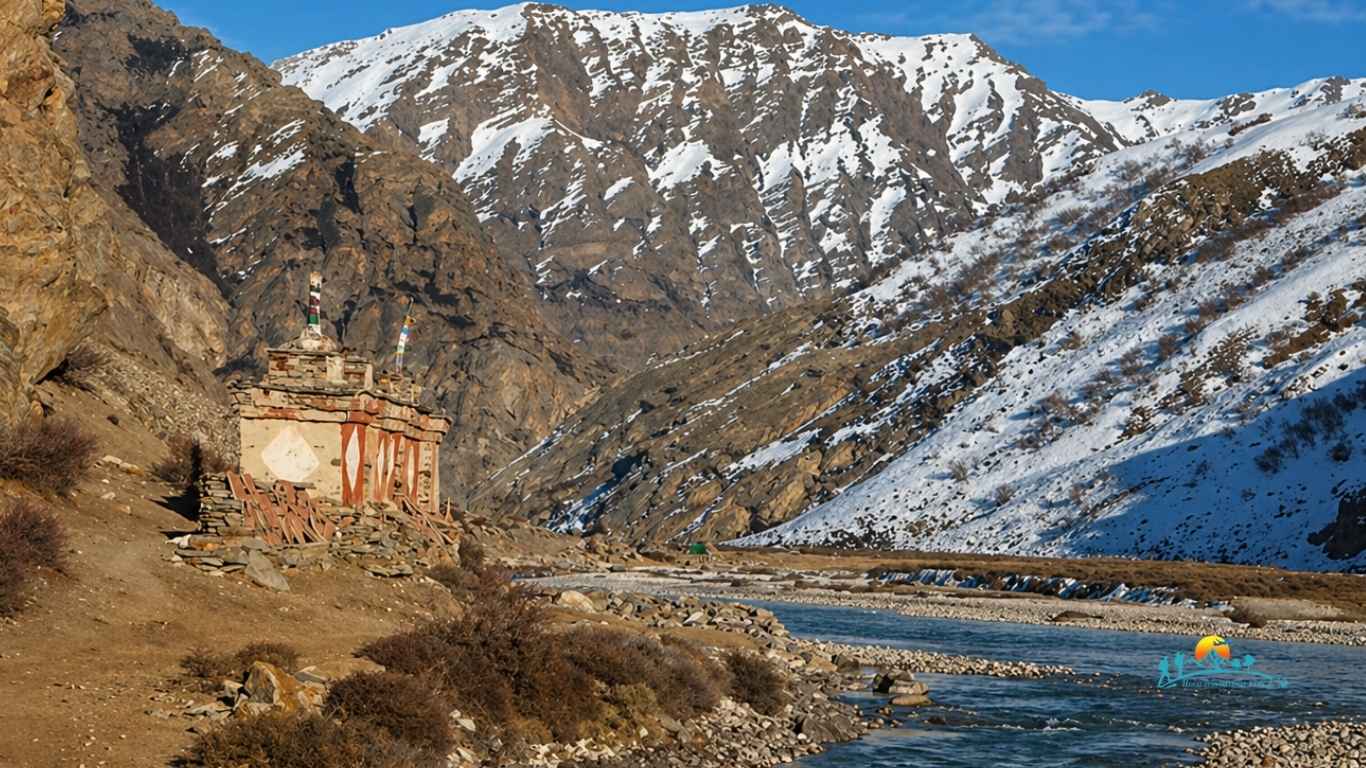
The Limi Valley Trek is one of the most remote challenging treks in Nepal of western region and is designed to be a journey into the past. This journey is a remote route and is not as heavily visited by tourists as the other routes at the Tibetan border.
It takes about three weeks and several high passes above 5000m. The commute is strenuous and there is poor infrastructure. On the trail, trekkers may go days without encountering another trekker.
The valley is still full of traditional Tibetan culture. The unique atmosphere is formed by the ancient monasteries, the prayer walls and stone villages. Numerous opportunities for photography, with wide valleys and impressive scenery. Limi Valley is a perfect destination for those who seek solitude and cultural experiences.
To undertake this tough trip you need patience, fitness and a desire for the far horizons.
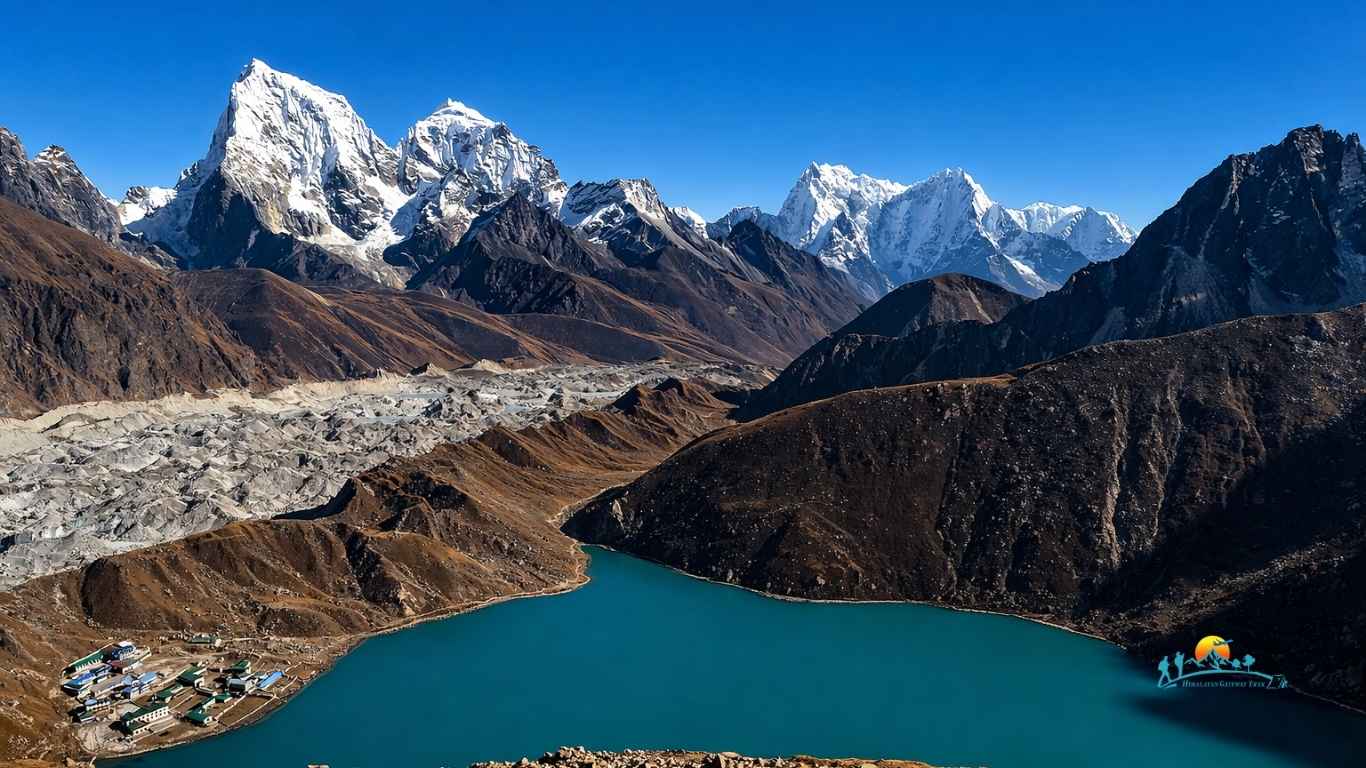
The Gokyo Lakes and Cho La Pass route to Everest Base Camp is an alternative route to the Everest Base Camp trek that is more challenging.
Cho La Pass is an extra addition that gives an extra distance and more physical challenge. Cho La Pass is 5,420m high and is usually snow-covered and icy. It is important to cross the pass with caution and be familiar with the terrain. Trekkers are also spend several days above 4500m where altitude could be a serious factor.
The trek encompasses many of the best sights of the Everest region. Enjoy the beautiful scenery of Gokyo Lakes, Ngozumpa Glacier, Everest Base Camp and Kala Patthar. There are fewer people around Gokyo, so it’s quieter.
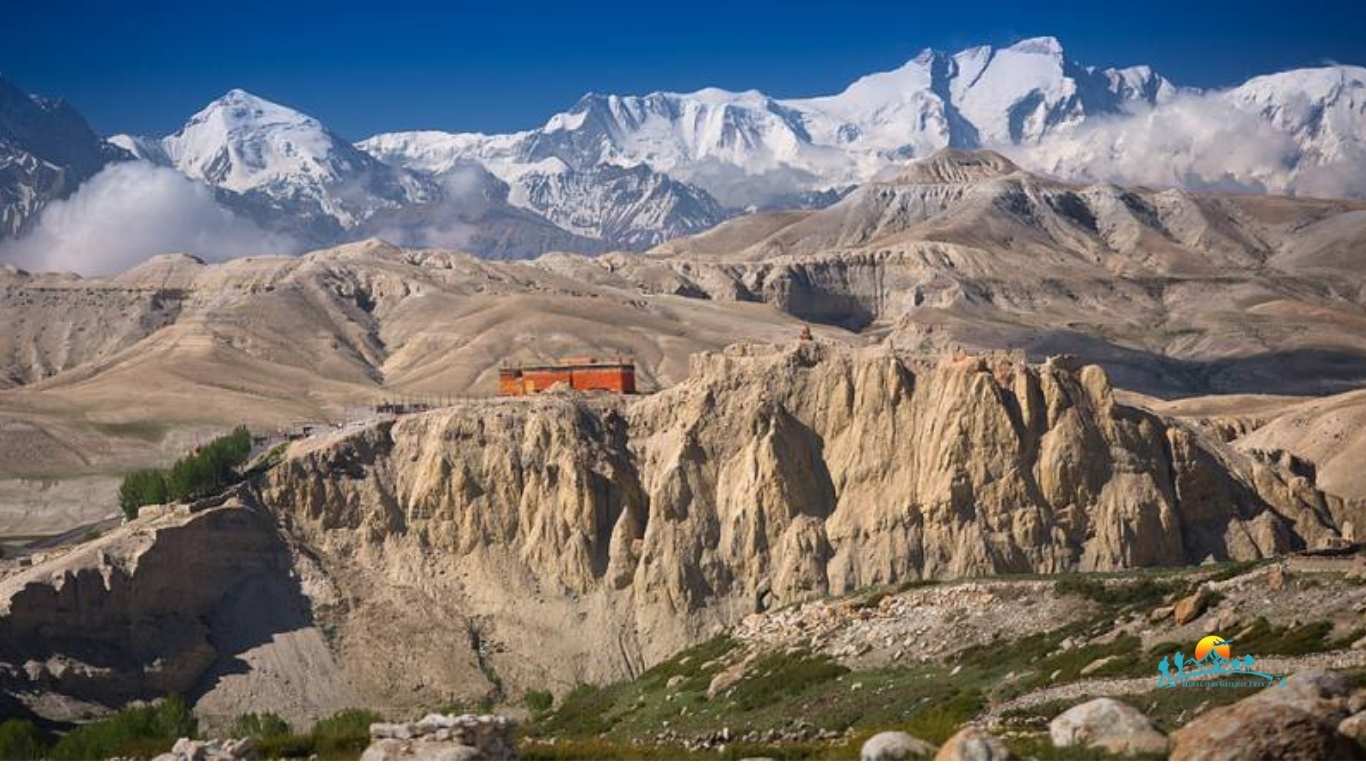
The Upper Mustang and Saribung Pass Trek is a blend of ancient Tibetan culture and one of the most challenging high passes in Nepal. The trail winds through the secret kingdom of Mustang and then to the far away Saribung Pass.
Saribung Pass is one of the highest trekking passes with an elevation of about 6020m in Nepal. The thin air, the extreme weather and the rugged terrain are all challenges. Additional camping support is typically needed for a few days.
The trekkers visit these colorful villages and ancient caves in Upper Mustang. The aridity of the landscape is similar to the Tibetan Plateau and quite unlike the green areas of Nepal. The snowy summits make for a striking backdrop.
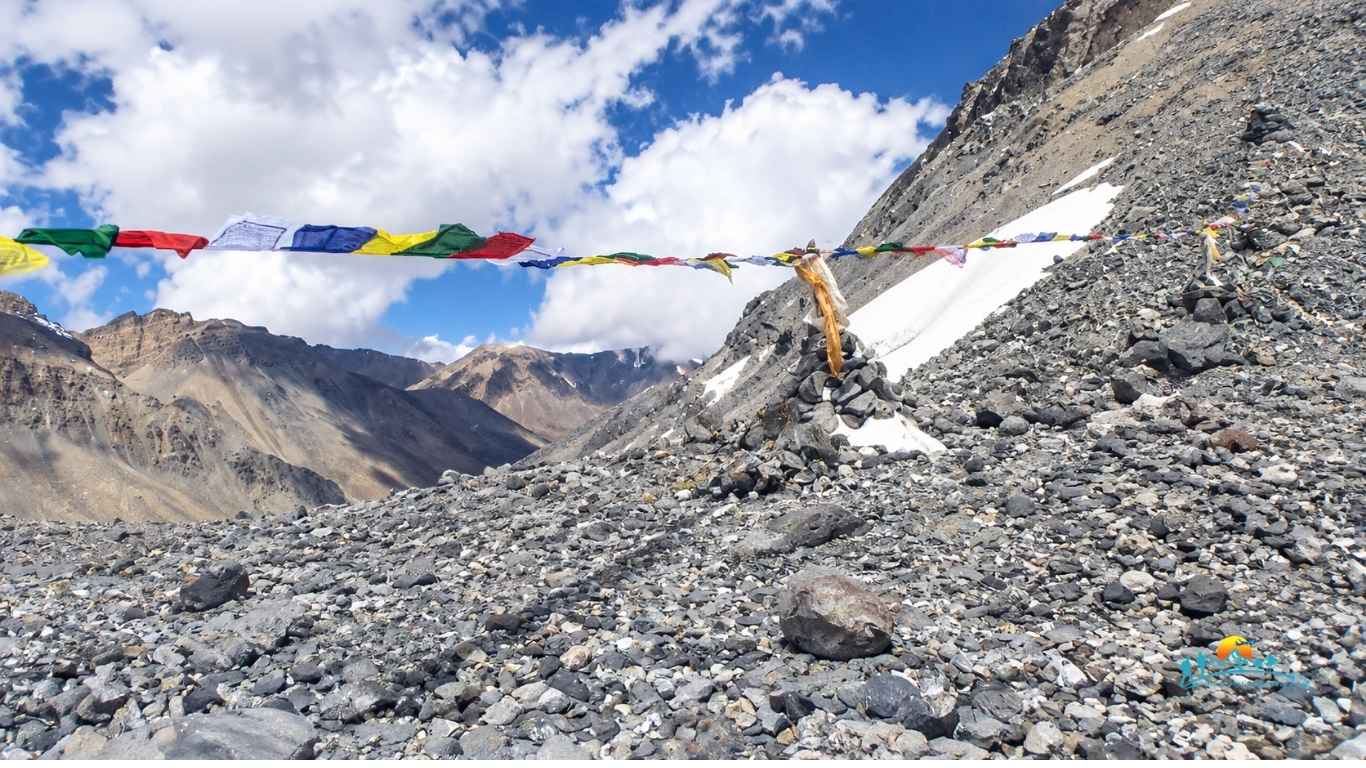
The route of Teri La Pass is still one of the least explored routes in Nepal. Being so remote with no infrastructure, it is one of the most challenging trips in the country.
The trail crosses Teri La Pass at 5,595 m and connects the remote Nar Phu Valley with Upper Mustang. For several days, trekkers camp in remote locations with minimal modern amenities. The distance between the settlements is another challenge.
This hike is truly unique in terms of its spectacular vistas, secret valleys and ancient Buddhist culture. This is winding through areas where traditional life has not changed in generations. This area is a highly under-visited trekking area, with few trekkers visiting annually.
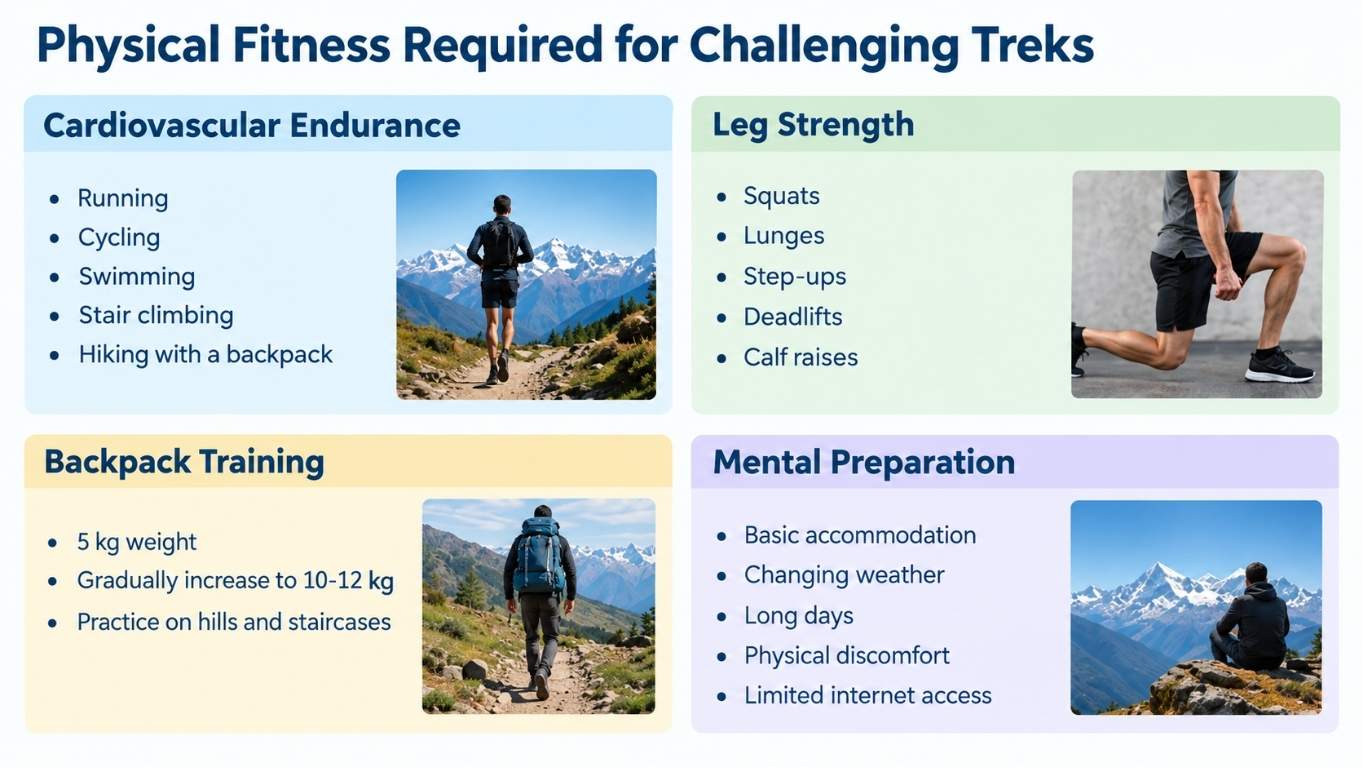
Good health is critical for trekking at high altitudes. These trails require a certain degree of commitment more than casual hiking.
Trekkers should prepare through:
Strong legs reduce fatigue and lower the risk of injury. Useful exercises include:
Training three to four times a week helps improve stamina.
Walking with a loaded backpack prepares the body for real trekking conditions. Start with:
Difficult treks test patience and determination. Trekkers should prepare for:
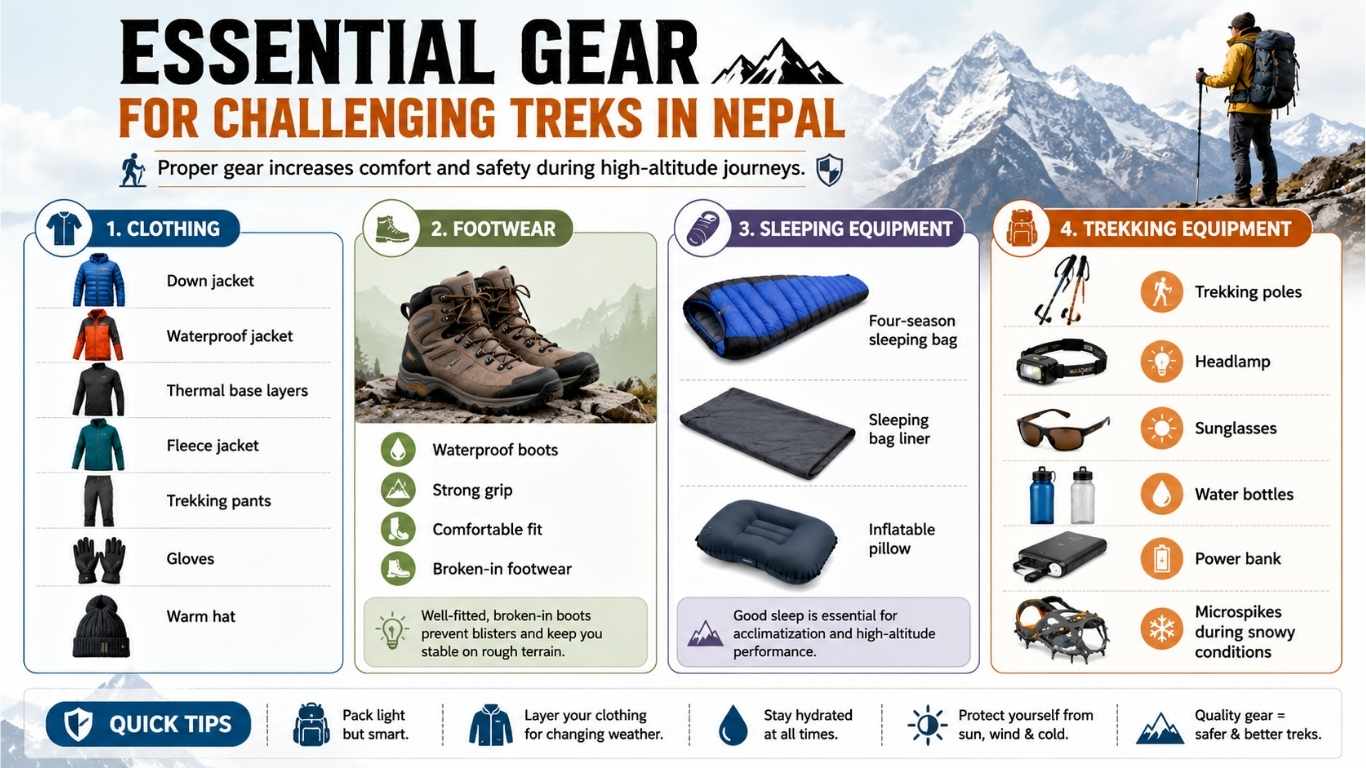
Proper gear increases comfort and safety during high-altitude journeys.
One of the most common issues faced by trekkers while on a trek in Nepal is altitude sickness particularly when they climb too fast. Headaches, nausea, fatigue, dizziness, loss of appetite and difficulty in sleeping are all signs and symptoms that cannot be ignored, as they can cause serious complications.
To minimize risk, trekkers should take acclimatization days, avoid alcohol, stay well hydrated, and take a slow, steady pace. Many guides also take to the practice of climbing high in the day and staying at lower elevations at night.
If altitude symptoms worsen or signs of serious altitude illness develop, stop ascending, inform your guide, and descend promptly. Seek medical help when needed.
Permit requirements vary according to the trekking region.
Common permits include:
Required for several trekking regions.
Needed for:
Necessary for:
Some restricted routes require a licensed guide and agency-arranged permits. Group-size requirements vary by route, so check the current government rules before booking.
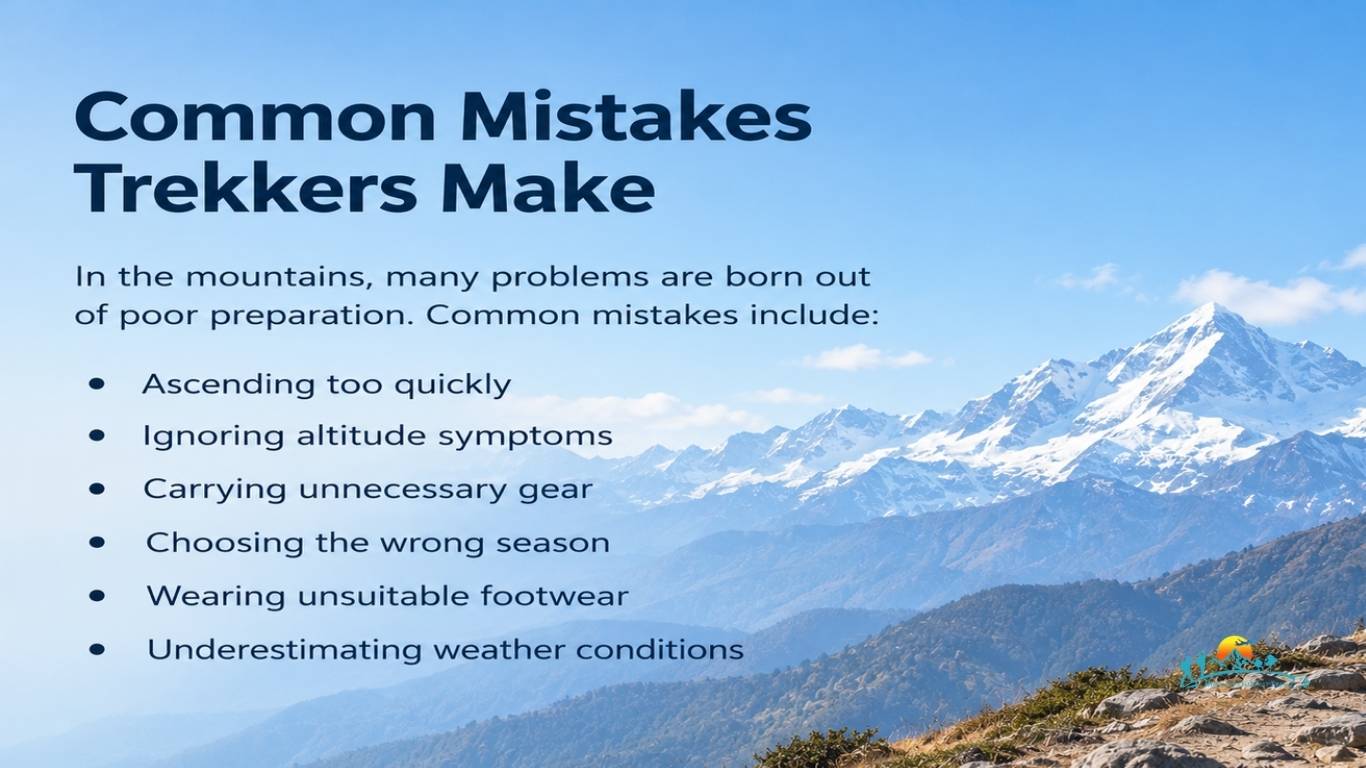
In the mountains, many problems are born out of poor preparation. Common mistakes include:
Good preparation greatly improves the overall experience.
Nepal is among the best places to experience high-altitude adventures in the world. Every trek offers its own unique set of challenges and rewards, from the iconic Everest Three High Passes Trek to the more exotic ones like the Upper Dolpo and Limi Valley.
Those are the hardest hikes in Nepal that require patience, preparation and determination. Anyone who invests time in proper training and acclimatization will find patches of landscapes and cultures that are not available to most travellers.
These Himalayan challenging treks in Nepal create memories for a lifetime for experienced trekkers who are looking for more than an ordinary hiking holiday.
The Dhaulagiri Circuit and Upper Dolpo are widely considered the hardest treks in Nepal. They require navigating extreme high-altitude passes, sustained camping, treacherous glacier crossings, and entirely self-sufficient travel across deeply isolated, rugged terrain.
Everest Base Camp and Annapurna Base Camp have different difficulty profiles. EBC reaches a much higher altitude, while ABC has a lower maximum elevation but still includes long climbs and descents. The difficulty depends on the itinerary, acclimatization schedule, weather, terrain, and individual fitness.
Some Himalayan trekking routes are known for their extreme altitude, remote terrain and long stretches without modern facilities. The Snowman Trek in Bhutan and Nepal’s Dhaulagiri Circuit are examples of demanding high-altitude journeys.
Annapurna I is the most difficult and dangerous mountain to climb in Nepal. It has the highest fatality rate among all 8,000-meter peaks due to its incredibly steep ice walls, frequent avalanches, and highly unpredictable weather.
Challenging treks require an elite level of physical fitness, exceptional cardiovascular endurance, and strong core strength. Trekkers must be prepared to hike six to eight hours daily over steep, rocky, and unpaved high-altitude terrain.
Yes, prior multi-day high-altitude trekking experience is highly recommended. Navigating technical passes, managing acute mountain sickness risks, enduring unpredictable weather, and coping with basic camping conditions require established mountain safety skills and mental resilience.
Permit requirements depend on the trekking route. Some treks require a TIMS Card and national park or conservation area entry permit, while restricted routes may also require a special Restricted Area Permit and a licensed guide. Check the current requirements for your specific route before travelling.
The primary risks include Acute Mountain Sickness (AMS), severe hypothermia, unpredictable snowstorms, and rockfalls. Furthermore, the extreme remoteness means immediate medical facilities or helicopter evacuations can be heavily delayed by adverse weather conditions.
The optimal times are autumn (September to November) and spring (March to May). These seasons provide the most stable weather, clear mountain views, and safer trail conditions, minimizing risks from heavy winter snow or monsoon landslides.
Some of Nepal’s technically demanding high passes include Sherpani Col, Amphu Lapcha and Tashi Lapcha. Depending on the season and route conditions, these crossings can involve steep terrain, snow or ice, and technical mountain skills.
Thorong La Pass, located along Nepal’s famous Annapurna Circuit route, is widely celebrated as the highest commercial trekking pass in the world. It stands at an altitude of 5,416 m (17,769 feet) above sea level.
Treks crossing technical glacier cols like the Dhaulagiri Circuit, Rolwaling Tashi Lapcha, and Makalu to Everest via Sherpani Col are the most dangerous. They feature high avalanche risks, extreme crevasses, and zero emergency infrastructure.