

Best Time to Visit Nepal: Weather, Seasons, and Month-by-Month Guide
October to November and March to April are the best time to visit Nepal for clear mountain views and trekking,…
 Himalayan Gateway Trek - On
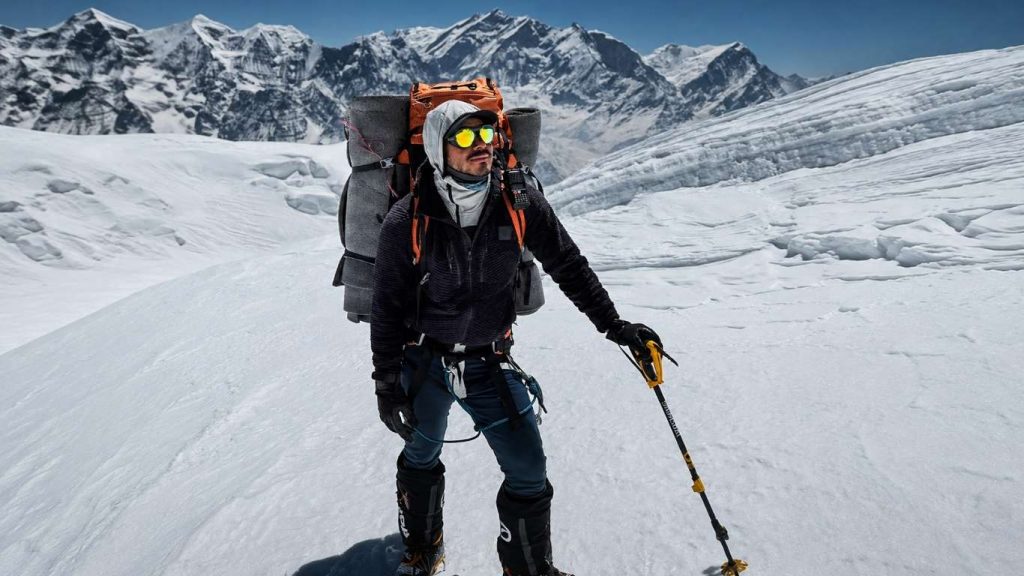
 You might wonder who was Nimsdai and why he is famous? Mountains have been a part of many lives, but a few have been an integral part of the mountaineering world like Nirmal “Nimsdai” Purja. Through courage, discipline and an unyielding mindset that limits are meant to be pushed, former Gurkha and British Special Boat Service soldier Nimsdai became one of the best high level climbers of all time. His extraordinary trek from the hills of Nepal to the summits of the world captivated millions of people.
Nimsdai is more than a tale of a renowned climber. The story of a man who took Nepal’s flag to the highest places on Earth and who has shown that determination can overcome even the toughest obstacles. The documentary illustrates his incredible ascents, the leadership he provided on perilous expeditions, and his sacrifice to accomplish what all but the most ardent of his peers were questioning. He has also made a Netflix documentary called 14 Peaks, in which he climbed 14 peaks in 6 months 6 days.
Since Nimsdai’s tragic death in an avalanche on Broad Peak in August 2026, his popularity has increased even more. He died a devastating blow to the entire mountaineering world and a stark reminder that climbing is a sport fraught with the harshest of nature’s dangers. His life in the mountains, lived as he cherished them, is his legacy, inspiring climbers, adventurers and dreamers around the world.
From his childhood in Nepal and military career and on to Project Possible, his record breaking ascents, the film and the legacy he has left behind.
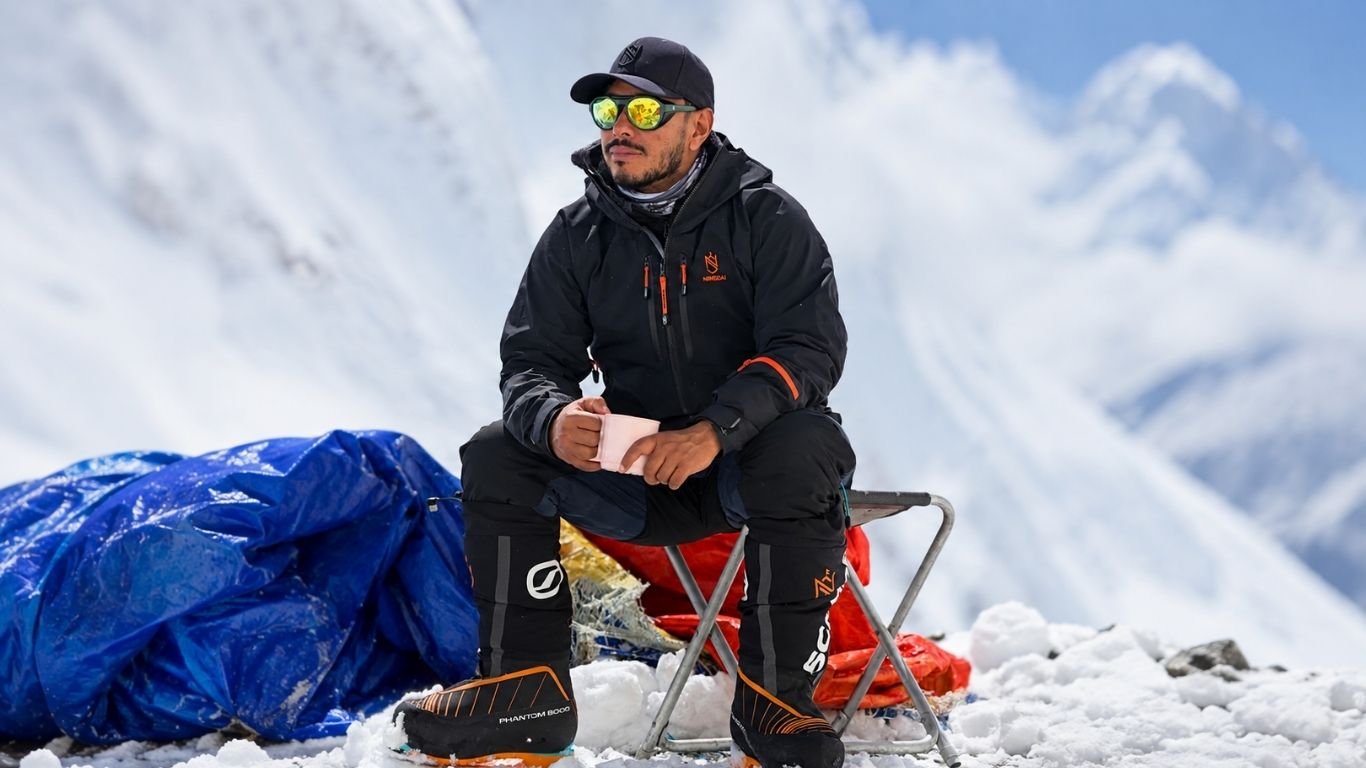
Nirmal Purja MBE is a popular name in Nepalese mountaineering, having been born a Nepalese mountaineer, former Gurkha soldier and one of the fastest climbers on the world’s highest mountains. Soon after, he established his international fame after reaching 14 mountains over 8,000 meters during a 6-months and 6-days period, which was the shortest time in over 8 years.
Nimsdai is a late starter in high altitude mountaineering as compared to most of the professionals who spent many years making a career in this field. His military experience provided him with a tremendous amount of physical endurance, mental toughness, and leadership skills that enabled him to operate under conditions that would test any man on Earth.
Today he is remembered not just for his records but also for his generosity to help stranded climbers, his support for fellow climbers and his advocacy of Nepal’s climbing community on international platforms.
Nirmal Purja MBE
Many just recognize him as Nimsdai, but his name bears the same respect in the climbing community.
Nirmal Purja is a person of western Nepal, in the Myagdi District which is surrounded by hills and mountain landscapes. His close association with nature in his childhood fostered a profound appreciation of the Himalayas.
The family was poor in financial means and had a simple life. The need for expensive climbing equipment, international travel and professional training was out of reach. He had been taught more from everyday life than in his formal schooling that the importance of hard work, respect and perseverance.
Those early experiences were more formative of his character than the highest mountains in the world.
From the time of his initiation in mountaineering Nimsdai had always represented Nepal with pride. He was a frequent publicist of the work of Nepalese climbers and Sherpas, many of whom have been instrumental to the success of Himalayan expeditions with little international attention.
He was popular and a source of pride to the nation as he demonstrated the capability of Nepalis to undertake historic expeditions instead of supporting them.
His first name is Nirmal, which is the source for his nickname, Nims. The second one ‘Dai’ holds much more significant meaning in Nepali culture.
The meaning of Daï is an aspect that is seldom mentioned in articles: it is a word of cultural significance. In Nepal, the word Dai (दाइ) refers to an elder brother. It is not a family name. It is also used to express affection, trust and respect to someone who leads and protects others.
To be called Nimsdai is more than a nickname. It describes him as others perceived him during the climbs, and his Sherpa friends, expedition companions, and supporters did. They saw him as someone reliable, who was their leader, who really cared about them, and who would put himself second to theirs.
The warmth, humility and respect which this little word imparts can’t be translated into English. This cultural significance is significant to the title of the documentary 14 peaks.
Nimsdai didn’t even dream of scaling Mount Everest like many famous mountaineers. His first dream was to join the army.
As a young man it was his greatest aspiration to join the Gurkhas. During military training he had developed discipline, courage and determination which proved to be the platform for his climbing career.
He then turned to mountaineering, and came at it like a soldier. He learned to be resourceful, to work together and to be calm in the face of adversity.
Nimsdai grew up in a poor Nepali family where comfort was second to working hard, being disciplined and persistent. His parents taught him to do whatever he could, no matter what life threw at him.
His family didn’t have much money but they did have something more valuable. They taught him to never give up after failure. That lesson has stuck with him all his life.
From the threat of bad weather to lack of resources to impossible climbing schedules, he pressed on tirelessly with the same determination he had acquired as a child.
| Detail | Information |
|---|---|
| Full Name | Nirmal Purja MBE |
| Popular Name | Nimsdai |
| Nationality | Nepali |
| Birthplace | Myagdi District, Nepal |
| Profession | High Altitude Mountaineer |
| Former Career | Gurkha Soldier and Special Boat Service (SBS) Operator |
| Famous For | Project Possible and climbing all 14 peaks above 8,000 meters in record time |
| Documentary | 14 peaks |
| Known For | Leadership, speed climbing, rescue missions, and promoting Nepal globally |
Nimsdai’s story is not simply about reaching mountain summits. It is about showing what discipline, courage, and belief can achieve even when the odds appear impossible. His journey from a small village in Nepal to becoming one of the world’s most respected climbers continues to inspire people far beyond the mountaineering community.
Nimsdai learned many things in his early years that would eventually form the basis of his climbing career. Being born in Nepal equipped him with a sturdy sense of resilience, patience, and nature.
Nirmal Purja’s best training ground was his daily life, as opposed to many elite athletes who have access to high-end training facilities.
Nirmal Purja grew up in the beautiful region of western Nepal, the Myagdi District, which is surrounded by hills and mountains.
Life there was easy. Families were hard-working, and children learnt discipline at an early age.
There were not a lot of modern amenities, but the community had excellent relations, based on trust and support. These values remained with Nimsdai all his days.
His family wasn’t very rich. Costly equipment, travel, permits and training are required for professional mountaineering. All those opportunities were not available to him as a child.
Instead, Nimsdai thought about what he could do in his own life, rather than endowing his dreams with financial limitations. He worked hard. He stayed disciplined.
He was convinced that success was an attitude that could open doors money couldn’t. That mindset was to become one of his hallmarks as a professional.
Nimsdai was educated in Nepal and later started his military career.
While textbooks were important, many of his lessons were outside the classroom.
He learned:
These qualities later helped him survive dangerous conditions at extreme altitude.
Mountains were just a part of life when I was a kid. They were a source of curiosity and inspiration over time. The beauty and the challenge of the Himalayas.
The pictures of Mount Everest lure many climbers to dream of it for years. The mountains were real places for Nimsdai, he could see them with his own eyes. It was a close bond that gave him a sense of belonging that lasted a lifetime.
Nepal has eight peaks in the world that are above 8,000 m. In the mountains, kids (and adults) are physically fit because they continually must walk up and down hills, and work at high altitudes.
It’s not just the environment that makes great climbers. Mental toughness, self-discipline and experience are even more important. Nimsdai integrated everything from this which benefited him immensely in his success.
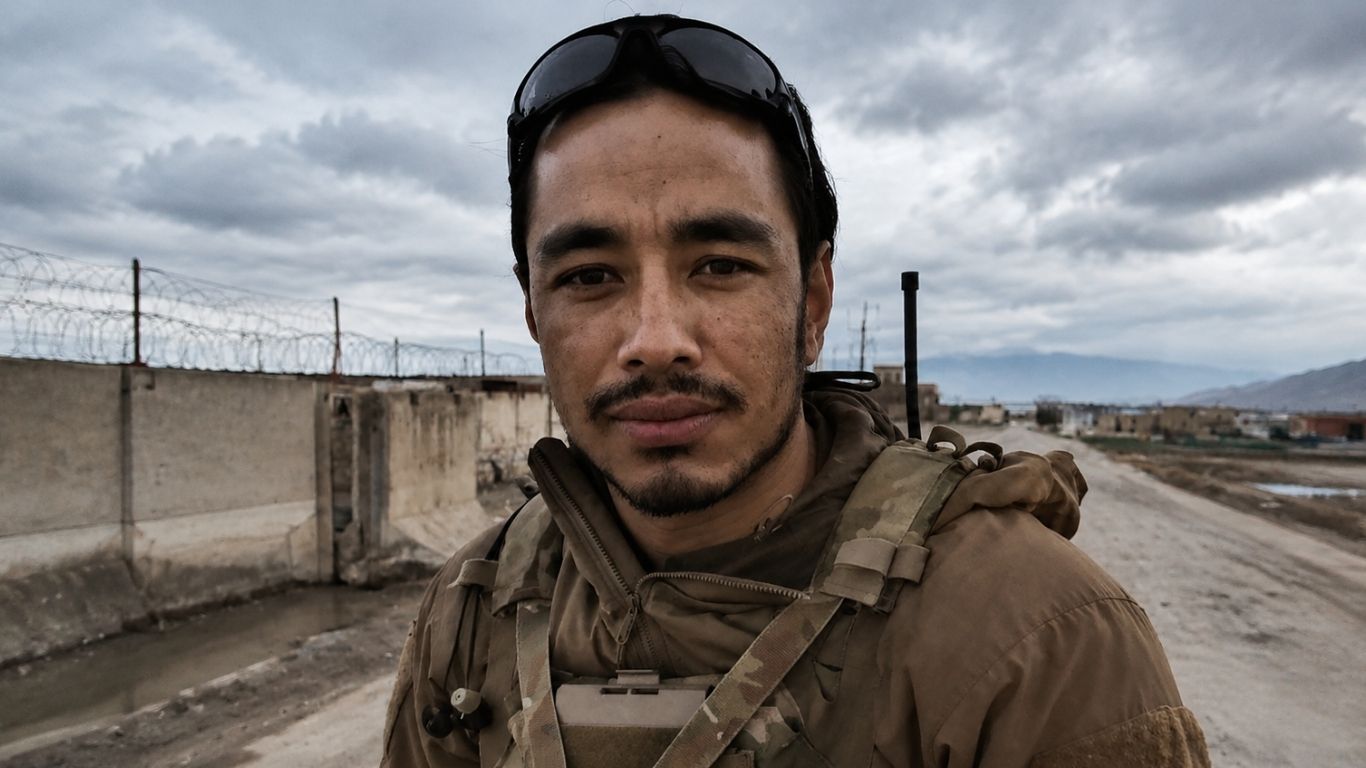
Nimsdai’s career in the military service is an important factor in his becoming one of the world’s greatest mountaineers. Before scaling the highest mountains on earth, he had served in the Gurkhas, one of the world’s most respected military forces. He was trained to be tough, to be able to endure and to work together as a team, to be able to keep his cool when things got tough.
He then had a stint in the British Armed Forces and passed the extremely challenging selection process for the Special Boat Service (SBS). The hardships of military service were training him for the rigors of high altitude climbing.
The information he gained in the army was the basis for his climbing. He was able to do this through careful planning, prompt decision-making, and good leadership, which helped him to get out of dangerous situations on the world’s highest mountains. His military experience and experience as a climber helped to make him a better climber, but he also gained the trust and respect of his climbing team members during some of the toughest climbs in mountaineering history.
The climb of Nimsdai was much more rapid than many mountaineers would have imagined. Many of the top climbers worked for years to establish their reputation and make a name for themselves, but it took him a few years to become known all over the world after spectacular performances on some of the world’s highest mountains.
He achieved his success through preparation, discipline and a strong sense of purpose that seemingly impossible goals were attainable with the right team and mindset.
| Year | Major Event |
|---|---|
| Childhood | Grew up in Myagdi District, Nepal |
| Early Adulthood | Joined the Gurkhas |
| Later Military Career | Selected for the British Special Boat Service (SBS) |
| 2012 | Began serious high altitude mountaineering |
| 2016 to 2018 | Climbed several 8,000 meter peaks and gained international recognition |
| 2019 | Launched Project Possible |
| 2019 | Climbed all 14 mountains above 8,000 meters in just 6 months and 6 days |
| 2021 | His climbing journey reached millions through the documentary 14 Peaks: Nothing Is Impossible |
| 2022 onward | Continued leading expeditions, rescue missions, and promoting Nepali mountaineering |
| 2026 | Passed away during an avalanche on Broad Peak, leaving behind an extraordinary legacy |
Nimsdai’s story shows that greatness is not measured only by records. It is measured by the lives a person changes, the courage they show under pressure, and the example they leave for future generations.
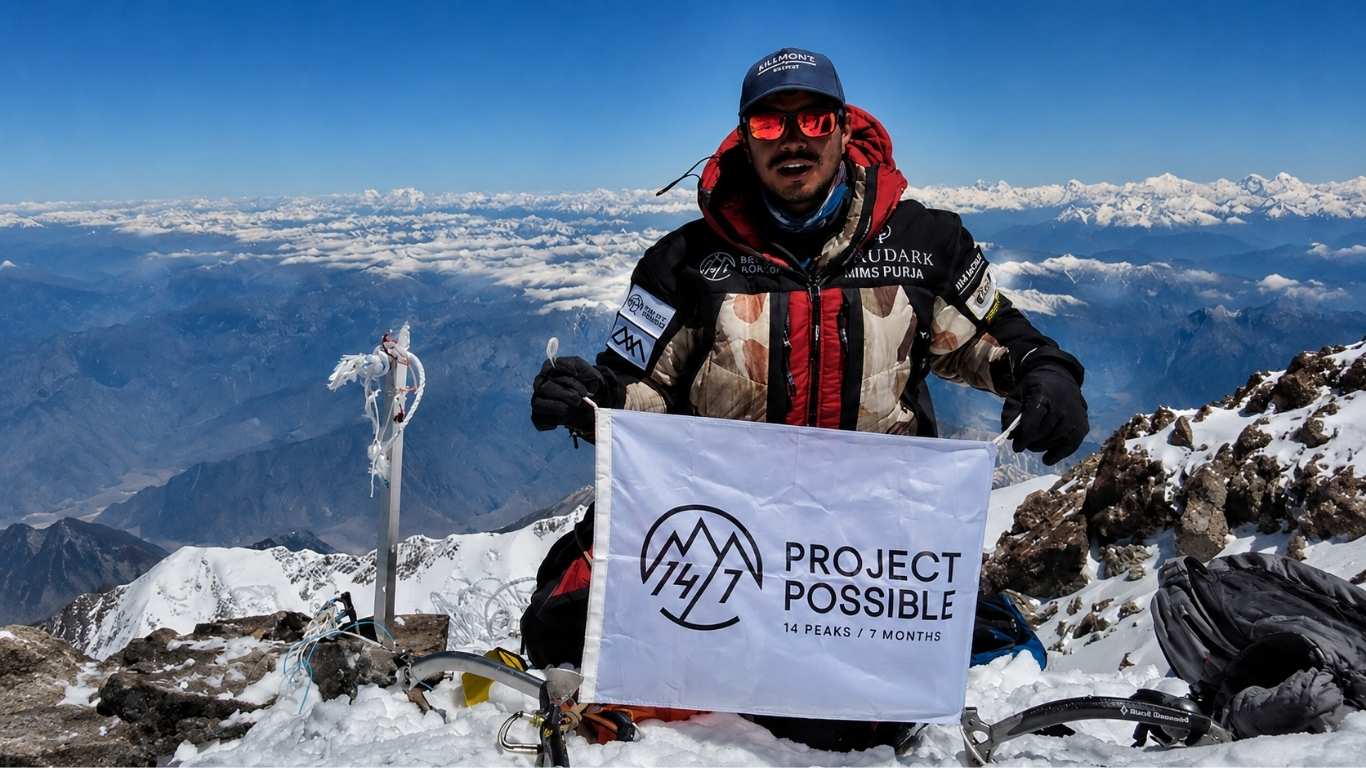
The Project Possible was the biggest turning point in Nimsdai’s career, as it was a challenge to one of the largest concepts in mountaineering. It was believed by many experts that this feat of reaching all 14 mountains over 8,000m in under a year was impossible. Nimsdai thought that, with thoughtful planning, the right team and whole-hearted dedication, this could be accomplished.
His goal was simple but bold. Climb all fourteen 8,000 meter peaks in the shortest time ever recorded while showing the world what Nepali climbers could achieve.
Project Possible was a task of climbing all fourteen mountains over 8000m in 7 months. In those days, the record was almost eight years.
Many climbers who had experience doubted that anyone could shave off such a huge amount of time. Nimsdai thought that the record was not impossible. It just needed a different way of doing it.
But breaking a world record was just a part of his job.
He also wanted to:
Project Possible wasn’t all about climbing mountain peaks. It was a matter of reshaping people’s expectations as to what could be done.
Before the first climb, one of the biggest challenges was. It was difficult to secure financial support. For any large expedition, a considerable amount of funding is needed for permits, travelling, equipment, oxygen cylinders, logistics, food for the group, guides and emergency support.
However, if sponsors were slow to respond, Nimsdai sacrificed himself. He sold his own house to help pay for the expedition! That was his determination that he was going to achieve his aim.
Success depended on much more than physical fitness.
The team had to coordinate:
Every delay could affect the entire schedule.
The Himalayas do not adhere to the norm. The strongest climbers can get stopped by snowstorms, heavy wind, cold temperatures and low visibility.
Nimsdai waited patiently for the windows when he could climb safely. In better weather, his crew was able to work very quickly and effectively.
Another aspect of Nimsdai’s character that is not always mentioned is his tendency to be helpful to others. He also paused his climbing on some of the expeditions to help stranded climbers.
Much time, energy, and oxygen were used during these rescues. They didn’t cut back on his pace, but they did believe in saving lives, not setting records.
This attitude won him great respect amongst the climbing community.
Nimsdai finished all the fourteen 8000m plus mountains in 6 months and 6 days on 29th Oct. 2019.
This accomplishment left the climbing community in awe. For years it had been thought that such a record would be impossible. Project Possible came to be one of the most remarkable feats of modern mountaineering.
Nimsdai made an outstanding record during his climbing career. His records had shown diligence, stamina and outstanding team spirit.
| Record | Year | Why It Mattered | Previous Record | Status |
|---|---|---|---|---|
| Climbed all 14 peaks above 8,000 meters in 6 months and 6 days | 2019 | Changed mountaineering history | Nearly 8 years | Historic record |
| Fastest completion of Project Possible | 2019 | Proved rapid high altitude climbing was possible | Previous multi year record | Historic achievement |
| Multiple Mount Everest summits in a single season | Various | Showed exceptional endurance | Varies | Notable achievement |
| International recognition for rescue efforts | Multiple years | Highlighted commitment to climber safety | Not applicable | Widely respected |
| Led successful commercial expeditions on major Himalayan peaks | Ongoing | Demonstrated leadership beyond personal climbing | Not applicable | Career achievement |
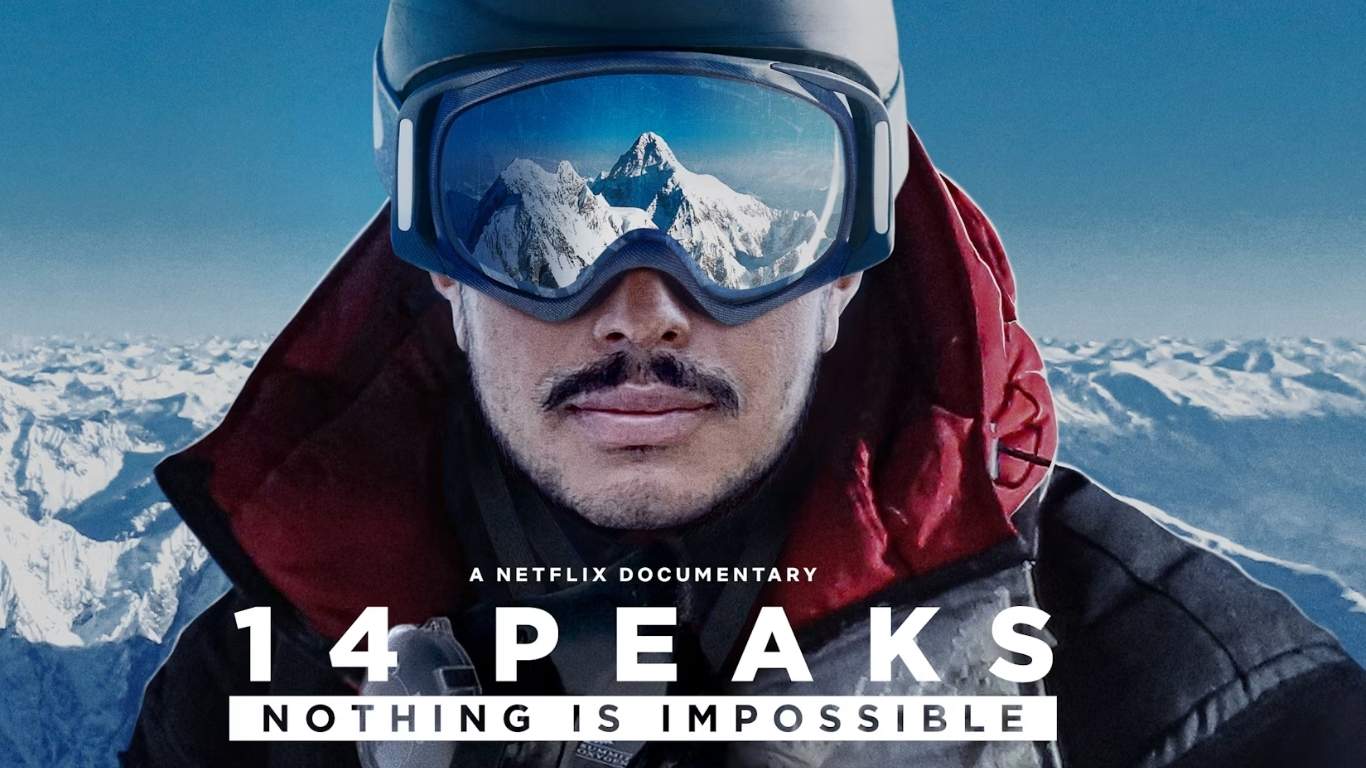
14 Peaks: Nothing Is Impossible is a Netflix documentary that follows the extraordinary journey of Nepalese mountaineer Nirmal “Nimsdai” Purja as he attempts to climb all fourteen mountains above 8,000 meters in record time.
In 6 months and 6 days Nimsdai and his team had completed what many experts thought would take years, one of the greatest mountaineering accomplishments ever, which was to climb the highest mountains in the world.
The film starts with Nimsdai’s childhood in Nepal, his military service with the Gurkhas and the British Special Boat Service (SBS). It then follows Project Possible with the physical and mental difficulties of trekking some of the most dangerous peaks in the world.
In the process, viewers witness his leadership, rescues, teamwork, and perseverance in the face of hard conditions and a lack of oxygen.
The film provides an authentic account of high altitude climbing through the use of actual footage and interviews, and focuses on the importance of the Nepali climbers and Sherpas.
Beyond the record-breaking feats, 14 Peaks: Nothing Is Impossible is a testament to courage, resilience, and the power of determination to turn the impossible into the possible. The documentary is now a more impactful memorial to Nimsdai’s life and legacy after he died tragically at Broad Peak in August 2026.
The heart of 14 Peaks: Nothing Is Impossible is Nimsdai’s incredible challenge to climb all 14 mountains above 8,000 meters in just 6 months and 6 days. Each mountain presented different risks, from dangerous avalanches and steep ice walls to unpredictable weather and high altitude.
Completing all fourteen peaks in such a short time changed the history of mountaineering and proved that what many believed was impossible could be achieved with determination, careful planning, and teamwork.
| Mountain | Country | Height | Climbed During Project Possible |
|---|---|---|---|
| Annapurna I | Nepal | 8,091 m | 23 April 2019 |
| Dhaulagiri I | Nepal | 8,167 m | 12 May 2019 |
| Kanchenjunga | Nepal and India | 8,586 m | 15 May 2019 |
| Mount Everest | Nepal and China | 8,849 m | 22 May 2019 |
| Lhotse | Nepal and China | 8,516 m | 22 May 2019 |
| Makalu | Nepal and China | 8,485 m | 24 May 2019 |
| Nanga Parbat | Pakistan | 8,126 m | 3 July 2019 |
| Gasherbrum I | Pakistan and China | 8,080 m | 15 July 2019 |
| Gasherbrum II | Pakistan and China | 8,035 m | 18 July 2019 |
| K2 | Pakistan and China | 8,611 m | 24 July 2019 |
| Broad Peak | Pakistan and China | 8,051 m | 26 July 2019 |
| Cho Oyu | Nepal and China | 8,188 m | 23 Sept. 2019 |
| Manaslu | Nepal | 8,163 m | 27 Sept. 2019 |
| Shishapangma | China | 8,027 m | 29 Oct 2019. |
By reaching the summit of Shishapangma on 29 October 2019, Nimsdai completed all 14 mountains above 8,000 meters in just 6 months and 6 days. This remarkable achievement broke the previous record by several years and became the defining moment of Project Possible, earning him worldwide recognition as one of the greatest high altitude mountaineers in history.
Nirmal “Nimsdai” Purja took the world by storm after performing one of the most amazing things in mountaineering history. His record-breaking feat was officially acknowledged by Guinness World Records, making his name among the all-time great climbers.
As part of Project Possible, Nimsdai successfully scaled all 14 mountains above 8,000 meters in 6 months and 6 days in 2019. He had beaten the previous record of almost eight years, which showed that with careful planning, extreme fitness and teamwork, new possibilities in high altitude climbing were possible. His success brought fame to himself and others and inspired a new generation of mountaineers.
| Guinness World Record | Achievement |
|---|---|
| Record Title | Fastest ascent of all 14 mountains above 8,000 meters |
| Record Holder | Nirmal “Nimsdai” Purja |
| Record Completed | 29 October 2019 |
| Time Taken | 6 months and 6 days |
| Expedition Name | Project Possible |
| Previous Record | Nearly 8 years |
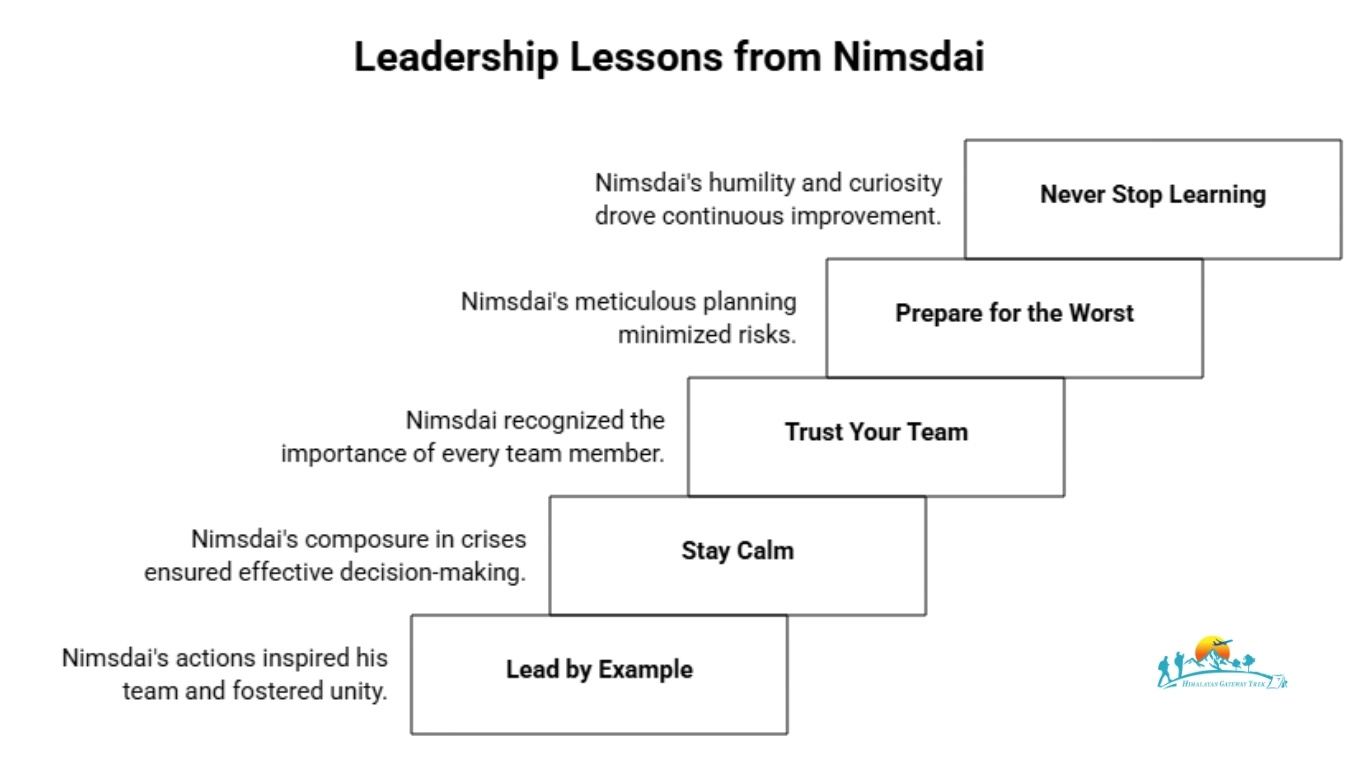
Nimsdai’s accomplishments were not just in the realm of strength. His best asset was that he could take someone through a dangerous situation while never compromising on keeping everyone safe. The lessons in leadership are not just for climbing but are applicable in business, sports, personal development, and life.
Nimsdai didn’t think anybody would do his work for him.
He often led the way when carrying equipment, firsting a way through deep snow, or when climbing over difficult places. This won the respect of his teammates and boosted team unity.
There’s not much room for panicking when climbing at high altitude.
When storms, avalanches and rocks fall, there are decisions to make and they must be made promptly, but thoughtfully. As a military trainer, Nimsdai was able to stay calm even in life-threatening situations.
He was known for his acute thinking skills in stressful situations.
Nobody climbs to the top of the mountain by himself.
In each of the successful expeditions, Nimsdai frequently extolled the Sherpas, guides, photographers, medical staff, and support teams.
He felt that the membership, irrespective of its rank, was important.
All the expeditions were well planned.
The team checked in for bad weather, medical issues, mechanical problems and unforeseen delays.
The team responded promptly to any issues that arose, and through careful preparation, minimised unnecessary risks.
Even with his respect as one of the world’s best climbers, Nimsdai learned more about the climbing and the local guides.
He knew that one must be confident without losing an element of modesty.
There were numerous mountaineers who have climbed up Mount Everest.
Numerous have set records.
Few have affected the public consciousness about mountaineering.
Nimsdai was different in that he was steeped in military discipline, a stellar climbing skill and a true caring attitude for other climbers.
| Area | Nimsdai | Traditional Elite Mountaineers |
|---|---|---|
| Military Background | Gurkha and SBS operator | Usually none |
| Leadership Style | Team first | Often individual focused |
| Speed Climbing | Among the fastest in history | Generally slower schedules |
| Rescue Missions | Frequently helped stranded climbers | Depends on circumstances |
| Public Mission | Promote Nepal and Nepali climbers | Mainly personal achievements |
| Global Influence | Inspired a new generation of climbers | Mostly within mountaineering circles |
His career showed that records become even more meaningful when they inspire others.
Nimsdai’s legacy extends beyond world records.
He believed successful climbers should also support others.
During several expeditions, he paused his own climbing plans to help stranded mountaineers.
Some rescue missions placed his own safety at risk.
He believed that saving lives mattered more than reaching the summit first.
Throughout his career, Nimsdai proudly promoted Nepal as the home of the Himalayas.
He encouraged international visitors to appreciate the country’s culture, mountains, and local communities.
For many years, Sherpas received less attention than foreign climbers despite their essential role in Himalayan expeditions.
Nimsdai regularly highlighted their skill, courage, and professionalism during interviews and public events.
His voice helped bring greater recognition to their contribution.
Nimsdai also encouraged responsible climbing.
Protecting mountain environments remains essential for future generations of climbers and local communities.
Nimsdai’s achievements received attention from governments, media organizations, and the global climbing community.
| Year | Achievement |
|---|---|
| Military Career | Served in the Gurkhas and British Special Boat Service |
| 2018 | Appointed Member of the Order of the British Empire (MBE) |
| 2019 | Completed Project Possible in 6 months and 6 days |
| 2021 | Featured in the global documentary 14 Peaks: Nothing Is Impossible |
| Following Years | Led major expeditions and inspired climbers worldwide |
Very few climbers change an entire sport.
Nimsdai became one of them.
Before Project Possible, many experts considered climbing all fourteen 8,000 meter peaks within a single year unrealistic.
His success forced the climbing community to rethink those limits.
His achievements reminded the world that Nepal produces not only famous mountains but also extraordinary climbers.
Young Nepali athletes found new inspiration in his journey.
Nimsdai showed that strong leaders listen carefully, remain calm, and support their teammates during difficult moments.
Although headlines often celebrated his achievements, he consistently thanked the Sherpas, guides, photographers, and support staff who worked beside him.
This attitude earned lasting respect.
In August 2026, Nimsdai embarked on an expedition with his partners on Broad Peak, Pakistan, where his journey in the mountains tragically ended. He was caught in one of the world’s most powerful 8,000 m peaks, a climb where he was caught in a powerful avalanche. They could not save his life and his expedition company later confirmed his death.
The world of mountaineering was stunned by the news, for Nimsdai was renowned for his record breaking feats, leadership and rescues. His peers, outdoor groups, and fans from around the world expressed their admiration and respect for his courage and leadership on the mountain.
He died in his beloved mountains, but his legacy lives on in his incredible accomplishments, his impact on Nepal’s mountaineering legacy, and his influence upon the many people he inspired to dare to do their dreams.
Even dedicated mountaineering fans may not know these facts.
So now you know who was Nimsdai. Nimsdai is a tribute to the life of mountain climber Nirmal Purja, who has inspired millions through his courage, discipline and record breaking achievements.
He died tragically at the Broad Peak but his legacy continues through his incredible accomplishments, leadership and inspiration to climbers all over the world.
The story of his determination and resilience is a testament to the fact that it can make a difference for a lifetime.
Nirmal Purja, widely known as Nims Dai, was a legendary Nepali mountaineer and former elite Special Forces soldier. He achieved global fame by setting extraordinary high-altitude records, including scaling all fourteen world peaks above 8,000 meters in record speed.
No, Nirmal “Nimsdai” Purja passed away on July 30, 2026. He and nine other climbers tragically lost their lives in a massive avalanche on Pakistan’s Broad Peak at an altitude of approximately 7,000 meters.
Nims Dai was an elite mountaineer and former Special Boat Service soldier. He revolutionized high-altitude climbing by setting multiple speed records, leading the first winter ascent of K2, and bringing global recognition to Nepali mountain guides.
Yes, Nims climbed all 14 peaks above 8,000 meters multiple times. He scaled them with supplemental oxygen in 2019, completed them again on true summits, and successfully summited all 14 peaks without using supplemental oxygen.
Norwegian climber Kristin Harila and Nepali guide Tenjen “Lama” Sherpa hold the world record for climbing all 14 peaks the fastest. They completed the extraordinary challenge in just 92 days (3 months and 1 day) in July 2023.
Project Possible 14/7 was Nirmal Purja’s ambitious 2019 expedition to climb all 14 of the world’s 8,000-meter mountains within seven months. He successfully completed the challenge in just 189 days (six months and six days), breaking previous multi-year records.
Before his full-time climbing career, Nirmal Purja served 16 years in the British military. He joined the Brigade of Gurkhas in 2003 and later became the first Gurkha to join the elite Special Boat Service (SBS) in 2009.
The famous Netflix documentary documenting Nirmal Purja’s record-breaking journey is titled “14 Peaks: Nothing Is Impossible.” Released in 2021, the film showcases his relentless 189-day quest across the Himalayas and highlights the extraordinary skill of Nepali climbers.
The Nimsdai Foundation was established by Nirmal Purja to give back to high-altitude mountain communities. Funded through his endeavors and challenges, it supports educational initiatives, emergency relief, and environmental efforts like the Big Mountain Clean Up project.
On July 30, 2026, Nirmal Purja tragically died alongside his expedition team in a massive avalanche on Broad Peak in Pakistan. The disaster occurred near Camp III at approximately 7,000 meters, claiming the lives of ten climbers.