
Dashain Festival of Nepal: Dates, 15 Days, Traditions and History
The Dashain Festival of Nepal is the country's biggest annual festival for many Nepali families, bringing together religious worship, family…
 Himalayan Gateway Trek - On
 Mountains have always inspired people with their size, beauty, and mystery. The highest mountains in the world stand far above the clouds, attracting climbers, trekkers, photographers, and nature lovers from every corner of the globe. These giant peaks are more than just high points on a map. They shape the weather, feed major rivers, support unique wildlife, and hold deep cultural and spiritual value for local communities.
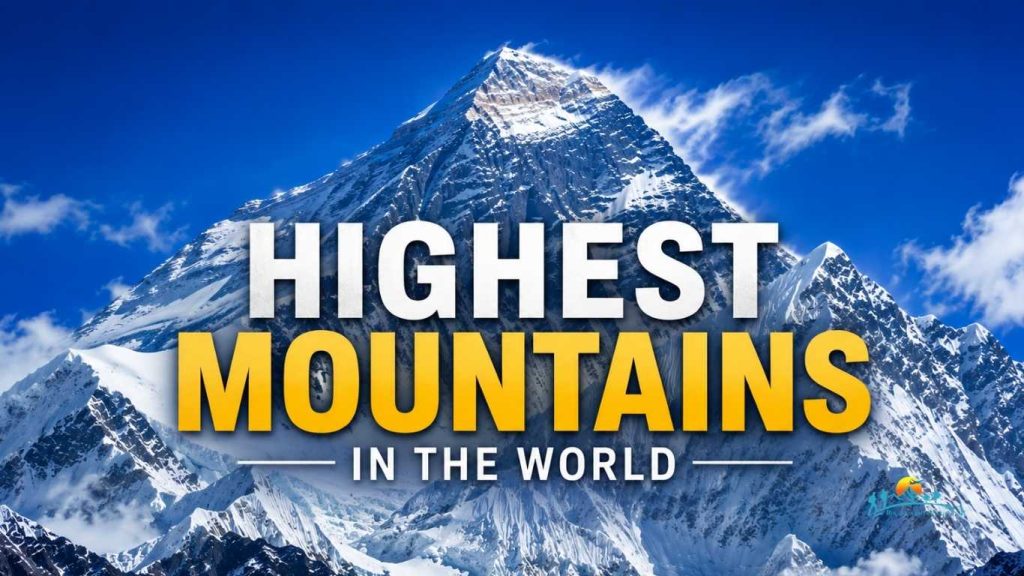
There are a total of 14 mountains above 8,000 meters, they are located in Asia, primarily in the Himalayas and in the Karakoram range. Of the 14 eight-thousanders, 8 lie entirely or partially within Nepal, making it one of the best places for trekking and mountaineering in the world. At 8,848.86 meters, Mt Everest is the world’s highest peak, located on the border between Nepal and Tibet.
From visions of standing at the base of Everest to hearing tales of great climbers, the guide offers reliable information and facts, as well as travel advice, in one place.
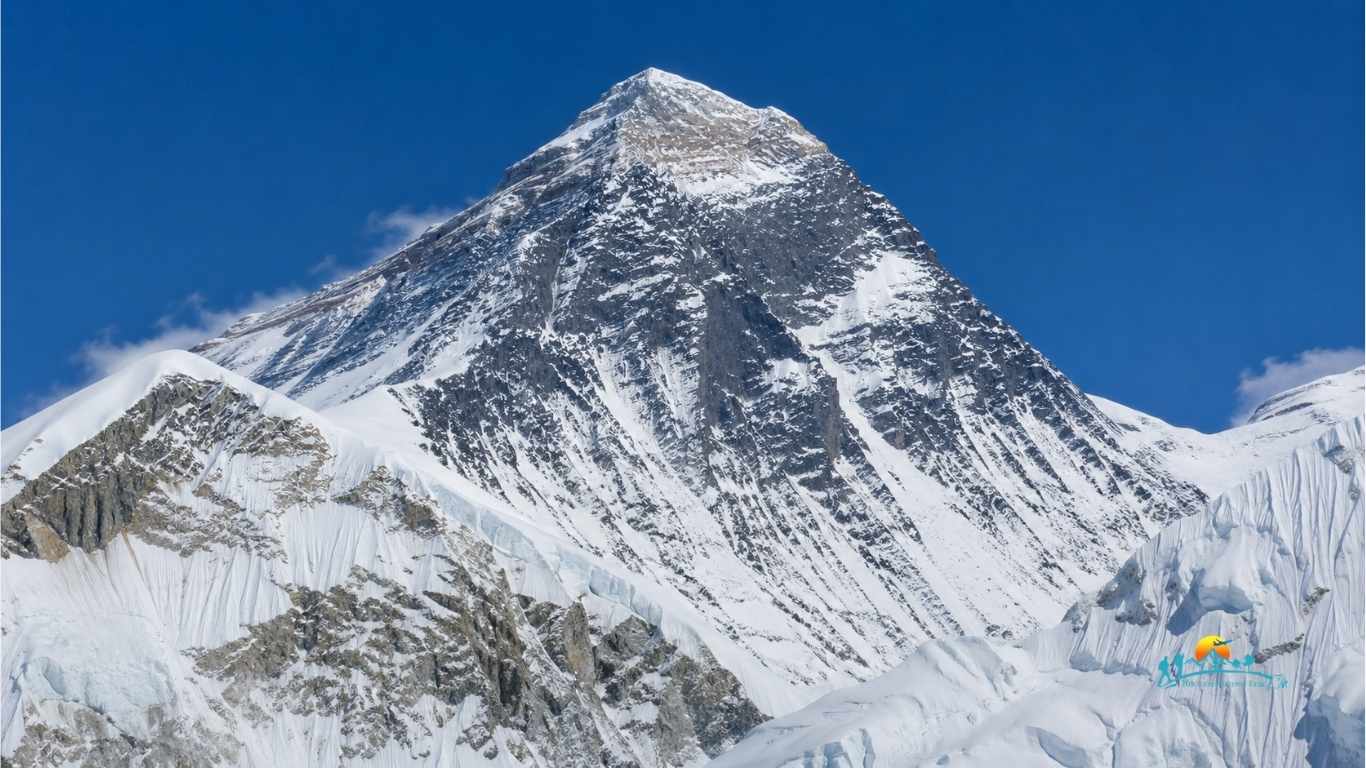
Mount Everest is the world’s highest mountain and remains the ultimate dream for many climbers. It is located at the border between Nepal and the Tibet Autonomous Region of China, and is the highest peak on Earth.
Everest is commonly referred to as Sagarmatha (Nepal) or Chomolungma (Tibet) and has always held a position of respect among the local people. Its Nepali name translates to “Forehead in the Sky,” and the Tibetan name translates to “Goddess Mother of the World.
The summit of the mountain was made world famous in 1953 when Sir Edmund Hillary of New Zealand and Tenzing Norgay Sherpa conquered it. It was one of the biggest achievements in mountaineering history when they managed to climb successfully.
Everest is the tallest mountain, but many experienced climbers don’t think it is the hardest to climb. The techniques of modern climbing equipment, with the help of expert climbers, and fixed ropes and established routes, have made it easier to climb than ever before. Despite this, the mountain is still a hazard due to freezing temperatures, low air pressure, avalanches and sudden and unpredictable changes in weather.
Many people select the Everest Base Camp Trek rather than go to the top of the mountain. This is the iconic trek with a stunning view of Everest and surrounding peaks like Lhotse, Nuptse and Ama Dablam. The trail takes you through Sherpa villages, Buddhist monasteries, suspension bridges and picturesque forests.
Quick Facts
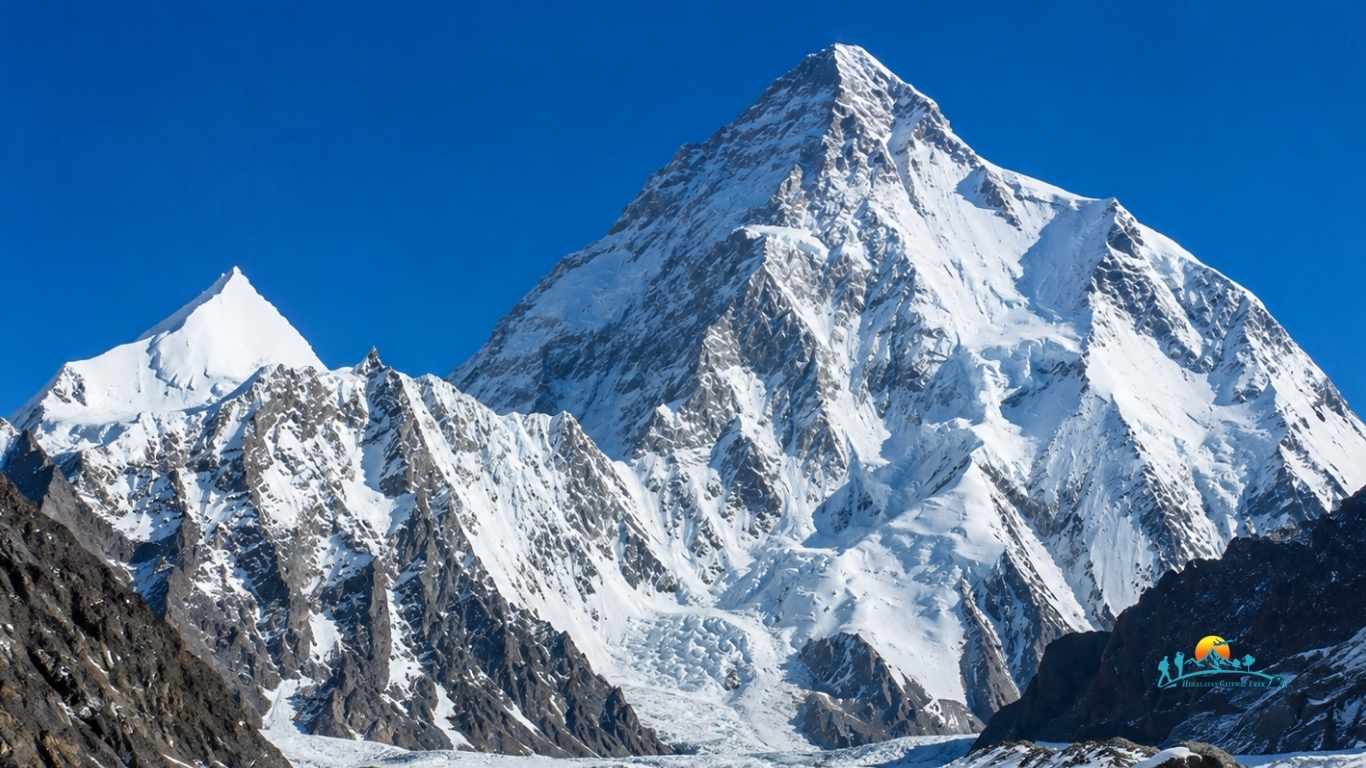
K2 is the second-highest peak in the world and is regarded as one of the most challenging mountains to climb. It is situated at the border of Pakistan and China in the Karakoram mountains.
The routes on K2 are not as easy as those on Everest. Throughout the route, there are some very steep rock walls, thin ridges, unstable ice and unpredictable weather. It was for these reasons that K2 was nicknamed “The Savage Mountain.
The plain name of the mountain was given to it in the Great Trigonometric Survey of British India. The peaks of Karakoram were marked with the letter “K” and K2 was left with the original survey name.
In 1954, Achille Compagnoni and Lino Lacedelli were the first Italian climbers to reach the summit. Since then, only a handful of ascents have been successful on Everest.
A large number of trekkers visit K2 Base Camp, but they do not make an attempt to climb up to K2 peak. The trail traverses the stunning Baltoro Glacier, as well as the renowned Concordia area, featuring several large peaks in proximity to each other.
Climbing K2 is extremely challenging due to the steep climbing, technical rock and ice climbing sections of this peak. K2 has a very rapidly changing weather, and what is most important, there are limited rescue options.
K2 is called “The Savage Mountain” because of its extreme climbing conditions and high level of danger. American mountaineer George Bell gave it this nickname after taking part in a difficult expedition in 1953. He famously said, “It is a savage mountain that tries to kill you.” The name reflects the mountain’s steep terrain, violent storms, avalanche risk, and technical climbing challenges rather than its height alone. Even today, K2 is regarded as one of the most difficult and dangerous mountains in the world.
Quick Facts
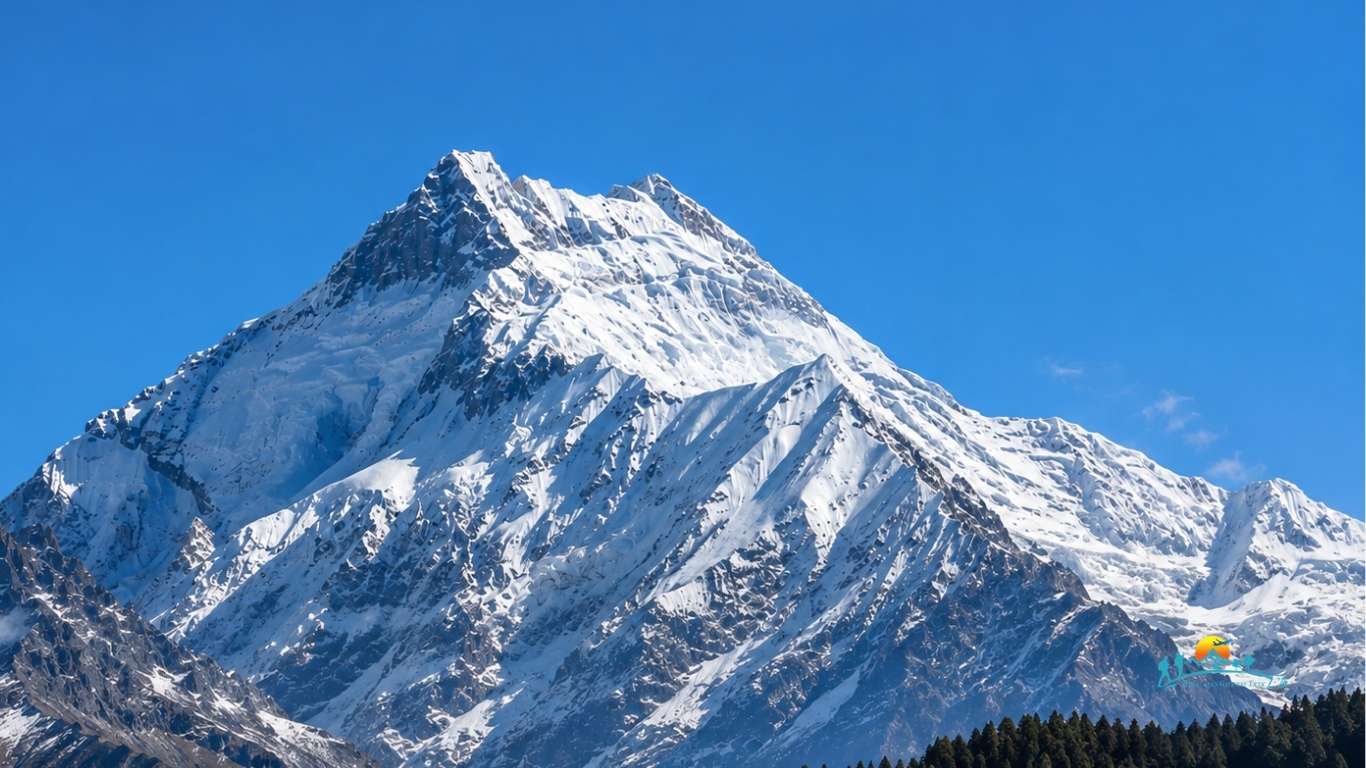
Kanchenjunga is the third-highest mountain in the world and is one of the most revered peaks in the Himalayas. It is situated on the boundary of eastern Nepal and the state of Sikkim in India.
It is known as “Five Treasures of the Great Snow”, due to its five major peaks. The residents believe that these treasures are gold, silver, gems, grain and sacred books.
Kanchenjunga is not like many of the well-known mountains, which are linked to tradition. The people living near the climbers’ stop usually show respect for the beliefs of people living nearby.
It is surrounded by forests, glaciers, rivers and protected national parks. Red pandas, snow leopards, Himalayan black bears and hundreds of bird species are found in the region.
The Kanchenjunga Base Camp Trek is a less hectic trek than Everest. Peaceful hikes, traditional villages, alpine meadows and great mountain views with little tourist traffic.
Quick Facts
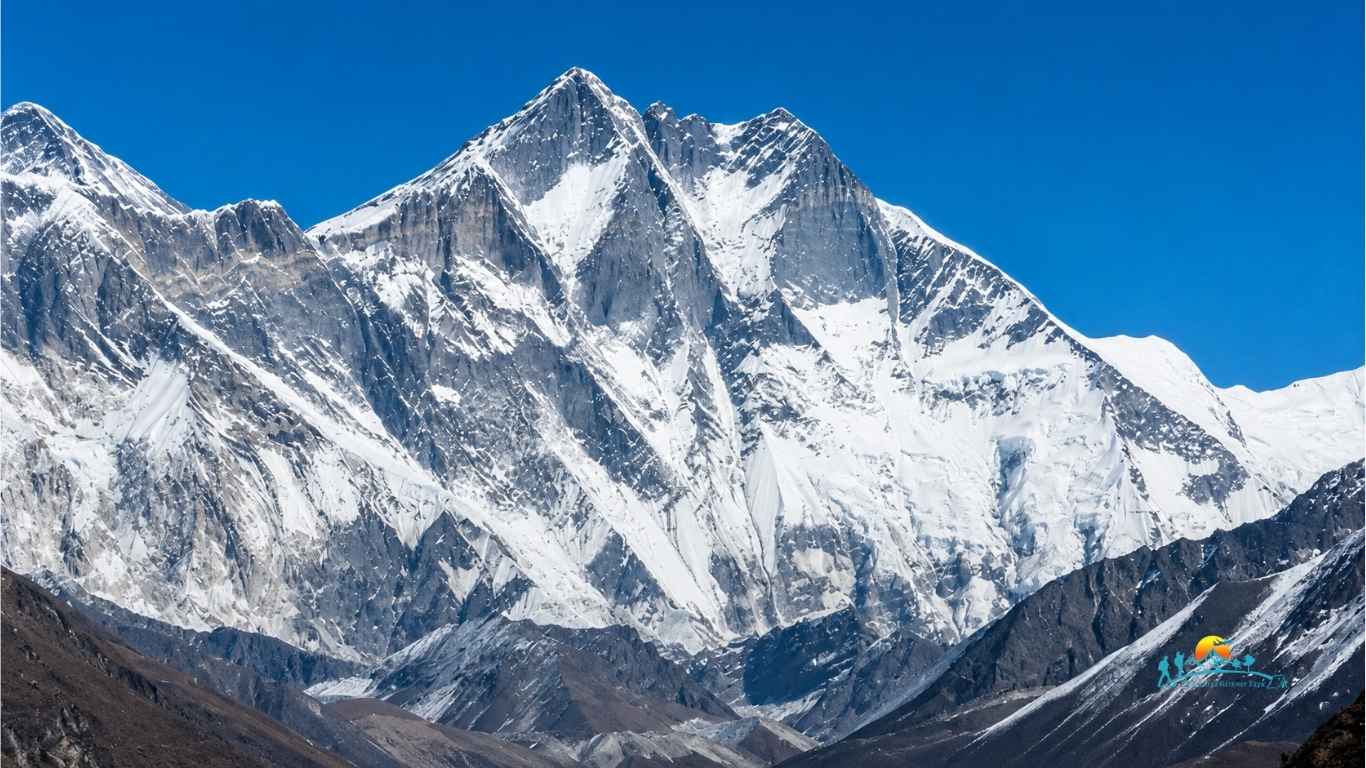
Lhotse is the fourth highest mountain in the world and shares many of its climbing routes with Mount Everest. The mountain is directly South of Everest, which is separated from it only by the South Col.
Its name means “South Peak” in Tibetan, reflecting its position beside Everest. Although many trekkers see Lhotse during the Everest Base Camp Trek, fewer people attempt its summit.
The famous Lhotse Face is one of the steepest and icy part of the Everest climbing route. This is a tough wall to cross for climbers making their way up to Everest and Lhotse, and they will need to use fixed ropes to cross it safely.
Lhotse has three main summits.
It is one of the world’s hardest climbing walls due to the steepness of the rock, hanging ice and high altitude.
Although it doesn’t receive the same level of public interest as Everest, the mountain is revered by those with the technical expertise to climb it.
Quick Facts
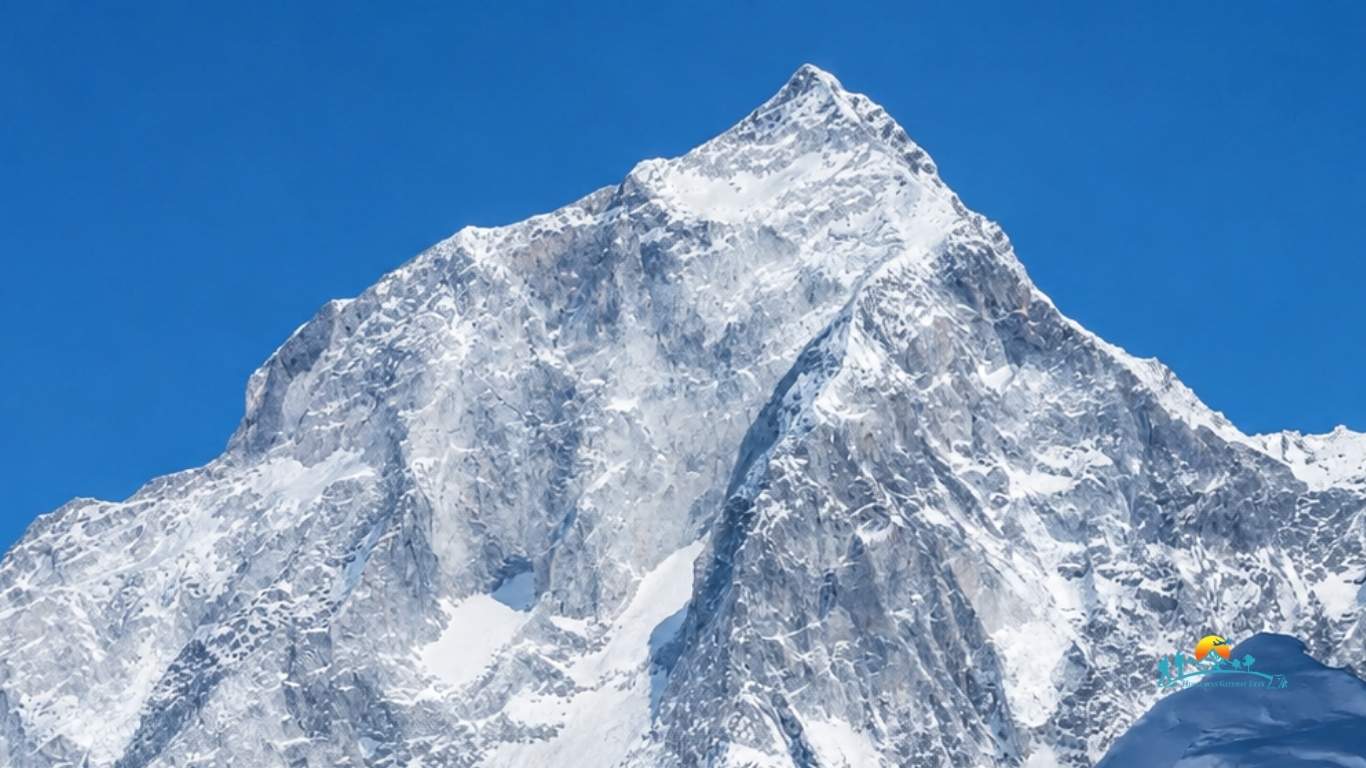
The fifth highest mountain in the world, Makalu, is renowned for its near-perfect pyramid shape. It is situated southeast of Everest, which is above the beautiful Makalu Barun National Park in eastern Nepal.
Some of the steep ridges and sharp summits and exposed climbing sections make this one of the most challenging of the 8,000ers in the mountains. A very high level of rock climbing ability and experience at very high altitudes are necessary for climbers.
In 1955, French climbers Lionel Terray and Jean Couzy climbed to the top, paving the way for future mountaineering missions. Makalu Base Camp Trek has become a popular trek among trekkers who seek for the remote Himalayan scenery, although relatively few people climb Makalu.
The trail winds through thick forest, rhododendron hills, deep river valleys and alpine scenes, leading up to an amazing sight of Makalu Region itself. The surrounding National Park is home to a spectacular array of wildlife, from the snow leopard to the musk deer, the Himalayan tahr and the colorful pheasants.
Over 3000 species of flowering plants have also been found in this area. One of the best features of Makalu is that it is a near-perfect pyramid-shaped mountain, while one of the worst is that it is one of the less crowded areas in Nepal.
Quick Facts
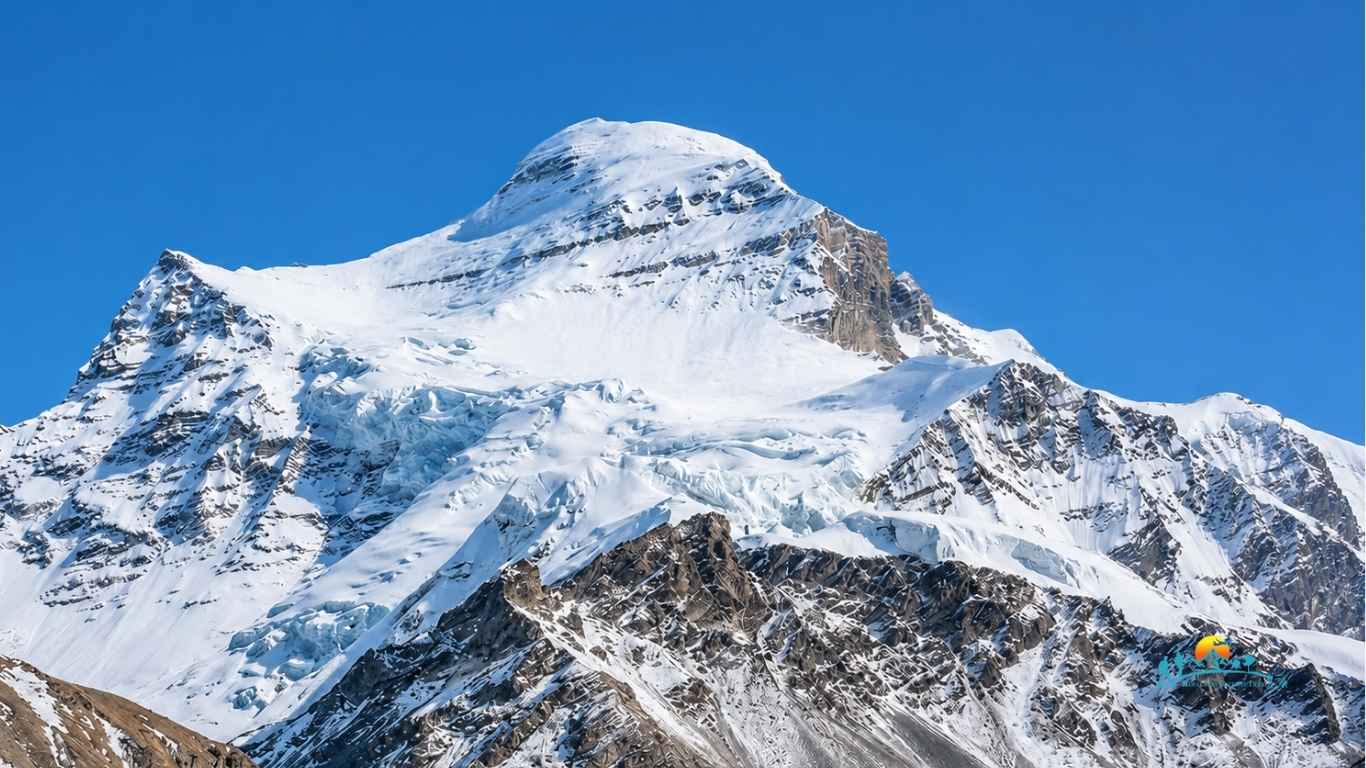
Cho Oyu is the sixth-highest mountain in the world and is one of the most accessible mountains over 8,000m for experienced climbers. It is located on the border of Nepal and Tibet, approximately 20 km west of Mt. Everest.
Cho Oyu is often translated as the “Turquoise Goddess” in Tibetan. The mountain also has wide snow slopes and does not have as many technical climbing areas as many of the other eight thousanders. Nevertheless, all climbs are still challenging at such a high elevation.
Cho Oyu is especially popular among trekkers as their first 8000m trek as it has a normal route with less steep rock faces than K2, Makalu, or Annapurna. However, it is still important to acclimatize because the height is in the so-called “death zone” where there is very little oxygen.
The area surrounding the place has a great view of Everest, Lhotse and other peaks of the Himalaya. The region is attractive for trekking and mountaineering, and is the home of glaciers, high mountain passes, and traditional Sherpa settlements.
Quick Facts

Dhaulagiri I is one of the most impressive peaks of Nepal and the seventh-highest peak in the world. It’s located on the western side of the Annapurna range and stands tall among the terrain with its huge snow-clad walls.
Its name comes from the Sanskrit words “Dhawala” meaning white and “Giri” meaning mountain. Its name is very apt as it is so bright all year round.
Dhaulagiri was thought to be the tallest peak in the world for many years because of the lack of information about the central Himalayas. Subsequent surveys showed that the height of Everest was considerably greater.
Climbing Dhaulagiri is difficult due to steep glaciers, deep snow and fluctuating weather conditions. Careful planning warranted when unstable conditions exist, as avalanches are common.
The Dhaulagiri Circuit Trek is one of the most adventurous trekking routes in Nepal. Unlike the Base Camp route to Everest, this route takes you through remote villages, high passes and low population, quiet valleys.
Quick Facts
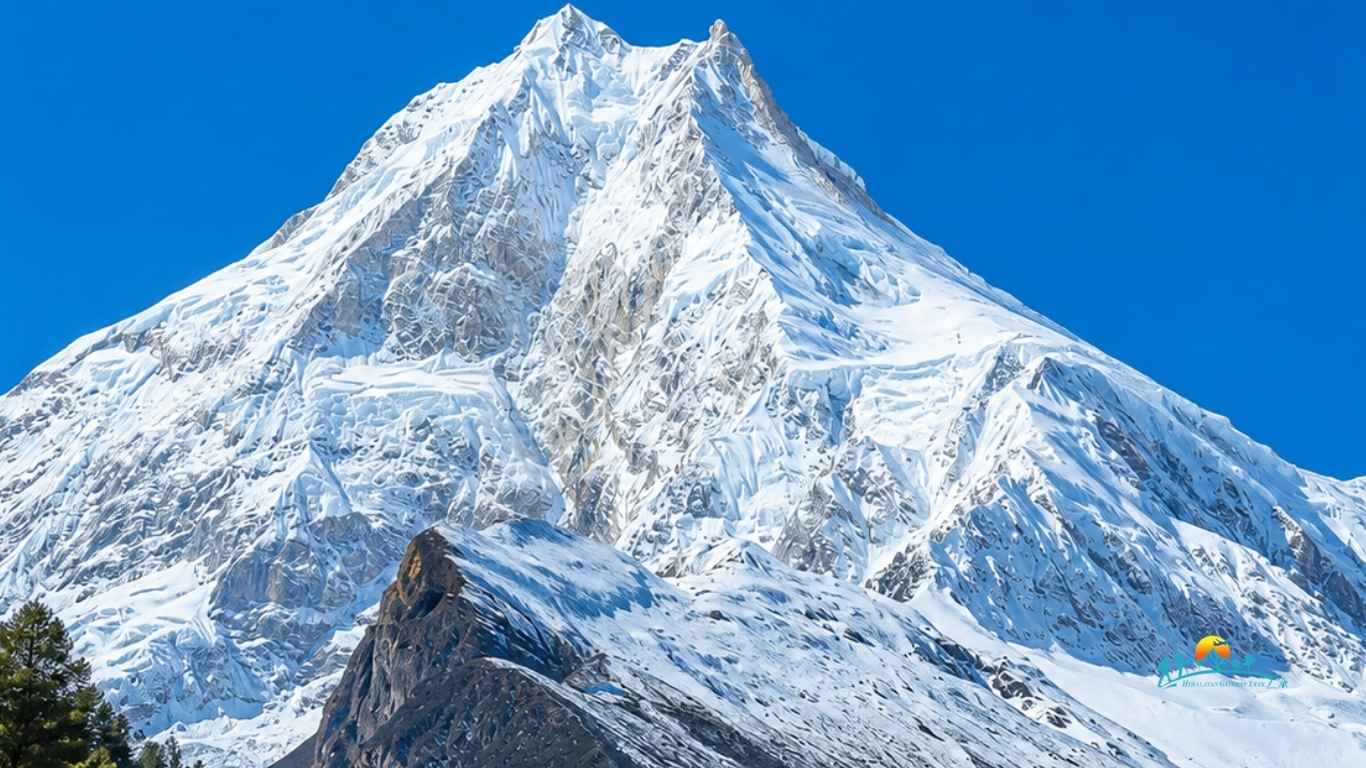
Manaslu is the eighth-highest mountain in the world and has become one of Nepal’s fastest-growing trekking destinations. The mountain stands in the Gorkha District and forms part of the Mansiri Himal.
The word Manaslu comes from the Sanskrit word “Manasa,” which means spirit or soul. The peaceful valleys surrounding the mountain reflect this meaning through their quiet villages, Buddhist monasteries, and untouched forests.
The Manaslu Circuit Trek has become a favorite choice for trekkers looking for a less crowded alternative to the Annapurna Circuit. The route crosses the famous Larke Pass, one of Nepal’s highest trekking passes.
Although the trekking route has become more popular, climbing the summit remains difficult because of steep snow slopes, hidden crevasses, and changing weather.
Quick Facts
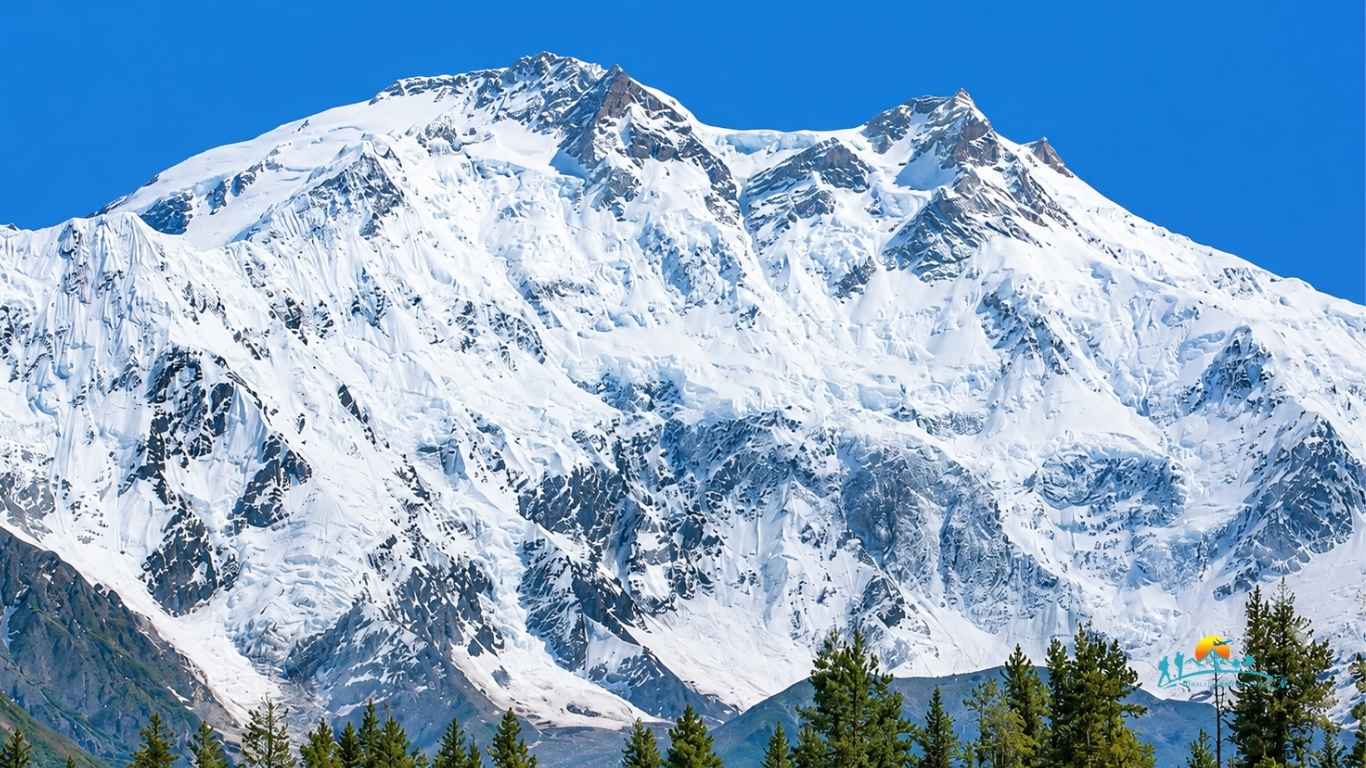
Nanga Parbat is the ninth highest mountain in the world and one of Pakistan’s most famous peaks. It stands alone at the western end of the Himalayas, making it visible from long distances.
Its name means “Naked Mountain” because of its steep rock faces and exposed cliffs. German climbers once called it the “Killer Mountain” after many early climbing expeditions ended in tragedy.
The mountain rises dramatically above nearby valleys, creating one of the largest vertical rises found anywhere on Earth. The Rupal Face alone rises nearly 4,600 meters from base to summit, making it one of the tallest mountain faces in the world.
Despite its difficult reputation, Nanga Parbat attracts experienced climbers who seek one of mountaineering’s greatest challenges.
Quick Facts
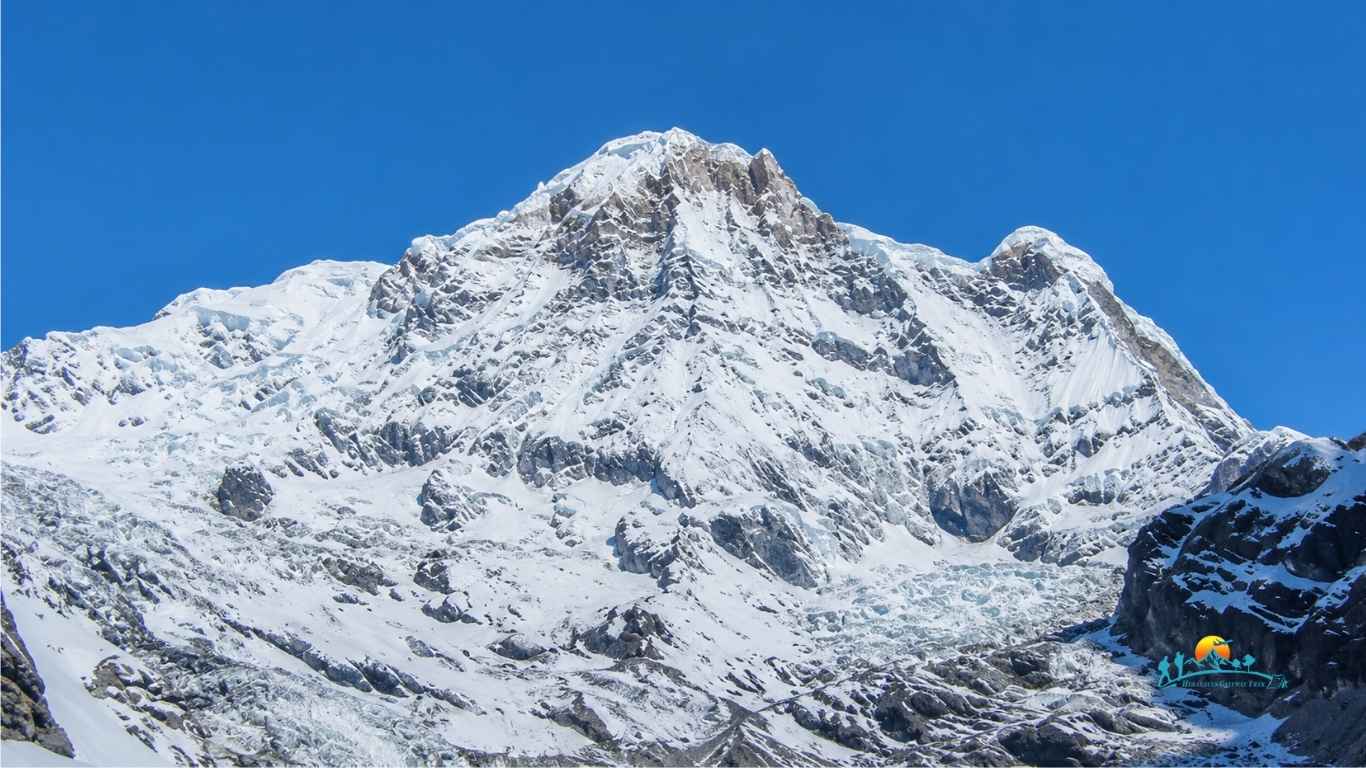
Annapurna I completes the list of the world’s ten highest mountains in the world. Located in central Nepal, it is one of the country’s best-known peaks because of its beauty and climbing history.
The mountain was the first peak above 8,000 meters to be successfully climbed. French climbers Maurice Herzog and Louis Lachenal reached its summit in 1950, opening a new chapter in Himalayan mountaineering.
Although Annapurna is lower than Everest and K2, many climbers consider it more dangerous because of avalanches, unstable snow, and difficult weather.
Fortunately, trekkers do not need climbing experience to enjoy the Annapurna region. The Annapurna Base Camp Trek is one of Nepal’s most popular adventures, offering close views of Annapurna, Machhapuchhre, Hiunchuli, and several other snow-covered peaks.
Quick Facts
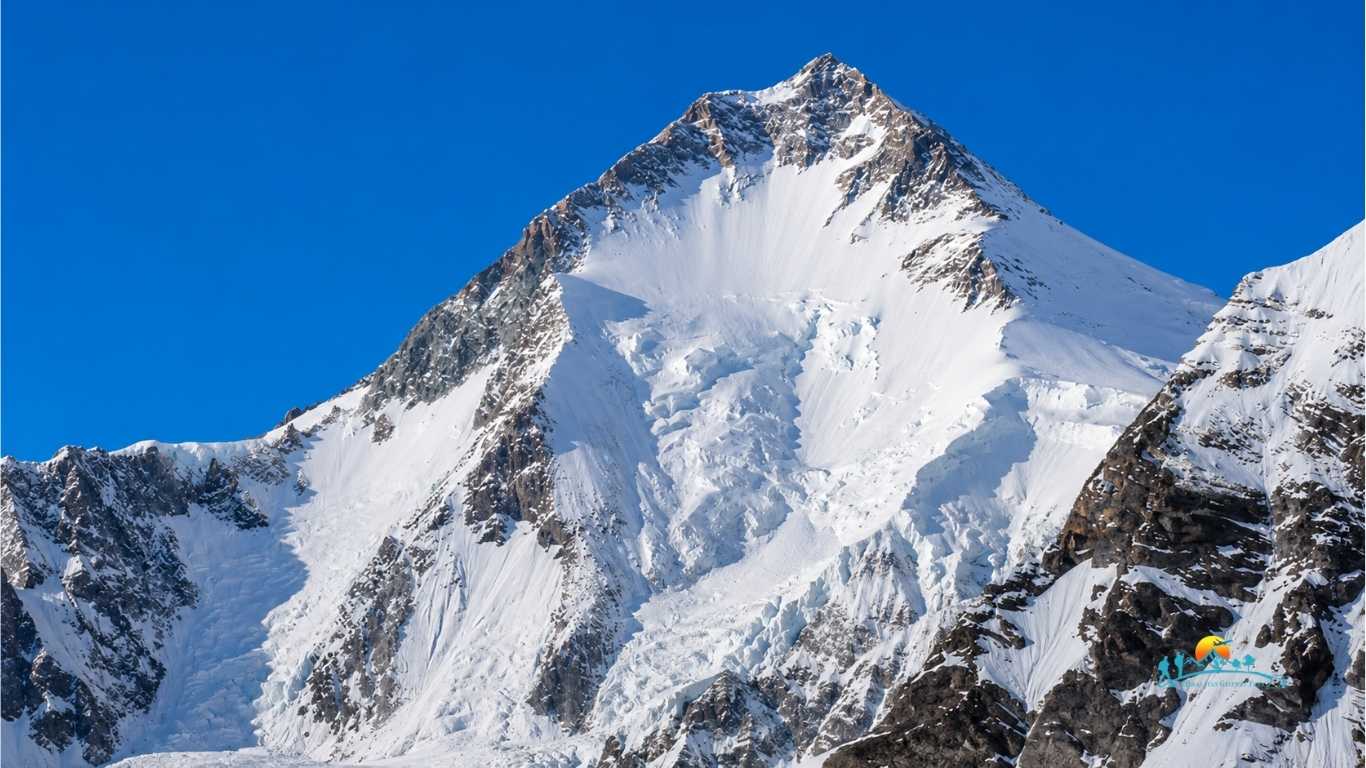
Gasherbrum I is the 11th highest peak in the world, located in the Karakoram range along the border of Pakistan and China. Early explorers could not see it easily from nearby valleys and this is why it’s sometimes referred to as Hidden Peak.
The mountain has long glaciers and steep snow-covered slopes. The weather is challenging, the temperature is cold and the days on the summit are lengthy.
Gasherbrum I is one of the world’s greatest climbing feats, even if it’s not as talked about as K2.
Quick Facts
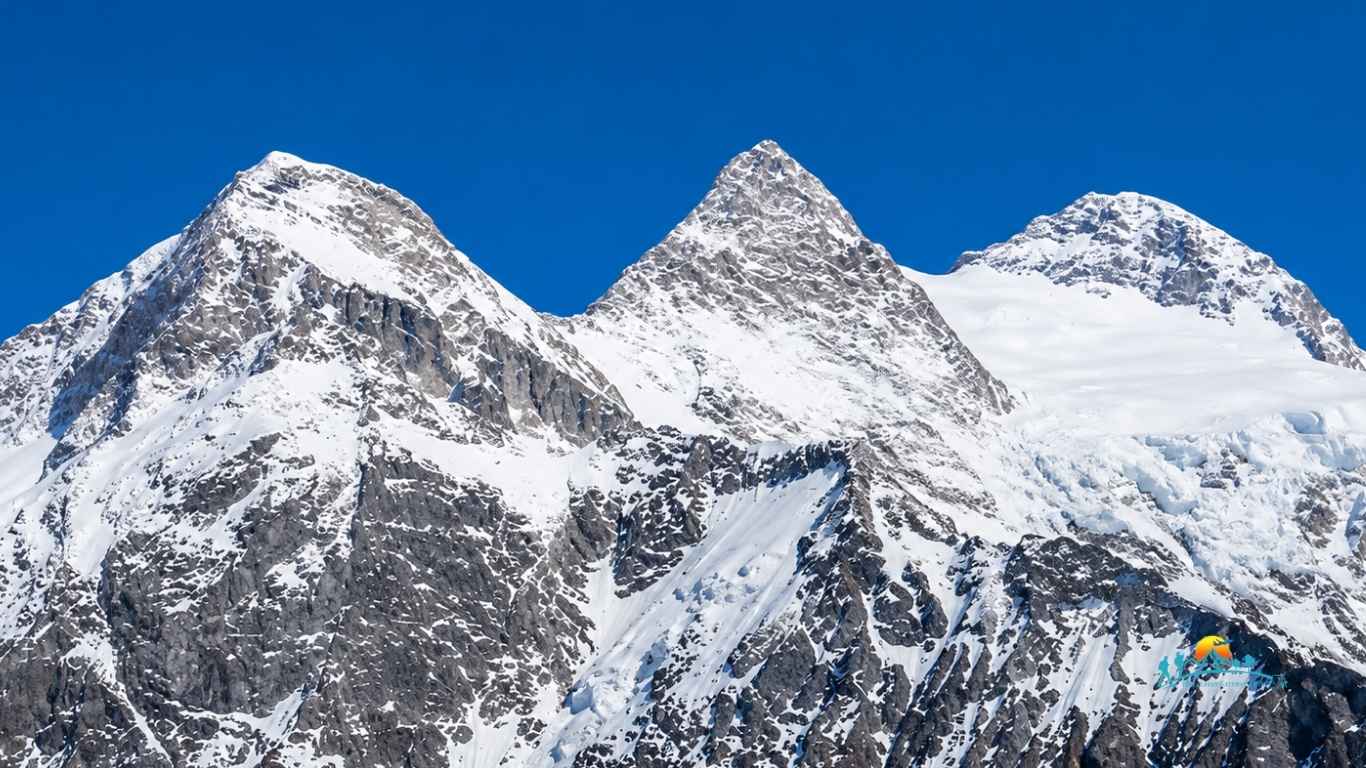
Broad Peak is the 12th highest peak in the world. It is situated near K2 and has the same dramatic Karakoram landscape.
The mountain got its name because its peak is not a single high point, but crosses a broad ridge.
After the experience of climbing other high mountains, many climbers try Broad Peak. Wind and snow are still prevalent and make all expeditions difficult.
Quick Facts
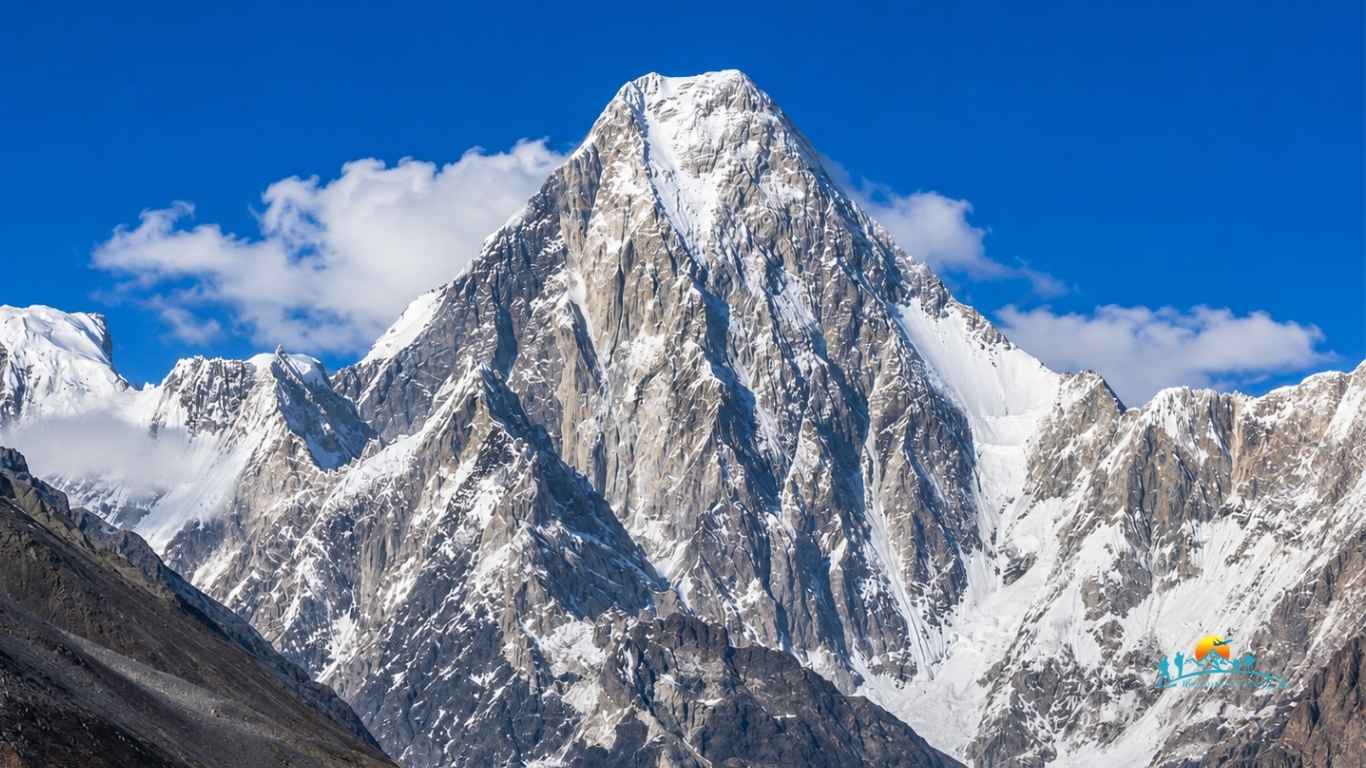
Gasherbrum II, the 13th highest peak of the world, is one of the easier climbs among the eight-thousanders.
Its climbing route contains fewer technical rock sections than many neighboring peaks. Even so, the altitude alone presents serious risks.
The mountain is above the Baltoro Glacier, which is one of the biggest glaciers outside the polar regions.
Quick Facts
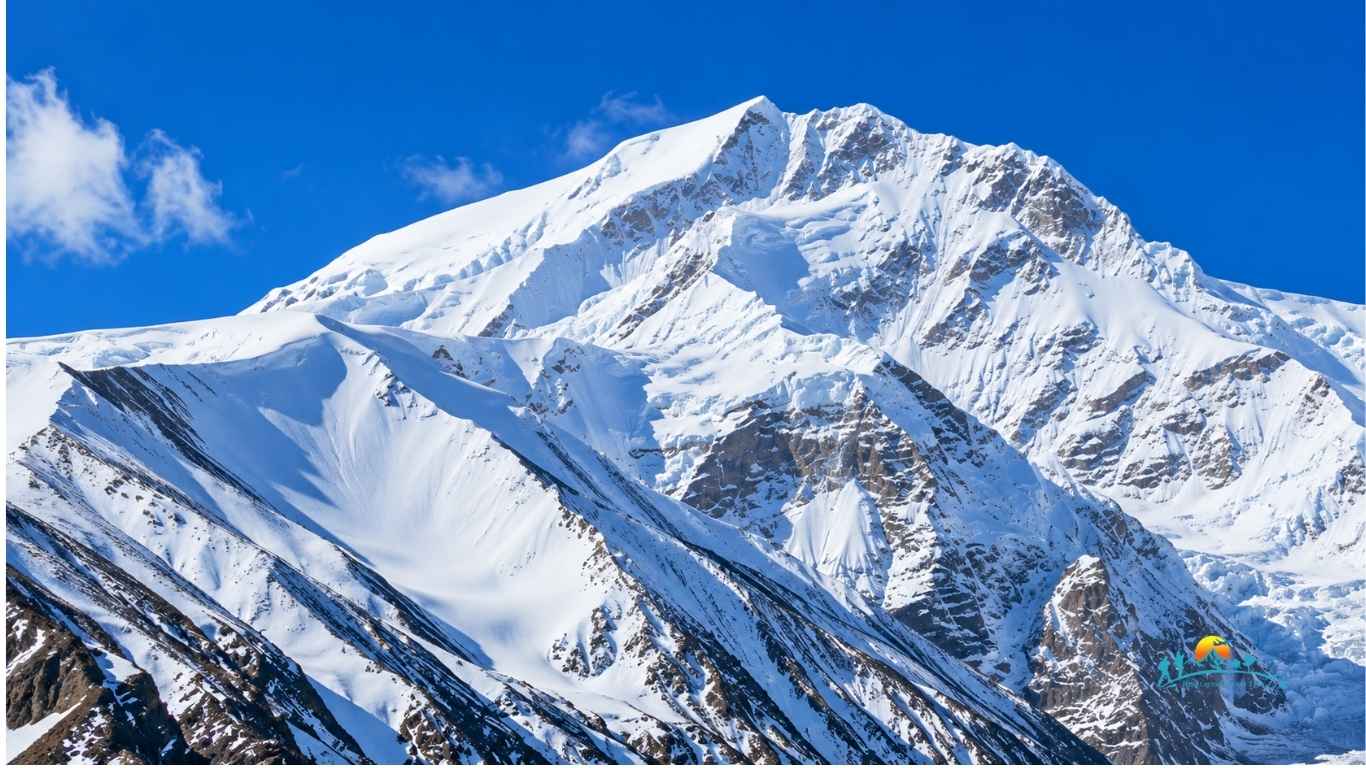
Shishapangma is the 14th and last mountain above 8000m. It is entirely within Tibet, China, as opposed to the other highest peaks.
The mountain was also inaccessible to foreign climbers for many years, and was one of the last eight-thousanders to be explored.
Shishapangma is the last peak to be climbed for the fourteen 8,000m summits, particularly for many experienced mountaineers.
Quick Facts
Nepal is home to eight of the world’s fourteen mountains above 8,000 meters, making it the country with the greatest concentration of the planet’s highest peaks.
This happened because the Indian tectonic plate has been slowly pushing into the Eurasian plate for millions of years. The powerful collision forced the Earth’s crust upward, creating the Himalayas. The mountains continue to rise by a small amount every year.
Nepal’s mountain regions also receive heavy snowfall during winter and strong monsoon rains during summer. These natural forces continue shaping the landscape through glaciers, rivers, and erosion.
| Mountain | Height |
|---|---|
| Mount Everest | 8,848.86 m |
| Kangchenjunga | 8,586 m |
| Lhotse | 8,516 m |
| Makalu | 8,485 m |
| Cho Oyu | 8,188 m |
| Dhaulagiri I | 8,167 m |
| Manaslu | 8,163 m |
| Annapurna I | 8,091 m |
The elevation of a mountain is from mean sea level to its summit. This might seem easy but advanced technology and years of meticulous work are needed to measure the world’s tallest peaks.
Previously, survey parties used trigonometry and observations from the ground to measure mountain elevations. Satellite technology, GPS receivers, laser equipment and gravity measurement are used in modern surveying techniques to increase the accuracy.
The best example of changes over time in mountain measurements is found in Mt Everest. Several surveys were conducted over the years, which reported slightly varying heights. Nepal and China conducted a joint survey in 2020 using modern equipment and officially fixed the height of Everest at 8,848.86 m (29,031.7 ft).
The Indian tectonic plate is still pressing into the Eurasian plate, causing the Himalayas to rise. It is estimated that the growth rate for some parts of the Himalayas is a few millimetres per year.
The words highest mountains in the world and tallest mountains in the world are often used interchangeably, but they refer to two different methods of measuring mountains.
| Feature | Highest Mountain | Tallest Mountain |
| Measurement | Sea level to summit | Base to summit |
| World’s Best Example | Mount Everest | Mauna Kea |
| Height Above Sea Level | 8,848.86 m | 4,207 m above sea level |
| Total Height From Base | Not measured | Over 10,000 m |
Height doesn’t necessarily mean difficulty! Conditions of steepness, weather, avalanche danger, conditions and ice and access to rescue are all elements of climbing difficulty.
K2 is also the most challenging of the world’s highest peaks, according to many seasoned mountaineers. The narrow ridges, unstable snow and unexpected storms make it a very challenging place to climb.
In addition, frequent avalanches and unstable glaciers have also given Annapurna I a serious reputation. It is indeed the 10th-tallest mountain, but many climbers consider it one of the most dangerous ones.
The highest mountains are individually unique. Some are well-known for their steepness, others for their steepness, heavy snowfall or remote location.
The table below shows the top ten mountains in the world.
| Mountain | Height | Country | First Ascent | Difficulty | Popular Base Camp Trek |
|---|---|---|---|---|---|
| Mount Everest | 8,848.86 m | Nepal and China | 1953 | High | Yes |
| K2 | 8,611 m | Pakistan and China | 1954 | Very High | Yes |
| Kangchenjunga | 8,586 m | Nepal and India | 1955 | Very High | Yes |
| Lhotse | 8,516 m | Nepal and China | 1956 | Very High | Via Everest Region |
| Makalu | 8,485 m | Nepal and China | 1955 | Very High | Yes |
| Cho Oyu | 8,188 m | Nepal and China | 1954 | High | Limited |
| Dhaulagiri I | 8,167 m | Nepal | 1960 | Very High | Circuit Trek |
| Manaslu | 8,163 m | Nepal | 1956 | High | Circuit Trek |
| Nanga Parbat | 8,126 m | Pakistan | 1953 | Very High | Yes |
| Annapurna I | 8,091 m | Nepal | 1950 | Extremely High | Annapurna Base Camp |
Many people dream of seeing the world’s highest peaks without climbing to their summits. Nepal and Pakistan offer several famous base camp treks that provide close mountain views while remaining suitable for fit trekkers.
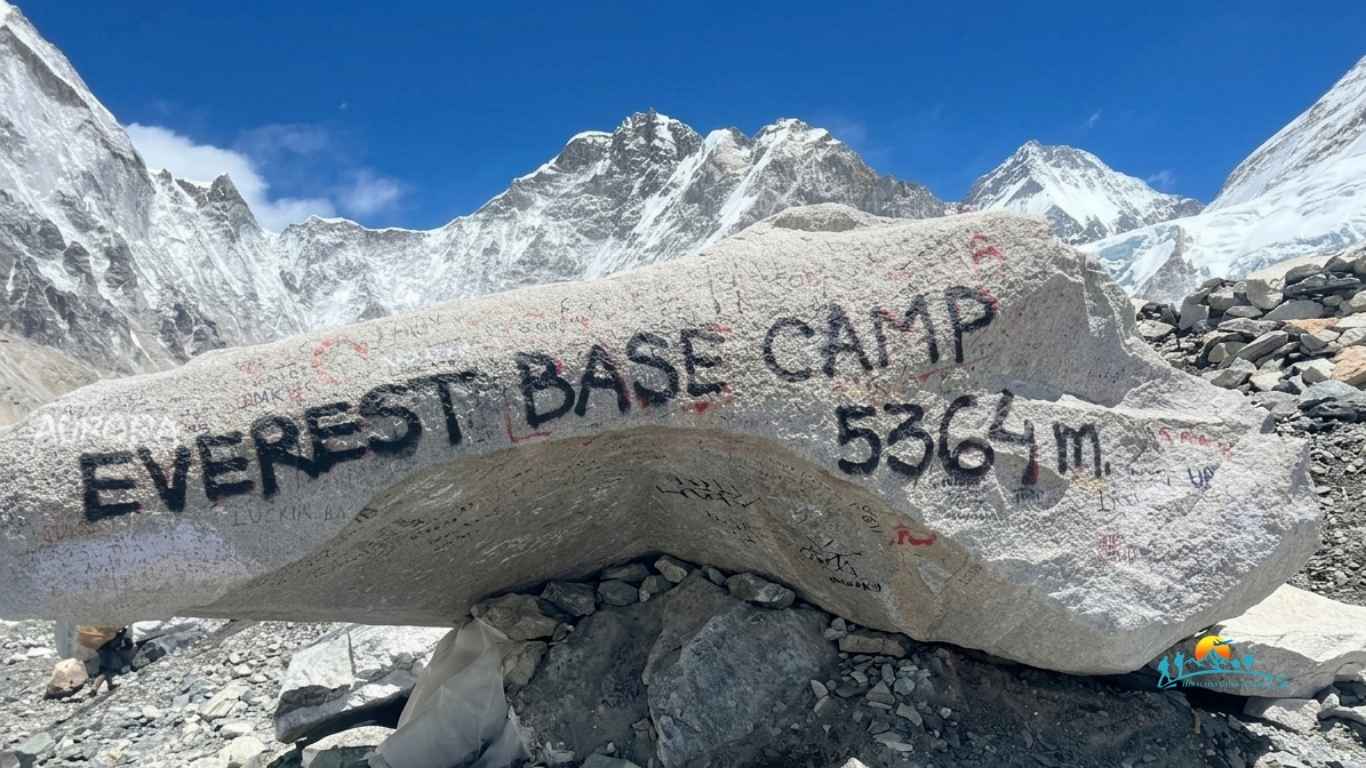
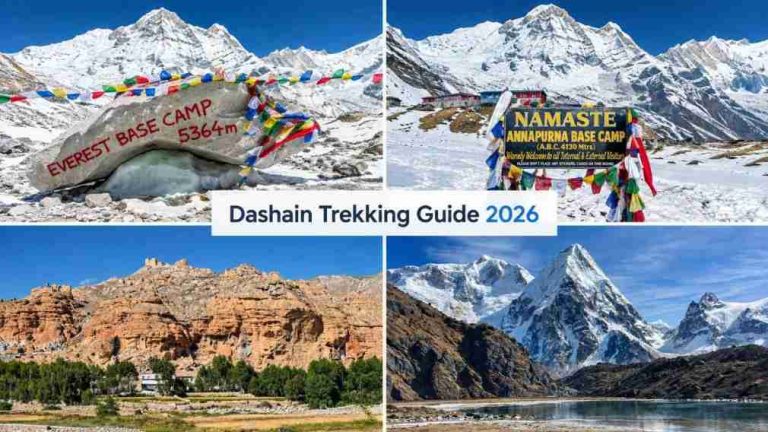
The Everest Base Camp Trek is the most famous trekking route in the world. It takes visitors through Sherpa villages, suspension bridges, ancient monasteries, and beautiful valleys before reaching Everest Base Camp at 5,364 meters.
Average duration: 12 to 14 days
Difficulty: Moderate to challenging
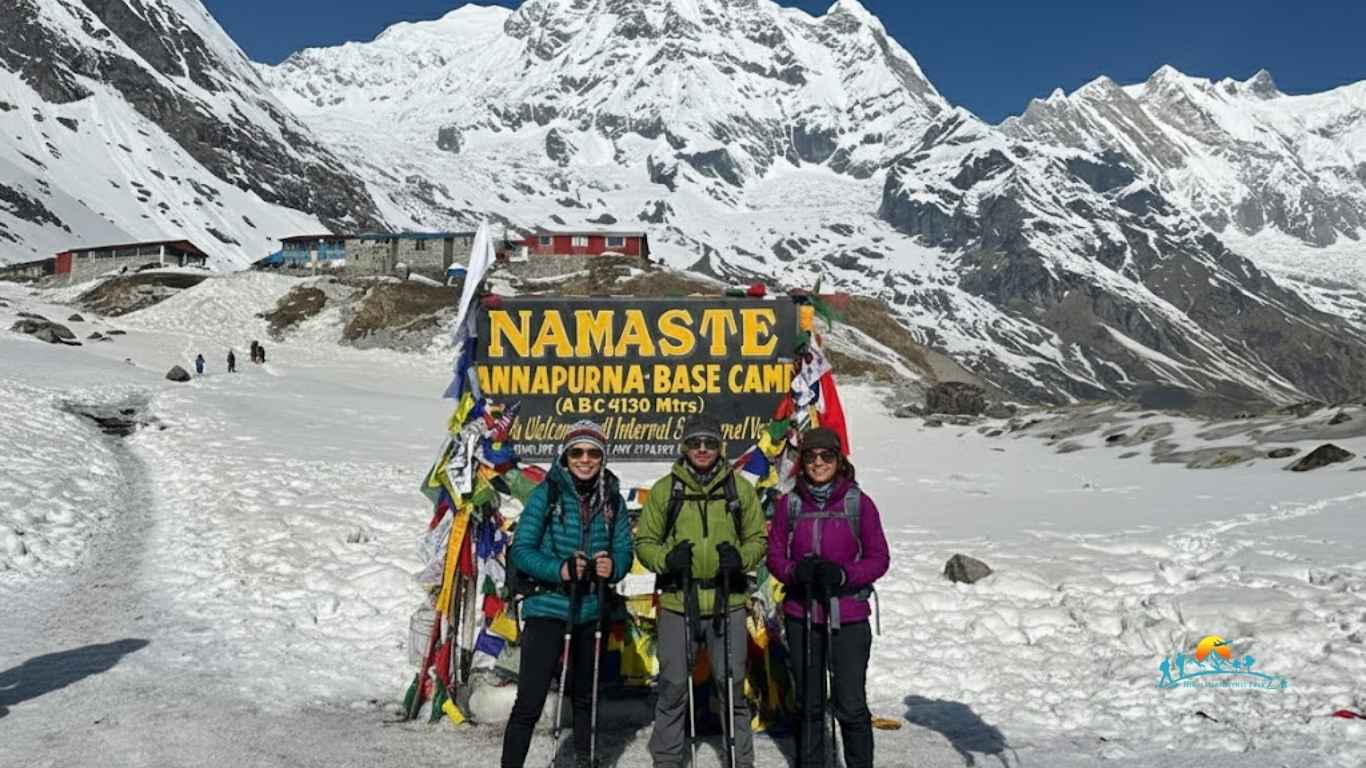
The Annapurna Base Camp Trek is perfect for travelers who want dramatic mountain views within a shorter itinerary.
The trail passes through rhododendron forests, Gurung villages, waterfalls, and terraced farmland before reaching the heart of the Annapurna Sanctuary.
Average duration: 7 to 12 days
Difficulty: Moderate
Trekkers looking for quiet trails often choose the Kangchenjunga Base Camp Trek. The route passes through forests, alpine meadows, remote villages, and protected conservation areas.
Average duration: 18 to 24 days
Difficulty: Challenging
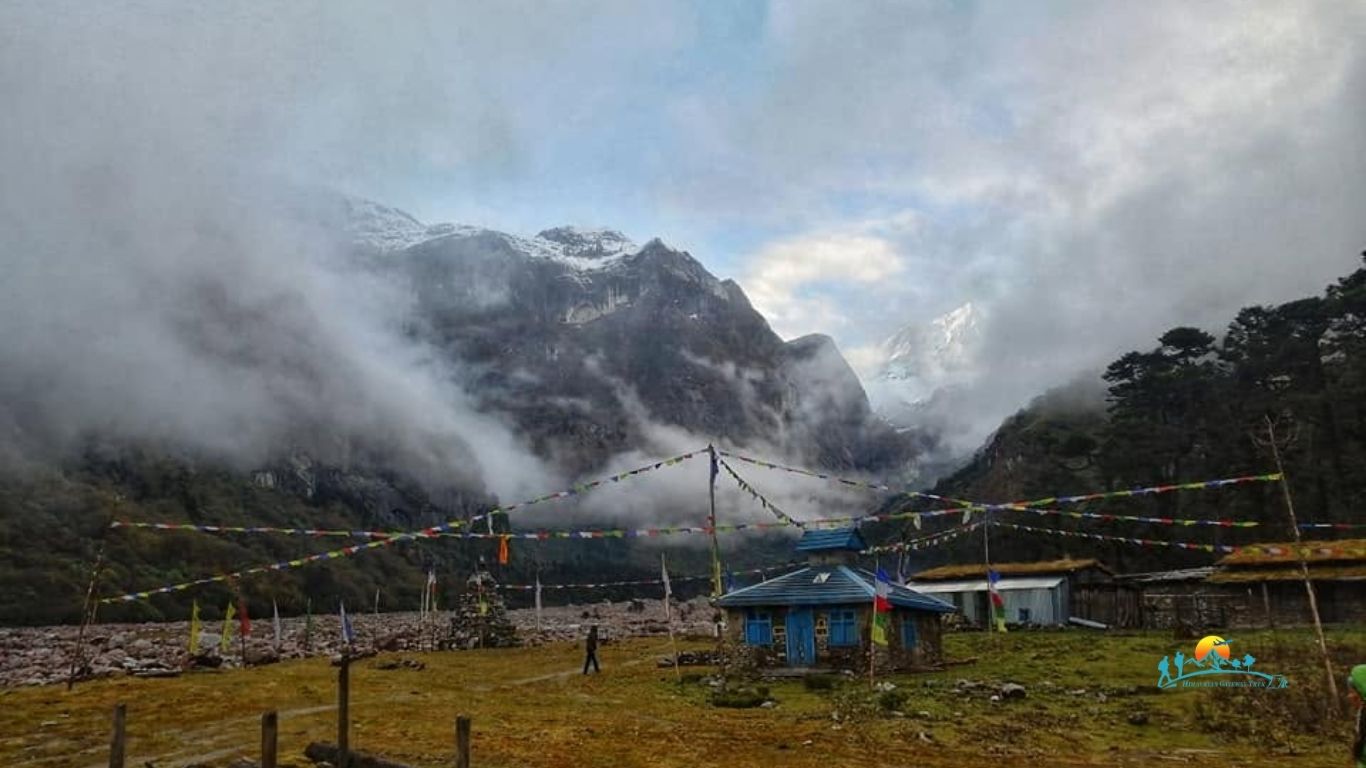
Makalu Base Camp Trek offers one of Nepal’s least crowded adventures. The trail crosses rivers, forests, and high alpine valleys before reaching spectacular views of Makalu.
Average duration: 16 to 20 days
Difficulty: Challenging
The best season to visit the highest mountains in the world is also important. The weather can impact on visibility, trail safety, flight schedules, and overall trekking experience. Each season is unique in its own way, but spring and autumn are the best seasons for trekking and mountaineering in the Himalayas.
Spring is a favourite season for visitors to the Himalayas. It’s the beginning of winter and the snow starts to melt, trekking trails open up and the temperature rises. This is a great time of year to take photos and see snow-covered peaks since the skies are clear.
Along the various trekking trails, the forests are filled with colorful rhododendron flowers (the national flower of Nepal). Lower regions are covered with blooming forests for which beautiful landscapes are created and trekking is attracting people from all over the world.
The spring season is also the prime climbing season for Mount Everest and the visitors can catch mountaineering expeditions making preparations to climb it.
Winter is considered to be one of the best seasons to visit the highest mountains in the world, particularly Nepal. Once the monsoon rains have stopped, the air is clean and the sky is very clear. This results in some of the best mountain views of the year.
Weather conditions are also dry and stable, with little risk of heavy downpours or snowfall on most of the trails. Daytime temperatures are comfortable, nights cool but comfortable with the right clothing. These good conditions make autumn also the most active trekking season.
There are fewer people on the trails during winter and it’s a quiet time to trek. The mountains are particularly attractive after fresh snow, and the fresh air, with its fine clarity, on fine days often gives a good view of the mountains. This season is beneficial for those who prefer a more relaxed environment.
But there are also some challenges in the winter. Temperatures at higher elevations can drop well below freezing, especially during the night. High mountain passes could be closed due to the heavy snow, and some of the mountain retreats may be closed for the season. The appropriate winter gear should be worn and trekkers should be ready for shifts in weather.
Many parts of Nepal experience heavy rains during the monsoon season, making trekking more difficult there. Trails become slippery when wet, mountain views are frequently obscured by clouds, and rivers can be flooded by heavy rainfall. Humidity is also elevated on lower terrain and forested areas have more leeches.
Due to the weather, flights to mountain areas can be delayed or canceled. These are the obstacles that arise, but not all trekking sites are touched equally. Opposite sides of the mountains, e.g. Upper Mustang and Dolpo get less rain during the monsoon and continue to be good trekking destinations.
Spring and autumn is the ideal time for most travelers. The seasons are characterised by beautiful clear skies, stable weather conditions, warm temperatures and stunning mountain views, perfect for hiking up to iconic destinations like Everest Base Camp, Annapurna Base Camp, Manaslu Circuit, Kangchenjunga Base Camp and Makalu Base Camp.
A successful mountain trip begins with good preparation. High-altitude regions place extra demands on the body, so careful planning improves both safety and enjoyment.
You can build endurance beforehand by walking, hiking, cycling and strength training regularly.
Ascending slowly allows your body to adjust to lower oxygen levels. Rest days are an important part of any high-altitude itinerary.
The weather in the mountains can turn at a moment’s notice. Pack layers, waterproofs, warm gloves, hat, sunglasses and good hiking boots.
Stay hydrated, drink plenty of water all throughout the hike. Your risk for altitude sickness may be greater if you are dehydrated.
The best trekking weather is typically in the spring or fall when the skies are clearest.
Local guides ensure safety and share great knowledge about the mountain culture, trails and weather.
Bring back all non-biodegradable trash and refrain from disturbing or harming wildlife or plants.
The highest mountains in the world are more than just mountains. They are symbols of beauty, adventure and culture. Every mountain has its own story and breathtaking view from the summit of Mount Everest to the top of Shishapangma. Nepal is one of the best destinations for trekking and mountaineering with 8 among the 14 peaks above 8000m, which is the biggest number in the world.
These mountains continue to inspire people, while also serving as a reminder of the need to safeguard the delicate environment of the Himalayas, whether you venture to their base or merely familiarize yourself with these giants.
Mount Everest is the highest mountain above sea level, peaking at 8,848.86 meters (29,031.7 feet). Situated in the Himalayas on the Nepal-China border, it remains the ultimate destination for global mountaineers and trekking enthusiasts.
“Highest” measures a mountain’s peak elevation strictly above sea level, making Mount Everest the winner. “Tallest” measures the entire structure from its absolute base to peak, allowing Hawaii’s Mauna Kea to claim the top spot globally.
The ten highest peaks above sea level are Mount Everest, K2, Kangchenjunga, Lhotse, Makalu, Cho Oyu, Dhaulagiri I, Manaslu, Nanga Parbat, and Annapurna I. They all exceed 8,000 meters and reside exclusively within Asia’s grand mountain ranges.
The world’s seven highest peaks above sea level are Mount Everest, K2, Kangchenjunga, Lhotse, Makalu, Cho Oyu, and Dhaulagiri I. Located in the Himalayas and Karakoram ranges, each towering summit surpasses a staggering 8,100 meters.
No, Mount Everest is significantly taller than Mount Kilimanjaro. Everest reaches a soaring peak of 8,848.86 meters above sea level, while Kilimanjaro, Africa’s highest freestanding mountain, stands at a much lower elevation of 5,895 meters.
The top twenty highest mountains consist of the fourteen iconic “eight-thousandners” plus six massive peaks exceeding 7,800 meters, including Gyachung Kang, Annapurna II, Gasherbrum IV, Himalchuli, Distaghil Sar, and Ngadi Chuli, all situated entirely in Asia.
Mauna Kea in Hawaii is the world’s tallest mountain from base to summit. While it stands only 4,207 meters above sea level, its volcanic base sits deep on the ocean floor, totaling over 10,203 meters.
K2 is the second highest mountain, reaching 8,611 meters (28,251 feet) in the Karakoram range on the Pakistan-China border. Also known as the Savage Mountain, it is legendary for its extreme technical climbing difficulty.
K2 features far steeper, more technical rock and ice routes, unpredictable storms, and severe avalanche risks compared to Everest. It demands elite mountaineering skills and has a notoriously high fatality rate among those attempting the summit.
Annapurna I in Nepal holds the highest fatality rate among all eight-thousand-meter peaks. Statistically, roughly one-third of climbers who attempt to reach its deadly summit lose their lives due to frequent, massive, unpredictable avalanches.
Cho Oyu is considered the most accessible eight-thousand-meter peak because of its gentler, less technical slopes. Located near a major trading pass, its standard route lacks the sheer vertical drop-offs found on deadlier mountains.
Kangchenjunga translates to “The Five Treasures of the High Snow” in the local language, referencing its five distinct, towering peaks. Straddling the Nepal-India border, it stands proudly as the third highest mountain globally.
Manaslu, the eighth highest mountain in the world, derives its name from the Sanskrit word “manasa,” meaning spirit or intellect. Located completely inside Nepal, it is a highly popular training peak for Mount Everest.