Best Time to Visit Nepal: Weather, Seasons, and Month-by-Month Guide
October to November and March to April are the best time to visit Nepal for clear mountain views and trekking,…
 Himalayan Gateway Trek - On
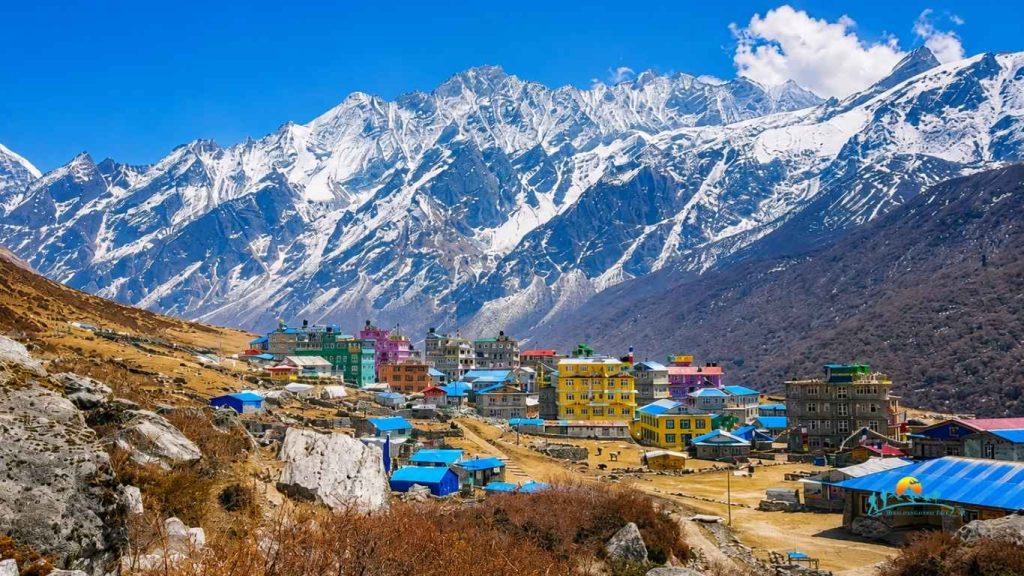
 For those looking to experience snow-covered peaks, lush forests, mountain villages, glaciers and wildlife in one trip, Langtang National Park is certainly one of the best places to go in Nepal and is the closest among the National Parks of Nepal to Kathmandu. The park, which lies north of the capital, close to the border with Tibet, is visited by trekkers, nature lovers, photographers, birdwatchers and pilgrims all year round.
In contrast to many of the busier areas of Nepal, Langtang is a tranquil trekking area with lovely mountain views, warm Tamang villages and fewer crowds. Two hours in the park will lead visitors from hot river valleys to alpine meadows, to old monasteries and to high altitudes where the Himalayas are visible on the horizon.
Langtang is more than a trekking place! It safeguards forests, rivers, endangered species and centuries-old mountain culture. Each trail offers a different view, from blooming rhododendrons in the spring, to frozen lakes in the winter, to green hills in the summer after the rain.
This Langtang National Park guide covers all the details of its location, trekking routes, permits, wildlife, accommodation, food, safety tips and best time to visit.
Langtang National Park was the first Himalayan national park of Nepal, which was formed to conserve the wildlife, forests, rivers, glaciers and mountain communities of the area. It encompasses areas as large as 1,700 square kilometres ranging from subtropical forests in the low valleys to permanently snow-covered mountains of the Himalayas.
There are two reasons why the park is important. It helps to conserve one of the most natural and beautiful places in Nepal while giving trekkers, wildlife watchers, pilgrims, and locals responsible access to the local way of life, culture, and religious sites.
Many travelers prefer Langtang as it provides numerous activities of Everest and Annapurna without the need to spend as much time from Kathmandu Valley. The trails wind through forests teeming with birds, through traditional Tamang villages, through yak pastures, glacial valleys, and quiet monasteries, and into wondrous vistas of Kyanjin Ri and Tserko Ri.
Langtang is also of great religious importance. The Hindu and Buddhist devotees visit the sacred lakes like Gosaikunda, particularly during the Janai Purnima festival, in thousands annually.
Langtang National Park was set up as the first national park in the Himalayas of Nepal in 1976. The protected area was created to maintain its natural forests, fauna, and mountain environment and to develop sustainable tourism.
This area was part of the much later story of conservation success in Nepal. Protecting endangered species and maintaining trekking trails that support local livelihoods through collaboration between local communities, park authorities, and conservation groups.
The Langtang Valley was heavily affected by the devastating earthquake in April, 2015. The earthquake caused huge landslides and avalanches, burying entire villages. Since then, people from the area have reconstructed houses, tea houses, monasteries and trekking facilities. In fact, the trails are still open today and safe to use, and continue to attract visitors from all over.
Langtang National Park is located in Bagmati Province in the center of Nepal, just north of Kathmandu. It is located adjacent to Tibet (China) and in parts of Rasuwa, Nuwakot and Sindhupalchok districts.
It is situated near the capital, Nepal, which makes it the closest national park in the Himalayas. The Langtang Valley Trek starts with a drive from Kathmandu to its main entrance point at Syabrubesi.
Situated near the Tibetan Plateau, guests will enjoy a special mix of Nepalese and Tibetan culture in the trekking area of the park.
The park spans from the lower river valleys to some of the highest peaks in the Langtang Himal. The sharp rise and fall in elevation results in an astounding range of scenery: dense forest, alpine meadow, glacial valleys, chert mountain ridges, snow-covered peaks. As you make your way through the park, you’ll notice the landscape shifts at each step of the way.
It starts about 120 kilometres north of Kathmandu. Syabrubesi, a small mountain village, is the most popular entry point where you embark on several trekking routes.
While the distance might seem short, the route is on a mountain road, which is slower than driving on a highway. The majority of visitors take one full day to get to the destination before embarking on the trek.
The road journey from Kathmandu to Syabrubesi normally takes between seven and nine hours, depending on road conditions, weather and traffic.
Syabrubesi is the main starting point for trekking within the park. The journey is along twisting mountain roads, through small towns and fields of terraces, river valleys and woods. The ride takes longer than the distance would imply, but it is enjoyable because of the different scenery along the way.
Those who visit Kathmandu normally head straight for Syabrubesi early in the morning, before it gets hot, and arrive by late afternoon or evening. Heavy rain and occasional landslides can make it take more time to get to some places during the monsoons, so please be flexible with your travel plans.
Travellers can reach Syabrubesi by:
Local buses are the cheapest, private vehicles are more comfortable and flexible. Although some sections of the road are still muddy in the monsoons, it is being improved in many places.
Its proximity to Kathmandu makes Langtang an attractive choice for travellers with limited time.
Compared with other famous trekking regions, visitors spend less time travelling and more time walking through the mountains.
This shorter approach also makes Langtang suitable for:
The combination of convenience and natural beauty explains why Langtang remains one of Nepal’s favourite trekking destinations.
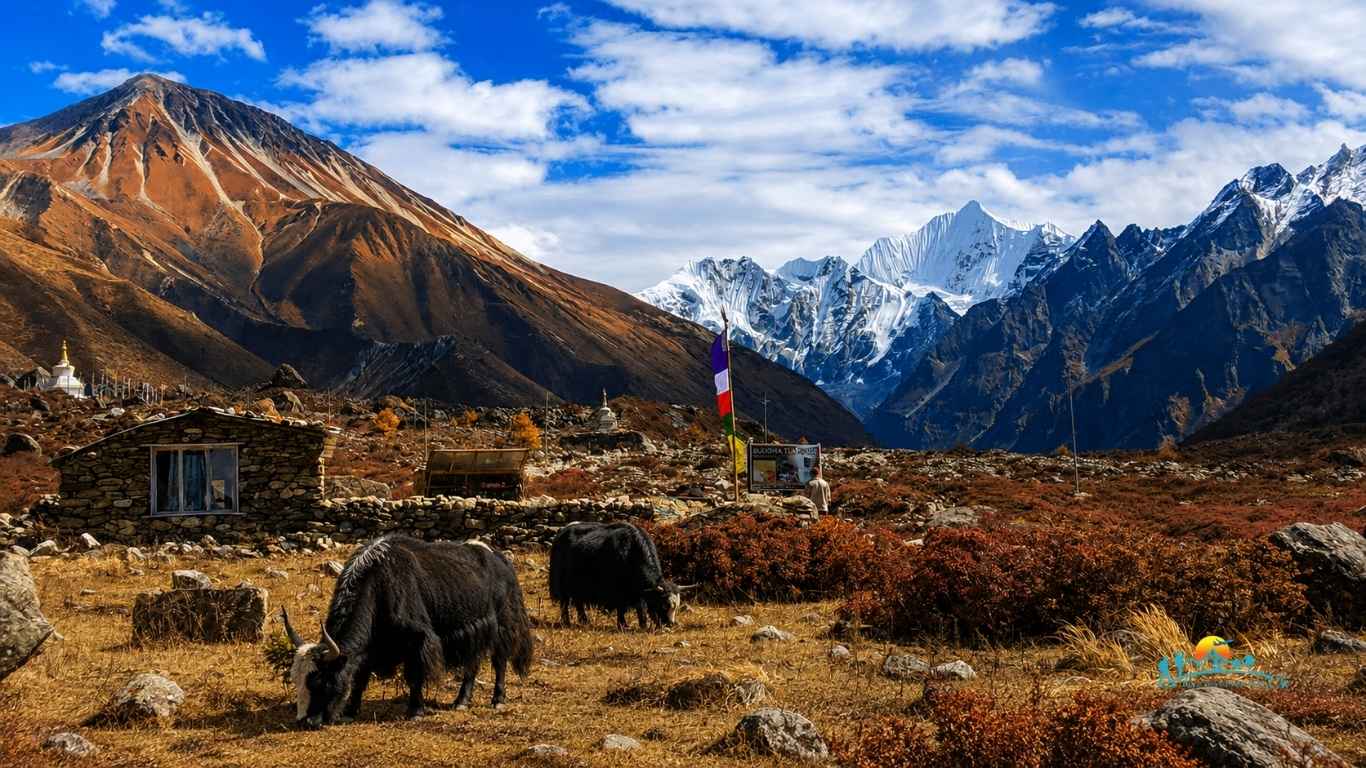
Langtang National Park is blessed with an amazing diversity of natural features in a small area. A walk through these dense forests and deep river valleys, through alpine meadows, glaciers, rocky cliffs and snow-covered mountains in one walk.
With such a dramatic elevation change, several different habitats support different plants and animals. Langtang is one of the most diversified protected areas in Nepal with this wide range of habitats.
The Langtang National Park ranges from low valleys around 1000 meters. to the highest peak of the park, Langtang Lirung (7234 meters). This extraordinary topographic relief results in a diverse range of climates, habitats and natural landscapes throughout the area. The climate shifts from warm river valleys and farmed fields to rich forests of pine, oak, and bamboo as visitors ascend higher.
Further down the trails, above the forests are meadows, yaks grazing, rocky slopes, glaciers, and snow-capped mountain summits. One of the most characteristic features of Langtang National Park is its step-wise elevation changes, which means that trekkers can taste multiple different environments and ecosystems throughout the trek.
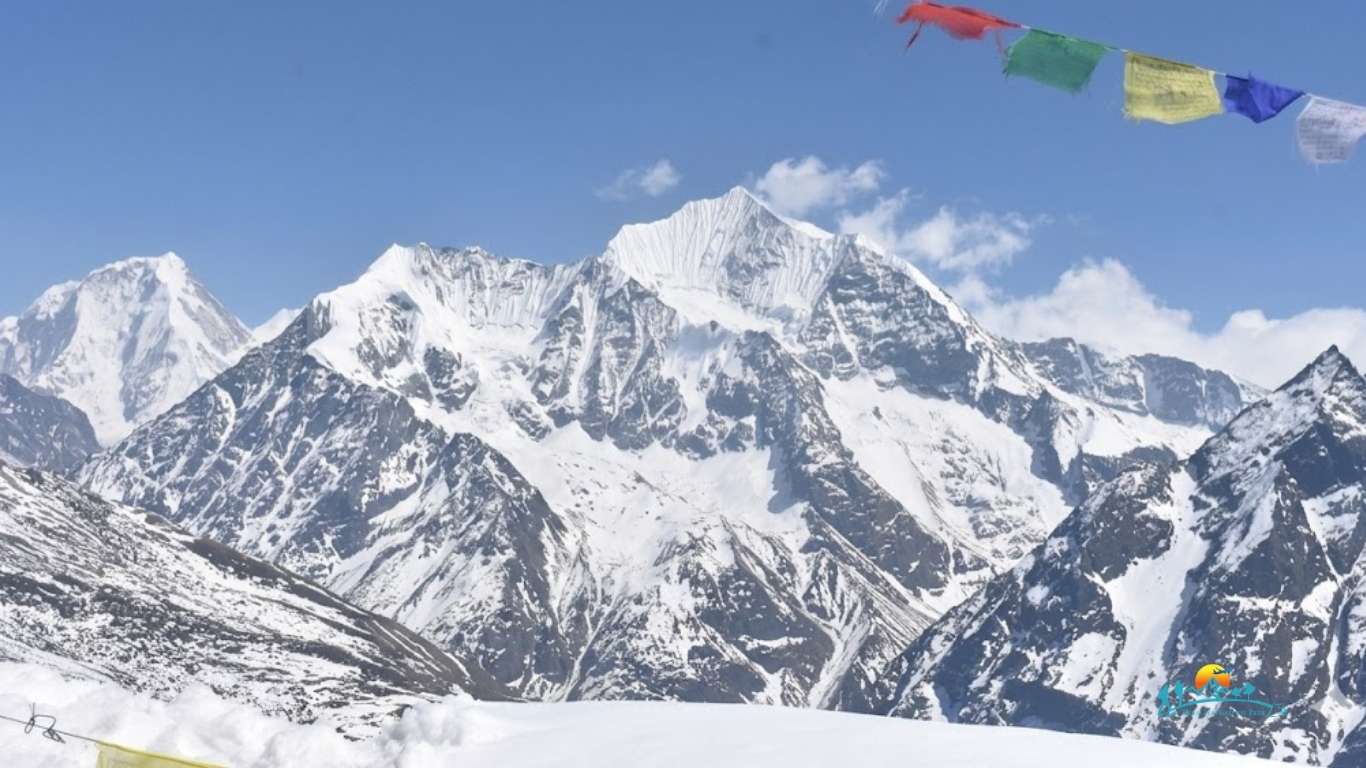
Langtang National Park is surrounded by many spectacular mountain peaks which form a striking skyline in this region and are popular among trekkers, climbers and photographers from all over the world. Langtang Lirung (7234 m), the highest peak in the park, rises above the Langtang Valley and is the most identifiable peak in the area.
In addition, other significant mountains are not to be missed, such as Langtang Ri (7205 metres), which is located near the Nepal-Tibetan border, Dorje Lakpa (6966 metres) with its striking pyramid shape and Gangchenpo (6387 metres), a beautiful snow-covered peak that is part of this stunning mountain scenery.
Although these peaks are not for the faint-hearted, trekkers can take in the panoramic views from popular viewpoints like Kyanjin Ri and Tserko Ri, which can be reached without any technical mountaineering skills as they offer close-up views of the surrounding Himalayan giants.
The natural features of Langtang National Park are also greatly influenced by rivers, glaciers, and alpine lakes. Narrow Langtang Khola runs through the middle of the valley, transporting the purest waters from the snow-covered peaks and glaciers of the region into the larger river systems further downstream.
You traverse many streams, waterfalls and suspension bridges on the trekking routes, enhancing the picturesque experience. The several major glaciers found in the park are also of significance, such as the Langtang Glacier, Yala glacier and Lirung glacier, from where many rivers from the area flow.
Gosaikunda is the most popular of the various lakes in the park. Both the Hindus and Buddhists revere this sacred Alpine lake and thousands of pilgrims visit it during the annual Janai Purnima festival.
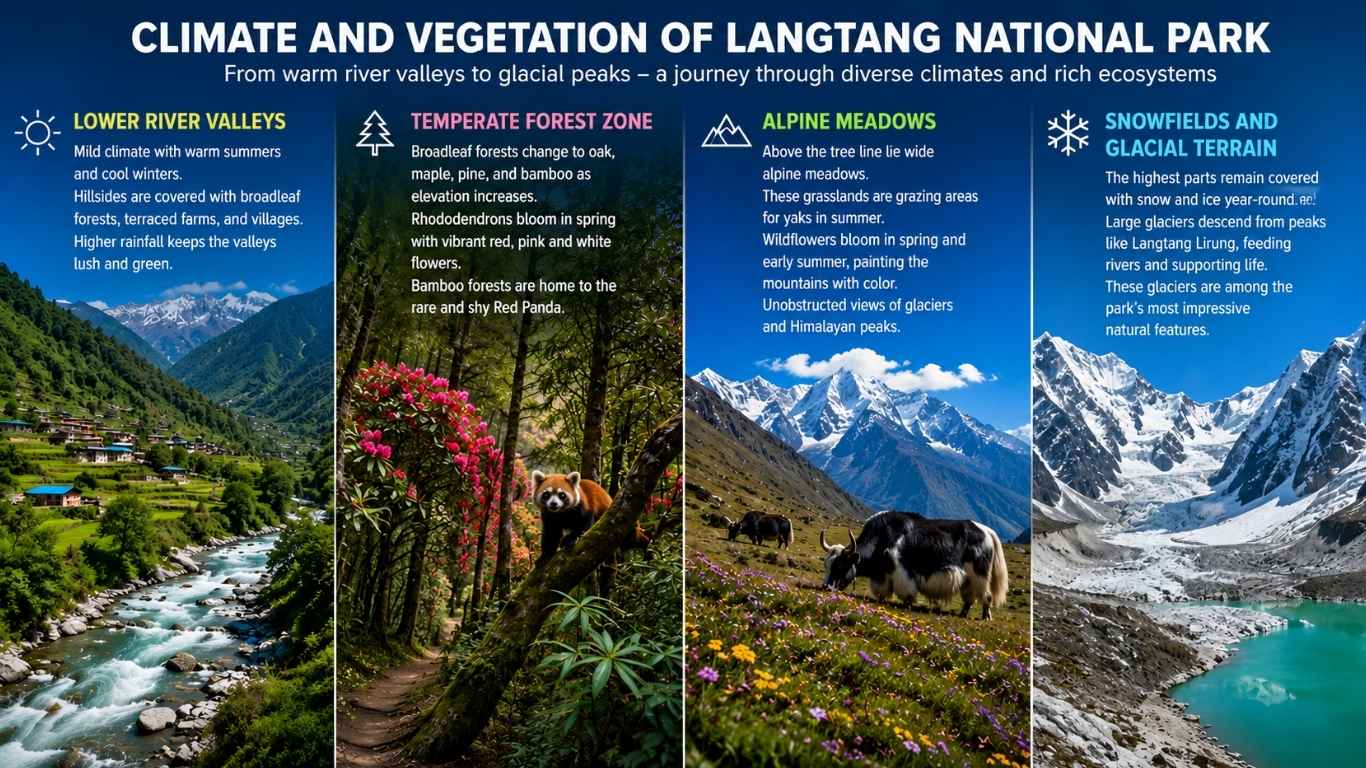
The park has a broad elevation range, resulting in several different climate zones that means different forest and plant communities thrive throughout the park. On the first day of the trek, you can enjoy warm river valleys, and after a few days, you will be in cold alpine areas.
The variability of these conditions is conducive to one of the most diverse and abundant endemics of native plants and wildlife that exists in Nepal.
The lower part of Langtang National Park has a moderate climate, warm summers and cold winters. The hillsides are blanketed with broad-leaf forests and terraced farms and small villages where local families cultivate crops and raise livestock.
This region is wetter than the higher elevations and can support forests to stay green for most of the year.
Moving up the hinge, the broad-leaf forests gradually convert to oak, maple, pine and bamboo.
In spring, when rhododendron flowers, this part of the park is particularly pretty with blooms of red, pink and white. One of the best parts of the Langtang Valley Trek is walking through these forests.
One of the park’s rare animals, the Red Panda can also be found in the thick bamboo forests.
In the upper limits of the tree line, forests give way to open grasslands. The alpine meadows are used for yaks as grazing grounds in the summer.
In spring and early summer wildflowers can be seen in the hillsides, giving the mountains a colorful look.
It is also a very open area with a good view of the surrounding peaks of the Himalayas and glaciers.
Most of the area above Langtang National Park is snowy and icy for most of the year.
The mountain Langtang Lirung feeds into rivers of large glaciers which are important for wildlife as well as nearby communities.
The glaciers are not a popular tourist destination, but they certainly make a striking natural feature in the park.
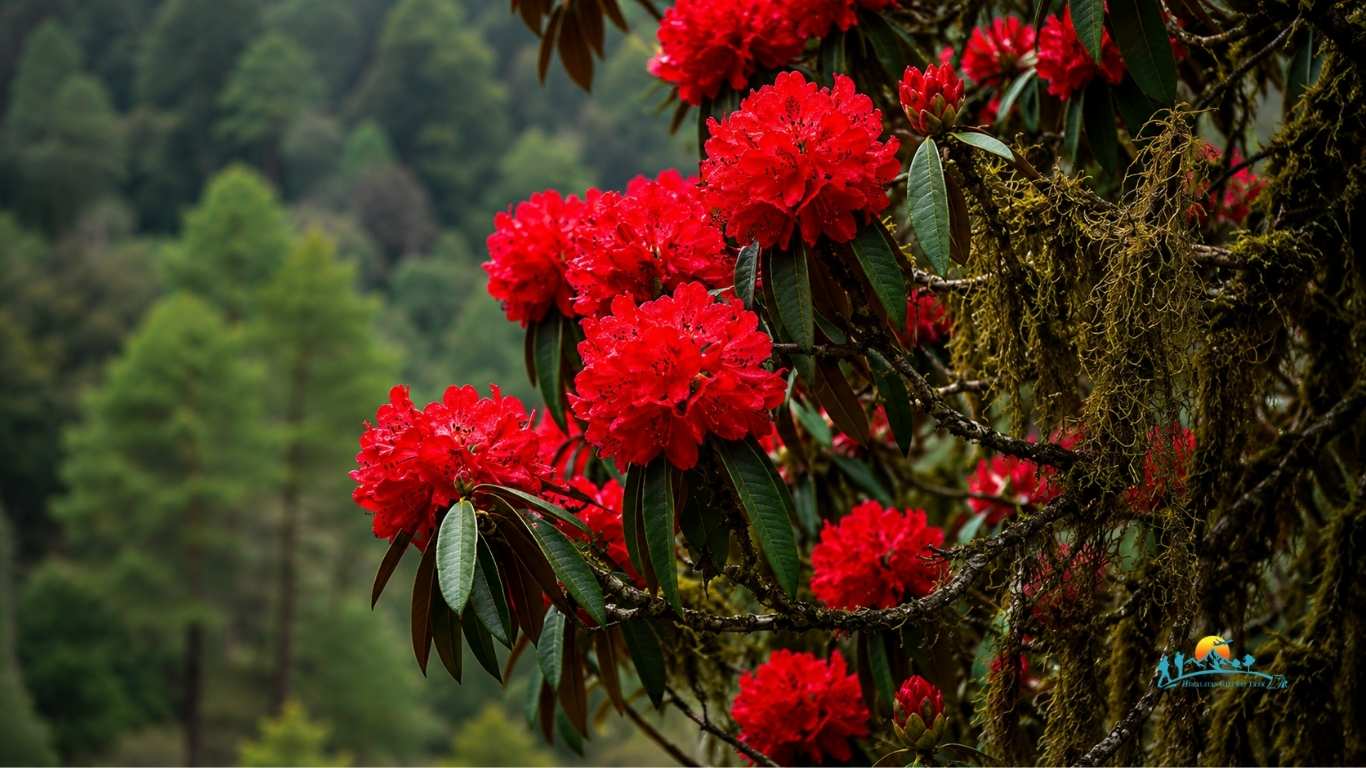
This rich biodiversity is a result of the expansive range of elevation in Langtang National Park from subtropical forests to snowy mountains of the Himalaya. The different altitudes form a vast variety of habitats which sustain hundreds of plant species and an incredible diversity of wildlife.
From walking through forests of rhododendrons, bamboo forests and alpine meadows, each stretch of the park will be a chance for you to discover the natural beauty in Nepal.
Langtang National Park is one of Nepal’s most diverse and rich botanical areas, with over 1000 species of flora found in its different elevations. The vegetation shifts dramatically as you ascend from the bottom of the river valleys to the plateaus and high altitudes. Most of the lowlands are covered with an open forest of broadleaf trees, with oak, maple, and pine trees, and dense bamboo forests grow over many of the middle hills.
Bamboo forests are also significant as a habitat for the endangered Red Panda. In the springtime, the park becomes a riot of colour as the rhododendron forests are in bloom in shades of red, pink and white, offering one of the most stunning trekking experiences in Nepal.
The woodlands slowly turn into alpine meadows, hardy shrubs, mosses, lichens and wildflowers that have adapted to the cold climate of the Himalayas at higher elevations. These forests not only add beauty to the landscape but also serve as a buffer for water sources, a barrier against soil erosion and a habitat for an abundance of animal and bird life.
Langtang National Park is also well known for the abundance of its wildlife, and is one of the best places in Nepal to see animals in their natural environment. It is an important centre of biodiversity and is home to over 45 species of mammals and over 250 species of birds.
It has been home to many iconic species, including the endangered Red Panda that is rarely seen in the bamboo forests. There are also several mammal species of note, such as the Himalayan Tahr, the Musk Deer, the Himalayan Black Bear, and the elusive Snow Leopard (which is rarely seen because of its secretive nature and habitat).
The park is also a popular destination for birdwatchers, who can enjoy sightings of many colourful birds, including the Blood Pheasant, the Golden Eagle, the woodpecker, the Laughingthrush and the Nepal national bird – the Himalayan Monal – as well as the Nepalese Griffon Vulture. Although less noticed, several lizards, frogs and small snakes do live in the lower forests of the park and river valleys.
The best time to enjoy the wildlife is spring or fall when the weather is nice and visibility is excellent, allowing easy viewing of wildlife and birds along the trekking trails.
The park protects more than forty mammal species, including several that are considered rare or threatened. Animals found in Langtang are similar to animals found in Everest.

The most popular animal in Langtang National Park is Red Panda. Many people are hoping to see one, but they still aren’t spotted that often, as they are a shy creature and spend a lot of their time hiding in bamboo.
They have a suitable habitat in the cool forests around Lama Hotel and Ghodatabela. Red pandas are chiefly nocturnal and crepuscular, with the majority of their time being spent in the early morning and late afternoon. They eat a variety of bamboo leaves and shoots, fruits and berries. They are a threatened species and under the protection of Nepal’s wildlife conservation policies, Langtang is one of the most important protective areas for them in Nepal.

It is easier to see the Himalayan Tahr than the Red Panda. These sure-footed mountain animals often graze on steep rocky slopes above the trekking trails.
They have a thick coat of fur which makes them able to survive the harsh winters in the Himalayas. Males are larger than females, and have long, shaggy manes; females generally keep to smaller groups than males, with young. They can climb very well, which enables them to climb safely across cliffs that many predators cannot follow.

Musk Deer tend to live in the forest, where they are very elusive from their predators. They are sometimes spotted early in the morning by trekkers as they quietly run between trees.
Musk Deer do not have antlers, unlike most of other deer species. Rather, males have long, fang-like canine teeth with which they fight with other males over territory. Wildlife spotting is rare and memorable as they are cautious and have excellent camouflage.

The Himalayan Black Bear is found throughout the forest in the park. They are rare but do occur during the fruiting season when food is abundant.
They are omnivores; in summer eating insects and small animals, and in winter eating berries, nuts and roots. They don’t tend to touch humans, but visitors are always advised to keep at least a two-metre distance from them and not to try to approach or feed them. Visitor safety and animal conservation go hand-in-hand when it comes to respecting wildlife.

The park’s most elusive predator is the Snow Leopard. It inhabits highland areas far from people, where not many people visit. Although not seen by most visitors, camera traps in the park prove that these amazing cats are still alive and well within the park. They have thick pale-grey fur which gives them good camouflage against the rocky mountain background, and long tails for balance on steep cliffs.
The Snow Leopard is one of the most endangered and endangered large cats in the world, and a flagship species for conservation in the Himalayas.
Langtang is a rewarding birding area all year round.
It is one of the significant bird habitats in Nepal with over 250 species recorded within the park.
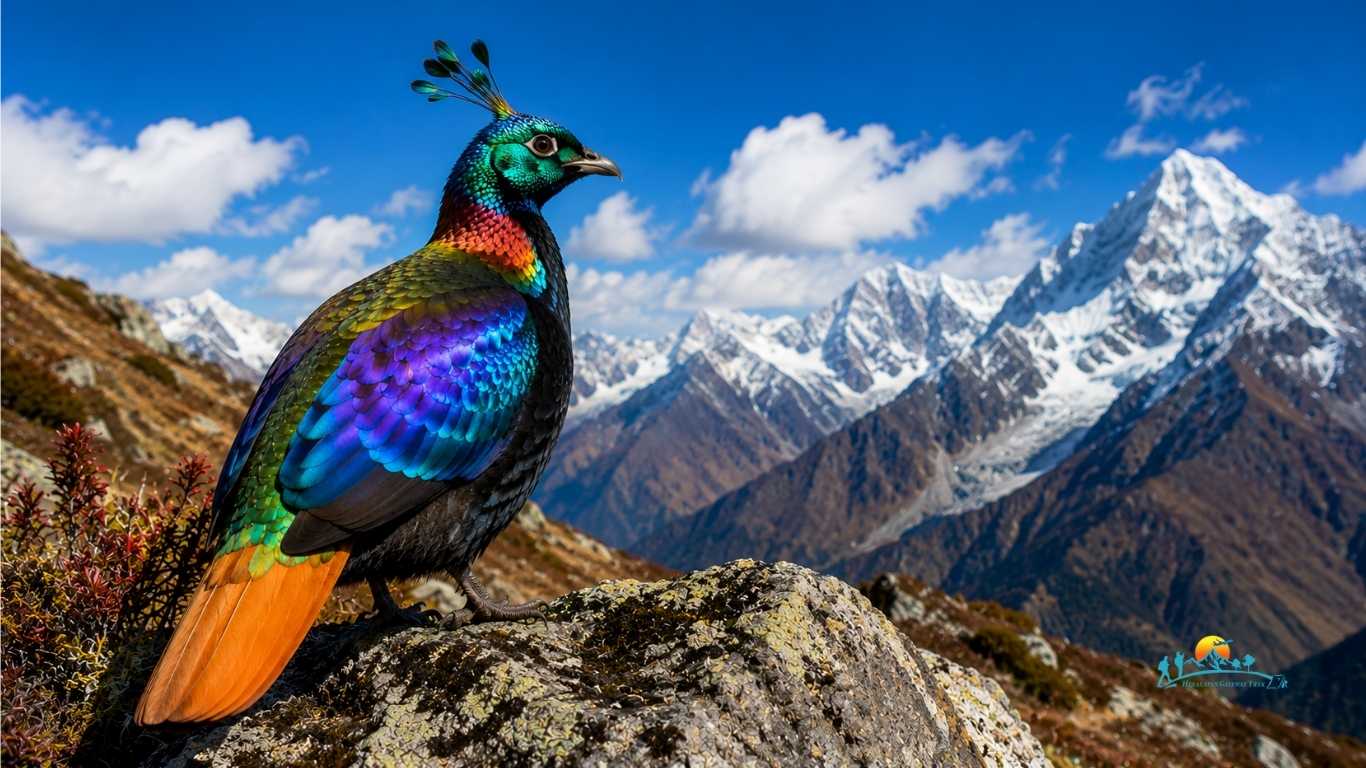
The Himalayan Monal is the national bird of Nepal, and is known for its bright plumage. Its bright blue, green, orange and copper coloring is especially eye-catching when it catches the morning sun.
This striking pheasant is usually found in alpine meadows and rhododendron forests at higher elevations. Spring is one of the best time to see this beautiful bird, as its impressive courtship displays occur during this season.
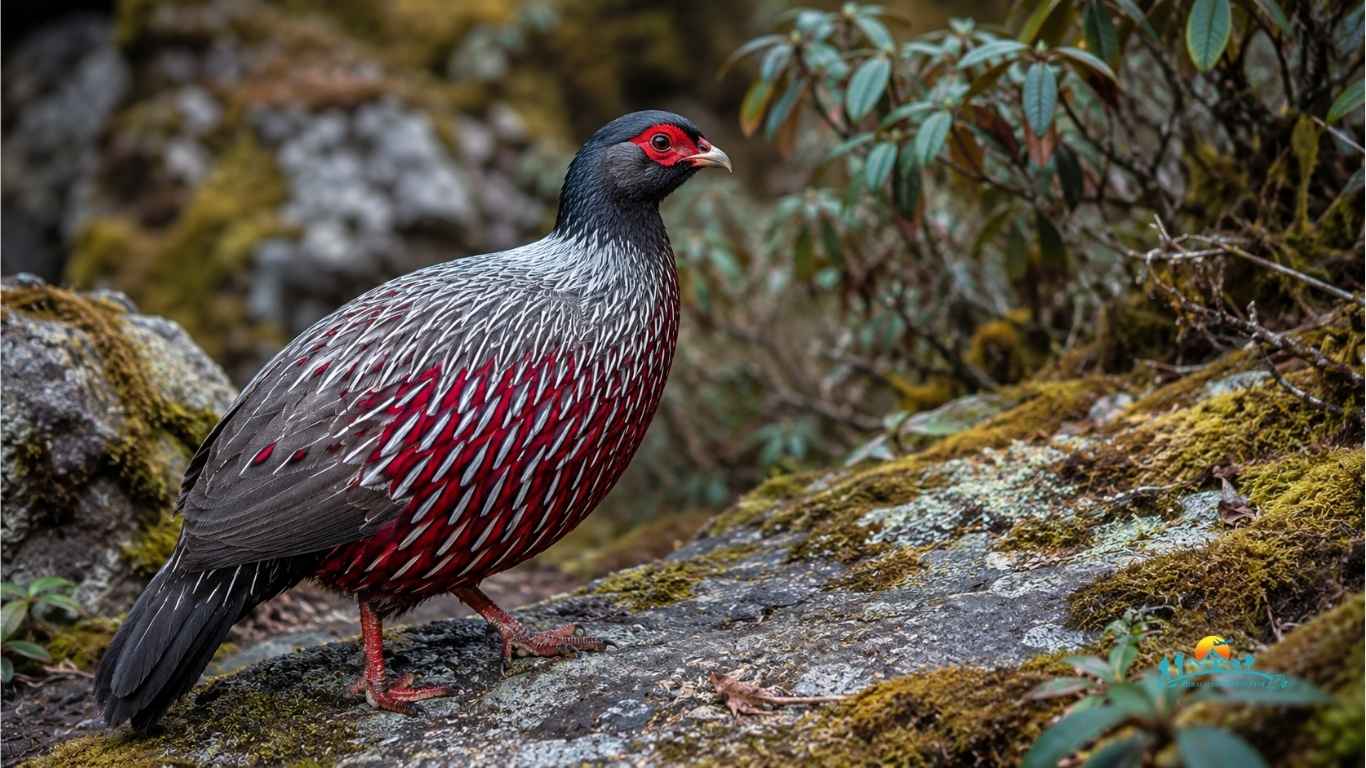
Blood Pheasants inhabit higher altitudes where they browse in shrubs, in alpine grasses and on rocks. Their quiet behaviour and well-camouflaged feathers make them more difficult to spot than the Himalayan Monal.
They tend to fly in flocks and forage for seeds, roots, berries and insects. They are able to thrive at cold altitudes and are active even in snowy winter weather.
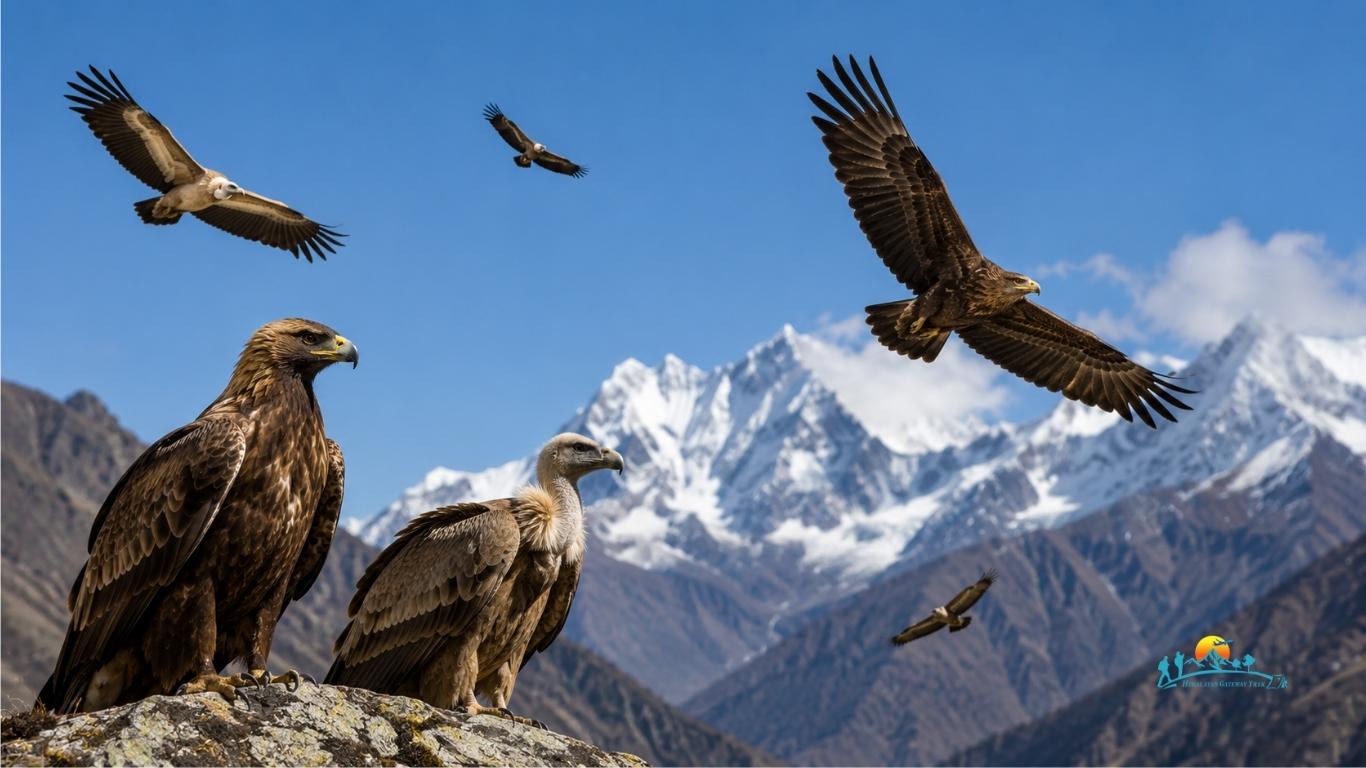
Valley winds are ideal for the flying of Golden Eagles, Himalayan Griffon Vultures and other birds of prey. These birds, of course, glide with ease over the mountain ridges, and this is another memorable experience in the walk.
Golden Eagles are good hunters and feed on small mammals and birds, and Himalayan Griffon Vultures are important scavengers which clean up animal remains. They have very large wings and are easily recognized against the clear blue skies of the Himalayas.
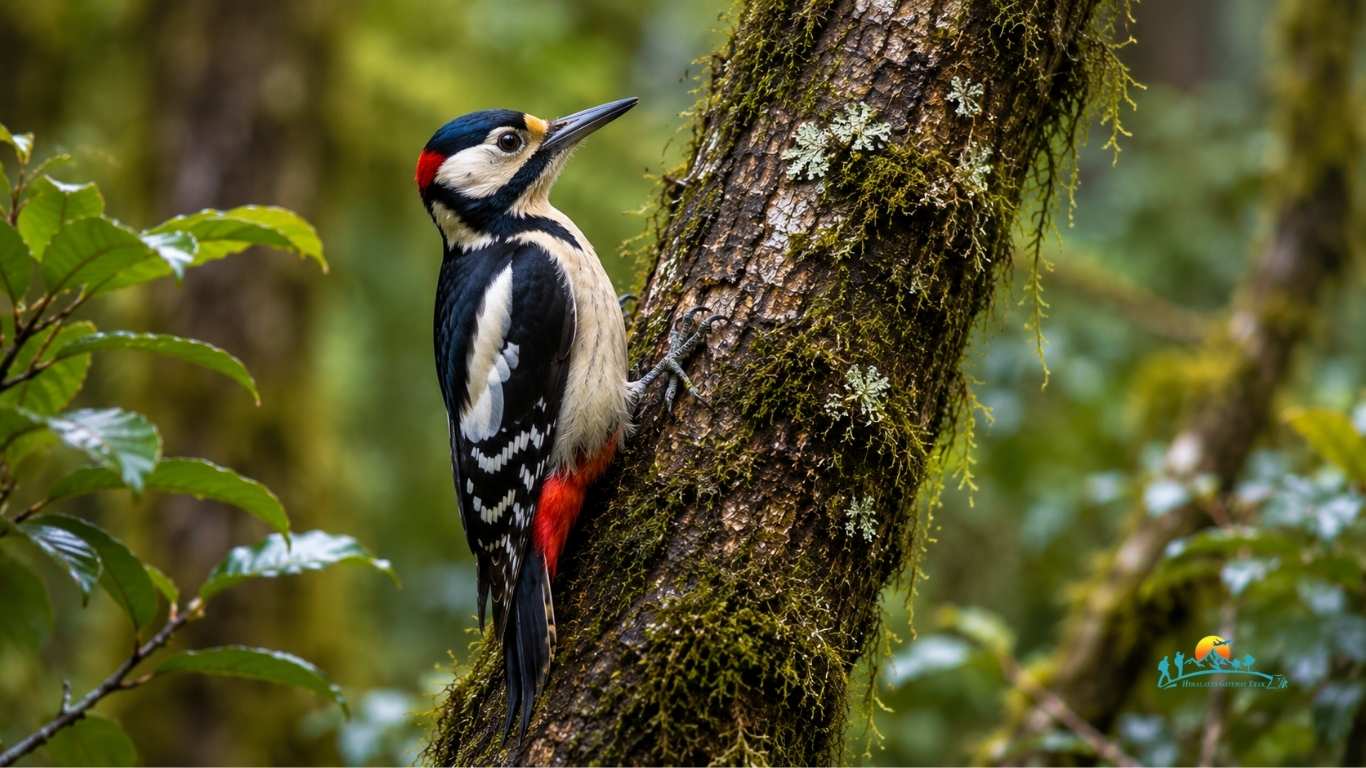
The smaller birds, like laughingthrushes, woodpeckers, flycatchers and tits, add a constant chorus of activity and song to the forests. Spring is a very rewarding time as many of the species are more active at breeding time.
These birds are beneficial to a healthy forest as they eat insects, disperse seeds and aid in natural pollination. Often walkers have heard their calls well before seeing them, when quietly foraying through the woodland.
One of the most important health issues affecting trekkers in the Himalayas is altitude sickness, also known as Acute Mountain Sickness (AMS).
As elevation increases, the amount of oxygen in the air decreases. Above 2,500 metres, allow your body to acclimatize, especially.
The early signs can be quite serious if left untreated.
Trekkers should watch for:
Mild symptoms often improve with rest and hydration.
If symptoms become worse, descending to a lower altitude is the safest choice.
Simple habits greatly lower the chance of altitude sickness.
Many trekking itineraries include an extra day at Kyanjin Gompa before climbing Kyanjin Ri or Tserko Ri.
This additional rest helps the body adjust to higher elevations.
Trekkers should never ignore severe symptoms.
Immediate medical attention is necessary if someone experiences:
Langtang National Park has several trekking routes that offer different combinations of mountain scenery, local culture, wildlife and natural beauty. The park offers trails for all types of hikes, ranging from short walks to more strenuous pursuits in the Himalayas, offering something for every taste.
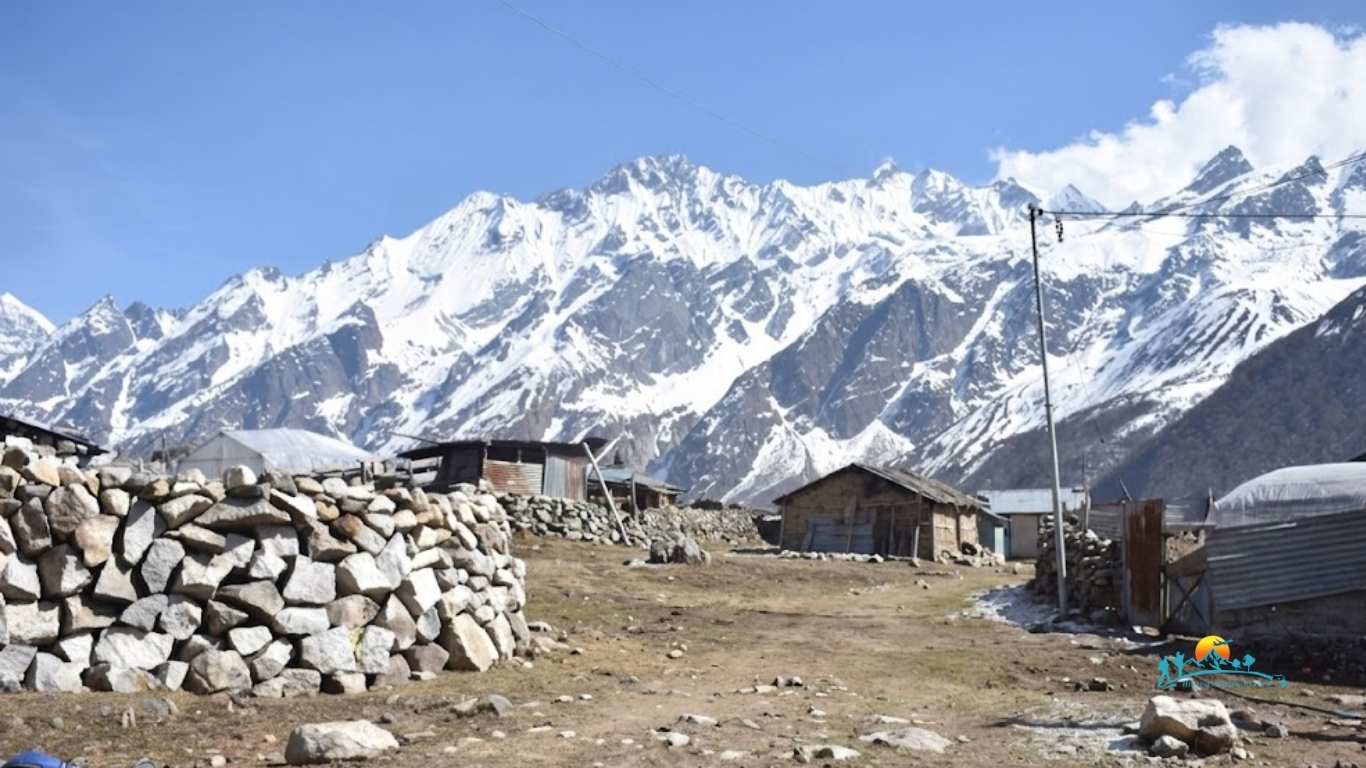
The Langtang Valley Trek is the most popular trek in Langtang National Park as it offers a combination of forests, rivers, traditional villages, monasteries, glaciers and fabulous views of the mountains in a relatively short trek. The trek takes around 7-10 days and is a great time to spend if you have only a few days to spare.
The trail goes through Syabrubesi, Lama Hotel, Langtang Village, Kyanjin Gompa and leads to the Kyanjin Ri and the Tserko Ri for breathtaking views of the Himalayas (optional). The trail is moderately difficult and the tea houses are established and it’s great for first-time trekkers wishing not to attempt a high mountain pass for a true Himalayan experience.
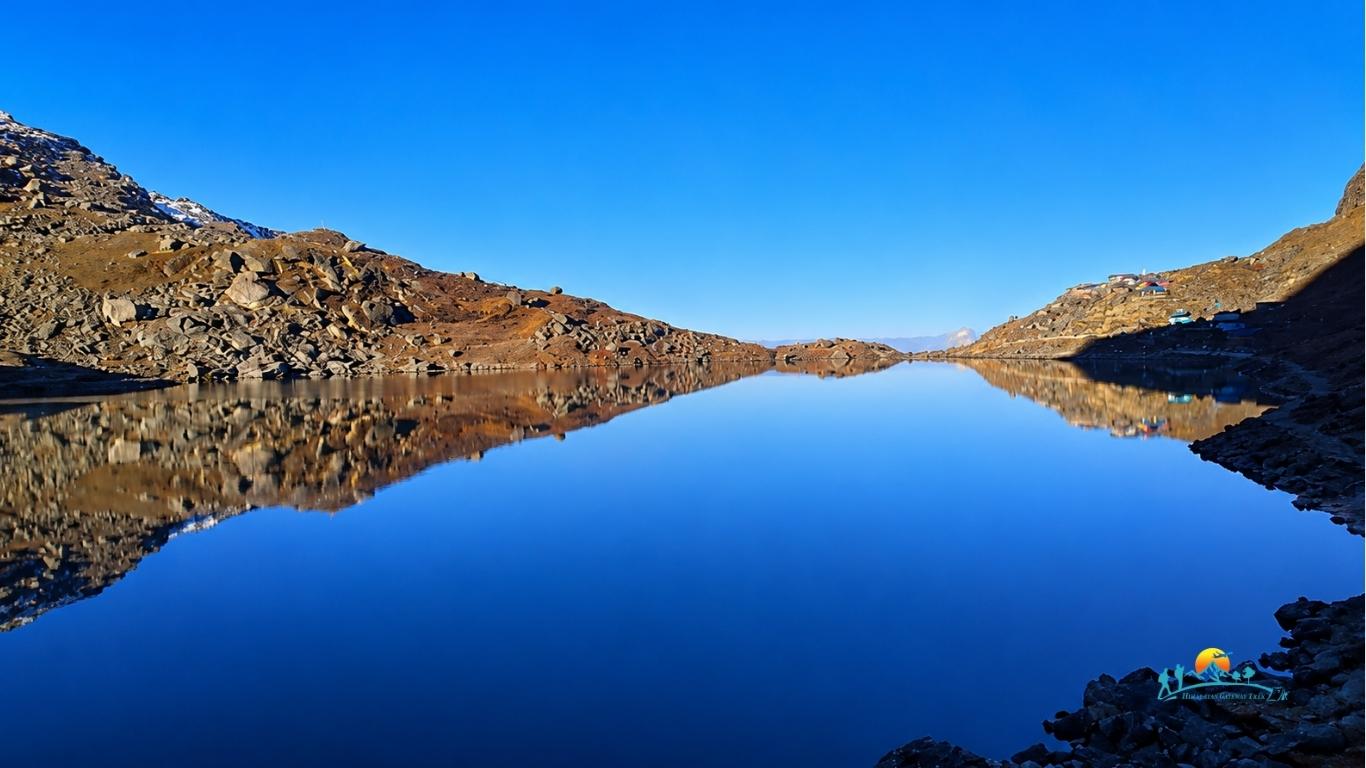
Gosaikunda Lake Trek is a hike to the revered alpine lakes of Gosaikunda, an important pilgrimage site in Nepal. The path rises through rhododendron woods, villages in the mountains and open ridges, ultimately arriving at the crystal-clear lakes, surrounded by snow-fall mountains.
The journey typically lasts 6 to 9 days and is an enriching experience that combines nature and spirituality. During the Janai Purnima festival thousands of Hindu and Buddhist pilgrims visit Gosaikunda and during spring and autumn the peaceful mountain scenery is enjoyed by the trekkers.
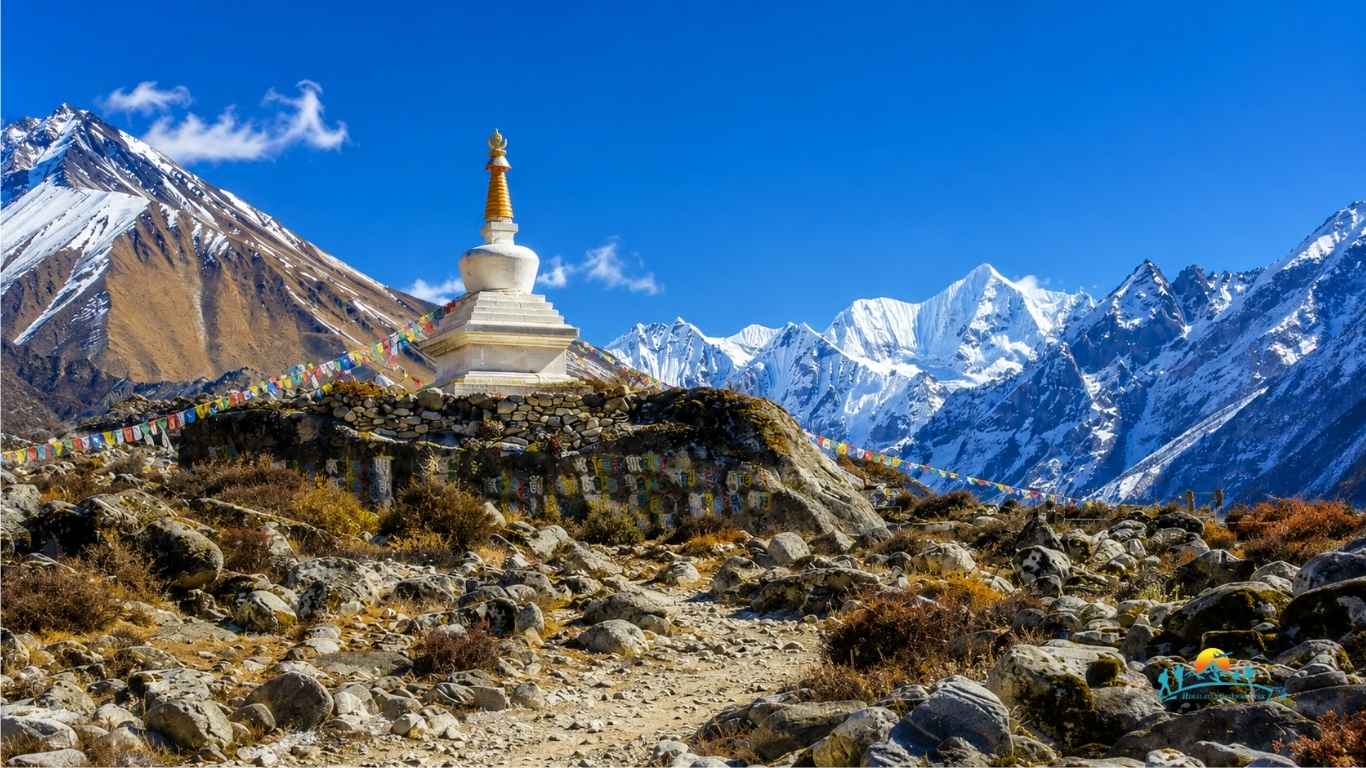
The Helambu Trek offers stunning forest views, Buddhist monasteries, traditional villages and quiet trails. It is different from many of the treks in the Himalayas in that it does not climb to high altitudes, making the experience an easy trek, but still affording you stunning views of the mountains.
This hike takes typically 5-8 days and is recommended for beginners, families and those who want a less intense hikes. In addition to its beauty, the trip offers visitors an opportunity to learn about the traditions of the Hyolmo people.

The Tamang Heritage Trail emphasizes the culture, traditions and everyday life of the Tamang people and not high mountain viewpoints. It goes through picturesque villages, you can enjoy local hospitality, traditional stone houses, Buddhist monasteries, prayer flags and cultural performances.
This hike is usually done over a period of 6-8 days, and it also offers opportunities to visit natural hot springs and to enjoy scenic overlooks of the Langtang Himal. This is a great choice for those visiting who want to enjoy some culture while still doing a little hiking.
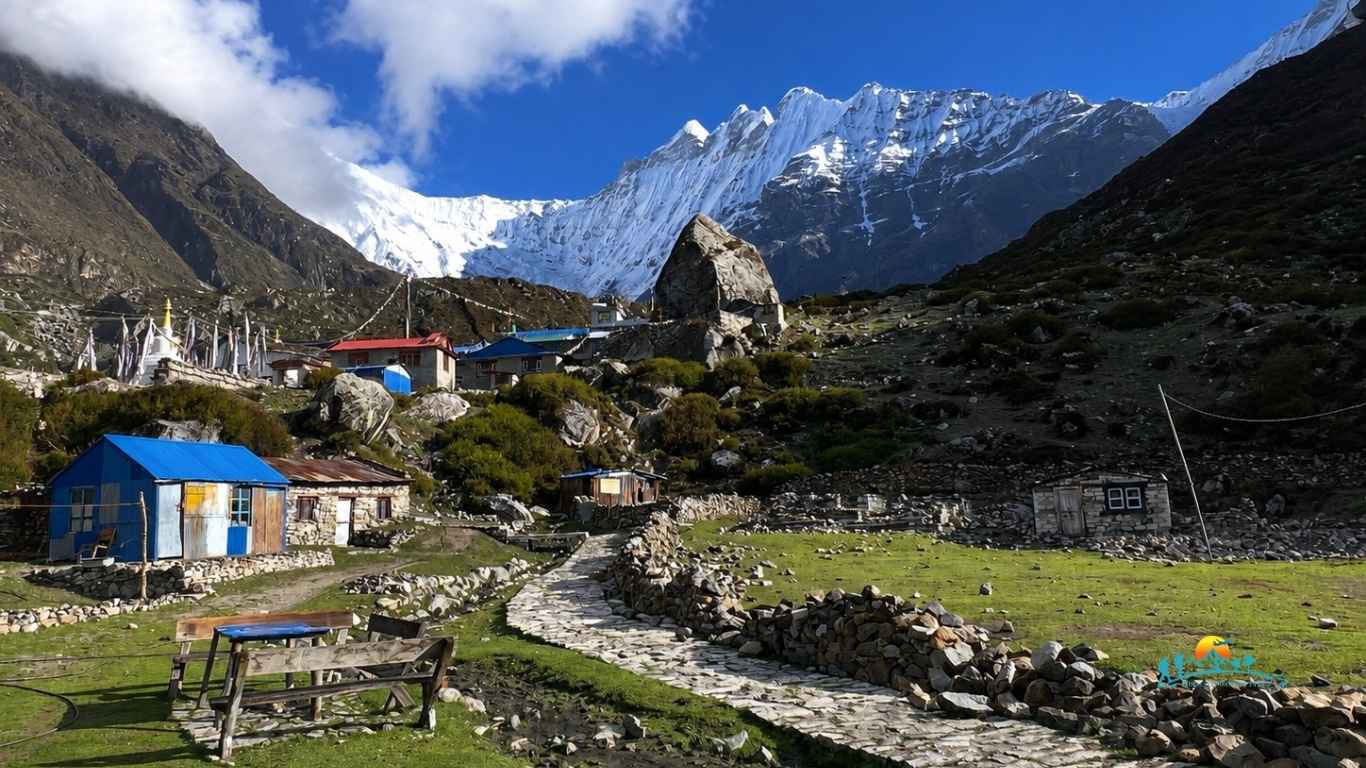
One of the best vantage points above Kyanjin Gompa and the ideal acclimatisation trek during the Langtang Valley Trek, Kyanjin Ri is the most popular viewpoint. The ascent is steep, but most hikers will get to the top in 2–3 hours.
Visitors can enjoy a great view of Langtang Lirung, Langtang Glacier, Yala Peak and the surrounding Himalayan range from the top. Best weather for photography is sunrise and early morning.
Tsergo Ri is one of the more challenging and elevated peaks from where the views are superior to Kyanjin Ri, and is a popular destination for more seasoned trekkers. The hike is demanding of fitness as it is at a higher elevation and involves a long ascent, but the scenery is well worth it.
| Trek | Duration | Difficulty | Best For |
|---|---|---|---|
| Langtang Valley Trek | 7 to 10 Days | Moderate | First-time trekkers |
| Gosaikunda Trek | 6 to 9 Days | Moderate | Pilgrims and lake lovers |
| Helambu Trek | 5 to 8 Days | Easy to Moderate | Families and beginners |
| Tamang Heritage Trail | 6 to 8 Days | Moderate | Cultural experiences |
| Langtang Gosaikunda Trek | 12 to 16 Days | Challenging | Experienced trekkers |
Langtang National Park is open all year round with different weather, scenery and trekking conditions in each season.
The season you select is based on your desired activities.
Spring is a popular season, as the weather tends to be sunny and pleasant, with forests bursting with rhododendrons. Long days of walking are comfortable and fun in the daytime and the mountain vistas are mostly clear in the morning.
In this season also the wildlife becomes more active.
Advantages
Things to Consider
During the Monsoon and Summer season, there is heavy rainfall periodically, particularly in low elevations. The forests get greener, the rivers run faster and the waterfalls can be seen all over the hillside.
It is common to not have a view of the mountains, and to find muddy trails, as well as landslides, that can impact travel. This season sees lesser number of trekkers and consequently quieter trails.
Advantages
Things to Consider
Langtang national park is considered to be the best trekking season in the fall. Following the monsoon, the air is clear and dry, with the result of high visibility in the Himalayas.
The season is ideal for both novice and advanced trekkers due to the pleasant weather and temperatures.
Advantages
Things to Consider
Langtang becomes a tranquil area in the mountains during the winter season. Higher peaks are often covered with snow, offering pretty views to Kyanjin Gompa and its viewpoints. Langtang valley trek is one of the best winter treks in Nepal.
Lower parts of the route are still open, but the weather gets a lot colder.
Advantages
Things to Consider
There are permits which must be acquired prior to entering Langtang National Park. These permits are a way to maintain the local tourism management and conservation and trail maintenance.
It is important for you to carry permits during the entire hike as they are posted for checking at different places along the hike.
All foreign visitors entering the protected area must have an Langtang National Park Entry Permit.
Travellers should always check the current permit fees before setting out on their trip as they may change from time to time.
Rentals are available in Kathmandu or at specific entry points prior to embarking the trek.
Always verify the latest requirements for Trekkers’ Information Management System (TIMS) prior to travel.
Policies can alter, always check with official tourism authorities or your trekking agency about the current policies.
In many areas of Nepal, the government has now set up guidelines for trekking guides in order to enhance the safety of the visitors.
Check the current guidelines for licensed guides, independent hiking and porterage services before embarking on travel.
Hiring a local guide offers several benefits:
Langtang National Park is one of the most beautiful trekking areas in Nepal with stunning Himalayan landscapes, a variety of wildlife, traditional Tamang culture and well-maintained trekking trails close to Kathmandu.
Each trek is a memorable experience whether you are going to the Langtang Valley Trek, the holy Gosaikunda Lake or the noiseless mountain villages. If planned appropriately, the right permits obtained and good traveler etiquette practiced.
A safe opportunity to have a rewarding adventure and help sustain this amazing Himalayan national park for future generations.
Langtang National Park is located in north-central Nepal, sitting along the Himalayan border with Tibet. It spans across three major districts: Rasuwa, Nuwakot, and Sindhupalchok, roughly 50 to 60 kilometers directly north of the capital city, Kathmandu.
You can reach the park entirely by road from Kathmandu, making it highly accessible. The journey involves a scenic but bumpy 6 to 8-hour drive via public bus or private jeep to Syabrubesi, the primary trekking gateway.
Trekkers must obtain two primary permits: the Langtang National Park Entry Permit and a Trekkers’ Information Management System (TIMS) card. These permits can be acquired in Kathmandu or directly at the park entry checkpoints along the trail.
The ideal trekking seasons are spring (March to May) and autumn (September to November). During these months, the weather is stable, the skies are exceptionally clear for mountain viewing, and vibrant rhododendrons bloom throughout the lower valleys.
Treks in Langtang are generally considered moderate in difficulty. While the trails involve steep climbs and rocky paths, they are less physically demanding than the Everest or Annapurna circuits, making them suitable for most moderately fit individuals.
Accommodation consists primarily of local mountain teahouses and traditional lodges. These cozy properties provide twin-sharing rooms, basic communal bathrooms, warm blankets, and dining areas serving classic Nepalese dishes like Dal Bhat alongside simple Western food choices.
The highest overnight stay is at Kyanjin Gompa, sitting at 3,870 meters. However, trekkers typically hike to higher optional viewpoints like Kyanjin Ri at 4,773 meters or Tserko Ri at 4,984 meters for panoramic Himalayan vistas.
Yes, the park is a vital habitat for the endangered red panda. They reside in the dense, bamboo-rich temperate forests between 2,400 and 4,000 meters, though their shy nature makes actual sightings rare and memorable.
Under current Nepalese regulations, independent trekking is restricted, meaning hiring a licensed guide is mandatory. A guide ensures route safety, assists with navigation, helps manage altitude risks, and enhances your cultural experience with local communities.
Beyond the classic Langtang Valley Trek, popular alternatives include the holy Gosaikunda Lake Trek, the cultural Tamang Heritage Trail, the scenic lower-altitude Helambu Circuit, and the challenging wilderness trek to the remote Panch Pokhari lakes.
ATMs are practically non-existent along the trekking route once you leave Dhunche or Syabrubesi. It is highly recommended to withdraw sufficient Nepalese currency in Kathmandu to pay for meals, charging, hot showers, and personal tips.
The Langtang region is heavily populated by the indigenous Tamang, Hyolmo, and Sherpa communities. Trekkers will encounter a rich Tibetan-influenced Buddhist culture, characterized by ancient monasteries, colorful prayer flags, mani stone walls, and traditional mountain lifestyles.