
Indra Jatra 2026: Dates, History, Rituals and Where to Watch in Kathmandu
Indra Jatra is an eight-day Newar festival in Kathmandu known for chariot processions, masked dances, religious rituals and the public…
 Himalayan Gateway Trek - On
 The Muktinath Temple is one of the most revered temples in Nepal and is a popular destination for pilgrims and tourists alike. Situated high in the Mustang district at the foot of the Thorong La Pass, this is a sacred place that is accessible to all Hindus and Buddhists alike and where they seek to be blessed, at peace and free from sin. The temple is located amidst snowy mountains, barren valleys, and ancient customs that have defined its identity over the years.
The name Muktinath means liberation or salvation and Nath means lord or protector, both in Sanskrit. The name is a combination of the two words, which translates to Lord of Liberation. The devotees of the Hindu religion consider visiting this temple and taking a holy bath under the 108 water spouts to be a way of washing away their sins and gaining the ultimate liberation from the cycle of birth and death, known as moksha.
The site is also of equal importance for Buddhist pilgrims. It is considered to be a sacred area which is associated with Guru Rinpoche and is seen as a symbol of harmony and balance with nature and faith. Muktinath is one of the few sites dedicated to both religions, a rarity when compared to many pilgrimage sites that are dedicated to only one religion.
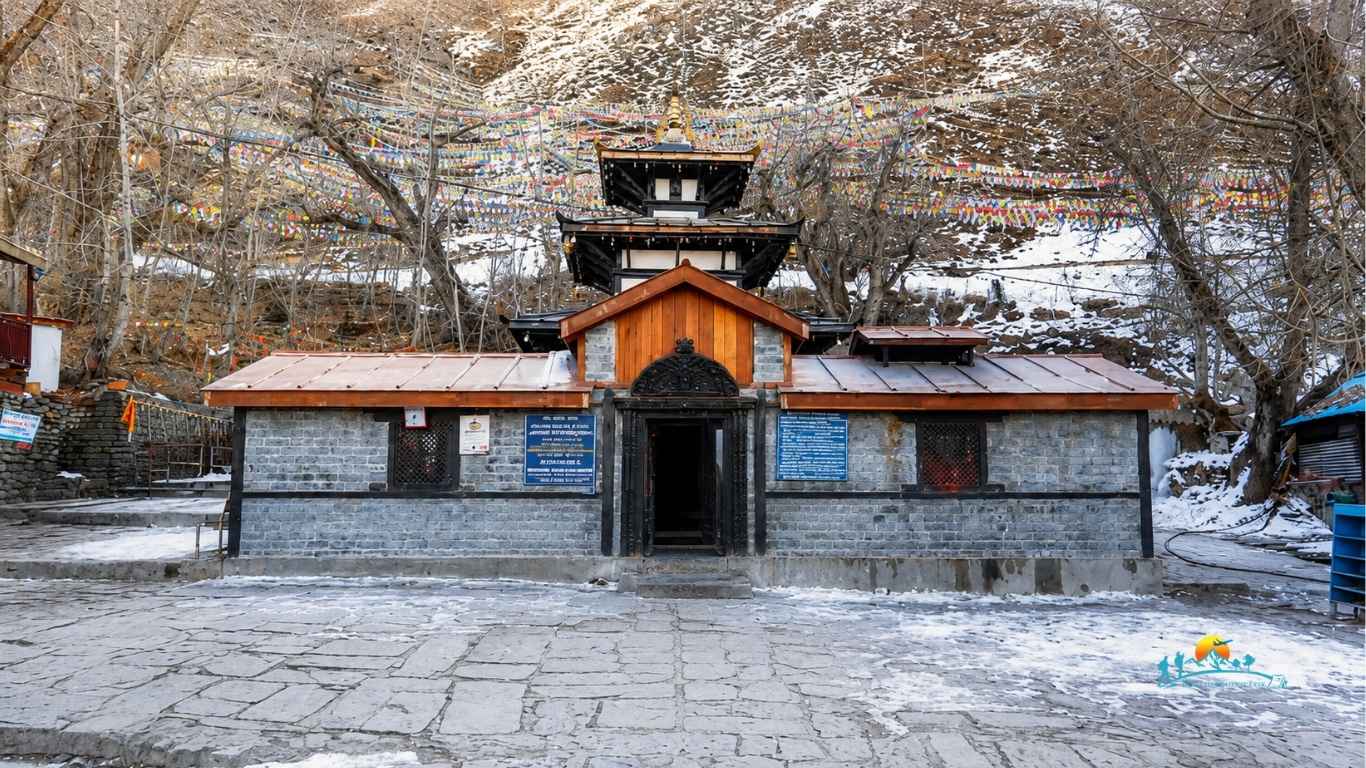
The Muktinath Temple is a sacred temple of Lord Vishnu, who is called Sri Mukti Narayan in this temple. It is one of the 108 Divya Desams referred to in Vaishnavism and is very important to the followers of Hinduism. The temple also has its place of reverence in Tibetan Buddhism as the “Chumig Gyatsa” or “Hundred Waters.
For centuries, Buddhism and Catholicism have lived in harmony in this temple complex, maintained by Buddhist nuns.
| Feature | Details |
|---|
| Location | Mustang District, Nepal |
| Elevation | 3,710 meters |
| Main Deity | Lord Vishnu (Sri Mukti Narayan) |
| Religious Importance | Hinduism and Buddhism |
| Famous Attraction | 108 Sacred Water Spouts |
| Nearest Town | Ranipauwa |
| Nearest Airport | Jomsom |
| Best Seasons | Spring and Autumn |
Muktinath Temple is located in the Annapurna Conservation Area in the Mustang district of Nepal. The temple is located at an altitude of 3710m above sea level and near the village called Ranipauwa.
The temple can be reached from Kathmandu via Pokhara and on the road from Jomsom. Others prefer to hike as part of the renowned Annapurna Circuit, after which Muktinath is one of the ultimate highlights en route to the lower valleys.
The area is marked by stunning cliffs, desolate hills, vivid rock formations, and sweeping views of the Himalayas, forming a landscape so distinct that it makes the area one of the most unique pilgrimage sites in Nepal.
Muktinath has a long history. It is a place where devotees can get liberation through their devotion and purity in the ancient Hindu scriptures. It is believed that Lord Vishnu incarnated here to bestow the boon of salvation to those who have shown their faith in him with sincerity.
The temple later gained importance among Buddhist followers after Guru Rinpoche, also known as Padmasambhava, meditated in the area during his journey through the Himalayas. Tibetan Buddhists believe the natural springs surrounding the temple possess spiritual power.
Local kings and communities over the years have tended to this shrine, keeping it in the way it is uniquely and together a place of religious worship. Although the political boundaries and traveling routes have shifted, its religious significance has not.
The most important thing about Muktinath is the promise of liberation. A Hindu’s trip to the temple is a chance to leave behind any bad deeds they may have committed in the past and to get closer to reaching moksha. Prayers are offered, flowers are placed, butter lamps are lit and baths are taken under the sacred water spouts.
The temple represents purity and compassion for Buddhists. Within the complex, the natural qualities of water, fire and earth are fused, symbolizing balance and spiritual awakening. This mutual respect has enabled Muktinath to become one of the few places in the world where two great religions do not fight over the same sacred ground, but, instead, enjoy it together.
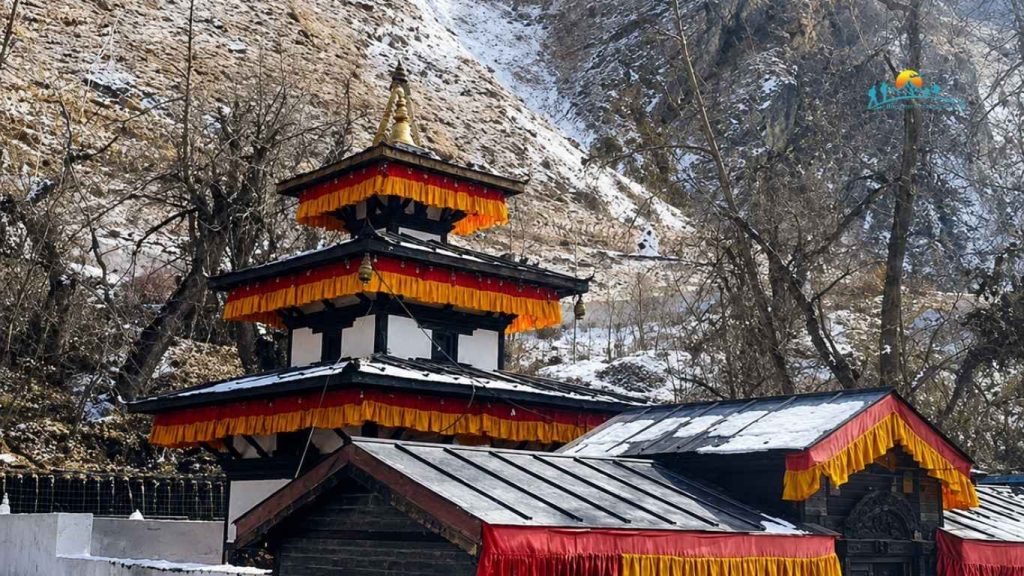
The pagoda-style temple is dedicated to the golden idol of Sri Mukti Narayan. Often, visitors stand in silence for darshan and then go to other sacred places in the complex.
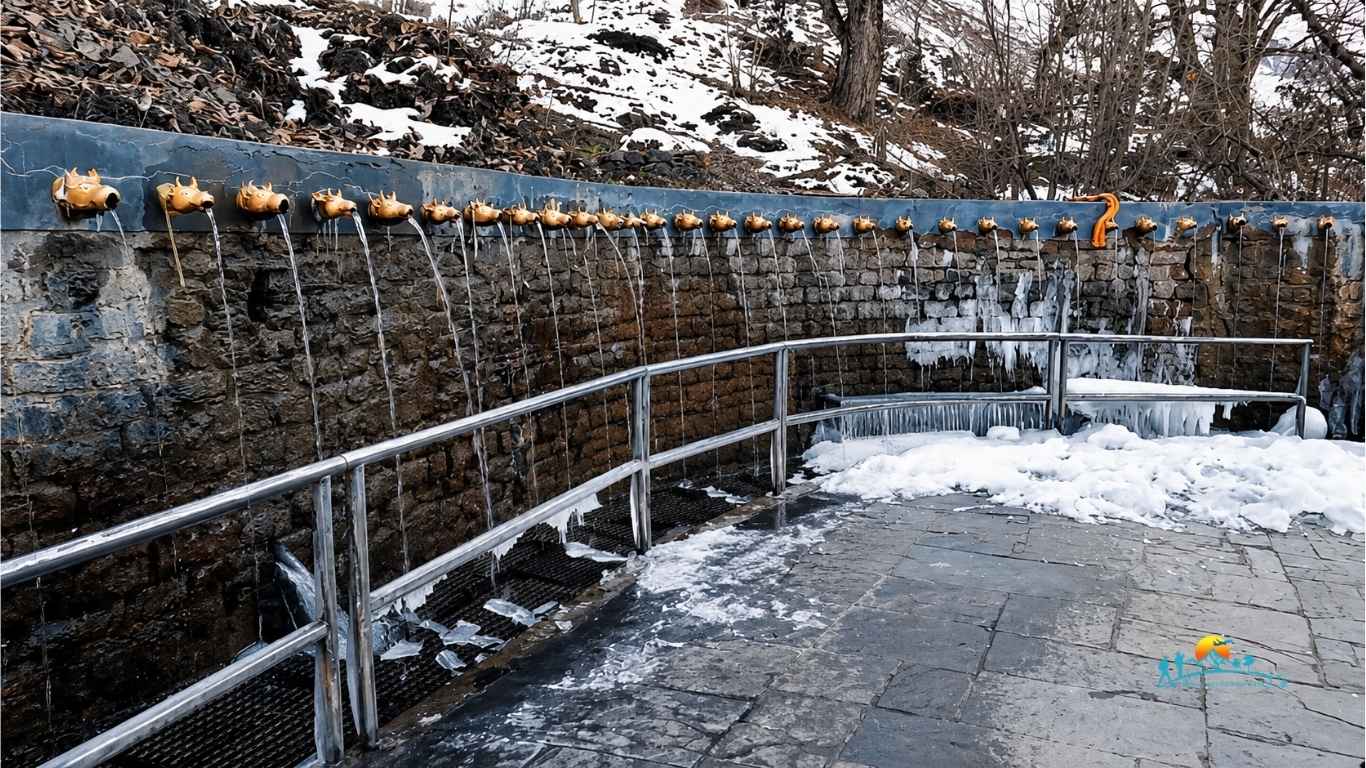
The 108 water spouts (Muktidhara) are perhaps the most well-known of the temple. Icy Himalayan water cascades through each stone spout, day after day. At all of the spouts, pilgrims walk through despite the cold weather, which they believe purifies the body and soul.
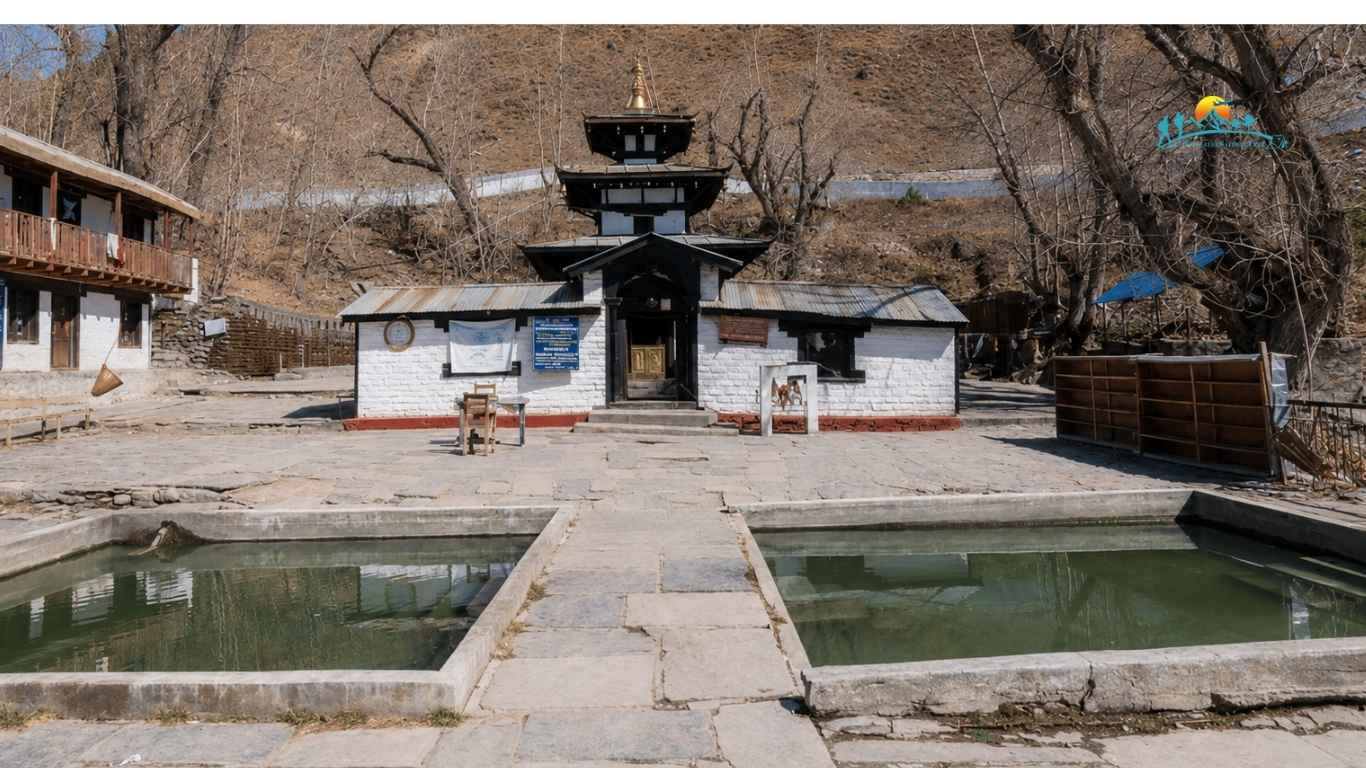
In front of the temple entrance are two holy pools. The devotees have habit of taking a dip in such pools before coming to the chief shrine.
The nearby Jwala Mai Temple contains an eternal flame fueled by natural gas emerging from underground. The combination of flame, water, and rock has fascinated visitors for generations.
Fossil stones of black colour (Saligrams) are picked up from the nearby Kali Gandaki River. The naturally created fossils are worshiped as Lord Vishnu by the Hindus.
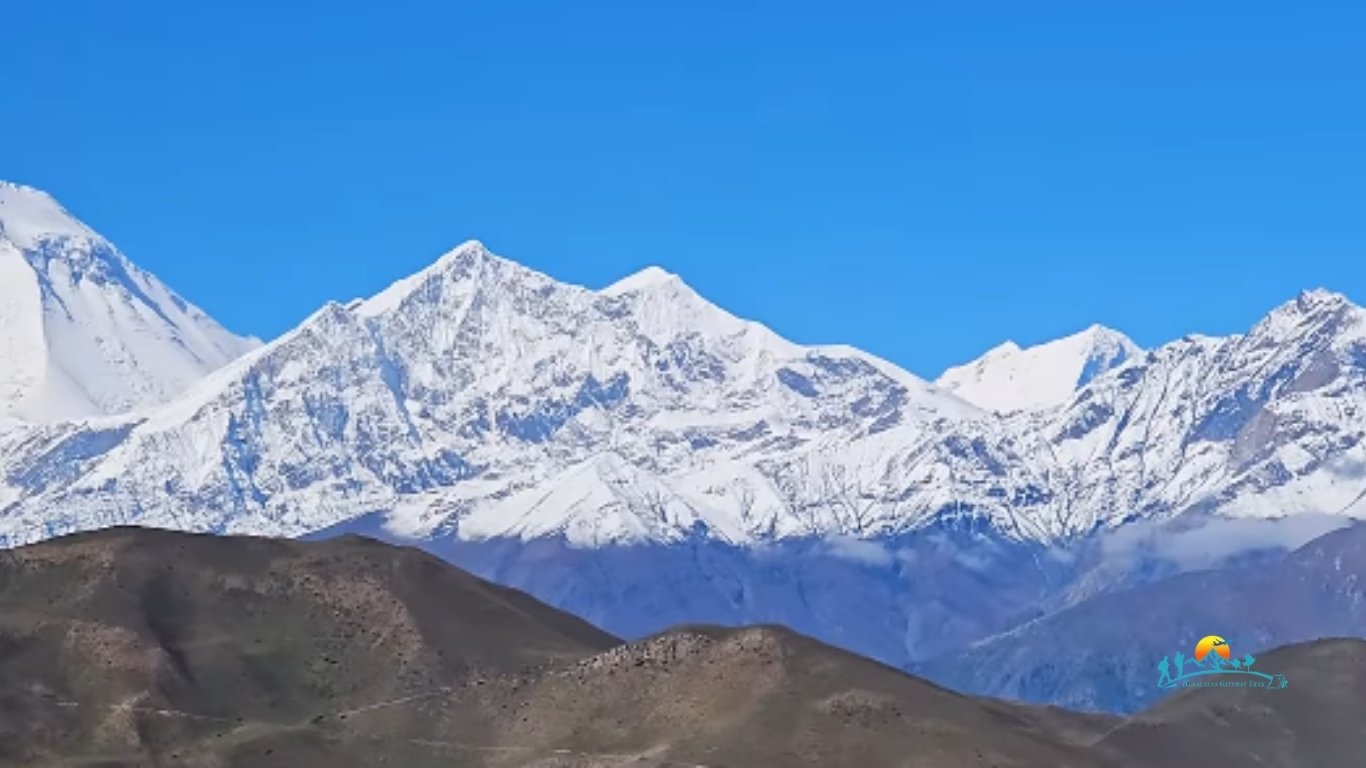
Visitors can see from the temple grounds breathtaking views of Nilgiri, Dhaulagiri and other peaks of the dry Mustang valley.
Access to Muktinath Temple is a part of the whole pilgrimage. Depending on budget, time and travel style, people can travel via flight, road, helicopter, or trekking. The options differ in the experience of the landscapes of central and northern Nepal.
The fastest method of getting to Muktinath Temple is by air. The majority of tourists first fly from Kathmandu Valley to Pokhara and then via a short flight from Pokhara to Jomsom. The temple is located approximately 20 kilometers away from Jomsom Airport, and then from Ranipauwa, a short walk to the temple complex. It can be reached by jeep or local vehicle. Mountain weather may also impact service and an extra day should be allowed for this.
People who prefer to go by road to experience the scenic beauty in Nepal prefer this mode of transportation. Generally, the route is Kathmandu to Pokhara, then on to Beni, Tatopani, Ghasa, Marpha, Jomsom and finally Ranipauwa near Muktinath Temple. After Beni, the roads become rough and in the upper part of the journey, Four Wheel Drive jeeps are recommended. The journey is longer than a flight, but you’ll have the opportunity to experience traditional villages, river valleys, waterfalls, and mountain viewpoints.
To visit Muktinath Temple, a helicopter is the fastest and most comfortable option. From Kathmandu or Pokhara, there are charter flights available which can be arranged for and normally land near the temple, from where the pilgrims can make their way around the temple in just one day. This is ideal for the elderly, families with limited time, or those who do not want to do high-altitude trekking or travel long distances on the road. The aerial shots of the Annapurna and Dhaulagiri ranges, too, are memorable.
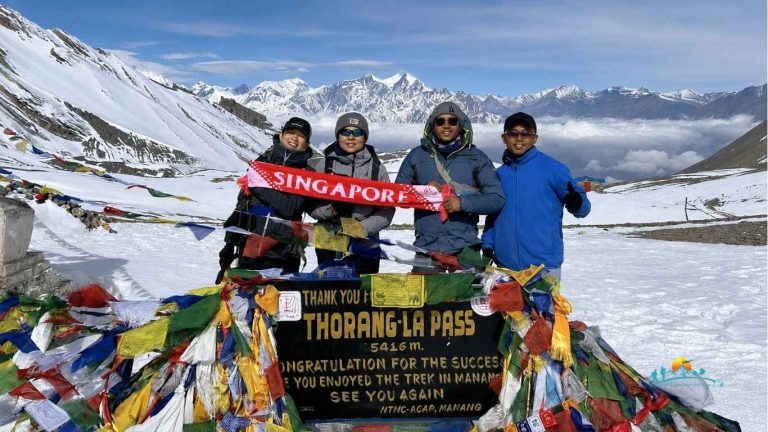
Many trekkers arrive at Muktinath Temple as a part of the renowned Annapurna Circuit Trek. Once they cross the difficult Thorong La Pass at 5416m, the track drops down to Muktinath, where numerous trekkers come to rest and see the holy place. A shorter route is from Jomsom or Kagbeni to Muktinath; the unique desert-like landscape and traditional villages of Mustang are along the route. The trek provides a greater opportunity for interaction with the local culture and natural environment and enhances the feeling of achievement for the pilgrimage.
Spring, from March to May, offers blooming landscapes and pleasant temperatures.
Autumn, from September to November, provides clear skies and stable weather, making it the preferred season for both pilgrims and photographers.
Winter brings snowfall and freezing conditions, while monsoon rains mainly affect lower routes rather than Mustang itself because of its rain shadow location.
The weather remains cool throughout the year because of the high altitude. Daytime temperatures during spring and autumn usually range between 10°C and 18°C, while nights often fall below freezing. Winter temperatures may drop far below zero, especially after sunset. Strong afternoon winds are common, so early morning visits provide a more comfortable experience.
At 3,710 meters, altitude sickness can affect visitors arriving too quickly.
Common symptoms include headache, nausea, dizziness, and fatigue.
Simple precautions reduce risk:
Anyone experiencing severe symptoms should descend immediately.
The principal accommodation area is Ranipur, where several accommodation facilities ranging from budget guest houses to family-run lodges, mid-range hotels to comfortable resorts are available for visitors to Muktinath Temple. It is located near the temple and is a convenient place for pilgrims and travelers.
Another popular choice is Jomsom, which has better transportation and other hotel amenities. The site is popular with visitors who stay there before or after their visit to the temple, particularly for the convenience of a base for the trip, or for time to acclimatise.
Packing the right essentials can make your visit to Muktinath Temple more comfortable and enjoyable. The high altitude and changing weather mean that temperatures can vary significantly between morning and evening. Carrying suitable clothing and basic travel items will help you stay prepared throughout the journey.
Bring:
Wearing layered clothing is recommended, as it allows you to adjust easily to changing temperatures during the day.
Small preparations make the pilgrimage smoother.
The area surrounding Muktinath Temple is adorned with picturesque spots and delightful villages, enhancing the experience. Wanders make the most of their trip to check out these nearby attractions, which all have their own unique mix of history, culture, and mountain scenes.
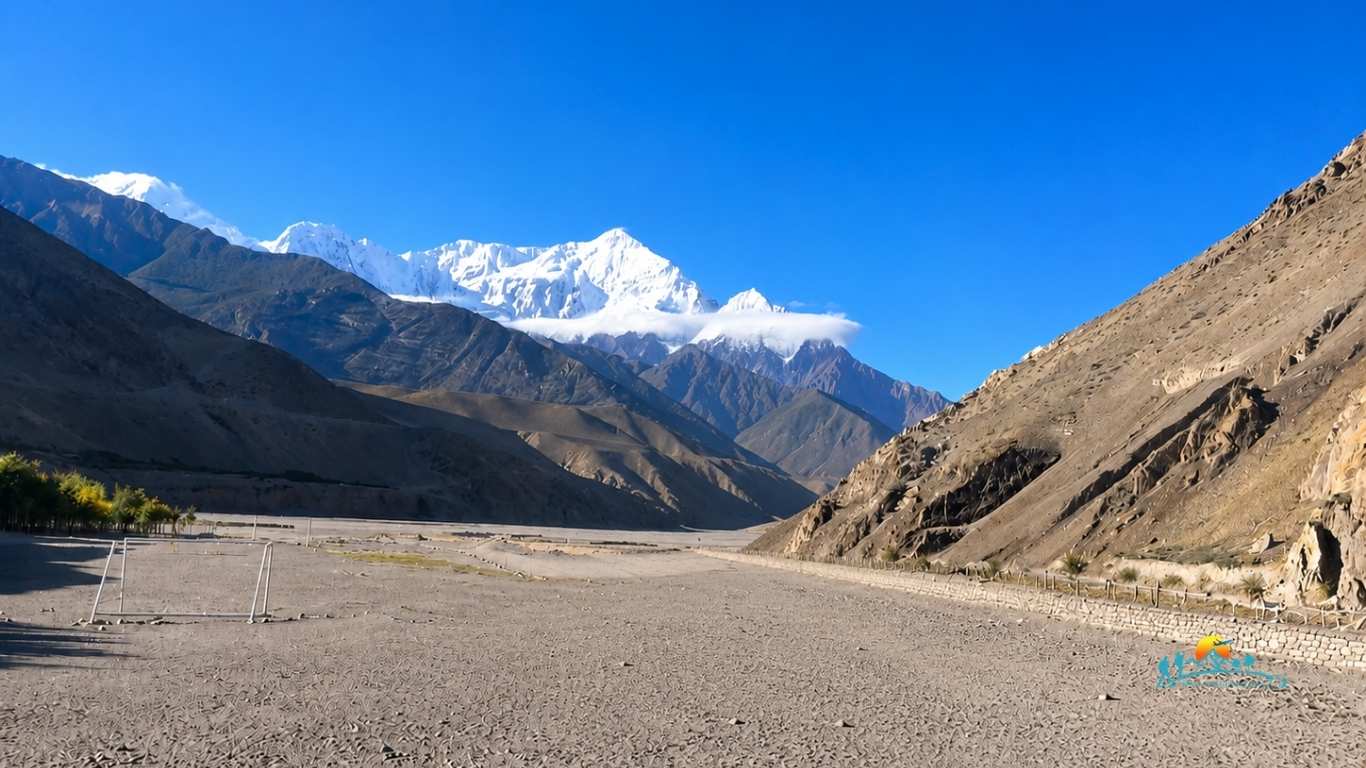
Kagbeni is one of the ancient villages situated on the bank of the Kali Gandaki River and is considered to be the gateway to the Upper Mustang. The alleys formed from narrow stone walls, the centuries-old monasteries, traditional Tibetan-style houses influenced by the Tibetan region and the prayer flags provide a peaceful ambiance. The village is also famous for its spiritual significance and has beautiful mountain views.
Jharkot is a traditional mountain village, only a few kilometers away from Muktinath, which features the historic old Buddhist monastery and fortress. This village offers a peaceful getaway from the hustle and bustle of bigger touristy areas and is an opportunity to learn about local culture, mud brick houses and have a wider vista of the valley of Mustang.
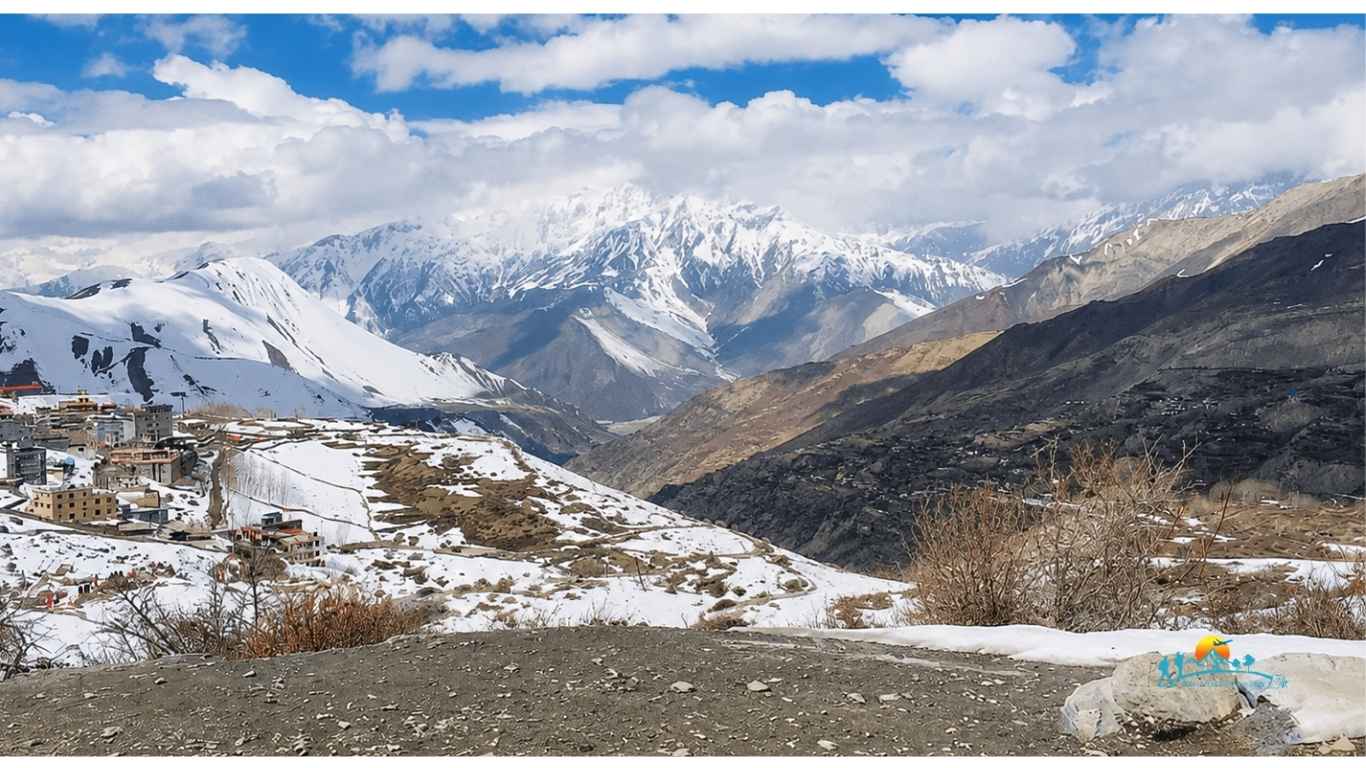
The administration centre of the Mustang district is Jomsom, which is also the primary access point for visitors to Muktinath. It has an airport, hotels, restaurants and shops, which is convenient before/after the pilgrimage. The town is also a popular tourist destination due to its beautiful mountain scenery and its location near to several trekking routes.
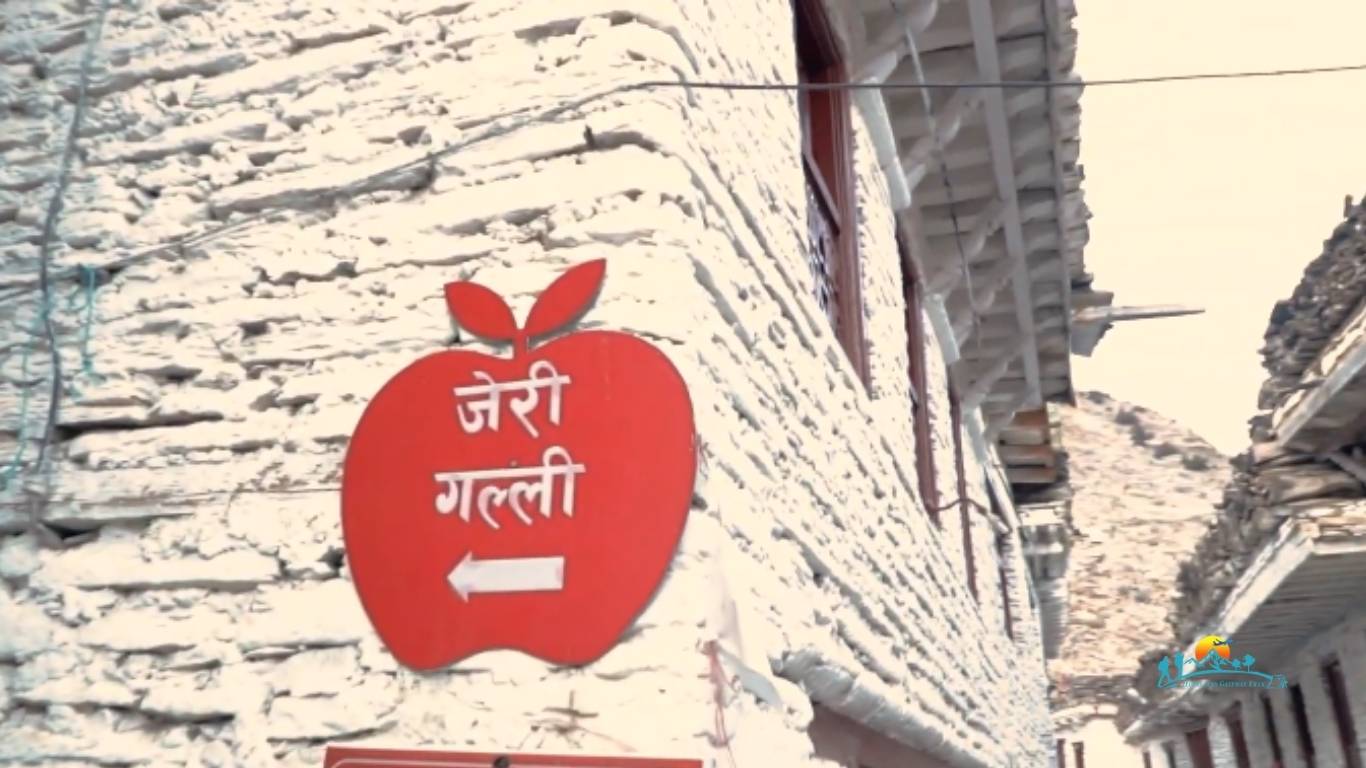
The village of Marpha is a scenic and renowned apple orchard and producer of locally-made apple products such as dried apples, apple cider and apple brandy. It is one of the prettiest villages in the area for its clean stone streets, white-washed houses, and restful ambiance. It’s a popular place for people who are on their way back to visit, and is known for its relaxed and traditional charm.
Many pilgrimage sites offer history or natural beauty, but few combine spiritual importance, mountain scenery, and cultural harmony as successfully as Muktinath.
Visitors witness Hindu priests performing rituals while Buddhist nuns maintain sacred spaces nearby. The eternal flame burns beside flowing water, and ancient fossils become objects of worship. Every part of the experience reflects centuries of belief shaped by both religion and nature.
Muktinath Temple offers much more than a religious visit. It combines centuries of faith, remarkable natural beauty, and traditions shared by different cultures in one unforgettable destination. Every prayer, every mountain view, and every step through its sacred grounds tells a story that has inspired pilgrims for generations.
Whether the purpose is spiritual devotion or curiosity about Nepal’s heritage, the journey to Muktinath leaves visitors with lasting respect for one of the Himalayas’ most meaningful places.
Muktinath Temple is a unique sacred site revered by both Hindus and Buddhists, symbolizing deep religious harmony. It features 108 holy water spouts, two sacred ponds, and an eternal flame that burns continuously next to natural spring water.
At an altitude of 3,710 meters, the oxygen level in Muktinath is approximately sixty-five to seventy percent compared to sea level. This thin mountain air can cause mild altitude sickness, making proper hydration and gradual acclimatization essential for visitors.
The Muktinath Yatra is moderately difficult due to high altitudes, sudden weather shifts, and rough, unpaved mountain roads. However, the availability of jeeps, flights to Jomsom, and helicopter services makes it highly accessible for pilgrims of varying fitness levels.
Yes, there are dedicated changing rooms located near the 108 holy water spouts and the sacred ponds. These facilities allow pilgrims to comfortably change into dry clothes immediately after taking their ritual purification baths in the freezing waters.
You can travel by road via Pokhara and Jomsom using a private jeep or bus. Alternatively, you can take flights from Kathmandu to Pokhara, then to Jomsom, followed by a short jeep ride or trek to the temple.
Foreign nationals require two main permits: the Annapurna Conservation Area Permit and the Trekkers’ Information Management System card. These permits are verified at various checkpoints along the route and help support regional environmental conservation efforts.
The ideal times to visit are during the spring months of March to May and autumn months of September to November. During these seasons, skies remain clear, mountain visibility is excellent, and road conditions are safest.
Known as Mukti Dhara, these 108 stone water spouts are shaped like bullheads. Pilgrims run beneath the freezing glacial water flowing from them, believing it purifies the body and washes away sins to achieve spiritual salvation.
Yes, Ranipauwa, the town situated just below the temple complex, offers numerous teahouses, lodges, and basic hotels. While amenities are generally simple, they provide warm food, comfortable beds, and essential facilities for weary mountain travelers.
Yes, they can successfully complete the pilgrimage by using comfortable options like a direct helicopter tour or private jeep rentals. It is crucial to monitor their health closely, maintain hydration, and avoid rapid elevation gains.
Located inside the Jwala Mai Temple nearby, a natural gas seep creates a continuously burning flame directly above a water spring. This phenomenon beautifully symbolizes the co-existence and harmony of the five sacred natural elements.
Shaligrams are ancient ammonite fossils representing Lord Vishnu. They are found along the riverbeds of the nearby Kali Gandaki River, reminding visitors of the prehistoric ocean that existed before the formation of the Himalayas.