
Indra Jatra 2026: Dates, History, Rituals and Where to Watch in Kathmandu
Indra Jatra is an eight-day Newar festival in Kathmandu known for chariot processions, masked dances, religious rituals and the public…
 Himalayan Gateway Trek - On
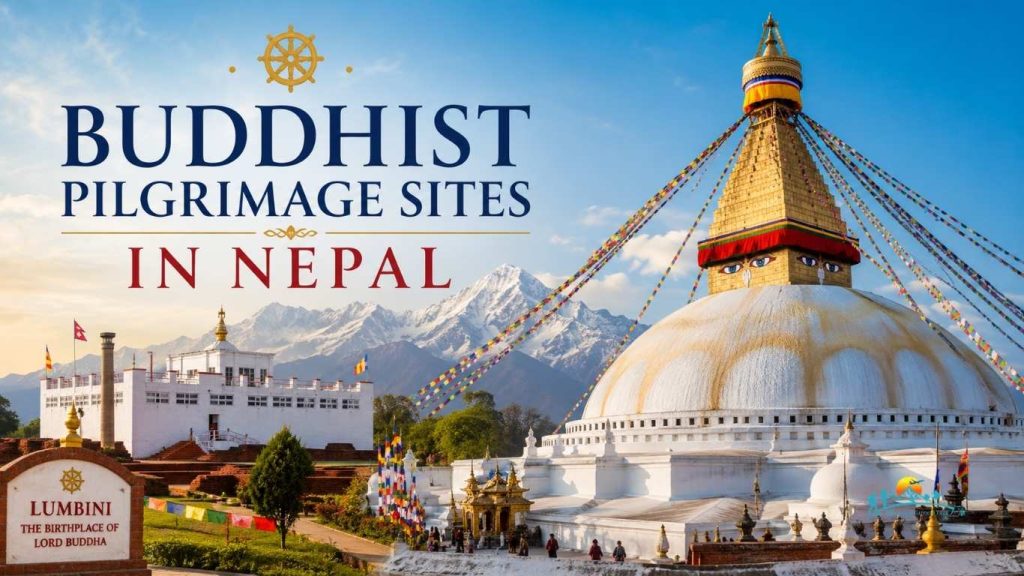
 Nepal is a special place in the Buddhist world because it is the birthplace of the Buddha, Siddhartha Gautama. Pilgrims, monks, scholars, and those in search of spiritual enlightenment have been coming to Nepal for centuries to visit the sacred sites associated with the Buddha’s life, Buddhist teachings, meditation traditions, and ancient monasteries.
The nation has so much more to offer than its renowned birthplace of Buddha. Tourists can visit the ancient stupa, the monastery of peace, the monastery of the sacred caves, the archaeological ruins, the place of pilgrimage, and the place of meditation, where Buddhist traditions are preserved through the generations. From the plains of Lumbini to the high Himalayan valleys of Dolpo and Everest, Buddhist heritage can be found across Nepal.
This is a guide to the most important places of religious significance to visit for pilgrims in Nepal, including the historical background, travel information, spiritual significance and practical tips.
Nepal is home to Lumbini, the birthplace of Siddhartha Gautama. Lumbini is the birthplace of Prince Siddhartha, the Buddha, according to historical and religious records, dating back to the 6th century BCE. This one event makes Nepal one of the most important pilgrimage destinations for Buddhists throughout the world.
The Maya Devi Temple, the sacred garden and the Ashoka Pillar, birthplace of Buddha, are visited by pilgrims. The sites at Lumbini render it one of the most revered pilgrimage sites in the world.
Buddhism has been present in Nepal for over 2000 years. A large number of ancient stupas, monasteries, caves and archaeological sites can be found throughout the country and bear witness to a rich Buddhist heritage.
Historic sites like Tilaurakot, Ramgram, Kudan, Gotihawa and Niglihawa provide an understanding of the early history of Buddhism and the life of Buddha.
Nepal attracts Buddhist pilgrims from many countries because it offers a direct connection to the life and teachings of Lord Buddha. The country preserves sacred places where important events in Buddhist history took place and continues to maintain living Buddhist traditions through monasteries, festivals, and meditation centres. Many visitors come not only for religious devotion but also to learn, reflect, and experience Buddhist culture in its historic setting.
Visitors come to Nepal for different reasons:
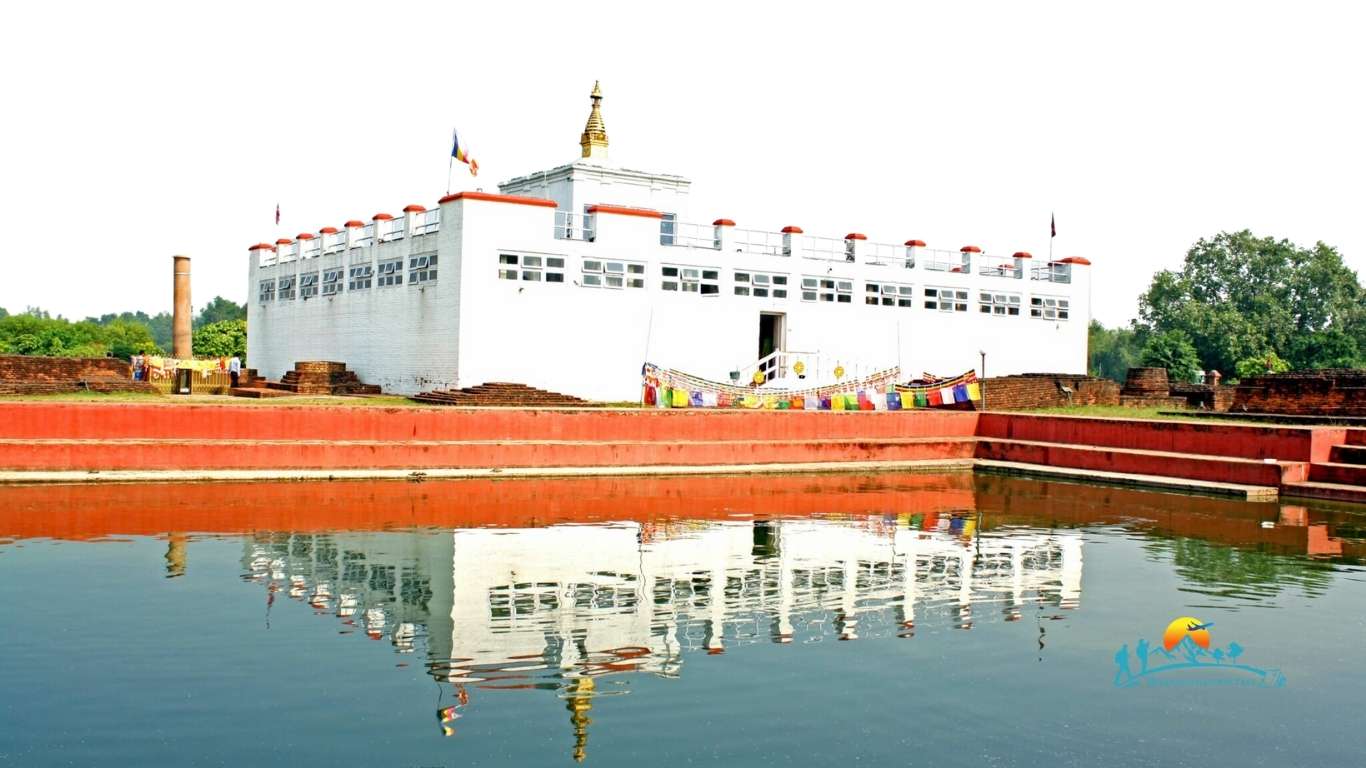
Lumbini is considered the most important Buddhist pilgrimage site in Nepal as Buddha, the enlightened one, was born here. This UNESCO World Heritage Site is situated in the Rupandehi district of southern Nepal and attracts thousands of pilgrims and visitors annually, who visit to pay their respects to the founder of Buddhism.
The birthplace of Buddha can be confirmed by historical evidence as well as the famous Ashokan Pillar erected by Emperor Ashoka in the 3rd century BC. Based on historical evidence, the birthplace of Buddha can be confirmed as Lumbini, including the famous Ashokan Pillar built by Emperor Ashoka in the 3rd century BC. The holy place is an important part of Buddhist history and is one of the most important pilgrimage centres in the world.
Lumbini is home to several major attractions, including the Maya Devi Temple, Sacred Garden, Ashokan Pillar, Eternal Peace Flame, Lumbini Museum and Monastic Zone, which houses the monasteries built by the Buddhist communities from various countries. It is best visited during October to March, and can be accessed by road from Bhairahawa or via Gautam Buddha International Airport in Bhairahawa.
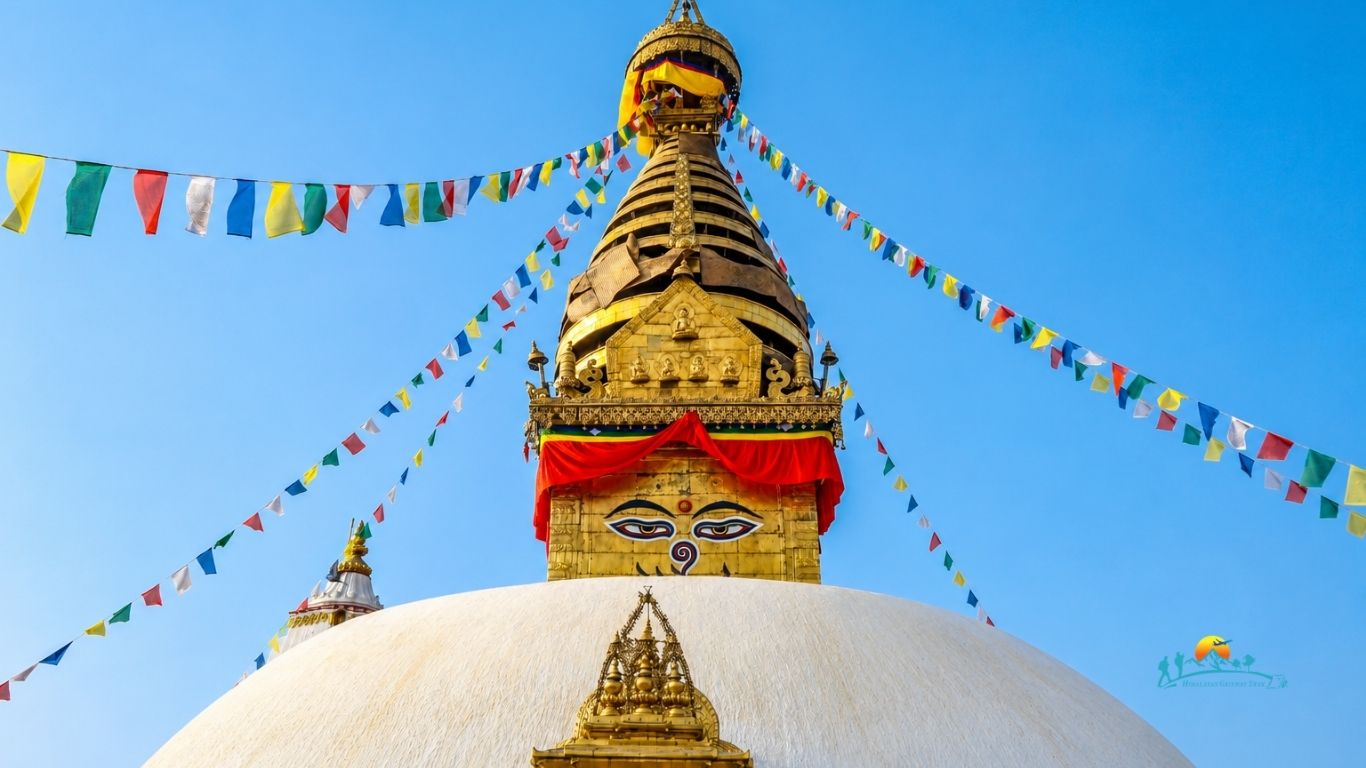
The Monkey Temple or Swayambhunath Stupa is among the most ancient and sacred religious monuments in Nepal. The stupa is located on a hillside that overlooks Kathmandu Valley and has spiritual significance as well as an amazing view of the city.
Local legend has it that Swayambhunath had risen from a lotus flower that sprang up in a vast lake, which once filled the Kathmandu Valley. It evolved over the years into one of the most significant Buddhist temples in Nepal.
The stupa is a symbol of the union of Buddhism and Hinduism. Buddhist shrines, prayer wheels, monasteries and Hindu temples are located in the same complex. The coexistence is a sign of religious tolerance and cultural integration in Nepal, which has a long history of this phenomenon.
Important festivals here are celebrated annually, such as Buddha Jayanti, Gunla Festival, Losar, etc. At these times, there are many monks, tourists, and devotees visiting the site to offer prayers and enjoy the various cultural activities.
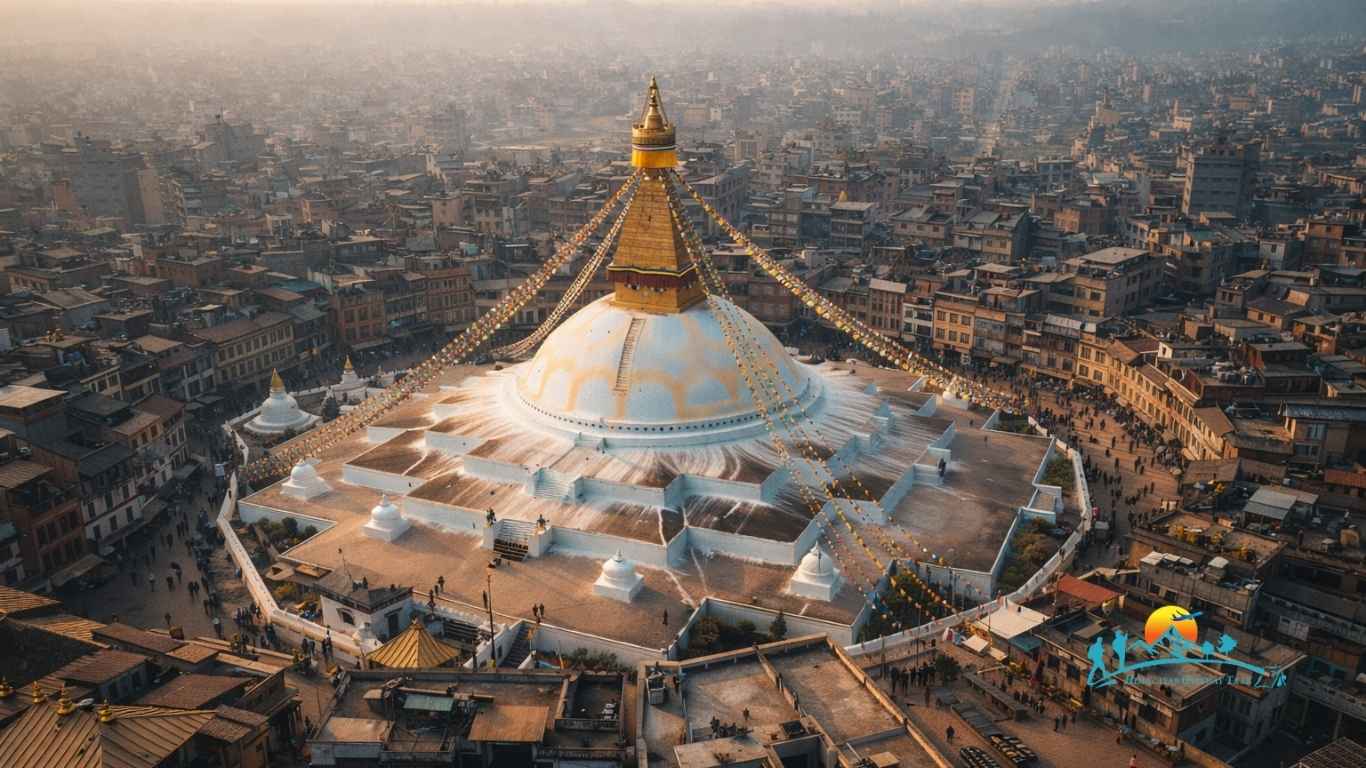
Boudhanath Stupa is one of the biggest and most auspicious Buddhist stupas in Nepal. It is situated in Kathmandu, plays a significant role in the practice of Tibetan Buddhism, and is a place of pilgrimage for Tibetan monks and tourists from all over the world. It is one of the most iconic landmarks in Nepal, with its large white dome, colourful prayer flags and serene ambience. Boudhanath has a long history and is a significant Buddhist centre of learning and worship.
The stupa is large in scale to represent the universe, and the Buddha eyes are painted on each of the four sides to symbolize wisdom and awareness. The pilgrims go around the stupa clockwise, spin prayer wheels and recite mantras as part of their spiritual practice.
There are many Tibetan cultural institutions, meditation centres and monasteries in the vicinity of the stupa. The site is also a place for religious ceremonies and prayers, and is often visited by thousands of people during major festivals, such as Buddha Jayanti and Lhosar.
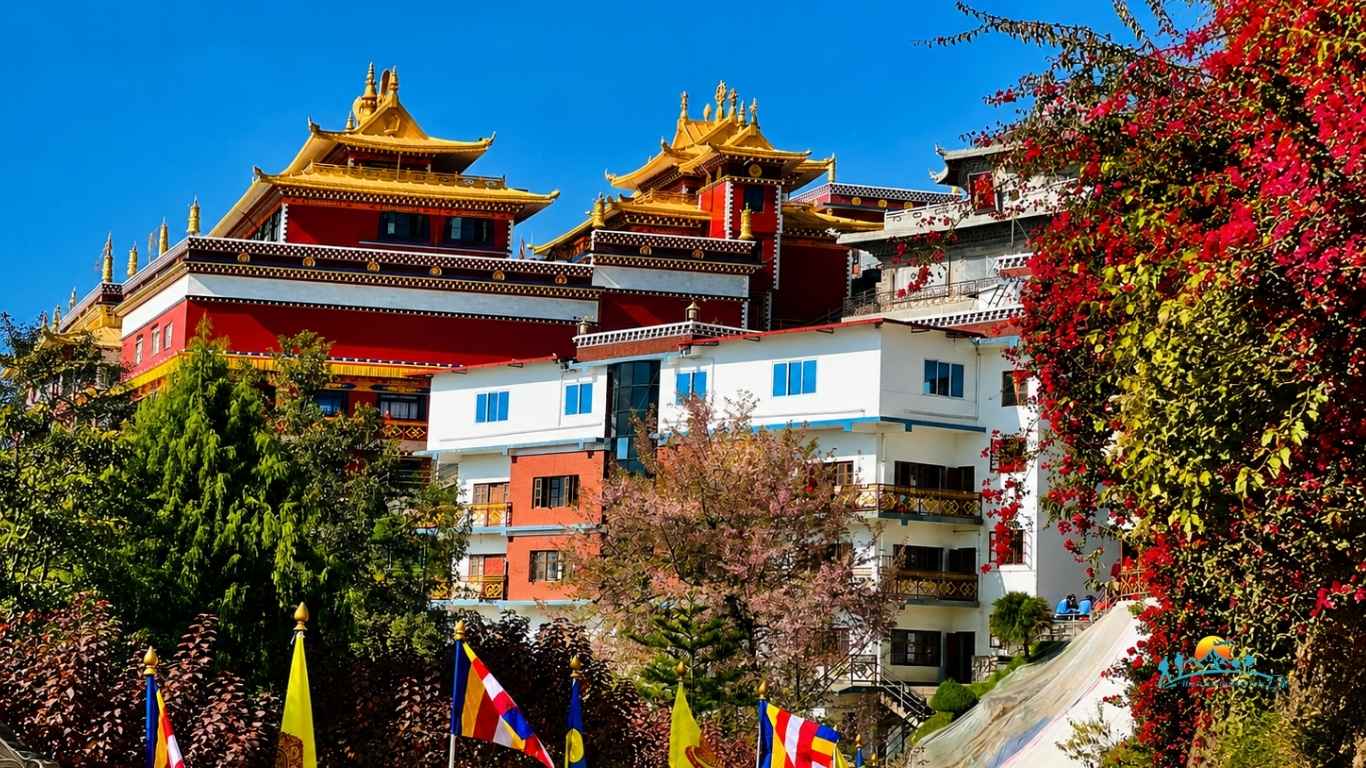
Namo Buddha is one of the holiest Buddhist pilgrimage sites near Kathmandu Valley, and is particularly revered for its association with compassion and self-sacrifice.
The site is believed to be the place where the previous birth of Buddha, Prince Mahasattva, gave his life to save a hungry tigress and her cubs, according to Buddhist tradition. The story is a symbol of selflessness and compassion, two fundamental teachings of Buddhism.
Located about 40 kilometers from Kathmandu, Namo Buddha can easily be visited as a day trip. During the trip, a lot of visitors visit the monastery, meditate and go sightseeing.
Kopan Monastery is one of the most esteemed educational institutes and meditation centres for Buddhist teachings in Nepal. It is situated on a hilltop (also north of Kathmandu), which draws students and spiritual seekers from throughout the world.
One of the main attractions of Kopan Monastery is its meditation programs. One can take short introduction courses or longer meditation retreats, where one will learn Buddhist teachings and how to meditate.
Visitors are advised to wear modest clothes and remain quiet in places of prayer, and to follow the daily activities of monks and students during their visit to the monastery.
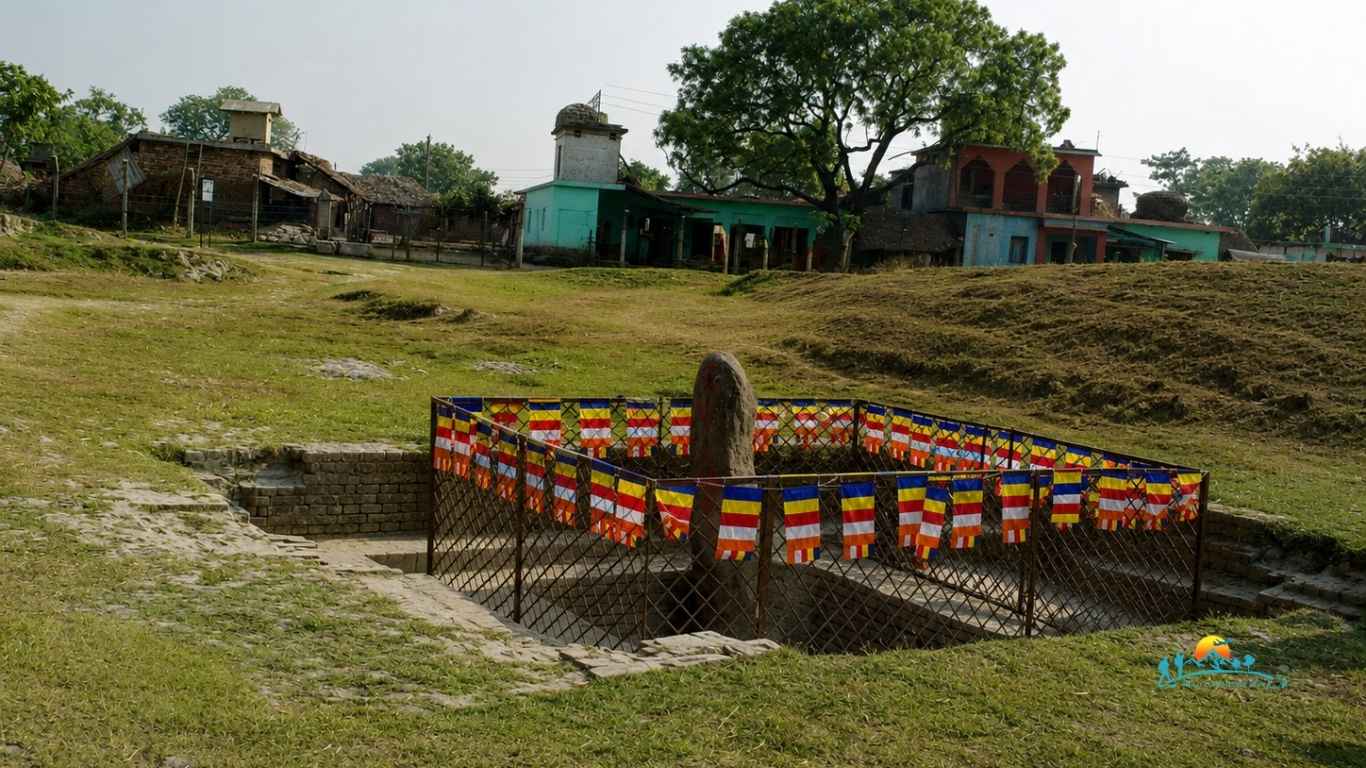
It is believed that Tilaurakot is the ancient city of Kapilavastu, where Prince Siddhartha lived in the first few years of his life and went out looking for enlightenment. The site is very significant in relation to Buddha’s childhood and the Shakya Kingdom.
The archaeological site at Tilaurakot is home to a variety of structures, such as ancient walls, gates, residential buildings, and defensive fortifications. These findings allow historians to learn about the social and political context of Buddha’s childhood.
The site of Tilaurakot is one of the most important archaeological sites in Nepal, having been excavated to reveal evidence of urban settlement from over 2500 years ago.
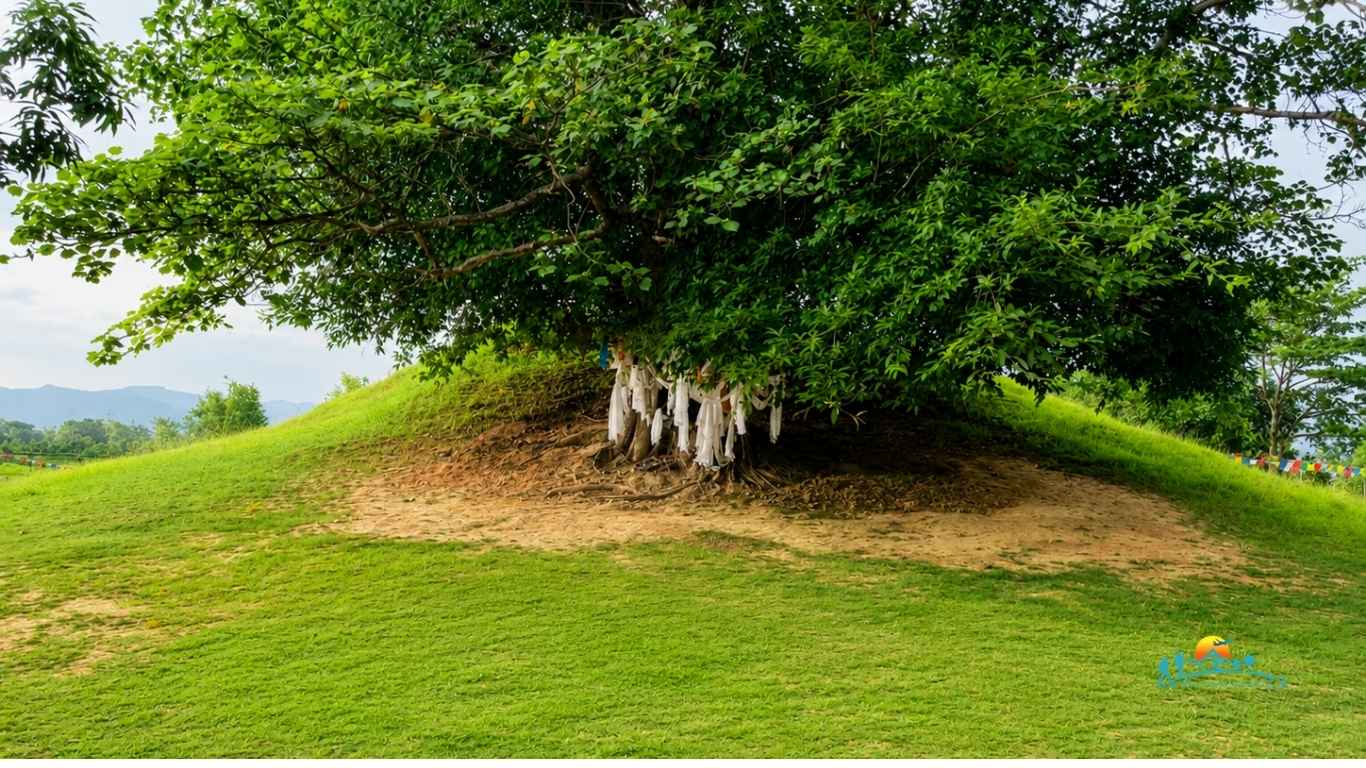
The Ramgram Stupa has a special significance in Buddhist history because it is believed that the original relics of Lord Buddha are kept in it.
As opposed to many other relic stupas, the stupa of Ramgram was never opened or redistributed after the death of Buddha.
The Emperor Ashoka tried to touch the relics, but couldn’t. This led to the stupa retaining its relics and being venerated by Buddhist pilgrims. The place where Buddha’s relics are buried makes Ramgram one of the holiest pilgrimage sites in Nepal.
The important archaeological site is called Gotihawa and is associated with the Buddha who appeared before Gautama Buddha, called as Krakuchhanda Buddha, according to the Buddhist tradition. There is an Ashokan Pillar at the site, and remains of the ancient religious structures.
These historical features give important insights into the early Buddhist worship in the area. The pilgrimage to Gotihawa is a common part of a bigger tour of the Buddhist heritage, which also involves visiting other holy places in the vicinity that have ties to Buddha’s life.
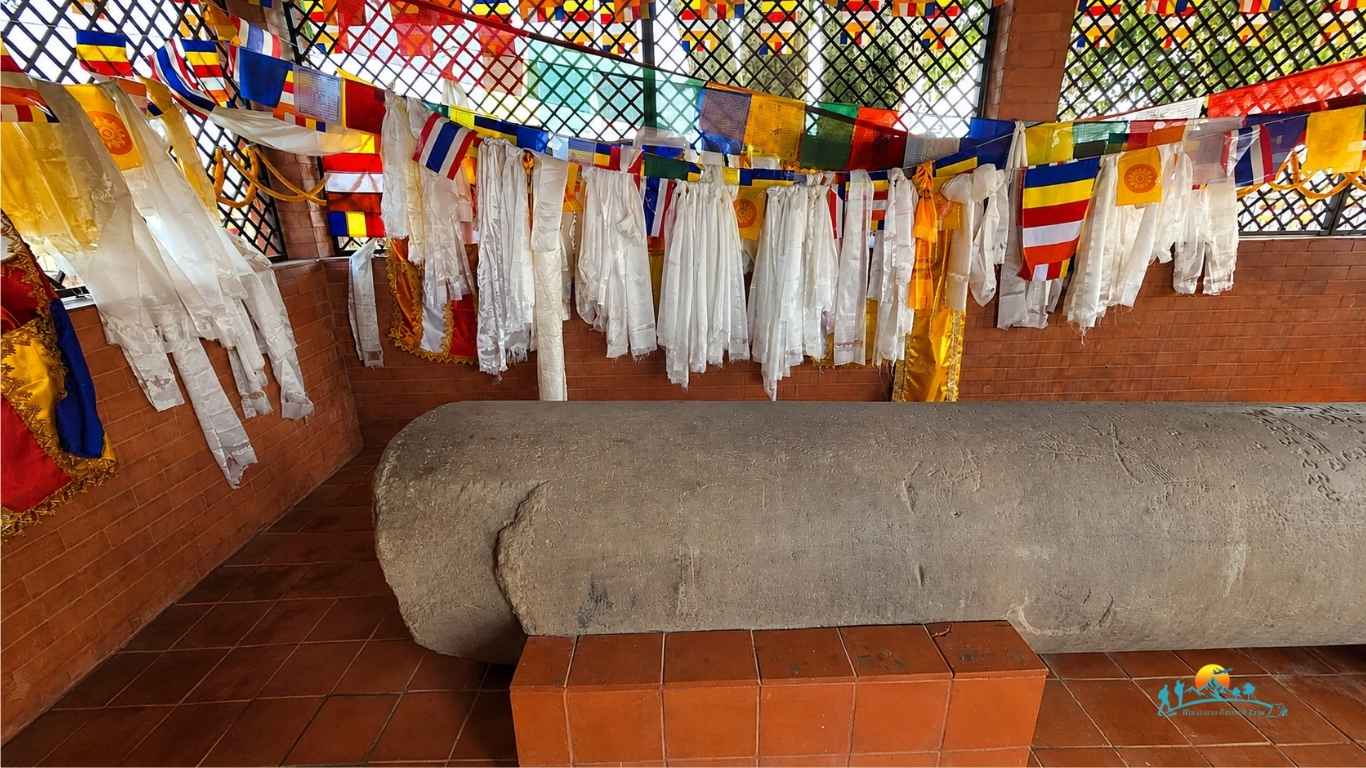
The name Niglihawa is associated with the Kanakamuni Buddha, who is another Buddha recognised prior to Gautama Buddha.
It is the site where Emperor Ashoka was recorded in the Ashokan inscription, which describes his pilgrimage and his attempt to honour important Buddhist sites.
The inscription is a valuable historical document that highlights the presence of Buddhism in Nepal. Niglihawa is less popular than other pilgrimage sites, but it is a place of interest for the Buddhist history and archaeology buffs.
Kudan is intimately linked with Buddha’s return to Kapilavastu after his Enlightenment. According to Buddhist tradition, this is where Buddha reunited with his father, King Suddhodana, and other members of the royal family.
The site features ancient stupas, monastic remains and archaeological features that help retain the memory of this important event in Buddha’s life.
Kudan is frequently part of pilgrimage tours to sites associated with Buddha’s childhood and his spiritual path.
Devdaha was the maternal home of Queen Maya Devi, the mother of Buddha and Mahaprajapati Gautami, the first Buddhist nun. The site offers significant information on the background of Buddha’s family and the larger Shakya and Koliya communities of ancient Nepal.
Devdaha is not as developed as Lumbini, but it is still a significant place for pilgrims who want to learn more about the origins of Buddhism.
This is an additional reason why Buddha’s birthplace, Nepal, is significant for its Buddhist heritage as it relates to Buddha’s maternal lineage.
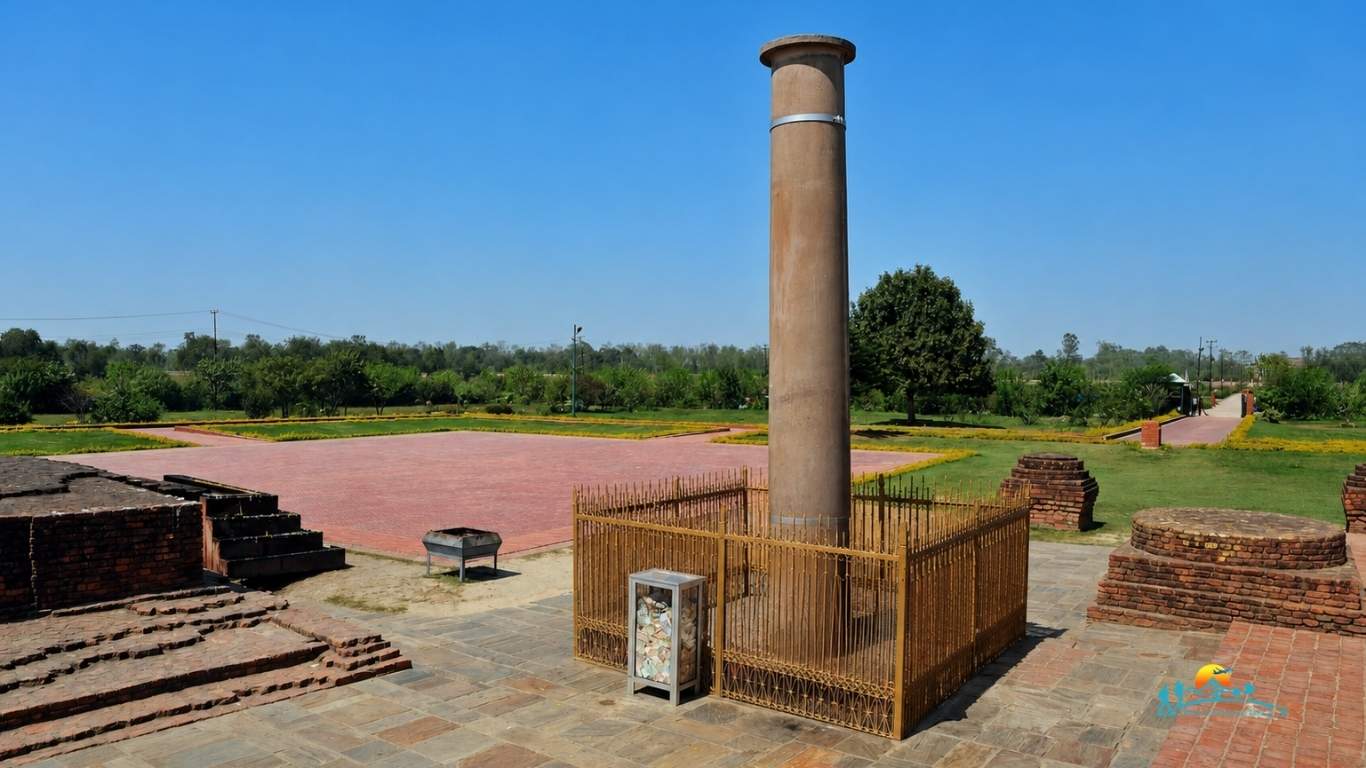
The Ashoka Pillars are among the most important historical monuments related to Buddhism in Nepal. The stone pillars were set up by Emperor Ashoka on his tour of pilgrimages in the 3rd century BCE.
The inscriptions on these pillars are important historical evidence for many of the sacred Buddhist sites. They support the positions related to Buddha’s life and the diffusion of his teachings throughout the region. The most significant Ashokan pillars are seen at Lumbini, Niglihawa and Gotihawa.
These monuments still draw historians, archaeologists and Buddhist pilgrims to learn more about the history of Buddhism.
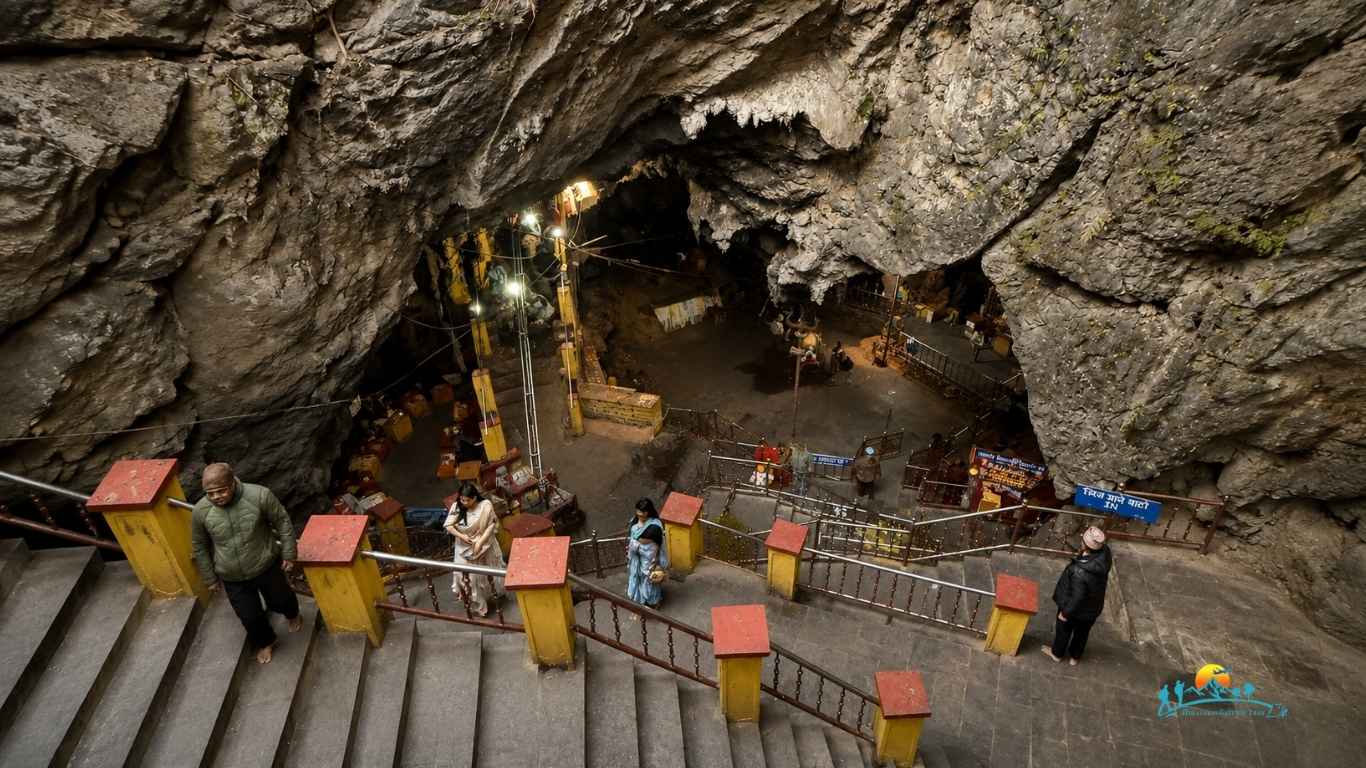
Halesi Maratika Cave is one of the most important spiritual places in the eastern region of Nepal and is sacred to the Buddhists, Hindus and Kirat people. The cave is situated in the Khotang district and is a place for pilgrims to come for blessings, meditation and spiritual upliftment.
In the Buddhist tradition, Halesi is known as Maratika Cave and is a place of longevity and spiritual practice. Guru Padmasambhava and Mandarava are thought to have achieved the realization of long life teachings in this place, so it is an important site for pilgrims to Tibetan Buddhism.
The cave complex is also home to a variety of natural rock formations, prayer flags, shrines, and meditation spaces, providing a serene and tranquil setting for visitors to enjoy. pilgrims come here all year round, but particularly on big Buddhist festivals.
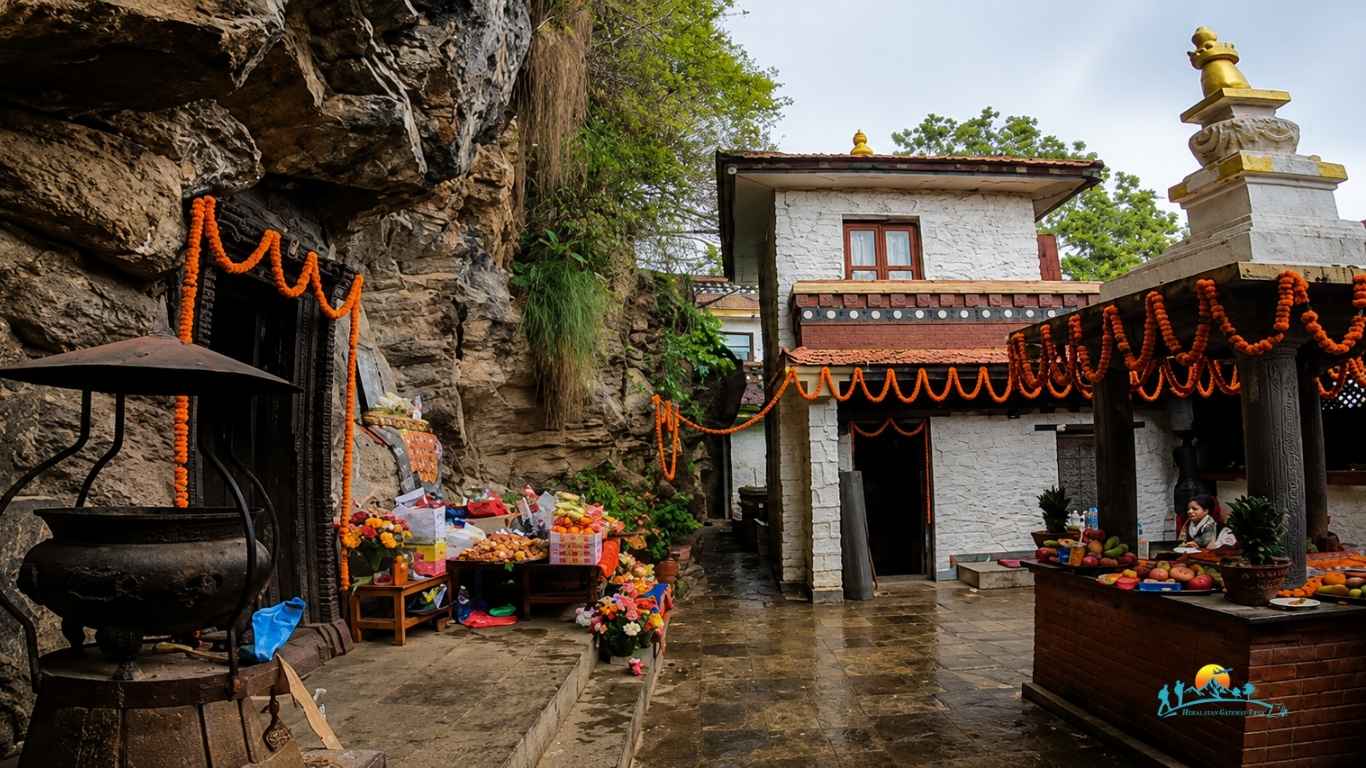
One of the most sacred meditation spots linked to Guru Padmasambhava or Guru Rinpoche is the Asura Cave, located in Pharping on the south side of Kathmandu Valley. The cave is a significant location for Buddhist monks from Nepal, Tibet, Bhutan, and other parts of the Himalayas.
Buddhist legend has it that Guru Padmasambhava meditated in this cave and achieved a high state of enlightenment. This led to the site becoming a holy place where pilgrims go to pray, meditate and remember his teachings.
Nowadays, people can come to visit a monastery, pray at another place in the vicinity of the cave and enjoy the peaceful environment of Pharping. It is still a place of active Buddhist practice and spiritual retreat.
Another important Buddhist pilgrimage site near Pharping is Yanglesho Cave, which is closely related to Guru Padmasambhava. After leaving Asura Cave, he is said to have continued his meditation practices at the cave, which is regarded as a sacred place.
The site is a popular place for pilgrims, monks and nuns to visit for spiritual renewal, contemplation and prayer. It is significant to Vajrayana Buddhism followers because of its religious importance.
The monastery is surrounded by hills, prayer flags, and monasteries, creating a peaceful atmosphere for meditation and contemplation, away from the hustle and bustle of the city.
Milarepa Cave is dedicated to the famous Tibetan yogi and poet, Milarepa, who is one of the most revered figures in Tibetan Buddhism. He is also associated with several caves in Nepal, which are part of his life and meditation experiences, and are visited by pilgrims for spiritual connections and to learn about his biography as well as Buddhist traditions.
Milarepa is remembered for his ability to conquer hardship through hard work and dedication to meditation and Buddhist teachings. His journey is a testament to the power of discipline and spiritual practice, and continues to inspire those who seek to transform in their own lives.
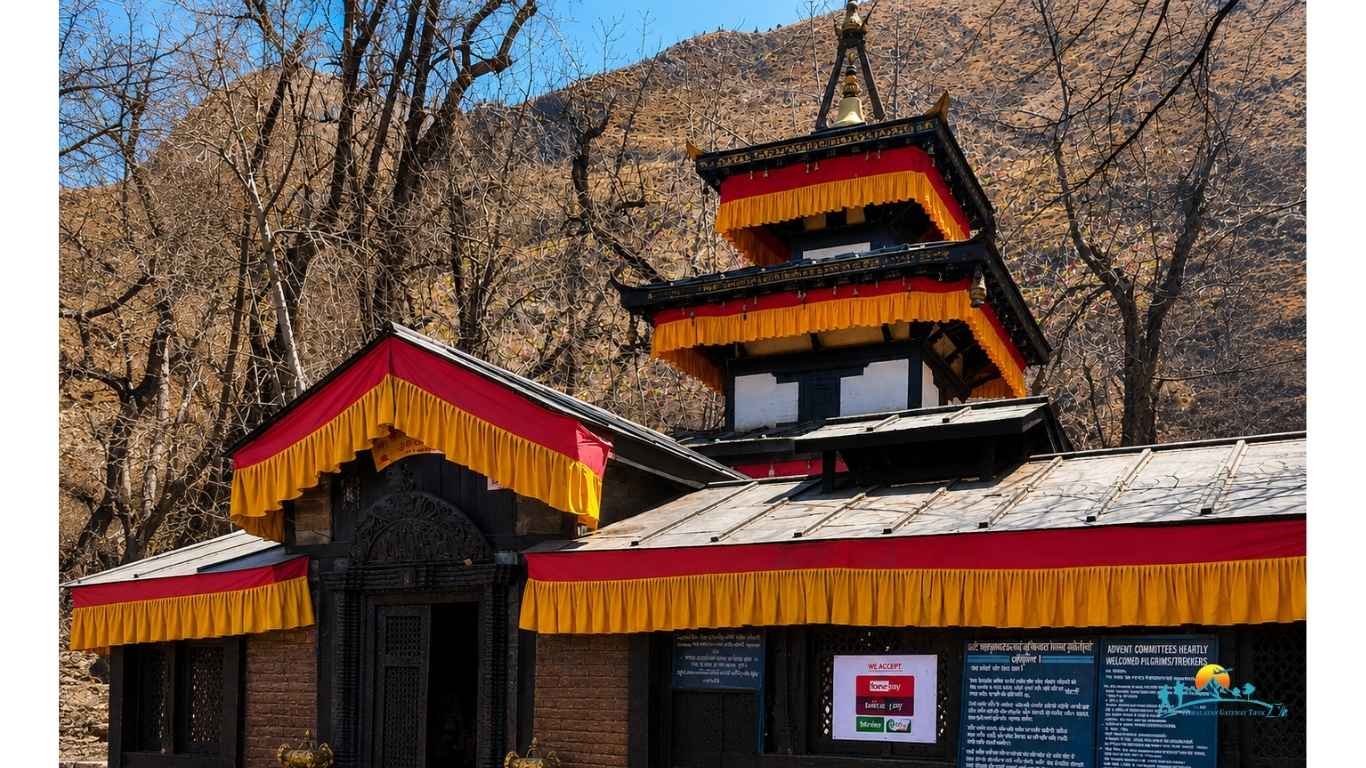
Unlike other temples in Nepal, Muktinath Temple is significant for both Buddhists and Hindus and is one of the most unique pilgrimage sites in Nepal. The temple is situated at a height of 3800m in the Mustang region, offering both spiritual and natural experiences in the Himalayas.
Muktinath is believed to be associated with the Bodhisattva Avalokiteshvara in Buddhist history, or a sacred site of liberation and salvation in Hindu beliefs. The temple complex includes 108 water spouts, eternal flames, monasteries and shrines, which illustrate the harmony of two faiths.
The route to Muktinath can be made by trekking in the Annapurna region or by road and air from Jomsom. It is a place of great religious importance, beauty, and cultural heritage, and is one of the most popular pilgrimage destinations in Nepal.
The monastery of Tengboche is the biggest and most important monastery of the Buddhist faith in the Everest region. It stands at an altitude of approximately 3867 m, and is an important spiritual hub for Sherpa people and trekkers heading to Everest Base Camp.
The monastery is part of the Nyingma tradition of Tibetan Buddhism and is an important center for the preservation of Buddhist teachings in the Khumbu region. Visitors can see the monks’ daily prayers and religious rituals, which are conducted in a respectful manner.
Shey Gompa is among the holiest Buddhist pilgrimage sites in the far west Dolpo region of Nepal. It is thought that the monastery was established over 800 years ago and continues to be a significant cultural centre of Tibetan Buddhism.
The monastery is well known for its association with Crystal Mountain, a holy peak which pilgrims walk around during special religious festivals. It is believed that the pilgrimage brings blessings and spiritual merit to those who make it. The trip to Shey Gompa is quite challenging and traverses high mountain regions due to its remote location.
The result is an opportunity to learn about ancient Buddhist traditions in one of the least-visited areas of Nepal.
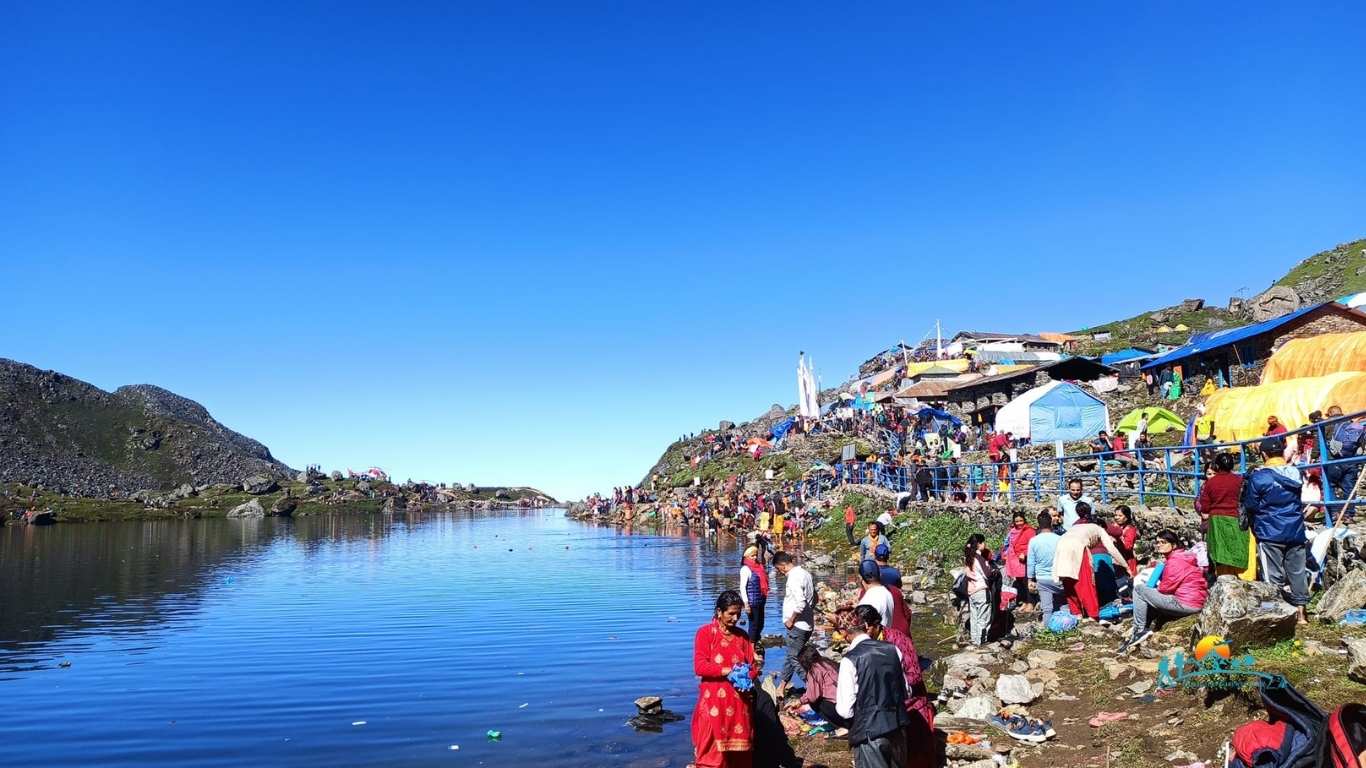
Gosaikunda is a cluster of holy high-altitude lakes in Langtang National Park and is one of the hikers’ favourite spots. The lakes are popular in Hindu culture, but are also important to several Buddhist groups. For many Buddhists, the lakes are considered to be sacred and are visited for their spiritual significance, as well as for religious rituals and ceremonies.
Prayer flags are seen along the trekking route and in nearby settlements, as are chortens (small ceremonial stupas), and signs of Buddhism.
Several monasteries play an important role in preserving Buddhist teachings:
The best time to visit Buddhist pilgrimage sites in Nepal depends on weather conditions, festival dates, and personal travel preferences. Most pilgrims prefer spring and autumn because of clear skies, comfortable temperatures, and better road and trekking conditions. Those interested in cultural experiences may also plan their visit around major Buddhist festivals such as Buddha Jayanti and Lhosar.
| Season | Months | Conditions |
|---|---|---|
| Spring | March – May | Clear skies, blooming flowers, pleasant temperatures, and excellent conditions for sightseeing and trekking |
| Summer | June – August | Monsoon season with frequent rainfall, lush landscapes, and fewer crowds at major pilgrimage sites |
| Autumn | September – November | Best visibility, stable weather, comfortable temperatures, and peak season for pilgrimage and trekking |
| Winter | December – February | Cool temperatures, clear skies in many regions, and quieter pilgrimage sites with fewer visitors |
Buddhist festivals are a great way to get a glimpse of living Buddhist traditions in Nepal. In the course of these festivals, monasteries, stupas and pilgrimage sites come alive with prayer, ritual, cultural activities and community events.
Buddha Jayanti is the most significant and important festival for the Buddhist community in Nepal, as it celebrates the birth, enlightenment, and Mahaparinirvana (death) of Lord Buddha. This festival is celebrated on the full moon day of Baisakh and attracts thousands of devotees to visit the sacred places like Lumbini, Boudhanath, Swayambhunath and more.
The day consists of prayers led by monks, the offering of butter lamps and flowers to the Buddha’s image, and religious processions.
Mani Rimdu is a renowned Buddhist festival celebrated at monasteries of the Everest region, especially at Tengboche Monastery. The festival is marked by the dances of the sacred masks, prayers, blessings and ceremonies of the monks.
It represents the triumph of wisdom over ignorance and is a pilgrimage destination for people from all over the world.
A Tibetan New Year and one of the most important festivals of the Himalayan Buddhist community, Lhosar is the Tibetan New Year. Lhosar is also celebrated by various ethnic groups, each holding its own celebration through dances, prayers, family reunions, and monastery ceremonies.
One can see major celebrations at different monasteries in the Kathmandu Valley and the Himalayas.
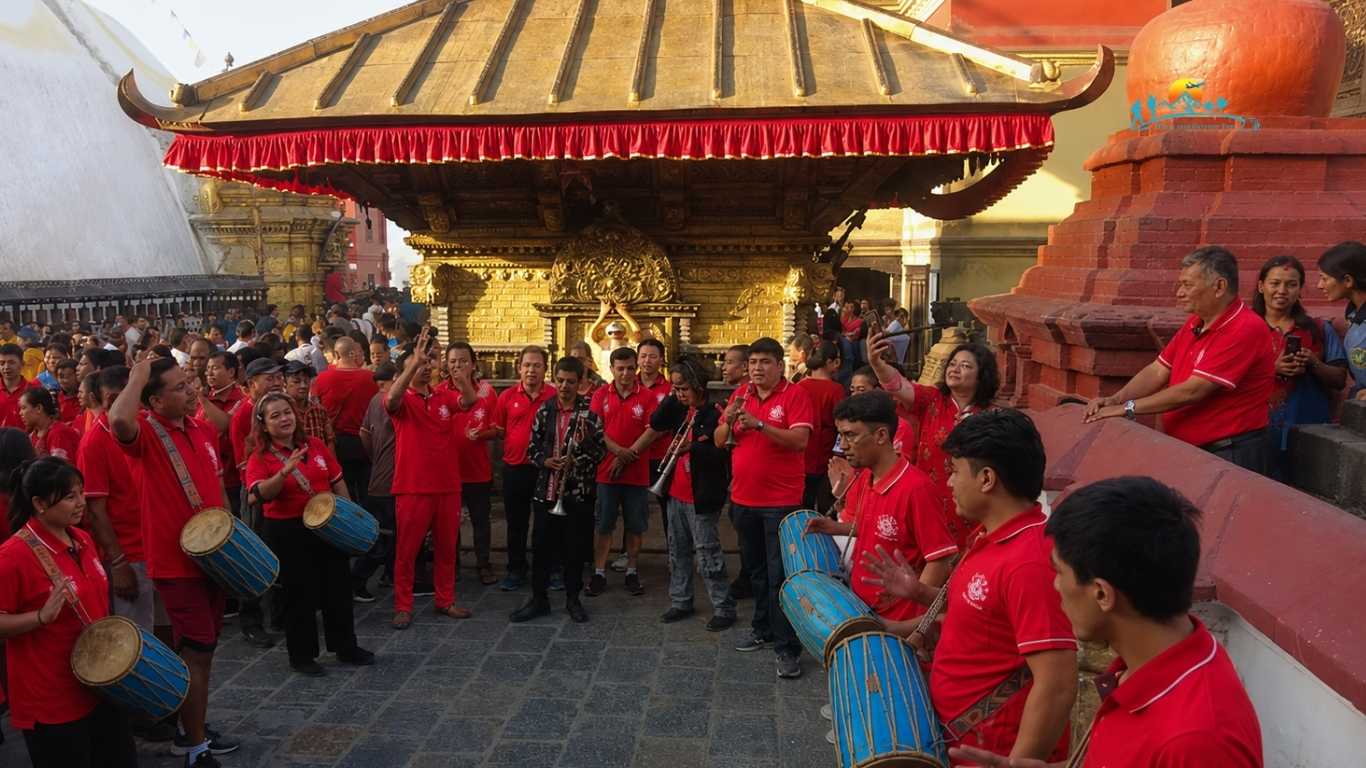
Gunla is a major Buddhist festival among the Newari peoples, predominantly in Kathmandu Valley. The devotees go on pilgrimage visits to Buddhist shrines, stupas and monasteries during this sacred month, engage in ritual ceremonies and prayers on every day, and take part in religious processions.
During the period, Buddhist temples such as Swayambhunath and Boudhanath are particularly busy as people come together to pay their respects to Buddhist beliefs and achieve religious merit. It is one of the biggest Newari festivals.
Nepal is one of the most significant countries for Buddhist pilgrims as it is the birthplace of Lord Buddha and also has many religious stupas, monasteries, caves and historical sites. Whether it’s exploring the city of Lumbini, the temple of Boudhanath, the monastery of Namo Buddha, or the temple of Tengboche, every place has its own significance and represents a different facet of Buddhist beliefs and practices.
The journey to these Buddhist pilgrimage sites in Nepal offers an opportunity to gain insights into the life and teachings of Buddha and to immerse oneself in the country’s rich religious heritage. Visitors can make a meaningful pilgrimage by respecting the local traditions and sacred sites, and help preserve them for future generations.
Nepal hosts numerous Buddhist pilgrimage sites, including Lumbini, Boudhanath Stupa, Swayambhunath, and Namobuddha. These ancient locations feature historic monasteries, shrines, and peaceful meditation centers that attract thousands of spiritual travelers and tourists worldwide annually.
Lumbini is the most important Buddhist pilgrimage site in the world. Located in southern Nepal, it is the sacred birthplace of Siddhartha Gautama, the Lord Buddha, and features the historic Maya Devi Temple and Ashoka Pillar.
The four major global Buddhist pilgrimage sites connected to the life of Lord Buddha are Lumbini (birthplace), Bodhgaya (enlightenment), Sarnath (first sermon), and Kushinagar (death). Among these, the sacred site of Lumbini lies in Nepal.
Muktinath Temple, located in the high Mustang region, is a premier pilgrimage destination sacred to both Hindus and Buddhists. It represents ultimate liberation and spiritual harmony, drawing thousands of devotees from both faiths annually.
Boudhanath Stupa in Kathmandu is one of the largest spherical stupas globally. It serves as the spiritual hub for Tibetan Buddhism in Nepal, surrounded by ancient monasteries, prayer wheels, and thousands of daily devotees.
Swayambhunath Stupa is famously called the Monkey Temple because holy monkeys live in the northwest parts of the temple complex. These monkeys are considered sacred, stemming from legends regarding the Bodhisattva Manjushri.
Namobuddha is a highly sacred site where, according to Buddhist legend, a young prince (a previous incarnation of Lord Buddha) sacrificed his own body to feed a starving tigress and her small, helpless cubs.
Tilaurakot is located in the Kapilvastu district of Nepal. It is highly significant as the ancient capital of the Shakya kingdom, where Prince Siddhartha Gautama lived for his first 29 years before embarking on his spiritual journey.
Ramgram Stupa, located in the Nawalparasi district, is uniquely important because it is the only undisturbed stupa containing original, un-excavated bodily relics of Lord Buddha, protected historically by dragons and kings according to ancient texts.
Located in Pharping near Kathmandu, the Asura Cave is deeply revered because the great Buddhist master Padmasambhava (Guru Rinpoche) meditated here and achieved major spiritual realizations, leaving his handprint embedded inside the stone wall.
Tengboche Monastery is located in the Khumbu region on the trail to Everest Base Camp. It offers breathtaking panoramic views of Mt. Everest and serves as the primary spiritual and cultural center for local Sherpa Buddhists.
Kopan Monastery, situated on a hill near Kathmandu, is famous for offering introductory courses in Tibetan Buddhism and meditation to foreigners. It provides a peaceful, spiritual retreat environment for practicing daily mindfulness and ancient philosophy.
Erected by the Indian Emperor Ashoka in the third century BCE, the Ashoka Pillar contains an inscription confirming Lumbini as the exact birthplace of Buddha, serving as crucial historical evidence for Buddhists and global researchers.