
Dashain Festival of Nepal: Dates, 15 Days, Traditions and History
The Dashain Festival of Nepal is the country's biggest annual festival for many Nepali families, bringing together religious worship, family…
 Himalayan Gateway Trek - On
 There are many mountain passes in Nepal, from the well-known Thorong La and Everest Three Passes, as well as the more obscure passes in Kanchenjunga, Humla, Mustang and Rolwaling. A mountain pass is a natural pass through mountains between two valleys. Numerous passes in Nepal are located above 5,000 m, providing high mountain vistas, far-away views and tough tracks.
Some mountain passes in Nepal are suitable for fit trekkers with good acclimatization, while others will only work for the experienced high-altitude trekker and with special equipment. Amphu Lapcha and Tashi Lapcha, for instance, are more technical and challenging. Here you will read about 15 significant passes of the mountains of Nepal, their height, location, difficulty, trekking routes, scenery and who they are for.
| Mountain Pass | Approx. Elevation | Region | Difficulty | Main Trek |
|---|---|---|---|---|
| Amphu Lapcha Pass | 5,845 m | Everest | Very Difficult | Amphu Lapcha Pass Trek |
| Tashi Lapcha Pass | 5,755 m | Rolwaling/Everest | Very Difficult | Rolwaling Tashi Lapcha Trek |
| Teri La Pass | 5,577 m | Mustang | Very Difficult | Teri La Pass Trek |
| Kongma La Pass | 5,535 m | Everest | Difficult | Everest Three Passes Trek |
| Cho La Pass | 5,420 m | Everest | Difficult | Everest Three Passes Trek |
| Thorong La Pass | 5,416 m | Annapurna | Difficult | Annapurna Circuit Trek |
| Renjo La Pass | 5,360 m | Everest | Difficult | Everest Three Passes Trek |
| Kang La Pass | About 5,320 m | Nar Phu | Difficult | Nar Phu Valley Trek |
| Mesokanto La Pass | About 5,100 to 5,340 m* | Annapurna | Very Difficult | Mesokanto La Trek |
| Larkya La Pass | About 5,106 m | Manaslu | Difficult | Manaslu Circuit Trek |
| Lumba Sumba Pass | 5,160 m | Eastern Nepal | Very Difficult | Lumba Sumba Pass Trek |
| Ganja La Pass | About 5,100 m | Langtang | Difficult | Ganja La Pass Trek |
| Nyalu Lagna Pass | 4,995 m | Humla | Difficult | Limi Valley Trek |
| Sele La Pass | 4,290 m | Kanchenjunga | Moderate to Difficult | Kanchenjunga Circuit |
| Salpa Pass | 3,350 m | Arun Valley | Moderate | Arun Valley Trek |
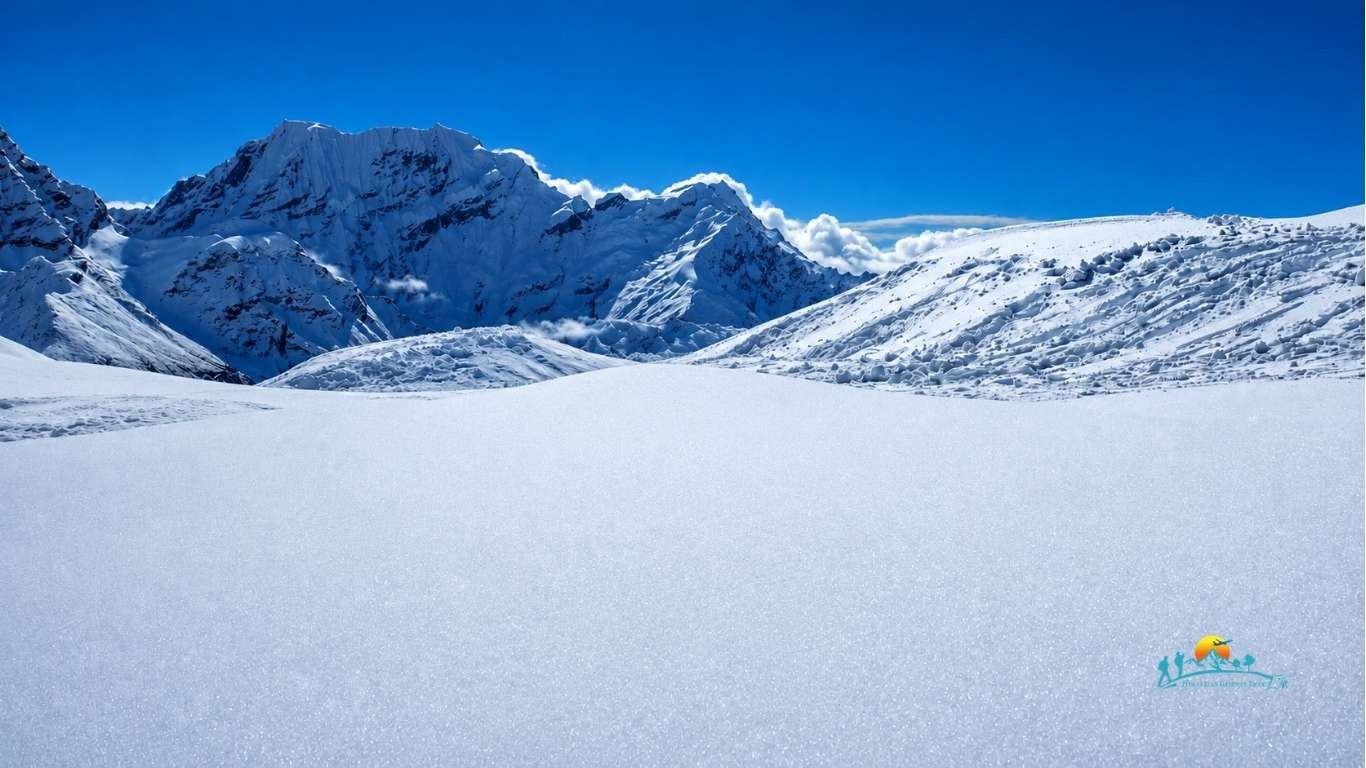
Amphu Lapcha Pass is at an elevation of approximately 5,845m and one of the most difficult and highest trekking passes in Nepal. It is in the Everest Region and is the link between Imja Valley and Hinku Valley in the far remote area.
The route becomes much harder as it moves above the tree line. Trekkers may encounter steep rock, snow, ice, moraine, and exposed sections near the pass. Conditions can change with the season, so the equipment needed for the crossing also varies.
The route leads hikers through the Khumbu into less busy high-altitude areas. It is a fast-changing landscape, from green valleys to rocky slopes, glaciers and snow-covered mountains.
The summit provides great views of the surrounding peaks in the Himalayas, but climbing to the top isn’t easy. This route is suitable for previous high-altitude experience, appropriate acclimatization, and appropriate mountain equipment.
Best for: Experienced trekkers seeking a technical mountain crossing
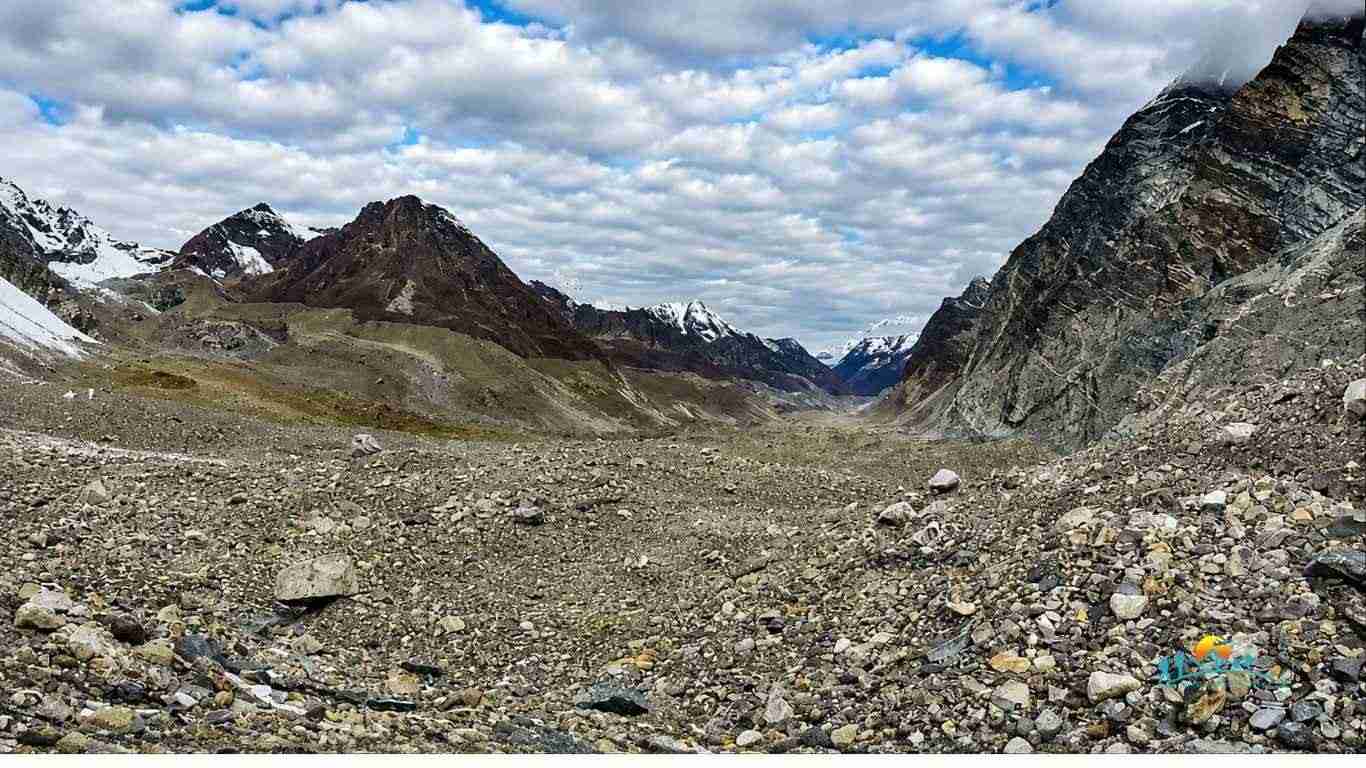
Tashi Lapcha Pass is approximately 5,755 m high and links with the far-away Rolwaling Valley and the Everest region. It is one of the highest and the most rigorous trekking crossing in Nepal.
The route passes through villages such as Simigaon, Beding, and Na before reaching Tsho Rolpa and the high mountain country beyond it. The upper section becomes more difficult, with steep ground, glacial terrain, and limited accommodation.
Before arriving at the pass, you’ll find one of the main attractions as Tsho Rolpa. The large glacial lake is located in the upper part of the valley, with steep mountain walls and high peaks creating a striking contrast to the lower valleys.
From there trekkers trek down towards Thame in the Everest region after crossing Tashi Lapcha. The path is well suited for those who are well prepared due to the difficult terrain, isolation, and altitude.
Best for: Experienced trekkers seeking a remote crossing
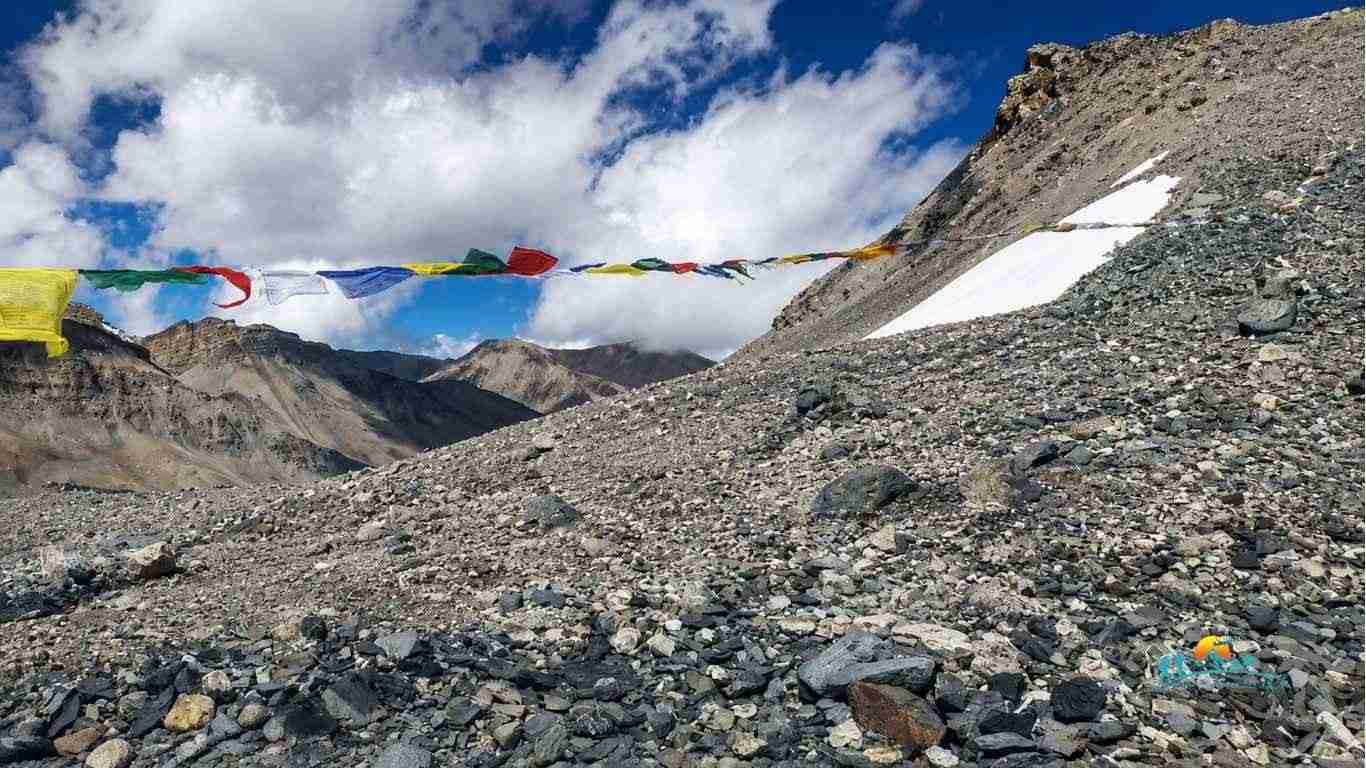
Teri La Pass is approximately 5,577m and one of the highest passes located in the farthest region of Mustang. It is located away from the main trekking trails of Nepal and provides a more serene trek in the high Himalayas.
The area around the pass has a dry and rugged appearance, with barren slopes, gravel trails, high valleys, and little vegetation at higher elevations. The scenery looks very different from the forested mountain routes of eastern Nepal.
The crossing is a long and strenuous day at high altitude. On some routes, there are no camping places and on others the trail is steep and difficult.
Teri La also passes through regions where special trekking permits might apply. It is for the trekkers’ safety to check the current regulations before travelling, as conditions in the restricted areas and along the route may change.
Best for: Experienced trekkers seeking a remote route
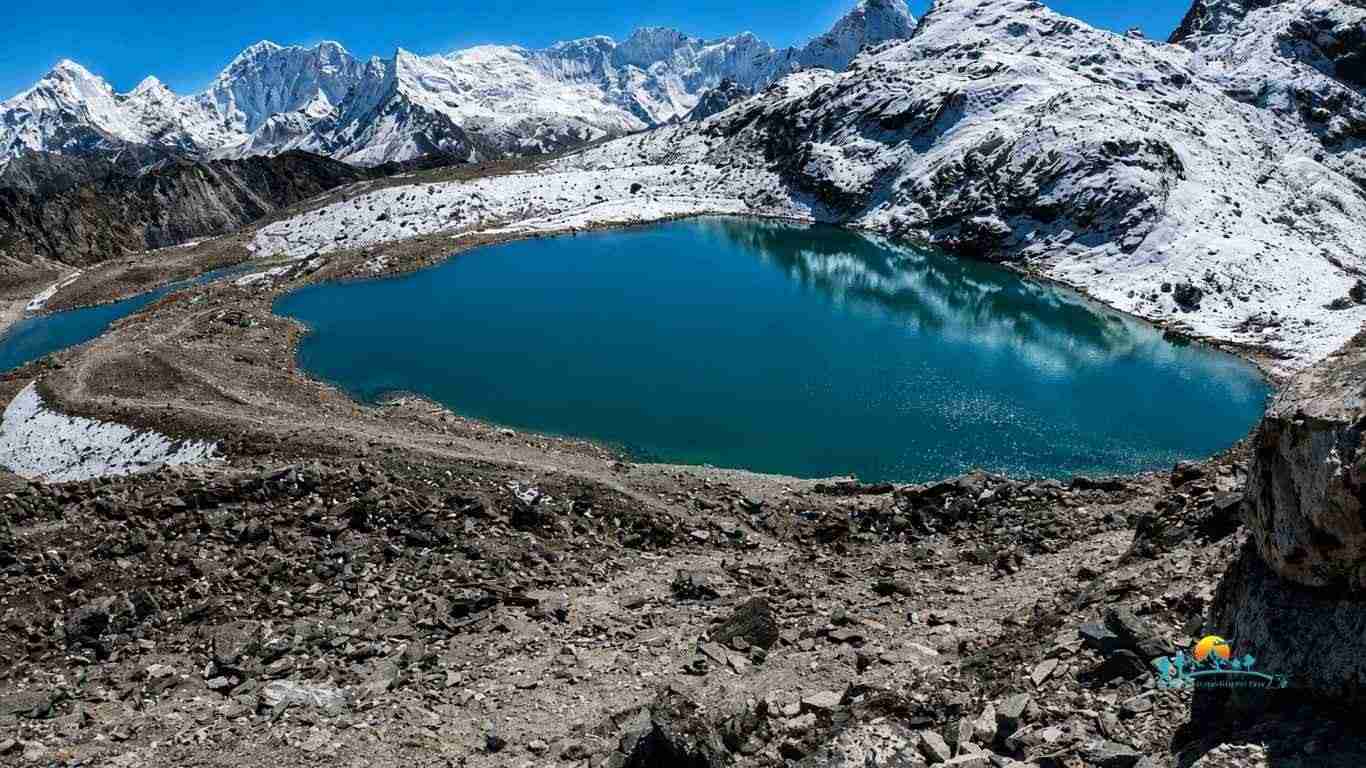
Kongma La is the highest of the three main passes along the classic Everest Three Passes Trek and is approximately 5,535 meters high. The pass is situated between Chhukung and Lobuche and crosses through rough high altitudes and high moraines.
It is less sheltered and less developed than the main Everest Base Camp trail, making the crossing feel much more remote.
This is particularly rewarding on clear days when the high point affords views to the surrounding peaks and glaciers. Unlike its neighbouring passes, there is no proper teahouse on the crossing, so the trekkers have to cross the pass between the given teahouses.
The Kongma La Pass is the highest of the three passes, while the difficulty is determined by snow, weather conditions, fitness and acclimatization.
Best for: Fit trekkers with high-altitude experience
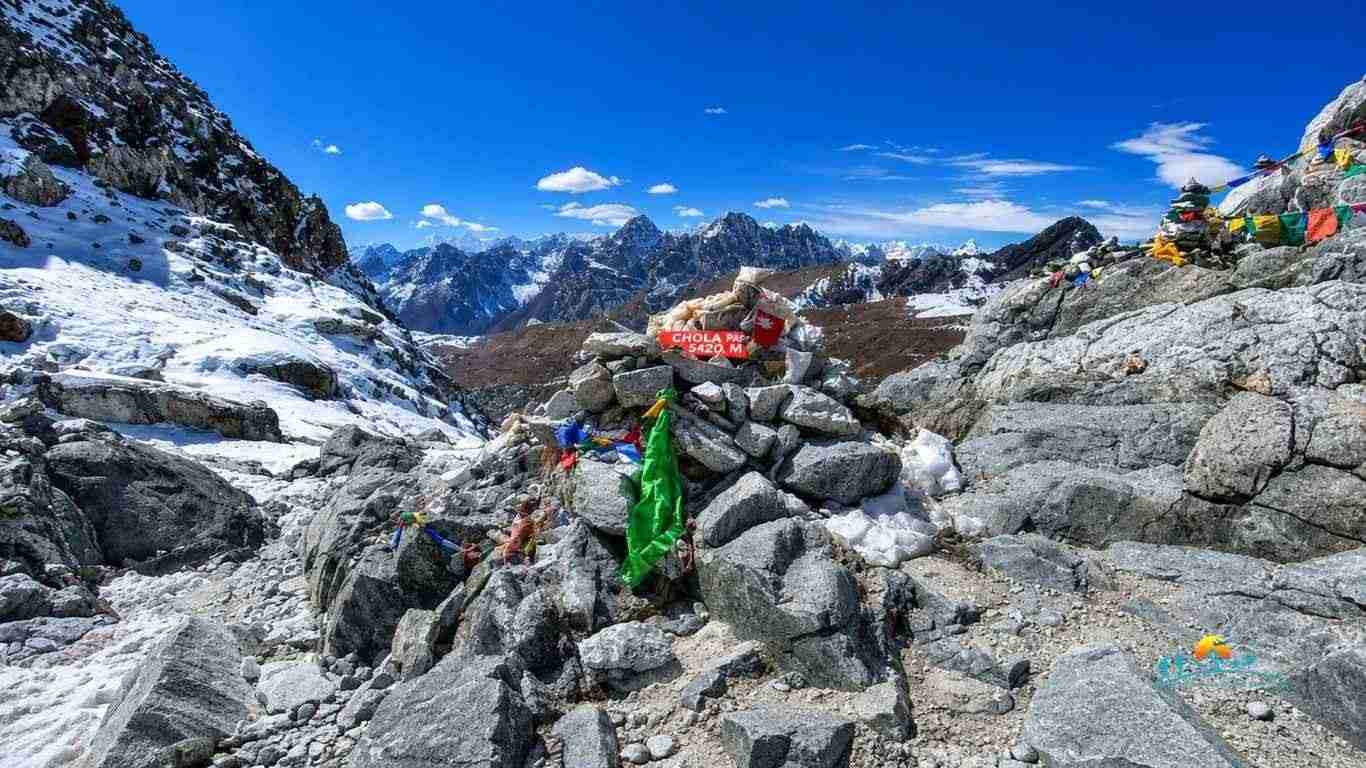
Cho La Pass is at approximately 5420 meters above sea level and connects the Gokyo Valley to the Everest Base Camp side of the Khumbu.
It is one of the most popular high passes in Nepal that allows trekkers to join Gokyo and the Everest trail without going on the same valley twice. The high section can be icy and snowy, particularly following new snow.
The trail climbs toward the pass through increasingly rugged ground before crossing the high section and descending toward the other valley.
Elevations can make crossing more difficult than the snow and glacier conditions. The route is also a key component of the Everest Three Passes route and is also a popular option for trekkers who go to Everest Base Camp, Gokyo Lakes and also cross through one of the passes.
Best for: Experienced high-altitude trekkers
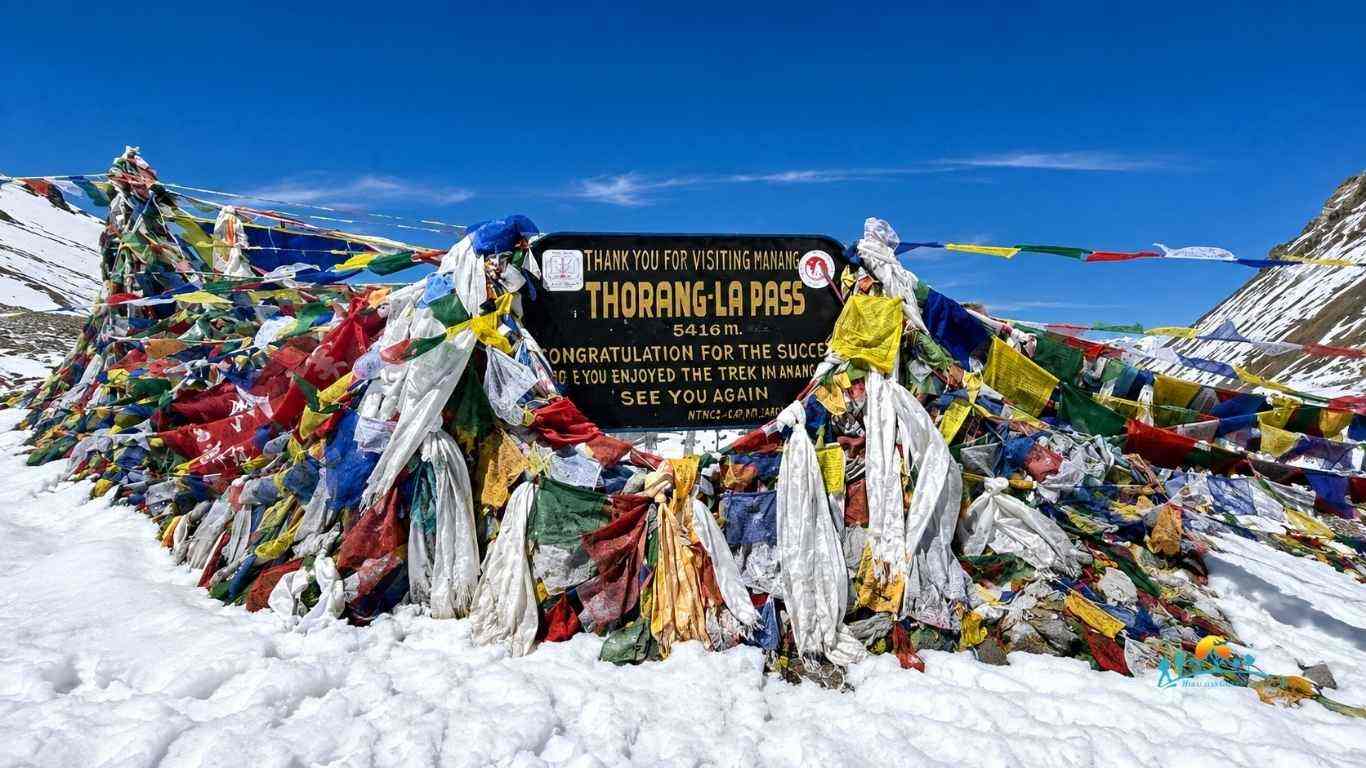
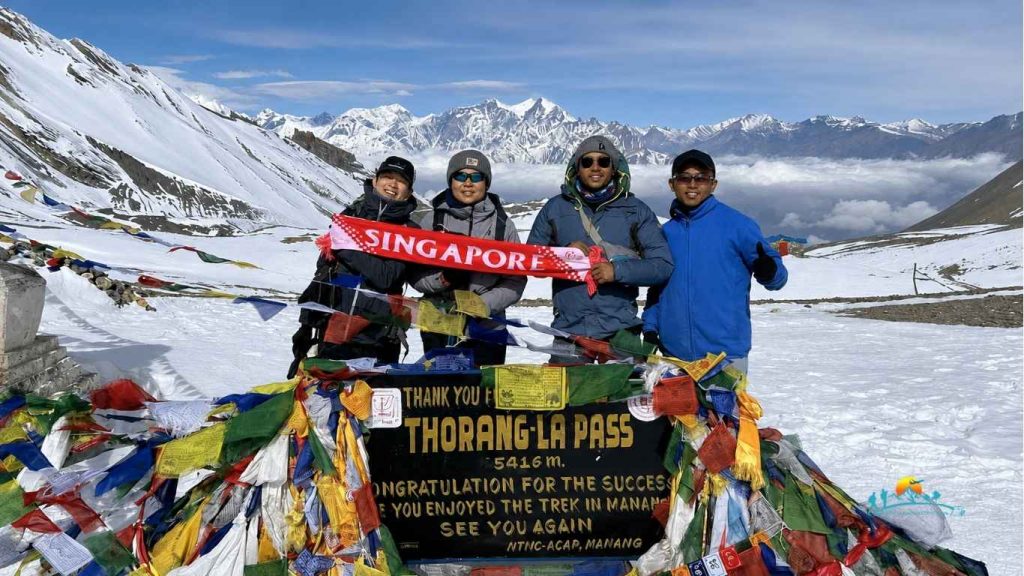
Thorong La Pass is the highest point of the Annapurna Circuit, soaring to approximately 5,416 m. The pass connects the Manang side of the circuit with Muktinath in Mustang and is one of the most popular high passes in Nepal.
Unlike many remote passes, the route has a well-developed network of villages and teahouses before and after the pass.
Thorong La is very accessible for the established infrastructure, but still a technical pass and requires proper acclimatisation.
The pass day usually starts early on the pass as a long day, and the weather conditions can be unpredictable at high altitude. At the summit, the path goes down to Muktinath, an important cultural and pilgrimage spot.
Best for: Fit trekkers wanting a famous high-pass crossing
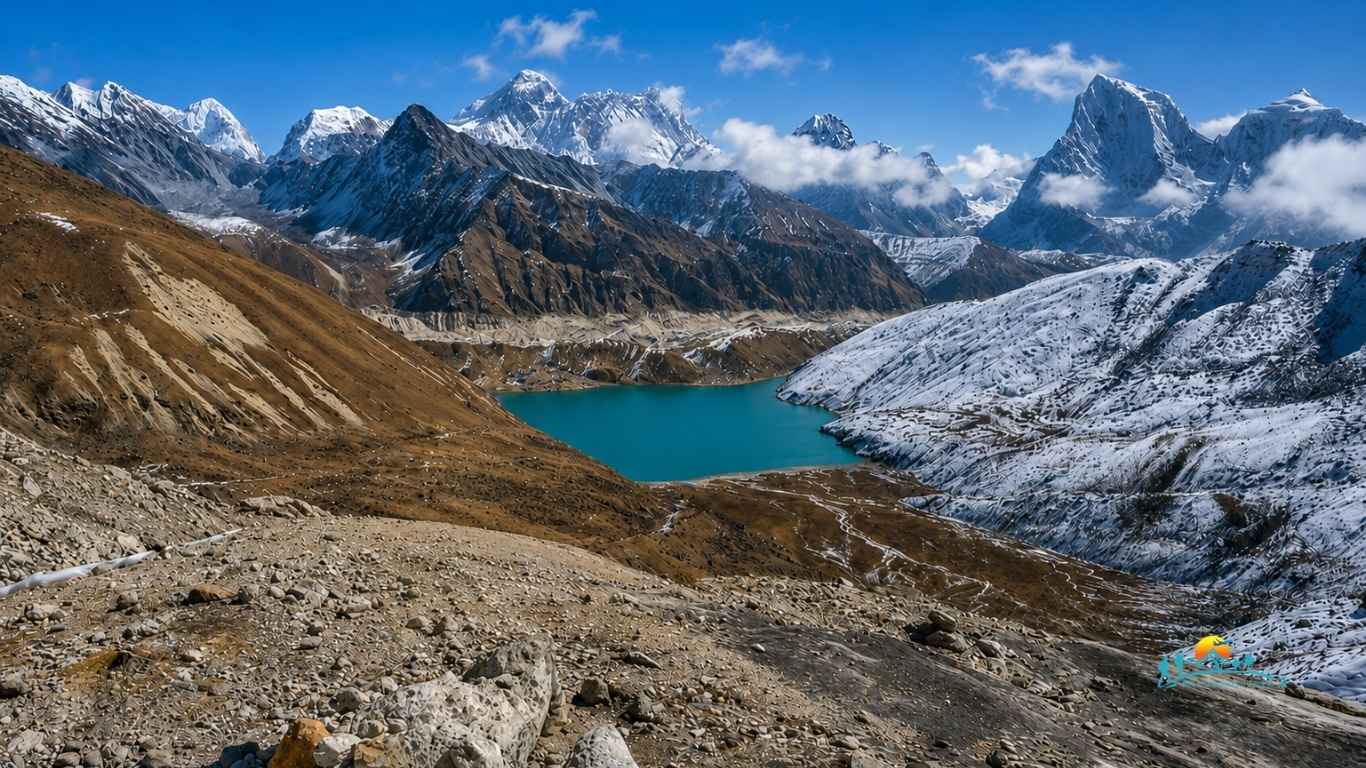
Renjo La is at an altitude of about 5360 meters and is the link between the Gokyo Valley and the Thame Valley in the Everest region. The path ascends from Gokyo to the topside of the high ridge and then descends to the less-travelled side of Thame.
Although it is the lowest of the three classic Everest passes, it still takes trekkers well above 5,000 meters and requires proper acclimatization.
The views are a big attraction for trekkers on Renjo La. Clear skies from the pass reveal Everest, Makalu, Cho Oyu, the Gokyo Valley and lakes and peaks nearby.
This is also a good option for trekkers who would like to do the Gokyo trek and continue on the Everest circuit without coming back on the same track.
Best for: Trekkers seeking scenic high-altitude views
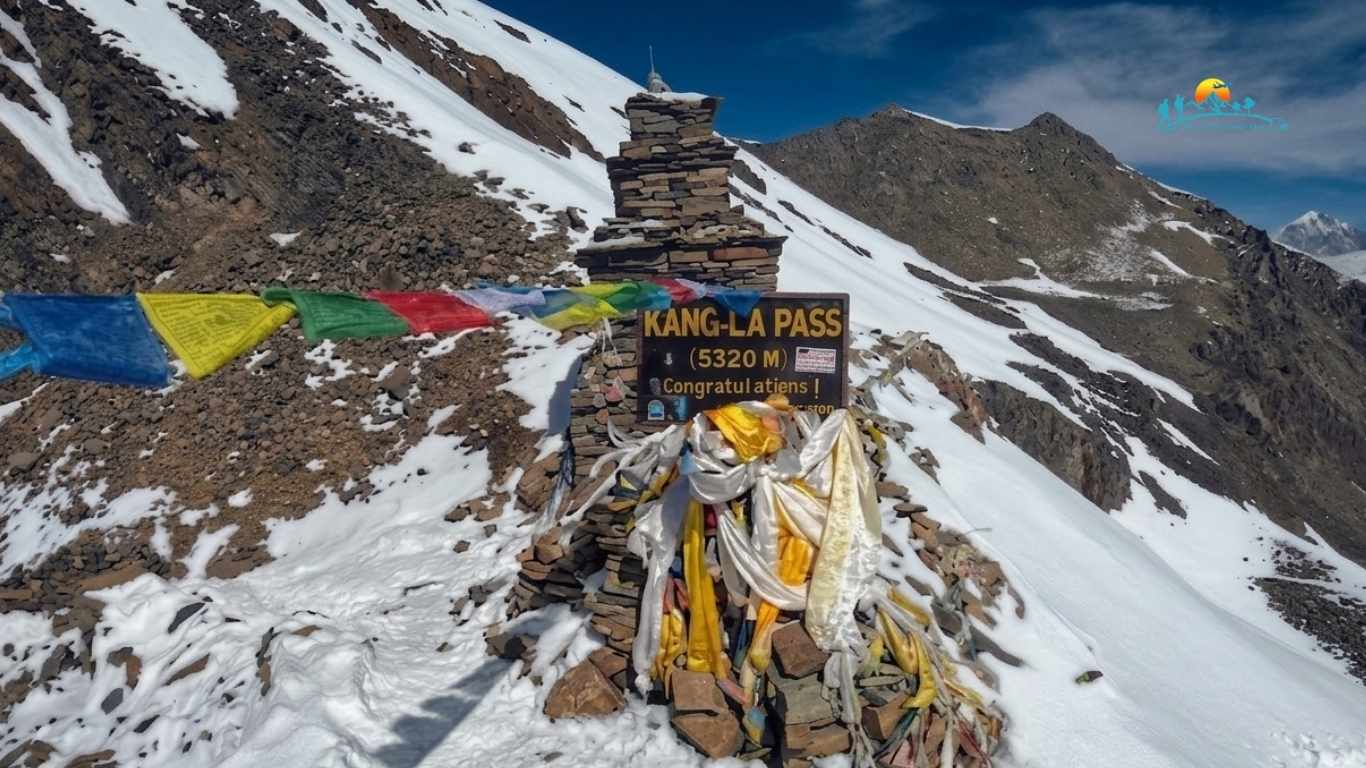
Kang La Pass is about 5,320 meters and is a high pass that connects the isolated Nar Phu Valley with the Annapurna trekking route.
The trail passes through an area where traditional stone houses, dry mountain valleys and Tibetan culture can be found. Nar and Phu are considerably less noisy than the main Annapurna Circuit.
The pass is reached after trekking through increasingly high and rugged terrain, and snow can remain on the route outside the main trekking months. The crossing becomes particularly challenging because of the altitude and exposed sections, with little shelter on the pass itself.
The Nar Phu route is also a restricted trek, and the trek requires proper permit arrangements and the necessary trek documentation.
Best for: Experienced trekkers seeking remote cultural routes
Mesokanto La is a remote high pass in the Annapurna region, and published elevations vary depending on the exact route and reference used.
There are some sources that have the main Mesokanto La at around 5,245 meters and other trekking sources that have it over 5,300 meters. Therefore, it is best to consider it as a high pass, and not publish a disputed number.
This route is intimately linked to the Annapurna trail and is rather remote from the trail after leaving the established trail. The trekking route may involve the presence of loose rocks, moraines, snow, steep ground and camping areas without lodging.
Although Mesokanto La is a high point, it’s more difficult to prepare for and is recommended for trekkers with high-altitude experience, compared to Thorong La.
Best for: Strong and experienced trekkers
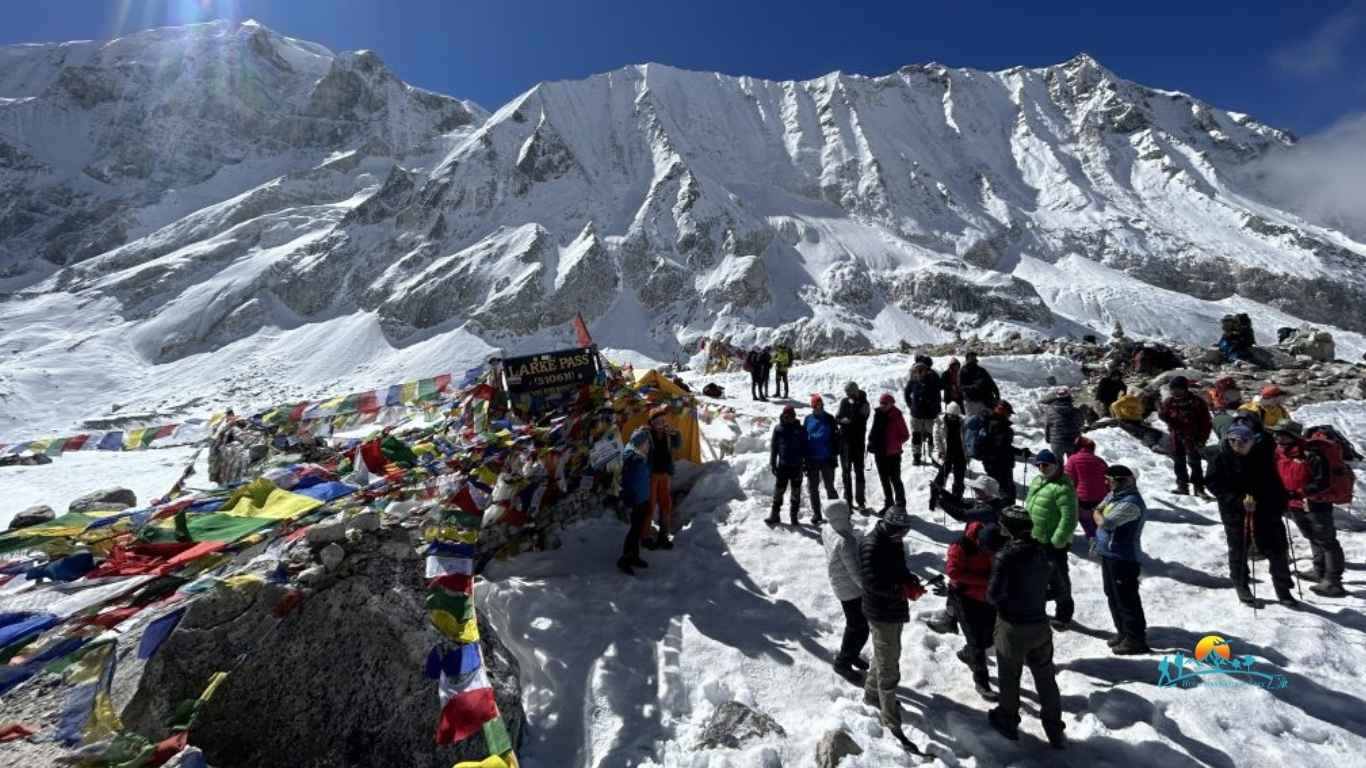
Generally, Larkya La is recorded at roughly 5,106m and is the highest spot of the Manaslu Circuit. Readings of published elevations are not entirely consistent; some Nepal Tourism Board sources put the height at 5,160 meters.
The pass lies between the high camps around Dharamsala and the descent toward Bimthang.
The crossing itself is long and tough, but generally not as technical as it is on passes like Amphu Lapcha. The trek continues above treeline into an expansive alpine landscape of rock, snow and high mountain slopes.
Many people like the Manaslu route because of the change of altitude from the lower river valleys and villages to the dry high country around the Manaslu Pass.
Best for: Trekkers seeking a classic high-pass circuit
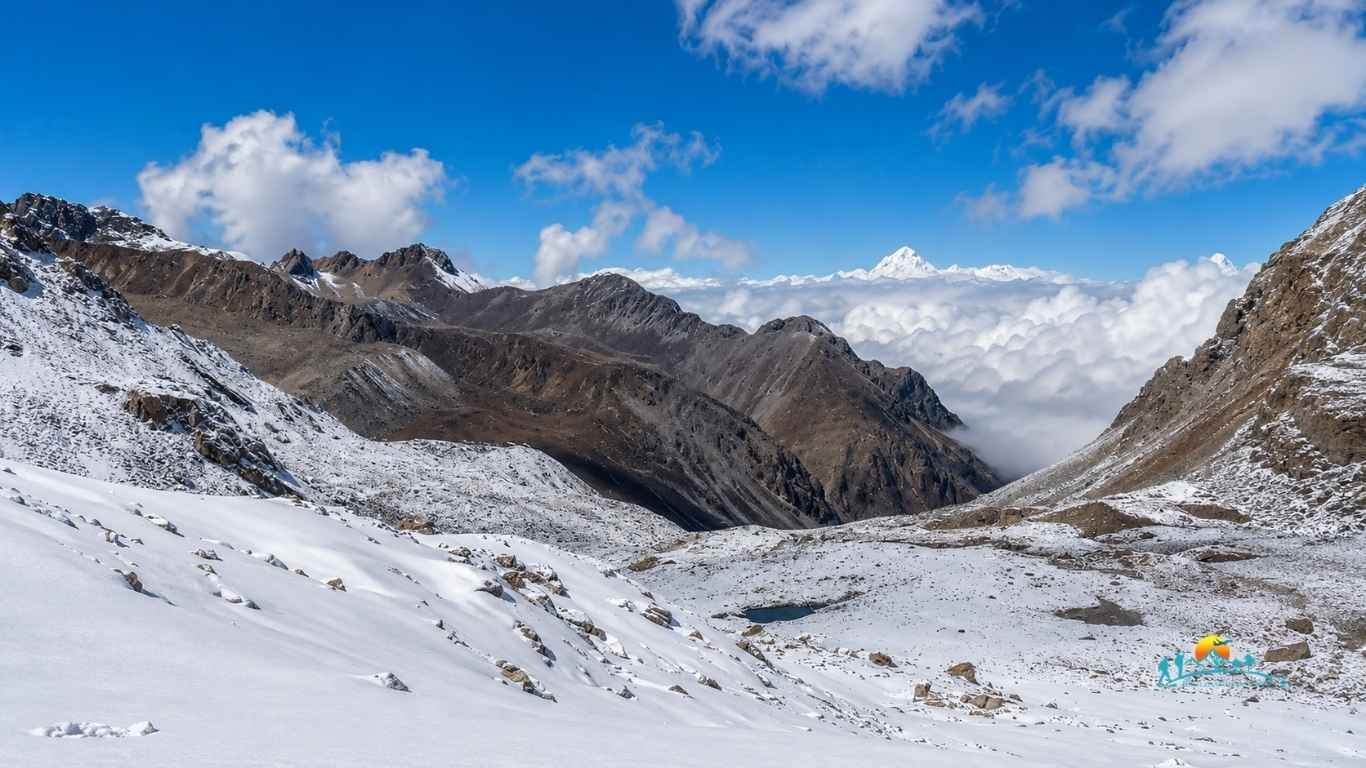
Lumba Sumba Pass reaches about 5,160 meters and lies on a remote traverse between the Kanchenjunga and Makalu regions of eastern Nepal.
This trail is far less busy than the popular Everest and Annapurna trails, featuring mostly wilderness areas and few permanent accommodations. Typically, trekkers have a fully equipped camping gear set and pass through the high section.
The attraction of Lumba Sumba is the journey between two major mountain regions rather than the pass alone. Lower sections pass through forests and local settlements, while the higher route enters a much colder and more open environment.
A good amount of snow can accumulate on the pass, especially during off-season months, so be sure to check the weather and conditions of the trail before crossing.
Best for: Experienced trekkers seeking quiet mountain routes
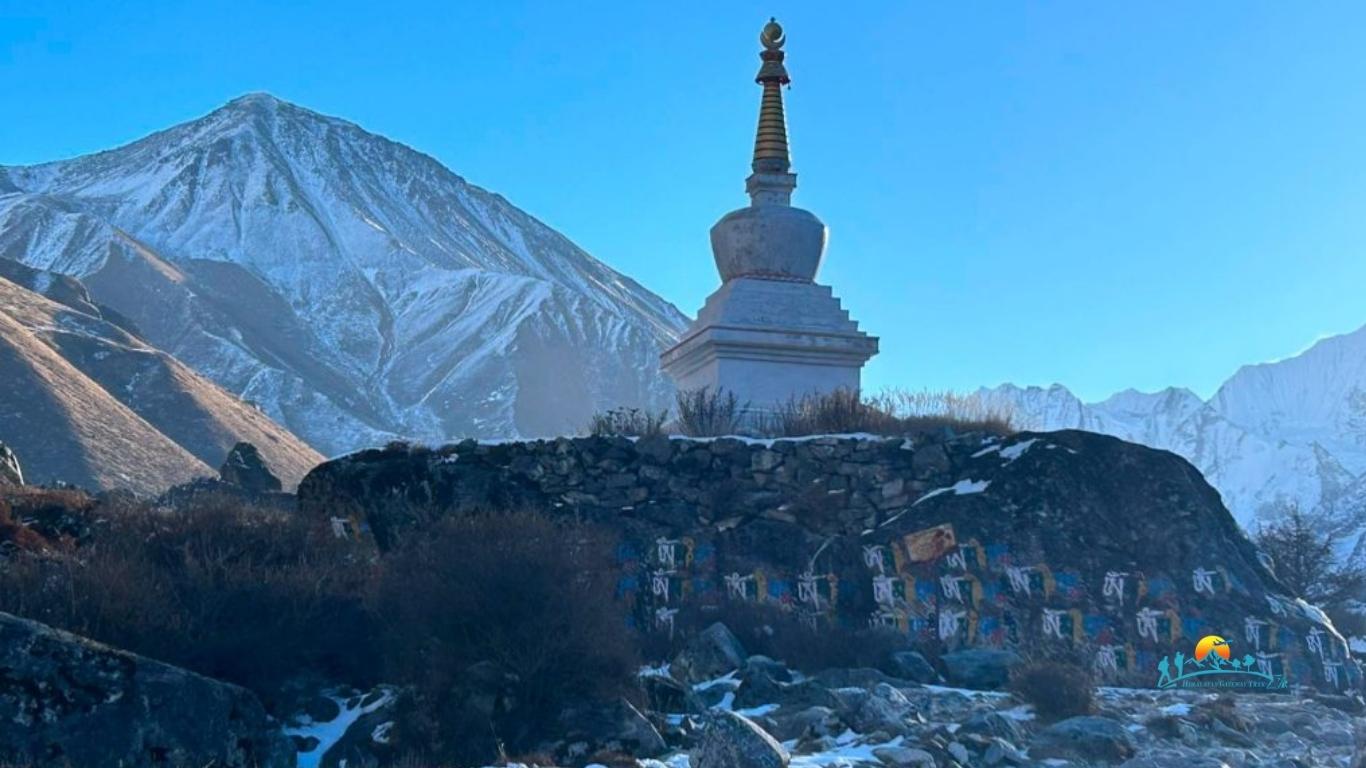
The Nepal Tourism Board has recorded Ganja La Pass at 5,122m, and it is a high pass between the upper Langtang Valley and the lower part of the region.
After Kyanjin Gompa, the trail is quieter as the route veers away from the Langtang Valley and into high mountain terrain.
This pass is more challenging than the Langtang trek in general as you can find no normal lodge facilities in some sections of the high pass, and it may be a snowy or icy pass.
Some itineraries use a camp near the pass, and the crossing can require careful handling of steep terrain and winter conditions. Spring and autumn are generally preferred, while heavy snow can make the pass difficult or impossible outside the main seasons.
Best for: Experienced trekkers wanting an alternative Langtang route
Nyalu Lagna Pass reaches approximately 4,990 to 4,995 meters and forms part of the remote Limi Valley trekking route in Humla.
The pass links the high valleys of Limi to the Simikot side and leads into one of the least visited trekking regions of Nepal. The upper trail may be covered in snow, especially during the off-season.
Humla is a place very different from Everest and Annapurna. Typical camping facilities are found in the more remote areas, traditional villages, Buddhist monasteries and old mountain trails. Tibetan cultural aspects are the main highlights of the trip.
From the high route, trekkers can also see broad Himalayan views, including distant views toward Mount Kailash in clear conditions.
Best for: Experienced trekkers seeking remote travel
Sele La Pass stands at about 4,290 meters and forms an important crossing in the Kanchenjunga Circuit. It links the Ghunsa Valley with the southern side of the circuit, allowing trekkers to continue the route without simply returning through the same valley.
Although it is lower than the major 5,000-meter passes, snow and cold weather can still make the crossing demanding.
The route is especially appealing to trekkers who want to see more of the remote Kanchenjunga region. The trail moves from forested areas toward higher ridges, with views of the Kanchenjunga massif and surrounding peaks.
The pass is generally used as part of a longer circuit rather than as a stand-alone destination, giving trekkers a fuller experience of eastern Nepal.
Best for: Trekkers seeking a quieter Himalayan circuit
Salpa Pass is at approximately 3,350 meters in elevation and is an easier mountain crossing than those over higher passes like Kongma La and Cho La since the trail traverses lowland areas of forests, hills, and villages instead of treeless alpine regions.
The trail also allows trekkers to experience local Rai and Sherpa communities along the Arun Valley.
The trail leads trekkers through rhododendron and other kinds of forests as they approach Salpa Pass and its neighbouring Salpa Pokhari. Travellers are provided with scenic views of the peaks of the Makalu range and other mountains of eastern Nepal from its higher section.
Due to the fact that the pass is far less elevated than the popular 5,000-meters crossings across Nepal, it gives trekkers the opportunity to traverse a high pass without spending too much time at the altitude.
Best for: Trekkers seeking a quieter, lower-altitude pass
Nepal’s passes are spread across several trekking regions, and choosing by region can make it easier to select a suitable route.
The Everest region has the country’s best-known group of high trekking passes:
Kongma La, Cho La, and Renjo La form the famous Everest Three Passes circuit. Amphu Lapcha takes the experience into more technical terrain.
The Annapurna area contains several different types of mountain crossings:
Thorong La is the most established. Kang La and Mesokanto La take trekkers farther from the main trekking network.
Larkya La is the major high crossing on the Manaslu Circuit.
The route offers a gradual change from lower river valleys and villages to the dry, high mountain country around the pass.
Ganja La provides a demanding alternative to the standard Langtang Valley trekking route.
Sele La and Lumba Sumba are among the notable crossings in eastern Nepal. The region is less developed for mass tourism than Everest and Annapurna.
Nyalu Lagna gives trekkers access to the remote Humla and Limi Valley area.
Teri La belongs to the more remote category of high-altitude crossings and requires careful planning because of both terrain and permit requirements.
The hardest mountain passes in Nepal are not necessarily the ones with the highest elevation. Technical terrain, snow, glacier travel, route finding, exposure, weather, and access to emergency support can matter just as much.
The best mountain pass depends on your experience, preferred region, available time, and comfort with remote terrain.
Thorong La is a strong option for trekkers who want a famous high crossing with a developed trekking network.
Renjo La, Cho La, and Kongma La provide three very different views and experiences within the Everest region.
Everest Three Passes Trek combines Kongma La, Cho La, and Renjo La into one demanding circuit.
Kang La and the Nar Phu route provide a quieter experience with traditional mountain villages.
Amphu Lapcha and Tashi Lapcha are better suited to trekkers with previous high-altitude and mountain experience.
Kanchenjunga, Lumba Sumba, and Humla offer fewer visitors and a stronger feeling of wilderness.
Mountain passes in Nepal offer amazing trekking experiences, but each one is different. Thorong La, Larkya La, and the three Everest passes are popular choices, while passes like Kang La, Teri La, and Nyalu Lagna offer quieter and more remote trails.
Harder passes such as Amphu Lapcha and Tashi Lapcha need good trekking experience and preparation.
Choose a pass based on your experience, time, fitness, and comfort with high altitude. Always check the latest permits, weather, and trail conditions before your trek.
Thorong La Pass (5,416m / 17,769 ft) in the Annapurna region is Nepal’s highest and most famous commercial trekking pass. For technical mountaineering, Sherpani Col (6,146m / 20,164 ft) holds the title as the highest alpine pass in Nepal.
The three highest motorable mountain passes globally are Umling La at 5,799 meters, Mana Pass (Dungri La) at 5,610 meters, and Marsimik La at 5,582 meters, all located within the high Himalayan mountain ranges.
The famous “Three Passes” in Nepal refer to the iconic high mountain passes on the Everest Three Passes Trek: Kongma La (5,535 m), Cho La (5,420 m), and Renjo La (5,360 m) located in the Khumbu region.
Nepal is home to eight of the world’s fourteen 8,000-meter peaks: Mount Everest, Kangchenjunga, Lhotse, Makalu, Cho Oyu, Dhaulagiri I, Manaslu, and Annapurna I, making it the ultimate destination for high-altitude mountaineering.
“14 Peaks” globally signifies the fourteen 8,000-meter mountains worldwide, eight of which lie in Nepal. Nepal’s top fourteen highest individual summits feature those eight eight-thousanders plus giant peaks like Gyachung Kang (7,952 m) and Annapurna II (7,937 m).
The Everest Three Passes are Kongma La (5,535m), Cho La (5,420m), and Renjo La (5,360m). This high-altitude circuit connects the major Khumbu valleys, offering dramatic views of Everest, Lhotse, Makalu, and Cho Oyu without requiring technical climbing gear.
Sherpani Col (6,146m) and Amphu Lapcha Pass (5,845m) are Nepal’s hardest passes, requiring technical mountaineering skills, ropes, and ice axes. Among non-technical trekking passes, Kongma La (5,535m) is widely considered the most physically demanding.
Spring (March to May) and Autumn (September to November) offer optimal weather for crossing high mountain passes in Nepal. These seasons feature stable weather, clear morning views, mild temperatures, and minimal risk of severe snow blockage or avalanches.
Yes, hiring a licensed trekking guide is mandatory for foreign hikers crossing high mountain passes in Nepal under official Nepal Tourism Board regulations. Guides ensure critical route navigation, icy terrain safety, altitude sickness management, and emergency rescue coordination.
Prepare by building cardiovascular endurance, carrying microspikes or crampons, and scheduling dedicated acclimatization rest days before the pass crossing. Proper hydration, high-altitude gear layering, and carrying Diamox (altitude sickness medication) are essential for a safe high-altitude traverse.