Best Time to Visit Nepal: Weather, Seasons, and Month-by-Month Guide
October to November and March to April are the best time to visit Nepal for clear mountain views and trekking,…
 Himalayan Gateway Trek - On
 Everest Base Camp is easy to see on a map. For Trekking to Everest Base Camp we fly to Lukla and from Lukla, hike through the Namche Bazaar and Dingboche, reach Gorak Shep, trek to Base Camp and then back home. The map doesn’t record the way your body feels at 4,000–5,500m, the impact a late flight has on your plans, how fast little costs accumulate or how much your life changes when you leave Namche.
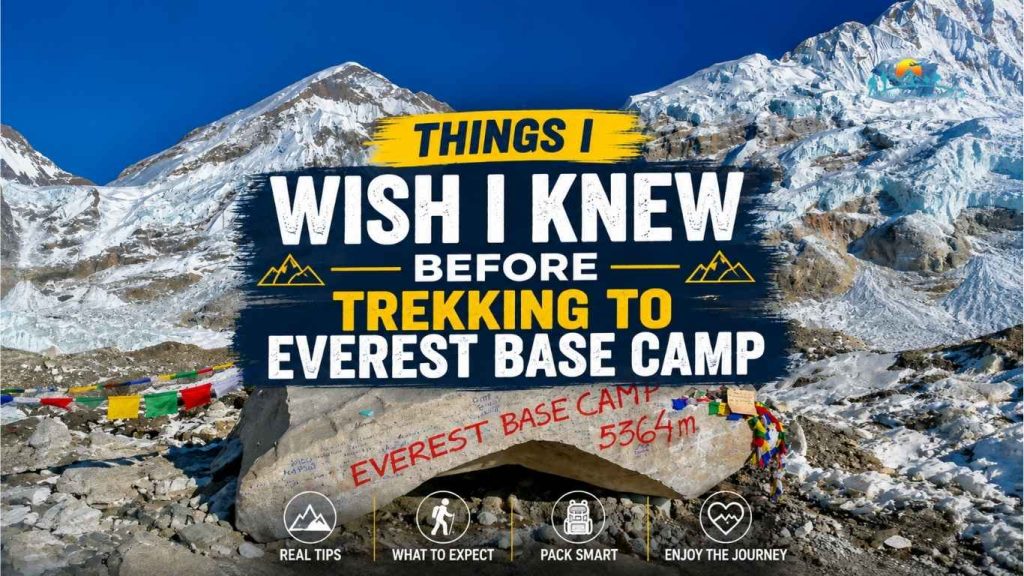
These are the things I would have wanted to know before venturing to EBC.
I would have had different preferences in my packing. I would have allocated more time around flights to Lukla. I would never have thought of mentioning acclimatisation as a rest day but a part of the trek. Would have had more money with me. Most of all I would have understood that being fit and being ready to go up in altitude were two separate things.
This guide will deal with those aspects. From travel insurance to helicopter evacuation, from charging your phone to using an ATM, from having to deal with flight delays to selecting a guide for your EBC trek, from knowing how to prepare for the cold to knowing when to turn around, this book covers every aspect of an EBC trek that few other guides offer.
Everest Base Camp is a trek that lasts several days in the Himalayas and features varying altitudes, remote mountain villages, and basic tea house lodging, and is distinctly different than a typical hike.
The most typical route starts around Lukla and goes through various locations including Phakding, the Namche Bazaar, Tengboche, Dingboche, Lobuche and Gorak Shep to reach EBC. The path is traverses rocky areas, suspension bridges, and forested trails along the way, rising to a high elevation at the end of the hike.
You are not climbing Mount Everest, you are climbing a significant part of it. The difficulty is many consecutive days of walking up high with the maximum of gaining altitude. The thing that came as a shock to me was the rapid pace of change in the environment and my life. Walking through the pine forests and small villages is possible one day. Few days later the climate is cooler, drier and much more open. At Gorak Shep even simple activities like going to bed, or climbing stairs or walking 10 meters can feel more difficult than at home.
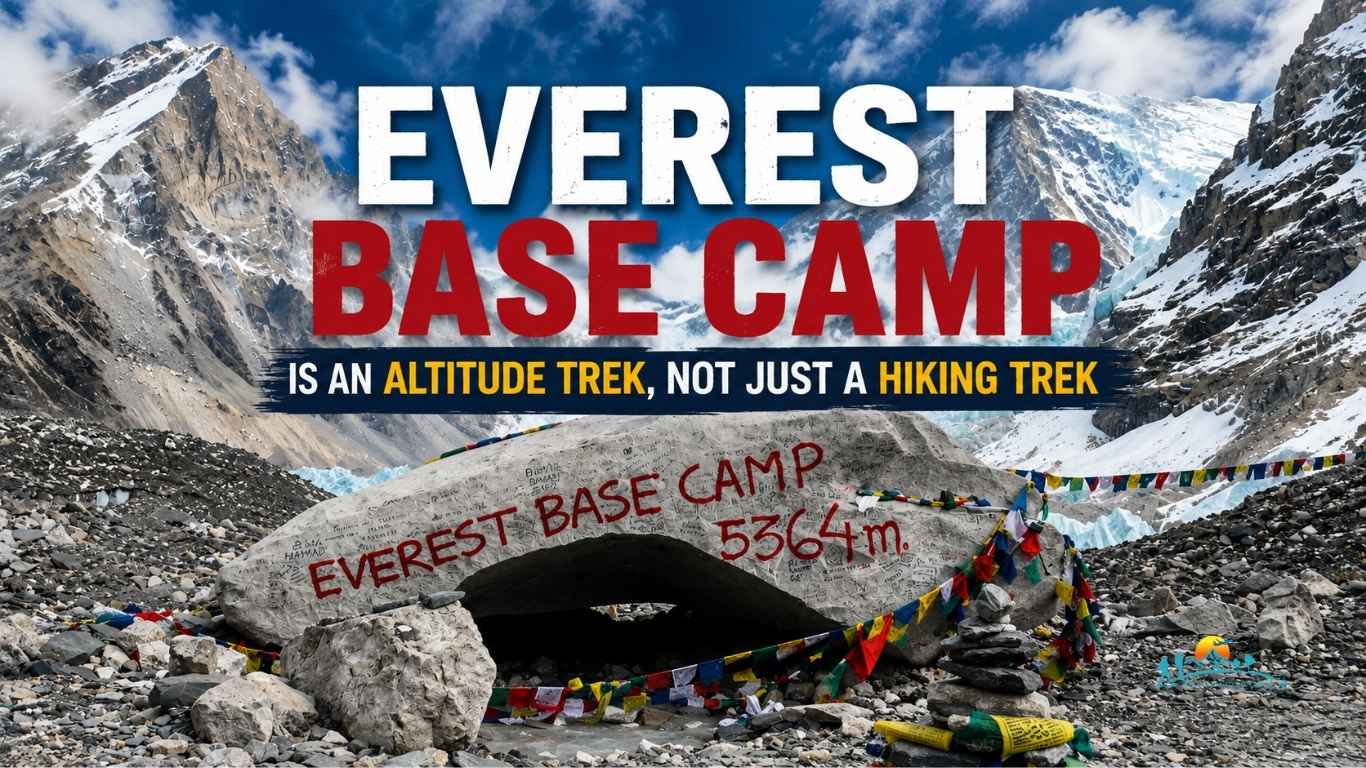
Even the fit person can find his/her whole EBC experience altered by his/her altitude.
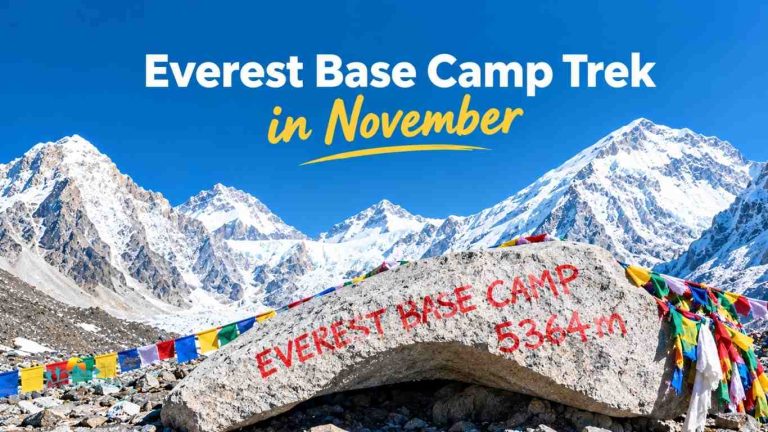
The hike ends at the base of Everest at 5,364 metres and at Kala Patthar at 5,545 metres. The air at these elevations has significantly less oxygen it takes some time to get used to it.
Even if a person is fit, he/she can still experience problems with the altitude and if he/she is a slower trekker, they can acclimatize to it fine. Fitness is a means to walking but it is not an alternative to acclimatization.
You may notice:
Do not treat every symptom as something you must simply push through.
The CDC advises gradual ascent and careful monitoring for altitude illness. Serious symptoms may be Acute Mountain Sickness (AMS) it needs prompt action, including stopping the ascent and descending when required.
| Fitness helps with | Fitness does not guarantee |
|---|---|
| Long walking days | Protection from altitude sickness |
| Uphill sections | Fast acclimatization |
| Carrying a daypack | Good sleep at high altitude |
| Recovery after exercise | Tolerance of rapid altitude gain |
| Strong legs | Safe decisions when symptoms appear |
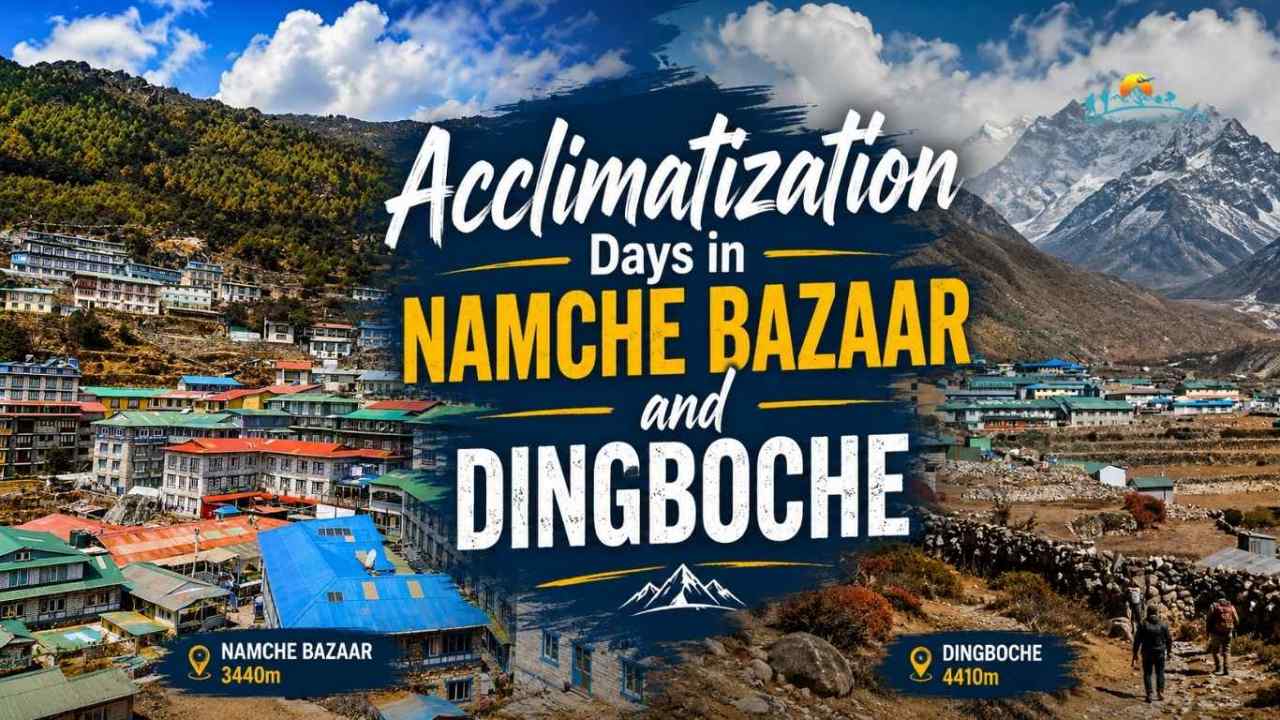
Namche Bazaar and Dingboche are significant places to rest, enjoy the mountains and allow your body to acclimatize to the higher altitude.
Namche Bazaar is located at approximately 3,440 metres and is one of the busiest on the Everest Base Camp trail. The day can be spent leisurely strolling around the village, shopping, having a coffee, or taking a short walk to the nearby viewpoints.
You can:
Dingboche is located at a height of 4,410m and is less noisy and more secluded than Namche. It is a lovely place to stay a second day, with its openness, and its views of Ama Dablam in its valley.
You can:
These acclimatization days are no idle time. These assist in acclimatisation and provide extra time for enjoying the Khumbu Valley.
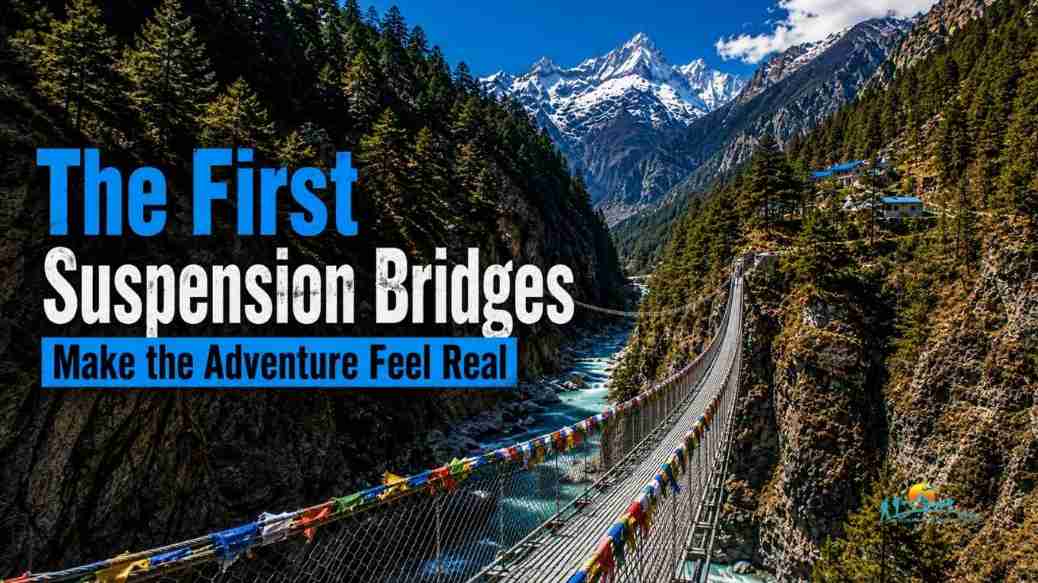
The first time you find yourself in the hill country is when you cross the suspension bridges in the Dudh Koshi Valley.
The pictures of these bridges might be familiar to you, but it’s a different experience when you see them with your own eyes in Nepal. Over you are prayer flags, under you the river, and on both sides of you are the mountains of the valley.
It’s not uncommon for trekkers, porters and yaks to share the trail. The initial few crossings can be a bit of an adventure, since sometimes the bridge is moving as people cross it.
The bridges are not just a route between the sides of the valley. They form a part of the tale of your journey.
Everest Base Camp trek is made easy, enjoyable and safe with the help of the experienced guide.
A good guide is an expert on the trail, weather, villages and mountain conditions. They will help you to maintain your pace and can advise you when to rest.
They can also reveal information to you that you may not have known, including:
But most important, an experienced guide understands what to do if a trekker is ill at high altitude.
Select a licensed guide who has good experience on the Everest Base Camp route. A good guide isn’t just a tour guide. They can make the entire trip more fun.
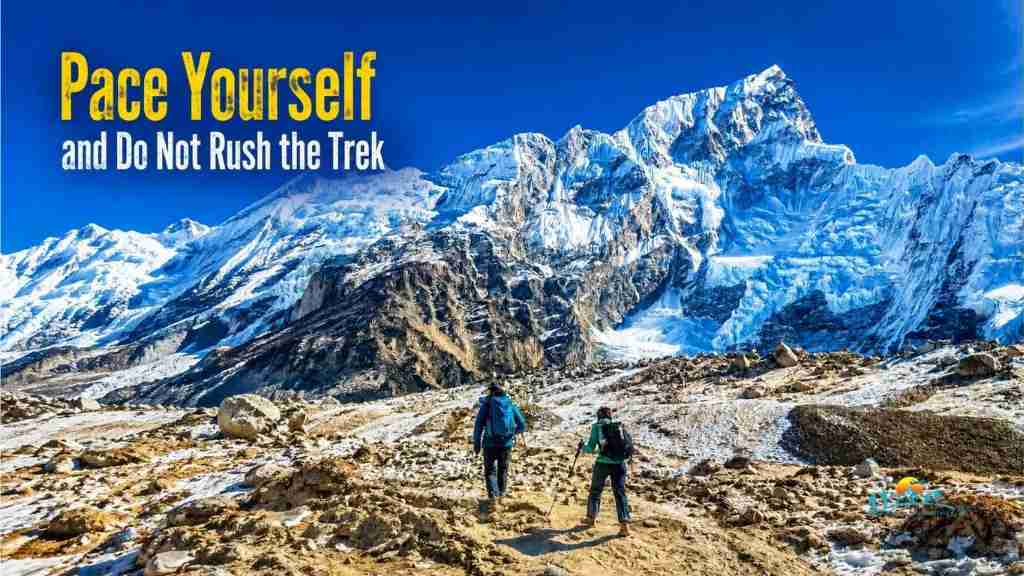
A gradual ascent can help you to cope with the altitude and reach the end of the day with sufficient energy.
This trail may run downhill smoothly for the first 2 or 3 days, but then the higher altitudes make even the shortest of the climbs more difficult. Don’t try to match the fastest trekker walk at your own pace.
A good pace is going to help you:
Take the advice of your guide and slow down if they say so. EBC is not a race. The objective is to arrive at Base Camp in good health and have fun along the way.
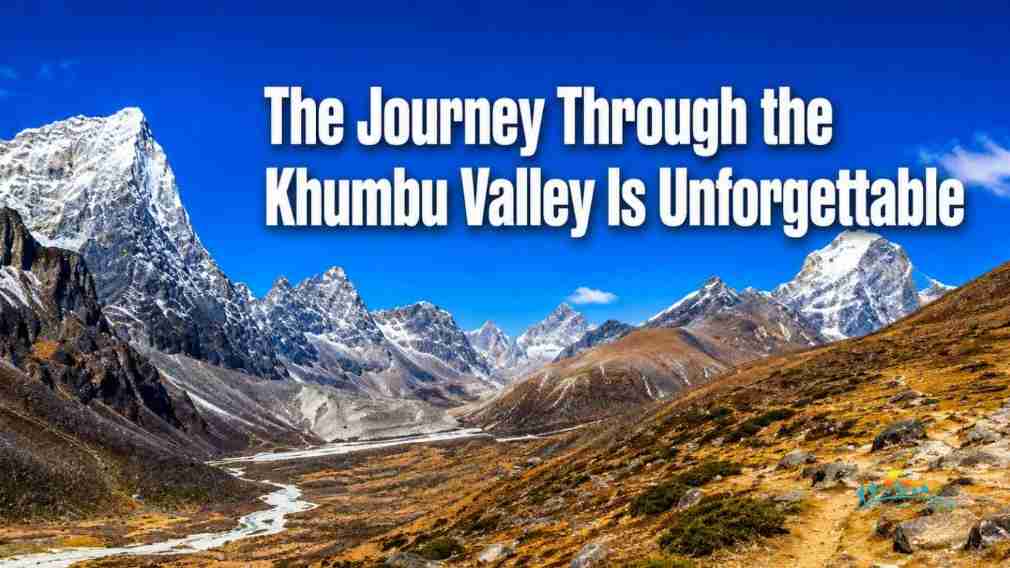
While the Base Camp itself is a rock-and-ice environment, the path to the Base Camp is itself a landscape of great beauty. Take time to enjoy the scenic views, tranquility of villages and the magnificent sunrises and sunsets in the Himalayas as you journey towards your final destination.
The route winds through:
The route takes you through awe-inspiring scenery of Ama Dablam, Lhotse, Nuptse, Thamserku, Kangtega, Cholatse, Lobuche Peak, Island Peak and Mount Everest.
But The Khumbu is more than its dramatic scenery. The spiritual practice, the Sherpa hospitality and centuries of mountain culture make the journey all but as valuable as the destination.
The Everest Base Camp trek has a scenic change at each and every point. It’s like multiple adventures in one!
At lower elevations, you will see:
As you climb higher, the landscape begins to change. You will notice:
At Lobuche and Gorak Shep, there is hardly any green vegetation to be seen. The trail is surrounded by rock, ice and huge Himalayan mountains.
This change is gradual and you might not notice it immediately. On one morning you might be strolling through a quiet forest. Within a few days one could find oneself in the midst of wild and rocky terrain under towering peaks.
The classic route to Everest Base Camp is a popular trek, in part because of this dramatic change in scenery.
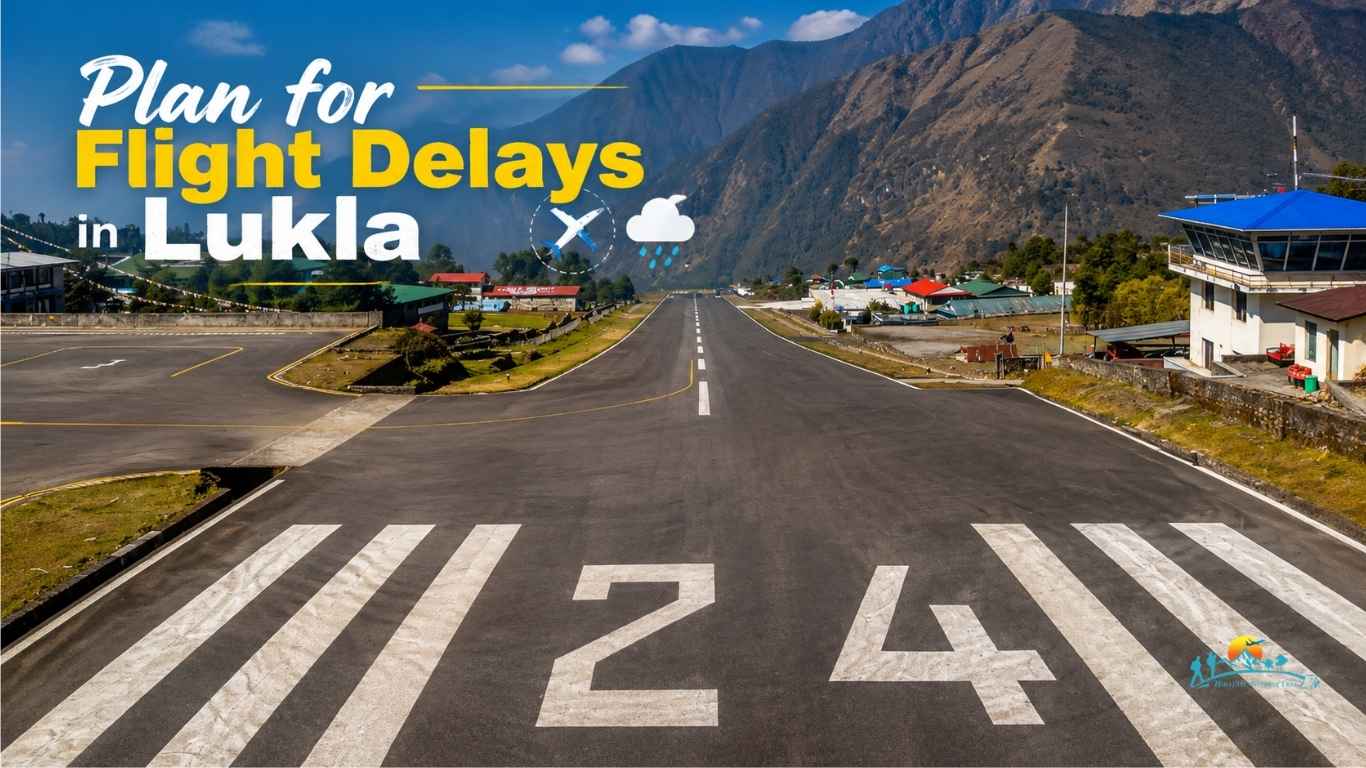
Lukla flights can be delayed or cancelled because of mountain weather, so always leave some extra time in your itinerary.
Aviation weather conditions can impact flights, such as cloud, strong winds, rain/snow, and poor visibility. In the peak seasons, some flights may even take off from Ramechhap, rather than Kathmandu, so you can find yourself driving quite early to the airport.
Never make your international return flight on the same day that you return from Lukla.
A better plan is:
Check with your trekking company prior to your trip which airport you’re departing from in Lukla and if the flight is cancelled what will happen.
An additional day will allow you to avoid missing your international flight and will give you time to unwind after the journey.
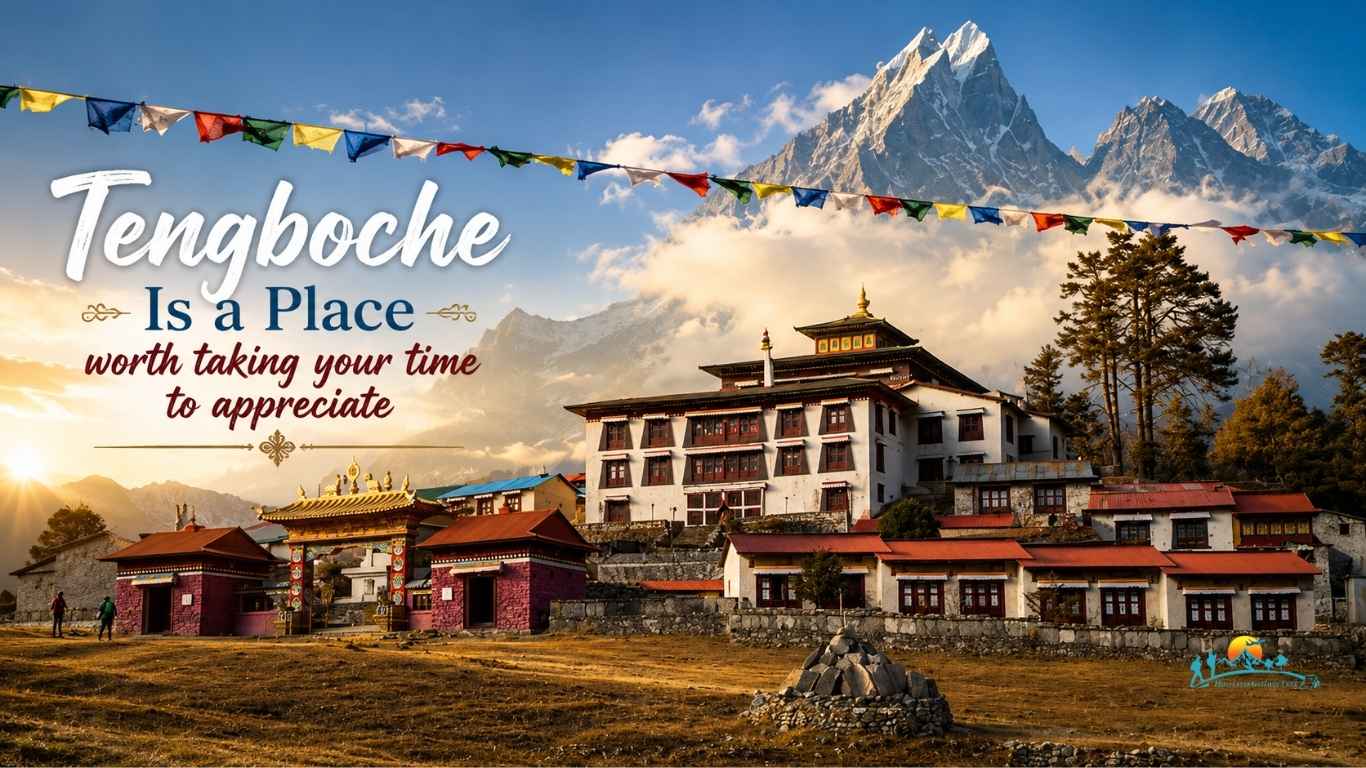
One of the most unique places along the Everest Base Camp path is in the town of Tengboche. It combines the beauty of the mountains with the soothing traditions of Buddhism.
Below Ama Dablam, and other giant peaks, is the famous Tengboche Monastery. It has a cultural significance and a wonderful location, so it is an important stop along the Everest route, according to the Nepal Tourism Board.
When staying in Tengboche, spare some time to:
Tengboche should be more than just a place to eat and sleep. Take the time to enjoy it, and don’t try to photograph everything. At times, it’s all about relishing the moment.
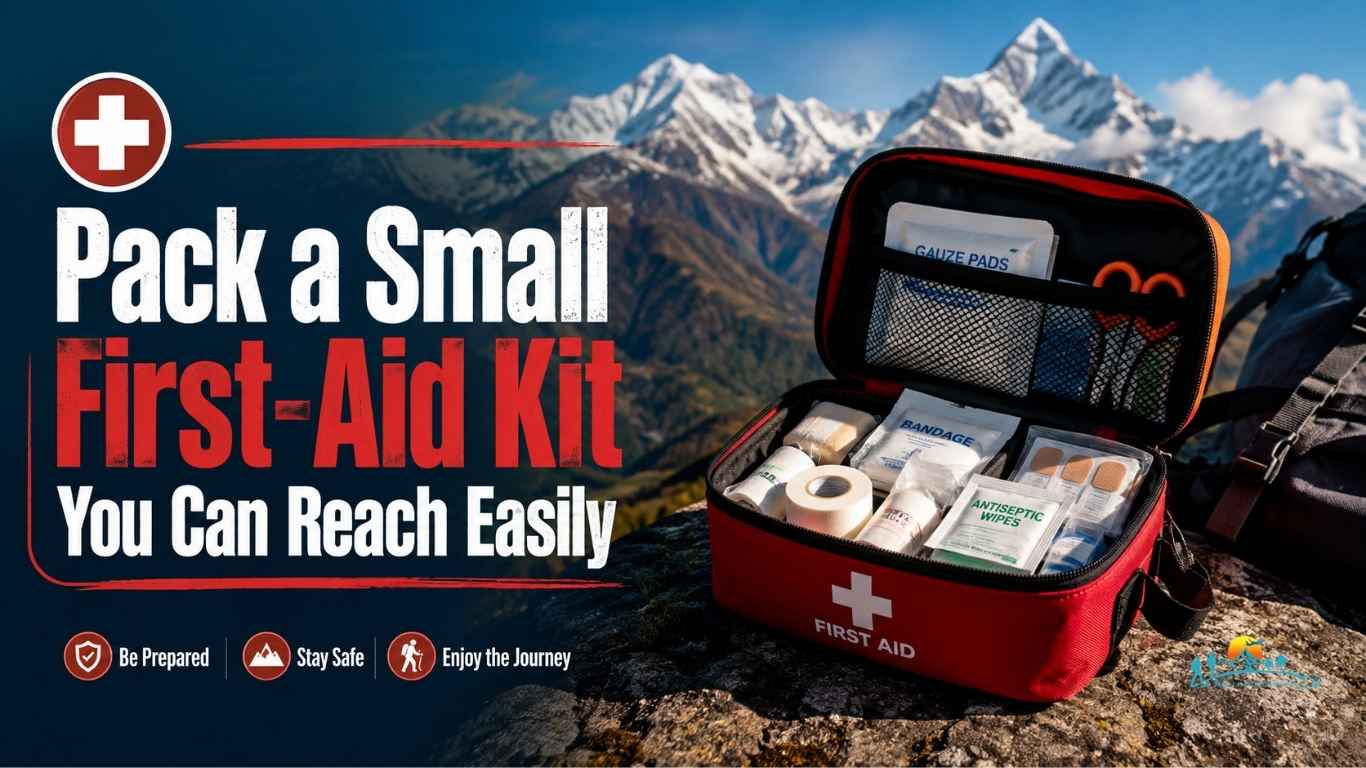
When a minor issue arises out of the way, a small first aid kit can save you much trouble.
A medical kit with basic emergency equipment will typically be with your guide, but you should also carry your own small kit. If you pack it into your day bag, you’ll have easy access to it when needed, as opposed to your duffel.
Useful items may include:
Namche Bazaar has pharmacies and shops where you can find some basic supplies, but choices become more limited farther along the trail. You also should not assume that another trekker will have spare medicine that is suitable for you.
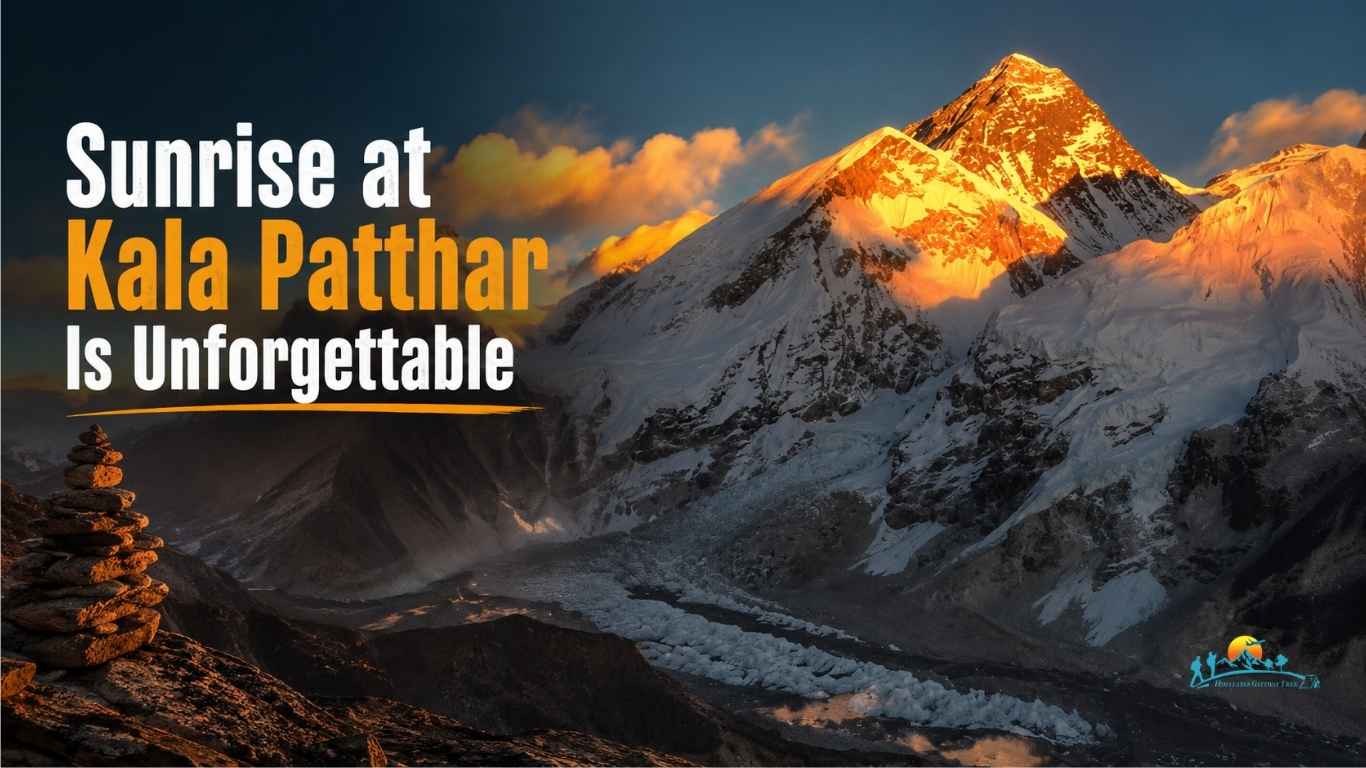
Kala Patthar is one of the best places to view Mount Everest. It’s cold and tiring to get up in the early morning, but it’s worth it for the sunrise.
As the sun rises:
Photos are gorgeous but they can’t do justice to this special moment.
When the trail is long, and your appetite is shifting, your favorite snack can be surprisingly valuable.
Pack foods that you are familiar with and like.
Good choices can include:
Don’t need to pack all food from Kathmandu valley into your bag.
There are tea houses to offer food on the way.
The Everest Base Camp trek is easier and more enjoyable as a result of good preparation.
Begin walking weeks in advance of trek and introduce hills, stairs and long walks. Wear in trekking boots, try the backpack and ensure that clothing is comfortable.
Don’t forget to verify your insurance, permits, flight information, essential documents and emergency numbers before you leave Kathmandu.
With a bit of work at home, it should be a less stressful hike and more time spent enjoying the Himalayas.
Respecting altitude is important but don’t let it end your journey.
Gradual ascent is recommended and individuals experiencing more severe symptoms should not ascend. If symptoms are serious, they need immediate action.
Stay safe by:
Take care, follow medical advice and have a wonderful trip.
Getting to Base Camp is not more important than your health. If you do not feel well, follow your guide or doctor’s instructions and turn around.
For another trip, the mountain will still be there. Making the decision to be safe is no failure it is a smart and responsible choice. It is also important to know your limits, and to return safely, for a successful trek.
Don’t feel bad about making the choice that keeps you healthy. Knowing when to quit, in fact, is a part of being a responsible trekker.
The tea house along the Everest Base Camp trail are very basic but comfortable. Generally, rooms are simple and basic, bathrooms can be shared, hot showers may have an additional charge and Wi-Fi and charging stations may require an additional fee. Up higher the facilities get more limited.
After a long walk, a cosy dining room, hot tea, a basic meal and a warm bed is heavenly. You could find it more pleasant than you anticipate to live the tea-house lifestyle.
A good travel insurance plan can safeguard you from a huge bill should an issue occur throughout your trek.
Before you travel out of Kathmandu be sure to review your policy and ensure it covers the following:
Nepal Tourism Board also advises to get insurance which covers emergency medical treatment and helicopter rescue.
Don’t assume that it’s some sort of emergency. It is just a matter of having a plan in place in case of any unforeseen issues.
The peak season for Everest Base Camp is from March to May and September to October.
Spring is the time for warmer weather and the rhododendrons are in full bloom, and there’s a lot of trekking going on. Fall is typically a season of clear skies, new mountain vistas and pleasant walking conditions.
Winter is colder, but less noisy, and the monsoon months from June to August are wetter and cloudy, and sometimes have flight delays.
| Season | Best for |
|---|---|
| Spring | Flowers, warmer weather and mountain views |
| Autumn | Clear skies and comfortable trekking |
| Winter | Quiet trails and clear days |
| Monsoon | Fewer trekkers, but wetter weather |
For a first EBC trek, April, May, October and November are usually the safest choices for good weather and clear Himalayan views.
The right trekking company can make your trek to Everest Base Camp more enjoyable and easier.
One is Himalayan Gateway Trek, a Kathmandu based company, providing Everest Base Camp treks, with local guides, porters, accommodation, food and permits and flight arrangements. It has a 14-day EBC trip with acclimatisation days in Namche Bazaar and Dingboche for this trip.
Be sure to know what is included, the experience of the person who will be guiding you, the emergency plan, and the flight details and cancellation policy before booking.
Everest Base Camp is a trek, not a technical ascent. No mountaineering experience or ability is necessary.
Some level of fitness is required to be able to walk for several hours on most days.
Before the trek, focus on:
Requires no athlete to become. It’s just a matter of getting ready for a long day on the trail.
As you go higher, charging might be restricted or cost more. Always charge when possible and keep devices out of the cold.
With its camera, map, translation and communication capabilities, it is crucial to preserve battery life in your phone.
The higher you go, the more difficult it is to find an ATM. Ideally, it is better to withdraw adequate funds in Kathmandu, Lukla or Namche before travelling onward.
You may need cash for:
Always have some cash on hand that is not in your wallet! It’s not that you need to have a ton of, just enough that if the ATM breaks or is out of operation you don’t have to cancel plans.
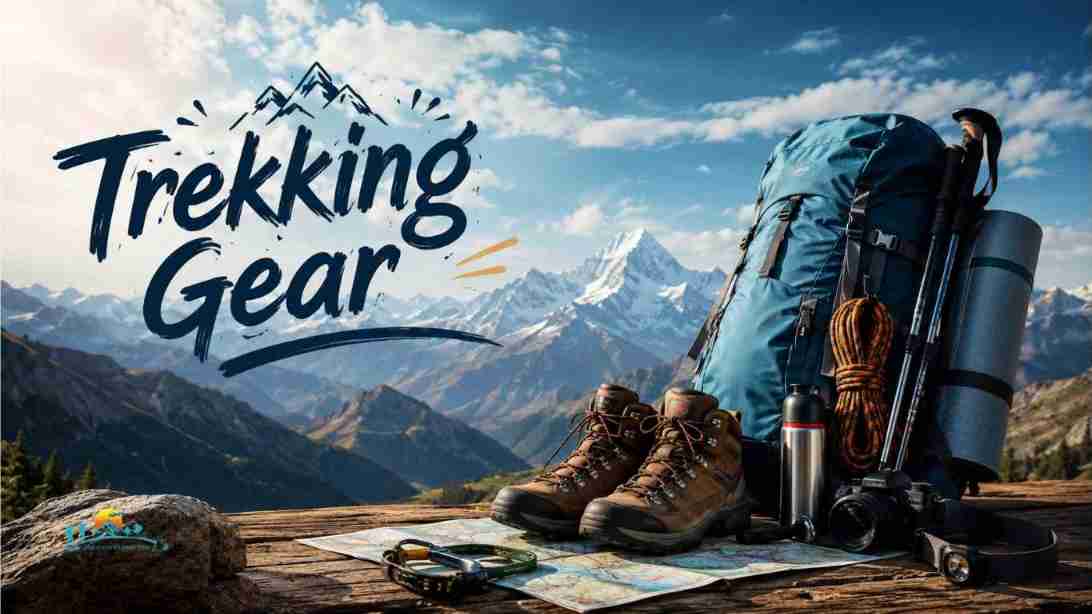
You can purchase or rent trekking gear in Kathmandu prior to your trek to EBC.
Many trekking shops sell trekking jackets, sleeping bags, gloves, trekking poles and backpacks etc.
When purchasing, find out what your trekking company is already offering. Purchase items such as boots early so they can be worn and broken in prior to the trip.
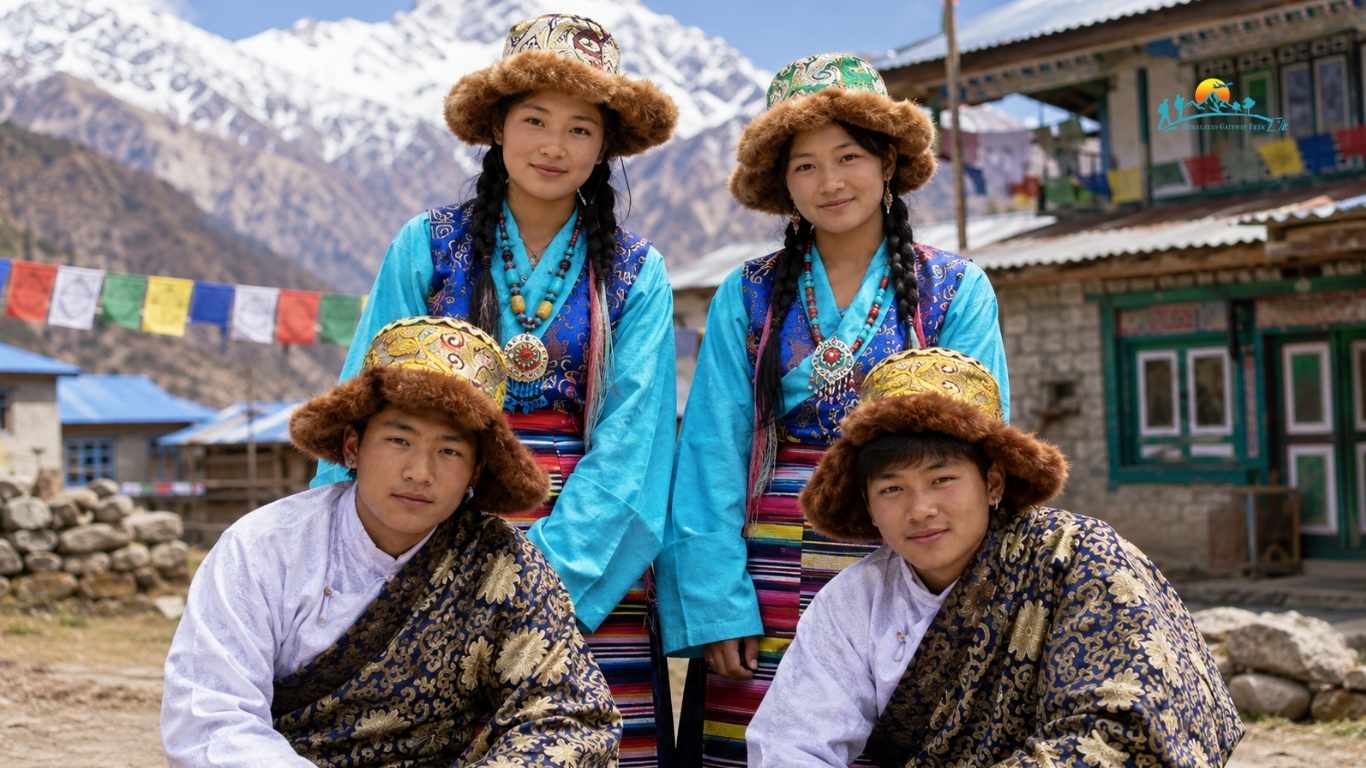
In the Khumbu region there are Sherpa communities who have a deep-rooted tradition of Buddhism. On the way you’ll find:
Take time to learn about the local culture. Ask questions of your guide, learn the names of mountains and say “namaste” to people you meet. Keep in mind that the Everest trail is not only a trekking path, but it’s also a person’s home.
The Everest Base Camp trek is about more than reaching your final destination. Take your time to appreciate the mountain, villages and the people.
You can make the most of your trek by:
Don’t race the hike You might have some of the best memories if you enjoy a cup of tea together, a warm meal or watching prayer flags flutter in the wind. Slow down and savor the ride.
Don’t be a mountain expert to go to Everest Base Camp. The main challenge is making your body, equipment and mental attitude ready for long walking days at high altitudes.
Practice for a longer before the hike. Go for walks regularly, incorporate hills and stairs, and do longer walks. You will build up strength in your legs for the uphill and downhill sections with simple exercises like squats, lunges and step-ups.
Get your equipment and other plans ready in advance. Spend time breaking in your trekking boots find out what your trekking company provides; make appropriate trip insurance arrangements; verify existing travel permits; and have enough cash for personal expenses. Create copies of important documents and contacts in case of power outages.
Be prepared for changes in plans. Flights may be delayed by the weather, some days may be tougher than they sound, and traveling in the mountains can be unpredictable. Be patient, take things at your own pace and enjoy the trip, rather than being uptight on each little change.
Please review the official rules before leaving as trekking rules can change. Everest Base Camp has been added to the updated TIMS provision for trekking in the Everest region, which came into effect on March 31, 2023, as indicated on the Nepal Tourism Board page.
The same page has the rates of NPR 1000 for SAARC applicants and NPR 2000 for others applicants for TIMS. This is something that you should check shortly before your trek and not on an old blog. It is possible that older links may exist on the Internet that contradict this information.
Follow the official information of the Nepal Tourism Board if there is any difference of opinions between the rules.
Everest Base Camp is more than just climbing to the well-known Base Camp sign. You will pass through the lovely Sherpa villages, monasteries, forest, rivers and some of the highest mountains in the world. You will be tired some days, however you will also be able to savor warm tea, hospitable individuals, incredible looks and restful minutes in the Himalayas. With careful preparation, moderate speed and sufficient time to acclimatize to the altitude, the ride can be a lot of fun.
The strongest memories may not be the best memories. It may be watching the sunrise at Kala Patthar, first glimpse of Ama Dablam, crossing a suspension bridge, or enjoying a meal with fellow trekkers. Take your time, enjoy the trail, respect the mountains and local people and don’t forget to look up from your phone once in a while. Once you get home, everything won’t be remembered except the whole trip, not just the Base Camp moment.
The EBC trek is moderately challenging, requiring good endurance rather than technical climbing skills. You will walk 5 to 7 hours daily over rugged terrain at high altitudes, so prior cardio training and stamina building are essential.
You should start training at least three to six months prior to departure. Focus on leg strength, cardiovascular endurance, stair climbing, and long weekend hikes carrying a weighted backpack to simulate actual trail conditions effectively.
The optimal trekking seasons are spring (March to May) and autumn (September to November). These months offer clear mountain views, mild temperatures, dry weather conditions, and vibrant natural trails, making your overall trek much safer and enjoyable.
The “2 PM Rule” is a strict, non-negotiable safety protocol and an enforced regulation in Nepal requiring climbers to instantly turn around and abandon their summit push if they have not reached the top by 2:00 PM local time. Reaching the summit is only half the battle; pushing past 2 PM drastically increases the risk of being caught in the “Death Zone” (above 8,000 meters) after sunset. In the dark, plummeting temperatures and exhausted oxygen supplies make descending highly lethal.
Yes, absolutely. Hundreds of beginners complete the Everest Base Camp trek every season. There is no technical mountaineering, rope work, or crampon use required it is entirely a walking journey. For first-timers, booking a standard 14-day itinerary is crucial because it builds in essential acclimatization days at Namche Bazaar and Dingboche. The biggest mistake beginners make is hiking too fast in the early, gentler lower valleys, which prevents their bodies from adjusting to the thinning air.
Prevent altitude sickness by acclimatizing properly with scheduled rest days, ascending slowly, staying hydrated with 3 to 4 liters of water daily, avoiding alcohol, and optionally taking Diamox after consulting your doctor regarding high-altitude health management.
Accommodation consists of basic tea houses with shared bathrooms and unheated rooms. Meals are hearty and freshly prepared, featuring local classics like Dal Bhat, along with noodles, soups, eggs, potatoes, and occasional western-style dishes for energy.
Yes, most tea houses offer Wi-Fi cards (like Airpag or Everest Link) and device charging services for an additional fee. However, connection speeds drop and charging costs increase significantly as you reach higher elevations along the trail.
Yes, comprehensive travel insurance is mandatory. Your policy must explicitly cover high-altitude trekking up to 6,000 meters, emergency helicopter evacuation, medical expenses, and trip cancellations to protect against unexpected mountain emergencies or severe flight delays.
Essential items include sturdy broken-in hiking boots, a four-season sleeping bag, a down jacket, moisture-wicking layer clothing, trekking poles, thermal underwear, polarized sunglasses, sunscreen, a headlamp, and reliable water purification tablets or a filtered bottle.
You need two main permits: the Khumbu Pasang Lhamu Rural Municipality Entrance Permit and the Sagarmatha National Park Entry Permit. Both can be purchased in Lukla or Monjo on your way, requiring your original passport and cash.
Hiring licensed guides ensures safety, navigational ease, cultural insights, and emergency assistance, while porters carry your heavy duffel bag. This allows you to walk comfortably with a light daypack, significantly enhancing your overall trekking experience and safety.
Avoid buying plastic bottled water to reduce environmental waste. Instead, drink boiled tea house water or treat tap water using purification tablets, UV purifiers, or filtration systems to ensure safe hydration throughout your high-altitude journey.