
Best Time to Visit Nepal: Weather, Seasons, and Month-by-Month Guide
October to November and March to April are the best time to visit Nepal for clear mountain views and trekking,…
 Himalayan Gateway Trek - On
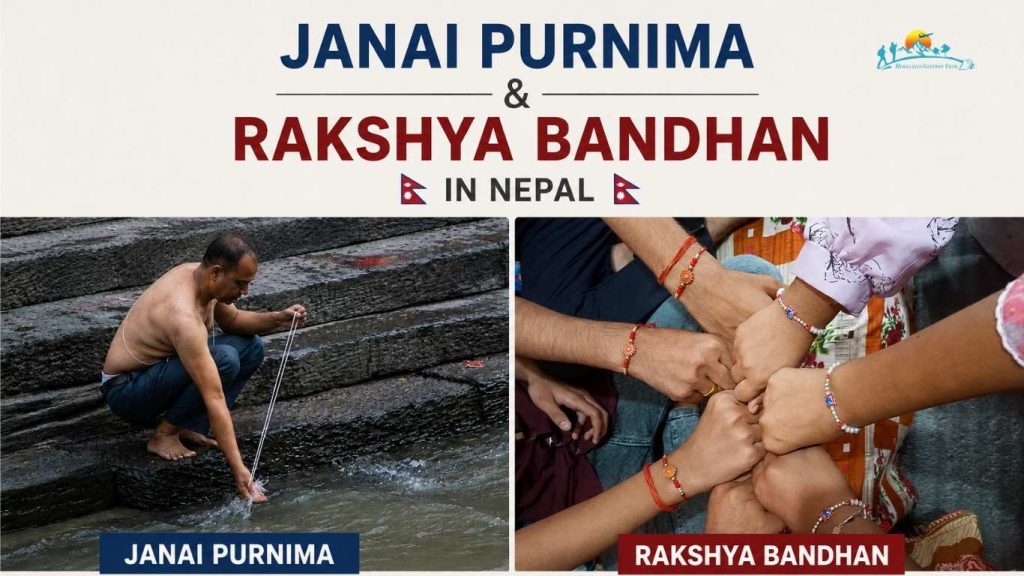
 In Nepal, Janai Purnima is celebrated on the same day as Raksha Bandhan, with the two terms representing distinct customs associated with the day. This Purnima is about the renewal of the sacred thread, ritual purification, Rishitarpani and prayers whereas Raksha Bandhan is closely connected with the protective thread, Rakhi and the bond of brothers and sisters. It is interesting to note that in Nepal, these traditions are celebrated on the same festival day, and each community has their own set of traditions they attach more significance to.
Janai Purnima and Raksha Bandhan in 2026 occur on Friday, August 28 in Nepal. According to the Schedule of Kathmandu Metropolitan City, the holiday is “Janai Purnima / Raksha Bandhan” on August 28, 2026; and information from the current calendar also supports it.
To the visitor this is not only a day of changing a sacred thread. It is a family meeting time and also festival in which people visit the temples, do religious bathing, tie a Rakhi, eat traditional food and make pilgrimage. The day is also marked by the presence of many religious customs and ceremonies in various parts of the country, including Gosaikunda and Kumbheshwar in Patan.
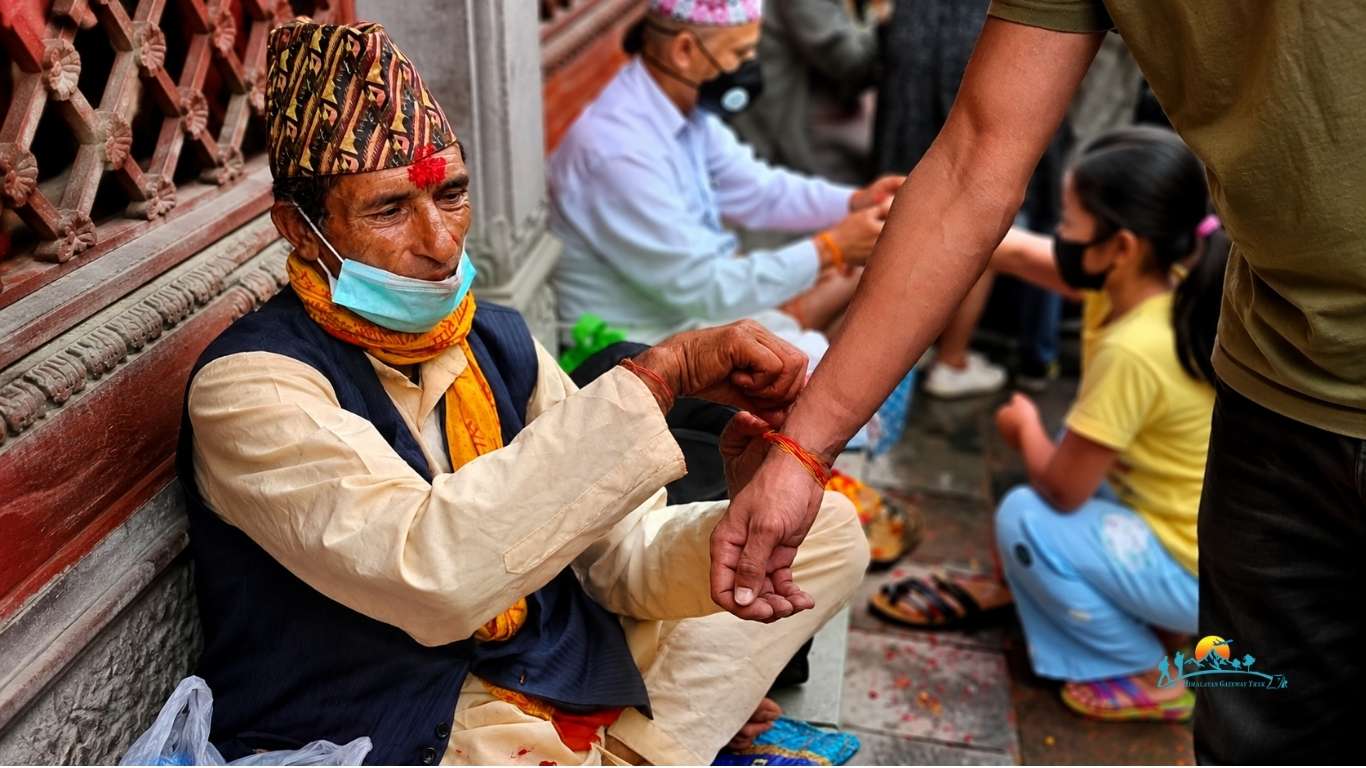
Janai Purnima is a Hindu festival which is celebrated on the full moon of Shrawan. The day is associated with changing the Janai (sacred thread), which is usually worn on the chest by some men in Nepal following the Hindu religion. It also involves ritual bathing, prayers, visiting the temple and tying sacred threads around the wrists. It is an important religious festival in Nepal, which is recognised by the Nepal Tourism Board.
The first word “Janai” means sacred thread and the second word “Purnima” means full moon. On this day, devotees visit the river, pond or temple for ritual baths and veneration and then they change the sacred thread. During religious practice, priests also tie protective threads around the devotees’ wrists.
Amongst communities in Nepal, this purnima is also manifested in different ways. It is celebrated as Gunhi Punhi by the Newars in the Kathmandu Valley and Kwati, which is the traditional Sprouted-bean soup, is one of the popular foods in the festival.
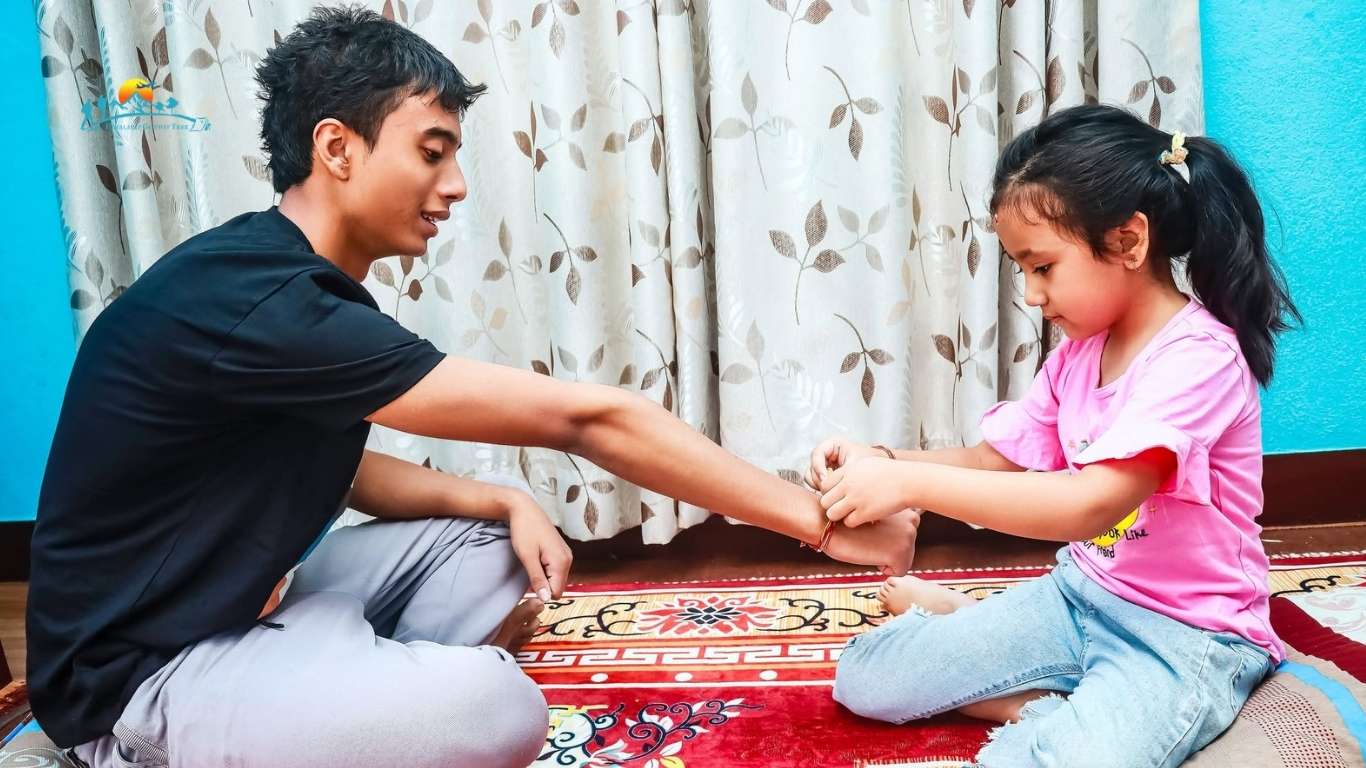
This festival is a festival which is celebrated for the cause of protection, affection and the brother-sister bond, commonly written as Raksha Bandhan. The most popular tradition is to tie a Rakhi around a brother’s wrist, and pray and wish him good luck.
Raksha Bandhan in Nepal is invariably linked to this Purnima, which falls on the same full moon day. The festival can also be called Rishitarpani, depending on the community and region, and there can be variations in customs.
Sisters can tie rakhi on their brothers’ wrists and priests can tie doro (thread of protection) on the devotees’ wrists during the festival. Janai, Doro and Rakhi are all sacred threads but each one has a meaning and purpose.
These two festivals are very closely related in Nepal, as they are celebrated on the same full moon day, but the two names do not refer to the same ritual and the same social significance.
The Janai Purnima is a celebration of renewing the Janai, ritual baths, religious rituals, Rishitarpani and devotion. Rakshya Bandhan places more emphasis on safeguarding strands and on the bond between brothers and sisters. In Nepal, the two types of customs can be celebrated on a single day.
A simple comparison makes the difference easier to understand:
| Aspect | Janai Purnima | Rakshya Bandhan |
|---|---|---|
| Main focus | Sacred thread renewal, purification and religious practices | Protection, affection and family bonds |
| Common thread | Janai and other sacred threads | Rakhi or protective thread |
| Main ritual | Changing the Janai and performing religious rites | Tying Rakhi or a protective thread |
| Family connection | Religious observance and family gatherings | Strong brother-sister relationship |
| Nepalese names and customs | Janai Purnima, Rishitarpani, Gunhi Punhi | Rakshya Bandhan, Rakhi traditions |
| Food connection | Kwati and other traditional festival foods | Sweets and family meals |
| Major pilgrimage link | Gosaikunda, Shiva temples and sacred water sites | Often observed alongside Janai Purnima on the same day |
This Purnima is marked with religious practices, family traditions, visiting temples and eating traditional dishes. These traditions are not completely uniform, but several are repeated throughout Nepal.
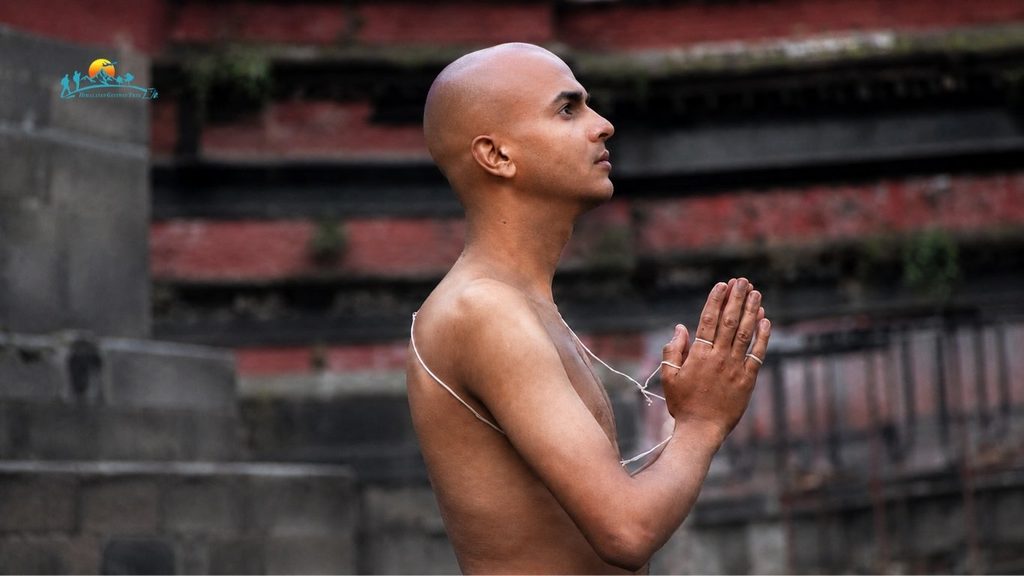
One of the most popular customs is the change of the sacred Janai. After the proper religious ceremonies, a man who follows Janai tradition will change the old thread with a new one.
It is linked to renewal and discipline in the religious context. The prayer and rituals can be done by a priest before placing the new thread across the chest. Nepal Tourism Board particularly highlights one of the main rituals of the festival the renewal of the Janai.
The ritual is not just about an object, a piece of thread. The new Janai is a reaffirmation of religious obligations and cleanliness for those who practice it.
Another significant element of the festival is “ritual bathing”.
They can go to rivers, ponds, springs or other places with sacred water before performing religious ceremonies. As per the Nepal Tourism Board, this purnima is a time when large crowds flock to the holy riverbanks to take dips and make offerings.
Gosaikunda Lake is one of such places that are associated to this practice. During the festival the devotees go to the lake to have a holy dip in the lake of high altitude.
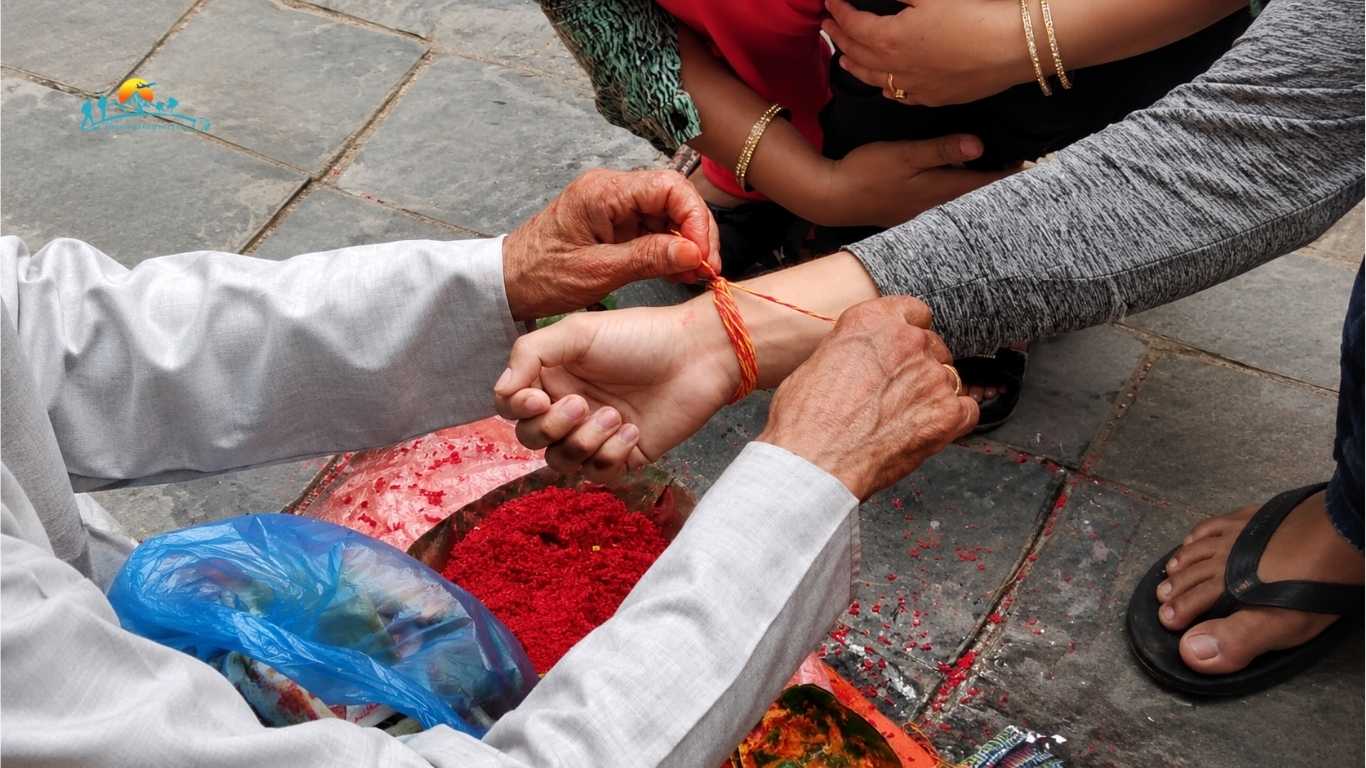
Another popular tradition is to wear a sacred or protective thread around the wrist.
In Nepal the thread is known as Doro. The words Doro, Rakhi and sacred thread are often misused; they may apply to various traditions. A priest can tie Doro to the wrist, while uttering a religious prayer for protection.
According to Inside Himalayas, devotees tie a colorful sacred thread around their wrist while the festival is being celebrated, and Nepal Tourism Board points to yellow sacred threads that are tied around devotees’ wrists by priests.
People go to Shiva Temples like Pashupatinath and other places of worship during this purnima.
Nepal Tourism Board identifies some of the places where the rituals are associated with Kumbheshwar in Patan and Gosaikunda. People start to congregate at the major pilgrimage places when they come to worship, bathe and receive sacred thread.
Janai Purnima is also an occasion that is celebrated in families.
People come together for meals, visit family, greet one another and participate in customs. Additionally, Rakhi may be exchanged along with sweets, gifts and good wishes between families who celebrate Rakshya Bandhan, between sisters and brothers.
This side of the festival is the family side as the day is not restricted to the temple ceremonies. Religious Celebration is often accompanied by Family life.
In Nepal, Raksha Bandhan is usually celebrated by tying Rakhi or any protective thread, particularly between brothers and sisters. The sister normally ties the Rakhi around her brother’s wrist and wishes her brother good health and well being. The brother can give a gift as well and say he’ll support her. This custom is different from Janai ceremony of renewal.
A Rakhi is not comparable to Janai which is typically worn across the chest. It also does not always correspond to the Doro that is bound by a priest. The three may be seen at the same time, at the same festival, but they have different functions.
The brother-sister aspect is given more importance in some areas of Nepal, particularly among the communities where the Rakhi tradition is very prevalent.
That regional variety is one of the reasons a single description does not fully explain the festival in Nepal.
Janai, Doro, and Rakhi are all sacred threads, but their purpose and use are different. Janai is linked with religious renewal, while Doro represents protection. Rakhi mainly represents the bond between brothers and sisters.
| Thread | Who usually gives or ties it? | Main purpose |
|---|---|---|
| Janai | Traditionally given and changed during religious rites, often with a priest | Religious duty, renewal, and purity |
| Doro | Usually tied by a priest | Protection and religious blessing |
| Rakhi | Usually tied by a sister to her brother | Affection, protection, and sibling bond |
Janai Purnima is not the same in all places and communities in Nepal.
The day is marked by many Hindu men exchanging their Janai for a new one after ritual bathing and prayers. Family priests can go to houses in the cities or conduct religious rituals in religious buildings.
It is a process which involves both personal purification and religious duty.
Rakhi and the brother-sister relationship might be given more importance in some parts of the Terai.
Rakhi is tied by sisters around the brother’s wrist and families celebrate with sweets, food and gifts. Celebrations may not be Janai-oriented as is more common in the hills.
The festival is, therefore, in different forms, but not a different calendar occasion.
Gunhi Punhi is the name of the this festival by Newars of the Kathmandu Valley.
The day is rich in food and local traditions. The soup of the festival, Kwati, is prepared from sprouted beans and lentils. Nepal Tourism Board considers Gunhi Punhi and Kwati as key elements of the Newar celebration.
The festival also involves local rituals related to the seasonal cycle and rain in Kumbheshwar, Patan. The traditional Byan-ja Nakegu ceremony, where rice is given to frogs, is associated with the raining season and farming, Nepal Tourism Board says.
The importance of the festival comes from several ideas that meet on one day: renewal, purity, protection, family and faith.
The changing of the Janai represents renewal.
People who observe the ceremony replace the old sacred thread with a new one after religious rites. The act marks another year of religious observance and serves as a reminder of duty and personal discipline.
The thread tied around the wrist carries a protective meaning.
Priests traditionally tie the Doro while reciting prayers. For many families, the thread serves as a visible reminder of faith and a wish for safety and well-being.
The same idea appears in the Rakhi custom, although the social relationship is different. Rakhi highlights the bond between siblings.
Rakshya Bandhan adds a strong family element to the festival.
A sister tying Rakhi to her brother is not only a ceremonial act. It is also a moment when siblings express affection, exchange good wishes and spend time together.
Temple visits, sacred bathing, offerings and prayer make this Purnima a significant religious occasion.
Major pilgrimage places become especially busy because devotees travel from different parts of Nepal to observe the festival.
The festival also shows how one day can carry different meanings for different communities.
A visitor may see a man changing his Janai in one place, a priest tying Doro somewhere else, a sister tying Rakhi to her brother in another community, and a Newar family preparing Kwati at home.
These are not signs of separate festival dates. They show the different traditions that can exist around the same full moon day.
There are a number of traditional stories related to Rakshya Bandhan, but they should not be taken as true historical facts. There is one popular story which revolves around Krishna and Draupadi. The legend goes that Draupadi covered Krishna’s wound with a cloth and Krishna later vowed to guard her.
This story is being used to give the meaning of Rakhi to the children. Another popular myth is about King Bali and Lakshmi. In the traditional story, Lakshmi attaches a sacred thread to Bali and reveals herself and Vishnu returns to Lakshmi, who is now known as Devi, and agrees to let Vishnu go back to her.
Yama and Yamuna are also associated with the protective connotation of the festival. The following stories explain why this festival is considered to be a month of protection, affection and a promise of care.
Food is a significant aspect of Janai Purnima and Kwati is the most associated dish of Nepal.
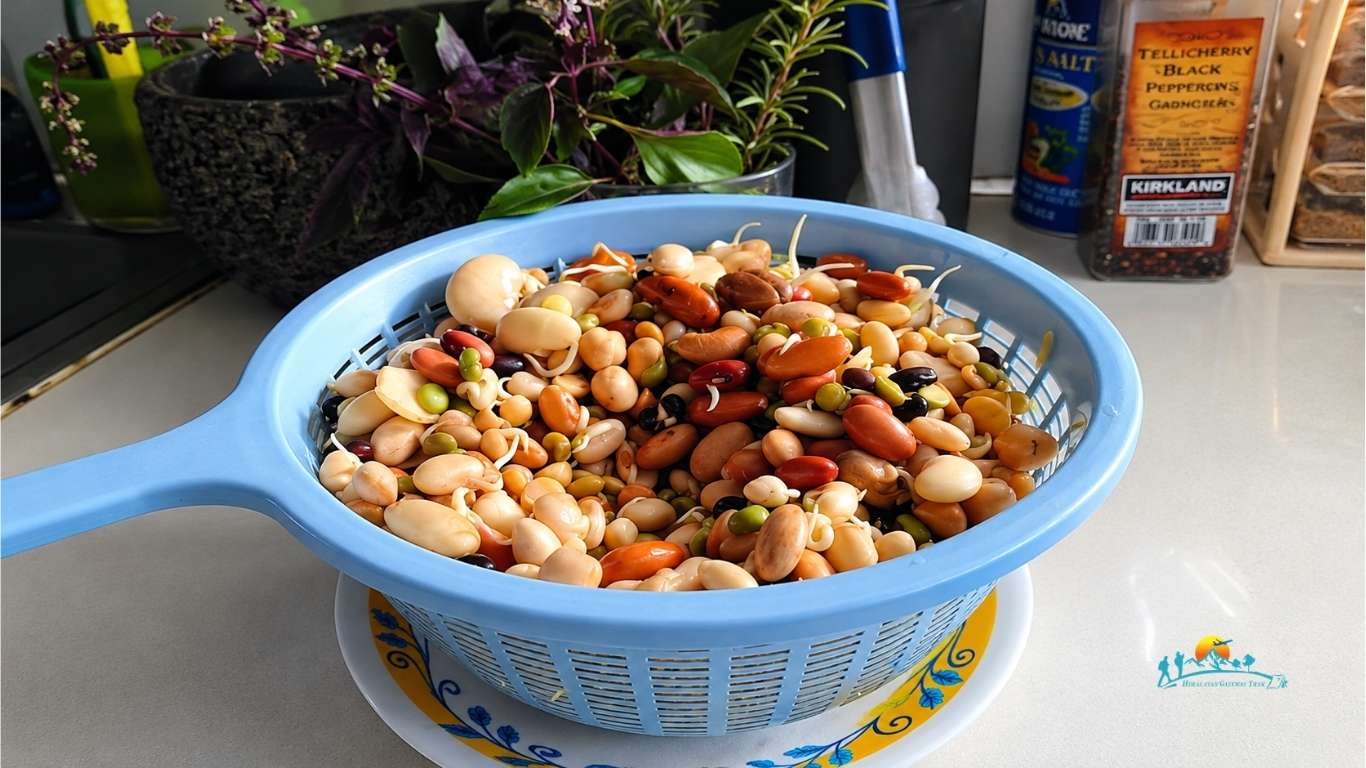
The soup is called Kwati, which is prepared from sprouted beans and lentils. It is a traditional dish of Newar people from Kathmandu Valley for Janai Purnima (also known as Gunhi Punhi) every year.
According to the Nepal Tourism Board, Kwati is a special food of the festival. Before cooking the beans are soaked and let to sprout. There are several different recipes for Kwati, depending on the family.
Other traditional dishes and sweets are also made by the families, particularly if traditions are strong. The menu will vary by family and region.
No one should assume all Nepalis cook the same food for their festivals.
Gosaikunda is one of the important pilgrimage sites of Nepal for Janai Purnima. Thousands of devotees come to pray and bathe in the holy lake in Rasuwa. The lake is located at the height of approximately 4380 metres in Langtang National Park. According to Hindu belief, Gosaikunda is related to Lord Shiva.
In the traditional story, to quench the poison that he drank during the churning of the cosmic ocean, Shiva went to the Himalayas for relief. Bathing in Gosaikunda on this day is particularly auspicious for the devotees.
The festival can be seen in several parts of Nepal but it can clearly be seen in major religious places of Nepal.
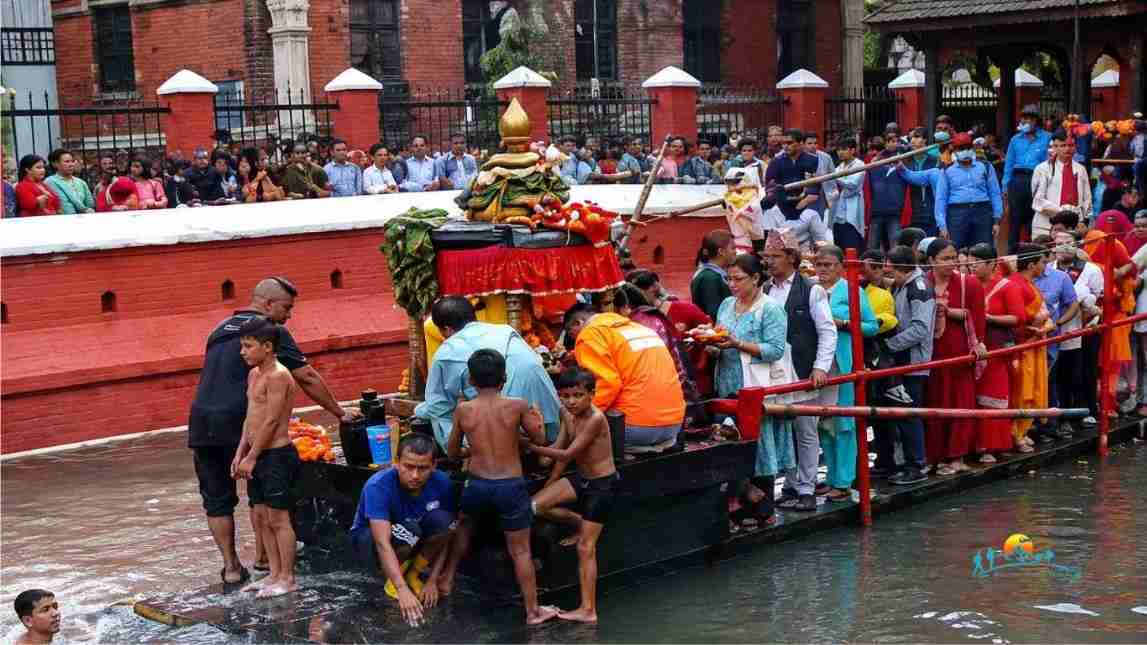
Kumbheshwar is among the important festival places of the Kathmandu Valley. Religious ceremonies, such as the worship of a Shiva Lingam and the traditional Byan-ja Nakegu, are also highlighted by the Nepal Tourism Board in Nepal.
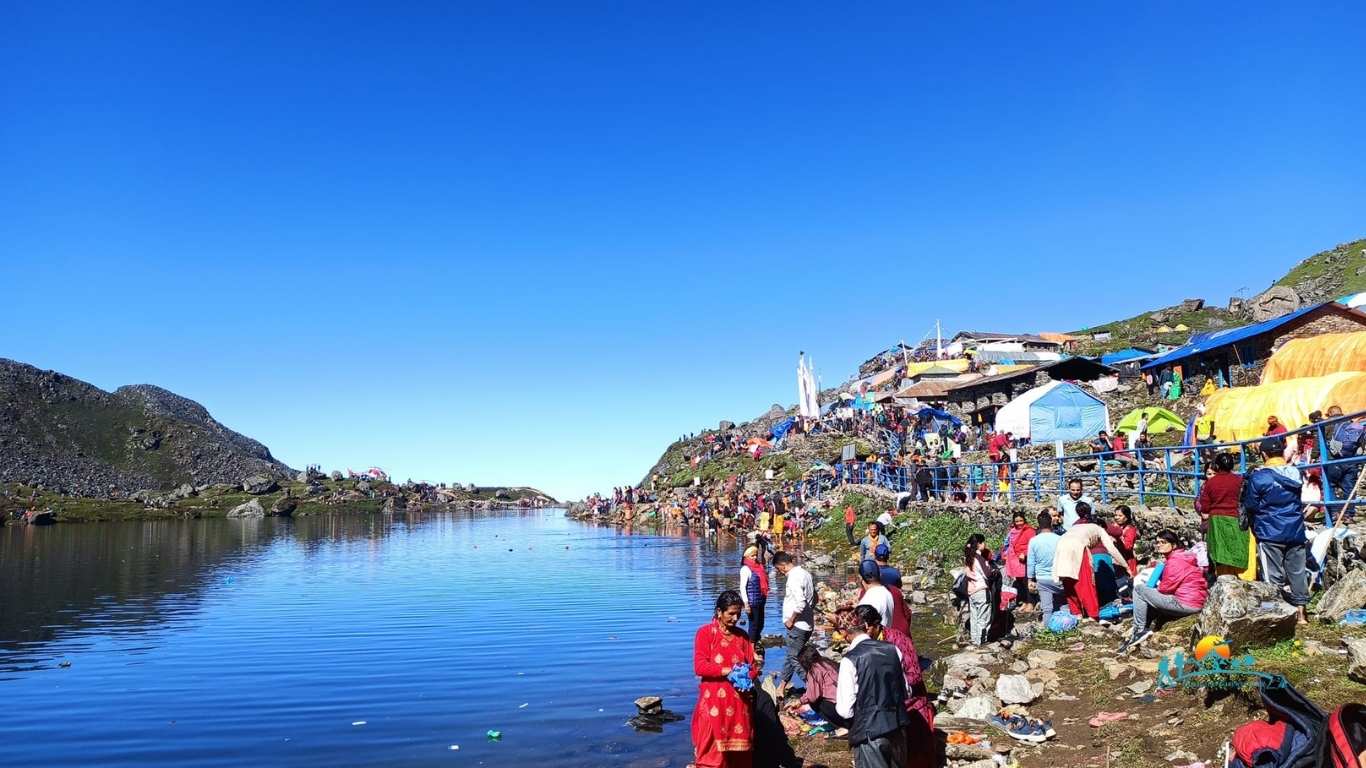
Major traveler to Gosaikunda selects the place to visit the festival in the high Himalayan environment. It is also one of the busiest which is associated with Janai Purnima.
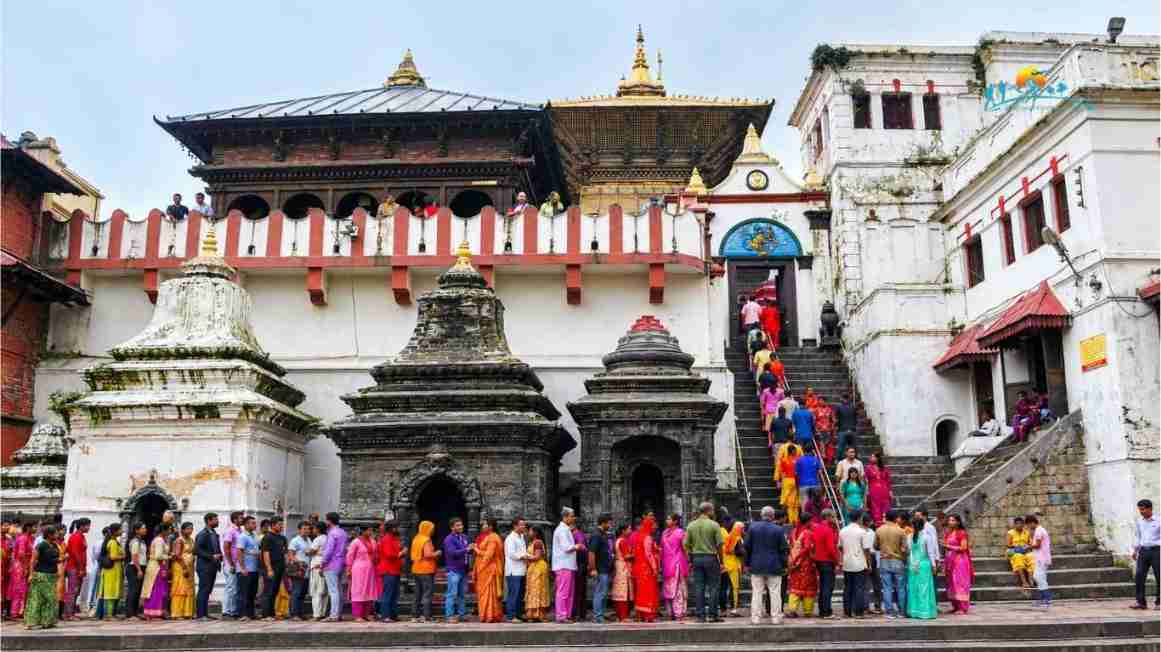
One does not have to travel far up the mountain to witness the temple worship, sacred threads, family rituals and Newar traditions in Kathmandu, Patan and Bhaktapur.
It is also celebrated in Shiva temples and pilgrimage places throughout the country on this day. According to Step on Himalaya, the festival gatherings and fairs have happened in various places over the years like Pashupatinath, Gosaikunda, Kumbheshwar and other sacred places in various districts.
Janai Purnima and Rakshya Bandhan are celebrated on Friday, 28 August 2026 in Nepal.
This date is variable because the festival is not based on a set Gregorian date but instead around the Hindu lunar calendar.
If you want to visit Nepal, you should look at the Nepal calendar near the travel date, as other festivals may follow shortly thereafter.
The festival takes place at the end of August in 2026 in the monsoon season in Nepal. This means that some trails may be wet and slippery, weather conditions may be cloudy and roads may be slippery, particularly those that go to the higher pilgrimage areas of the mountains.
Janai Purnima and Rakshya Bandhan are associated traditions in Nepal which are observed on the same full moon day. This Purnima is about the renewal of the sacred thread, prayers and purification and Rakshya Bandhan is about protection and sibling bond.
The day is celebrated in various ways by various communities. Newars celebrate Gunhi Punhi and make Kwati families exchange Rakhi and devotees visit sacred places like Gosaikunda.
While celebrated on the same day, they are distinct festivals. Janai Purnima involves Hindu men changing their sacred threads, particularly in Nepal. Raksha Bandhan specifically honours the loving, protective bond shared between brothers and sisters.
It is a sacred Hindu festival in Nepal where men renew their holy thread (Janai). It is celebrated for spiritual purification, seeking divine protection, and honouring the bond of purity and security for the upcoming year.
A Janai is a sacred cotton thread worn across the chest by Hindu men. Its six strands symbolize the Hindu trinity (Brahma, Vishnu, Maheshwar) along with knowledge, worship, and karma, offering protection from negative energy and evil spirits.
Devotees wake up early, take ritual baths in holy rivers, and have priests tie a sacred thread (doro) around their wrists. Brahmin and Chhetri men change their Janai, while families feast on Kwati, a traditional sprouted bean soup.
Kwati is a highly nutritious, traditional Nepali soup made from nine different sprouted beans. Eaten on Janai Purnima (Kwati Punhi), it provides warmth, boosts immunity, and improves digestion to help farmers recover after the exhausting monsoon planting season.
The “doro” is a sacred colorful thread tied around the wrist by priests for protection and good luck. During Tihar, it is re-tied to a cow’s tail, which Hindus believe guides the soul to heaven after death.
Janai Purnima is celebrated annually on the full moon day of the Hindu month of Shrawan (usually August). For example, it falls on August 28, 2026. The exact date fluctuates each year based on the traditional lunar calendar.