About the Nepal to Tibet Tour
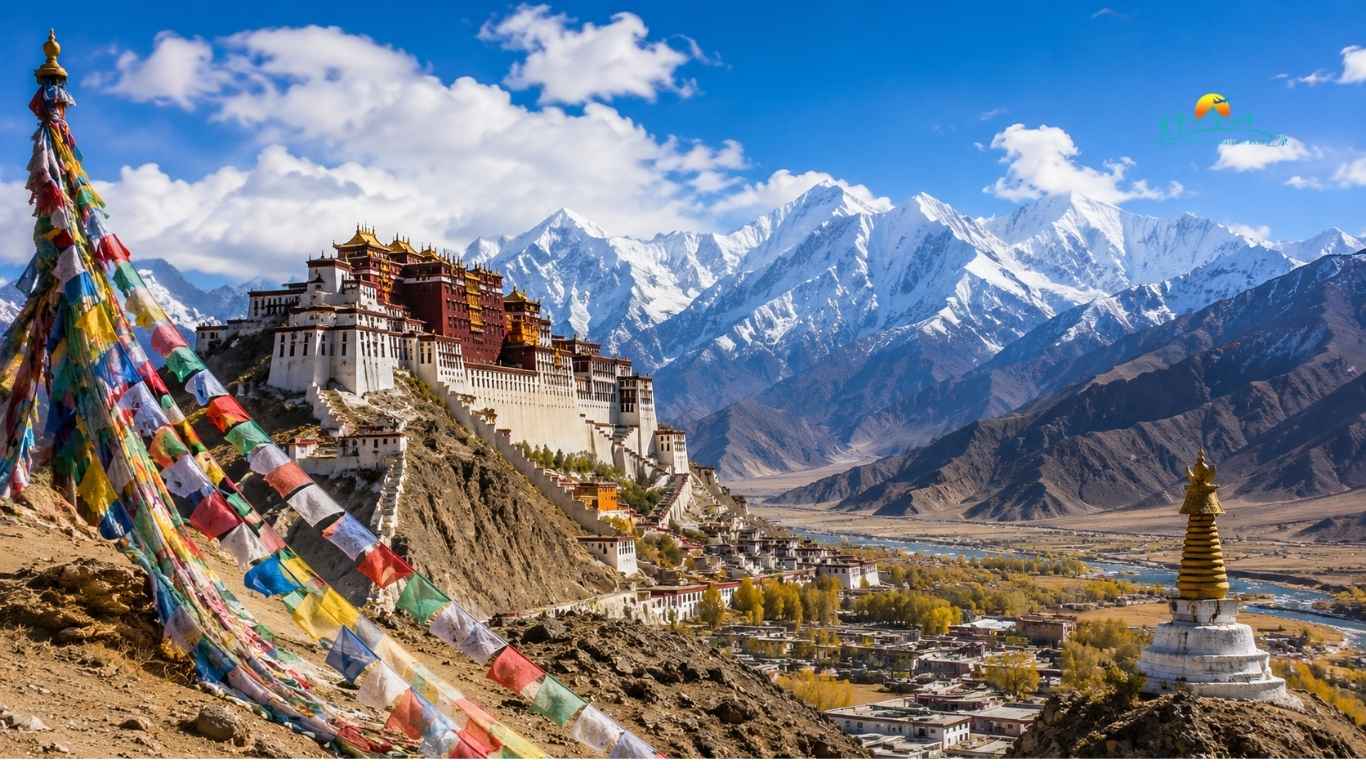
Nepal to Tibet tour connects Kathmandu to Lhasa, which passes through the international border at Friendship Bridge between Kodari and Zhangmu. From the luxuriant subtropical valleys of Nepal, this trip goes right up to the high Tibetan Plateau of the Tibet Autonomous Region in China. Tibet is the place where the old Tibetan Buddhist culture has been preserved. The area boasts historic monasteries, unique languages and traditional ways of life that were isolated from the outside world for centuries.
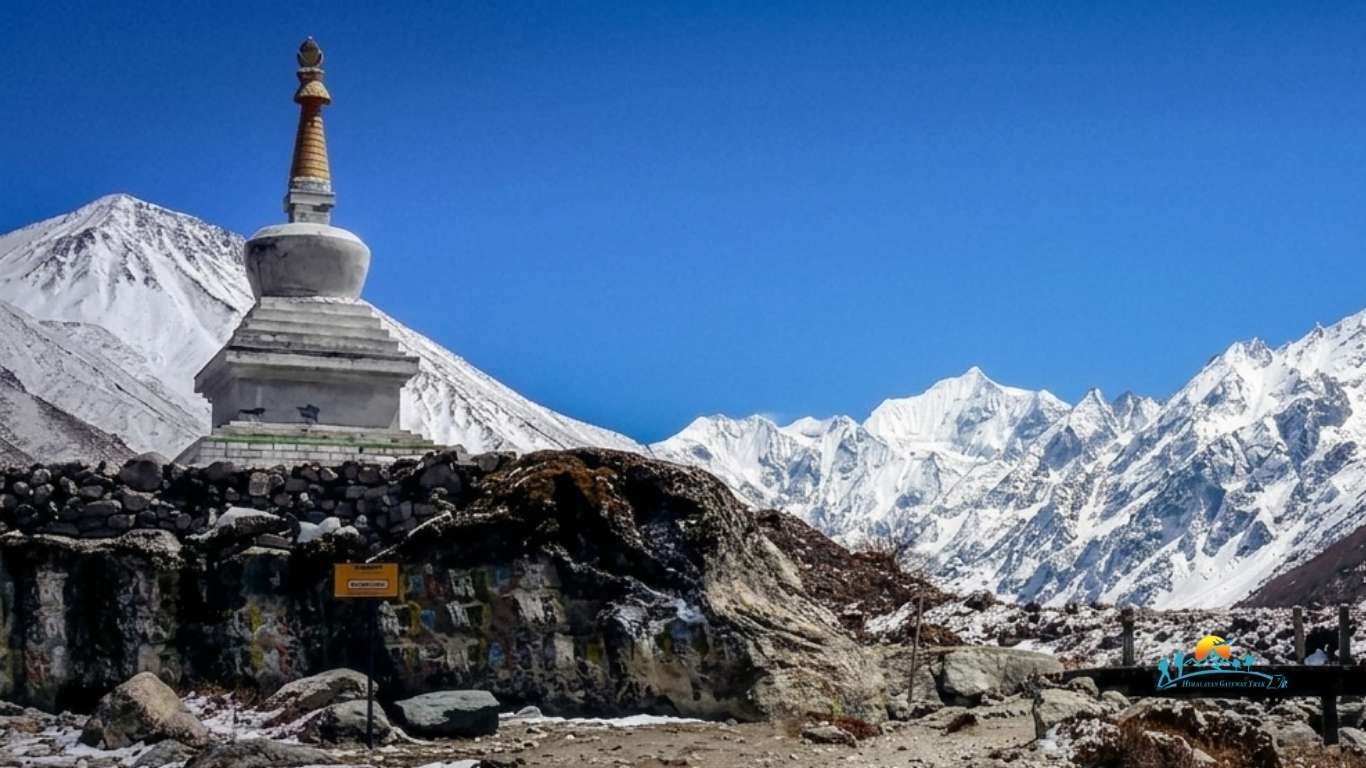
After crossing the Himalayas, there is a sudden change in the terrain. The green hills of Nepal turn into a cold and dry highland plateau with huge passes of the mountains, cold alpine deserts and wide open valleys. This area is characterized by its high altitudes, low oxygen levels, and dry mountain air, with direct views of the highest peaks on Earth, including Mount Everest.
Nature of the Journey
This tour isn’t your typical city holiday. It is a challenging road trip that is set at high altitudes, and it is a trip that takes time, stamina and health safety.
Elevation and Health Safety
Elevation changes start high right away in this hike. The ascent from the low valley to high altitude above 4,000 m is very steep. This hike is very fast and must be done slowly and with rest to avoid acute mountain sickness.
Road Conditions and Border Security
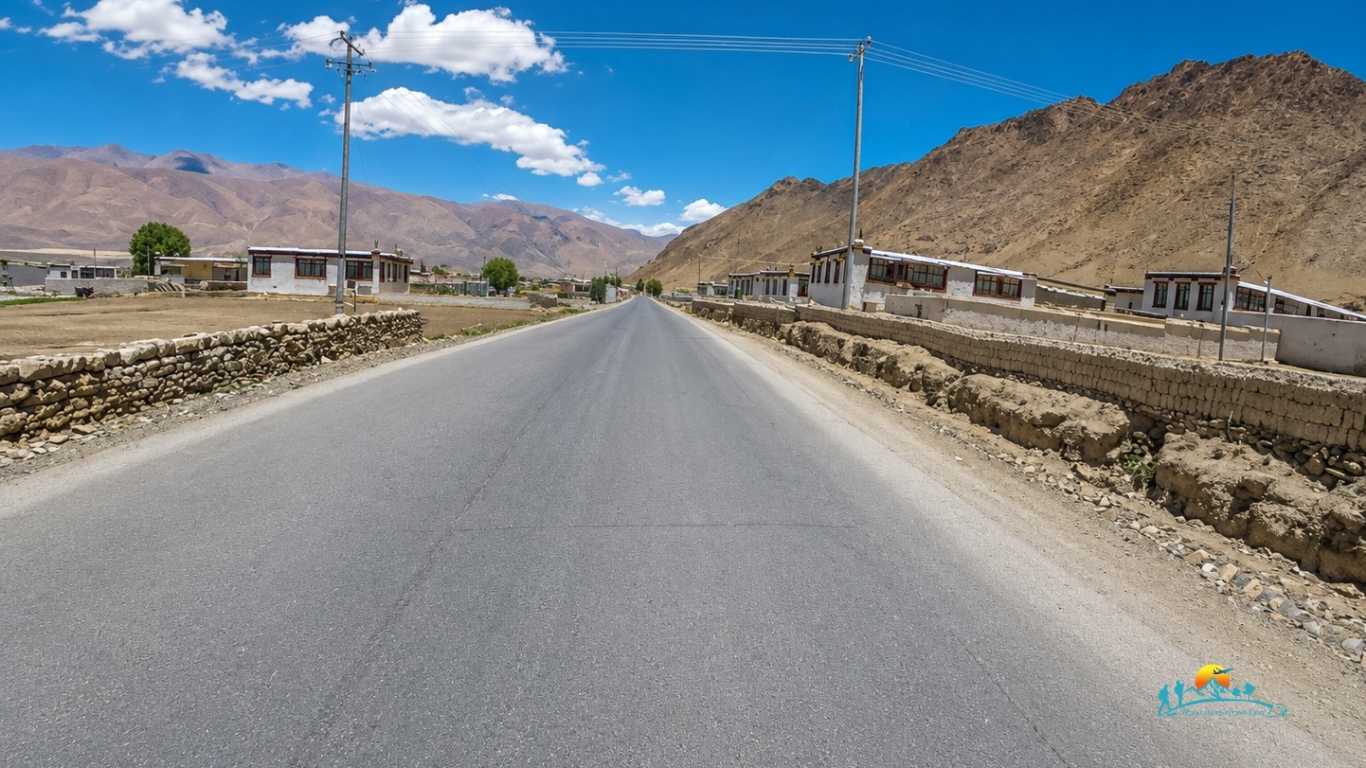
Although the main Friendship Highway is mostly paved, it meanders through high mountain passes and steep mountain switchbacks and remote sections of road. All international border crossings are strictly monitored and there is a necessity to stop at the border and check their documents.
Pacing and Travel Times
The distances that can be covered in a day are still reasonable, but the local topography and border procedures make the actual travel time quite long. This slow pace will not cause physical fatigue and will help keep the expedition safe.
Trip Highlights
- Drive across the Friendship Bridge at the Nepal-China border.
- Cross high Himalayan passes that exceed 5,000 meters in elevation.
- View the North Face of Mount Everest from the high plateau.
- Visit the historic Tashilhunpo Monastery in Shigatse.
- Tour the iconic Potala Palace and Jokhang Temple in Lhasa.
- Walk through the traditional Barkhor Street market square.
Benefits with Himalayan Gateway Trek
- Team secures all necessary Tibet travel permits and group visas.
- Expert local Tibetan guides lead every cultural sightseeing tour.
- Supplies supplemental oxygen in the vehicle for altitude safety.
- Private tourist vehicles handle all mountain road transportation.
- Arranges reliable 3-star hotel accommodations for every night of the trip.
Nepal to Tibet Tour Overview
This road is a land route that crosses international borders, connecting Kathmandu Valley with Lhasa via the Friendship Bridge between Kodari and Zhangmu. From the subtropical valleys of Nepal, travelers cross straight onto the high Tibetan Plateau.
The local people preserve an ancient Buddhist culture and tradition that has endured for centuries; historic monasteries, traditional languages, and unique local customs remain disconnected from the outside world.
After crossing the Himalayas, the environment totally changes. The green hills slowly give way to a high altitude plateau, huge passes, alpine deserts and broad valleys. It is the region of low oxygen levels and crisp mountain air, with direct views of the highest points on earth, including Mount Everest.
The road to the mountain is mostly paved, but there are steep mountain switchbacks and strict international checkpoints that necessitate stopovers for passport and visa checks.
Book this epic overland crossing with Himalayan Gateway Trek for a seamless, safe, and deeply immersive journey.
Nepal to Tibet Tour 8-Day Itinerary
Day 01: Kathmandu to Zhangmu
Travelers begin the tour with a drive from Kathmandu along the Araniko Highway. The vehicle moves through lush Nepalese hills and riverside towns toward the northern border. After reaching the Kodari border station, travelers clear Nepal customs and cross the Friendship Bridge.
Our Tibetan team meets the group at the Zhangmu entry point to complete international immigration formalities. Travelers rest at a local hotel in Zhangmu to adjust to the altitude.
Day 02: Zhangmu to New Tingri
The vehicle ascends from the green gorge of Zhangmu up onto the dry Tibetan Plateau. The route climbs steep mountain switchbacks, passing through the town of Nyalam. Travelers cross spectacular mountain passes that reveal sweeping views of the central Himalayan range.
The driver continues across wide, windswept high plains until reaching New Tingri. Travelers stay here overnight to adjust to the elevation.
Day 03: New Tingri to Shigatse via Lhatse
The vehicle travels along the Friendship Highway toward Tibet’s second-largest city. The vehicle crosses the high Gyatso La Pass, the highest point on the main highway route. From this pass, travelers view prayer flags fluttering against distant snow peaks.
The vehicle descends into farming valleys and passes through the town of Lhatse. The group arrives in Shigatse by late afternoon to check into the hotel.
Day 04: Shigatse Sightseeing and Drive to Gyantse
In the morning, the guide leads a tour of the historic Tashilhunpo Monastery in Shigatse. This site serves as the traditional seat of the Panchen Lama and houses a massive golden statue of the Future Buddha. Travelers walk through the ancient halls and watch local monks perform daily rituals.
After the monastery visit, the group drives through fertile plains to the traditional town of Gyantse. Here, travelers visit the unique multi-tiered Kumbum Stupa and Palcho Monastery.
Day 05: Gyantse to Lhasa via Yamdrok Lake
The route to Lhasa offers exceptional scenery across the high plateau. The driver stops at the Karo La Pass to let travelers view a massive glacier that terminates near the roadside. Next, the vehicle winds down along the banks of Yamdrok Lake, a sacred body of turquoise water.
The vehicle crosses the Kamba La Pass for a final view of the lake against Mount Noijin Kangsang. The group arrives in Lhasa by evening.
Day 06: Lhasa Sightseeing (Potala Palace and Jokhang Temple)
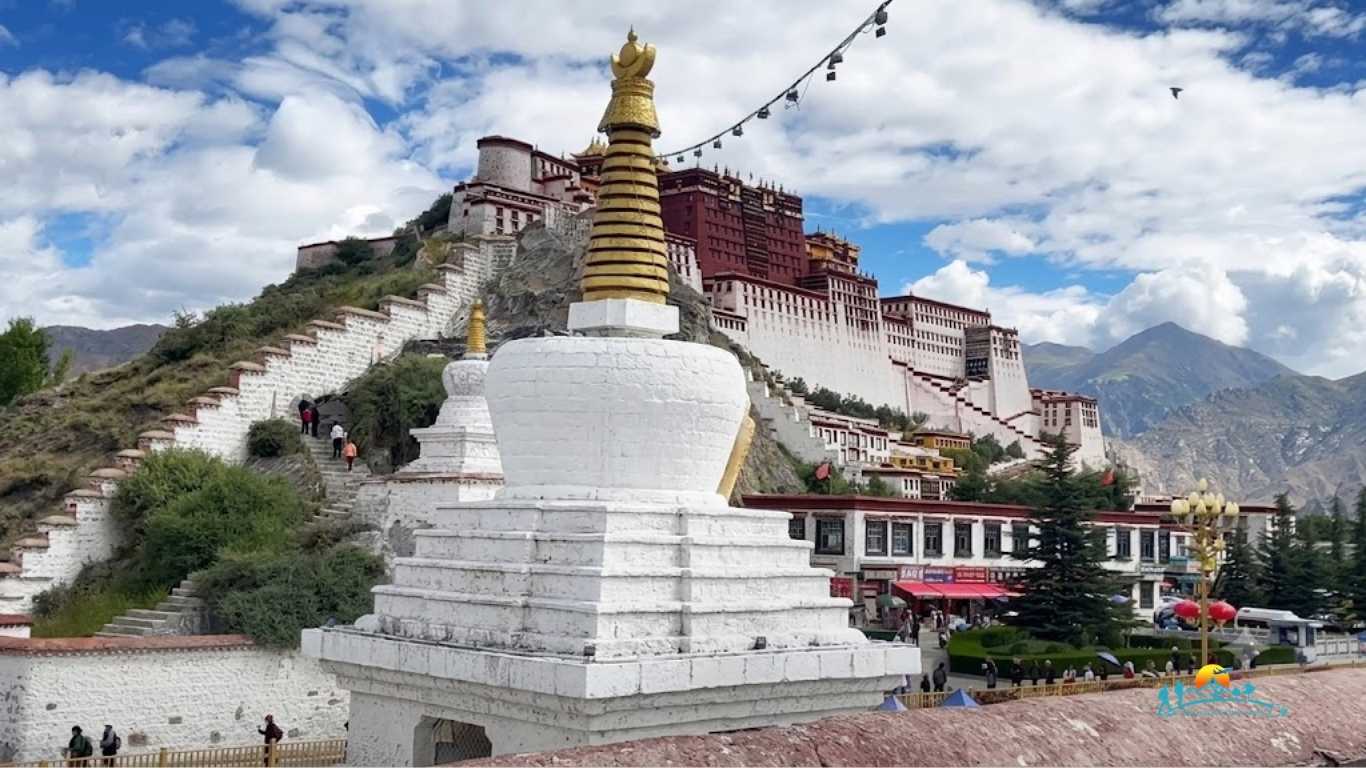
The guide leads a tour of the iconic Potala Palace, the winter residence of the Dalai Lamas. Travelers climb the stone steps to tour the red and white palaces, historic state rooms, and golden burial stupas.
In the afternoon, the group visits the sacred Jokhang Temple, the spiritual center of Tibetan Buddhism. Outside the temple, travelers join local pilgrims walking the Barkhor Street circuit while observing traditional devotional practices.
Day 07: Lhasa Sightseeing (Drepung and Sera Monasteries)
The guide takes the group to two influential monastic colleges of the Gelug sect. In the morning, the group visits Drepung Monastery, which once housed thousands of Buddhist monks. The guide shares stories about its history, grand assembly halls, and traditional kitchens.
In the afternoon, travelers visit Sera Monastery to watch the lively philosophical debates among monks in the courtyard, where they use physical gestures to emphasize points.
Day 08: Lhasa to Kathmandu Departure Flight
The guide and driver pick up travelers from the hotel and provide a private transfer to Lhasa Gonggar Airport. Travelers board the trans-Himalayan flight back to Kathmandu. This flight offers direct views of Mount Everest and the high Himalayan peaks from above.
The tour concludes upon arrival at Tribhuvan International Airport in Kathmandu, where travelers clear customs.
Cost Includes
- Official Tibet Travel Permit and China group visa processing services.
- Accommodation in standard 3-star hotels and traditional guest houses for seven nights.
- Full board meals including breakfast, lunch, and dinner every day during the journey.
- Ground transportation in a comfortable, private tourist coach throughout the overland route.
- One-way flight ticket from Lhasa to Kathmandu including standard airport departure taxes.
- Services of a licensed, English-speaking local Tibetan guide for all cultural sightseeing.
- Emergency supplemental oxygen cylinders stored inside the vehicle for high-altitude safety.
- All applicable entrance fees for monasteries, palaces, and scenic zones specified in the itinerary.
Cost Excludes
- International airfare to Kathmandu and any travel arrangements outside the tour package.
- Nepal entry or re-entry visa fees collected at the border or airport.
- Personal expenses such as laundry, internet access, phone calls, and snacks.
- Table drinks including alcoholic beverages, soft drinks, and bottled mineral water.
- Tips and gratitude for the local Tibetan guide and drivers at the end of the trip.
- Any additional expenses caused by flight delays, landslides, weather disruptions.

Packing appropriately is vital for traveling across the high-altitude Tibetan Plateau. Temperatures drop significantly from day to night, while solar radiation remains strong during daylight hours. We highly recommend dressing in adaptable layers and packing effective sun protection gear.
- Windproof and waterproof outer jacket to protect against plateau winds.
- Warm fleece jacket or lightweight down vest for cold evenings.
- High-quality thermal base layers (tops and bottoms) for mountain passes.
- Sturdy, broken-in walking shoes or lightweight hiking boots.
- UV-blocking sunglasses and a wide-brimmed sun hat.
- Sunscreen with high SPF, protective lip balm, and skin moisturizer.
- Personal first-aid kit including prescription altitude sickness medication.
- Durable, refillable water bottle or insulated flask to keep drinking water warm.
- Compact daypack (20 to 30 liters) for daily essentials and travel documents.
- Multi-plug power adapter and a reliable portable power bank for electronic devices.
We design this Nepal-to-Tibet Overland Tour package to give you a clear understanding of the logistical standards, conditions, and rules during your journey across the Himalayas. Knowing these details in advance helps you prepare your expectations for this incredible cross-border adventure.
Accommodation Standards
Your tour package includes accommodation on a twin-sharing basis throughout the journey. In Kathmandu, you stay in comfortable tourist-standard hotels with attached bathrooms and running hot water.
Once you cross the border into Tibet (via Kyirong/Rasuwa Gadhi) and head toward Lhasa, you will stay in a mix of comfortable Tibetan hotels in major cities like Shigatse and Gyantse, and more basic guesthouses in remote high-altitude stops like Everest Base Camp.
Rooms in remote Tibetan areas are clean but can be basic and unheated. Bathroom facilities may become communal at highpoints, and certain remote guesthouses may charge separate small fees for hot showers or internet access.
Meal and Hydration Provisions
The package provides three fresh meals each day (breakfast, lunch, and dinner) during the driving and touring days. Menus offer a mix of traditional Nepali, Tibetan, Chinese, and basic Western dishes. Tibetan Butter tea, Tsampa, and hearty stews are readily available.
We do not include alcoholic beverages, cold canned drinks, or specialty coffees in the tour price. We highly advise drinking plenty of bottled or purified water daily, as proper hydration is essential for preventing altitude sickness on the vast Tibetan Plateau.
Vehicle Rules and Security
Our team provides comfortable, well-maintained overland vehicles (such as 4WD jeeps or tour buses depending on group size) along with experienced local drivers who navigate the high-mountain passes safely.
Participants must respect the designated departure times each morning to ensure smooth travel through various military checkpoints and speed-controlled zones across Tibet.
Any damage to the vehicle interiors caused by negligence will be the responsibility of the passenger.
Border Regulations, Altitude Safety, and Trip Adjustments
Physical safety and regulatory compliance are our top priorities on this demanding high-altitude route. The tour captain and Tibetan local guide hold absolute authority to change the itinerary if severe weather, unexpected road closures, or sudden altitude sickness affects the group.
Traveling to Tibet requires strict adherence to group visa rules; you must stay with the group during all border crossings and checkpoint clearances.
Terms & Policies
Thank you for choosing Himalayan Gateway Trek. Our goal is to provide a safe, enjoyable, and memorable travel experience. Please review the following terms and policies before confirming your booking.
📍Booking & Payment
- 👉 A 20% deposit is required to confirm your booking.
- 👉 The remaining balance must be paid on your arrival day in Nepal
- 👉 Your booking is confirmed once we receive your deposit and send a confirmation.
📍Cancellation & Refunds
- 👉 If you cancel your trip 45 days or more before departure, 50% of the deposit amount will be refunded.
- 👉 No refunds are available for cancellations made within 45 days of departure.
- 👉 Any non-refundable costs already incurred, including permits, flights, accommodation, transportation, or other third-party services, will be deducted from the refund amount.
Note: Eligible refunds will be processed within 14 business days of receiving the cancellation request.
📍 Travel Insurance
- 👉 Travel insurance is mandatory for all trekking and adventure trips.
- 👉 Your insurance should cover emergency medical treatment, helicopter evacuation, trip cancellation, and personal accidents.
- 👉 Himalayan Gateway Trek is not responsible for expenses arising from inadequate insurance coverage.
📍 Trip Changes
- 👉 Weather conditions, flight delays, road conditions, government regulations, or other unforeseen circumstances may require changes to the itinerary.
- 👉 Any changes will be made with the safety and well-being of our guests as the highest priority.
📍 Responsibility
- 👉 Himalayan Gateway Trek is not responsible for flight delays, cancellations, injuries, loss of personal belongings, natural disasters, political unrest, or other events beyond our control.
- 👉 By booking a trip with us, you acknowledge and accept the inherent risks associated with trekking and adventure travel.
FAQs
How much does it cost to visit Tibet from Nepal?
Group tours typically start around $949 to $1,169 per person depending on the duration and route. Private tours or itineraries extending to Mount Kailash are more expensive, ranging from $2,200 to over $3,000.
Can I visit Tibet from Nepal
Yes, you can visit Tibet from Nepal. It is the closest gateway to Tibet. You must book a guided tour through a registered travel agency to get the mandatory Tibet Travel Permit and China Group Visa.
What travel documents do I need to enter Tibet from Nepal?
You need a valid original passport, a Tibet Entry Permit, a China Group Visa applied for in Kathmandu, a Border Pass, and an Alien Travel Permit if traveling beyond Lhasa to regions like Mount Everest.
Can you travel from Kathmandu to Tibet?
Yes, you can travel from Kathmandu to Tibet either overland by driving through the Gyirong Port border crossing or by taking a direct 1.5-hour flight from Kathmandu to Lhasa via Air China or Sichuan Airlines.
Can I apply for a normal Chinese Visa to enter Tibet from Nepal?
No, a standard Chinese Visa is not valid when entering Tibet from Nepal. The Chinese Embassy in Kathmandu must issue a specific single-entry China Group Visa, which requires a minimum of five travelers joining together.
How long does it take to get the China Group Visa in Kathmandu?
Processing the China Group Visa at the Chinese Embassy in Kathmandu typically takes 3 to 5 working days. During this time, the agency requires your original physical passport to finalize the application.
Which border port is used for overland travel between Nepal and Tibet?
The overland route goes through the Gyirong Port (also known as Kerung), located on the Sino-Nepal border. It connects Kathmandu to Kyirong Town before continuing to Mount Everest Base Camp and Lhasa.
Can I travel independently or solo in Tibet?
No, independent or solo travel for foreigners is strictly forbidden by local laws. All travelers must be part of an organized private or group tour accompanied by a licensed local guide and an authorized driver.
Are there direct flights from Kathmandu to Lhasa?
Yes, Kathmandu offers the only international flights into Tibet. Airlines like Air China and Sichuan Airlines operate direct flights taking about 1.5 hours, providing spectacular overhead views of the snow-capped Himalayan range.
Can Nepali citizens travel to Tibet?
Yes, Nepali citizens can travel to Tibet for tourism, business, or pilgrimage. They must fulfill similar regulations, including booking an organized agency tour, obtaining a Tibet permit, and acquiring the necessary entry visa.