
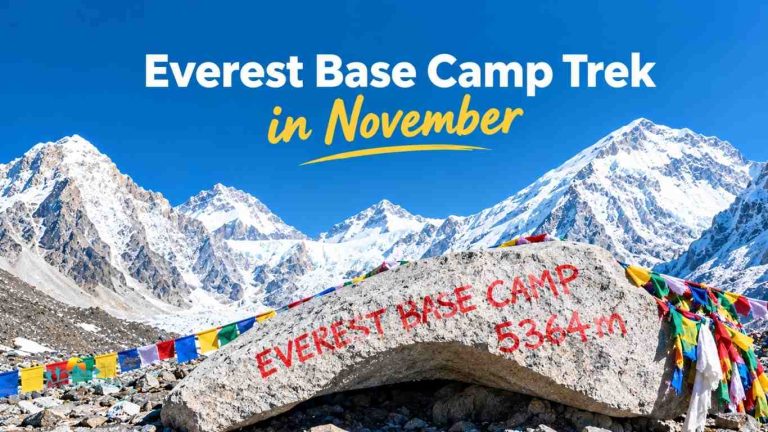
Everest Base Camp Trek in November: Weather, Cost, and Tips
The November trek to Everest Base Camp promises to give you a clearer view of the mountains, mostly dry trails…
 Himalayan Gateway Trek - On
 Planning a trek in Nepal during Dashain 2026? The answer depends on the route you choose. The August 26 flash flood badly damaged parts of the Rasuwa and Bhote Koshi corridor, while other major trekking regions have had different conditions and updates. Some routes also face separate road, bridge, or weather problems.
Nepal Tourism Board continues to publish route-specific updates, rather than treating the whole country as closed or open. For example, the Manaslu trekking route had its earlier restriction lifted on September 11 after damaged structures near Namrung were restored. At the same time, the Department of Hydrology and Meteorology advised trekkers to suspend Himalayan trekking from September 25 because of heavy rain and snowfall risk.
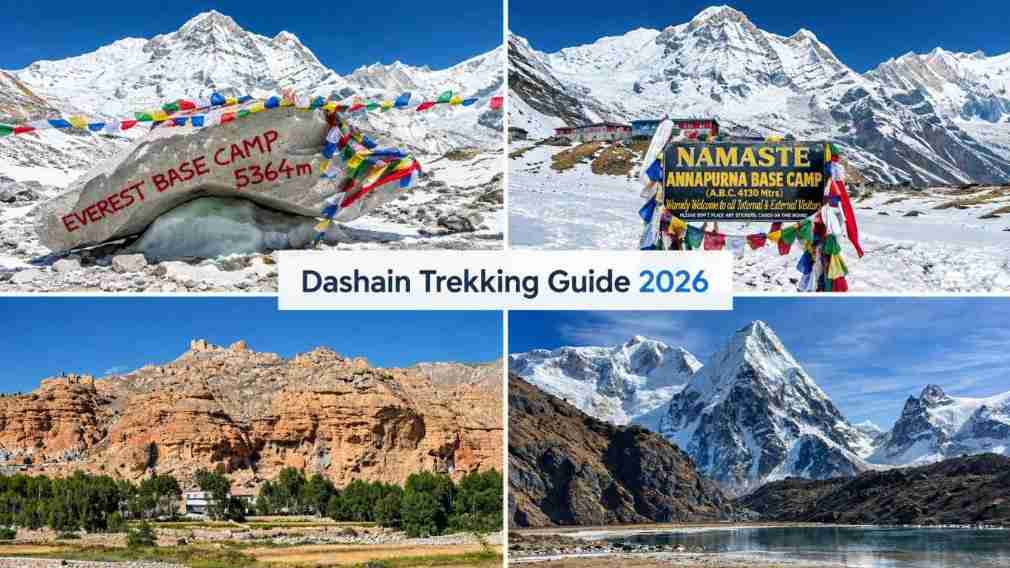
This Dashain trekking guide gives you the latest route information, explains which areas were affected by the floods, and shows what you should check before starting your trek.
Yes, trekking in Nepal can still take place during the Dashain period, but you should not treat every trekking route in the country in the same way.
The August 26 flood caused serious damage around Rasuwa, including roads, bridges and parts of the Langtang access network. Manaslu received an official reopening, while Annapurna Base Camp had separate flood and landslide damage earlier in the monsoon. Current weather can also create temporary restrictions even on routes that were not damaged by the August flood.
| Trekking Region | Flood Situation | What to Check Before Dashain |
|---|---|---|
| Langtang Valley | Major access damage reported in Rasuwa | Road, bridge and trail access |
| Gosaikunda | Access routes affected in Rasuwa | Current road and trail access |
| Tamang Heritage | Flood-hit Rasuwa corridor | Village-by-village access |
| Manaslu Circuit | Earlier restriction lifted | Current weather and local trail news |
| Annapurna Base Camp | Separate flood and landslide damage reported | Bridge, trail and road conditions |
| Annapurna Circuit | Different route from ABC | Trailhead road and weather |
| Everest Base Camp | Not in the August 26 flood corridor | Weather, flights and trail conditions |
| Upper Mustang | Not in the Rasuwa flood corridor | Road access, flights and local updates |
This table is a starting point, not a permanent October guarantee. Mountain roads, bridges, trails and weather can change between September and Dashain.
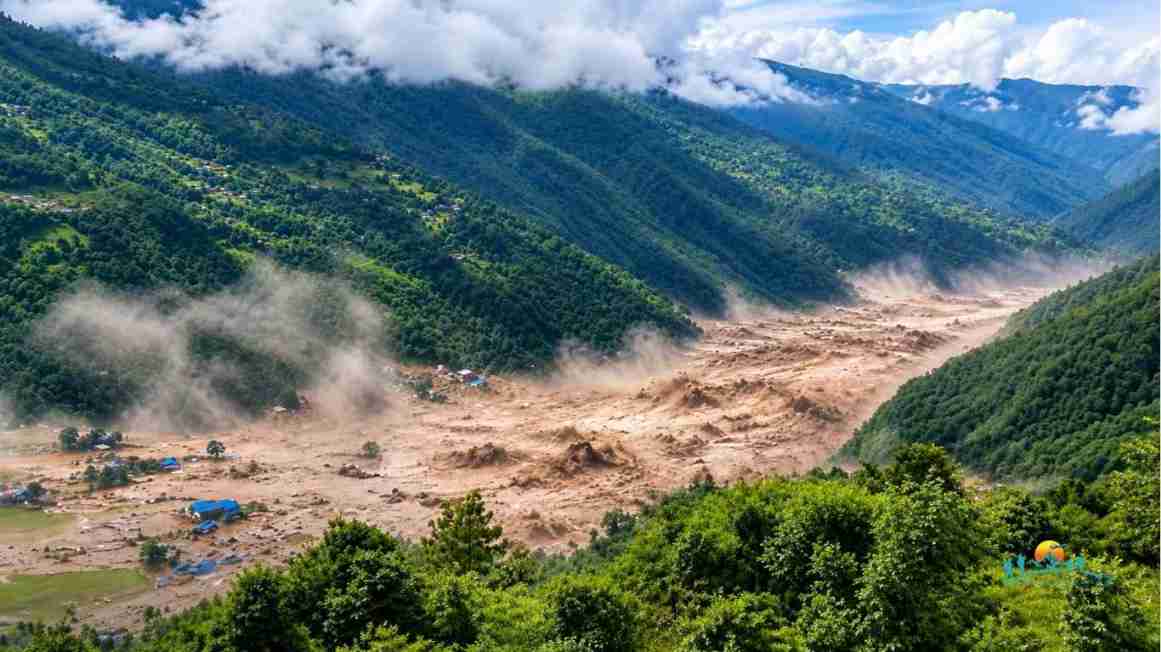
The August 26 disaster was a sudden flash flood that moved through the Bhote Koshi and Trishuli river corridors after a high-mountain collapse event near the Nepal-Tibet border. The flood damaged settlements and infrastructure across parts of Rasuwa and areas farther downstream. Reuters reported major destruction and a large number of casualties from the event.
The flood became especially important for trekkers because Rasuwa is the gateway to several well-known trekking routes.
Langtang, Gosaikunda and Tamang Heritage all depend on transport routes through this part of Nepal. When roads and bridges were damaged, the effect reached trekking plans even where the actual mountain trail was not directly swept away.
The government has also been working on tourism recovery in the flood-hit Rasuwa and Bhote Koshi area.
Nepal’s trekking regions sit in different valleys and river systems.
A road damaged near Rasuwa does not automatically mean that the Everest Base Camp trail or a Mustang trail has the same problem. The same rule works within one region too. A damaged bridge on one approach road does not automatically mean that every trail nearby is closed.
For trekkers, four separate things matter:
A good Dashain trekking decision needs all four.
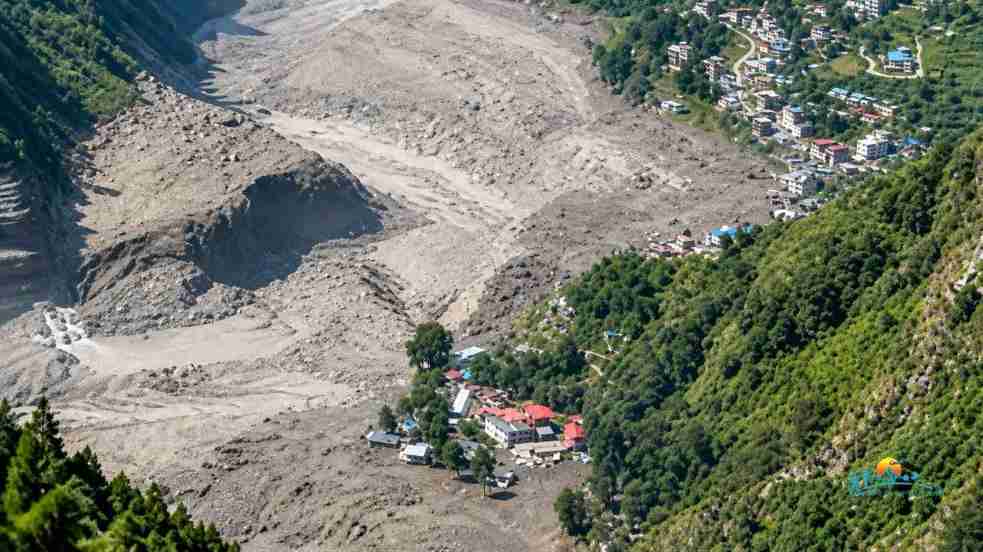
Langtang has one of the clearest examples of why trekkers need route-specific information after a flood.
The August 26 flood damaged roads, bridges and trails around Syabrubesi and cut the Langtang Valley off from Dhunche. The Kathmandu Post reported that people were using a walking route through Thulo Syafrubesi after the main connections were damaged.
This means you should not describe Langtang simply as “open” or “closed” without giving the date and access details.
The main issue has been access to the trekking area. Even when the mountain trail itself is usable, a damaged road or bridge can make a standard itinerary impossible.
For a Dashain trek, ask your trekking agency:
Do not rely on an old Langtang itinerary written before the August flood.
Gosaikunda needs a little more care because the condition of the lake and the condition of the road to the trailhead are two different questions.
The flood damaged transport infrastructure in the Rasuwa corridor. Local trekking reports have also described continued problems with access roads after the August flood.
That means trekkers should check the exact access plan before leaving Kathmandu Valley.
A short trek to Gosaikunda may use a different part of the route from the areas that took the hardest hit. Even so, the journey to the starting point can still be affected by damaged roads or bridges.
For October travel, get a fresh local update rather than assuming that a route described as accessible in August or September will have the same condition during Dashain.
The Tamang Heritage Trail was directly connected to the flood-affected Rasuwa area, so it needs special attention.
Recent local trekking reports say access remains disrupted and that the route passes through parts of the flood-hit corridor, including areas around Timure and Syabrubesi. One local operator reported in September that bookings for the route were still being paused while access was being restored.
Because this information comes from a trekking operator rather than a national government notice, treat it as a current local report that needs confirmation before publication or booking.
The route should not be sold as a normal Dashain trek unless the road, bridges and village access have been checked.
Helambu should be treated separately from the routes that depend directly on the Rasuwa corridor.
The route has different access points from Langtang and Gosaikunda, so the August 26 flood does not automatically give you the status of the entire Helambu area.
Still, mountain roads and trails can change after heavy rain. Ask your agency about the exact starting point, road condition and trail condition before departure.
Ruby Valley and other routes around central Nepal should not be marked affected simply because they are geographically closer to Rasuwa than Everest or Mustang.
Use a recent local source for each route.
This is especially important for remote treks because they may not have the same level of daily reporting as Everest, Annapurna or Langtang.
If there is no reliable current report, say so instead of guessing.
These are the routes most people will want to check before changing an autumn trekking plan.
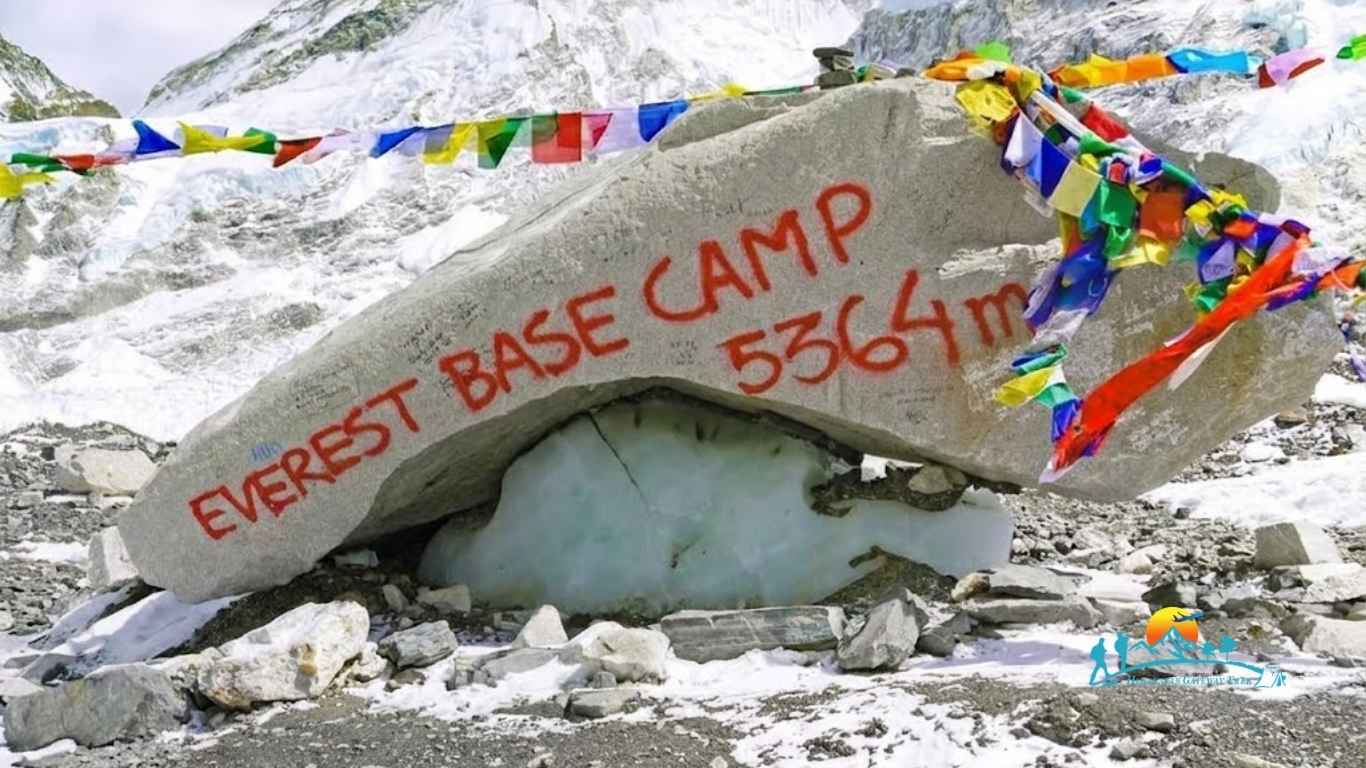
The August 26 flash flood was centered in the Rasuwa and Bhote Koshi-Trishuli corridor, not the Khumbu region where the Everest Base Camp trek takes place. Reports from Nepal trekking operators have found no direct route damage from that specific flood on the EBC trail.
That does not mean you should ignore current conditions.
The weather can temporarily make high-altitude trekking unsafe even when a route has not suffered flood damage. On September 23, the Nepal Meteorological Department advised trekkers in Himalayan regions to suspend trekking because of the risk of heavy rain and snowfall.
For an October EBC trek, check:
A flood update from Rasuwa cannot replace a current Everest-region weather update.
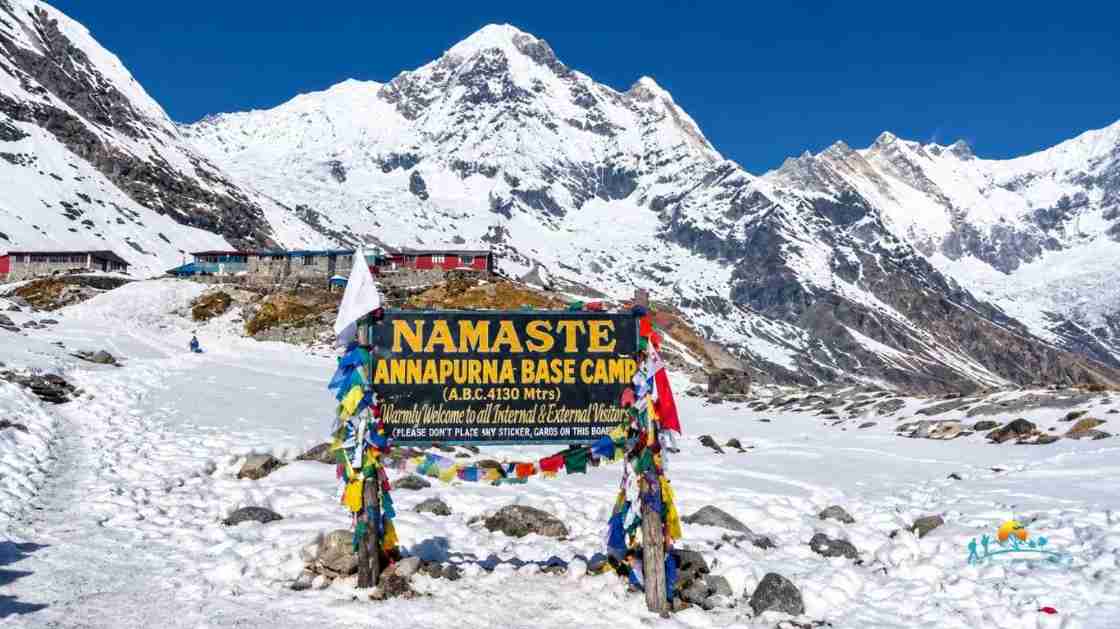
Annapurna Base Camp requires a separate flood check because it experienced damage earlier in the monsoon.
In July, flooding and landslides damaged the suspension bridge at Ghurjung, sections of the main ABC trail and parts of the Syauli Bazaar area. TAAN Gandaki also reported damage to two hotels in Ghandruk.
This event was separate from the August 26 Bhote Koshi disaster.
That distinction matters.
Annapurna should not be described as completely unaffected just because the August flood happened in Rasuwa.
Before an ABC trek, ask about:
The route may recover well before Dashain, but the latest local update should decide your plan.
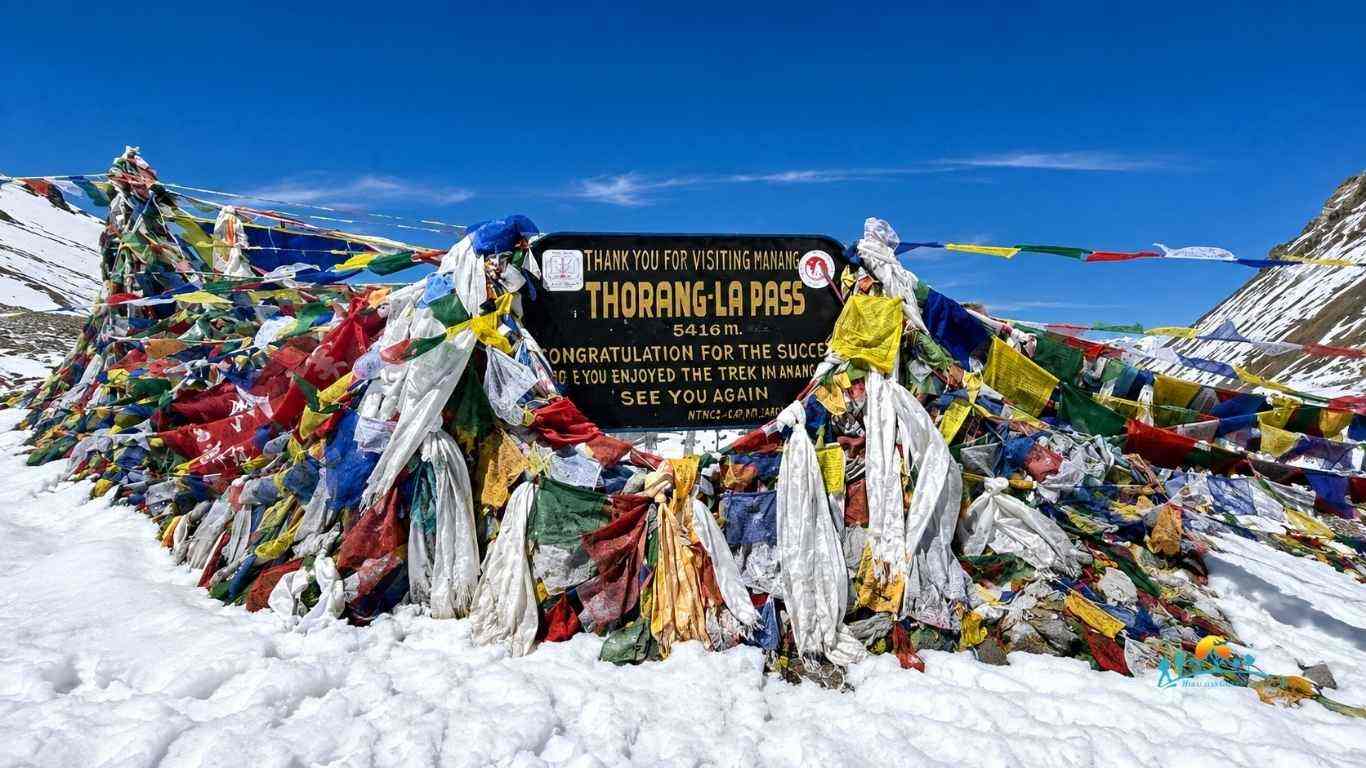
The Annapurna Circuit covers a much wider area than the ABC route, so its status should not be copied directly from an ABC update.
For the Circuit, check your exact starting point and road access.
One section can be operating normally while another road has a delay caused by rain or landslides.
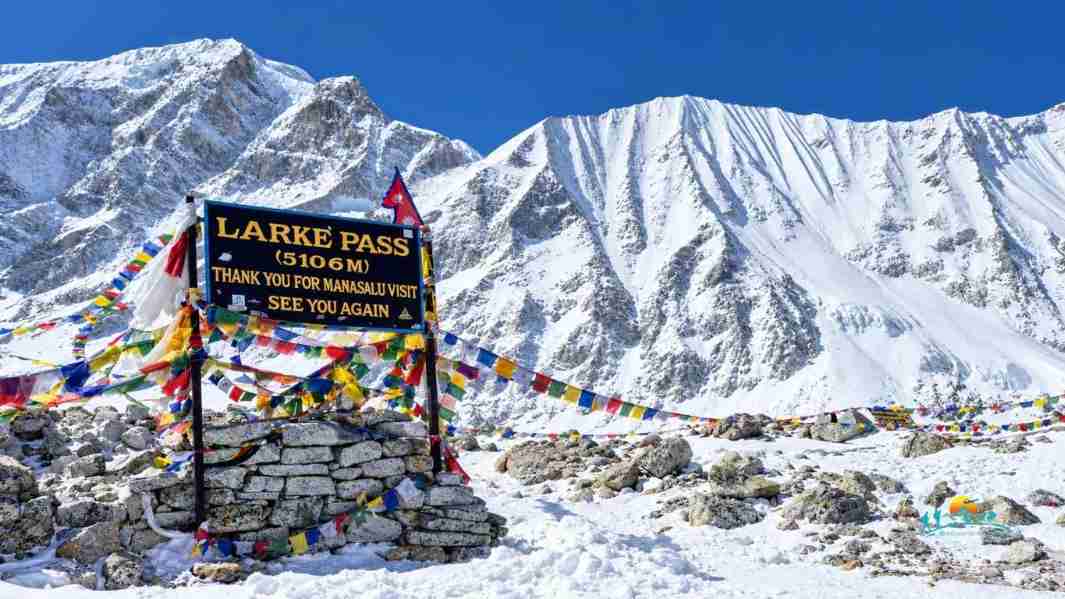
Manaslu circuit currently has one of the clearest official route updates.
On September 11, the damaged structures along the route connecting Chumnubri Rural Municipality-4 and Namrung had been restored to a condition suitable for trekking. The earlier restriction on the affected section was lifted. NTB also said Manaslu was accessible while asking travelers to stay updated on local conditions.
This is useful information for anyone planning a Dashain trek.
Still, the September 11 update does not guarantee the condition of the route several weeks later. The weather can change quickly, so the same route should be checked again before departure.
Upper Mustang lies far from the August 26 flood corridor, and Nepal Tourism Board continues to list Mustang as a major travel and trekking destination.
The August 26 flash flood was concentrated along the Bhotekoshi and Trishuli corridor, especially in Rasuwa and nearby areas. Routes in eastern and far-western Nepal sit outside that flood corridor, so they should be discussed separately.
A trekking trail can be usable while the road to its starting point still has problems.
This is one of the easiest details to miss when planning a Dashain trek.
For example, the Langtang problem after the August flood was not only about walking on a mountain trail. Roads and bridges connecting the area to Dhunche and Syabrubesi were also damaged.
The same issue can appear in other regions after heavy rain.
Before booking transport, check:
| What to check | Why it matters |
|---|---|
| Road | Your vehicle may not reach the original trailhead |
| Bridge | A short damaged section can stop an entire road journey |
| Landslide | A road may open and close again after rain |
| Flight | Mountain flights can change because of weather |
| Trailhead | The trek may start from a different place |
| Local notice | Conditions can change after national reports are published |
This is why asking your agency only “Is the trek open?” is not enough.
Dashain 2026 begins with Ghatasthapana on October 11, while Vijaya Dashami, the main Tika day, falls on October 21. The Government of Nepal’s public holiday listings also show Dashain holidays around October 20 and 21.
For trekkers, Dashain is not just a date on the calendar.
It affects travel because many Nepali people travel home to spend the festival with their families. Roads, buses and some services can become busier before the main festival days.
Book important transport in advance, especially when your trek depends on a road journey from Kathmandu or Pokhara.
Leave some extra time in your itinerary rather than scheduling a tight connection between a long road journey and a mountain flight.
Guides and porters also celebrate Dashain.
This does not mean trekking stops across Nepal. It does mean you should confirm your guide, porter team and accommodation before the festival period.
Your agency should tell you who is assigned to your trek and when the team will travel.
October is part of Nepal’s main autumn trekking period, but a good season does not remove all weather risks.
The September 23 weather warning is a useful reminder. Even during a popular trekking season, heavy rain or snowfall can temporarily change travel plans.
Do not create an itinerary where a one-day delay causes your entire trip to fail.
Check the latest information shortly before you leave rather than relying only on an article published weeks earlier.
Use the Department of Hydrology and Meteorology for current weather and warning information.
This matters more than a general statement that October is a good trekking month.
Ask for information on:
A good agency should be able to tell you what has changed recently.
A route that was open one week earlier can face a landslide, bridge problem or weather warning later.
Checking close to departure is especially important after a major flood.
Do not enter a restricted route because your original booking is already paid.
Ask your trekking agency about a practical alternative.
Depending on the official status, you may be able to:
Do not make a route change based only on a social media post or an old blog.
A good alternative should have current confirmation from the local authority, park office, trekking association or another reliable source.
Use this checklist before you leave Kathmandu.
Follow local instructions even when an older online article says that the trail is open.
The Department of Tourism also advises visitors to use registered travel and trekking agencies and to obtain current information before using tourism services.
A good Dashain trekking plan for 2026 starts with the exact route, not a general statement about Nepal. The August 26 flood badly affected parts of Rasuwa and disrupted access to trekking areas around the Bhote Koshi corridor. Langtang and Tamang Heritage need particular attention, while Manaslu received an official reopening update on September 11. Annapurna Base Camp also faced separate flood and landslide damage earlier in the monsoon, so its current trail and access conditions should be checked before travel.
Weather is a separate concern. A route that is open today can still face a temporary restriction after heavy rain or snowfall. Before your Dashain trek, check your trail condition, road access, weather forecast and the latest local update. These four checks will give you a clearer idea of your travel conditions than simply asking whether Nepal is “open” or “closed.”
In 2026, the Dashain festival in Nepal runs from Sunday, October 11, starting with Ghatasthapana, until Sunday, October 25, ending on Kojagrat Purnima. The main day for Tika, Vijaya Dashami, is on Wednesday, October 21.
Yes, trekking in Nepal is generally safe as most major popular regions, including Annapurna and Everest, remain fully functional. Local authorities and agencies continuously assess trail conditions, so following updated official safety guidelines ensures a secure adventure.
Major trekking routes like Everest Base Camp, Annapurna Circuit, Annapurna Base Camp, and Mustang are completely open and operational. These regions experienced minimal impact from the recent flooding and are receiving trekkers normally for the autumn season.
The Rasuwa district and parts of the Langtang region faced significant damage due to flash floods, impacting specific access roads and trails. Some lower elevation segments near river crossings required repairs or alternate detour routes for safety.
Langtang trails are gradually reopening as repair efforts progress. While key sections are accessible, local updates from agency guides are essential because road transport from Kathmandu to Syabrubesi may experience temporary delays or require brief rerouting around damaged sections.
Domestic flights to Lukla and Pokhara operate on normal schedules. However, overland highway transit along major trunk roads like Prithvi Highway and Pasang Lhamu Highway may encounter periodic landslide delays, requiring flexibility and extra buffer time in itineraries.
Dashain falls in October, which is Nepal’s peak autumn trekking season. You can comfortably trek major routes like Everest Base Camp, Annapurna Circuit, Mardi Himal, and Manaslu. The weather is mostly clear, offering spectacular, unobstructed panoramic mountain views.
Since Dashain is a major national holiday, domestic flights and buses become heavily booked as locals travel home. It is highly crucial to secure domestic flights, like Kathmandu to Lukla, and bus tickets well in advance to avoid disruptions.
Yes, teahouses along popular routes like Everest and Annapurna remain fully open. While some local guides and porters may return home for celebrations, professional trekking agencies always ensure reliable staff availability if you book your trip beforehand.
Absolutely, many teahouse owners celebrate Dashain directly in the mountains. Trekkers are often warmly welcomed to join local families to receive Tika and Jamara, share festive meals, and experience the joyous cultural traditions firsthand during their journey.