
Mount Kailash: Why No One Has Ever Climbed This Sacred Peak?
Mount Kailash is a 6,638-meter mountain in western Tibet that holds deep religious importance for Hindus, Buddhists, Jains, and followers…
 Himalayan Gateway Trek - On
 Nepal offers many famous trekking routes, but two trails continue to attract trekkers from around the world: the Langtang Valley Trek and the Annapurna Base Camp Trek. Both journeys take you deep into the Himalayas, yet the overall experience feels very different once you begin walking.
The Langtang Valley Trek gives trekkers a quieter and more cultural mountain journey close to Kathmandu. The Annapurna Base Camp Trek delivers dramatic mountain scenery, larger trekking villages, and the feeling of entering the heart of the Annapurna Sanctuary. Choosing between them depends on your fitness level, travel style, budget, trekking experience, and the type of mountain atmosphere you want during your trip.
Some trekkers want peaceful valleys and fewer crowds. Others prefer iconic Himalayan views and better tea house facilities. This detailed comparison will help you decide which trek matches your expectations better.
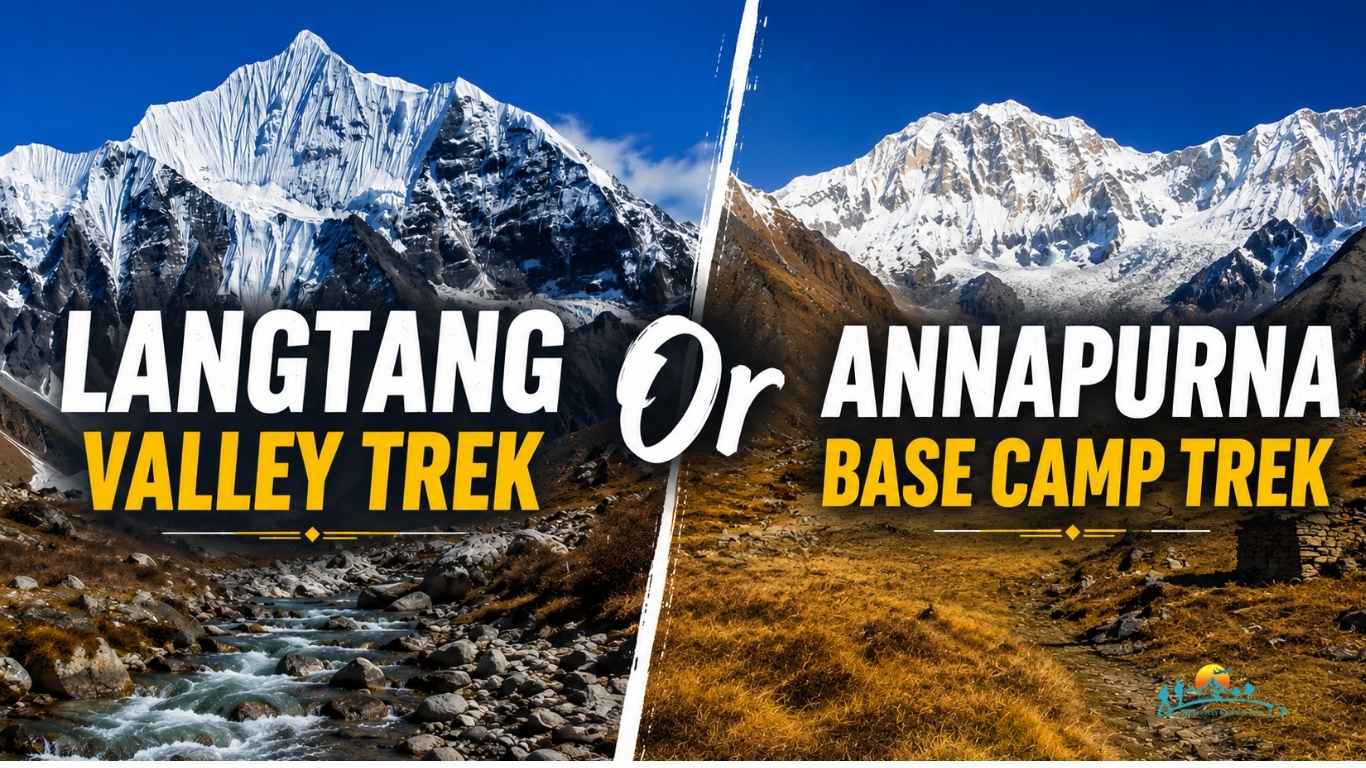
The biggest difference between the Langtang Valley Trek vs Annapurna Base Camp Trek is the type of trekking experience each route offers. Langtang focuses more on culture, quiet trails, and glacier valleys, while Annapurna Base Camp focuses more on grand mountain scenery and varied trekking terrain.
Langtang feels remote despite being closer to Kathmandu Valley. The trail passes through Tamang settlements, Buddhist monasteries, yak pastures, and narrow alpine valleys surrounded by snow-covered peaks. The atmosphere stays calm throughout most of the trek.
Annapurna Base Camp Trek feels busier and more social. The route moves through forests, terraced hillsides, suspension bridges, waterfalls, and larger tea house villages before reaching the Annapurna Sanctuary. Trekkers experience changing scenery almost every day.
Trekkers looking for fewer crowds usually prefer Langtang. Those wanting the classic Nepal trekking atmosphere often choose Annapurna Base Camp.
The Langtang Valley Trek follows one of the most scenic short trekking routes in Nepal and offers a balanced mix of mountain scenery, local culture, forests, and alpine landscapes. The trail gradually moves from lower river valleys to high Himalayan terrain, allowing trekkers to experience changing scenery throughout the journey. Compared to busier trekking regions, the Langtang route feels quieter and more peaceful, especially after leaving the lower villages behind.
Another reason many trekkers choose this route is its accessibility from Kathmandu. The trek does not require domestic flights, which helps reduce travel costs and saves time. The combination of glacier valleys, Buddhist culture, and close mountain views makes the route rewarding despite its shorter duration.
The trekking route usually follows this path:
The trail climbs gradually through bamboo forests, riverside paths, and mountain villages. Trekkers cross suspension bridges, walk beside rivers, and gain views of Langtang Lirung as the valley opens higher up.
Kyanjin Gompa becomes the highlight of the trek. The village sits beneath snowy Himalayan peaks and offers access to viewpoints like Tserko Ri and Kyanjin Ri.
The route remains shorter compared to many popular Nepal treks, which makes it attractive for trekkers with limited time.
The Annapurna Base Camp Trek follows one of the most famous trekking routes in Nepal and takes trekkers deep into the heart of the Annapurna Sanctuary. The trail combines mountain villages, forest paths, waterfalls, terraced hillsides, and snowy Himalayan surroundings within a relatively short trekking period. Many trekkers choose this route because it delivers dramatic mountain scenery without requiring extremely long trekking days.
The journey also offers a balanced mix of nature and local culture. Trekkers pass through Gurung settlements, traditional tea houses, and dense rhododendron forests before reaching the high alpine zone near the base camp. The gradual change in scenery makes the trek visually rewarding from the first day until the final ascent to Annapurna Base Camp.
A common trekking route includes:
The route passes through rhododendron forests, stone staircases, river valleys, and mountain villages. Trekkers gradually enter the Annapurna Sanctuary surrounded by towering Himalayan peaks.
The final approach to Annapurna Base Camp creates one of the most dramatic trekking endings in Nepal. Massive mountains rise from every direction, including Annapurna I, Annapurna South, Hiunchuli, and Machapuchare.
The scenery changes constantly during the trek, which keeps the journey visually exciting from beginning to end.
The Langtang Valley Trek usually takes fewer days and involves shorter overall trekking distance compared to Annapurna Base Camp Trek.
| Trek Feature | Langtang Valley Trek | Annapurna Base Camp Trek |
|---|---|---|
| Average Duration | 7 to 10 days | 7 to 12 days |
| Average Walking Hours | 5 to 7 hours | 5 to 7 hours |
| Total Distance | Around 65 to 80 km | Around 70 to 115 km |
| Rest Days Needed | Usually 1 | Sometimes 1 |
| Short Itinerary Available | Yes | Yes |
Langtang works well for trekkers who want a shorter Himalayan experience without internal flights. Annapurna Base Camp allows more itinerary flexibility because multiple access routes connect with the main trail.
Daily walking hours remain similar on both treks, though Annapurna includes longer sections of steep stone staircases near Chhomrong and Ulleri.
Both treks fall under moderate difficulty, but the physical challenges differ in important ways.
Langtang Valley Trek becomes difficult mainly because of altitude gain. Trekkers climb quickly after Lama Hotel, and the thinner air becomes noticeable near Kyanjin Gompa and Tserko Ri.
The trail itself stays relatively straightforward. Most sections follow wide trekking paths with gradual elevation gain. There are fewer steep staircases compared to Annapurna Base Camp.
Trekkers with average fitness can complete the route comfortably with proper pacing and rest.
Main challenges include:
Annapurna Base Camp Trek becomes difficult because of repeated uphill and downhill walking. Thousands of stone steps around Chhomrong can tire even experienced trekkers.
The altitude remains lower than Langtang, which reduces the risk of severe altitude sickness. Many trekkers find the route physically tiring because of the constant elevation changes rather than the altitude itself.
Main challenges include:
Annapurna Base Camp Trek often feels easier for first-time trekkers because the altitude gain happens more gradually. Tea houses also provide better comfort and food options.
Langtang Valley Trek suits beginners who want quieter trails and can handle faster altitude gain. Trekkers who prepare properly and walk slowly usually complete both treks successfully.
Altitude becomes one of the biggest deciding factors while choosing between the Langtang Valley Trek and Annapurna Base Camp Trek. Both treks take travelers above 3,000 meters, where thinner air can affect energy levels, breathing, and overall trekking pace. Proper acclimatization helps trekkers stay comfortable and reduces the chances of altitude sickness during the journey.
The way each trek gains elevation also feels different. Langtang climbs faster within a shorter distance, while Annapurna Base Camp follows a more gradual ascent through multiple villages and forest sections. Understanding these altitude differences helps trekkers choose the route that better matches their fitness level and mountain experience.
| Altitude Factor | Langtang Valley Trek | Annapurna Base Camp Trek |
|---|---|---|
| Highest Sleeping Point | Kyanjin Gompa 3,870m | ABC 4,130m |
| Highest Viewpoint | Tserko Ri 4,984m | ABC 4,130m |
| Altitude Gain Speed | Faster | More gradual |
| AMS Risk | Moderate | Moderate |
| Acclimatization Needed | Important | Helpful |
Langtang Valley Trek gains elevation quickly after Lama Hotel. Trekkers who ascend too fast may experience headaches, dizziness, or fatigue.
Annapurna Base Camp Trek reaches a lower maximum elevation than Tserko Ri, but trekkers still need to stay careful. Symptoms of altitude sickness can appear above 3,000 meters on either trek.
The scenery differs greatly between these two famous Nepal treks.
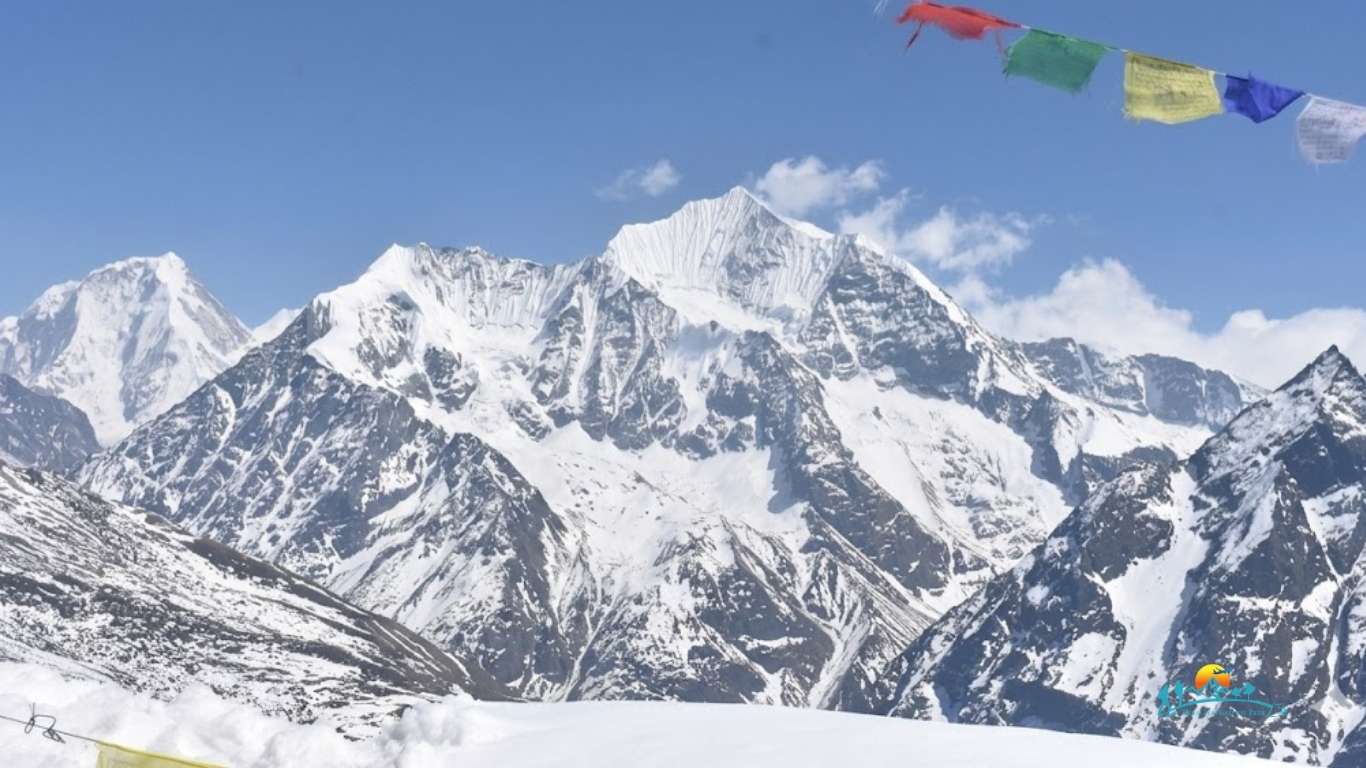
Langtang Valley Trek offers glacier views, alpine meadows, dramatic valleys, and Tibetan-style mountain villages. The scenery feels raw and peaceful.
Trekkers walk beside rivers flowing through narrow valleys before reaching wide open alpine terrain near Kyanjin Gompa. Snow peaks rise close to the trail, especially Langtang Lirung.
Highlights include:
The route feels less commercial, which gives trekkers a stronger mountain wilderness atmosphere.
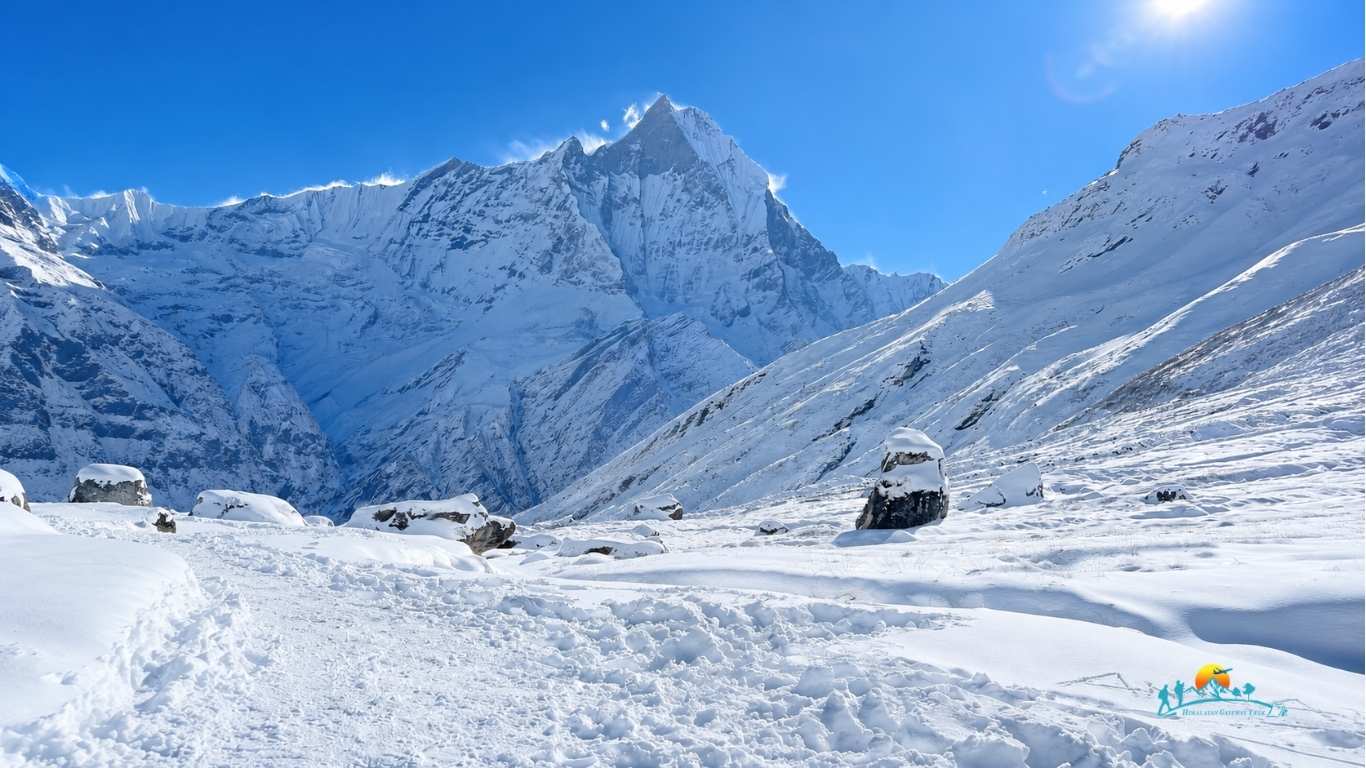
Annapurna Base Camp Trek offers greater scenery variation throughout the journey. The trail moves through forests, waterfalls, villages, bamboo areas, and snowy mountain amphitheaters.
The Annapurna Sanctuary creates the biggest visual highlight. Huge Himalayan peaks surround the base camp from every side.
Highlights include:
Trekkers who want dramatic mountain panoramas often choose Annapurna Base Camp Trek.
Culture strongly shapes the trekking experience on both routes.
Langtang Valley has deep Tibetan Buddhist influence. The villages preserve traditional customs, prayer walls, monasteries, yak farming culture, and mountain lifestyles.
Trekkers pass through villages where local people still wear traditional clothing and practice Buddhist rituals daily. Prayer wheels and mani walls appear regularly along the trail.
Kyanjin Gompa holds cultural and spiritual importance for the region.
The 2015 earthquake badly affected Langtang villages, but local communities rebuilt the region with determination. Many trekkers feel emotionally connected to the valley because of this history.
The Annapurna region mainly features Gurung and Magar communities. Villages such as Ghandruk display traditional stone houses, terraced farming fields, and mountain hospitality.
Compared to Langtang, Annapurna feels more developed because tourism has existed there for decades. Tea houses are larger and villages receive higher trekking traffic.
Cultural highlights include:
Langtang Valley Trek usually feels more culturally immersive because tourism remains smaller in scale. The villages feel quieter and less commercial.
Annapurna Base Camp Trek still offers rich cultural experiences, but the heavier trekking traffic changes the atmosphere in some villages.
Tea house quality can affect overall trekking comfort.
Langtang tea houses remain simple but comfortable. Rooms usually include twin beds, blankets, and shared toilets.
Facilities improve every year, though options remain basic in higher villages.
Common meals include:
Internet and charging services may cost extra.
Annapurna Base Camp Trek has stronger trekking infrastructure. Tea houses offer wider food menus, better dining halls, and more comfortable rooms.
Many tea houses provide:
Peak trekking seasons can still become crowded, especially near Chhomrong and ABC.
Annapurna Base Camp Trek clearly provides better tea house comfort and food variety. Langtang offers a more traditional mountain trekking atmosphere with simpler facilities.

Budget plays an important role for many trekkers planning a Himalayan adventure in Nepal. The overall trekking cost depends on transportation, permits, accommodation, food, guide services, and the trekking season. Both routes remain affordable compared to many international mountain destinations, but the final expenses can still vary between the two treks.
Langtang Valley Trek generally suits trekkers looking for a lower-cost trekking experience without domestic flights or expensive transportation. Annapurna Base Camp Trek may cost slightly more because of travel through Pokhara Valley and the larger number of trekkers using the route during peak seasons.
| Expense Category | Langtang Valley Trek | Annapurna Base Camp Trek |
|---|---|---|
| Permits | Lower | Slightly higher |
| Transportation | Kathmandu jeep or bus | Pokhara transport plus local jeep |
| Accommodation | Budget friendly | Moderate |
| Food Cost | Moderate | Slightly higher |
| Guide and Porter | Similar | Similar |
| Average Total Budget | Lower overall | Higher overall |
Transportation plays a major role while planning a Nepal trek.
Trekkers travel directly from Kathmandu to Syabrubesi by bus or jeep. The road journey can feel rough in certain sections, especially during monsoon season.
The advantage is simplicity. No domestic flight or additional city transfer is necessary.
Trekkers first travel from Kathmandu to Pokhara by flight or tourist bus. Another road journey connects Pokhara with the trekking starting point.
Travel arrangements become slightly longer but road conditions generally remain better than the Langtang highway.
Langtang requires fewer travel stages from Kathmandu, but road conditions can become difficult. Annapurna Base Camp needs more transport changes, though the journey often feels smoother overall.
Spring and autumn remain the best seasons for both treks.
Spring offers stable weather, blooming rhododendron forests, and clear mountain views.
March to May works especially well for:
Autumn brings the clearest mountain visibility after the monsoon rains.
September to November provides:
Winter trekking remains possible on both routes, but temperatures drop sharply at higher elevations.
Langtang becomes colder because of higher exposed areas near Kyanjin Gompa and Tserko Ri.
Heavy rain affects transportation, trail conditions, and visibility during monsoon months.
Leeches, slippery trails, and landslides become common in lower sections.
Annapurna Base Camp Trek usually experiences slightly milder weather because of lower elevation. Langtang can feel colder and windier near the upper valley.
Both treks pass through protected Himalayan regions rich in biodiversity.
Langtang National Park protects:
Dense forests below Lama Hotel contain rich birdlife and bamboo vegetation.
The Annapurna Conservation Area contains:
Safety conditions continue changing in Nepal trekking regions.
Independent trekking rules in Nepal may change depending on government decisions and local enforcement. Many trekkers still choose guides for safety, navigation, and cultural support.
ABC Trek remains one of Nepal’s most popular guided trekking routes. Hiring a guide helps with route planning, accommodation management, and emergency support.
Annapurna Base Camp Trek generally feels safer for beginners because:
Langtang still remains safe for prepared trekkers with proper planning.
Choose Langtang Valley Trek if:
Choose Annapurna Base Camp Trek if:
Both treks provide unforgettable Himalayan experiences. Your personal travel style matters more than choosing the “better” trek.
The Langtang Valley Trek and Annapurna Base Camp Trek both represent the beauty of Nepal in different ways. Annapurna Base Camp offers dramatic mountain scenery, famous trekking routes, and stronger trekking infrastructure. Langtang Valley delivers peaceful trails, strong cultural identity, and a quieter Himalayan atmosphere.
Trekkers searching for iconic Himalayan panoramas usually leave Annapurna Base Camp deeply satisfied. Trekkers wanting calm valleys, Buddhist culture, and fewer crowds often connect more strongly with Langtang.
Neither trek disappoints when expectations match the trekking style. The right choice depends on the type of mountain journey you want to remember after returning home.
Both are spectacular. Choose Annapurna Base Camp for dramatic 360-degree mountain amphitheaters and higher altitude achievement. Opt for Langtang Valley if you prefer peaceful trails, rich Tamang culture, and a shorter journey closer to Kathmandu.
The Langtang Valley trek is considered moderately difficult. It involves consistent uphill climbing but features well-maintained paths and manageable altitudes. It is suitable for beginners with basic fitness, though the final push to Kyanjin Ri requires significant stamina.
The Dhaulagiri Circuit is widely considered the toughest trek due to its sustained high altitude, technical terrain, and unpredictable weather. Other contenders include the Great Himalayan Trail and the Upper Dolpo trek, which require extreme physical and mental endurance.
The Annapurna Base Camp trek reaches 4,130 meters at the base camp itself. In contrast, the Langtang Valley trek reaches 3,870 meters at Kyanjin Gompa, though optional climbs to Tserko Ri can exceed 4,900 meters for superior views.
The ABC trek usually requires 10 to 12 days to complete from Pokhara. The Langtang Valley trek is shorter, typically taking 7 to 9 days starting from Kathmandu, making it an excellent choice for trekkers with limited time.
Langtang Valley offers a deep immersion into Tamang and Tibetan-Buddhist cultures through ancient monasteries and local villages. ABC showcases the Gurung and Magar heritage, particularly in Ghandruk, but is often more focused on the dramatic alpine landscapes and peaks.
Yes, both require permits. ABC requires the ACAP permit and a TIMS card. Langtang requires the Langtang National Park entry permit and a TIMS card. Always carry these documents, as checkpoints are strictly enforced throughout both trekking routes in Nepal.
Currently, Nepal’s regulations generally require foreign trekkers to have a licensed guide in most national parks, including Annapurna and Langtang. Hiring a guide enhances safety, provides cultural insights, and supports the local economy while navigating the mountainous terrain and weather.
The prime seasons are spring (March to May) and autumn (September to November). Spring offers blooming rhododendrons and warmer temperatures, while autumn provides the clearest skies and most stable weather for unobstructed views of the massive Himalayan peaks in both regions.
Langtang Valley is generally more budget-friendly due to its proximity to Kathmandu, reducing transportation costs. ABC involves travel to Pokhara and can be slightly pricier regarding lodge rates and food, though both remain relatively affordable compared to the Everest region treks.
ABC provides an intimate, 360-degree view of giant peaks like Annapurna I and Machhapuchhre. Langtang offers a broader valley perspective with stunning views of Langtang Lirung and Ganesh Himal, especially from higher vantage points like Kyanjin Ri or Tserko Ri.
Both routes feature “teahouse” trekking with basic but comfortable lodges. You will find twin-sharing rooms, common dining areas, and a variety of local and international meals. ABC generally has more developed infrastructure, while Langtang offers a more rustic and traditional experience.