Best Time to Visit Nepal: Weather, Seasons, and Month-by-Month Guide
October to November and March to April are the best time to visit Nepal for clear mountain views and trekking,…
 Himalayan Gateway Trek - On
 The best time for the Langtang Valley Trek is during spring (March to May) and autumn (September to November) because these months offer clear skies, stable weather, and comfortable temperatures for trekking. These seasons give you the highest chance of seeing mountain views, enjoying safe trails, and completing the trek without weather-related stress.
Langtang Valley is one of the closest Himalayan trekking regions from Kathmandu, yet it feels far away from city life. The weather plays a major role in shaping your experience in Langtang. Choosing the right time is not only about comfort but also about safety, visibility, and overall enjoyment.
This guide is used to describe each season, each month, and how the conditions vary at various altitudes so that you can choose the time that suits your purpose.
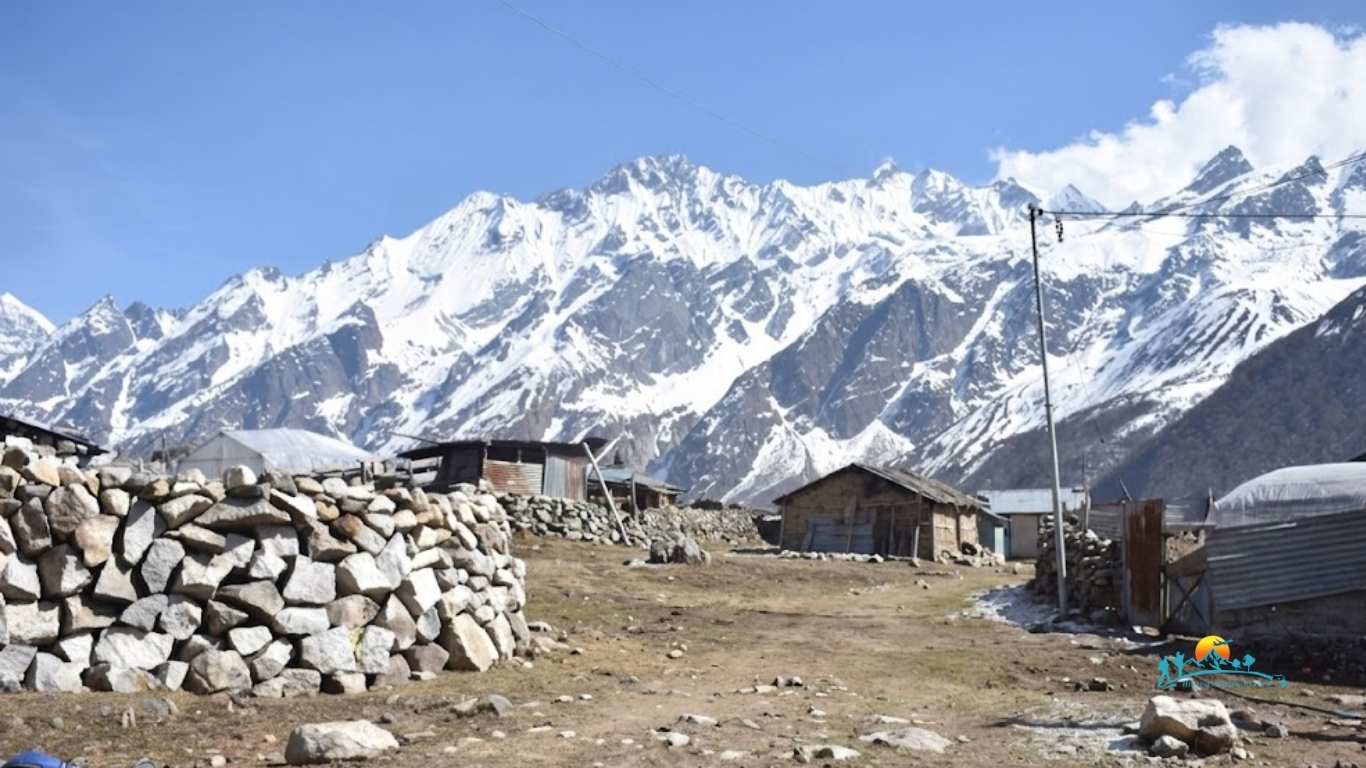
The best time for Langtang Valley Trek falls between March to May and September to November due to stable weather and clear mountain views.
| Season | Months | Weather | Difficulty | Best For |
|---|---|---|---|---|
| Spring | March to May | Mild, blooming forests | Moderate | Nature lovers, beginners |
| Autumn | September to November | Clear skies, stable | Easy to Moderate | Best overall experience |
| Winter | December to February | Cold, snowy | Moderate to Hard | Experienced trekkers |
| Monsoon | June to August | Rainy, humid | Difficult | Off-season travelers |
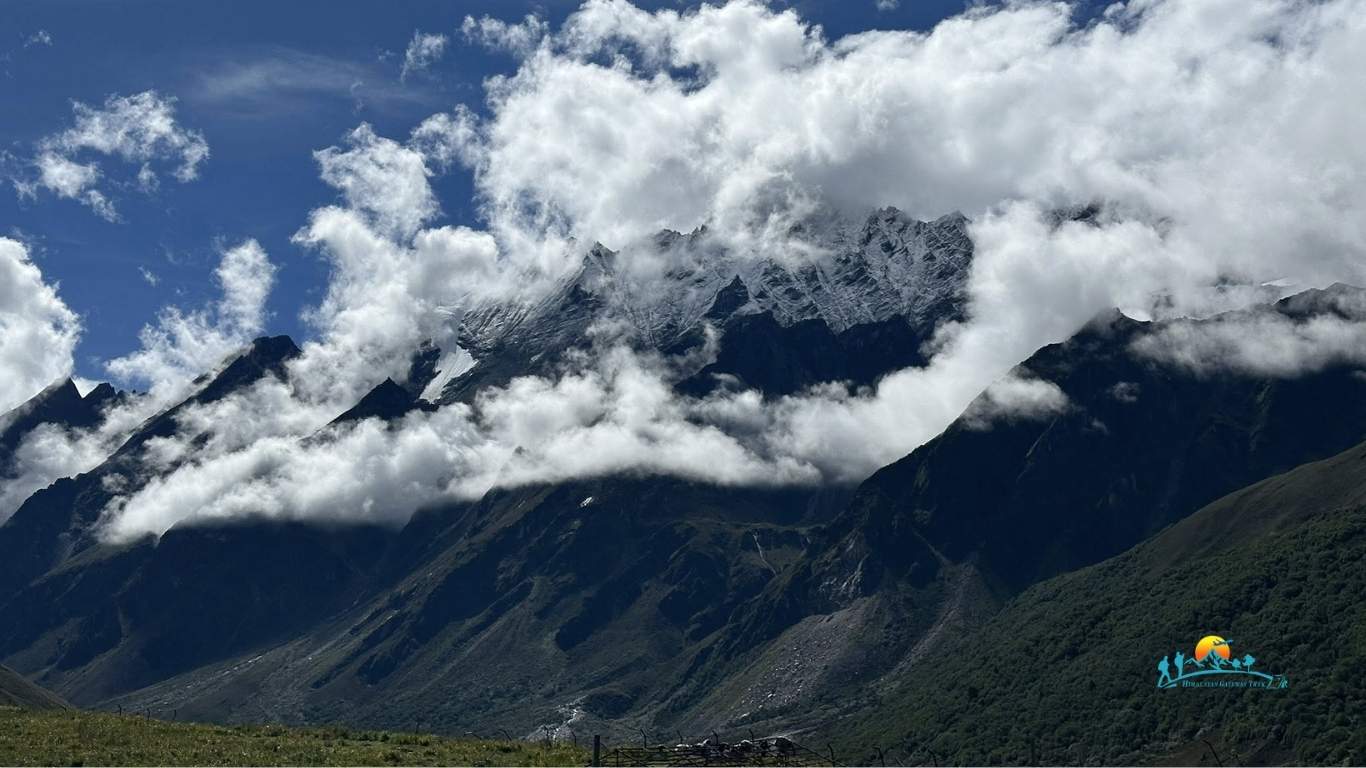
Each season changes the trail, weather, and overall trekking experience. Understanding these differences helps you plan better, and it is closer to Kathmandu Valley.
The spring has balanced weather, beautiful forests and easy trekking conditions and thus it is one of the most popular seasons.
During this time, the Langtang region comes alive with blooming rhododendrons flowers and fresh greenery. The temperature stays moderate during the day and slightly cold at night, especially at higher elevations.
Visibility improves as the season progresses, especially in April and May. Trails remain dry, and lodges stay open.
The season of Autumn has the best skies and the most predictable weather, and therefore it is the best season of the year to choose by the majority of the trekkers.
After the monsoon rains, dust and pollution settle, leaving the mountains sharp and visible. The paths are hard and dry and the air is fresh.
October is the most favorable month because of the ideal weather. With clearer skies, November is colder in the mornings.
Winter brings cold temperatures and snow, which changes the trekking experience significantly.
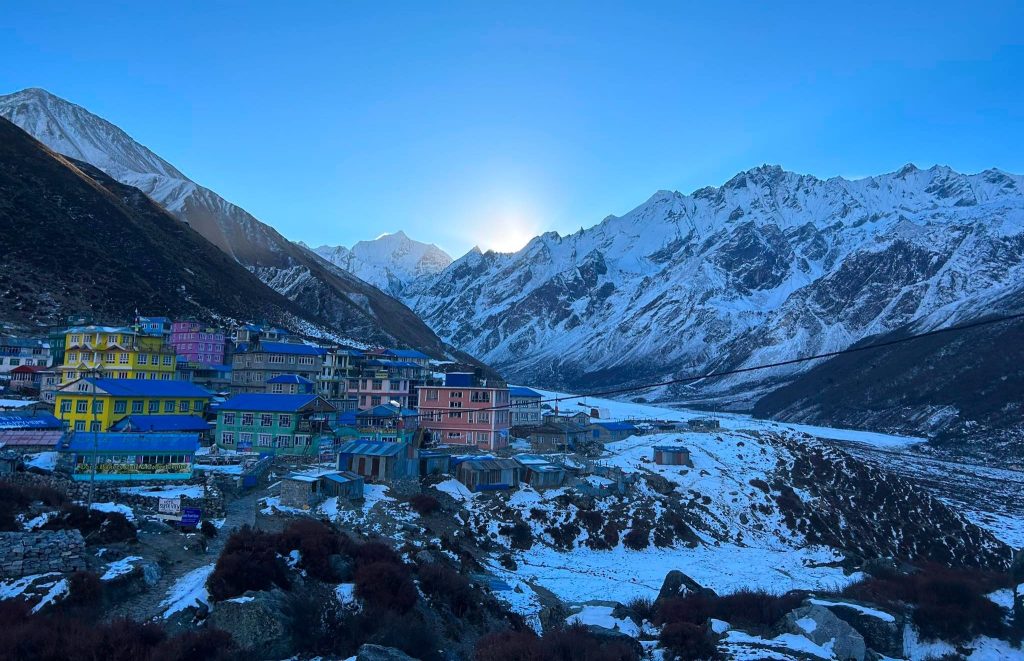
Snowfall can block higher trails, especially near Kyanjin Gompa and Tserko Ri. Many tea houses close due to fewer visitors.
Despite the cold, winter offers peaceful trails and stunning snow-covered landscapes.
Monsoon season brings heavy rainfall, making trekking more challenging and less enjoyable.
The trails become muddy and slippery, and landslides can occur in certain areas. Leeches are common in forest sections.
Clouds often block mountain views, which reduces the main attraction of the trek.
Each month offers a different experience, so choosing the months wisely helps match your expectations.

Temperature varies with altitude, and understanding this helps you prepare better.
Lower elevations experience milder weather due to their lower altitude and dense forest cover. This section of the trek feels more comfortable and is suitable for warming up before gaining height.
Warmer and more humid compared to higher areas.
Mid elevations bring noticeable temperature drops as you gain altitude, especially during early mornings and evenings. This zone marks the transition where trekkers start feeling the true mountain climate.
Moderate conditions with cooler evenings.
High elevations experience the coldest conditions due to thinner air and exposure to wind. Weather here can change quickly, especially during early morning and night hours.
Cold temperatures, especially during winter.
The best months are April and October as they have the mildest climate, clear skies, and trails are safe.
April offers flowers and pleasant weather, whereas October offers mountainous scenery and reliable weather. In case you want to have fewer people, then consider late November or early March.
Both months also provide good trail conditions with the lowest chances of weather inconvenience, hence easy planning by all levels of trekkers. April is better suited to those who are fond of nature and colorful scenery, and October is the month when people would like to see the mountains in the best way possible and experience trekking more predictably.

Different trekkers have different goals, so the ideal time can vary.
Spring and autumn offer safe and predictable conditions, making them ideal for first-time trekkers.
March and November provide fewer crowds with safe trail conditions.
October offers the clearest mountain views, while April provides colorful landscapes.
Winter and monsoon seasons offer lower prices and fewer tourists.
Winter trekking provides snow-covered trails and a more challenging experience.
July and August are not ideal months for trekking because of heavy rainfall, slippery trails, and limited visibility. Roads are often clotted with landslides, and leeches are common in forest areas. And they have to be extra cautious and prepared while trekking during this time.
The trails turn muddy and unstable with continuous rain, creating the risk of slips and injuries. For most of the day, views of those mountains are hidden by cloud cover, which detracts from the trek overall. Getting to the starting point can be delayed by bad road conditions as well, so planning is less reliable during these months.
Packing properly could make you safer and more comfortable. The weather in Langtang varies by both season and altitude, so bringing along the proper gear can make or break your trekking experience.
These seasons bring moderate temperatures, so you require clothing that can pivot from warm days to chilled mornings. You can adjust easily during the trek by layering.
Winter temperatures can get very cold, particularly at higher elevations, so to stay warm and safe, ensure proper insulation. Night temperatures can be well below freezing.
Monsoon season features frequent rain and high humidity, so waterproof and quick-drying items are essential for comfort and protection.
Weather can change quickly in the mountains, which affects trekking conditions.
Staying prepared helps you handle these situations safely.
Spring and autumn remain the best choices for Langtang Valley Trek due to stable weather, clear views, and safe trails. April and October stand out as the top months for most trekkers.
If you want fewer crowds, consider early spring or late autumn. If you enjoy snow and solitude, winter can offer a different experience. Choosing the right time improves not only your comfort but also the quality of your entire trek.
The absolute best time for the Langtang Valley Trek is during the spring (March to May) and autumn (September to November). These peak seasons provide the most stable weather, crystal-clear mountain views, and comfortable temperatures for high-altitude hiking.
Spring is a fantastic time for trekking in Langtang. From March to May, the trails are adorned with blooming rhododendrons and lush vegetation. Expect moderate daytime temperatures and clear morning skies, offering breathtaking views of the surrounding peaks.
Autumn, specifically October and November, is the “golden season” because the post-monsoon air is incredibly fresh. This period offers the sharpest visibility, deep blue skies, and very stable weather, making it the most popular time for trekkers.
Yes, you can trek in winter (December to February), but be prepared for freezing temperatures and potential snow. While it is much colder at night, the daytime skies are often clear, and the trails are blissfully quiet and peaceful.
Trekking during the monsoon (June to August) is challenging due to heavy rainfall, muddy trails, and leeches. However, the valley becomes exceptionally green and vibrant. It is a viable option for those who enjoy solitude and lush, misty landscapes.
To see Langtang’s famous rhododendron forests in full bloom, plan your trek for late March or April. The trails between Lama Hotel and Langtang Village become a colorful paradise of red, pink, and white blossoms during this time.
October and November generally offer the best visibility of Langtang Lirung. The atmosphere is free of dust and humidity after the monsoon rains, providing unobstructed, razor-sharp views of the 7,227-meter peak and the entire Himalayan range.
April and October are the busiest months for the Langtang Valley Trek. During these peak periods, teahouses fill up quickly as travelers arrive to enjoy the near-perfect weather. Booking your accommodation and guide in advance is highly recommended.
Late February marks the beginning of the pre-monsoon season. While it remains quite cold at higher elevations, the winter snow starts to melt, and the trails are less crowded, making it a great choice for experienced hikers seeking solitude.
May is the tail end of the spring season and offers warm temperatures and long daylight hours. While afternoon clouds may occasionally obscure the peaks, the vibrant flora and pleasant hiking conditions make it a beautiful trekking month.
Trekking in winter or monsoon requires extra preparation and caution. While the trails are quieter, risks include deep snow in winter and slippery paths in summer. Hiring an experienced local guide is strongly recommended for safety during these seasons.
Early September can still see lingering monsoon showers. For the best experience, it is better to start your trek in mid-to-late September when the weather stabilizes, the clouds clear away, and the official autumn trekking season begins.