Dashain Festival of Nepal: Dates, 15 Days, Traditions and History
The Dashain Festival of Nepal is the country's biggest annual festival for many Nepali families, bringing together religious worship, family…
 Himalayan Gateway Trek - On
 Choosing the best time to visit Everest is one of the most important decisions when planning a trip to the Everest region. The season you choose affects weather, safety, mountain views, crowd levels, and overall comfort. Visiting during the right time gives you clear skies and safe trails. Visiting at the wrong time can bring cold temperatures, poor visibility, or travel delays.
People visit Everest for trekking, sightseeing, and photography, as well as to reach the Everest Base Camp. This guide explains the best time to visit Everest in simple language, covering seasons, months, travel styles, and regional differences so you can plan with confidence.

For most travelers, the best times to visit Everest Region are during spring, from March to May, and autumn, from September to November.
These seasons offer stable weather, clear mountain views, and safer trekking conditions. Spring is known for blooming forests and Everest climbing activity. Autumn is known for dry air, sharp visibility, and cultural festivals. Both seasons are suitable for first-time trekkers and experienced hikers.
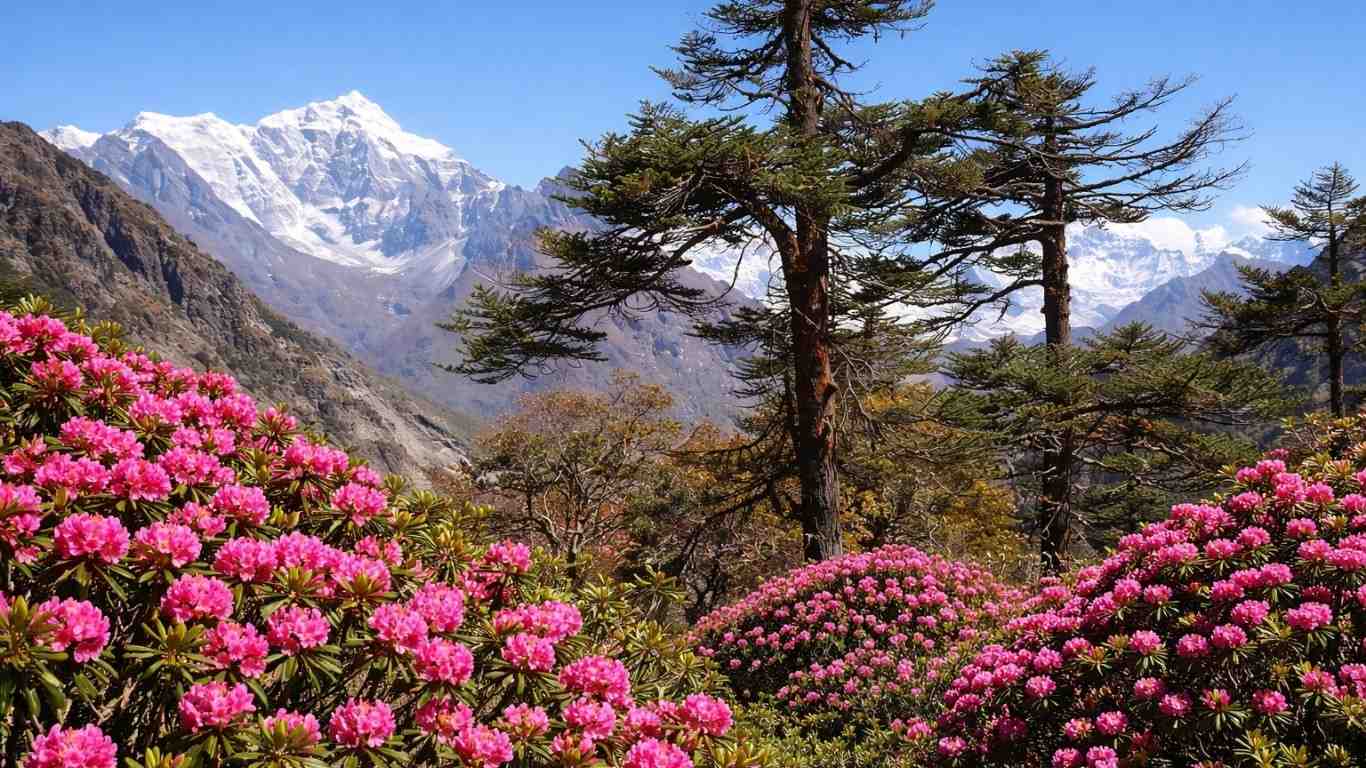
Spring, from March to May, is one of the best times to visit Everest. Days are warmer, and nights are still cold. At lower elevations, daytime temperatures range from 10°C to 15°C (50°F to 59°F), while nights drop to -2°C to 5°C (28°F to 41°F). At Everest Base Camp, daytime temperatures range between -5°C and 5°C (23°F to 41°F), and nights can reach -15°C (5°F). Visibility is usually good, and rhododendrons bloom at lower altitudes, making spring ideal for trekking and sightseeing.
Visibility is generally good, especially in April. Hillsides along the trail are covered with blooming rhododendrons, making spring one of the most colorful times to trek. This is also the main Everest climbing season, so trekkers can see active base camp areas and expedition teams.
Because spring is popular, trails and teahouses can feel busy, especially in April. Booking accommodation early is important. Spring is well-suited for trekkers who want lively trails, good weather, and the full Everest Base Camp experience.
Advantages:
Disadvantages:

Autumn is often considered the most reliable season to visit Everest. After the monsoon ends, the air becomes clear and dry. Mountain views are sharp and wide, especially in October. Daytime temperatures are comfortable, while nights are cold but dry.
Autumn also brings important Nepali festivals such as Dashain and Tihar. This adds cultural value to the journey, especially in villages along the trail. Trails are in good condition, and flight reliability to Lukla improves after the monsoon.
October is the busiest month, but November becomes quieter with slightly colder nights. Autumn is ideal for trekkers who want the clearest views, stable conditions, and cultural experience.
Advantages:
Disadvantages:
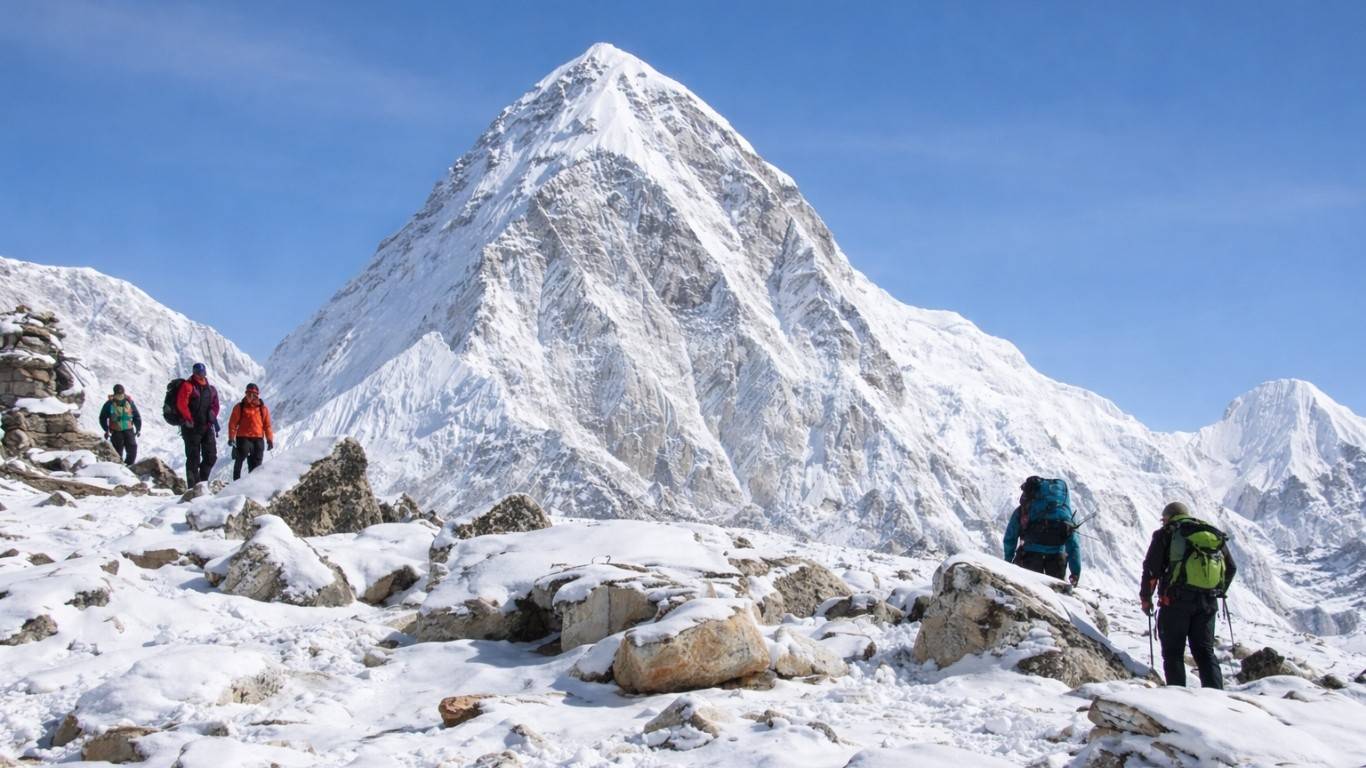
Winter in the Everest region is cold and demanding. Daytime temperatures are low, and nights can drop below -15°C at higher elevations. Snow and ice can block trails, and some teahouses close above certain altitudes.
Despite the cold, skies are often very clear, and the region becomes quiet. Fewer trekkers visit during winter, which creates a peaceful environment. However, winter trekking requires experience, proper gear, and flexibility.
Winter is suitable for experienced trekkers who are prepared for cold temperatures and limited services. It is not recommended for beginners.
Advantages:
Disadvantages:
Monsoon season brings heavy rainfall to the lower parts of the Everest region. Trails can become muddy and slippery, and clouds often block mountain views. Leeches are common at lower elevations.
Flights to Lukla are frequently delayed or canceled due to weather. Landslides can also affect travel. While the landscape becomes green and fewer people trek during this time, conditions are less safe and less predictable.
Monsoon is generally not considered a good time to visit Everest, especially for the Everest Base Camp trek.
Advantages:
Disadvantages:
Packing the right clothing and gear is very important for trekking in the Everest region. The weather can change quickly, and temperatures can be very cold at night and at higher altitudes. Choosing the right equipment keeps you safe, comfortable, and prepared for all conditions.

Before spring begins, the Everest region goes through a long winter. The weather is cold, and trekking conditions slowly start to improve as February ends. March marks the point when trails reopen fully, and more trekkers begin to arrive.
March marks the start of spring in the Everest region. Days slowly become warmer, but nights are still cold, especially at higher altitudes. Some snow may remain on the trail, but trekking routes usually stay open. Rhododendrons begin to bloom at lower elevations, adding color to the walk. Crowds are moderate compared to April.
Verdict
A good month for trekkers who want fewer people and improved weather.
April is one of the most popular months to visit Everest. Days are pleasant, skies are often clear, and forests are full of blooming rhododendrons. Trekking conditions are stable and comfortable. Everest Base Camp becomes active with climbing teams, which adds interest to the journey. Trails and lodges are busy.
Verdict
One of the best months to visit Everest if you are okay with crowds.
May is warmer than April, especially at lower elevations. The Everest climbing season is at its peak, and Base Camp is lively. Trekking remains good in early May, but clouds may increase toward the end of the month as the monsoon approaches. Visibility can reduce slightly later in the month.
Verdict
A great month to see Everest Base Camp activity and climbing preparations.
September is a transition month after the monsoon. Early September may still have clouds and occasional rain. Conditions improve as the month continues, with clearer skies and better trail conditions. Crowds increase toward the end of the month.
Verdict
Better after mid-September when the weather becomes more stable.
October is considered the best month to visit Everest. The weather is dry, the skies are clear, and the mountain views are sharp. Daytime temperatures are comfortable, and trails are in excellent condition. It is the busiest month, so popular routes can feel crowded.
Verdict
The best overall month to visit Everest for weather and visibility.
November offers clear skies and fewer trekkers compared to October. Days remain pleasant, but nights become much colder, especially at higher altitudes. Trails stay open, and visibility remains strong throughout the month.
Verdict
Ideal for quieter trekking if you are prepared for cold nights.
Different travelers visit Everest for different reasons, such as trekking, photography, or a quiet experience. The best time to visit Everest depends on your travel style, weather comfort, and crowd preference. Choosing the right season helps you enjoy the region safely and fully.
Spring and autumn offer the safest trails and the most stable weather in the Everest region. During these seasons, paths are dry, visibility is good, and teahouses remain open along the route. These conditions make long walks more comfortable and reduce weather-related risks.
October and April provide the clearest mountain views and the best natural light. Skies are usually clear, and snow covered peaks stand out sharply. These months are ideal for capturing wide landscapes and close mountain views.
Late November and early March see fewer trekkers on the trails. The weather is still suitable for trekking, but colder temperatures keep many visitors away. These periods are good for travelers who prefer quieter paths and peaceful villages.
Winter and monsoon seasons have lower travel and accommodation costs. Fewer visitors mean better availability of rooms. However, cold temperatures in winter and rain during the monsoon increase risks and require careful planning.
April, May, and October are the most suitable months for first-time trekkers. Weather conditions are stable, trails are well maintained, and support services are easily available. These months offer the safest and most comfortable introduction to the Everest region.
The Everest region has several trekking routes, and the best time to visit can vary slightly depending on your destination. Each area has different altitudes, trail conditions, and crowd levels. Choosing the right season ensures safer trekking and better views across all regions.
The Everest region has large temperature differences between day and night, and conditions change with each season. Lower elevations are warmer, while higher altitudes are much colder. Understanding seasonal weather helps trekkers plan clothing, gear, and the safest time to visit.
| Season | Day Temperature | Night Temperature | Visibility |
|---|---|---|---|
| Spring | 10°C to 15°C | -5°C to 0°C | Good |
| Autumn | 8°C to 14°C | -10°C to -2°C | Excellent |
| Winter | 0°C to 5°C | Below -15°C | Very clear |
| Monsoon | 12°C to 18°C | 5°C to 8°C | Poor |
Spring and autumn are the most popular seasons for visiting Everest, so trails, teahouses, and flights can get very busy. Booking accommodation and flights in advance is strongly recommended. During these months, prices for rooms and meals can be higher because demand is high. Winter and monsoon seasons have fewer visitors and lower costs, but many lodges at higher elevations may be closed, and weather can be challenging. Trekkers should be prepared for colder nights in winter and slippery trails in the monsoon.
October and April are the peak months when crowds are highest, so planning early ensures a smoother and safer trek. Traveling in the shoulder periods, such as late November or early March, can offer a balance between good weather, fewer crowds, and moderate costs.
Not all months are ideal for visiting Everest. Some periods bring heavy rain, snow, or extreme cold that make trekking difficult and unsafe. Knowing the least suitable months helps travelers plan better and avoid dangerous conditions.
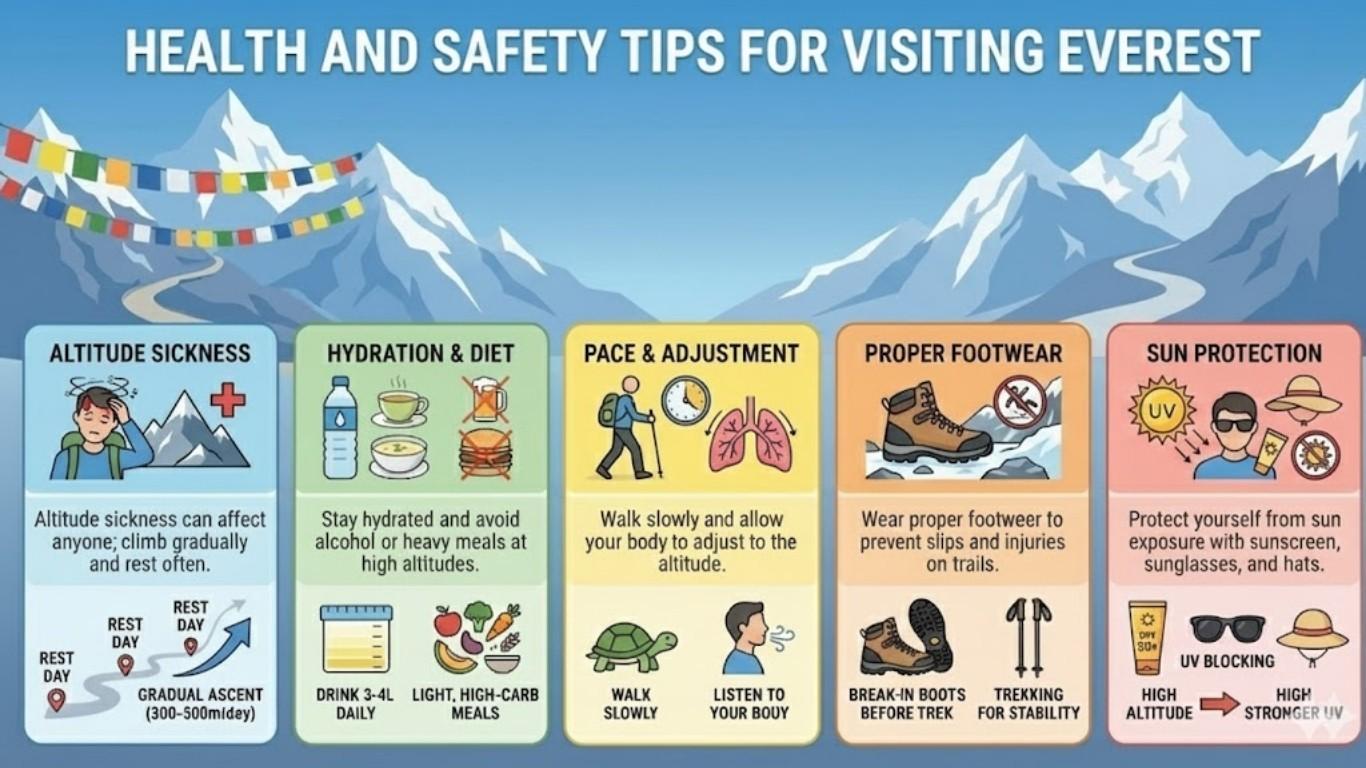
Trekking in the Everest region can be challenging due to high altitude, cold temperatures, and long days of walking. Staying healthy and safe is very important to enjoy the journey and avoid serious illness. Following simple precautions can help you have a safer and more comfortable trek.
As you climb from Lukla airport to Everest Base Camp, the temperature drops steadily, and the weather becomes colder and harsher. Knowing this helps trekkers plan clothing and rest stops.
If you want clear views, safe trails, and comfortable trekking, choose spring or autumn. Spring offers colorful landscapes and the Everest Base Camp activity. Autumn offers the clearest skies and cultural festivals. Your best time to visit Everest depends on weather comfort, crowd tolerance, and experience level.
The best months to visit Everest are April, May, September, and October. Spring (March–May) offers blooming rhododendrons, warmer days, and lively trails, while autumn (September–November) provides clear skies, crisp mountain views, and stable trekking conditions. These months also have the safest weather and better flight reliability to Lukla.
Yes, April is one of the most popular months for trekking. The weather is warm, trails are manageable, visibility is usually good, and rhododendrons start to bloom. This month is perfect for both first-time trekkers and those who want to witness Everest Base Camp activity. Early booking is recommended due to high demand.
Beginners can trek to Everest Base Camp if they are physically fit and properly prepared. The trails in spring and autumn are safer, but it is important to acclimatize gradually, walk at a steady pace, and follow guides’ advice. Using trekking poles and wearing proper footwear also helps reduce fatigue and injury risks.
At Everest Base Camp, temperatures vary by season. In spring and autumn, daytime temperatures are usually between -5°C and 5°C (23°F to 41°F), while nights can drop to -15°C (5°F). In winter, it is much colder, with nights going below -20°C (-4°F). Wind chill can make it feel even colder, so proper clothing is essential.
Yes, Everest trekking routes are open year-round, but the best seasons are spring and autumn. Monsoon (June–August) brings heavy rain, slippery trails, and poor visibility, while winter (December–February) is very cold with limited teahouse availability. Proper preparation and flexible itineraries are required if trekking in off-season months.
Autumn is often considered the most reliable season because post-monsoon skies are clear, mountain views are sharp, and trails are stable. Spring is also great for scenery and rhododendron blooms, but it is slightly more crowded than autumn. Both seasons are excellent for trekking, photography, and enjoying Everest Base Camp activity.
Trekking during monsoon (June–August) is risky due to heavy rain, slippery trails, clouds, and landslides. Winter (December–February) is very cold, with snow, frozen trails, and limited teahouse availability. These seasons are suitable only for experienced trekkers with proper gear, and careful planning is required to ensure safety.
Winter trekking requires warm and protective gear because temperatures can drop below -20°C (-4°F) at higher altitudes. Essential items include:
1. Layered clothing: thermal base layers, fleece jackets, down jacket, and waterproof outer layer
2. Footwear: insulated trekking boots with thick socks
3. Accessories: gloves, hat, scarf, sunglasses, and sunscreen
4. Sleeping gear: warm sleeping bag rated for sub-zero temperatures
5. Other essentials: water bottles, snacks, trekking poles, and a small first-aid kit
It’s important to be prepared for snow, frozen trails, and limited lodge availability in winter.