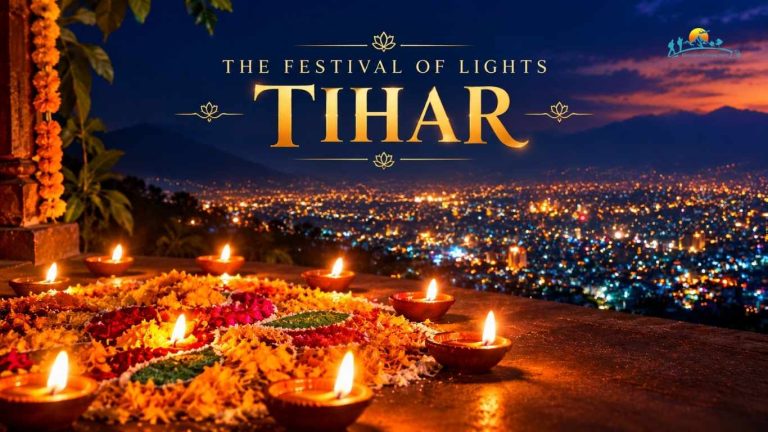
The Festival of Lights: Tihar 5 Days of Lights, Traditions, and Family Celebrations
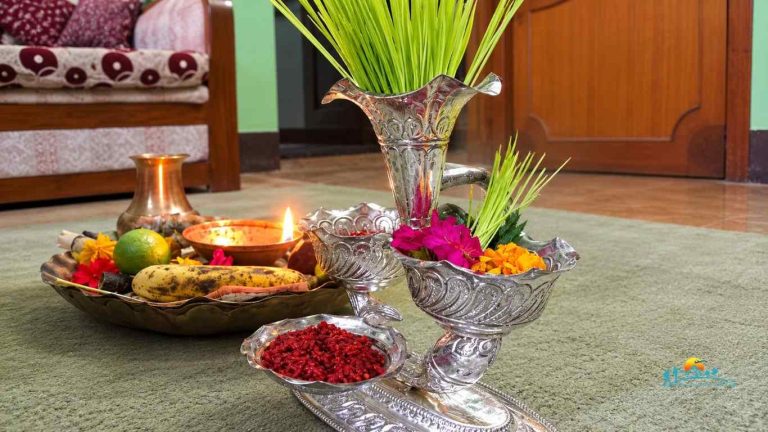
Tihar also known as festivals of light is one of the most popular festivals in Nepal where people light oil…
 Himalayan Gateway Trek - On
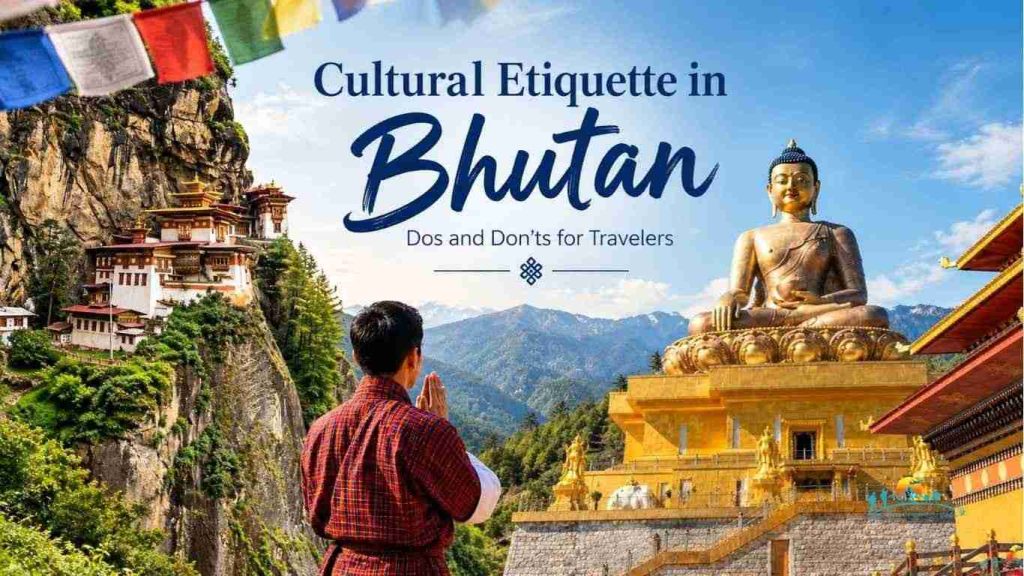
Understanding cultural etiquette in Bhutan helps you respect local traditions, visit religious sites properly, and enjoy better interactions with Bhutanese people. Simple actions, such as removing your shoes before entering a temple, asking permission before taking photographs, and speaking quietly during prayers, can make a real difference.
Bhutan has a strong Buddhist heritage, and religion plays an important role in many parts of daily life. You will see this in its monasteries, dzongs, prayer wheels, festivals, and traditional customs. Visitors do not need to know every local rule before arriving. A respectful attitude, a little preparation, and a willingness to follow local guidance will help you avoid common mistakes.
The most important rules for visitors in Bhutan concern religious places, photography, clothing, and respect for local people. Use this table as a quick guide before visiting temples, attending festivals, or meeting Bhutanese families.
| Situation | What You Should Do | What You Should Avoid |
|---|---|---|
| Visiting temples and monasteries | Dress modestly and follow entry instructions. | Entering restricted areas or touching sacred objects. |
| Taking photographs | Ask permission and check local rules. | Taking pictures inside sacred spaces without permission. |
| Meeting local people | Greet people politely and speak respectfully. | Photographing someone without asking. |
| Entering a Bhutanese home | Follow your host’s instructions about footwear and seating. | Walking into private rooms without permission. |
| Attending a Tshechu festival | Watch quietly and respect the dancers and worshippers. | Walking onto the dance ground or blocking other people. |
| Walking around chortens | Follow the local practice and walk clockwise. | Climbing on sacred structures or treating them like ordinary objects. |
| Visiting natural areas | Keep the area clean and respect wildlife. | Littering or disturbing animals and plants. |
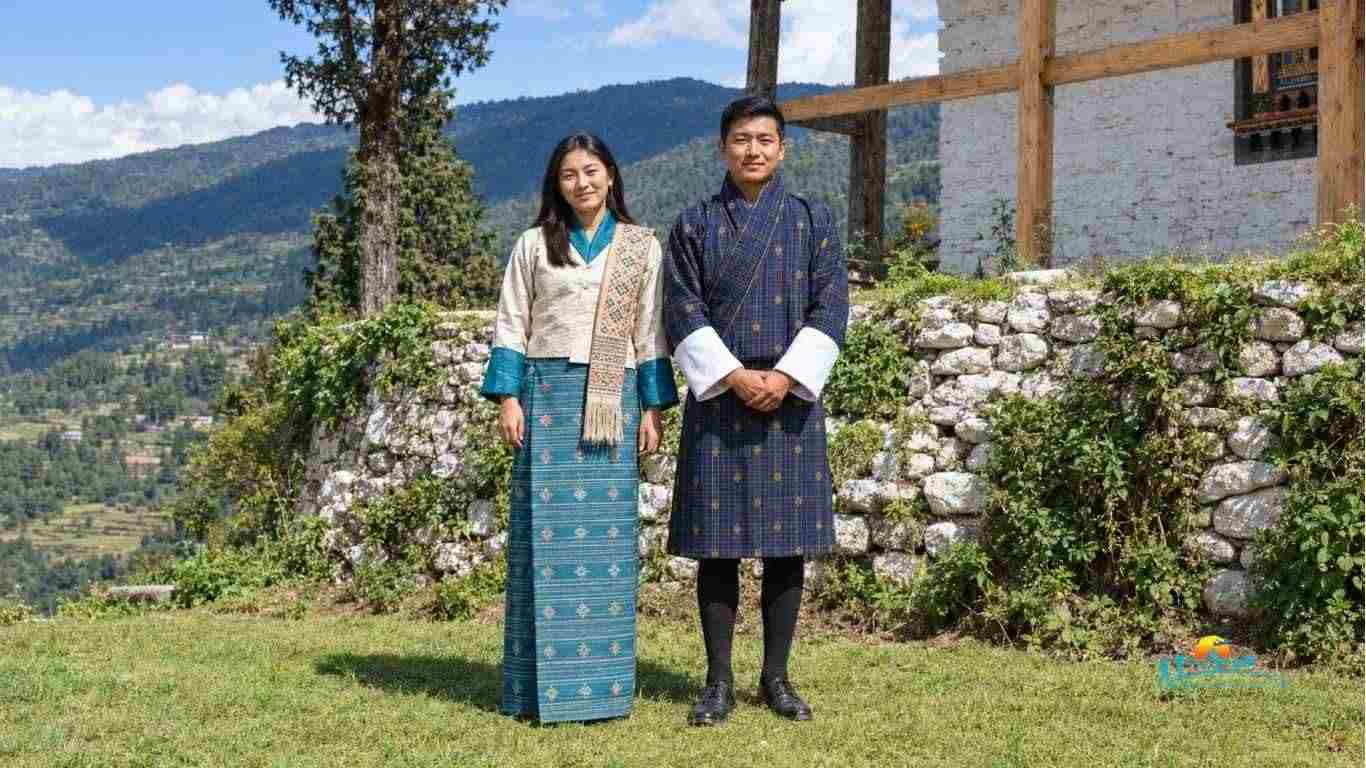
Respectful clothing is especially important when visiting temples, monasteries, and dzongs. Travellers can wear comfortable clothes for everyday sightseeing, but they should pack appropriate attire for religious sites.
You do not need to wear traditional Bhutanese clothing throughout your trip. Comfortable trousers, shirts, sweaters, dresses, and other everyday clothes are suitable for most sightseeing activities.
The weather can change between valleys and higher areas, so carrying an extra layer is useful. Choose clothes that allow you to walk comfortably while remaining considerate of local customs.
Keep these tips in mind:
The aim is not to copy how local people dress. It is to show respect for the places and people you visit.
Religious sites call for more care than ordinary sightseeing areas. Bhutan’s official tourism guidance recommends long sleeves and covered legs when visiting temples.
A safe choice is a shirt with sleeves and long trousers or a long skirt. Avoid wearing tank tops, very short shorts, or other revealing clothes when entering religious buildings.
Remember that a dzong may serve both religious and administrative purposes. Follow the entry instructions at each place, as the requirements can vary by site.
Yes, when entering temple spaces where this is required. Bhutan’s official tourism guidance asks visitors to remove their shoes upon entering temples and take off caps or hats at sacred sites.
Before entering a building, look for signs or observe what your guide asks you to do. Keep your shoes together in the area provided, and do not assume that every room within a complex follows the same rule.
A useful habit is to prepare for these visits before reaching the entrance. Wearing footwear that is easy to remove can save time and help you follow local instructions without difficulty.
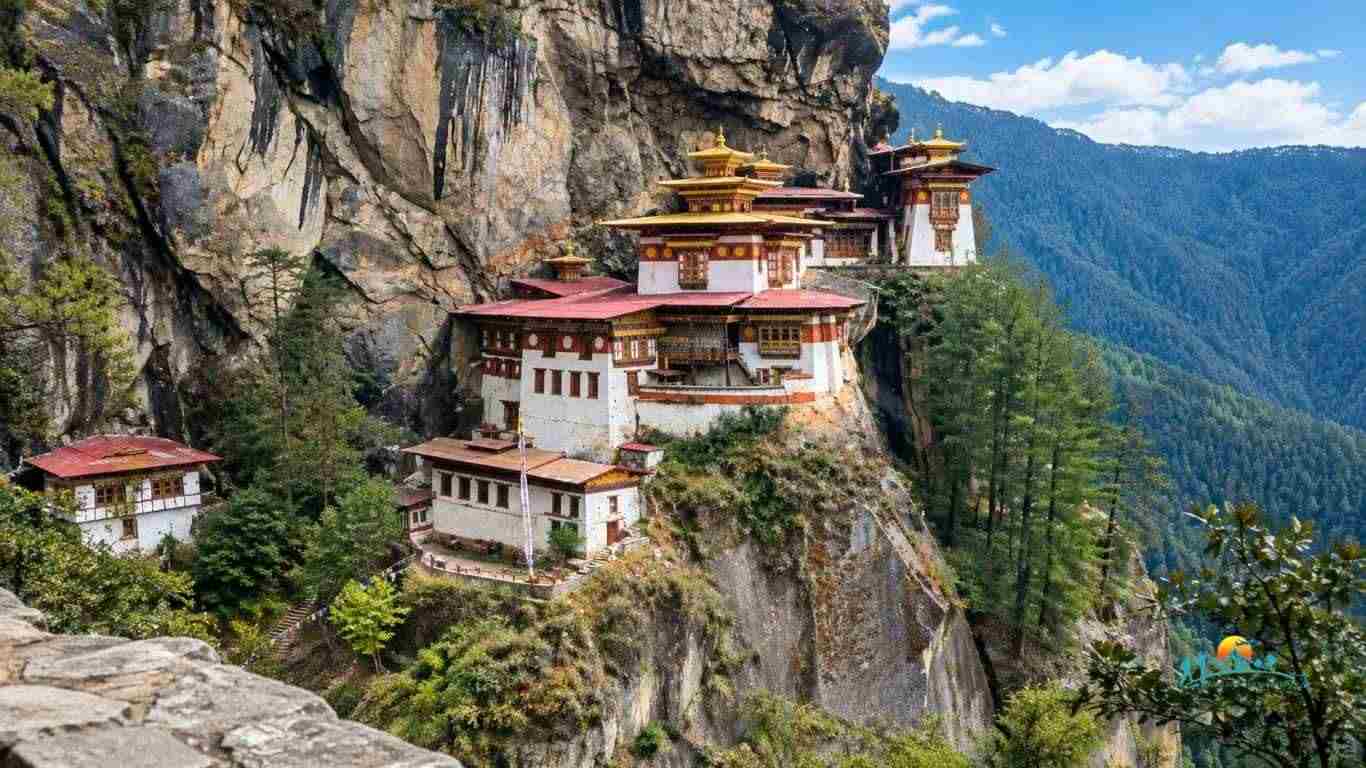
Visitors should treat Bhutanese temples and monasteries as places of worship, not simply as sightseeing stops. People may be praying, making offerings, or taking part in religious activities while you are there.
Speak quietly when entering a temple or monastery. If monks are chanting or people are praying, avoid talking loudly, playing audio from your phone, or interrupting the ceremony.
You do not need to understand the prayers to show respect. Give people enough space to continue their religious activities, and follow your guide if a particular area is closed to visitors.
Religious statues, paintings, prayer items, and sacred seats have meaning beyond their appearance. Visitors should not touch them or sit on places reserved for religious practitioners.
Follow these basic rules:
Chortens are Buddhist monuments that often hold religious meaning. You may also see prayer wheels and mani walls along roads, near monasteries, or beside walking paths.
A common practice is to walk clockwise around these sacred objects, keeping them on your right. Follow the direction used by local worshippers and your guide. If people are already moving along a path, avoid cutting across their route.
Do not climb on chortens, sit on sacred stonework, or step over prayer objects. Treat them as religious places, even when they stand beside an ordinary road.
If you meet monks or nuns, behave politely and give them space. Speak in a normal, quiet voice, and ask before taking a photograph.
You do not need to follow a complicated greeting ritual. A polite greeting and respectful behavior are enough for most casual encounters.
If you are unsure whether you can enter a room, approach someone, or take a photograph, ask your guide first. This is better than guessing and accidentally disturbing a religious activity.
Want help choosing your dates and planning the Bhutan Tour with us? See our Bhutan Tour Package.
Photography is a great way to remember your trip to Bhutan, but you should respect local people and the rules at each location. Some places allow outdoor photography but restrict pictures inside temples, monasteries, and other religious buildings. Always check the rules before taking out your camera or phone.
When photographing local people, remember that not everyone wants to be in a visitor’s pictures. Ask politely and respect their answer without arguing or asking repeatedly. During festivals, focus on enjoying the event without disturbing the people taking part. Following these simple rules will help you capture memories while showing respect for Bhutanese culture and religious traditions.
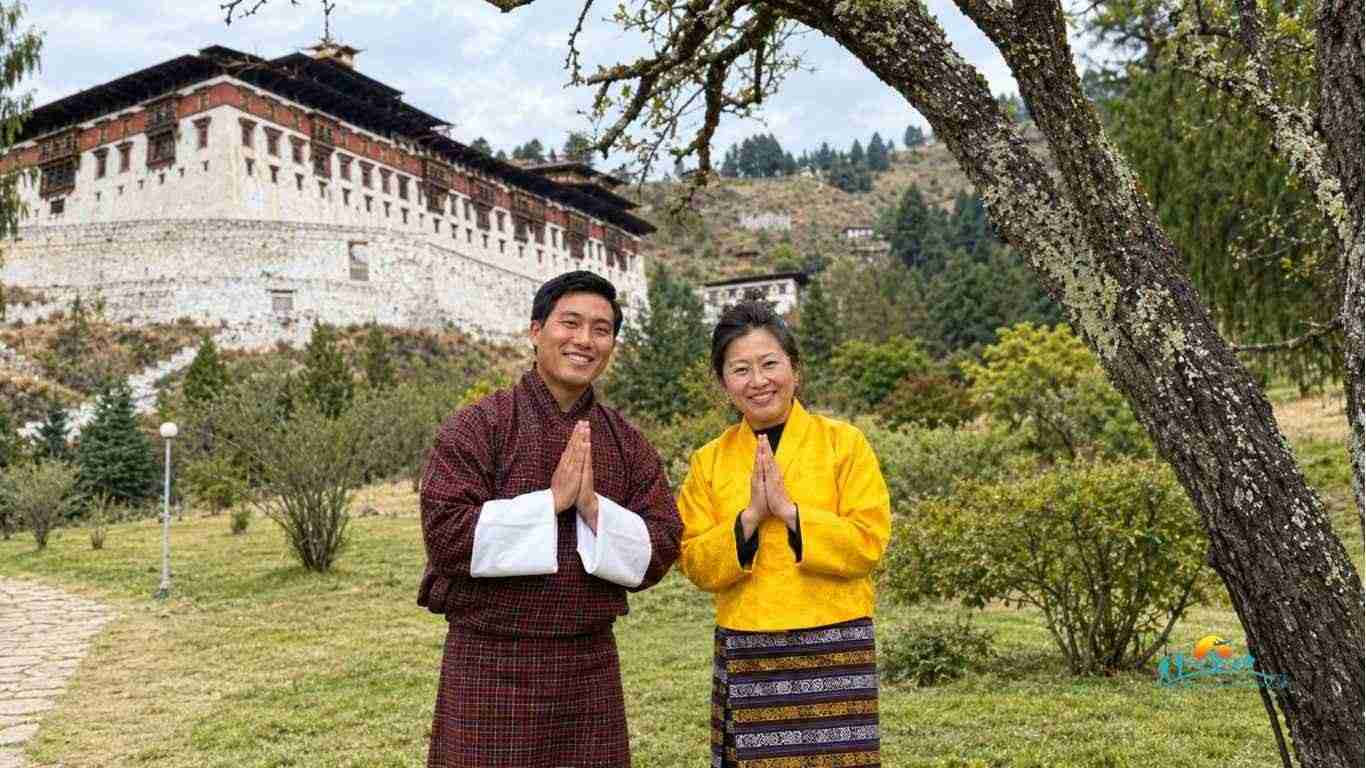
Polite greetings, calm conversation, and respect for personal space can help you build good connections with local people. You do not need to speak fluent Dzongkha to communicate well during your visit.
Dzongkha is Bhutan’s national language, and learning a few everyday expressions is a thoughtful way to show respect.
Here are two useful phrases:
| Dzongkha phrase | Meaning |
|---|---|
| Kuzuzangpo la | Hello |
| Kadrin chey la | Thank you |
You do not need perfect pronunciation. Try the phrases when greeting someone or thanking them for help. English is also widely used in Bhutan’s tourism industry, so you can use it when a conversation requires more explanation.
Keep your tone calm when asking questions, seeking directions, or discussing a problem. If a booking changes or a visit takes longer than expected, explain the issue politely and ask your guide for help.
Avoid assuming that every person will follow the same social customs. People have different preferences, and behavior may change between formal events and everyday conversations.
A few simple habits can help:
Respectful behavior does not need to be complicated. A little patience can prevent many misunderstandings.
Bhutanese culture values respectful speech, good manners, and respect for elders and local traditions. When meeting older people or attending formal events, speak politely and observe local customs. Remove your hat at sacred sites and follow any instructions about seating or behavior.
You do not need to know every Bhutanese custom before your visit. Watch how local people behave, follow your host’s example, and ask polite questions when you are unsure. Small acts of respect can help you build good relationships with local people.
Keep Bhutan’s natural areas clean by taking your rubbish with you. Do not feed wildlife, damage plants, or disturb animals. Follow local rules and your guide’s advice when visiting forests, rivers, mountains, and other natural places.
Some natural sites have religious meaning for local communities. Ask before entering restricted areas or taking part in activities that may be disrespectful. Treat these places with care and leave them as you found them.
Visiting a Bhutanese home is a chance to learn about local life. Follow your host’s example, as customs can vary between families and regions.
Shoes are often removed before entering a home. Follow your host’s example, wait for an invitation before entering private rooms, and ask before touching personal items or taking photographs.
Bhutanese meals may include rice, vegetables, chilli-based dishes, and cheese. Watch your host’s example and communicate any dietary needs politely.
Ask your guide whether a small gift is suitable when visiting a home. Religious offerings are different from ordinary gifts, so follow the site’s instructions and never place items on an altar without permission.
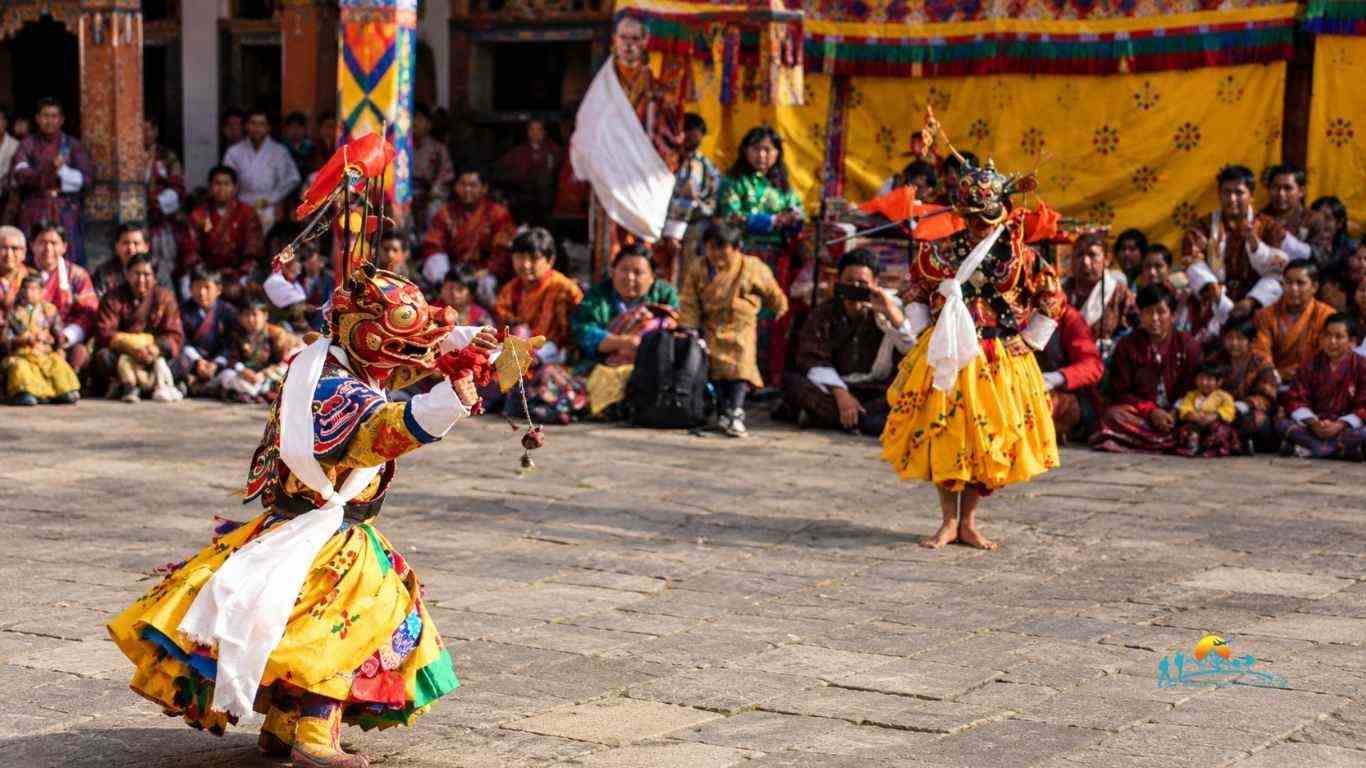
A Tshechu is a religious festival with masked dances, traditional clothing, and local gatherings. Wear modest clothes, stay in visitor areas, speak quietly during ceremonies, and avoid blocking other people. Remember that the dances have religious meaning, so treat them with respect.
Before taking photos, check the rules and ask permission when photographing local people. Never enter restricted areas or interrupt a ceremony to get a better picture. Follow your guide’s instructions and enjoy the festival without disturbing others.
Most cultural mistakes happen when visitors act without checking local instructions. You can avoid many of them by paying attention to your surroundings and asking questions before doing something unfamiliar.
Here are common mistakes to avoid:
Bhutanese customs are not something to fear. A respectful attitude and a willingness to learn are often the best ways to avoid misunderstandings.
Review this short checklist before leaving your hotel or starting a sightseeing day.
You do not have to memorize every rule. Keeping these points in mind will help you show respect while enjoying your trip.
Cultural etiquette in Bhutan is mainly about showing respect for local people, religious traditions, and the natural environment. You can do this by dressing suitably at sacred sites, asking before taking photographs, listening during ceremonies, and following local guidance.
You do not need to know every custom before you arrive. Learn a few useful phrases, observe how people behave, and ask questions when you are unsure. These small actions can help you build better connections with local people and make your trip to Bhutan more meaningful.
Tourists should avoid disrespecting religious sites, touching sacred objects, photographing prohibited temple interiors, climbing religious monuments, littering, or entering restricted areas. Ask permission before photographing people and follow local customs and your guide’s instructions.
Disrespectful behaviour includes wearing inappropriate clothing at religious sites, speaking loudly during prayers, touching sacred objects, pointing your feet toward altars, or interrupting ceremonies. Visitors should remain considerate and observe local customs when visiting sacred places.
Yes, tourists can wear shorts in casual settings, including many outdoor sightseeing areas. However, shorts are generally unsuitable for temples, monasteries, and dzongs. Choose clothing that covers your shoulders and legs when visiting religious sites.
No, tourists do not need to wear Bhutanese national dress. Comfortable everyday clothing is acceptable for most activities. However, visitors should dress modestly and appropriately when entering temples, monasteries, dzongs, and other formal or sacred places.
Photography is often restricted or prohibited inside temples and sacred rooms. Rules vary by location, so check signs and ask your guide before taking pictures. Outdoor photography may be permitted, but always follow local instructions.
Yes, in some situations, but always ask permission before photographing monks or nuns at close range. Be especially considerate during prayers, meditation, and religious ceremonies. Never photograph people in restricted areas or sacred interiors where photography is prohibited.
Yes, shoes are commonly removed before entering temple interiors and other designated sacred spaces. Follow signs and your guide’s instructions, as requirements can vary between locations. Wearing easily removable shoes makes temple visits more convenient.
No, tipping is voluntary in Bhutan. Visitors may offer a tip to guides, drivers, or other service staff when they feel the service deserves appreciation. The amount is a personal decision, not a compulsory payment.
Smoking is subject to restrictions in Bhutan, particularly in public places. Visitors should check current regulations and ask their accommodation or guide where smoking is permitted. Avoid smoking in prohibited areas and near religious sites.
Tourists should not assume drones can be brought into Bhutan without permission. Drone importation and operation are subject to restrictions and advance authorisation requirements. Check the latest official regulations before travelling if you intend to use a drone.
A traditional Bhutanese greeting is “Kuzuzangpo la,” meaning hello. Visitors can greet people with a friendly smile and a slight bow. Handshakes are also used in some settings, but follow the other person’s lead.
No, learning Dzongkha is not essential for visiting Bhutan. English is used in many tourism settings. However, learning simple expressions such as “Kuzuzangpo la” for hello and “Kadrinche la” for thank you is appreciated.
Wear modest clothing that covers your shoulders and knees when visiting monasteries, temples, and dzongs. Long trousers or skirts and sleeved tops are suitable choices. Remove hats and shoes where instructed, and follow each site’s specific dress requirements.
Visitors should avoid picking wildflowers, damaging plants, feeding wildlife, or disturbing animals in their natural habitats. Bhutan places considerable importance on environmental conservation. Stay on established trails and follow local guidance to minimise your impact on nature.