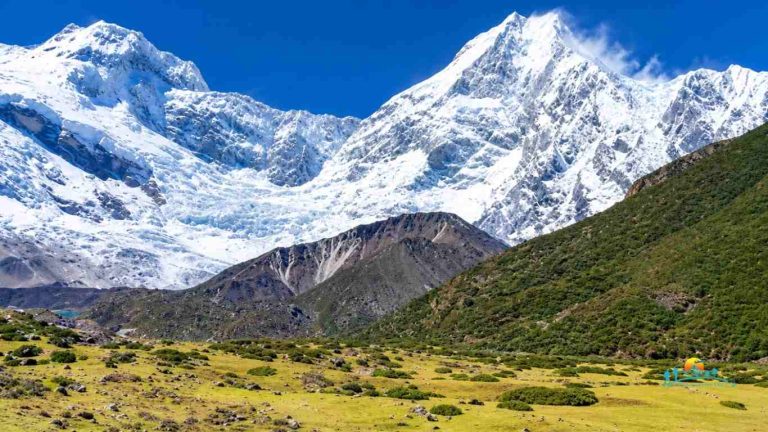
Best Time for Manaslu Circuit Trek: Month-by-Month Guide
The best time for Manaslu Circuit Trek is generally spring and autumn, but the right dates depend on weather, snow…
 Himalayan Gateway Trek - On
 The best time to visit Bhutan depends on what you want from the trip, because spring brings rhododendron flowers and festivals of Bhutan, autumn offers clearer mountain views and good trekking weather, winter brings crisp days and black-necked cranes, while the summer monsoon makes the country greener and quieter. Bhutan’s official tourism website describes the country as a year-round destination, but its high variation in altitude means weather can differ greatly from one valley to another.
For the majority of travelers, the choices of March to May and October to November are the most convenient. Spring is a good time for travellers to enjoy flowers, pleasant walks and festivals of Bhutan, while autumn is the favourite time for trekking, clear Himalayan views and major cultural events. October is particularly hectic this month because it’s a time of good weather, festivals and great mountain visibility.
However, there is no perfect month for everyone’s travel. If somebody visits Paro, Thimpu and Punakha for one week visit he can choose a different month than somebody who wants to go on a hiking adventure or a winter trip to Phobjikha Valley, both are in high altitude.
Bhutan’s weather changes sharply with the seasons, and altitude makes those changes even more noticeable. The country rises from low southern areas to very high Himalayan mountains, so two places only a few hours apart can feel quite different.
| Season | Months | Good for |
|---|---|---|
| Spring | March to May | Sightseeing, flowers, hiking, festivals of Bhutan |
| Summer | June to August | Green valleys, cultural trips, quieter travel |
| Early autumn | September | Flexible itineraries, fewer crowds |
| Autumn | October to November | Trekking, mountain views, photography |
| Winter | December to February | Quiet travel, wildlife, lower valleys |
Spring and autumn are best for sightseeing, but which is better depends on your plans.
Select March to May, when flowers bloom, Spring festivals and nice walking weather are most important. October to November is preferable if clear mountain views and trekking and autumn festivals are more important. April and October are the most popular months and November is an extra reason to visit Phobjikha Valley for black necked cranes.
A simple way to choose your travel period is:
The actual festival dates may vary between years due to the fact that many festivals of Bhutan are lunar based. A yearly festival calendar is published by the Department of Tourism, Bhutan, so travelers should consult the calendar for their year of travel before they book their flights.
👉 Planning your Bhutan trip? Check our Bhutan Tour for the itinerary, sightseeing highlights, accommodation, transport, and travel details..
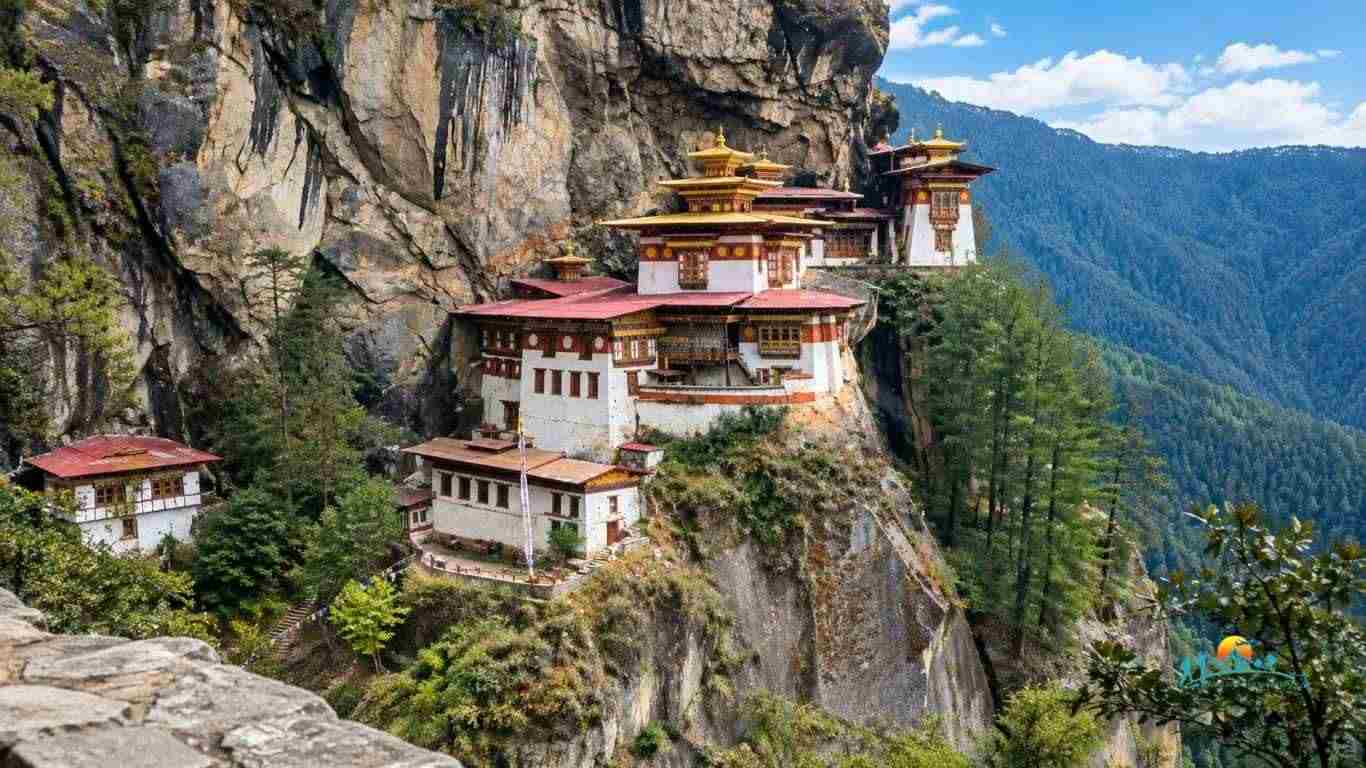
The weather is not uniform throughout Bhutan as there are variations in elevation from about 200 m in the south to about 7,000 m in the north. Rainfall and temperature are also influenced by the terrain.
The first destinations for first time visitors are Paro and Thimphu. Their climate is cooler and mountainous than southern Bhutan with cold winters and warmer summers.
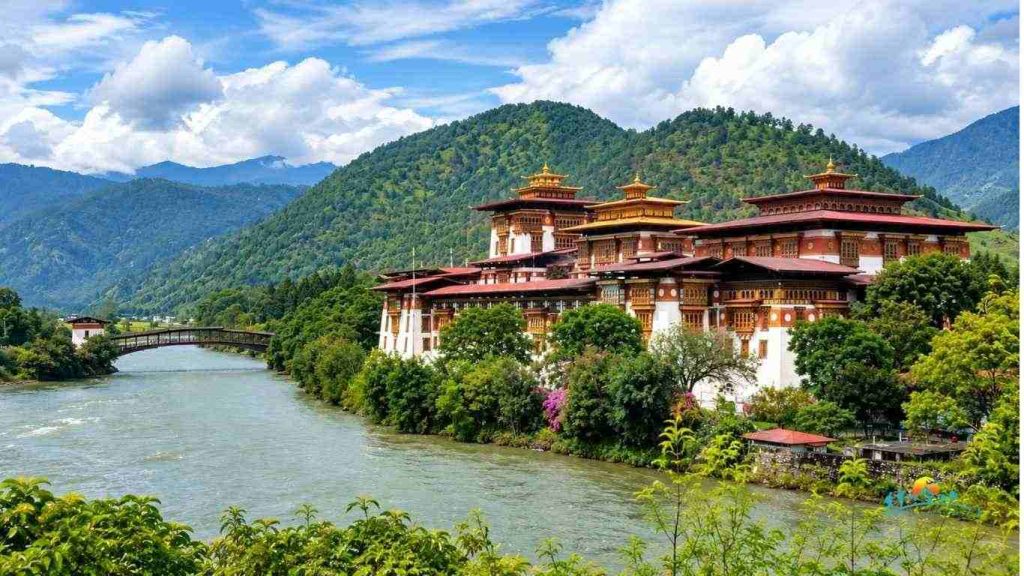
If you’re going to do any hiking to Tiger’s nest, visit any of the monasteries, and participate in any of the festivals of Bhutan or cross mountain passes like Dochula, the weather is important in western Bhutan.
The area of Punakha is at a lower elevation than Paro and Thimphu, which can make winter warmer than it is in those areas. It is important for those travelling to Bhutan during the winter months.
It’s also a good time to pair Punakha with other valleys at lower altitudes, as the chill is often less pronounced in the valleys at higher altitudes.
Phobjikha proves to be a fascinating place from late fall to winter when black-necked cranes migrate here. Birds tend to be in the area in the fall and out in the spring.
Southern regions are warmer and have a higher humidity. The official tourism information from Bhutan states that the temperature in the south lies somewhere between 15°C to 30°C for most of the year, but varies depending on the location.
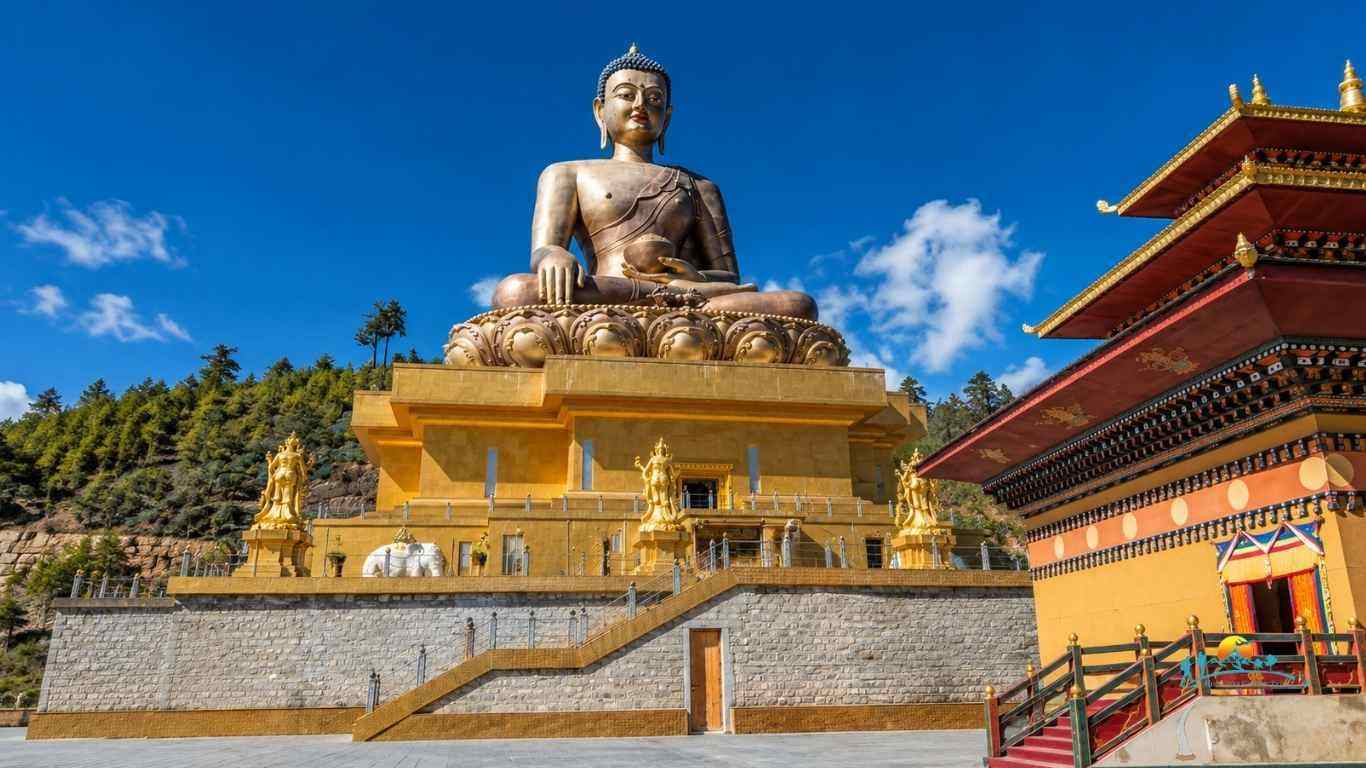
Spring is the best time to f, especially to enjoy the local festivals of Bhutan, comfortable days, and the flowers. Many people like to visit in March and April when the weather is nice in many parts of the country and the hills start to turn green, and flowers begin to bloom. The weather is warmer and more rainy in May.
The beginning of the spring season in Bhutan is characterized by mostly dry and cool conditions. Spring is here after the winter; flowers are emerging throughout the valleys and hills. Rainfall gradually rises in the country as it approaches the summer.
March marks the start of spring in Bhutan. The valleys are starting to warm up and the higher locations may still be chilly in the morning and evening. In some high mountain regions snow may still be present and weather can vary considerably from one location to another.
For those looking for the first glimpses of spring, March is a great month to travel. With your walk through valleys and visits to monasteries, temples and old fortifications, you can observe fresh greenery and early flowers. Day hikes are also recommended as the weather is generally pleasant for walking.
Cultural trips can also be done in March. Not so many tourists as in the hottest autumn months are present in the town to spend time in Paro and Thimphu. Those who want to hike in the high country should also check the current trail reports as snow may still be found on some higher summits during March.
April is one of the most best time to visit Bhutan due to its pleasant spring climate, blooms and hiking and cultural activities. The hills turn green and rhododendrons start to flower throughout the country.
April offers great opportunities for those who wish to experience the rhododendrons in bloom and experience spring scenery in Bhutan. Weather is fairly pleasant for sightseeing and walking, allowing the easier access to such attractions as Tiger’s Nest Monastery and other cultural sites.
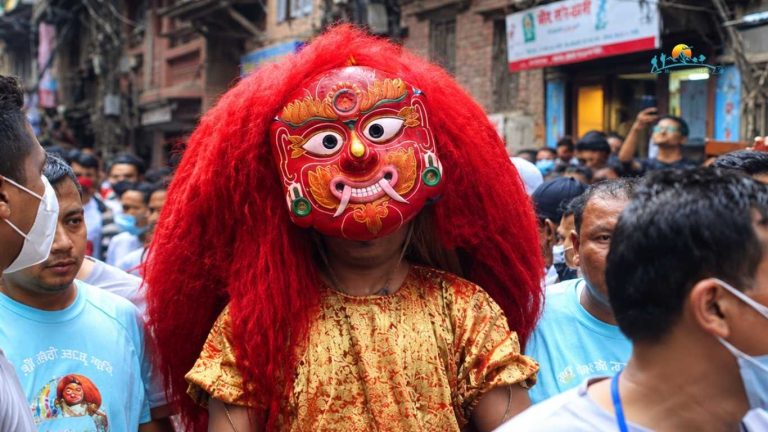
This month is also known for major festivals of Bhutan. Paro Tshechu often takes place around late March or early April, although the exact dates change each year. Travelers who want to attend the festival should check the official festival calendar before booking their trip.
May brings warmer days and greener valleys across Bhutan. The country starts moving toward the summer monsoon, so rain becomes more common as the month continues. Even with the increase in rain, May can still be a good month for sightseeing, hiking and trekking.
May is a great time for Bhutan travelers to enjoy green forests, fresh landscapes, and nice mornings. Better outdoor walking conditions also can be expected in the warmer weather, particularly in lower valleys.
May is a quieter time than the busiest times in spring festivals, which could appeal to those looking for a quieter journey. Late April and May can be helpful for high-altitude trekking when some routes open up due to winter snows. But trail conditions may still be very different on each trail, depending on the altitude and weather.
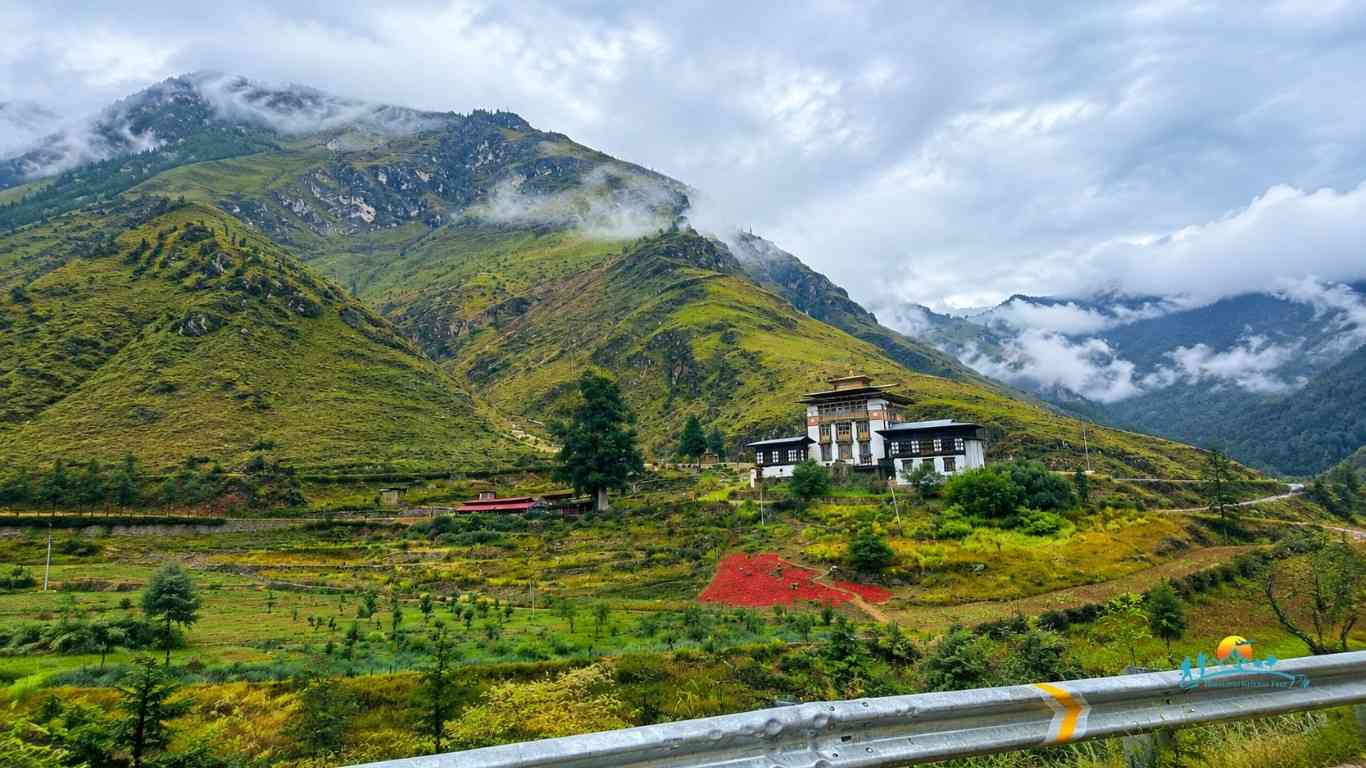
For those who appreciate landscapes and culture more than clear mountain view, summer can be a good time in Bhutan, as there is more rain, but also some of the best greenery.
Bhutan’s climate records show that the summer monsoon accounts for most of the country’s yearly rainfall, with July receiving the highest average monthly rainfall.
June marks the beginning of monsoon season in Bhutan, which is wetter than other months. After rains, the valleys turn greener, the rice fields grow and waterfalls start flowing. Suitable for nature lovers, cultural attractions and more peaceful destinations.
Rain doesn’t always happen for the entire day and there may be variations in the valleys. Consider flexibility in plans for travelers, particularly outdoor and road travel.
In Bhutan July is generally the wettest month of the year. Some roads and trekking tracks will be difficult in the event of frequent rain, and some of the Himalayan mountains will be hidden behind clouds.
There are still green valleys, rice fields, forests, waterfalls, monasteries and even dzongs during the month. Road trips should be given additional time as sometimes landslides or delays can occur due to rain.
August is still a part of the wet season in Bhutan, but there are no signs of the summer heat in the countryside. The rice fields, forests and waterfalls are at their best, and some cultural events are held at this time.
August is ideal for nature lovers and those looking for more tranquil travel. Having a flexible time is okay as the weather may be rainy, which can impact drive, hike, etc. plans.
September is transitional, between wet summer and bright fall, and may be subject to great variations throughout the month.
September is sometimes rainy and cloudy in early September, and more clear during the late September. Bhutan’s tourism website says that the season starts from the end of September or beginning of October and is brighter and drier after the rainy season.
September can work for travelers who want:
Never make a September reservation because someone says that it’s in the autumn. Confirm the weather forecast and condition of the roads nearer to departure.
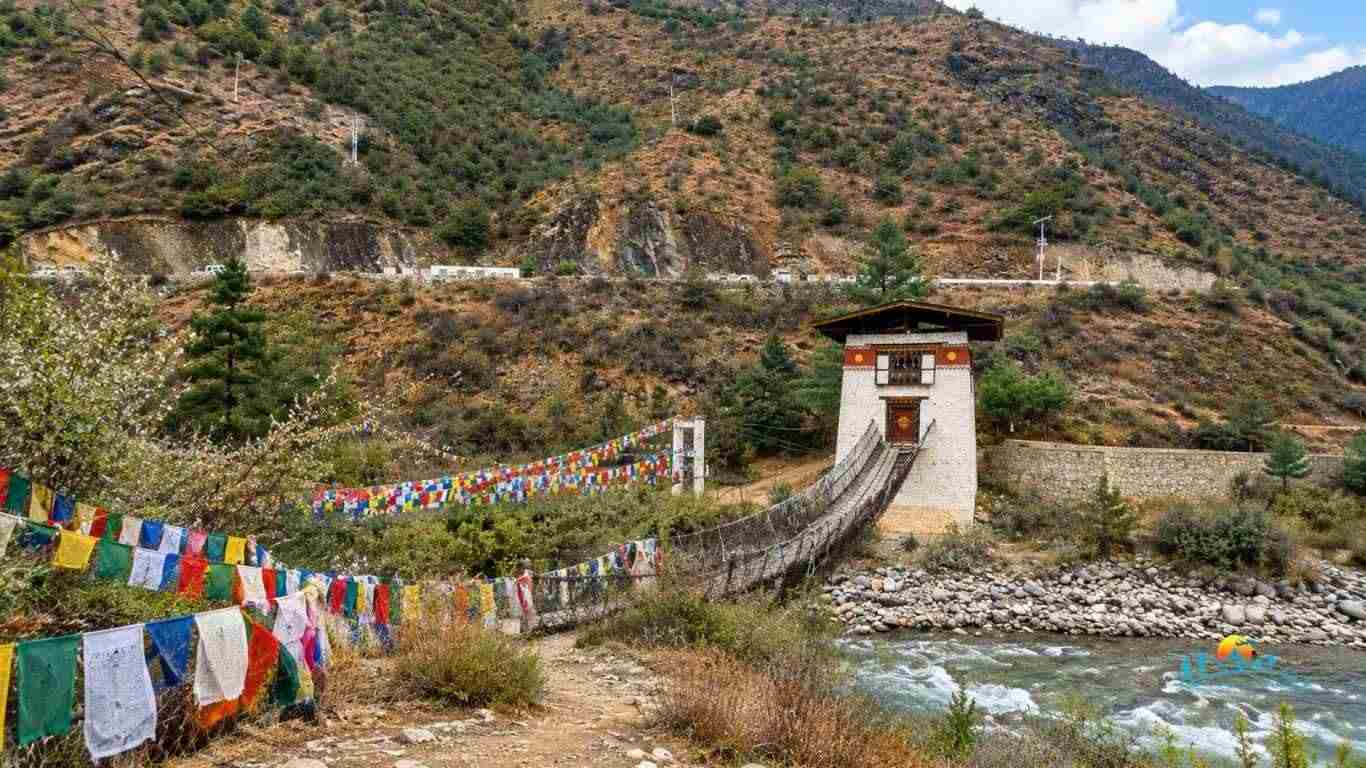
One of the best time to visit Bhutan is autumn, when the country is generally free of the heaviest monsoon rains, and festivities, trekking and mountain vistas make it a popular tourist season.
October is one of the most popular months to visit Bhutan as it is generally sunny, warm during the daytime, excellent for trekking and offers great views of the mountainous regions. It’s also a significant festival season, which is an ideal time for travelers to experience Bhutanese culture, local customs, and traditional dances.
The downside is that crowded tourist hotspots like Paro and Thimphu may be busy, particularly during festivals of Bhutan.
October can be busy, but November can be cooler, with less visitors and a more spectacular view of the mountains. This is also an important wildlife month as the Black-necked cranes start to arrive in Phjobbikha Valley for the winter season.
The month is suitable for trekking, photography, nature, and less boisterous sightseeing, however, nights can be chilly and it can become quite cold towards the higher altitudes, so warm clothing is a must.
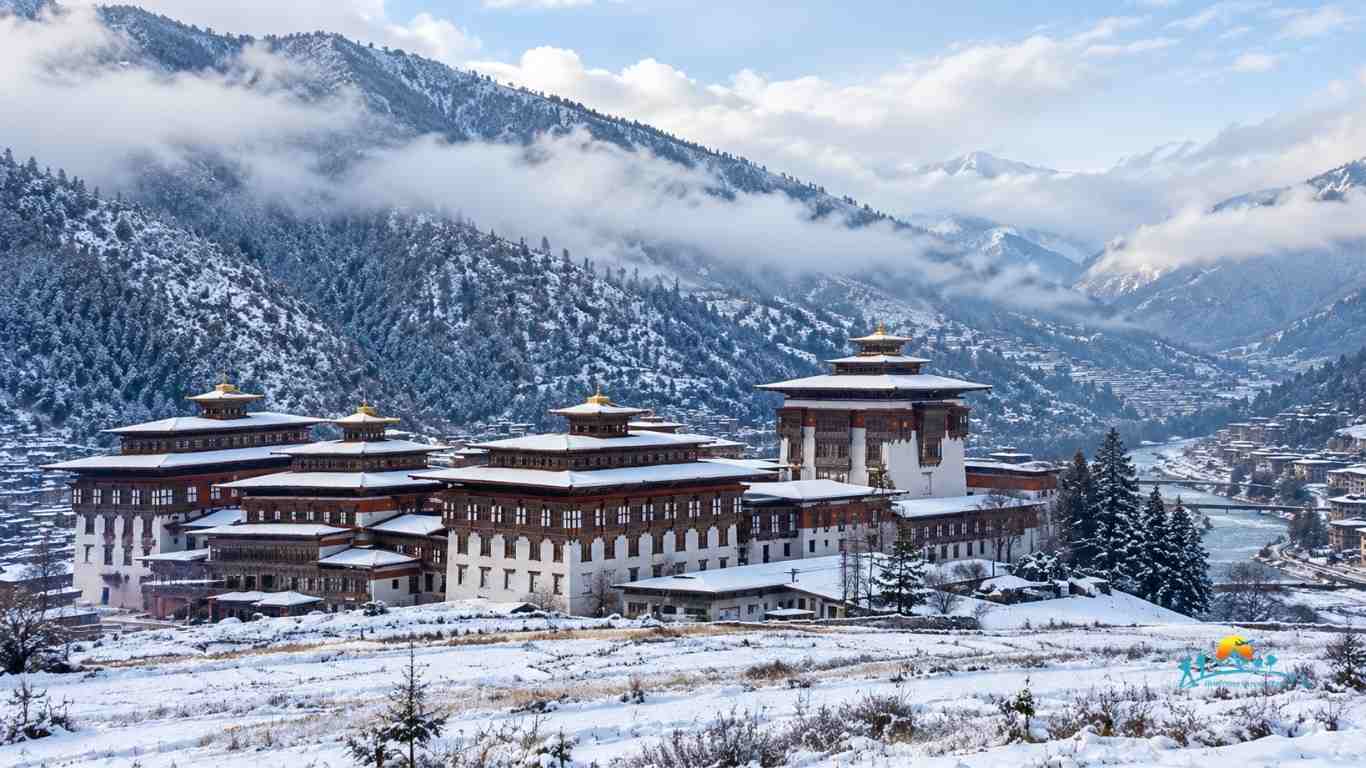
Winter is for travellers who want to experience colder weather, quieter towns, less crowds, and wildlife experiences instead.
According to the official tourism information, winter in Bhutan is generally dry and clear with frost occurring in most parts of the country and in more places above 3000m.
During the month of December, nights are cold and winter days are dry in Bhutan. Snowfall may occur on higher mountain tops and lower valleys tend to be more accessible. Visitors can experience monasteries, dzongs and enjoy mountain views and quiet towns with lesser crowd as compared to the autumn season.
Clothing should be warm, particularly at higher elevations and in the night. December is ideal for those who like the cold, quiet sightseeing and unobstructed winter scenery, but miss the crowds of the peak travel season.
January is one of the coldest months of the year in Bhutan particularly in the northern and central parts of the country. It’s a dry and sunny day, but mornings and evenings can be quite cold! January is a good time to take a quiet road trip and enjoy the less bustling roads and sightseeing areas.
This is a great time to explore lower valleys, see cultural sites, and take photographs, all in clear, cold weather. High elevation trekking requires additional planning as many passes may be snow-covered and some routes may be more difficult to traverse.
February is still very cold in many parts of Bhutan, but the country begins to gradually get into the spring season. Lower elevation areas like Punakha can be a good choice as they may be warmer than the higher altitudes like Thimphu and Bumthang.
Punakha Dromche and Punakha Tshechu are held around this time, although the exact dates change each year. February can also suit travelers who want a quieter trip before the busier spring and autumn seasons begin.
The right month becomes easier to choose when you start with the reason for your trip rather than the calendar.
| Your main goal | Months to consider | What you can expect |
|---|---|---|
| First Bhutan trip | March to May or October to November | Good mix of weather and sightseeing |
| Mountain views | October to November | Clearer post-monsoon skies |
| Rhododendrons | March to May | Spring flowers and greener hills |
| Major festivals of Bhutan | Varies | Plan around the confirmed festival dates |
| Trekking | April, May, October, November | More suitable trail conditions |
| Black-necked cranes | November to February | Wintering birds in Phobjikha and other areas |
| Green scenery | June to August | Lush fields, forests and waterfalls |
| Quiet travel | February, early March or wet season | Fewer visitors, with different weather trade-offs |
| Wildlife and birding | March to May, plus winter for cranes | Good birdwatching and seasonal wildlife |
Festival dates should shape your travel plan when cultural events are one of your main reasons to visit Bhutan.
Bhutan holds more than 160 festivals each year, according to the Department of Tourism’s 2026 festival information. Many follow the Bhutanese lunar calendar, so dates can change from one year to another.
Some well-known festival periods include:
Bhutan’s tourism authority lists the Royal Highland Festival for October 23 and 24 each year, subject to the official event calendar. The festival takes place at around 4,000 meters, so travelers should also consider altitude and road conditions when planning it.
A festival trip needs more than the right month. You need the exact event date, location, transport time and nearby accommodation.
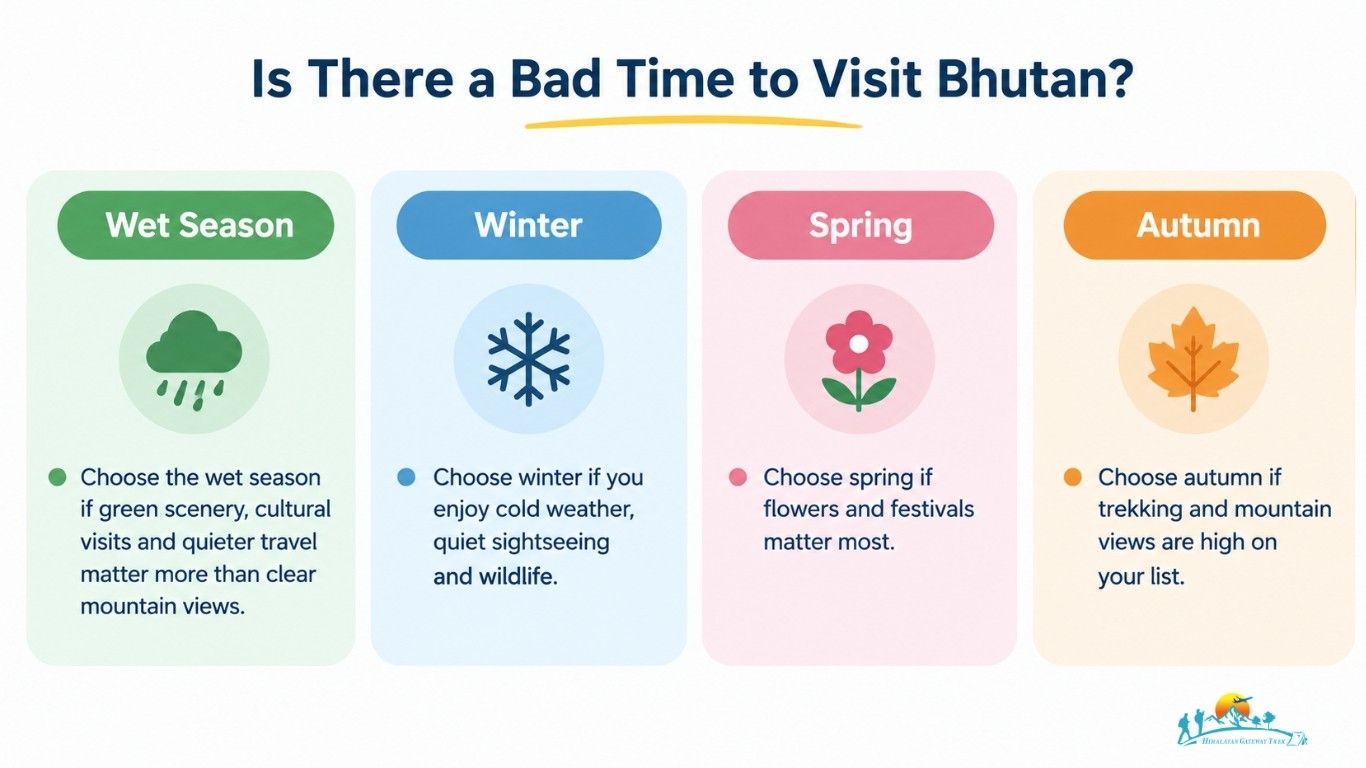
No month of the year is really a bad time to visit Bhutan for everyone, but the summer months when it rains a lot, or for those who prefer to see the Himalayas every day, can make trekking at high altitudes more difficult.
Rainfall is significantly higher from June to August than during the winter and autumn months and the highest mean monthly rainfall, according to recent national climate records, occurs in July.
The trade-off for the winter is the opposite. Lower valleys are still open, but high mountain passes are likely to remain snowy and conditions can produce cold, miserable weather.
Your priorities should decide the trade-off:
Your itinerary can also change the ideal travel month.
| Destination | Spring | Summer | Autumn | Winter |
|---|---|---|---|---|
| Paro | Flowers and hiking | Green, wetter | Clear and busy | Cold and often clear |
| Thimphu | Pleasant sightseeing | Rain possible | Festivals and clear days | Cold and dry |
| Punakha | Warm and green | Very green, wet | Comfortable | Relatively mild |
| Phobjikha | Spring transition | Green and wet | Cranes arrive later in season | Best known for winter cranes |
| Bumthang | Cool spring | Green valleys | Crisp and clear | Very cold |
| Haa Valley | Flowers and walks | Wet and green | Clearer days | Cold and quiet |
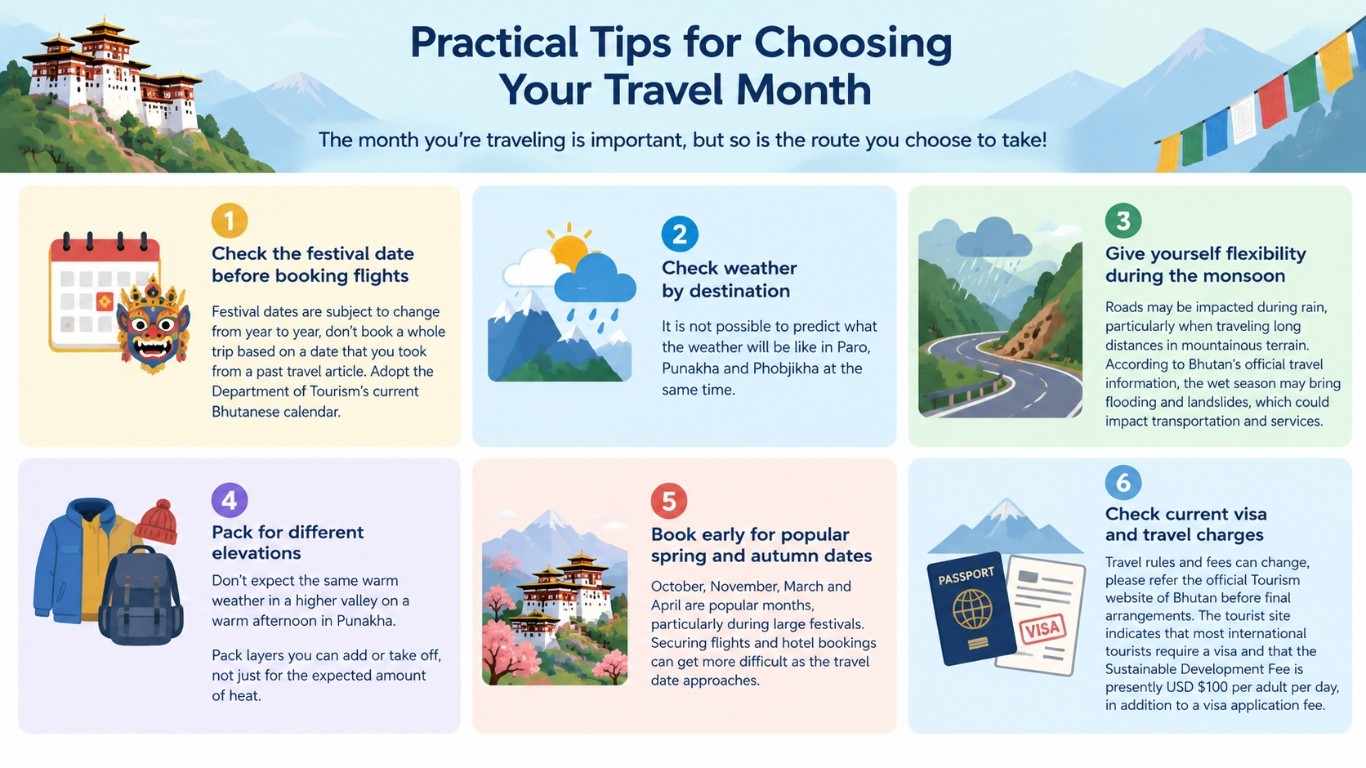
The month you’re traveling is important, but so is the route you choose to take!
Festival dates are subject to change from year to year, don’t book a whole trip based on a date that you took from a past travel article. Adopt the Department of Tourism’s current Bhutanese calendar.
It is not possible to predict what the weather will be like in Paro, Punakha and Phobjikha at the same time.
Roads may be impacted during rain, particularly when traveling long distances in mountainous terrain. According to Bhutan’s official travel information, the wet season may bring flooding and landslides, which could impact transportation and services.
Don’t expect the same warm weather in a higher valley on a warm afternoon in Punakha.
Pack layers you can add or take off, not just for the expected amount of heat.
October, November, March and April are popular months, particularly during large festivals. Securing flights and hotel bookings can get more difficult as the travel date approaches.
Travel rules and fees can change, please refer the official Tourism website of Bhutan before final arrangements. The tourist site indicates that most international tourists require a visa and that the Sustainable Development Fee is presently USD $100 per adult per day, in addition to a visa application fee.
There are no specific times to visit Bhutan, as the time of the visit varies according to the main reason. Consider spring for rhododendron blooms, nice walks and spring festivals. If you want to see the Himalayas, go in the fall when it is clearer. In winter, visit for quieter towns and black-necked cranes; in summer, visit for lush valleys and a slower journey.
Spring and autumn are the two times to consider for a first trip that includes the main cultural attractions of the country, as well as Punakha, Thimphu and Paro. If you already have an idea of what you want to do, it is almost always more logical to select a month that is around your experience, rather than just picking the one that has the best reputation.
Bhutan is a country that pays for travelers willing to plan around not only a generic weather chart, but what the country they want is. Please see the festival calendar, your route, as well as the altitude and current weather before making your dates.
The best time to visit Bhutan is March to May and September to November. These seasons usually bring pleasant temperatures, better mountain visibility, outdoor activity options and many cultural festivals. Bhutan can still be visited year-round.
October is often the best month to visit Bhutan for first-time travelers. It usually offers clear skies, comfortable temperatures, good trekking conditions and major festivals, although popular places, flights and hotels can be busier.
Yes, December can be a very good time to visit Bhutan. Days are often dry and clear, visitor numbers are lower, and mountain views can be excellent. Expect cold mornings and evenings, especially in Paro and Thimphu.
Bhutan’s main rainy season runs roughly from late June or July through September, with the Indian monsoon strongest in southern areas. Rainfall varies by altitude and region, so western valleys can feel different from the south.
Yes, you can visit Bhutan during the monsoon, especially for cultural sightseeing. June to August brings rain, slippery trails and possible travel delays, but valleys become lush, crowds fall, and mornings can still be useful for sightseeing.
Yes, October is an excellent time to visit Bhutan. Weather is generally comfortable, mountain visibility is often strong, trekking conditions are good and festival activity is high. Book early because October is a popular travel month.
Yes, winter can be an excellent time to visit Bhutan for travelers who prefer quieter sightseeing, dry weather and crisp mountain views. December to February also offers good opportunities for photography, cultural trips and black-necked crane watching.
The best time to trek in Bhutan is generally April to May and September to November. These periods offer better walking conditions, lower monsoon risk and clearer mountain views, although the ideal month depends on the route and altitude.
Spring and autumn are the strongest festival seasons in Bhutan, especially March to April and September to November. However, festivals occur throughout the year, so the best travel month depends on the specific festival you want to attend.
Rhododendrons usually bloom from late March through early May, with April often providing the strongest display. Higher elevations can bloom later. Spring is ideal for travelers who want flowers, green valleys and comfortable trekking weather.
Black-necked cranes are usually seen in Bhutan from late October or November through February, with Phobjikha Valley being the best-known viewing area. November is especially attractive because the birds are present and the annual festival is held.
Snow is most likely in Bhutan during winter, especially at higher elevations and mountain passes. Paro and Thimphu can occasionally receive snow, but it is not guaranteed in the main valleys. Northern and high-altitude areas are more reliable.
There is no month that must be completely avoided in Bhutan. July and August are less suitable for dry-weather sightseeing, clear Himalayan views and long treks, but they suit travelers who prefer greenery, quieter places and fewer visitors.
For fewer crowds, consider November, December through February, or the monsoon months. Winter gives clearer skies and quieter sightseeing, while summer offers lush landscapes and fewer visitors. Avoid major festival dates if peace is your priority.