The Everest Panorama Trek, also called the Everest View Trek, is a 9-day moderate teahouse trek through Nepal’s Khumbu region. The route follows the same trail as the Everest Base Camp Trek at the beginning, starting with a scenic flight to Lukla and walking through the Dudh Koshi River valley to Namche Bazaar. The track then extends on to Tengboche and then bends back to Namche. On the way, one can enjoy a close view of Mount Everest, Lhotse, Ama Dablam and Thamserku. This trek does not venture as high as the route to Everest Base Camp, but makes it to approximately 3,860m..
The Khumbu region also has longer and harder treks, such as the Everest Base Camp Trek, Everest Three Pass Trek, and Gokyo Lake Trek. These routes reach more than 5,000m at places like Kala Patthar and Gokyo Ri. The Everest Panorama Trek offers you the opportunity to see the same famous mountains and walk part of the traditional Everest trail but for a shorter period of time at high altitude.
Everest Panorama Trek vs. Everest Base Camp Trek
Choosing between the Everest Panorama Trek and the Everest Base Camp Trek mainly depends on your time and how high you want to trek. Both trails start at Lukla Airport and Namche Bazaar. The Panorama Trek turns back after Tengboche at about 3,860m, while the Everest Base Camp Trek continues to Everest Base Camp at 5,364m and usually takes 12 to 14 days.
The Panorama Trek is a good choice if you want beautiful Everest views, Sherpa villages, and mountain culture without spending two weeks on the trail. You will not reach Everest Base Camp, but you can still enjoy some of the best scenery in the Khumbu region.
What to Expect on the Trail
From Lukla, the trail follows the Dudh Koshi River through pine forests, suspension bridges, and Sherpa villages before reaching Namche Bazaar, the main trading town in the Khumbu region. You will spend a day in Namche to rest and adjust to the higher altitude.
The route then heads towards Tengboche, after Namche. Tengboche has some of the best views of the mountains along this trek, including views of Mount Everest, Lhotse and Ama Dablam. There is also another important Buddhist site in the Khumbu region, the Tengboche Monastery. Sometimes you will also be lucky enough to see the Sherpa Buddhist celebrations, if you go on your trip during Mani Rimdu or another local festival.
Why Trek With Himalayan Gateway Trek
Every Everest Panorama Trek booking with Himalayan Gateway Trek includes a licensed English-speaking guide, free airport transfer in Kathmandu, and clear pricing with no hidden costs. Our team stays available through WhatsApp during your trip, so you can contact us when you need help.
Himalayan Gateway Trek arranges everything for you, from your daily schedule, safety during high altitudes, flights, hotels, permits etc. We also encourage responsible trekking, which boosts the local community and also safeguards the environment of the Himalayas.
Everest Panorama Trek Hightlight
- Tengboche Monastery – Visit the largest monastery in the Khumbu region, surrounded by stunning Himalayan peaks.
- Namche Bazaar – Rest, adjust to the altitude, and explore local shops and bakeries.
- Fly to Lukla Airport with stunning Himalayan views
- Sagarmatha National Park – Walk through a UNESCO World Heritage Site, home to rare wildlife like red pandas, snow leopards, and Himalayan Thars.
- Trek Across Suspension Bridges and Along Glacial Rivers
- Visit the Sherpa Mountaineering Museum
- Explore the historic Khumjung Hillary School at Khumjung
- Crossing the epic Hillary suspension bridge decorated with colorful prayer flags.
- Everest View Hotel – Experience one of the best viewpoints for Mount Everest, offering breathtaking panoramic mountain views.
Benefits with Himalayan Gateway Trek
- Free transfer from Tribhuvan International Airport to the hotel during arrival and vice-versa on departure.
- Easy booking and reservation system.
- Trek with experienced local guides who prioritize your safety and enjoyment throughout the journey.
- Enjoy customized itineraries that match your fitness level, preferences, and available time.
- Enjoy transparent, fair pricing with no hidden costs, ensuring value for your money.
- Receive quick assistance in emergencies, along with guidance to prevent altitude sickness.
- Stay in local teahouses and connect with the local people to immerse yourself in their culture.
- Multi-channel communication (Email, WhatsApp, Facebook, WeChat, Viber, Skype, Zoom).
- Himalayan Gateway Trek promotes eco-friendly and responsible trekking, working closely with local communities to ensure that tourism benefits the region while preserving the environment
Comprehensive Everest Panorama Trek Guide.
The Everest Panorama trek is a fantastic alternative to the Everest Base camp trek for those wishing to see Mount Everest without the long days and extremely high elevations. This 9-day trek begins with a scenic flight to Lukla and involves 3-6 hours of walking each day. It is a great introduction into the Khumbu area for the first timers trekking.
The trail follows the Dudh Koshi River through Sagarmatha National Park, a UNESCO World Heritage Site. You will walk through pine and rhododendron forests, cross suspension bridges, and pass through Sherpa villages. At Namche Bazaar, you can enjoy the local markets, learn about Sherpa culture, and take time to rest and adjust to the higher altitude.
Everest Panorama Trek Itinerary
Day 01 : Arrival at Kathmandu Airport and transfer to the hotel.
Upon your arrival at Tribhuvan International Airport in Kathmandu Valley, the vibrant capital of Nepal, our friendly team from Himalayan Gateway Trek will be there to greet you with a warm welcome and take you to your hotel.
Once you arrive, you’ll receive a warm welcome, with staff presenting you with traditional flower garlands. They will assist you with the check-in process and make sure you’re comfortable. Afterward, you can relax and get ready for your adventure the next day. In the evening, walk around Thamel and have dinner whenever you like.
At the Himalayan Gateway Trek, we are excited to begin this journey with you and ensure a memorable experience throughout your stay in Nepal.
Day 02 : Fly from Kathmandu to Lukla and Trek to Phakding
Day 03: Trek from Phakding to Namche Bazaar
After an early breakfast in Phakding, you will begin your trek towards Namche Bazaar, the main trading hub and gateway to the Everest region. The trail follows the Dudh Koshi River, crossing several suspension bridges, including the famous Hillary Suspension Bridge.
Your trekking permit will be checked at Monjo (2,835m) where you will enter Sagarmatha National Park, a UNESCO World Heritage Site. The trail from here is steeper as you climb to Namche. The last part of the hike is a steep ascent through thick woods. If the weather is clear, you may get your first glimpse of Mount Everest along the way.
Day 04: Acclimatization Day at Namche Bazaar and Hike to Hotel Everest View Hotel
To adjust to the increasing altitude and prevent altitude sickness, today is an acclimatization day in Namche Bazaar. Instead of complete rest, you will go on a short hike to higher elevations and return to Namche for the night. After breakfast, you will hike to the Everest View Hotel (3,880m), one of the highest-altitude hotels in the world.
The trail is also known for its panoramic views of Mount Everest, Lhotse, Ama Dablam and other peaks. It’s very steep and can take 2-3 hours to reach the top, but it’s worth it for the great views. There you will spend some time before you descend back to Namche Bazaar, which will take about 1 to 2 hours.
Day 05: Trek from Namche Bazaar to Tengboche
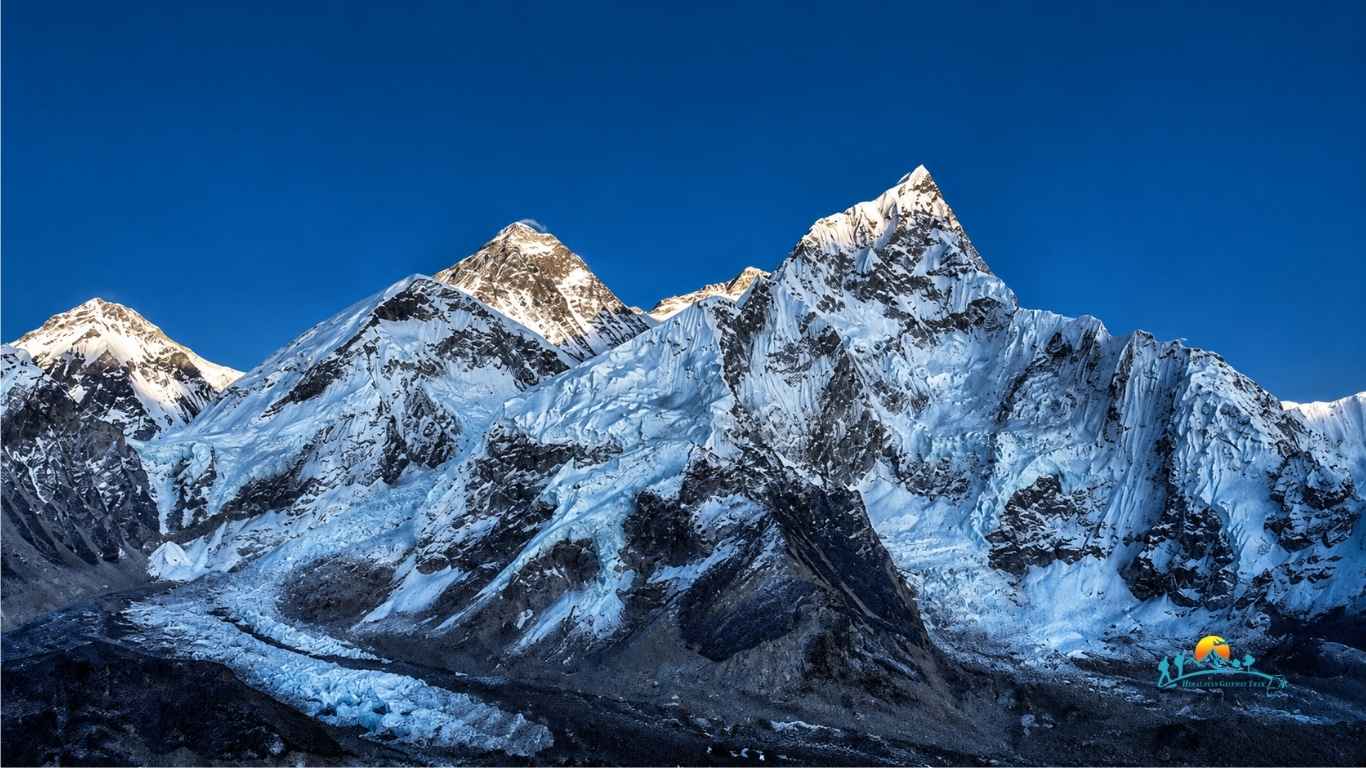
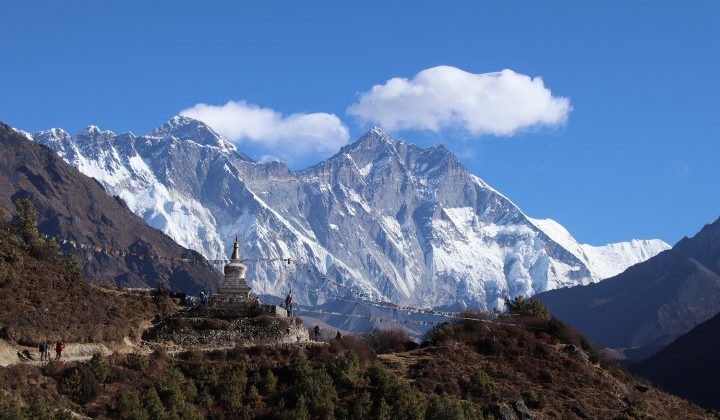
After breakfast in Namche Bazaar, you will begin your trek towards Tengboche, one of the most spiritual and scenic spots in the Everest region. The trail starts with a gentle and scenic path, offering breathtaking views of Everest, Lhotse, Nuptse, and Ama Dablam.
As you continue, the trail descends towards Phunki Tenga, a small village by the Dudh Koshi River, where you can take a short rest. After a strenuous ascent, you will finally reach Tengboche (3,860m), home to the famous Tengboche Monastery, the largest monastery in the Khumbu region.
Day 06: Trek Back from Tengboche to Namche Bazaar (3,440m/11,286ft) – 4 to 5 hrs.
After enjoying a peaceful morning in Tengboche, head back to Namche Bazaar. Then you will head back to the other side of the bridge over the Dudh Koshi River, through the village of Phunki Tenga and then up a gentle slope to reach Namche Bazaar.
Upon reaching Namche Bazaar, you can relax, explore the town, or visit local shops and cafés. This marks your last night in the lively Sherpa town before heading back towards Lukla.
Day 07 : Trek from Namche Bazaar to Lukla
Today is your final day of walking on the trail. You will make the long descent out of Namche Bazaar, crossing the high suspension bridges one last time as you follow the river valley.
The trail passes back through tiny Sherpa villages, such as Monjo and Phakding. The air is warmer and trees are greener along the way to Lukla town.
Day 08: Fly from Lukla (2,840m/9,316ft) to Kathmandu (1,400m / 4,593ft) and take rest.
In the morning, take an early-morning plane back to Kathmandu. When the aircraft takes off, you can once more admire the large snowy mountains above the clouds.
On arrival in Kathmandu, your driver will take you directly back to your hotel. The rest of the day will be yours for rest, a relaxing massage or a gift shopping trip to Thamel.
Day 9: Departure From Kathmandu.
On the final day of your journey, you will be transferred to Kathmandu’s Tribhuvan International Airport for your departure. Depending on your flight schedule, you may have some free time to do some last-minute shopping or explore the city.
As you leave Nepal, you’ll take with you unforgettable memories of your incredible trek through the Everest Panorama Trek.
What is included in this trek package?
- Airport pickup and drop by private vehicle.
- Two Night Accommodation in Kathmandu with B/B.
- Teahouse accommodation during the trek
- All meals (breakfast, lunch and dinner) with Tea/coffee during the trek
- All ground transportation on a comfortable private vehicle as per the itinerary
- Domestic flights (Kathmandu- Lukla -Kathmandu)
- An experienced, English-speaking and government-licensed trek guide
- Porter service (2 trekkers: 1 porter)
- Salary, insurance, equipment,food and accommodation of guide and porters.
- Sleeping bag to each trekkers (to be returned after trip completion)
- All necessary paperwork and trekking permits (National Park Permit, TIMS)
- Medical kit for our Nepali staff.
- Trekking certificate
- Farewell dinner at typical Nepali restaurant.
- Travel & rescue arrangement (Helicopter evacuation available if required, at clients cost based on clients insurance policy
What is excluded in this trek package?
- Flights to and from Nepal are not included in the trekking package.
- Extra night accommodation in Kathmandu due to early arrival or late departure, early return from the trek.
- All meals in Kathmandu, before and after the journey.
- Personal expenses such as laundry, bar bills, battery recharge, extra porters bottled or boiled water, shower, heater and phone calls etc.
- Travel Insurance (including medical evacuation, trekking, and emergency rescue) is not included.
- Personal trekking gear like trekking boots, jackets, gloves, hats, sunglasses, and a backpack are usually not included. These items must be purchased or rented separately.
- All the alcoholic and non-alcoholic drinks.
- Additional trips or tours in Kathmandu.


Packing the right gear for your Everest Panorama Trek is super important to keep you warm, comfortable, and safe on the trail. Because you will be sleeping in mountain teahouses and carrying a daypack while porters carry your main luggage, you do not need to pack heavy camping gear. Instead, focus on wearing layers so you can easily add or remove clothes as the weather changes.
The following personal equipment list will help you ensure that you are well-equipped for the varying conditions you’ll encounter along the trek.
- Passport, trekking permits, travel insurance copies, and extra passport-sized photos.
- Warm, 3 or 4-season sleeping bag and a soft sleeping bag liner.
- A warm fleece beanie.
- Sun glasses with UV protection.
- Sunscreen, lip balm, hand sanitizer, wet wipes.
- Face mask or Scarf.
- A quick-dry travel towel.
- Wind stopper / waterproof top and bottom.
- Cold weather down jacket below waist.
- Quick-dry t-shirts, warm thermal underwear, trekking pants, and a fleece jacket.
- Trekking trouser.
- T-Shirts(short or long sleeves) dry fit is better.
- Polypropylene thermal tops and bottom, at least 2pairs,
- Wind stopper and fleece gloves.
- Plenty of warm hiking socks and under wears.
- Sturdy, broken-in waterproof trekking boots.
- Snow Gaiter (optional).
- Runners / Snickers for camps.
- A reliable Head torch with extra Batteries.
- Personal medical kit.
- A reusable Water Bottle / Camel Pak.
- Trekking / Ski pole (optional. Handy for anyone with knee problem).
- Day pack Minimum 25L with side pocket for water bottle.
The Everest Panorama Trek is an exciting experience and if you are aware of what to expect, then it will be easier to prepare your trek. This guide provides you with all the information you’ll need, including the weather, daily activities, meals, and where to sleep. Whether you’re going on your first hike or with your family group, these facts will help you plan a fun and safe trip.
Below, you will find important details about your mountain flights, required trekking permits, cozy teahouse lodging, and safety support. Take a few minutes to read through these quick sections so you can feel completely ready for an unforgettable journey into the Himalayas.
Best Season
The best time to do the Everest Panorama Trek is during spring (March to May) and autumn (September to November). In spring, the trail is decorated with blooming rhododendrons, and the weather is mild. Autumn offers clear skies, stable temperatures, and stunning mountain views, making it an ideal season for trekking in the Everest region.
Trekking Duration & Difficulty
The Everest Panorama Trek is a 9-day trek, designed as a moderate trek that does not reach extreme altitudes. The highest point is Tengboche (3,860m), making it a great option for beginners and families. The trek provides breathtaking views of Everest, Ama Dablam, Lhotse, and Nuptse, offering an unforgettable Himalayan experience without the challenges of high-altitude trekking.
Transportation
The trek begins with a scenic 35-minute flight from Kathmandu Valley to Lukla, where the adventure starts. After completing the trek, you will take a return flight from Lukla to Kathmandu. The short flight provides breathtaking aerial views of the Himalayas and lush valleys.
Typical Daily Schedule
Each trekking day starts with breakfast around 7:00 AM, followed by 4-7 hours of trekking, depending on the route and altitude gain. There will be a lunch break at a teahouse along the way before continuing to the next destination. Afternoons are for relaxation, exploration, or acclimatization, and evenings include dinner, socializing with fellow trekkers, and preparation for the next day.
Accommodation & Meals
During the trek, you will stay in teahouses or lodges along the route, providing basic but comfortable accommodations. Meals include breakfast, lunch, and dinner, featuring traditional Nepali, Tibetan, and international dishes. Hot drinks like tea and coffee are available with meals to keep you warm and refreshed.
Permits & Entry Fees
To complete the Everest Panorama Trek, trekkers need the following permits:
-
Sagarmatha National Park Entry Permit (to enter the protected Everest region)
-
Khumbu Pasang Lhamu Rural Municipality Permit (mandatory for all trekkers in the Everest region)
Trekking Support & Safety
The package includes an experienced, licensed, English-speaking trekking guide who ensures safety and navigation throughout the trek. Porters (one per two trekkers) will carry up to 15 kg per person. To ensure safety at higher altitudes, first aid kits, pulse oximeters, and emergency support are available. 24/7 emergency assistance is also included in the package for any unforeseen situations.
Note to Travelers :
We organize private treks for groups of at least two people and do not add anyone in your group. Contact us via Call/WhatsApp/Viber at +977 - 9861197727 or email himalayangatewaytrek@gmail.com You can also use our Free Trip Planner.
Group Discount Price
Terms & Policies
Thank you for choosing Himalayan Gateway Trek. Our goal is to provide a safe, enjoyable, and memorable travel experience. Please review the following terms and policies before confirming your booking.
📍Booking & Payment
- 👉 A 20% deposit is required to confirm your booking.
- 👉 The remaining balance must be paid on your arrival day in Nepal
- 👉 Your booking is confirmed once we receive your deposit and send a confirmation.
📍Cancellation & Refunds
- 👉 If you cancel your trip 45 days or more before departure, 50% of the deposit amount will be refunded.
- 👉 No refunds are available for cancellations made within 45 days of departure.
- 👉 Any non-refundable costs already incurred, including permits, flights, accommodation, transportation, or other third-party services, will be deducted from the refund amount.
Note: Eligible refunds will be processed within 14 business days of receiving the cancellation request.
📍 Travel Insurance
- 👉 Travel insurance is mandatory for all trekking and adventure trips.
- 👉 Your insurance should cover emergency medical treatment, helicopter evacuation, trip cancellation, and personal accidents.
- 👉 Himalayan Gateway Trek is not responsible for expenses arising from inadequate insurance coverage.
📍 Trip Changes
- 👉 Weather conditions, flight delays, road conditions, government regulations, or other unforeseen circumstances may require changes to the itinerary.
- 👉 Any changes will be made with the safety and well-being of our guests as the highest priority.
📍 Responsibility
- 👉 Himalayan Gateway Trek is not responsible for flight delays, cancellations, injuries, loss of personal belongings, natural disasters, political unrest, or other events beyond our control.
- 👉 By booking a trip with us, you acknowledge and accept the inherent risks associated with trekking and adventure travel.
FAQs
What is the Everest Panorama Trek?
This is a shorter, lower-altitude alternative to the Everest Base Camp trek. It focuses on the Khumbu region’s cultural hubs, like Namche Bazaar and Tengboche, offering spectacular views of Everest, Lhotse, and Ama Dablam without extreme physical strain.
How difficult is Everest Panorama Trek?
The trek is graded as easy-to-moderate. While it involves navigating steep, rocky inclines and stone steps, the daily walking hours are manageable (4–6 hours) and the maximum altitude is significantly lower than other Himalayan routes, making it beginner-friendly.
What is the maximum altitude reached?
The highest point is typically Tengboche Monastery, situated at 3,860 meters (12,664 feet). Some itineraries include a hike to the Everest View Hotel at 3,880 meters, providing breathtaking vistas while remaining below the threshold for severe altitude sickness.
How long does the Everest Panorama Trek take?
A standard itinerary usually lasts between 7 to 10 days, including arrival and departure from Kathmandu. The actual trekking duration from Lukla to Tengboche and back generally spans five to seven days, allowing for a relaxed, enjoyable pace.
Do I need previous trekking experience for Everest Panorama Trek?
For Everest Panorama Trek, no professional mountaineering experience is required. However, a basic level of physical fitness is essential. If you are comfortable walking on hilly terrain for several hours a day, you will find this trek accessible and highly rewarding.
What permits are required for this Everest Panorama Trek?
You need two primary permits: the Khumbu Pasang Lhamu Rural Municipality Permit and the Sagarmatha National Park Entry Permit. These are mandatory for all trekkers and help fund local infrastructure and the conservation of the region’s unique biodiversity.
When is the best time to go?
The ideal seasons for the Everest Panorama Trek are Spring (March to May) and Autumn (September to November). During these months, the weather is most stable, the skies are crystal clear for mountain viewing, and the trails are vibrant with rhododendrons or crisp autumn colors.
Is Acute Mountain Sickness (AMS) a risk?
While the risk is lower than on the Base Camp trek, AMS can still occur above 3,000 meters. We mitigate this by including an acclimatization day in Namche Bazaar and emphasizing slow pacing, proper hydration, and a high-carbohydrate diet.
What kind of accommodation is available for Everest Panorama Trek?
Trekkers stay in local “teahouses,” which are mountain lodges offering basic twin-sharing rooms. While simple, they provide a cozy atmosphere, warm dining areas, and a chance to experience the famous hospitality of the Sherpa people in remote villages.
What is the food like on the trail?
Teahouses offer a variety of meals, including the traditional Dal Bhat (lentils and rice), pasta, soups, and eggs. The food is fresh and energy-dense, designed to fuel your trek. It is generally recommended to stick to vegetarian options for hygiene.
Can I actually see Mt. Everest on this trek?
Yes, you will see Everest clearly. Some of the best views are from the ridge above Namche Bazaar, the Everest View Hotel, and the spiritual grounds of Tengboche Monastery, where Everest peeks out behind the Nuptse-Lhotse ridge.
Is there internet or phone connectivity?
Wi-Fi and mobile networks (Ncell/NTC) are available in most villages, including Namche and Tengboche. However, connections can be slow or weather-dependent. Teahouses usually charge a small fee for Wi-Fi access and for charging electronic devices like cameras.
How do I get to the starting point?
The journey begins with a 35-minute scenic flight from Kathmandu (or Ramechhap during peak season) to Lukla. This flight is famous for its mountain views and serves as the gateway to the entire Everest region for trekkers.
What should I pack for this trek?
Key items include sturdy hiking boots, a down jacket, thermal base layers, a sleeping bag, and a waterproof shell. Don’t forget essentials like polarized sunglasses, high-SPF sunscreen, a reusable water bottle, and a personal first-aid kit for minor blisters.
Is travel insurance mandatory?
Yes, comprehensive travel insurance is mandatory. It must specifically cover emergency helicopter evacuation and medical expenses at altitudes up to 4,000 meters. This ensures you receive immediate assistance in the event of an unexpected illness or trail injury.
Can I do this trek solo?
While possible, hiring a licensed guide is highly recommended for safety and navigation. Recent Nepal government regulations encourage or require guides in many regions to ensure trekker safety and support the local economy through professional trekking services.
What is the Lukla flight like?
The flight to Lukla’s Tenzing-Hillary Airport is an adventure in itself. The short takeoff and landing on a mountainside runway are thrilling. Because flights are highly weather-dependent, it is wise to build a few buffer days into your schedule.
Are there ATMs available on the trail?
ATMs are available in Namche Bazaar, but they can be unreliable due to connectivity issues. It is always best to carry enough Nepalese Rupees from Kathmandu to cover personal expenses, snacks, hot showers, and tips for your crew.
Is safe drinking water available?
You can purchase bottled water, but using reusable bottles with purification tablets or filters is more eco-friendly. Avoid drinking raw tap water. Many teahouses also sell “boiled and filtered” water, which is a safe and sustainable choice for trekkers.
What is the hardest trek in Nepal?
The Great Himalaya Trail is the ultimate challenge, but the Dhaulagiri Circuit is widely considered the hardest popular trek. It involves technical glacier traverses, sustained high-altitude walking over 5,000 meters, and extreme isolation in rugged, unpredictable wilderness environments.
What is a panoramic Everest flight?
This is a one-hour “Mountain Flight” departing from Kathmandu. It provides every passenger with a window seat to view Mt. Everest and surrounding peaks from the air. It’s a perfect option for those with limited time or physical limitations.