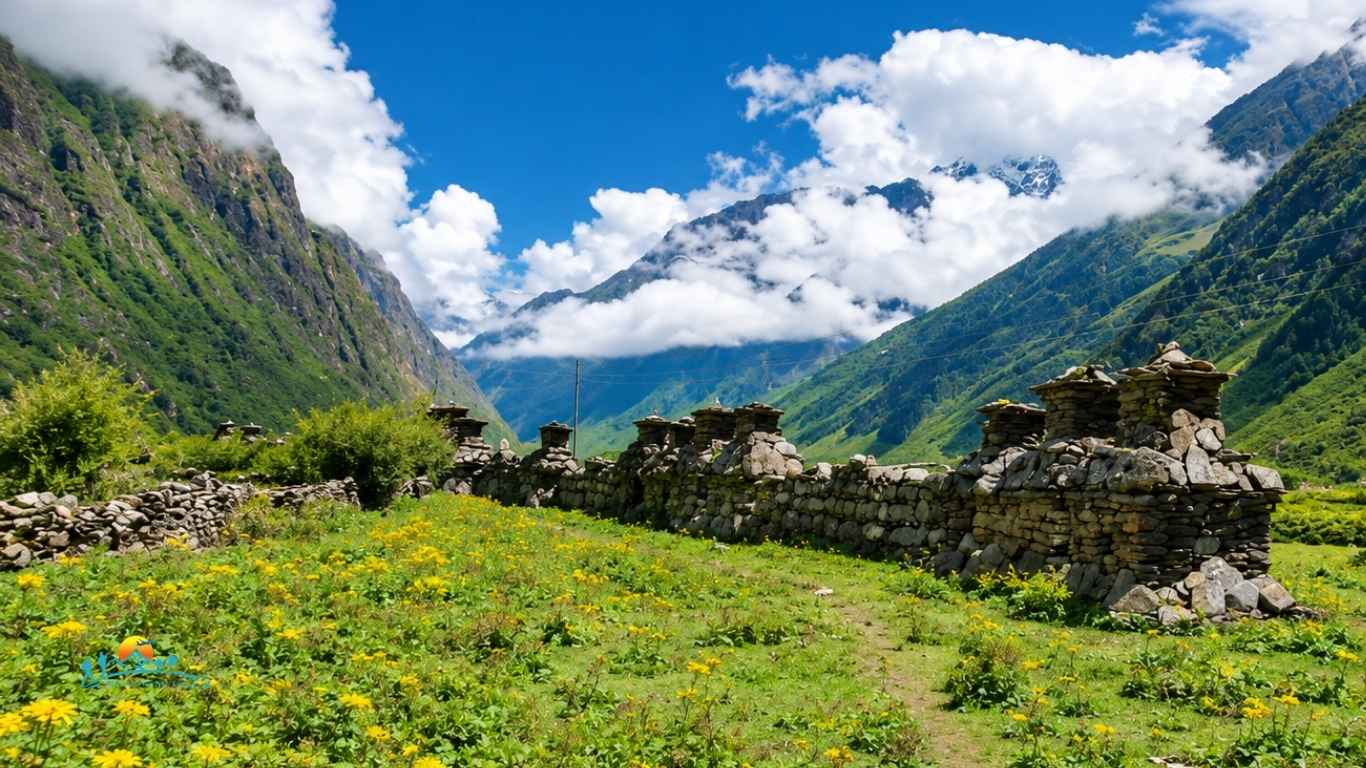
The Ama Dablam Base Camp Trek is a 13-day adventure that offers trekkers an immersive experience into the heart of the Khumbu region, culminating at the base camp of the iconic Ama Dablam (6,812m). The journey begins with a scenic flight from Kathmandu to Lukla, followed by a trek through Sherpa villages such as Phakding, Namche Bazaar, Tengboche, and Pangboche. These villages provide insights into Sherpa culture and offer stunning views of peaks like Mount Everest, Lhotse, and Nuptse. An acclimatization day in Namche Bazaar helps trekkers adjust to the altitude. The trek continues to Pangboche, then ascends to Ama Dablam Base Camp (4,570m), offering close-up views of Ama Dablam and other Himalayan giants. The return journey retraces the route back to Lukla, followed by a flight back to Kathmandu. This trek combines cultural exploration with breathtaking mountain vistas, making it a memorable experience for trekkers seeking a less crowded alternative to the Everest Base Camp trek.
Highlights of Ama Dablam Base Camp Trek
- Stunning views of the snow-capped Himalayas, including Everest, Annapurna, and Kanchenjunga.
- Immersive cultural experiences with local Sherpa, Tibetan, and Nepali communities.
- Well-planned trekking routes catering to all difficulty levels, from beginners to seasoned trekkers.
- Adventure-filled trails featuring lush forests, alpine meadows, and glacial rivers.
- Opportunities for wildlife spotting, including Himalayan monals, yaks, and red pandas.
- Visits to ancient monasteries, high-altitude lakes, and remote villages.
- Professional guides ensuring safety, comfort, and an authentic trekking experience.
- Eco-friendly trekking with a focus on responsible tourism and conservation.
Benefits of trekking with Himalayan Gateway Trek
- Improves physical fitness, endurance, and cardiovascular health.
- Enhances mental well-being by reducing stress and boosting happiness.
- Provides opportunities to make lifelong friendships with fellow trekkers.
- Builds resilience, confidence, and a sense of achievement.
- Supports local economies and promotes sustainable tourism.
- Experience well-organized logistics, ensuring a hassle-free adventure.
Comprehensive Ama Dablam Base Camp Trek Guide
The Ama Dablam Base Camp Trek is a 13-day adventure that offers trekkers an immersive experience into the heart of the Khumbu region, culminating at the base camp of the iconic Ama Dablam peak. This trek combines cultural exploration with breathtaking mountain vistas, making it a memorable journey for those seeking a more intimate Himalayan experience.
Best Seasons: The ideal times for the Ama Dablam Base Camp Trek are during the spring (March to May) and autumn (September to November) seasons. Spring brings blooming rhododendron forests and vibrant landscapes, while autumn offers post-monsoon clarity with excellent mountain views. These periods provide stable weather conditions, clear skies, and comfortable temperatures for trekking in the Everest region.
Typical Day: A typical day on the Ama Dablam Base Camp Trek begins with breakfast at 7:00 AM, followed by 5-7 hours of trekking with a lunch break at a teahouse along the route. Trekkers usually reach their destination by late afternoon, allowing time for relaxation, exploration, and acclimatization. Evenings include dinner and a briefing for the next day’s journey.
Flight Delays: Mountain weather can be unpredictable, affecting flights to Lukla and potential helicopter operations. Extra days are built into the itinerary to accommodate possible flight delays, and alternative transportation can be arranged if necessary.
Visa: A Nepal visa is available on arrival at Kathmandu Airport. Fees are $30 for 15 days and $50 for 30 days. Bring passport photos and USD cash for a smooth application process.
Travel Insurance: All trekkers must have mandatory travel insurance covering up to 6,000m altitude, including emergency helicopter evacuation. We can recommend suitable policies if needed.
Currency Exchange: Major currencies can be exchanged in Kathmandu, but ATMs are extremely limited in the Everest region. It is advisable to carry sufficient Nepali rupees for the trek, as most teahouses accept only cash.
Extra Expenses: Expect to budget $25-30 per day for additional expenses, including meals not covered in the package, snacks, hot showers, charging electronic devices, and WiFi access at teahouses.
Embarking on the Ama Dablam Base Camp Trek offers an opportunity to experience the majestic beauty of the Himalayas, immerse oneself in Sherpa culture, and achieve a sense of accomplishment by reaching the base camp of one of the world’s most stunning peaks.
Ama Dablam Base Camp Trek Itinerary
Day 1: Arrival in Kathmandu (1,300m)
Arrive in Kathmandu and transfer to your hotel, where you can relax after your journey. The rest of the day is free for rest and to prepare for the trek ahead, giving you time to adjust to the city and get ready for the adventure.
Day 2: Kathmandu Valley Sightseeing
Explore Kathmandu’s rich cultural heritage by visiting its UNESCO World Heritage Sites. Start with Swayambhunath (Monkey Temple), perched on a hill with panoramic views of the city. Then, visit the impressive Boudhanath Stupa, one of the largest in the world, and the sacred Pashupatinath Temple, a major pilgrimage site for Hindus. These iconic landmarks offer a deep connection to Nepal’s spiritual and historical roots.
Day 3: Fly to Lukla (2,845m) and Trek to Phakding (2,600m)
Fly from Kathmandu to Lukla, where your trek begins. The trail to Phakding is gentle, winding through villages like Cheplung and Ghat. As you walk, enjoy the beautiful views of the Dudh Koshi River, with the sound of rushing water accompanying you along the way.
Day 4: Trek from Phakding to Namche Bazaar (3,440m)
Cross several suspension bridges over the Dudh Koshi River, pass through villages like Monjo and Jorsale, and enter Sagarmatha National Park. The trail ascends steeply to Namche Bazaar, the main trading hub of the Khumbu region.
Day 5: Acclimatization Day at Namche Bazaar
Take a rest day to acclimatize and allow your body to adjust to the altitude. For those feeling energetic, there’s an optional hike to the Everest View Hotel, where you can enjoy stunning panoramic views of Everest, Lhotse, and Ama Dablam, with the majestic peaks standing tall against the clear sky.
Day 6: Trek from Namche to Pangboche (3,900m)
Descend to Phunki Tenga, crossing the Dudh Koshi River, and then begin the ascent to Tengboche Monastery, a spiritual highlight with breathtaking views of the surrounding peaks. After visiting the monastery, continue through the forest to Pangboche, renowned for its ancient monastery and stunning vistas of the Everest region.
Day 7: Trek from Pangboche to Ama Dablam Base Camp (4,600m) and Return to Pangboche
Ascend through alpine meadows and moraines, gradually making your way to Ama Dablam Base Camp. Here, you’ll be rewarded with close-up views of the majestic Ama Dablam and the surrounding peaks. After soaking in the breathtaking scenery, retrace your steps back to Pangboche.
Day 8: Trek from Pangboche to Namche Bazaar
Retrace your steps back to Namche Bazaar, passing through Tengboche and Phunki Tenga. Enjoy the familiar landscapes as you descend, with scenic views of the surrounding mountains and the peaceful rhythm of the journey leading you back to the bustling hub of Namche.
Day 9: Trek from Namche Bazaar to Lukla
Descend to Phakding and continue on to Lukla, marking the end of the trekking portion of your journey. As you make your way back, reflect on the incredible experiences and stunning landscapes you’ve encountered along the trail.
Day 10: Fly from Lukla to Kathmandu
Fly back to Kathmandu and, upon arrival, enjoy the rest of the day free for shopping or relaxation. Explore the bustling markets, pick up souvenirs, or simply unwind and reflect on your unforgettable trek.
Day 11: Final Departure
Transfer to the airport for your onward journey, taking one last look at the vibrant city of Kathmandu as you head toward your next adventure.
What is included in this trek package?
- All standard full-board (main course) meals (12 lunches, 12 dinners, and 13 breakfasts ) during the trek
- Water purification tablets for safe drinking water
- Snacks (cookies) and seasonal fresh fruits every day
- A government-licensed English-speaking trek leader, with an assistant guide for groups of 12 or more trekkers.
- A porter will assist with trekkers' luggage, with 2 trekkers sharing 1 porter. The maximum weight limit per porter is 18 kg (9 kg per trekker). Non-essential items can be stored at your hotel.
- Includes the wages, meals, insurance, lodging, transportation, flights, and other necessary equipment for guides and porters.
- Sagarmatha National Park Permit
- All government, local taxes, and official expenses
- Souvenirs - company's T-shirt & Cap
- A total of 12 nights, with comfortable accommodation along the trail and luxury hotels in cities like Kathmandu and Pokhara.
- All standard full-board meals (breakfasts, lunches, and dinners) throughout the trek.
What is excluded in this trek package?
- International flight costs
- Nepal Entry Visa Fees for multiple entries on arrival at Tribhuvan International Airport- (15 days - $30, 30 days- $50 and 90 days- $125)
- All accommodations in Kathmandu, before and after the journey
- Extra night accommodation in Kathmandu due to early arrival or late departure, or early return from the trek.
Essential gear includes sturdy trekking boots, down jacket, thermal layers, sleeping bag (rated to -20°C), and trekking poles. Technical climbing gear is not required, but quality cold-weather clothing is essential. Don’t forget camera equipment to capture the aerial views during the helicopter return.
Porter weight limits are strictly enforced: 18kg per porter, shared between two trekkers (9kg per person). Extra luggage can be stored at your hotel in Kathmandu.
Focus on lightweight, multi-purpose clothing that can be layered. Rental equipment is available in Kathmandu for items like down jackets and sleeping bags.
- General
- All season sleeping bag and down Jacket (we can provide if you need it, but has to be returned after the trek)
- Duffle bag ( Himlayan Gateway Trek provide duffle bag during the trek but has to be returned after the trek)
- A wind and waterproof thin layered jacket (a must-have for morning and evenings above 3,000m)
- Daypack
- Upper Body- Head / Ears / Eyewear
- A pair of half gloves
- A warmer hat that covers the ears
- Sunglasses
- Neckwarmer
- Sunscreen (35 to 60 SPF)
- Headlamp and an extra set of batteries
- Hands
- A pair of half gloves for walking poles(if you prefer)
- Warmer shell gloves and liner
- Upper Body
- Long sleeve t-shirts
- Thermal tops
- Wool jacket or pullover
- Sports bras for women and girls
- Water and windproof shell jacket
- Lower Body
- Thermal underwear (especially trousers)
- Windproof and waterproof trousers
- Warmer trousers
- Comfortable trekking pants
- Extra casual sport pants
- Footwear
- A pair of good waterproof trekking boots
- Pair of sandals
- 4-5 pairs of woolen socks
- Sock liners
- Light shoes and sneakers
- First Aid Kits and Medicines
- Assorted adhesive bandages (fabric preferred)
- Blister treatment cream or similar
- Insect / anti-itch ointment
- Ibuprofen or other pain-relief medication
- Diamox (125mg to 250mg tablets for altitude sickness)
- Warps, splints, and wound coverings butterfly bandage
- Water purifying pills
Best Seasons: The optimal times for the Ama Dablam Base Camp Trek are during the spring (March to May) and autumn (September to November) seasons. Spring brings blooming rhododendron forests and vibrant landscapes, while autumn offers post-monsoon clarity with excellent mountain views. These periods provide stable weather conditions, clear skies, and comfortable temperatures for trekking in the Everest region.
Typical Day: A typical day on the Ama Dablam Base Camp Trek begins with breakfast at 7:00 AM, followed by 5-7 hours of trekking with a lunch break at a teahouse along the route. Trekkers usually reach their destination by late afternoon, allowing time for relaxation, exploration, and acclimatization. Evenings include dinner and a briefing for the next day’s journey.
Flight Delays: Mountain weather can be unpredictable, affecting flights to Lukla and potential helicopter operations. Extra days are built into the itinerary to accommodate possible flight delays, and alternative transportation can be arranged if necessary.
Visa: A Nepal visa is available on arrival at Kathmandu Airport. Fees are $30 for 15 days and $50 for 30 days. Bring passport photos and USD cash for a smooth application process.
Travel Insurance: All trekkers must have mandatory travel insurance covering up to 6,000m altitude, including emergency helicopter evacuation. We can recommend suitable policies if needed.
Currency Exchange: Major currencies can be exchanged in Kathmandu, but ATMs are extremely limited in the Everest region. It is advisable to carry sufficient Nepali rupees for the trek, as most teahouses accept only cash.
Extra Expenses: Expect to budget $25-30 per day for additional expenses, including meals not covered in the package, snacks, hot showers, charging electronic devices, and WiFi access at teahouses.
Note to Travelers :
We organize private treks for groups of at least two people and do not add anyone in your group. Contact us via Call/WhatsApp/Viber at +977 - 9861197727 or email himalayangatewaytrek@gmail.com You can also use our Free Trip Planner.
Group Discount Price
Terms & Policies
Thank you for choosing Himalayan Gateway Trek. Our goal is to provide a safe, enjoyable, and memorable travel experience. Please review the following terms and policies before confirming your booking.
📍Booking & Payment
- 👉 A 20% deposit is required to confirm your booking.
- 👉 The remaining balance must be paid on your arrival day in Nepal
- 👉 Your booking is confirmed once we receive your deposit and send a confirmation.
📍Cancellation & Refunds
- 👉 If you cancel your trip 45 days or more before departure, 50% of the deposit amount will be refunded.
- 👉 No refunds are available for cancellations made within 45 days of departure.
- 👉 Any non-refundable costs already incurred, including permits, flights, accommodation, transportation, or other third-party services, will be deducted from the refund amount.
Note: Eligible refunds will be processed within 14 business days of receiving the cancellation request.
📍 Travel Insurance
- 👉 Travel insurance is mandatory for all trekking and adventure trips.
- 👉 Your insurance should cover emergency medical treatment, helicopter evacuation, trip cancellation, and personal accidents.
- 👉 Himalayan Gateway Trek is not responsible for expenses arising from inadequate insurance coverage.
📍 Trip Changes
- 👉 Weather conditions, flight delays, road conditions, government regulations, or other unforeseen circumstances may require changes to the itinerary.
- 👉 Any changes will be made with the safety and well-being of our guests as the highest priority.
📍 Responsibility
- 👉 Himalayan Gateway Trek is not responsible for flight delays, cancellations, injuries, loss of personal belongings, natural disasters, political unrest, or other events beyond our control.
- 👉 By booking a trip with us, you acknowledge and accept the inherent risks associated with trekking and adventure travel.
FAQs
Is Ama Dablam base camp worth it?
Absolutely, It offers spectacular, close-up views of the world’s most beautiful mountain without the heavy crowds of Everest. You’ll experience rich Sherpa culture, ancient monasteries, and breathtaking Himalayan landscapes, making it a highly rewarding and unforgettable high-altitude adventure.
What is the difficulty level of Ama Dablam trek?
The Ama Dablam Base Camp trek is considered moderately difficult. While it is non-technical, it involves steep ascents and high altitudes reaching 4,600m. Good physical fitness, stamina, and cardiovascular preparation are essential to handle the daily 5-7 hours of walking comfortably.
What is the hardest base camp trek?
The Dhaulagiri Base Camp trek is often cited as Nepal’s hardest due to its technical glaciated terrain and high-altitude passes. Globally, K2 Base Camp in Pakistan is considered the toughest because of its extreme isolation, ruggedness, and extreme weather challenges.
What is the best time for the Ama Dablam Base Camp Trek?
The ideal times are Spring (March to May) and Autumn (September to November). These months offer stable weather, clear blue skies, and peak visibility. In Spring, you’ll see blooming rhododendrons and climbers, while Autumn provides crisp, unobstructed views after the monsoon.
How high is Ama Dablam Base Camp?
The highest point of this trek is the Ama Dablam Base Camp, situated at approximately 4,600 meters (15,092 feet). While lower than Everest Base Camp, the thin air still requires careful acclimatization and a slow pace to ensure a safe journey.
Which permits are required for the Ama Dablam trek?
You need two main permits: the Sagarmatha National Park Entry Permit and the Khumbu Pasang Lhamu Rural Municipality Permit. These are essential for environmental conservation and local infrastructure development. Your trekking agency typically organizes these for you before your adventure begins.
How many days does the Ama Dablam Base Camp Trek take?
Most Ama Dablam Base Camp itineraries span 10 to 13 days, including arrival in Kathmandu. This timeframe allows for essential acclimatization days in Namche Bazaar, ensuring your body adjusts to the high altitude before reaching the base camp and returning safely.
Is previous trekking experience necessary?
While no technical climbing skills are required, prior trekking experience is highly recommended. You should be comfortable walking 5 to 7 hours daily on steep, rocky terrain. Consistent cardiovascular training and leg-strengthening exercises are vital at least two months before departure.
What kind of accommodation is available on the trail?
You will stay in traditional Himalayan teahouses or lodges. These provide basic, clean twin-sharing rooms and communal dining areas. While facilities become more rustic at higher altitudes, they offer a cozy atmosphere, warm blankets, and a unique glimpse into authentic Sherpa hospitality.
How can I prevent altitude sickness?
Prevent altitude sickness (AMS) by ascending slowly, staying hydrated, and taking mandatory acclimatization days in Namche Bazaar. Avoid alcohol and tobacco, and always inform your guide if you experience headaches. Following the “walk high, sleep low” principle is the most effective strategy.
Is travel insurance mandatory for this trek?
Yes, comprehensive travel insurance is mandatory. It must specifically cover high-altitude trekking up to 5,000 meters and emergency helicopter evacuation. Medical emergencies in remote regions are extremely costly, making this coverage essential for your financial protection and personal safety during the trip.
What food is typically served in teahouses?
Teahouses serve varied meals, primarily Dal Bhat (lentil soup with rice), which provides excellent energy. You’ll also find pasta, noodles, and Sherpa stews. It is generally recommended to stick to vegetarian options at higher altitudes to ensure better digestion and avoid foodborne issues.
Is there Wi-Fi or mobile connectivity on the Ama Dablam Base Camp Trek?
Wi-Fi is available in most teahouses for a small fee, though it becomes less reliable as you ascend. You can also use local SIM cards like Ncell or NTC. However, signal strength varies greatly depending on the terrain, weather, and specific location.
Can I charge my electronic devices during the trek?
You can charge your devices at teahouses for a small fee, typically $2 to $5. Since charging stations can be limited and solar-dependent, bringing a high-capacity power bank is highly recommended to keep your camera and phone functional throughout the journey.
What should I pack for the Ama Dablam trek?
Pack moisture-wicking layers, a high-quality down jacket, waterproof trekking boots, and a warm sleeping bag rated for -15°C. Essential items also include sunscreen, polarized sunglasses, a wide-brimmed hat, and a personal first-aid kit to manage minor blisters or altitude symptoms.
Are there ATMs available in the Khumbu region?
ATMs are only available in Kathmandu and Namche Bazaar. Beyond Namche, you must carry enough local currency (Nepalese Rupees) for personal expenses like snacks, hot showers, and tips. It is wise to withdraw extra cash in Kathmandu to avoid potential machine failures.
Do I need a guide for the Ama Dablam Base Camp Trek?
Yes, hiring a licensed guide is mandatory for trekking in Nepal to ensure safety. Guides provide cultural insights, manage logistics, and monitor your health for altitude sickness. Their expertise ensures a more secure, organized, and enriched experience in the complex mountain environment.
What is the difference between EBC and Ama Dablam Base Camp?
While Everest Base Camp is iconic, Ama Dablam Base Camp is quieter and offers more intimate views of the “Matterhorn of the Himalayas.” The trail is less crowded, providing a peaceful alpine experience with spectacular 360-degree panoramas that many trekkers find more rewarding.