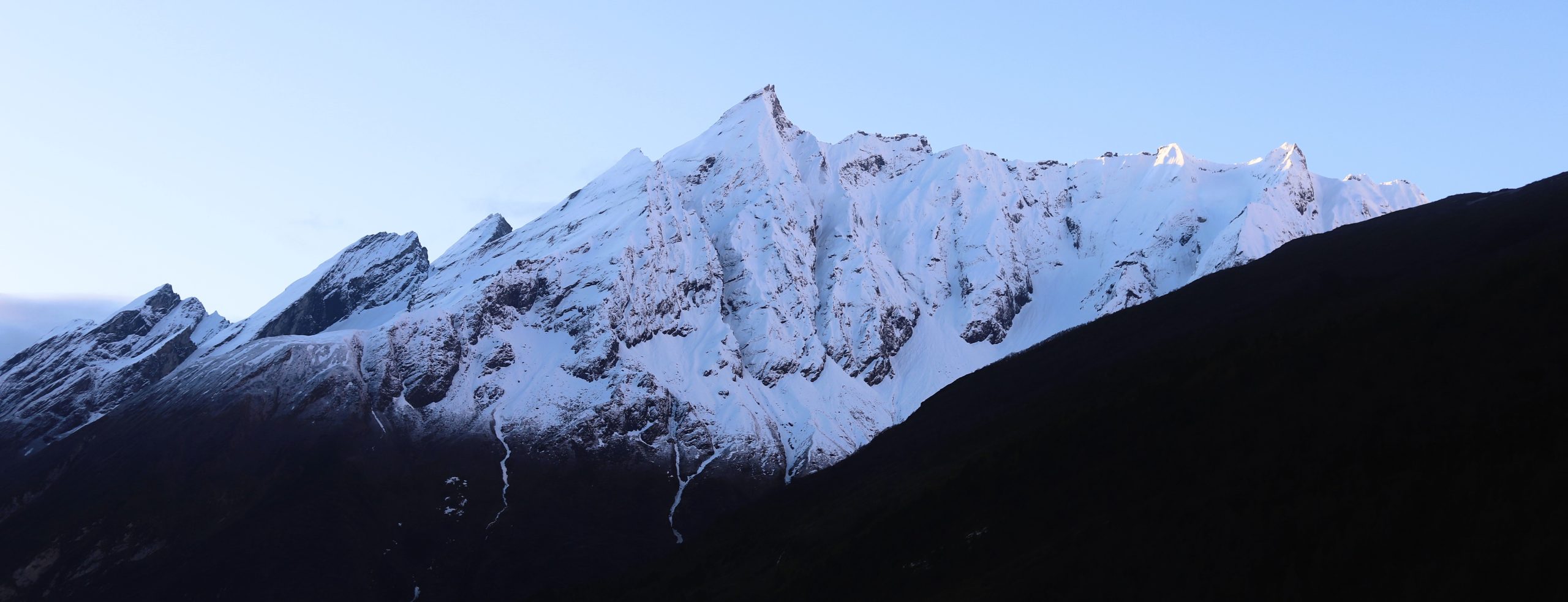
The Manaslu and Annapurna Circuit Trek combines two of the most celebrated mountain routes in Nepal into one long, continuous alpine path. This grand walking route starts in the low sub-tropical foothills of the Budhi Gandaki River before climbing into the high, restricted valleys near the Tibet border.
Trekkers walk through traditional villages, dense pine woods, and bare rock fields before reaching the first major hurdle at Larkya La Pass. Once you descend from this snowy pass into the forest of Bimthang, the trail leads directly to Dharapani, where the path connects with the classic Annapurna route.
This massive journey stands out because of the sharp shift in environment and trail life between the two regions. The first half around Mount Manaslu rewards you with quiet trails, simple tea houses, and a strong presence of ancient Tibetan Buddhist culture. Local people in villages like Samagaon and Samdo maintain their traditional clothing, language, and stone-built homes away from major tourist crowds.
As you join the Annapurna Circuit from Dharapani onward, the valley opens up with wider paths, Western-style bakeries, stronger internet access, and a more social atmosphere among international hikers.
Walking this combined route requires immense physical stamina because you must cross two separate mountain passes above five thousand meters. Trekkers first conquer Larkya La Pass at five thousand one hundred and six meters, followed days later by Thorong La Pass at five thousand four hundred and sixteen meters.
The cumulative fatigue from walking six to eight hours daily makes this journey far more demanding than standard single-circuit trips. However, the reward is an unmatched view of three different mountain groups over eight thousand meters, including Mount Manaslu, Mount Annapurna, and Mount Dhaulagiri.
Two High Passes in One Continuous Footpath
Hikers cross both Larkya La Pass and Thorong La Pass without needing vehicle transfers or flights between the regions. The trail drops from the cold ridges of Manaslu directly into the starting points of the Annapurna path system at Dharapani. This connection creates a steady progression across changing rock types, weather zones, and river systems.
The Cultural Shift from Nubri Valley to Manang
The human element changes dramatically as you walk from the isolated eastern valleys to the busy northern trade routes. In the Manaslu region, people follow centuries-old Tibetan practices and live in stone-carved villages. Once you enter Manang on the Annapurna side, you encounter larger towns with modern conveniences, mountain lodges, and active trade markets.
Physical Demands of Cumulative High Altitude Fatigue
Climbing two separate walls of the Himalayas places intense stress on your muscles and respiratory system. Your body carries the weight of daily exertion from the first twelve days before you even attempt the higher climb up Thorong La Pass. Success requires a steady walking speed, regular hydration, and careful attention to your physical limits.
Manaslu and Annapurna Circuit Trek Highlights
- Cross two giant Himalayan passes above five thousand meters: Larkya La (5,106 m) and Thorong La (5,416 m).
- Observe the preservation of ancient Tibetan Buddhist lifestyle in remote villages like Samagaon and Samdo.
- Transition directly between two iconic trekking regions without any vehicle transfers.
- Enjoy dramatic views of three mountain massifs over eight thousand meters: Manaslu, Annapurna, and Dhaulagiri.
- Walk along the roaring waters of both the Budhi Gandaki and Marsyangdi river systems.
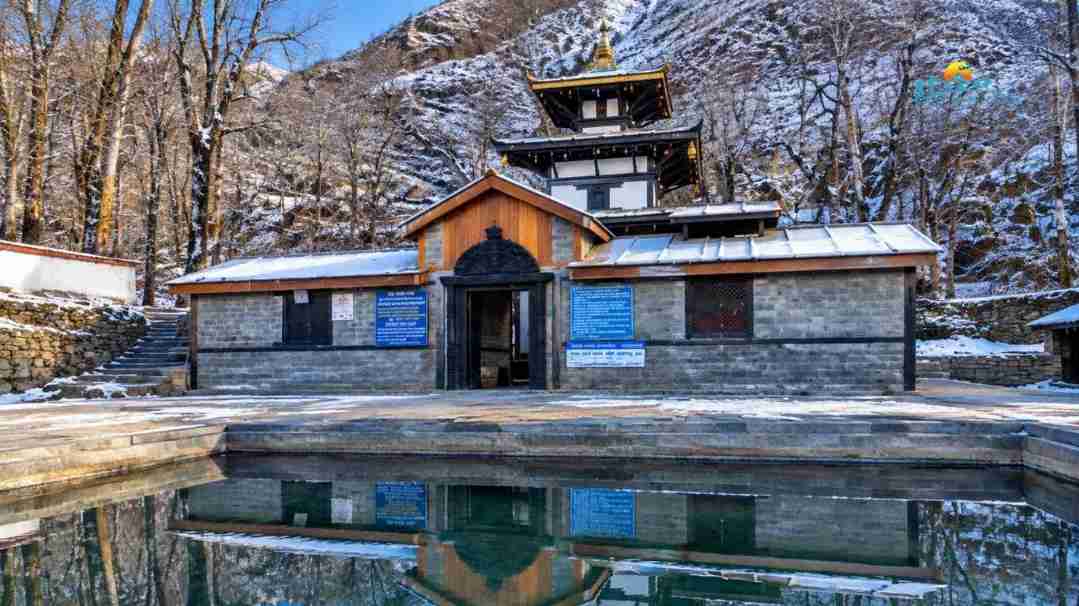
- Visit the holy temple complex of Muktinath, a sacred pilgrimage site for both Hindus and Buddhists.
Why Book with Himalayan Gateway Trek?
- Experienced mountain guides who hold formal government licenses and extensive first-aid certification.
- Full handling of all restricted area documents, ACAP and MCAP permits, and mandatory paperwork before you arrive.
- Carefully planned 22-day schedule that provides proper high-altitude rest intervals to prevent altitude sickness.
- Direct ground transport arrangements using private vans and reliable local mountain jeeps.
- Pre-selected high-quality tea houses that offer clean rooms and nutritious meals throughout the route.
Manaslu and Annapurna Circuit Trek Overview
This 22-day mountain journey links two of Nepal’s premier trekking circuits into one massive alpine challenge. You begin in the subtropical lowlands of the Budhi Gandaki river canyon before climbing into the remote high-altitude valleys bordering Tibet. The first half of the route follows the quiet paths of the Manaslu region, where ancient Buddhist culture remains untouched by heavy commercial tourism.
After crossing the snowy ridges of Larkya La Pass at 5,106 meters, you drop directly into Dharapani to join the legendary Annapurna Circuit. The trail immediately transitions from isolated stone villages to wider mountain paths with established lodges and vibrant trading hubs. You then push through the classic Manang valley to conquer your second major height at Thorong La Pass, standing at 5,416 meters.
Walking this combined loop tests your endurance but rewards you with changing scenery, distinct ethnic communities, and close views of three separate mountain masses over eight thousand meters. Government regulations require a licensed guide and at least two trekkers for the restricted Manaslu portion, making this a highly secure and structured mountain expedition.
Complete 22 Days Manaslu and Annapurna Circuit Trek Itinerary
Day 01: Arrival in Kathmandu (1,400 m)
You land at Tribhuvan International Airport in Kathmandu. Our representative meets you outside the arrivals terminal and transfers you to your hotel. Spend the rest of the day resting or walking around the local markets to prepare for the trip.
In the evening, attend a brief meeting with your guide to review the equipment and route details.
Day 02: Drive from Kathmandu to Maccha Khola
You depart Kathmandu early in the morning for a scenic drive toward the starting point of the trail. The road winds along the Prithvi Highway parallel to the Trishuli River before heading north toward Dhading Besi and Arughat.
You follow the banks of the Budhi Gandaki River past rural villages and terraced hillsides until you reach the settlement of Maccha Khola for your overnight stay.
Day 03: Trek from Maccha Khola to Jagat
Your mountain walking begins today as you follow the narrow river valley upstream. You pass through Khorlabesi and reach Tatopani, where natural hot springs flow from the hillsides.
After crossing several suspension bridges over the rushing river, you climb the stone steps of Thado Bharyang to reach the stone-paved village of Jagat, the entry checkpoint for the Manaslu Conservation Area.
Day 04: Trek from Jagat to Deng
You leave Jagat and climb a rocky ridge to Salleri before descending toward Sirdibas. The valley opens up as you cross the river to reach the large Gurung village of Philim.
Moving north past rural farms, the trail passes through deep bamboo groves and a narrow canyon before arriving at the tiny village of Deng.
Day 05: Trek from Deng to Namrung
The path climbs steadily through thick pine and rhododendron woods today. You cross the Budhi Gandaki River multiple times and pass several traditional mani walls and Buddhist shrines.
A final steep climb brings you to the beautiful village of Namrung, which offers your first sharp views of the surrounding high peaks.
Day 06: Trek from Namrung to Shyala (3,450 m)
You enter the upper Nubri region today, where local culture displays strong Tibetan ties. The trail passes through Lihi and Lho villages, where you see local farmers working in barley fields and children dressed in traditional clothes.
You continue ascending past ancient monasteries to reach the wide settlement of Shyala, surrounded by an incredible circle of peaks including Mount Manaslu.
Day 07: Lho to Sama Gaun (3,530 m)
A shorter walking day allows your body to adjust to the rising high altitude. You descend slightly from the ridges before walking through a wide, flat glacier valley that leads directly to Sama Gaun.
This large, stone-built village serves as the main hub for regional trade and mountain expeditions.
Day 08: Acclimatization Day
You remain in Sama Gaun for a full day to allow your lungs to adapt to the thin mountain air. You can take a scenic side walk up to the ancient Pungyen Gompa monastery, sitting directly below the massive eastern face of Mount Manaslu. Alternatively, a hike to the shores of Birendra Tal glacial lake offers excellent high altitude training.
Day 09: Trek from Sama Gaun to Samdo – 3,865 m
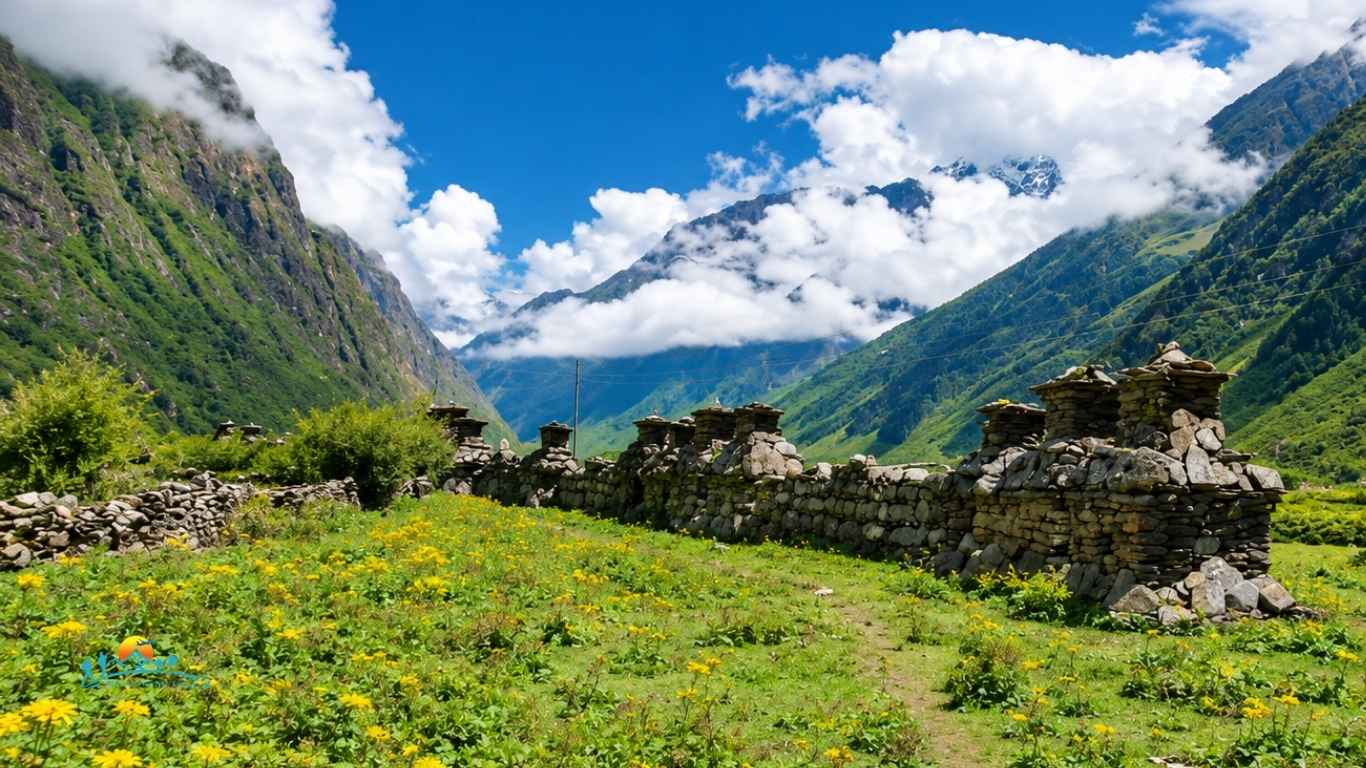
The trail follows the thinning Budhi Gandaki River as you ascend above the tree line into cold alpine territory. You walk past massive stone walls carved with Buddhist prayers and climb a gentle ridge to reach Samdo.
This remote village sits very close to the Tibetan border and acts as the final permanent human settlement on this side of the pass.
Day 10: Trek from Samdo to Dharmasala – 4,460 m
You cross a wooden bridge over the river and begin a steady, slow climb across bare rock fields. The path takes you past the ruins of an old marketplace before ascending toward the stone shelters of Dharmasala, also known as Larkya Phedi. You spend the afternoon resting and hydrating to prepare for the early morning mountain pass crossing.
Day 11: Trek from Dharmasala to Bimthang (3,590 m) via Larkya Pass (5,106 m)
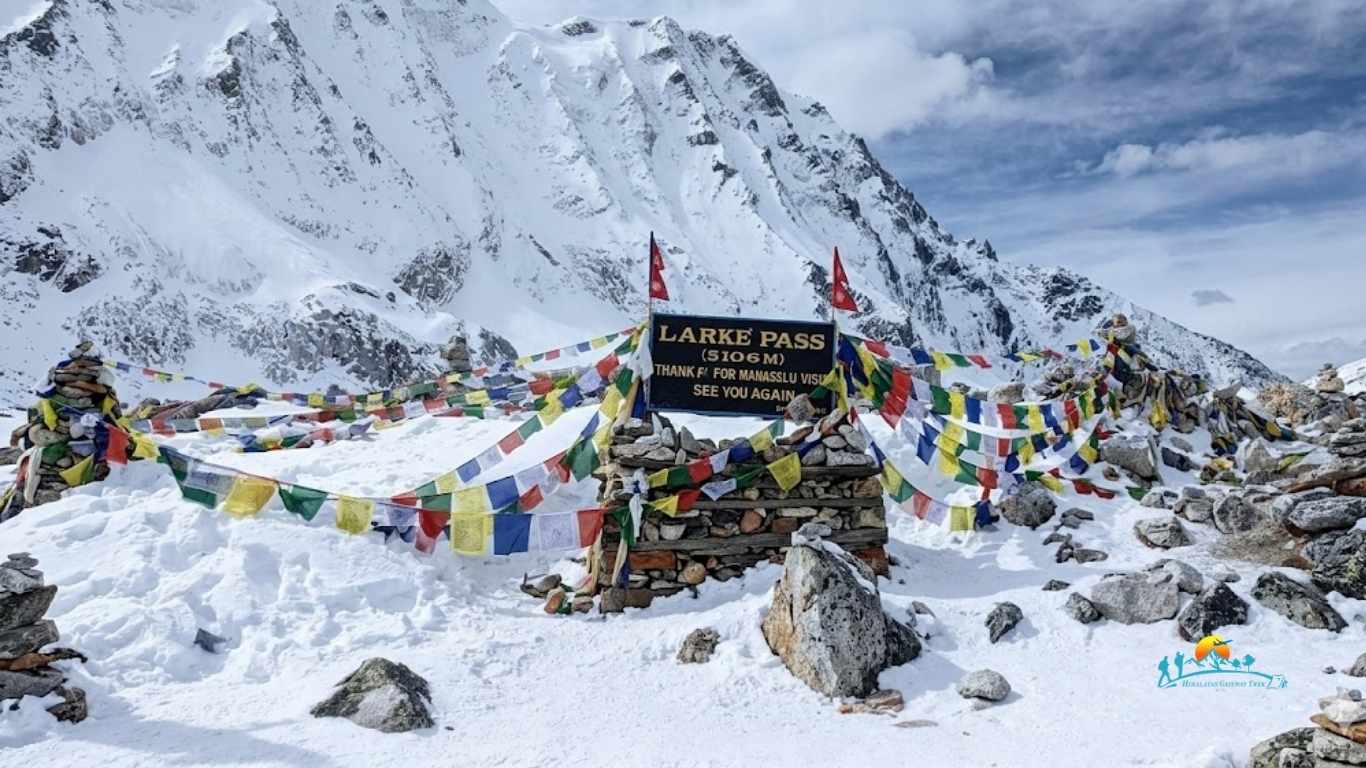
You wake up before dawn to begin the long climb up the lateral moraine of the glacier. Walking over steep snow and rock sections, you reach the prayer flags marking the top of Larkya La Pass at 5,106 meters.
After enjoying views of Himlung Himal and Kang Guru, you follow a steep, slippery descent down to the green meadows of Bimthang.
Day 12: Trek from Bimthang to Dharapani (1,960 m)
The trail drops rapidly out of the cold high mountains into dense forests of pine, oak, and rhododendron. You follow the Dudh Khola River down to the village of Tilije, passing quiet pastures and terraced farmland.
A final short walk across a suspension bridge over the Marsyangdi River brings you to Dharapani, where you join the main Annapurna Circuit.
Day 13: Trek from Dharapani to Chame (2,650 m)
Walking along the Marsyangdi River, you head upstream into the Manang district through steep forest valleys. You pass through Bagarchhap and Timang villages, enjoying excellent views of Lamjung Himal and Annapurna Two.
The trail leads directly into Chame, the administrative headquarters of the district, which features hot springs and modern shops.
Day 14: Chame to Upper Pisang – 3,300 m
You cross the river and walk through a deep pine forest as the trail climbs a dramatic rock wall known as Paungda Danda. The valley opens up significantly as you enter the dry rain shadow zone of the Himalayas.
You ascend a steady hillside path to Upper Pisang, where traditional stone houses look out directly at the massive northern peaks.
Day 15: Upper Pisang to Manang – 3,540 m
You choose the high upper route through the traditional villages of Ghyaru and Ngawal today to gain better views and acclimatization. This scenic path provides wide vistas of the entire Annapurna ridge before dropping back down to the main valley floor. You pass Braga village and its ancient monastery to reach the bustling mountain town of Manang.
Day 16: Acclimatization Day in Manang – 3,540 m
You spend a necessary rest day in Manang to prepare your body for the immense height of Thorong La Pass. A short morning walk up to Gangapurna Lake or the high viewpoints helps maintain your physical training.
You can spend the afternoon resting, visiting local bakeries, or attending a high altitude health lecture at the local aid post.
Day 17: Manang to Yak Kharka – 4,110 m
The trail exits Manang and climbs steadily out of the main valley, heading north toward the Jarsang Khola. You leave the last trees behind and enter wide alpine pastures where local herders graze yaks and mountain goats. You cross a wooden bridge over a small stream to reach the quiet cluster of lodges at Yak Kharka.
Day 18: Yak Kharka to Thorong Phedi – 4,600 m
You walk along a steady, rising path before crossing a suspension bridge to the eastern bank of the river. The trail traverses a steep scree slope that requires careful footing due to loose rocks.
A final push brings you to Thorong Phedi, the busy base camp sitting directly below the giant mountain wall, where you rest early for the upcoming pass crossing.
Day 19: Thorong Phedi to Muktinath (3,870 m) via Thorong La pass (5,416 m)
Starting long before sunrise, you tackle the steep, frozen switchbacks up toward the highest point of the trip. After hours of steady breathing and walking over snowfields, you arrive at the prayer flags of Thorong La Pass at 5,416 meters.
You capture views of Dhaulagiri and the Kali Gandaki valley before embarking on a long, steep knee-jarring descent to the holy temples of Muktinath.
Day 20: Drive from Muktinath to Pokhara by private Van
You visit the sacred 108 water spouts of Muktinath temple in the morning before boarding your private van. The vehicle descends through the deep gorges of the Kali Gandaki River, driving past Jomsom, Marpha, and Tatopani.
The long road trip brings you out of the dry mountain valleys back to the lush, warm lakeside city of Pokhara for a comfortable evening.
Day 21: Drive / Fly back to Kathmandu
You travel back to the capital city today, taking either a scenic drive along the highway or a short domestic flight over the central Himalayan ranges. Once you arrive in Kathmandu, check into your hotel and spend the rest of the day buying souvenirs or resting.
In the evening, gather with our team for a celebratory farewell dinner to mark the completion of your journey.
Day 22: Departure
Your 22-day Himalayan expedition concludes today. Our representative picks you up from your hotel and drives you to Tribhuvan International Airport for your flight back home.
You leave Nepal with incredible memories of crossing two historic high mountain passes.
What is Included in the Tour Package Price
- Airport pickup and drop services by private vehicle.
- 2 Night hotel in kathmandu and 1 night hotel in Pokhara as per the trip itinerary.
- All mandatory mountain permits including the Manaslu Restricted Area Permit, MCAP & ACAP.
- Meals during a trek (3 meals with a cup of tea or coffee )
- Clean tea house and mountain lodge accommodations during the trek.
- An experienced, government-licensed mountain guide to lead the entire journey.
- Strong mountain porters to carry guest luggage, assigned at a ratio of one porter for two trekkers.
- All ground transportation as per the itinerary.
- Medical kit box carried by the guide for basic first-aid management.
- Food,salary,insurance,accommodation of Nepali staff
- Sleeping bag & Duffel bag to each trekker’s (to be returned after the trek )
- All the government and local tax with paper work
- Farewell dinner at typical Nepali restaurant
- Travel & rescue arrangement (Helicopter evacuation available if required, at clients cost based on clients insurance policy)
- Trekking Certificate
What is Excluded from the Tour Package Price
- International flights to and from Kathmandu, and Nepal entry visa fees.
- Travel and medical insurance policies that cover high-altitude helicopter evacuation.
- Lunch and dinner during your stay in Kathmandu and Pokhara (except scheduled event meals).
- Personal trekking equipment and technical gear such as sleeping bags, down jackets, and walking poles.
- Extra charges at mountain lodges including hot showers, battery charging, and Wi-Fi access.
- Bottled water, boiled drinking water, soft drinks, snacks, and alcoholic beverages.
- Any additional expenses caused by flight delays, road blockages, political changes, or weather events.
- Tips to guide & Porters.
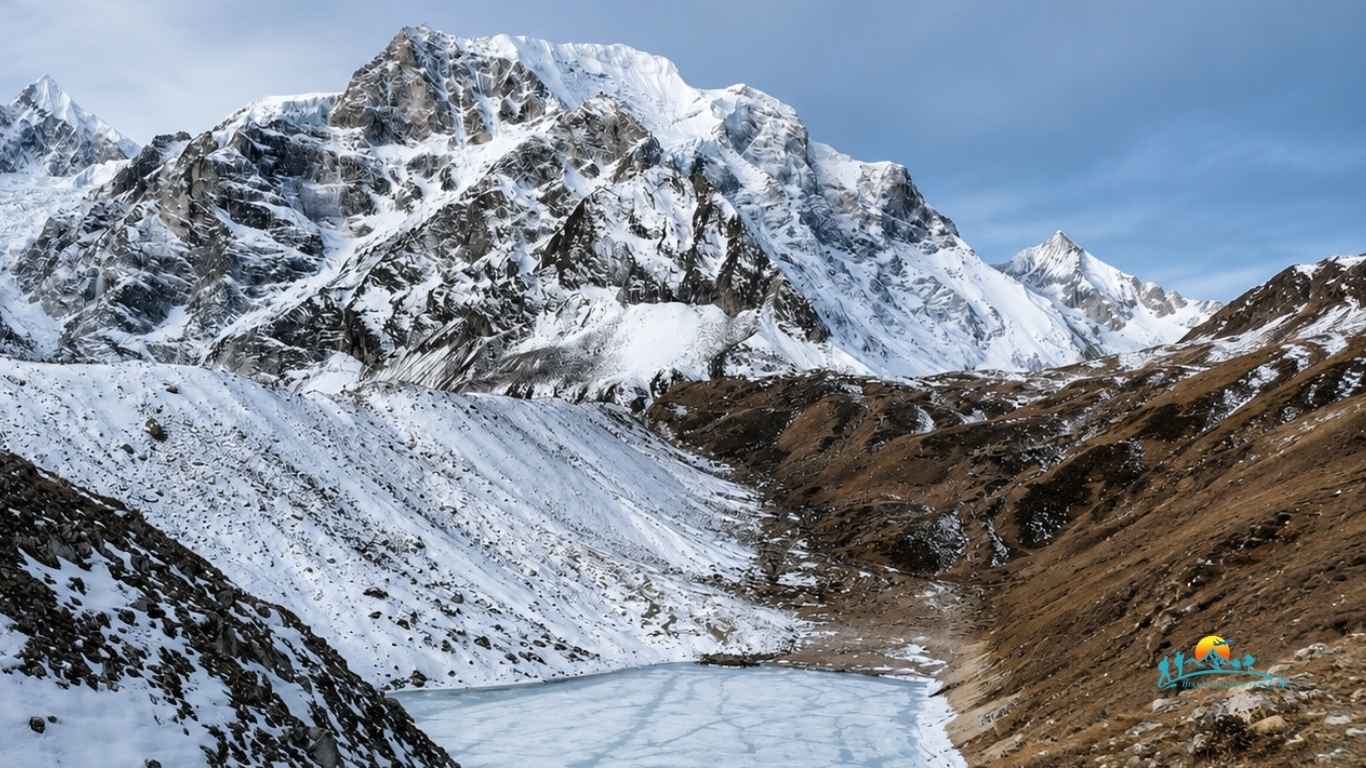
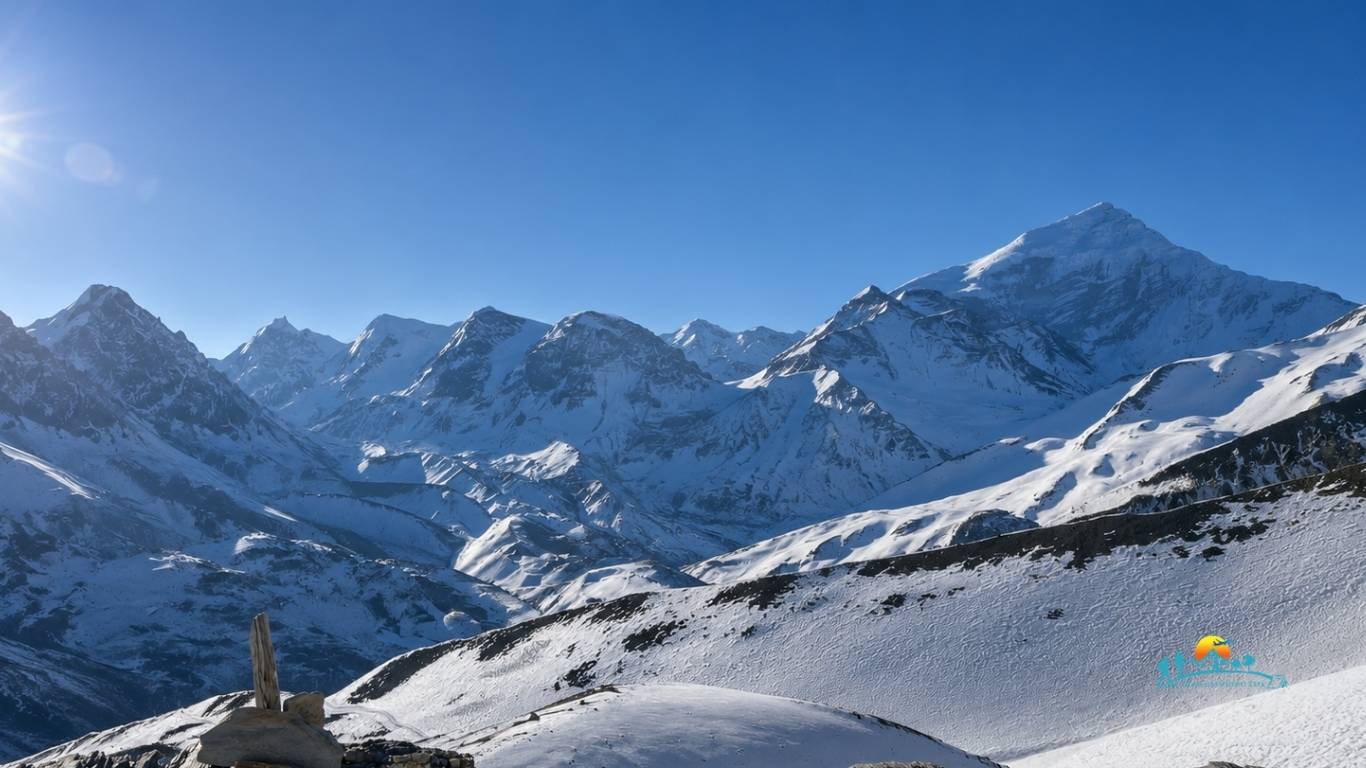
Packing the correct gear directly determines your comfort, safety, and success when crossing two mountain passes above five thousand meters. This 22-day journey moves through extreme weather changes, shifting from warm, humid lowlands to freezing, wind-swept alpine ridges. Your clothing must accommodate these shifts through a strict layering system that retains body heat while shedding moisture.
We recommend investing in high-quality, durable equipment that shields you from cold winds, sudden snow, and intense high-altitude sun. While our porters carry your main luggage, you must keep your total gear weight within reasonable limits to ensure trail efficiency and safety. Use the checklist below to prepare your gear before departure.
- Four-season sleeping bag rated down to minus fifteen degrees Celsius
- Heavyweight down jacket with an insulated hood for cold nights and pass crossings
- Waterproof and windproof outer shell jacket and trousers
- Sturdy, broken-in trekking boots with deep rubber soles and good ankle support
- Moisture-wicking thermal base layers (two pairs of tops and bottoms)
- Thick merino wool trekking socks and thin synthetic liner socks
- Lightweight inner gloves and heavy, waterproof outer gloves
- UV-protection sunglasses with side shields to prevent snow blindness
- Bright LED headlamp with spare batteries or a USB charging cable
- Durable duffel bag with a waterproof cover for porters to carry (70 to 80 liters)
- Water purification tablets or a portable squeeze filter system
- Quick-dry travel towel and biodegradable personal toiletries
- Power bank for charging electronics in remote areas without electricity
- Personal first-aid kit containing blister tape, rehydration salts, and personal medications
Himalayan Gateway Trek designs this package to cover every essential logistical requirement for your 22-day journey. Because the government classifies the Manaslu region as a restricted zone, you must book this trip in advance to allow time for permit processing. We require a minimum of two participants to secure these legal documents, making this trip ideal for duos or small groups who want a structured alpine experience.
During the trek, you stay in local tea houses that provide clean double rooms and communal dining areas. Your package includes three hot meals daily, selected from menus featuring both local staple foods and basic continental options. Our mountain guides manage these daily bookings and carry essential first-aid supplies to ensure a smooth transition between different elevations.
Trekkers must purchase a travel insurance policy before departing their home country. This policy must explicitly cover high-altitude mountain rescue and emergency helicopter evacuation up to 5,500 meters. Himalayan Gateway Trek coordinates directly with your insurance provider if an emergency arises on the trail.
Government Permits and Document Requirements
We handle all government paperwork before you arrive in Kathmandu. The package price covers the Manaslu Restricted Area Permit, the Manaslu Conservation Area Permit (MCAP), the Annapurna Conservation Area Permit (ACAP), and the Trekkers’ Information Management Systems (TIMS) card. You must provide a digital copy of your passport and four passport-sized photographs during the registration process.
Mountain Lodge Lodging and Dietary Options
The mountain lodges along this route offer basic twin-sharing rooms with shared bathroom facilities in the higher sectors. Hot water showers and electricity for battery charging require a small extra fee paid directly to the lodge owners. Meals consist of fresh, carbohydrate-rich foods like Dal Bhat, noodles, potatoes, and porridge to maintain your energy levels during long walking days.
Guide Leadership and Emergency Evacuation
A licensed Nepali guide leads every group to monitor trail safety and track weather shifts over the high passes. Our guides carry pulse oximeters to test your oxygen saturation levels daily during the acclimatization phases. If you develop severe altitude sickness, our Kathmandu office organizes immediate helicopter retrieval based on your insurance approval.
Booking Terms and Payment Conditions
To confirm your departure date, you must pay a non-refundable deposit of twenty percent of the total trip price. You can settle the remaining balance upon your arrival in Kathmandu before the trek begins. We accept major credit cards, bank wire transfers, and cash payments in US Dollars for the final balance settlement.
Terms & Policies
Thank you for choosing Himalayan Gateway Trek. Our goal is to provide a safe, enjoyable, and memorable travel experience. Please review the following terms and policies before confirming your booking.
📍Booking & Payment
- 👉 A 20% deposit is required to confirm your booking.
- 👉 The remaining balance must be paid on your arrival day in Nepal
- 👉 Your booking is confirmed once we receive your deposit and send a confirmation.
📍Cancellation & Refunds
- 👉 If you cancel your trip 45 days or more before departure, 50% of the deposit amount will be refunded.
- 👉 No refunds are available for cancellations made within 45 days of departure.
- 👉 Any non-refundable costs already incurred, including permits, flights, accommodation, transportation, or other third-party services, will be deducted from the refund amount.
Note: Eligible refunds will be processed within 14 business days of receiving the cancellation request.
📍 Travel Insurance
- 👉 Travel insurance is mandatory for all trekking and adventure trips.
- 👉 Your insurance should cover emergency medical treatment, helicopter evacuation, trip cancellation, and personal accidents.
- 👉 Himalayan Gateway Trek is not responsible for expenses arising from inadequate insurance coverage.
📍 Trip Changes
- 👉 Weather conditions, flight delays, road conditions, government regulations, or other unforeseen circumstances may require changes to the itinerary.
- 👉 Any changes will be made with the safety and well-being of our guests as the highest priority.
📍 Responsibility
- 👉 Himalayan Gateway Trek is not responsible for flight delays, cancellations, injuries, loss of personal belongings, natural disasters, political unrest, or other events beyond our control.
- 👉 By booking a trip with us, you acknowledge and accept the inherent risks associated with trekking and adventure travel.
FAQs
How difficult is the Manaslu and Annapurna Circuit Trek?
This combined trek presents a highly challenging grade. Trekkers walk six to eight hours daily over rugged mountain terrain and cross two passes above five thousand meters. Good physical conditioning and prior high-altitude hiking experience guarantee your success.
What permits do I need for this combined trek?
You require four distinct government permits for this route. These include the Manaslu Restricted Area Permit, the Manaslu Conservation Area Permit, the Annapurna Conservation Area Permit, and a TIMS card. Registered trekking agencies must process these documents for you.
Can I trek the Manaslu and Annapurna Circuit solo?
No, the government prohibits solo trekking in the Manaslu region due to its restricted status. You must travel with a minimum of two participants. Additionally, you must hire a licensed guide through a registered company.
Which high mountain passes will I cross on this trek?
This expedition requires you to cross two major high-altitude passes. First, you climb over Larkya La Pass at 5,135 meters. Later in the journey, you cross Thorong La Pass at 5,416 meters, which marks the highest point.
When is the best time of year to complete this trek?
The ideal trekking windows occur during autumn from September to November and spring from March to May. These months provide stable weather, clear skies, and safe trail conditions for crossing both high-altitude mountain passes without encountering heavy snow.
What accommodation options are available along the route?
Trekkers sleep in local mountain lodges known as tea houses throughout the entire route. These properties offer basic twin-sharing rooms with wooden beds, foam mattresses, and blankets. Most villages provide shared bathroom facilities and a communal heated dining hall.
Are electricity and Wi-Fi services available on the trail?
Yes, most tea houses provide electricity and Wi-Fi connectivity for an extra fee. Charging electronic devices and accessing internet networks become more expensive and less reliable as you ascend to the remote, higher elevations of the trek.
How should I manage food and drinking water during the trek?
Tea house menus provide standard meals like Dal Bhat, pasta, and soup. You should avoid drinking untreated tap water completely. Instead, use water purification tablets, chlorine drops, or portable filtration systems to treat your daily drinking water supply safely.
How do I prevent altitude sickness on this combined route?
You prevent acute mountain sickness by walking at a slow pace and drinking four liters of water daily. Our itinerary schedules essential acclimatization rest days before you attempt the crossings of Larkya La and Thorong La passes.
How can I prepare and train for this double circuit trek?
You should focus on cardiovascular training three months before departure. Prioritize activities like running, cycling, and regular day hikes with a loaded backpack. Strength exercises for your legs and core muscles will greatly improve your endurance.