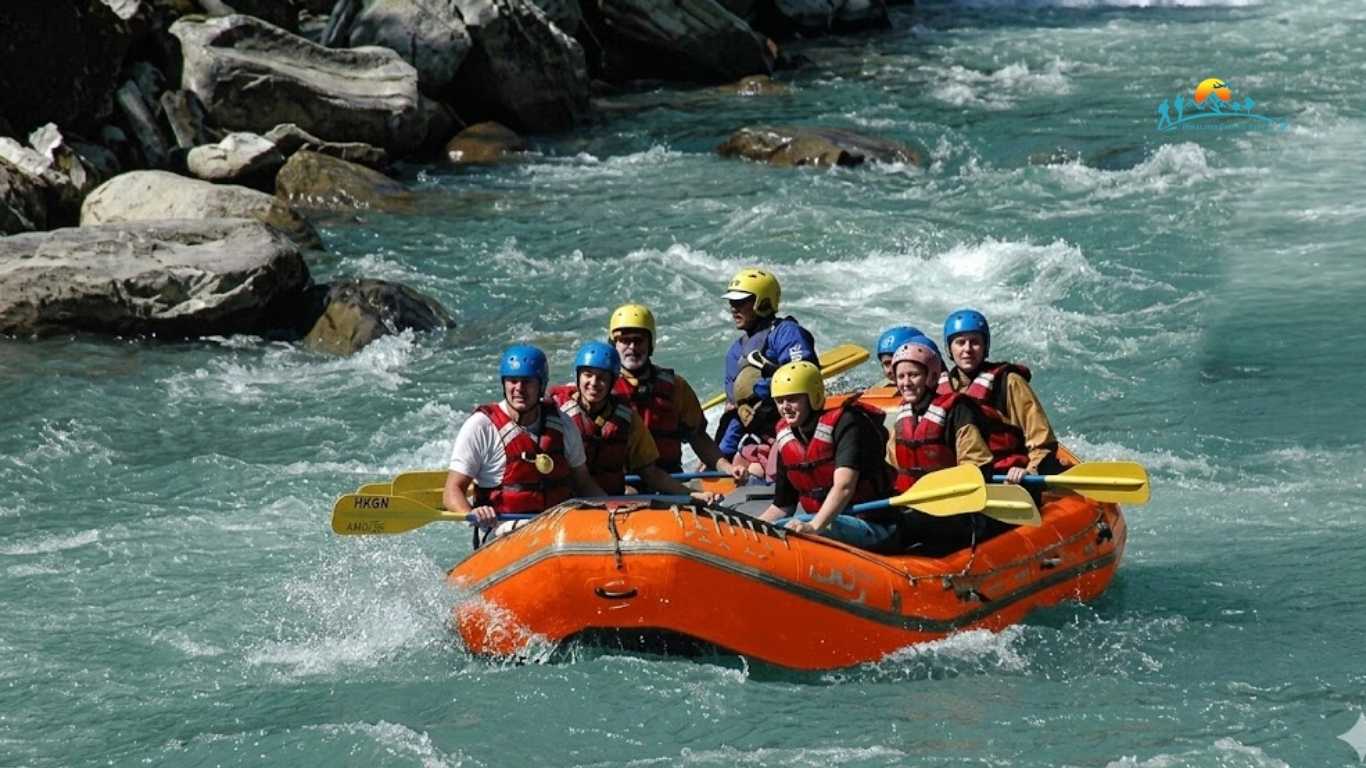
The Bhotekoshi Rafting trip stands as Nepal’s steepest and most intense river adventure, offering a wild journey that flows from the high snow-capped peaks of Tibet. This trip provides a close look at the power of glacial water, taking you through a fast-moving sequence of technical drops and narrow canyons. You start your travel from the busy streets of Kathmandu Valley and reach the roar of the upper river valley within a few hours.
Paddlers find this a demanding experience that requires physical strength and quick reactions. The water follows the route toward the Tibet border, cutting through steep granite walls and lush green hills. Beyond the constant waves, the trip serves as a way to see the rugged beauty of the Sindhupalchowk district, where waterfalls tumble down from high cliffs directly into the river.
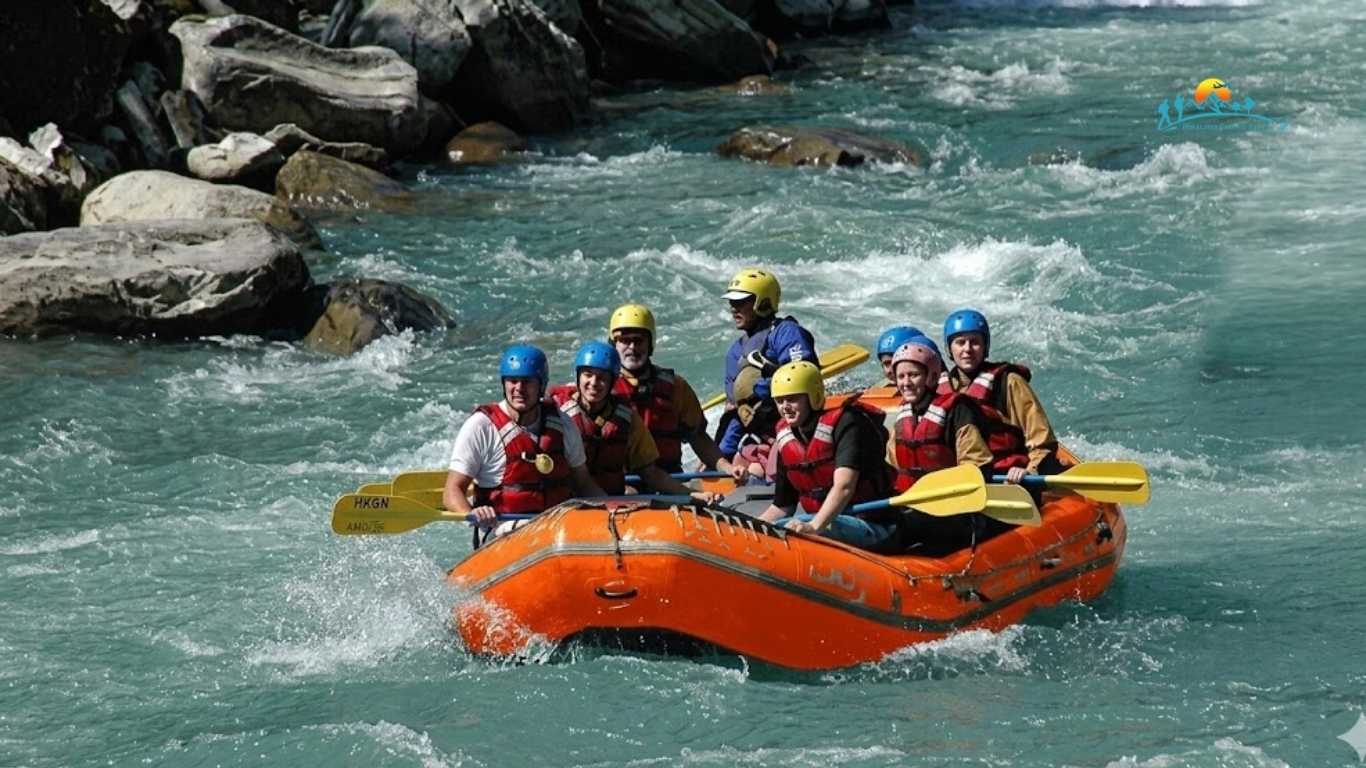
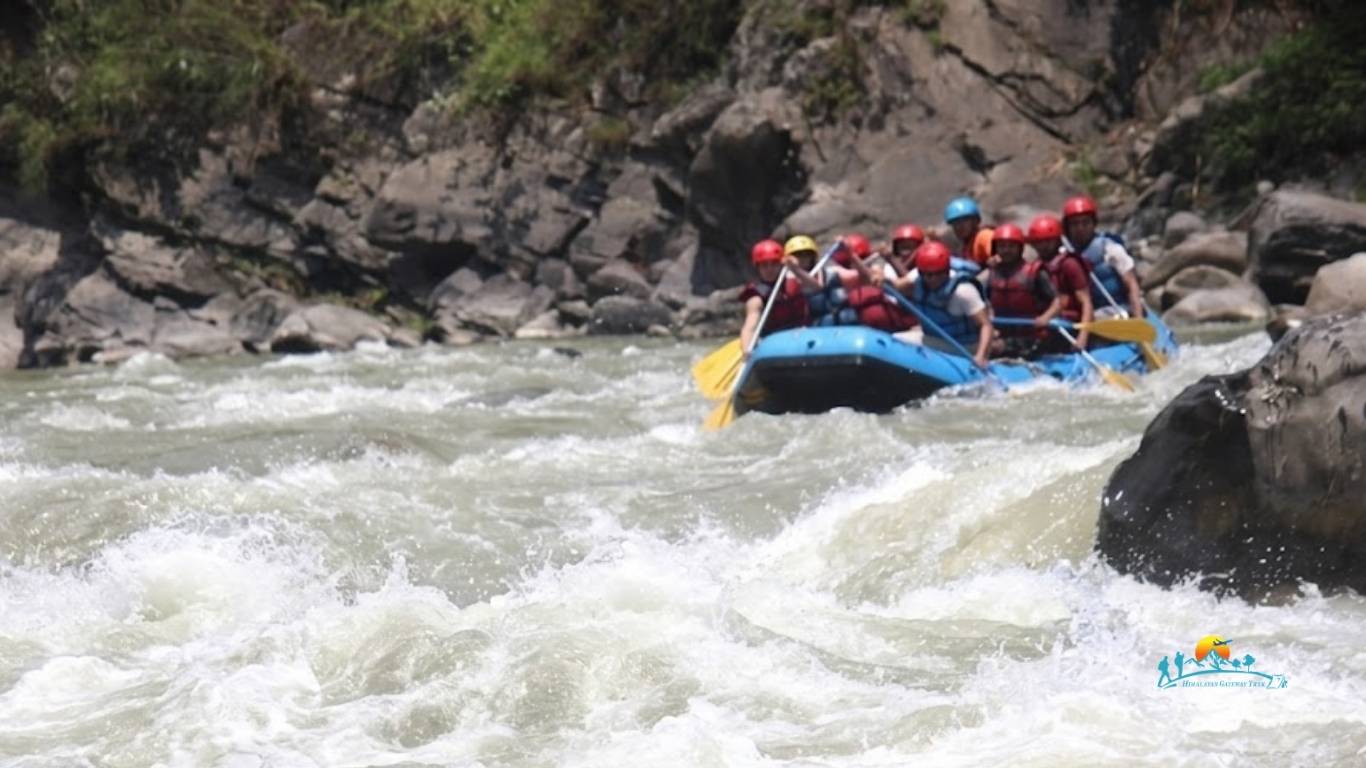
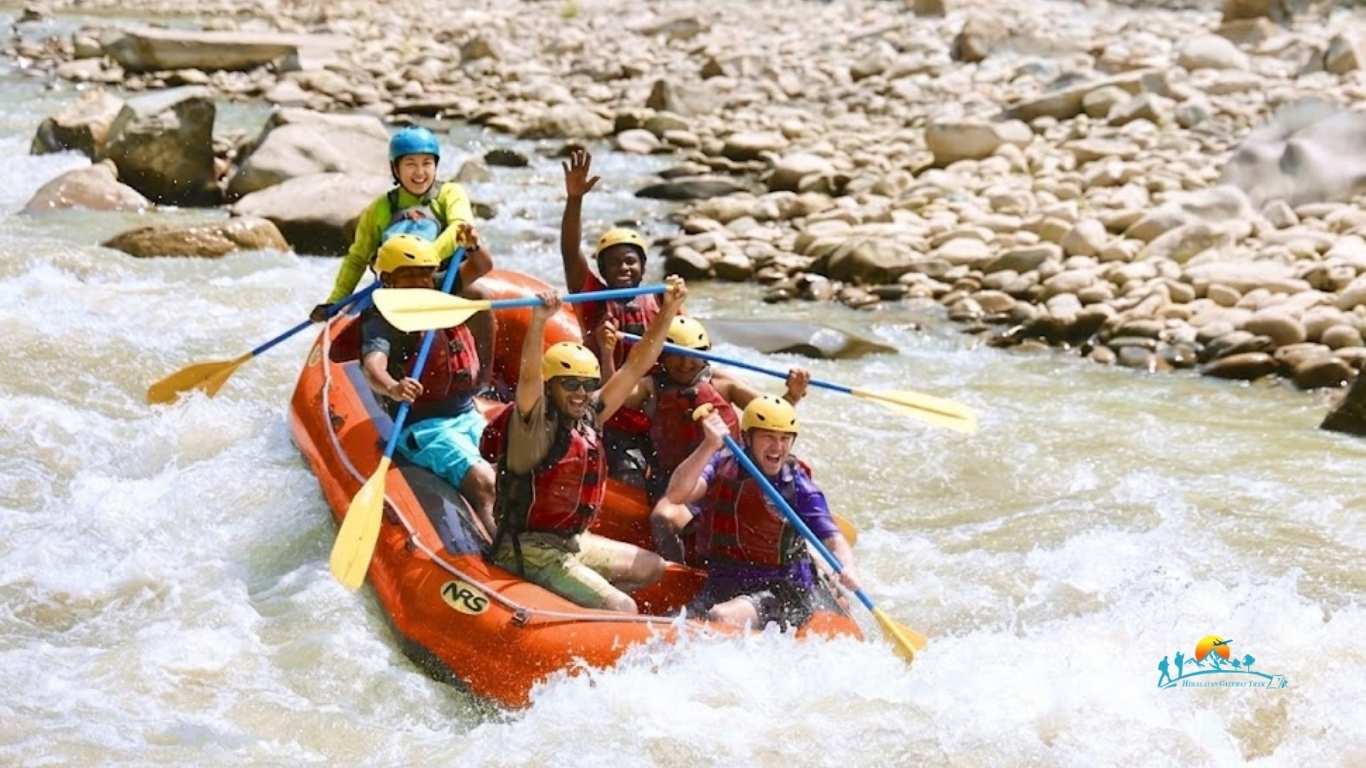
The most famous part of the trip is steering through rapids known as Frog on the Wall and Gerbil in the Plumbing. These sections serve as a test of your stamina and reward you with a rush of adrenaline as you drop through technical chutes. Getting through these continuous waves requires a skilled guide and a crew that moves together. This part of the trip shows the importance of staying sharp and working as one unit; it is an essential activity for thrill-seekers in Nepal.
Attention: While the Arniko Highway runs above the valley, we focus on the sections where the gorge feels remote and wild. Our team has planned this trip to hit the most challenging rapids while providing time to rest at riverside spots. This ensures you feel the full force of the river while being surrounded by the natural quiet of the canyon.
Best Time for Bhotekoshi River Rafting
Bhotekoshi River Rafting is one of the best things to do in Nepal. The water level shifts with the seasons. Most people choose to visit during these two times:
- Autumn (October to November): The water is high and fast, creating a big-wave experience after the monsoon rains.
- Spring (March to May): The water level is lower, making the rapids more technical and rocky, which is perfect for those who enjoy precise maneuvering.
Timing is vital for safety and enjoyment on such a steep river. The autumn months provide the most speed. Alternatively, the spring season brings warmer air and clearer water for a more controlled descent.
Bhotekoshi Rafting Highlights
- Experience the fast-moving whitewater of the steepest river in Nepal.
- Stay overnight at a quiet beach camp along the river banks.
- See massive waterfalls and deep granite canyons from the water.
- Paddle through technical rapids like "Frog on the Wall."
- Visit the upper river valley near the Tibet border.
- Enjoy a short, high-action trip just 5 hours from Kathmandu.
Why Book With Himalayan Gateway Trek
- Professional guides who know the technical sections of the river.
- Standard rafting gear including life jackets and helmets for every person.
- Private bus transport for the drive from the city and back.
- All meals provided including breakfast, lunch, and dinner.
- Full camping setup on a sandy beach with a bonfire.
- A clear price that includes all travel and river costs.
The Ultimate Whitewater Adventure in Bhotekoshi River
The Bhotekoshi River is the choice for those who want to skip the long, flat stretches of water and get straight to the action. Located about 95 kilometers from the center of Kathmandu, this river is fed by the melting snow of the Tibetan Himalayas. It is known as the steepest river in Nepal that is still safe to raft, offering a high-speed descent through narrow granite gorges.
This two-day trip is designed for people who have a limited schedule but a high appetite for excitement. Unlike the wider, slower rivers of the south, the Bhotekoshi is technical and requires everyone in the boat to stay sharp. You will spend your time moving through constant rapids that test your ability to react quickly to the water’s flow. Between the waves, the canyon walls offer views of massive waterfalls and dense green forests that feel worlds away from the city.
After a full day of paddling, the pace slows down at a riverside camp. You can spend the evening on a quiet beach, enjoying a meal under the stars and listening to the sound of the river you just conquered. On the second day, you take on another stretch of the river before heading back to the capital, making it a perfect weekend escape.
2-Day Bhotekoshi White Water Rafting Itinerary
Drive to Bhotekoshi and Initial Rafting
Your journey starts with an early morning drive from Kathmandu, heading east along the Arniko Highway. The road winds through local villages and offers views of the Ganesh Himal and Langtang ranges. You arrive at the river entry point at KM 95 near Lamosangu Dam by midday. After a hot lunch, the guides provide a safety talk and fit your gear. The first day on the water is a fast introduction to the river’s power.
You will immediately face a series of waves and drops, including the well-known rapid “Gerbil in the Plumbing.” The water is cold and moves quickly through a narrow valley. After about 15 to 16 kilometers of paddling, you pull over to a sandy riverbank. The evening is spent at a tented camp where you can sit by a bonfire and eat dinner under the stars.
Technical River Section and Return to Kathmandu
Wake up to the sound of the river and a fresh breakfast at the camp. Today’s stretch is shorter but more technical than the first day. You will get back into the rafts to tackle the steepest sections of the river. The main challenge is the “Frog in a Blender” rapid, which requires the whole crew to paddle hard and follow the guide’s signals. The river here flows through a deep gorge with high rock walls and waterfalls on both sides. You will navigate through tight chutes and over large boulders until the water begins to level out near the finish point at Dolalghat or the Lomasangu Dam area. After reaching the take-out point, you will change into dry clothes and have a final riverside lunch. The trip ends with a 3-hour drive back to Kathmandu, arriving in the city by late afternoon
Service Package Includes
- Ground transportation by private tourist bus or van.
- Two-day rafting trip with all necessary river permits.
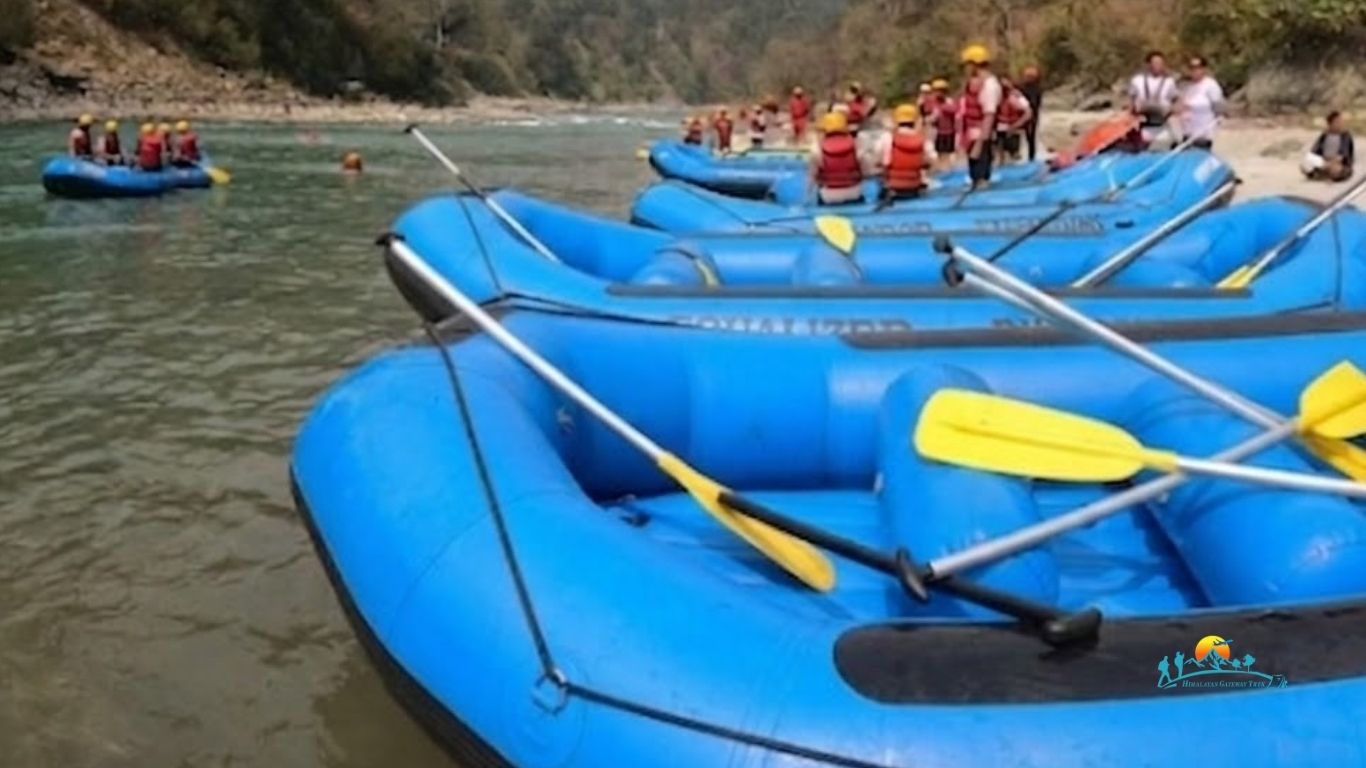
- High-quality rafting gear including helmets, life jackets, and paddles.
- Professional river guide and safety kayaker.
- Riverside beach camp accommodation in safari tents.
- Full board meals (Day 1: Lunch & Dinner; Day 2: Breakfast & Lunch).
- Basic first aid kit for the group.
What is Not Included
- Personal travel and medical insurance.
- Nepal entry visa fees.
- Bottled water, soft drinks, and alcoholic beverages.
- Personal expenses like laundry, phone calls, or snacks.
- Tips for the rafting guides and drivers.
- Any costs arising from natural disasters or road blocks.
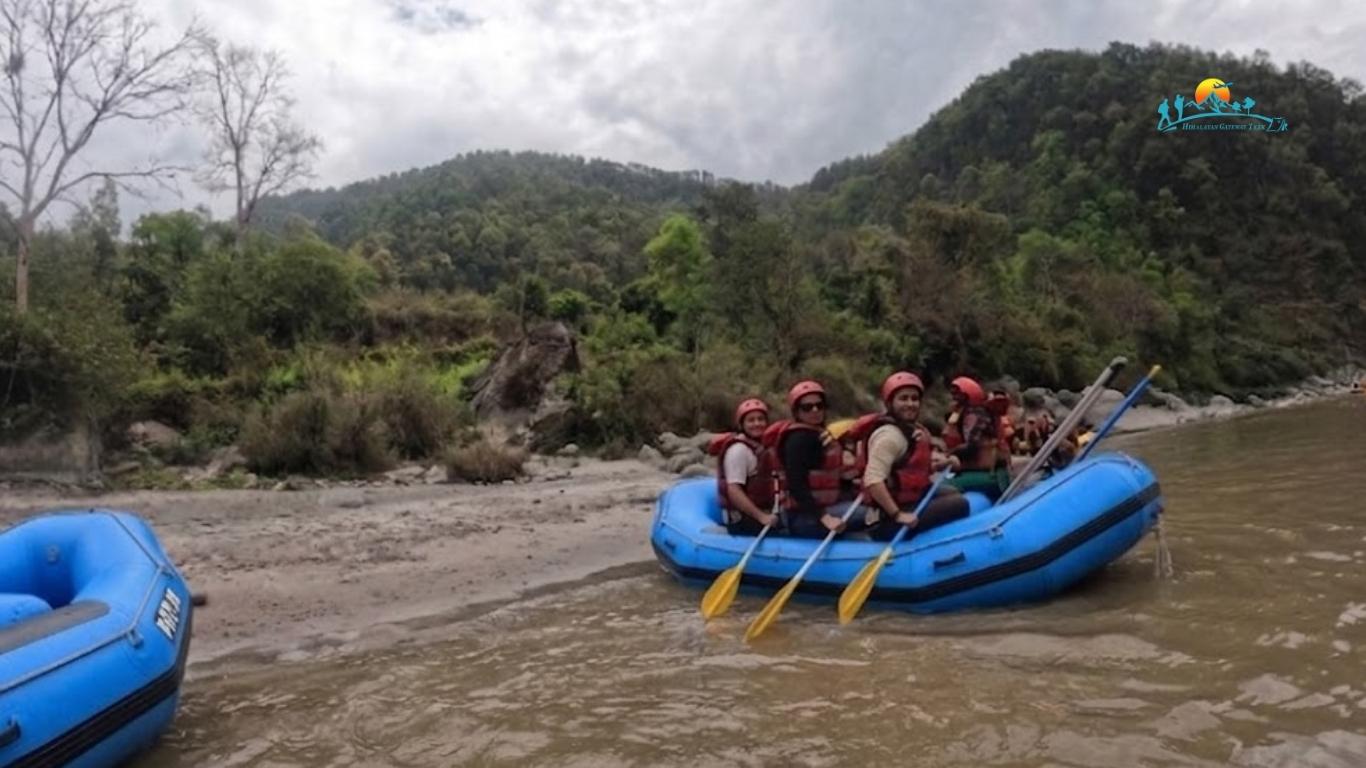
While we provide all the specialized safety and river gear, your comfort depends on bringing the right personal items. Since the Bhotekoshi is a glacier-fed river, the water remains cold even on sunny days. You should pack light, as your main luggage can stay on the bus while you only carry what is needed for the overnight beach camp. Focus on quick-drying fabrics and avoid heavy cotton like denim, which becomes heavy and cold when wet.
- Lightweight shorts, T-shirts, or a swimming costume. Long-sleeve synthetic shirts
- Sandals with secure straps or water shoes
- A set of dry, warm clothes (fleece or sweater) for the evening at the beach.
- Small towel, biodegradable soap, toothbrush, and any necessary medications.
- Sunscreen and lip balm.
- Flashlight or headlamp for the campsite.
Best Season
The best time for the Bhotekoshi River Rafting trip is during the post-monsoon autumn (October to November) and spring (March to May). Autumn offers high water levels and powerful waves after the monsoon rains, while spring provides warmer air and more technical whitewater as the river level drops, revealing the rocky chutes of the upper canyon.
Rafting Duration & Difficulty
The Bhotekoshi River Rafting adventure spans 2 days and 1 night, offering an intense and fast-paced river experience. The journey follows a steep river stretch of approximately 26 km, navigating through class III to IV rapids. This makes it an ideal choice for those seeking a technical challenge and a high-speed descent in one of Nepal’s steepest raftable rivers.
Transportation
The transportation for the Bhotekoshi River Rafting trip includes a scenic drive from Kathmandu along the Arniko Highway to the river’s starting point at KM 95. We provide comfortable private tourist bus or van options to ensure a smooth journey toward the Tibet border. After completing the rafting trip at the Lomasangu Dam take-out point, a vehicle is arranged to transport you back to the city.
Typical Daily Schedule
Each day begins with an early morning start to maximize time on the water. The schedule typically involves 3 to 4 hours of active paddling through continuous rapids, with a midday break for a picnic lunch on the riverbank. By late afternoon, you arrive at the designated riverside beach camp, allowing time for relaxing or exploring the rugged Sindhupalchowk hills. Evenings are spent enjoying a campfire dinner and resting to the sound of the glacial water.
Accommodation & Meals
The Bhotekoshi River Rafting package includes overnight accommodation in a riverside tented camp, offering an authentic outdoor experience. During the journey, you will be served full board meals—including breakfast, lunch, and dinner—prepared fresh by our camp kitchen team. We prioritize high-energy, hygienic meals to ensure you stay ready for the physical demands of navigating technical drops.
Permits & Entry Fees
To embark on the Bhotekoshi River Rafting trip, all necessary river permits and local government fees are included in the package. These permits grant legal access to the specific river sections and support local authorities in maintaining safety and environmental standards. We handle all the paperwork and official requirements for your convenience.
Rafting Support & Safety
For a safe and well-supported journey, the trip includes experienced, government-licensed river guides who specialize in technical whitewater navigation. To ensure protection, we use international-standard equipment, including self-bailing rafts, high-buoyancy life jackets, and safety helmets. Additionally, a safety kayaker accompanies the group to provide immediate support. Our team carries a comprehensive first aid kit and maintains constant coordination to ensure a secure experience.
Terms & Policies
Thank you for choosing Himalayan Gateway Trek. Our goal is to provide a safe, enjoyable, and memorable travel experience. Please review the following terms and policies before confirming your booking.
📍Booking & Payment
- 👉 A 20% deposit is required to confirm your booking.
- 👉 The remaining balance must be paid on your arrival day in Nepal
- 👉 Your booking is confirmed once we receive your deposit and send a confirmation.
📍Cancellation & Refunds
- 👉 If you cancel your trip 45 days or more before departure, 50% of the deposit amount will be refunded.
- 👉 No refunds are available for cancellations made within 45 days of departure.
- 👉 Any non-refundable costs already incurred, including permits, flights, accommodation, transportation, or other third-party services, will be deducted from the refund amount.
Note: Eligible refunds will be processed within 14 business days of receiving the cancellation request.
📍 Travel Insurance
- 👉 Travel insurance is mandatory for all trekking and adventure trips.
- 👉 Your insurance should cover emergency medical treatment, helicopter evacuation, trip cancellation, and personal accidents.
- 👉 Himalayan Gateway Trek is not responsible for expenses arising from inadequate insurance coverage.
📍 Trip Changes
- 👉 Weather conditions, flight delays, road conditions, government regulations, or other unforeseen circumstances may require changes to the itinerary.
- 👉 Any changes will be made with the safety and well-being of our guests as the highest priority.
📍 Responsibility
- 👉 Himalayan Gateway Trek is not responsible for flight delays, cancellations, injuries, loss of personal belongings, natural disasters, political unrest, or other events beyond our control.
- 👉 By booking a trip with us, you acknowledge and accept the inherent risks associated with trekking and adventure travel.
FAQs
What exactly is Bhotekoshi Rafting?
Bhotekoshi Rafting is widely considered one of the world’s best short whitewater experiences. As Nepal’s steepest river, it offers a relentless mountain watercourse with turquoise waters. It is a technical, high-intensity adventure that provides rafters with non-stop adrenaline, just a few hours’ drive from the bustling capital of Kathmandu.
Where is the Bhotekoshi River located?
The Bhote Koshi River is located northeast of Kathmandu, originating from the Tibetan Plateau. The rafting put-in point is approximately 95 kilometers from the city, near the Nepal-China border. Its proximity to the capital makes it the most accessible river for world-class, high-gradient whitewater rafting in Nepal.
What is the difficulty grade of Bhotekoshi Rafting?
Bhotekoshi is a technical river ranging from Class III to Class IV+ rapids, occasionally reaching Class V during high-flow seasons. It is significantly more challenging than the Trishuli River, requiring quick maneuvers through narrow chutes and over steep drops, making it ideal for those seeking a genuine thrill.
When is the best season for Bhotekoshi Rafting?
The peak seasons are Autumn (September to November) and Spring (March to May). September offers high-volume water post-monsoon, while October and November provide the most stable, clear conditions. While rafting is possible in early December, the water becomes significantly colder as it originates from Himalayan glacial melts.
Is Bhotekoshi Rafting safe for beginners?
Yes, Bhotekoshi is suitable for adventurous beginners, provided they are accompanied by professional guides. While technical and steep, reputable operators provide thorough safety briefings and high-end safety gear. However, a basic level of physical fitness and comfort in the water is recommended due to the river’s intensity.
How long does a 1-day Bhotekoshi trip take?
A 1-day trip typically starts with a 6:00 AM departure from Kathmandu, reaching the river by 9:30 AM. After a safety briefing and 3 hours of intense rafting (covering about 15–20 km), you enjoy lunch and return to the city by 7:00 PM, making it a perfect day trip.
What should I pack for my Bhotekoshi rafting adventure?
Pack lightweight, quick-drying clothes (T-shirts and shorts), secure river sandals, a swimwear set, and high-SPF sunscreen. If you are staying overnight, bring a change of warm clothes, a towel, and personal toiletries. Most operators provide specialized equipment like helmets, life jackets, and waterproof dry bags for your valuables.
Can I do Bhotekoshi Rafting and Bungee Jumping together?
Absolutely! Many travelers combine Bhotekoshi rafting with a Bungee jump or Canyon Swing at “The Last Resort,” located directly over the river. This “Adrenaline Combo” is a popular 2-day package, allowing you to jump one day and tackle the rapids the next for the ultimate Nepal adventure.
How does Bhotekoshi compare to Trishuli Rafting?
While Trishuli is a “big volume” river with wide channels and calm stretches, Bhotekoshi is “technical and steep.” Bhotekoshi features much faster rapids with less downtime between them. If you want a relaxing float, choose Trishuli; if you want heart-pounding, non-stop whitewater action, Bhotekoshi is superior.
What is included in a 2-day Bhotekoshi package?
A 2-day package usually includes 4-5 hours of rafting each day, overnight accommodation in a riverside tented camp or resort, four full meals (Breakfast, 2 Lunches, Dinner), and evening campfires. It offers a more immersive experience, allowing you to enjoy the scenic river canyon and local hospitality.
Are there age or weight restrictions for Bhotekoshi?
Generally, participants should be at least 14-16 years old due to the technical nature of the rapids. While there isn’t a strict weight limit, participants must be able to fit securely into standard life jackets and be physically capable of paddling in fast-moving, turbulent mountain water.
What are the major rapids found in Bhotekoshi?
Rafters will encounter legendary rapids such as “Gerbil on the Wheel,” “Frog on the Wall,” and the notorious “Dead Man’s Curve.” These names reflect the technical maneuvers required to navigate the river’s steep drops and narrow passages, providing a unique story for every rafter who survives them.
Is transportation provided from Kathmandu?
Yes, nearly all Bhotekoshi rafting packages include private or tourist bus transportation. The drive takes approximately 3 to 4 hours along the Araniko Highway, offering beautiful views of the Himalayan foothills, terraced farms, and local villages before reaching the river put-in point near the border.
Is insurance included in the rafting price?
Most local operators carry basic liability insurance, but it rarely covers personal injury or emergency evacuation. It is highly recommended that travelers have their own comprehensive travel insurance that specifically includes “white water rafting” as a covered activity to ensure peace of mind during the trip.
Why is Bhotekoshi called the "Steepest River" for rafting?
The river drops at a much higher gradient per kilometer than other commercial rivers in Nepal. This creates a “staircase” effect of rapids where the water descends rapidly over boulders and ledges, resulting in the technical, non-stop whitewater that has earned it a world-class reputation among enthusiasts.