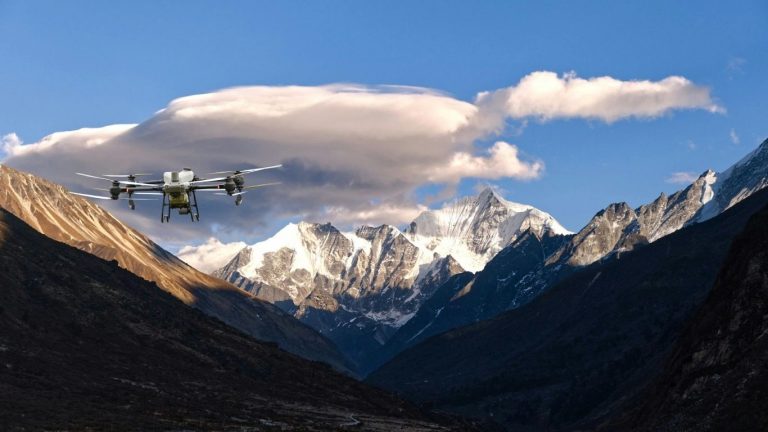
When most travelers from the USA, UK, Canada, Australia, India, China, France, Spain, and Russia think about trekking in Nepal, they picture the classic autumn season. October and November get the most attention. Trails feel busy, teahouses fill up, and prices rise as demand increases.
Quietly, something else has started to happen. More trekkers are choosing winter in Nepal as their primary trekking season. December, January, and February were once considered “too cold.” Now they are attractive for people who want clear skies, snow-covered peaks, fewer crowds, and richer contact with local life.
Several reasons explain this shift:
Winter views are sharper. Dry winter air gives clear mountain views for many days in a row. Sunrise at Poon Hill, the Annapurna Base Camp amphitheater, and Everest from Kala Patthar often look best in winter light.
Trails stay quieter. If you dislike crowds and noisy lodges, winter trekking in Nepal offers quiet paths, short queues, and more relaxed evenings in the teahouse dining room.
Prices often stay lower. On many routes, room prices and sometimes flight prices remain more flexible in winter. You can still get excellent service, but with less rush.
Guides have more time for you. In peak season, staff are busy running from table to table. In winter, they can talk, share stories, and give you their full attention.
There are still many misconceptions:
“Winter treks in Nepal are dangerous.”
“Everything will be closed.”
“It will be too cold to walk.”
For most routes, that is not true. Best winter treks in Nepal focus on safe altitude ranges, steady terrain, and reasonable access to lodges. High passes over 5,000 meters may close, but base camp and ridge routes stay open and safe with proper planning.
Winter treks also match the needs of different visitors:
Photographers who want clear skies and dramatic light
First-time trekkers who want shorter, safer winter treks in Nepal
Experienced hikers who want frozen lakes, dry air, and fewer people
Culture-focused travelers who want more time with hosts and local families.
When you combine clear weather, calm trails, and substantial value for the cost, winter trekking in Nepal is a brilliant decision for 2025 and 2026.
Table of Contents
Quick Summary: 15 Best Winter Treks in Nepal at a Glance
This table helps visitors quickly compare the best winter treks in Nepal. It highlights duration, difficulty, altitude, and winter safety.
Trek Name
Duration
Difficulty
Max Altitude
Best For
Winter Safety Score
Winter Accessibility
Everest Base Camp
12–14 days
Moderate
5,364 m
Adventure, photographers
High with good gear
Flight dependent
Annapurna Base Camp
7–10 days
Moderate
4,130 m
Beginners, culture, snow
Very high
Easy access from Pokhara
Mardi Himal
5–7 days
Moderate
4,500 m
Short trek, views, photos
High
Good access from Pokhara
Langtang Valley
7–8 days
Moderate
4,984 m
Wildlife, snow, culture
High
Road access from Kathmandu
Ghorepani Poon Hill
3–5 days
Easy
3,210 m
First timers, families
Very high
Fully accessible
Pikey Peak
6–7 days
Easy–Moderate
4,065 m
Everest view, low crowd
Very high
Road access region
Everest View Trek
5–7 days
Moderate
3,880 m
Short Everest experience
High
Flight to Lukla required
Khopra Ridge
7–9 days
Moderate
3,660 m
Remote feel, culture
High
Accessible from Pokhara
Jomsom–Muktinath
6–8 days
Easy
3,800 m
Culture, temples, families
Very high
Good air and road links
Gokyo Lake
10–12 days
Difficult
4,790 m
Frozen lakes, adventure
Medium
Needs stable condition
Helambu Valley
5–7 days
Easy
3,650 m
Close to Kathmandu, culture
Very high
Easy access
Dhampus–Sarangkot
2–3 days
Easy
1,600 m
Families, beginners
Very high
Fully accessible
Chisapani–Nagarkot
2–3 days
Easy
2,175 m
Short hike near Kathmandu
Very high
Fully accessible
Tamang Heritage Trail
6–8 days
Moderate
3,165 m
Culture, homestays
High
Direct road access
Ruby Valley & Ganesh Himal
7–10 days
Moderate
3,850 m
Offbeat winter trek
High
Road plus local trails
How Winter Weather Actually Works in Nepal
To choose the right winter treks in Nepal, readers need a clear picture of winter weather.
Why is Nepal warmer than Europe or North America in winter
Nepal sits closer to the equator than most of Europe and North America. It has deep river valleys and layered hills that trap gentler air. In many valley towns, winter days feel mild compared to cities like Moscow, Toronto, or London.
Kathmandu often ranges from about 2 to 15 degrees Celsius during winter. Higher-altitude villages stay colder, but the sun remains strong during the day. The cold feels sharper in the shade and at night, not all day.
Role of the Himalayas as a natural wall
The Himalayas act like a giant wall, blocking cold air from the north. Some wind still crosses, but the highest summits block most of the strongest systems. That is why many winter treks in Nepal still enjoy dry, clear conditions.
The same wall helps create a stable, high-pressure system during the winter months. This keeps the skies clear and reduces rainfall. For trekkers, that means:
Reliable views
Lower chance of heavy winter storms on main routes
Dry trail conditions at lower altitudes
Temperature expectations by altitude
Here is a general idea of what to expect on a winter trek in Nepal:
Around 1,500 meters (Pokhara, mid hills)
Day: 10–18°C
Night: 2–6°C
Around 2,500 meters (Ghorepani, Sherpa villages at mid level)
Day: 5–12°C
Night: -3 to 2°C
Around 3,500 meters (Namche, Langtang village area)
Day: 0–8°C
Night: -6 to -10°C
Around 4,500 meters (Mardi Himal High Camp, Gokyo area)
Day: -5 to 4°C
Night: -12 to -18°C
Wind and cloud cover can change the feel, but these ranges give visitors a realistic sense of winter in Nepal.
Snowfall patterns and pass closures
Snow usually falls more regularly above 3,000 meters. Many of the best winter treks in Nepal lie near or below this line, or have flexible routes that avoid risky corners.
Higher passes, such as Thorong La (on the Annapurna Circuit) or Cho La (on the EBC–Gokyo link), can close after heavy snowfall. Ice and avalanche risk rise at that altitude. For this reason, winter trekking in Nepal often focuses more on:
Base camp routes
Ridge walks
Valley routes
Winter-friendly regions vs risky regions
Winter-friendly regions:
Annapurna Base Camp and nearby ridge treks
Ghorepani Poon Hill and shorter treks from Pokhara
Everest region up to base camp or Gokyo, in stable windows
Langtang and Helambu
Mustang and Lower Mustang winter trails
Ruby Valley and mid-altitude Ganesh Himal routes
More risky in deep winter:
High passes over 5,000 meters
Remote Far West and Far East with limited lodges
Off-trail alpine crossings without local support
This clear explanation fills a knowledge gap that many competitor articles skip.
Top 15 Best Winter Treks in Nepal (Detailed Breakdown)
Each trek below includes an overview, winter strengths, difficulty, altitude notes, and ideal traveler profile. This section gives depth and builds strong n-grams for the best winter treks in Nepal and winter trekking in Nepal.
Everest Base Camp Trek (EBC)
Overview Everest Base Camp Trek is one of the most famous treks in the world. It also works surprisingly well as a winter trek in Nepal for trekkers who carry the right gear and accept cold nights. The route follows the classic trail from Lukla to Namche, Tengboche, Dingboche, Lobuche, Gorak Shep, and Everest Base Camp.
Why is it ideal in winter
Fewer people on the trail
Clear views of Everest, Lhotse, Nuptse, and Ama Dablam
Better chances of calm mornings for photography
Sherpa villages feel quieter and more personal.
Key highlights
Crossing the Hillary suspension bridges
Namche Bazaar under crisp winter sunlight
Tengboche monastery in the snow
Sunrise or sunset from Kala Patthar
Walking beside the Khumbu Glacier to base camp
Winter difficulty rating: Moderate to hard The altitude makes EBC a serious trek in Nepal, especially in winter when the cold adds more stress. Walking remains steady, but breathing becomes more demanding above 4,000 meters.
Altitude notes and safety considerations
Plan at least two acclimatization days, usually in Namche and Dingboche.
Avoid rushing from Tengboche to Dingboche to Lobuche with no rest.
Drink plenty of warm fluids and listen to your guide if you develop symptoms of altitude sickness.
Who this trek is perfect for
Trekkers who already have some hiking experience
Photographers who want crisp winter views
Travelers who dream about Everest and do not mind cold conditions
Annapurna Base Camp Trek (ABC)
Overview Annapurna Base Camp sits in a bowl of peaks known as the Annapurna Sanctuary. For winter treks in Nepal, ABC is among the safest and most rewarding routes. Lodges stay open, trail maintenance remains steady, and the altitude is more moderate than on Everest.
Why is it ideal in winter
The sanctuary sits in a protected basin surrounded by high walls.
The wind feels gentler than in more exposed regions.
Snow adds a bright white layer around the base camp, giving it an authentic winter feel.
Key highlights
Ghandruk and Chhomrong village life
Hike through bamboo forests and river gorges.
View of Machhapuchhre (Fishtail) from close range
Sunrise from Annapurna Base Camp with 360-degree mountain views
Winter difficulty rating: Moderate Trails have some steep steps, but distances remain manageable with an average level of fitness.
Altitude and safety The maximum altitude of 4,130 meters offers a safer height for winter trekking in Nepal when compared with higher passes. Standard acclimatization still matters, but the risk stays lower than at 5,000-meter passes.
Perfect for
First-time trekkers who want more than a short three-day trek
Families with teenagers
Photographers and those who want both culture and mountain views
Mardi Himal Trek
Mardi Himal Trekking with Himalayan Gateway Trek
Overview Mardi Himal Trek has quickly become a favorite for those who want a short trek in Nepal with sharp views and a slightly offbeat feel. The route starts near Pokhara and climbs through the forest to ridges that face Machhapuchhre and Annapurna South.
Why does it work in winter?
The distance is shorter than many classic routes.
Trails stay quieter than ABC or EBC.
Snow on the ridge creates strong photo opportunities without requiring a very high altitude.
Key highlights
Forest trails covered in light snow
Clear ridge line walk from High Camp to viewpoints.
Close view of Machhapuchhre at sunrise
Winter difficulty rating: Moderate The ridge section can feel narrow and icy in places, so walking carefully and using trekking poles helps.
Altitude notes High Camp sits near 3,550 meters. Viewpoints reach 4,500 meters. It is important to walk slowly at higher points and not push hard if the wind becomes strong.
Perfect for
People who want a 5 to 7-day winter trek in Nepal
Trekkers who want views that feel “big” but have limited time
Photographers who want sunrise and sunset light on Machhapuchhre
Langtang Valley Trek
Langtang Valley Trek with Himalayan Gateway Trek
Overview The Langtang Valley Trek lies north of Kathmandu and offers a mix of forests, pastures, and glacier views. It feels wilder than some Annapurna routes, but it remains accessible by road.
Why is it ideal in winter
Snow-covered yak pastures create a proper winter mood.
The valley funnels sunlight, so days can feel warmer than the altitude suggests.
Blue sheep and other wildlife sometimes stand out clearly against snow.
Key highlights
Tamang and Sherpa-influenced villages.
Kyanjin Gompa with surrounding peaks
Optional climb to Tserko Ri for sunrise
Winter difficulty rating: Moderate Some days involve steady climbs, but daily distances can be adjusted.
Altitude and safety The valley rises gradually. With one extra acclimatization day in Kyanjin Gompa, most trekkers handle it well.
Perfect for
Trekkers who want a winter trek in Nepal close to Kathmandu
People who want both culture and glacier views
Those interested in wildlife and snow scenes
Ghorepani Poon Hill Trek
Overview Ghorepani Poon Hill Trek is one of the most accessible and best winter treks in Nepal. It is short, safe, and perfect for first-time trekkers and families.
Why winter is great here
Lower altitude makes the cold very manageable.
Trails are well-maintained.
The sunrise over the Annapurna and Dhaulagiri ranges from Poon Hill looks especially beautiful when snow-covered.
Highlights
Stone steps through rhododendron forests.
Teahouse warmth in Ghorepani village
Early morning hike to Poon Hill viewpoint
Winter difficulty rating: Easy You climb many steps, but there are no high passes or fragile air.
Perfect for
First-time trekkers visiting Nepal in December, January, or February
Families with children
People who want to add a short trek to a more extended Nepal tour
Pikey Peak Trek
Overview Pikey Peak Trek offers one of the broadest views of the Everest range at a moderate height. Sir Edmund Hillary spoke highly of this viewpoint. The trek stays quieter than the core Everest Base Camp route.
Why does it work well in winter
Altitude remains under 4,100 meters.
Trails pass through villages with year-round life.
The ridge gives expansive snowy views without extreme height.
Highlights
Sunrise from Pikey Peak itself
Distant view of Everest and surrounding peaks
Sherpa and Rai culture along the trail
Winter difficulty rating: Easy to moderate
Perfect for
Trekkers who want Everest views on a shorter winter trek in Nepal
Visitors who prefer quiet paths and homestays
Everest View Trek
Overview The Everest View Trek follows the first part of the Everest Base Camp route, but you do not reach base camp. You get a taste of the Everest region trekking in Nepal with less altitude and fewer days.
Why is it ideal for winter
You still fly to Lukla and visit Namche Bazaar.
You can hike to the famous Everest View Hotel or Khumjung.
You see Everest and Ama Dablam from lower elevations.
Highlights
Thrilling flight to Lukla
Namche Bazaar, the main Sherpa town
Day hike to viewpoints around Namche
Winter difficulty rating: Moderate The trail to Namche has steep parts, but the maximum altitude remains near 3,800 meters.
Perfect for
Visitors who want to say they trekked in the Everest region in winter
Families with older children
Travelers with limited time
Khopra Ridge Trek
Overview Khopra Ridge Trek sits above the Annapurna region and offers one of the most expansive ridge views on a winter trek in Nepal. It feels quieter and more local than the main ABC trail.
Why does it work in winter?
Ridge sections offer views of sunrise and sunset over snow-covered peaks.
Lodges on Khopra Ridge and nearby villages stay open.
Most of the route stays below 3,700 meters.
Highlights
Dhaulagiri stands tall in front of you.
Optional day hike to Khayar Lake (in good conditions)
Village life in Swanta and other stops
Winter difficulty rating: Moderate
Perfect for
Trekkers who want a balance of mountain views and a remote feel
People who have already done Poon Hill and want something new
Jomsom–Muktinath Trek
Overview Jomsom and Muktinath lie in the lower Mustang area. This region sits in the rain shadow of the Annapurna range, which keeps it drier and sunnier than many other parts of Nepal.
Why is it a strong winter choice
Roads and flights serve Jomsom, so access remains good in winter.
The climate stays drier and less snowy.
It combines trekking in Nepal with a strong interest in culture and spirituality.
Highlights
Kali Gandaki River Valley
Muktinath temple, sacred to both Hindus and Buddhists
Thakali villages with rich cuisine
Winter difficulty rating: Easy
Perfect for
Families or older travelers
Visitors who want a winter trek in Nepal with a spiritual flavor
Gokyo Lake Trek
Overview The Gokyo Lake Trekking route leads to a valley of turquoise lakes that freeze in winter. A climb to Gokyo Ri gives one of the finest panoramas in the Everest region.
Why is it attractive in winter
Frozen lakes give a strong high-altitude winter experience.
The view from Gokyo Ri shows Everest, Lhotse, Makalu, and Cho Oyu together.
Winter difficulty rating: Difficult
Altitude and safety The route climbs above 4,700 meters. In winter, the cold and wind can be harsh. Only well-prepared trekkers with good gear and previous experience should attempt this in deep winter.
Perfect for
Experienced winter trekkers
Visitors who have already done a moderate trek in Nepal and now want something harder
Helambu Valley Trek
Overview Helambu Valley Trek sits close to Kathmandu and combines village life, forests, and a moderate altitude.
Why is it ideal for winter
Lower height makes it safe and comfortable in the cold season.
Trails and lodges stay active, as people live here year-round.
Winter difficulty rating: Easy
Perfect for
Short holiday visitors
Trekkers who want a light winter trek in Nepal without long travel
Dhampus–Sarangkot Trek
A very short and friendly trek from Pokhara. It links the villages of Dhampus and Sarangkot with gentle walks and strong views of Annapurna and Machhapuchhre, especially at sunrise.
Great for:
First timers
Families with small children
People with only two or three days in the region
Chisapani–Nagarkot Trek
This route starts near Kathmandu and offers hill walks, village life, and a broad Himalayan panorama from Nagarkot.
Perfect for:
Travelers who do not want internal flights
Short winter breaks
Tamang Heritage Trail
This trek sits near Langtang and focuses strongly on Tamang culture, hot springs, and homestays. Snow gently touches the villages, creating a scenic winter setting without extreme heights.
Good for:
Culture lovers
People who want to combine trekking in Nepal with authentic village stays
Ruby Valley & Ganesh Himal Region Trek
Ruby Valley lies between the Langtang and Manaslu regions. It remains less known, which is why including it here helps your article stand out.
Winter strengths:
Quiet trails with real village interaction
Mid-altitude routes that avoid extreme cold
Expansive views of Ganesh Himal and surrounding peaks
This route suits trekkers who want the best winter trek in Nepal, one that feels like a hidden find.
Underrated Winter Treks
Mohare Danda Eco Trek
Mohare Danda Trek gives an eco-tourism-focused alternative to Poon Hill. Lodges often operate with community involvement and local projects. In winter, the ridge offers snow-capped views without heavy crowds.
Rolwaling Valley & Tsho Rolpa
Rolwaling Valley feels wilder and more remote. Tsho Rolpa is a high glacial lake that may partially freeze in winter. This trek suits experienced visitors who already have high altitude skills and travel with guides who know the region well.
Kanchenjunga South Base Camp
For serious trekkers, Kanchenjunga South Base Camp in eastern Nepal gives a long journey through remote settlements. Only attempt this in winter with proper planning, experienced staff, and respect for weather windows.
Panch Pokhari Trek
Panch Pokhari, meaning “five lakes,” lies northeast of Kathmandu. Few companies promote the Panch Pokhari Trek as a winter trek in Nepal, which creates strong ranking potential. In stable winter periods, the lakes and surrounding ridges offer quiet snow scenes.
Lower Mustang Winter Trails
Lower Mustang trails around Kagbeni, Marpha, and Jomsom remain accessible year-round. With less snow, more sunshine, and a mix of Tibetan-style culture, this region is one of the most relaxed winter trekking zones.
Which Winter Trek Should You Choose? A Simple Decision Guide
Step 1: Experience level
First time trekker: Ghorepani Poon Hill, Helambu, Dhampus–Sarangkot, Chisapani–Nagarkot, Jomsom–Muktinath
Some trekking history: Annapurna Base Camp, Langtang, Mardi Himal, Pikey Peak, Khopra Ridge
Experienced: Everest Base Camp, Gokyo Lakes, Rolwaling, Kanchenjunga South
Step 2: Fitness level
Basic walking fitness: choose treks with lower altitudes and shorter days.
Good hill fitness: you can handle ABC, Langtang, Mardi Himal, and Khopra.
Strong endurance: consider EBC, Gokyo, or longer offbeat routes.
Step 3: Number of travel days
2 to 4 days: Dhampus–Sarangkot, Chisapani–Nagarkot
Winter trekking in Nepal is not only about peaks and snow.
Wildlife: You may see blue sheep on rocky slopes, Himalayan monal in forests, and other highland birds whose colors stand out against snow.
Local life: Winter is quieter for farmers. Many hosts in villages and towns have more time to talk, share tea, and explain festivals or customs.
Festivals: Depending on dates, trekkers may witness winter celebrations such as Maghe Sankranti or Losar in specific communities.
Teahouse evenings: With fewer guests, evenings feel more like a shared living room than a busy cafeteria. Many trekkers say this is one of the best parts of winter trekking in Nepal.
Winter Trekking Routes to Avoid
Some routes are not wise choices for most trekkers in the middle of winter.
Cho La Pass and similar high passes that link EBC and Gokyo
Thorong La Pass between Manang and Muktinath from late December to February
Very remote high crossings above 5,000 meters with no support facilities
Safer alternatives:
Replace the whole Annapurna Circuit in winter with Annapurna Base Camp or Khopra.
Replace the high pass Everest link routes with the Everest Base Camp only, or the Everest View Trek.
Replace remote crossings with more stable mid-altitude treks.
How to Plan Your First Winter Trek in Nepal
A simple step-by-step planning flow:
Choose your goal region. Everest, Annapurna, Langtang, Mustang, or offbeat areas such as Ruby Valley.
Match route to experience. For first-time winter trekkers, choose easy or moderate routes and avoid very high passes.
Pick your month. For a first winter trek in Nepal, December and February suit many people better than the deep January cold.
Select your trekking company. Choose a team with clear communication, local guides, and solid winter experience.
Book internal flights and transport early. Popular dates still fill up for Lukla and Pokhara. Winter sometimes brings short delays, so plan one buffer day.
Check your gear list. Confirm that you have enough warm layers, good shoes, a strong sleeping bag, and basic winter accessories.
Arrange travel insurance that covers trekking. Make sure altitude and winter travel are both covered.
Arrive in Kathmandu or Pokhara with time to adjust. One or two rest days help fight jet lag and give time for last-minute gear checks.
Sample 7-Day, 10-Day, and 14-Day Winter Trek Itineraries
7 Day Easy Winter Trek Itinerary (Poon Hill Focus)
Day 1: Arrive in Pokhara, trek to Tikhedhunga or Ulleri
Day 2: Trek to Ghorepani
Day 3: Early hike to Poon Hill for sunrise, trek to Tadapani
Day 4: Trek to Ghandruk
Day 5: Trek down and drive back to Pokhara
Day 6: Buffer day in Pokhara
Day 7: Return flight or travel
10 Day Moderate Winter Trek Itinerary (Annapurna Base Camp)
Day 1: Pokhara to Nayapul, trek to Tikhedhunga or Ulleri
Day 2: Trek to Ghorepani
Day 3: Poon Hill sunrise, trek to Tadapani
Day 4: Trek to Chhomrong
Day 5: Trek to Dovan or Deurali
Day 6: Trek to Annapurna Base Camp
Day 7: Trek back to Bamboo
Day 8: Trek to Jhinu Danda (hot springs)
Day 9: Trek to the road and drive to Pokhara
Day 10: Buffer day and departure
14 Day High Altitude Winter Trek Itinerary (Everest Base Camp)
Day 1: Fly to Lukla, trek to Phakding
Day 2: Trek to Namche Bazaar
Day 3: Acclimatization day in Namche, short hikes
Day 4: Trek to Tengboche
Day 5: Trek to Dingboche
Day 6: Acclimatization day in Dingboche
Day 7: Trek to Lobuche
Day 8: Trek to Gorak Shep, visit Everest Base Camp
Day 9: Climb Kala Patthar, trek down to Pheriche
Day 10: Trek to Namche
Day 11: Trek to Lukla
Day 12–14: Buffer days for weather or flexible travel
FAQs
Is winter trekking safe in Nepal?
Yes, winter trekking in Nepal is safe on suitable routes with proper gear, a sensible pace, and support from skilled local guides.
What is the easiest winter trek in Nepal?
Ghorepani Poon Hill, Dhampus–Sarangkot, Chisapani–Nagarkot, Helambu, and Jomsom–Muktinath are among the easiest winter treks in Nepal.
Which trek has the best winter views?
Everest Base Camp, Gokyo, Poon Hill, Pikey Peak, Mardi Himal, and Annapurna Base Camp provide some of the strongest winter mountain views.
Can beginners trek in Nepal in December or January?
Yes. Beginners can join shorter, lower-altitude winter treks in Nepal, such as Poon Hill, Dhampus–Sarangkot, Helambu, or Jomsom–Muktinath, with proper clothing and guidance.
Do teahouses stay open in winter?
Most lodges on popular routes such as EBC, ABC, Langtang, Poon Hill, and Helambu remain open through winter, though a few very high or remote lodges may close.
Do I need crampons or microspikes for winter treks in Nepal?
On most easy and moderate winter routes, microspikes or light traction devices are enough. Full technical crampons are usually not needed unless you plan to cross icy high passes.
Is it possible to fly to Lukla in winter?
Yes. Flights to Lukla operate in winter. Some days may be delayed by fog or wind, so many travelers add one or two buffer days to their itinerary.
What altitude is safe for winter trekking in Nepal?
For most visitors, treks that keep sleeping altitudes below 4,000 meters offer a safer, more comfortable winter experience. Higher routes are still possible with expertise and careful planning.
Conclusion: Why Winter Trekking in Nepal Offers Unmatched Himalayan Experiences
Winter trekking in Nepal gives visitors a different side of the Himalayas. Clear skies, quiet trails, bright snow, and rich local contact all come together in one journey. In 2025 and 2026, the best winter treks in Nepal, including Annapurna Base Camp, Everest Base Camp, Mardi Himal, Langtang, Poon Hill, Pikey Peak, and Ruby Valley, will suit travelers from around the world.
Whether a visitor comes from the USA, UK, Canada, Australia, India, China, France, Spain, or Russia, they can find a winter trek in Nepal that suits their schedule, fitness level, and comfort. With the correct route, solid planning, and support from Himalayan Gateway Trek, winter becomes not a season to avoid but the perfect time to walk beneath the highest peaks on Earth.



 Himalayan Gateway Trek - On