Best Time to Visit Nepal: Weather, Seasons, and Month-by-Month Guide
October to November and March to April are the best time to visit Nepal for clear mountain views and trekking,…
 Himalayan Gateway Trek - On
 The Nar Phu Valley Trek is one of the most remote and demanding trekking routes in Nepal, and its difficulty comes from a mix of high altitude, long walking days, rough trails, and limited facilities. This is not a typical tourist trail. It takes you into a restricted Himalayan valley where conditions feel raw and untouched.
Trekkers who prepare well enjoy one of the most rewarding journeys in the Annapurna region. Those who underestimate it often struggle with altitude, fatigue, and isolation. This guide explains every aspect of the difficulty so you can plan with clarity and confidence.
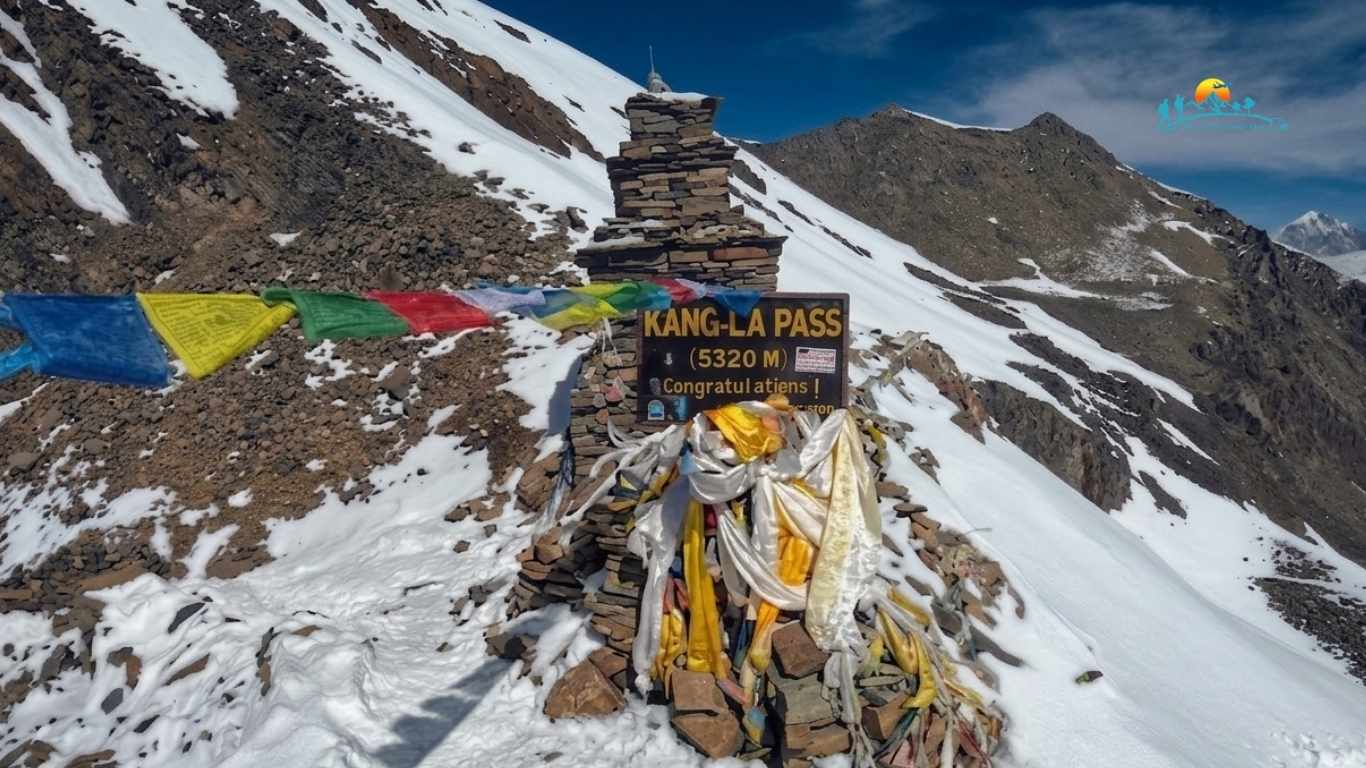
The Nar Phu Valley Trek falls between moderate and strenuous difficulty. The main challenges include crossing Kang La Pass at around 5,320 meters, walking for 6 to 8 hours daily, and adjusting to remote conditions with basic facilities. A fit beginner with preparation can complete it, but prior trekking experience makes the journey much smoother.
| Factor | Details |
|---|---|
| Difficulty Level | Moderate to Strenuous |
| Maximum Altitude | 5,320 meters (Kang La Pass) |
| Duration | 9 to 14 days |
| Daily Walking Hours | 5 to 8 hours |
| Terrain | Rocky trails, steep climbs, narrow paths |
| Accommodation | Basic teahouses |
| Permits | Restricted area permit required |
| Guide Requirement | Mandatory |
The difficulty of this trek comes from a combination of factors rather than one single issue. Each element builds on the other, which makes proper preparation essential.
High altitude is the biggest challenge because oxygen levels drop significantly above 3,000 meters. Trekkers often feel shortness of breath, slower walking pace, and fatigue. Crossing Kang La Pass pushes your body to its limit.
The Nar and Phu villages lie in a restricted area, which means fewer trekkers and limited services. You will not find luxury lodges or easy access to help. This isolation adds a serious layer of difficulty.
Daily walks range from moderate to long, often with steep ascents and descents. Some days require sustained effort for several hours without proper rest stops.
Basic teahouses provide simple food and shelter. Hot showers, charging points, and internet are either unavailable or unreliable. Comfort is minimal, which can affect both physical and mental energy.
Altitude plays a direct role in how difficult the trek feels. The higher you go, the slower your body adapts.
These elevations show how quickly you gain altitude in a short period.
The trek starts from lower elevations near Koto and gradually climbs through narrow valleys. Within a few days, you reach above 4,000 meters, which increases the risk of altitude sickness.
Symptoms include headache, nausea, dizziness, and loss of appetite. Ignoring these signs can lead to serious health issues. Many trekkers feel mild symptoms, but severe cases require immediate descent.
These simple steps reduce risk and improve your overall experience.
Trail conditions directly affect how tiring each day becomes. The Nar Phu Valley does not have smooth or well-maintained paths.
Many sections include loose rocks and uneven surfaces. Landslide zones require careful footing and full attention.
The trail often passes through deep gorges with steep walls. Wooden bridges cross fast-flowing rivers, which can feel unstable during certain seasons.
Kang La Pass is the hardest section of the trek. The climb is steep, long, and exposed to cold winds. Snow and ice may appear depending on the season. Reaching the top requires strong endurance and mental focus.
Weather conditions change the difficulty level significantly. Choosing the right season makes a big difference.
Spring offers stable weather with moderate temperatures. Trails remain clear, and visibility is good. This season suits most trekkers.
Autumn provides clear skies and dry trails. Mountain views look sharp and beautiful. This is the most popular time to trek.
Winter brings heavy snow, freezing temperatures, and closed passes. Kang La Pass may become unsafe. Only experienced trekkers attempt this season.
Rain makes trails slippery and increases landslide risk. Clouds block mountain views, and leeches may appear in lower regions.
Physical fitness determines how well you handle daily walking and altitude gain. A strong body reduces fatigue and improves safety.
Trekkers should feel comfortable walking 5 to 6 hours a day on uneven terrain. Basic endurance is necessary.
Start training at least 3 to 4 weeks before the trek.
Consistency matters more than intensity.
Endurance helps you walk longer without exhaustion. Strength supports your joints and reduces injury risk. Both are important, but endurance plays a bigger role.
Mental strength is often overlooked but plays a huge role in this trek. Remote trails mean fewer people, quiet surroundings, and long hours of walking without distractions. Some trekkers enjoy this silence, while others find it challenging.
Limited communication adds to the feeling of isolation. Mobile networks rarely work, and internet access is minimal. You rely on your team and your mindset. Patience, focus, and a positive attitude help you handle these conditions better.
Comparing this trek with other popular routes helps you understand where it stands.
| Trek | Difficulty | Altitude | Crowds | Facilities |
|---|---|---|---|---|
| Nar Phu Valley | Moderate to Strenuous | Very High | Very Low | Basic |
| Annapurna Circuit | Moderate | High | Medium | Good |
| Everest Base Camp | Moderate | High | High | Well Developed |
| Langtang Valley | Moderate | Moderate | Low | Decent |
Nar Phu stands out for its remoteness and raw experience.
The trek suits beginners who have good fitness and strong determination. A first-time trekker can complete it with proper preparation, a guide, and a steady pace. Those without any physical training or hiking experience may struggle, especially at high altitude. Starting with an easier trek builds confidence and endurance.
Beginners should understand that altitude is more challenging than distance on this route. Even if daily walking feels manageable, thin air can slow down the body and increase fatigue. Proper preparation for at least a few weeks before the trek makes a big difference in comfort and safety. With the right mindset and gradual pacing, beginners can still complete the journey successfully.
Logistics add another layer of complexity to this trek because access to Nar Phu Valley is controlled and limited. Unlike regular trekking routes in Nepal, you cannot simply enter the region with a backpack and a map. Every step of the journey requires planning, approval, and proper coordination.
Travelers must arrange permits in advance and follow strict trekking rules set by the government. This makes the process more structured compared to open routes like the Annapurna trails. Transport to the starting point also takes time, as the trail begins from a remote road head and often involves long jeep rides from Kathmandu or Pokhara.
The Nar Phu Valley requires a special permit issued by the Nepal government. This rule limits independent travel.
A licensed guide is mandatory. This ensures safety and proper navigation through remote areas.
Permits, guide fees, and logistics increase overall cost. Planning requires more effort compared to open trekking routes.
Preparation plays a major role in how difficult the Nar Phu Valley Trek feels during the journey. Trekkers who prepare in advance handle altitude, long walking hours, and cold weather with more confidence. Without preparation, even simple sections of the trail can feel exhausting.
Good preparation also reduces the risk of altitude sickness and physical injury. It helps your body adjust gradually to walking in uneven terrain for many days in a row. Mental readiness is equally important because the trek includes remote areas with limited comfort and long stretches of silence. A structured approach before starting the trek makes the overall experience safer and more enjoyable.
Build stamina through regular exercise. Focus on long-duration activities rather than short bursts.
Follow a slow ascent. Rest when needed and listen to your body.
A guide helps with navigation, safety, and local knowledge. This reduces stress and allows you to focus on the journey.
Many trekkers increase the difficulty of the Nar Phu Valley Trek without realizing it. Small errors in pacing, preparation, or decision-making can quickly turn a manageable trek into a very tiring experience. Understanding these mistakes before starting helps you stay safe and comfortable throughout the journey. Most problems occur when trekkers underestimate altitude or try to push beyond their natural pace. Careful planning and awareness reduce these risks significantly.
Avoiding common mistakes makes a big difference.
Simple awareness prevents many problems.
Careful planning and disciplined trekking habits make a major difference in how the Nar Phu Valley Trek feels day to day. Most difficulties do not come from the trail itself but from poor pacing and lack of preparation as it is more difficult then Annapurna Base Camp trek and the Everest Base Camp trek too. Following simple habits helps you stay strong even at high altitude.
Experienced guides often focus on consistency rather than speed. Small adjustments in your daily routine can prevent fatigue and reduce the risk of altitude-related problems.
These tips come from experienced trekkers and guides who know the region well.
The Nar Phu Valley Trek requires structured preparation and consistent effort, similar to how systems support depends on proper planning and support to manage complex needs. Without preparation, small challenges can quickly become overwhelming.
In the same way, each stage of the trek becomes easier when support, pacing, and readiness are in place. When trekkers respect their limits and follow a steady plan, even high altitude sections and long walking days feel manageable rather than exhausting.
The Nar Phu Valley Trek offers a rare Himalayan experience that feels untouched and authentic. The difficulty is real, but it adds value to the journey rather than taking away from it. Trekkers who prepare well find it deeply rewarding. The landscapes, culture, and sense of isolation create memories that stay long after the trek ends.
The effort required is balanced by the raw beauty of remote villages, dramatic mountain views, and quiet trails that feel far away from busy trekking routes. Every challenging section becomes part of the overall experience rather than just an obstacle. For those ready to step beyond comfort zones, this trek delivers a strong sense of achievement and connection with the Himalayas that is hard to find elsewhere.
The Nar Phu Valley Trek is considered moderate to challenging. It involves navigating rugged terrain, high-altitude passes, and remote paths. Trekkers should be prepared for steep ascents and long hiking days lasting six to eight hours in thin air.
The highest point is the Kang La Pass, reaching an elevation of 5,320 meters (17,454 feet). Proper acclimatization is essential to prevent altitude sickness, as much of the journey remains above 4,000 meters in a remote Himalayan environment.
The ideal seasons are Spring (March to May) and Autumn (September to November). These months offer stable weather, clear mountain views, and comfortable temperatures, allowing trekkers to avoid heavy monsoon rains and the extreme snow of winter.
Since it is a restricted region, you need a Restricted Area Permit (RAP), the Annapurna Conservation Area Project (ACAP) permit, and a TIMS card. Permits require a minimum of two trekkers and must be processed by a registered agency.
Most itineraries range from 12 to 15 days, depending on your starting point and acclimatization needs. This duration allows for a safe ascent and enough time to explore the ancient Tibetan-style villages of Nar and Phu without rushing.
Trekkers need high physical fitness and mental endurance. Regular cardiovascular training and leg strengthening are recommended, as the trail involves steep climbs, loose rocky terrain, and crossing a high-altitude pass under unpredictable Himalayan weather conditions.
No, solo trekking is strictly prohibited. Because Nar Phu is a designated restricted area near the border, government regulations require a minimum group size of two people and the mandatory accompaniment of a licensed Nepalese trekking guide.
Accommodation consists of basic teahouses or local homestays. Facilities are modest compared to the popular Annapurna Circuit. Expect simple twin-sharing rooms, shared bathrooms, and communal dining areas that offer a raw, authentic look into the traditional local lifestyle.
Crossing the Kang La Pass (5,320m) is the trek’s primary challenge. It requires a strenuous ascent followed by a long, steep descent on loose scree. While technically straightforward, the high altitude makes it physically demanding for even experienced hikers.
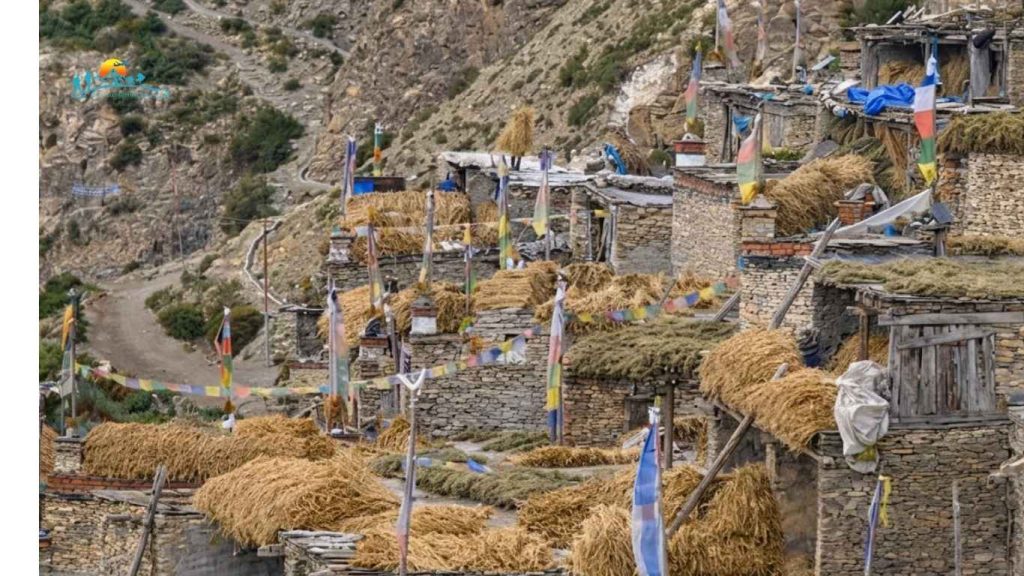
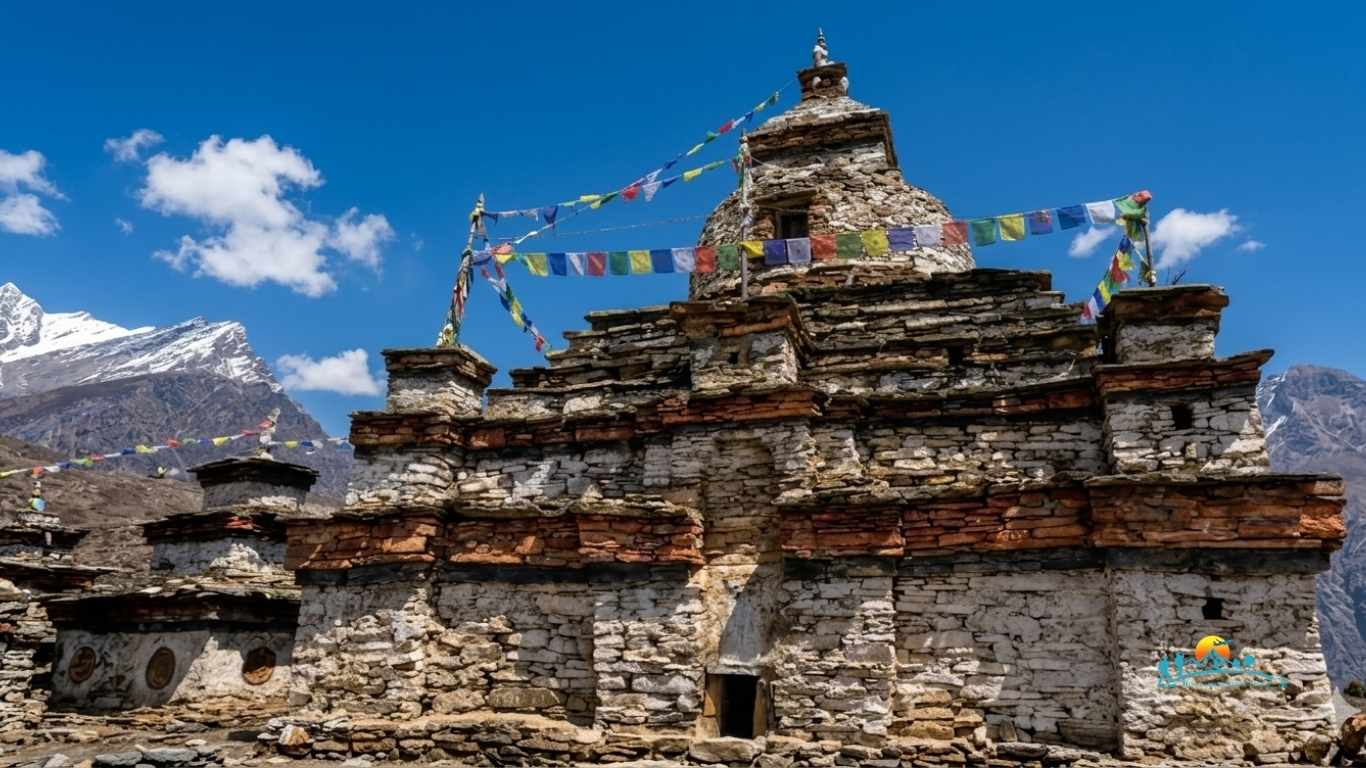
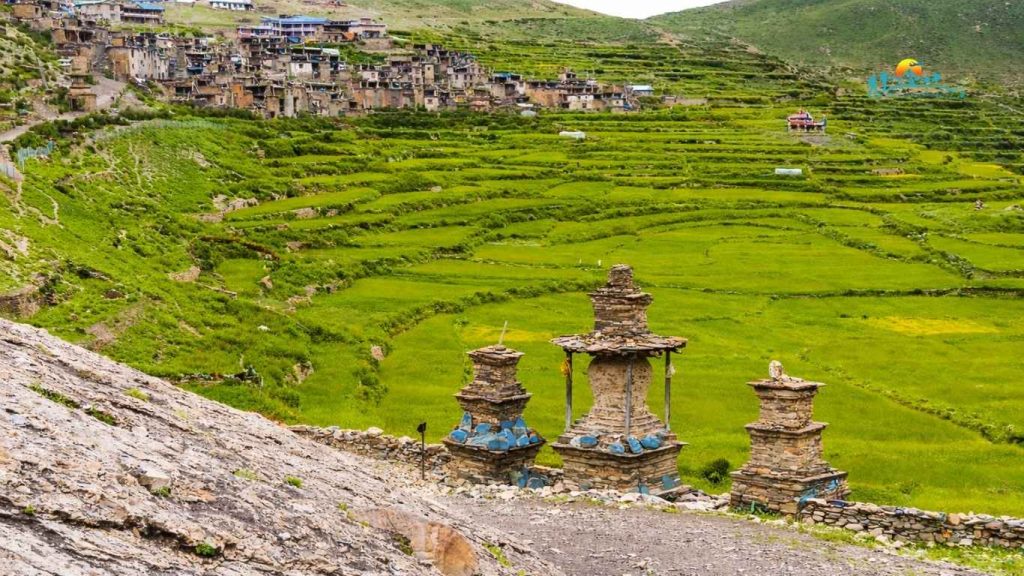
The trek offers a unique blend of raw scenery and ancient Tibetan culture. You will explore “hidden” villages featuring stone houses, ancient monasteries, and prayer flags, providing a rare glimpse into a centuries-old way of life.
Food consists mainly of traditional Nepali Dal Bhat (lentil soup and rice), which provides sustained energy. You can also find Tibetan bread, soups, and noodles. Western options are more limited here than on busier trails, ensuring a traditional experience.
Connectivity is extremely limited. Some teahouses offer solar charging for a small fee, but mobile signals are rare once you enter the valley. It is best to bring power banks and expect to be off-grid for several days.
The Nar Phu trek is significantly more remote and less crowded than the Annapurna Circuit. It offers a wilder experience with fewer facilities and more challenging terrain, making it ideal for those seeking solitude and raw Himalayan adventure.
Essential items include high-quality trekking boots, thermal layers, a down jacket, and a four-season sleeping bag. Don’t forget sun protection, a first-aid kit, and water purification tablets, as resources are scarce in the high-altitude sections.