
Dashain Festival of Nepal: Dates, 15 Days, Traditions and History
The Dashain Festival of Nepal is the country's biggest annual festival for many Nepali families, bringing together religious worship, family…
 Himalayan Gateway Trek - On
 Short treks in Nepal are trekking routes that take between 3 and 10 days and offer close views of the Himalayas without long expedition schedules. These routes suit beginners, families, and travelers with limited time who still want mountain sunrises, village culture, and forest trails. Most of them start from either Kathmandu or Pokhara and cover regions such as Annapurna, Everest, Langtang, and the Kathmandu Valley.
Nepal does not require a month-long commitment to experience the Himalayas. In less than a week, you can stand at viewpoints facing snow peaks, walk through rhododendron forests, and stay in traditional teahouses run by local families.
Short treks in Nepal are multi-day hiking routes that combine mountain scenery, cultural villages, and moderate altitude gain within a limited timeframe. Most of these treks last 3 to 10 days and reach altitudes between 2,000 and 4,200 meters.
You stay in teahouses, which are simple mountain lodges that provide meals and basic rooms. Trails are well marked in popular regions, and daily walking hours usually range from 4 to 6 hours. Difficulty levels vary from easy to moderate.
Nepal is ideal for short trekking because:
Quick Summary
Short treks give you real Himalayan exposure without extreme physical strain or long travel plans.
Many short routes follow established trails with gradual ascents. Treks such as Ghorepani, Dhampus, and Nagarkot do not require technical skills. First-time trekkers can gain confidence while still enjoying mountain views.
Not everyone can spend two or three weeks trekking. With short routes, you can combine trekking with cultural sightseeing in Kathmandu or boating in Pokhara.
Most short treks stay below 4,000 meters. Gradual climbs and shorter exposure reduce altitude-related problems.
Fewer days mean lower accommodation, food, and guide costs. Transportation is also simpler because many starting points connect by road.
You can reach trailheads within a few hours’ drive from Kathmandu or Pokhara Valley. This convenience attracts travelers who want quick mountain access.
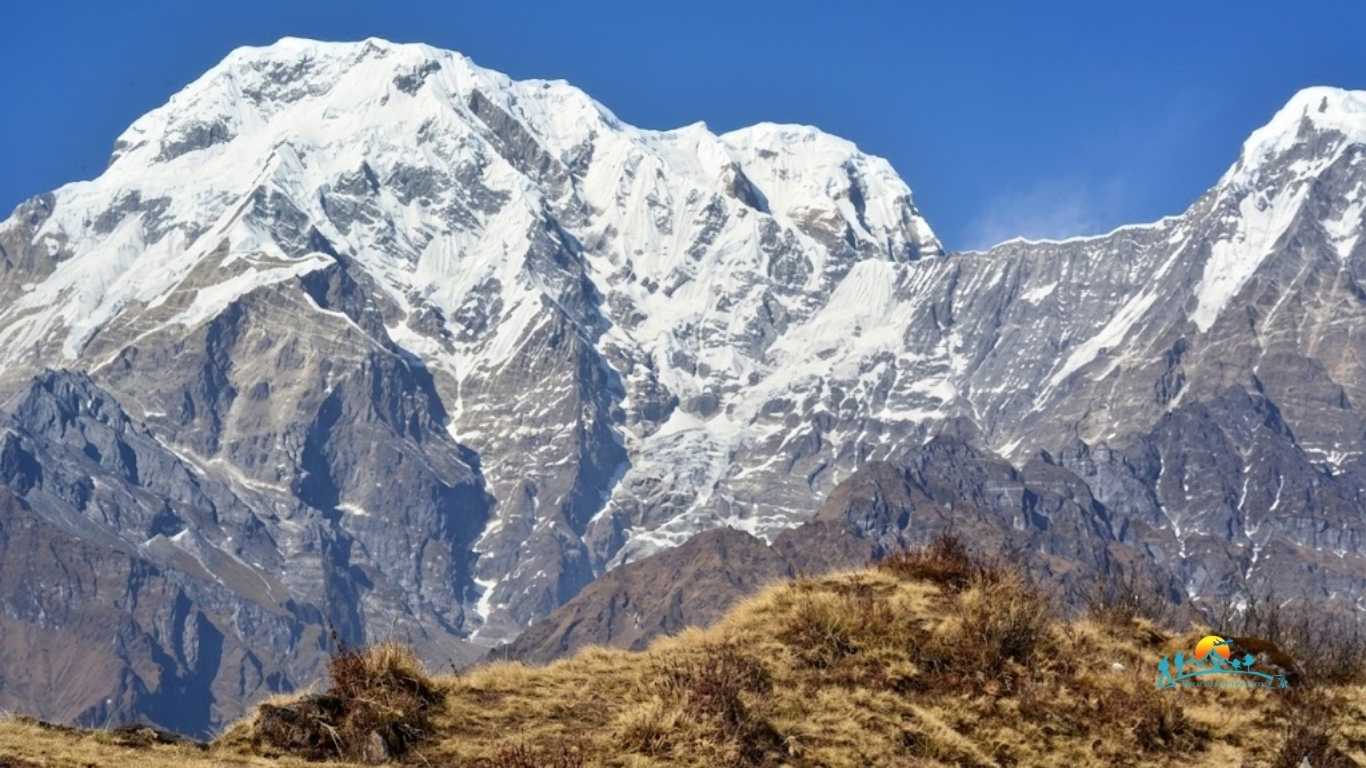
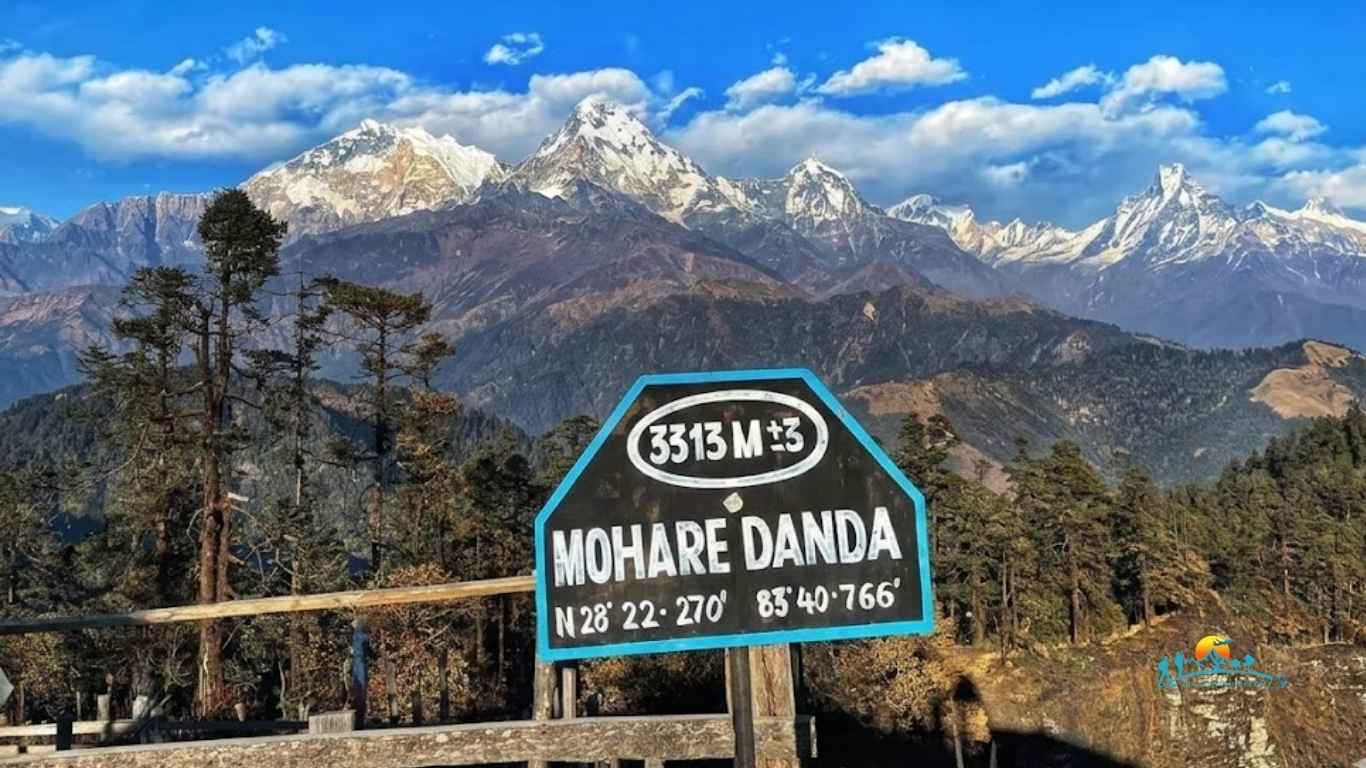
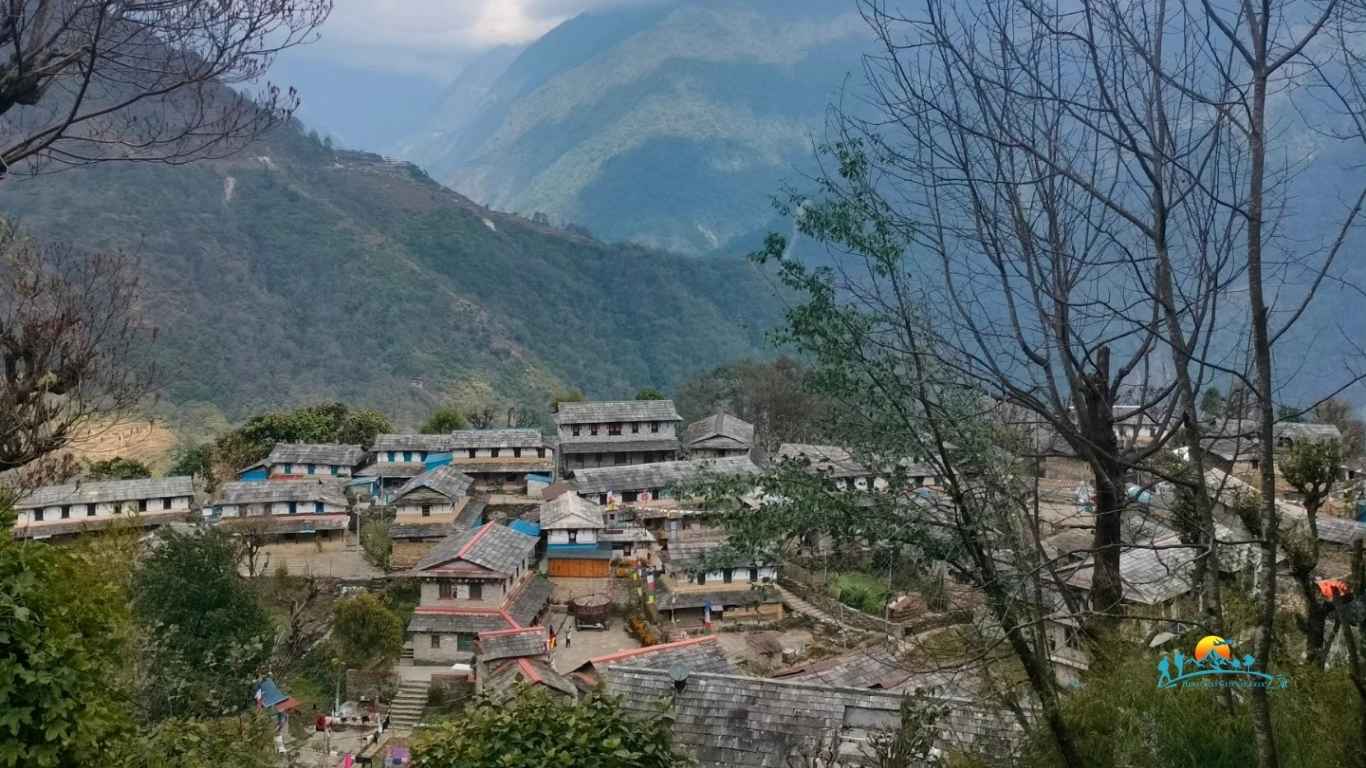
The Annapurna region is the most diverse area for short treks. It combines forests, terraced farms, Gurung villages, and wide Himalayan panoramas.

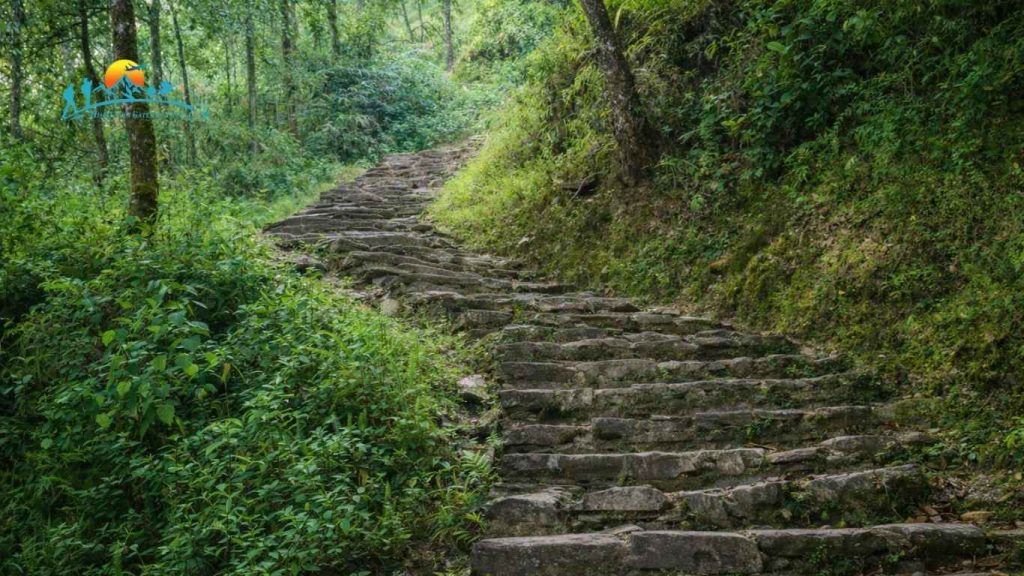
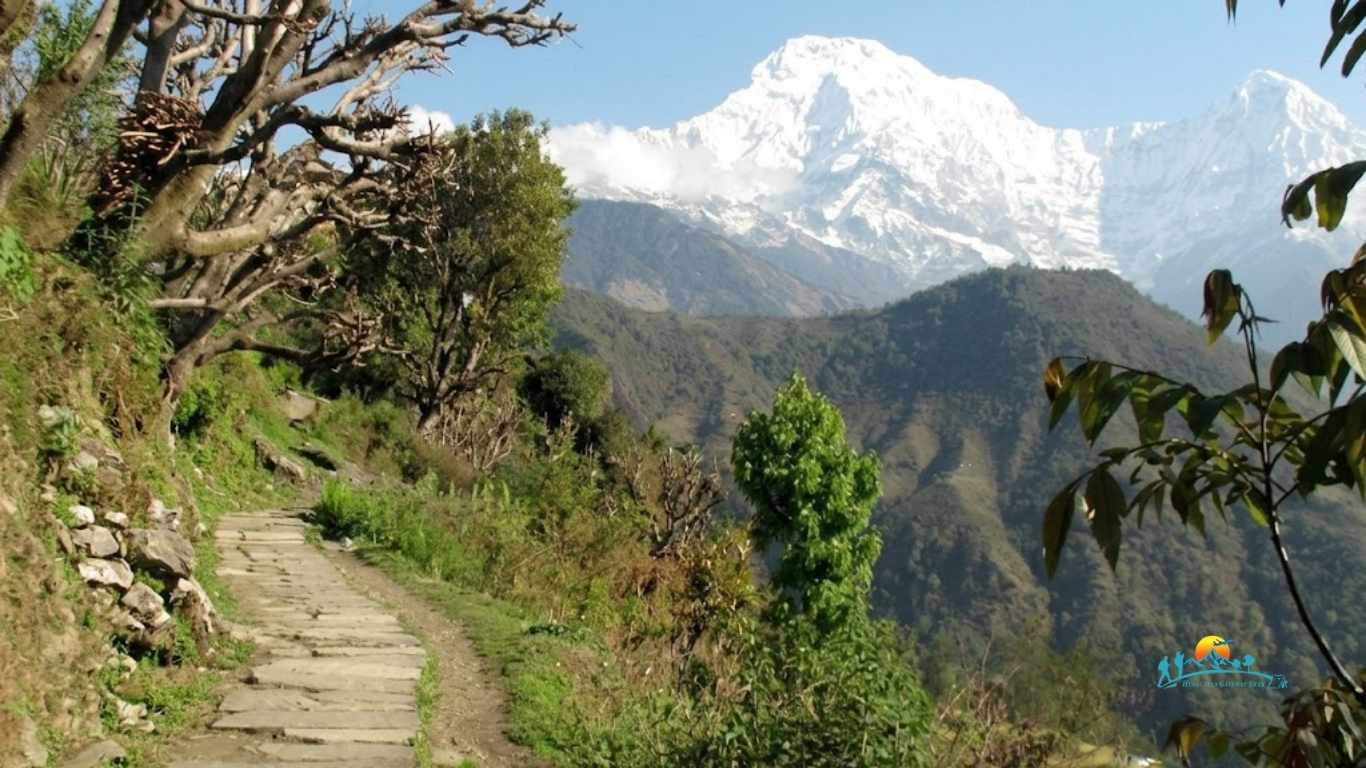
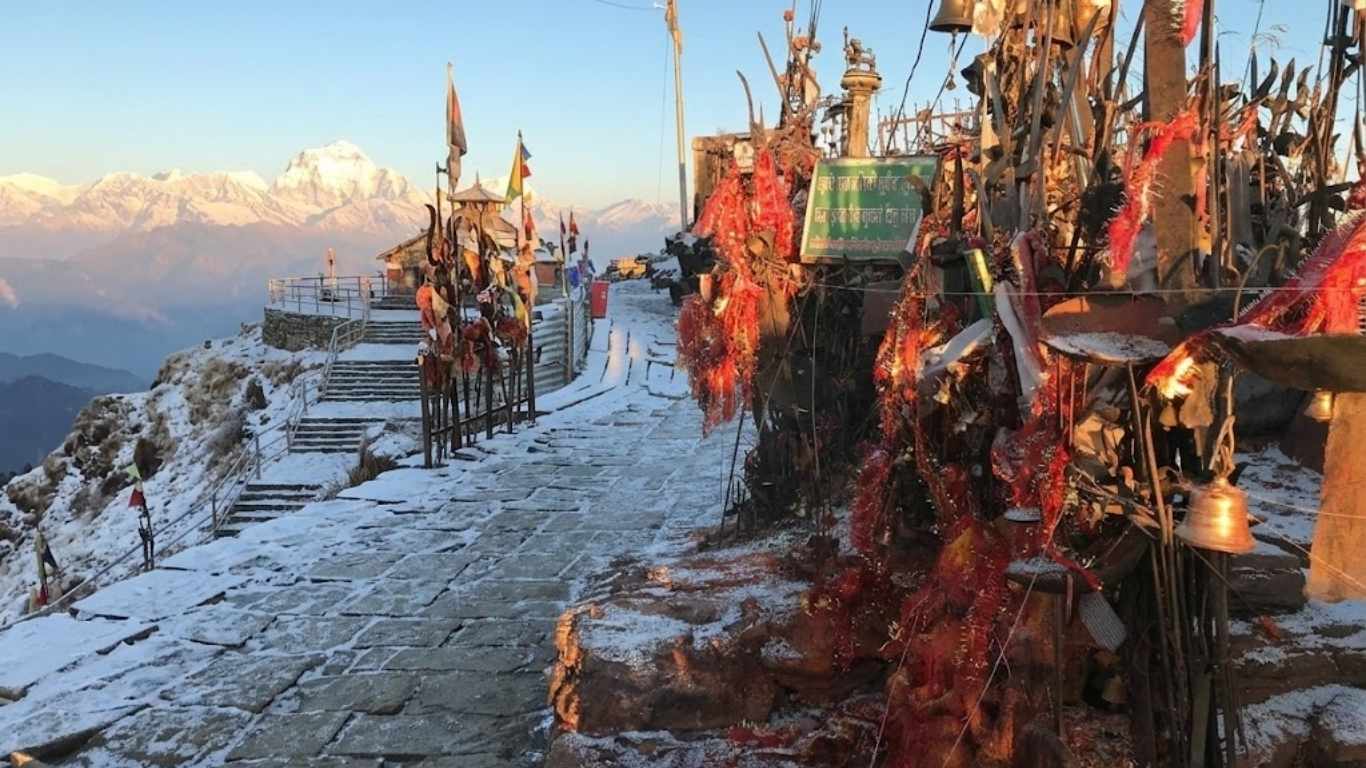
This trek is famous for sunrise over Annapurna South and Dhaulagiri. The stone staircases can be demanding, but daily distances remain manageable.

Mardi Himal Trek route offers dramatic scenery with fewer crowds than Poon Hill. Forest trails lead to open alpine ridges.

You walk into the heart of the Annapurna Sanctuary surrounded by peaks like Annapurna I.

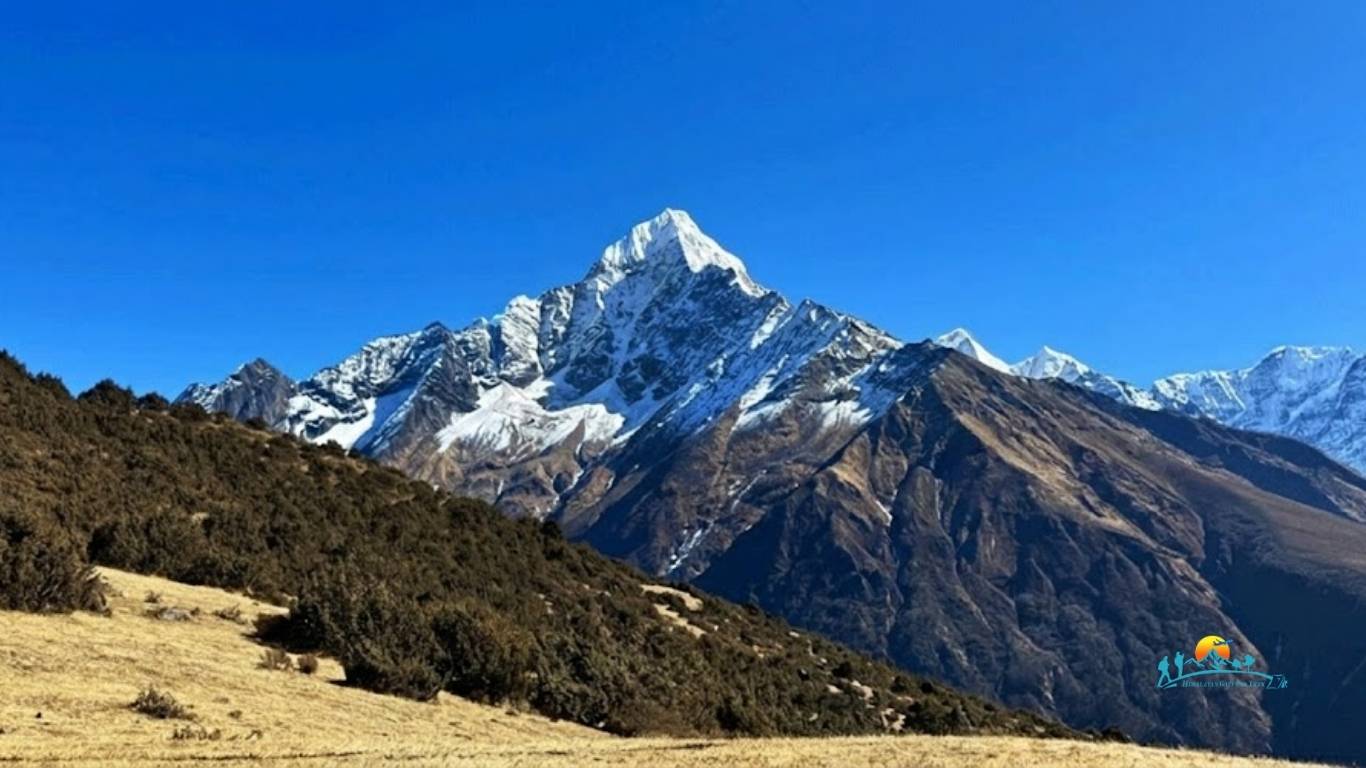
The Everest region attracts trekkers who want to see the world’s highest mountain without long high altitude exposure.

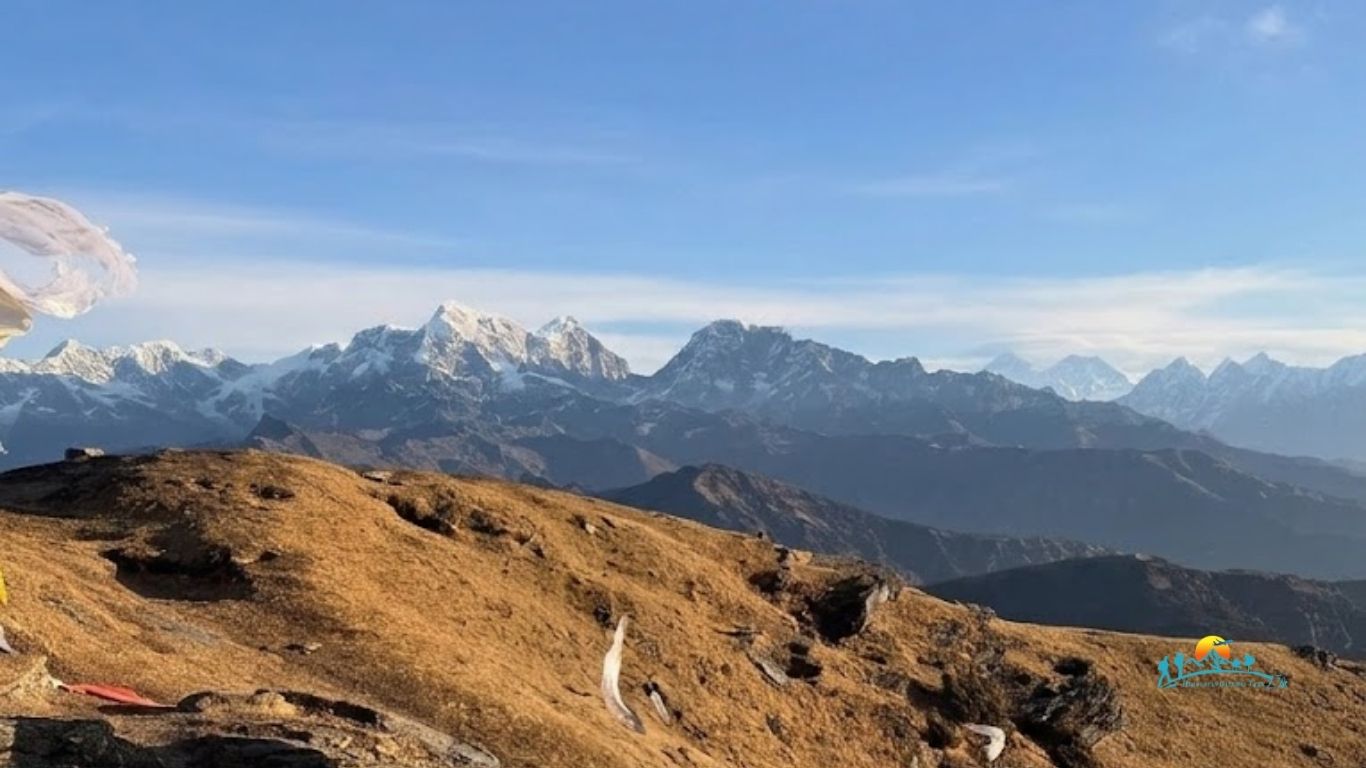

These treks offer strong cultural elements and easier road access from Kathmandu.


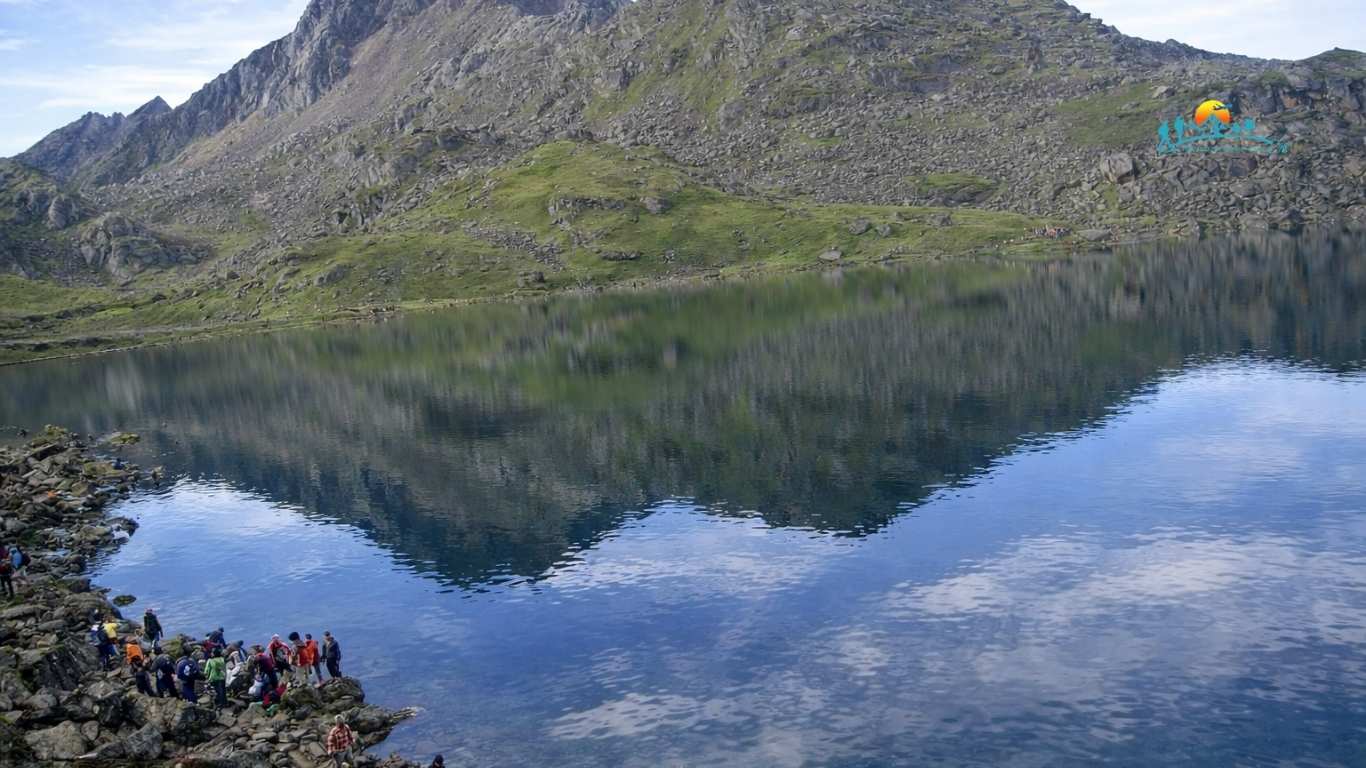
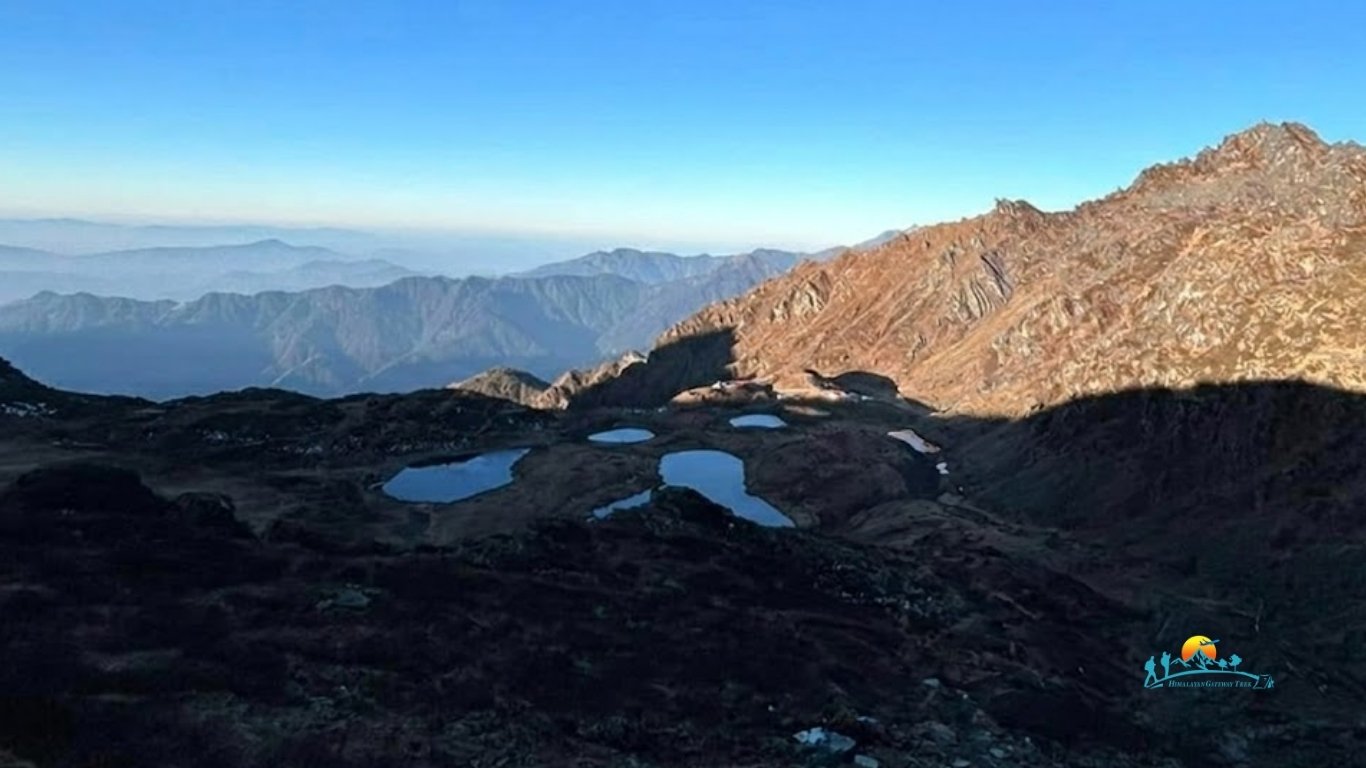
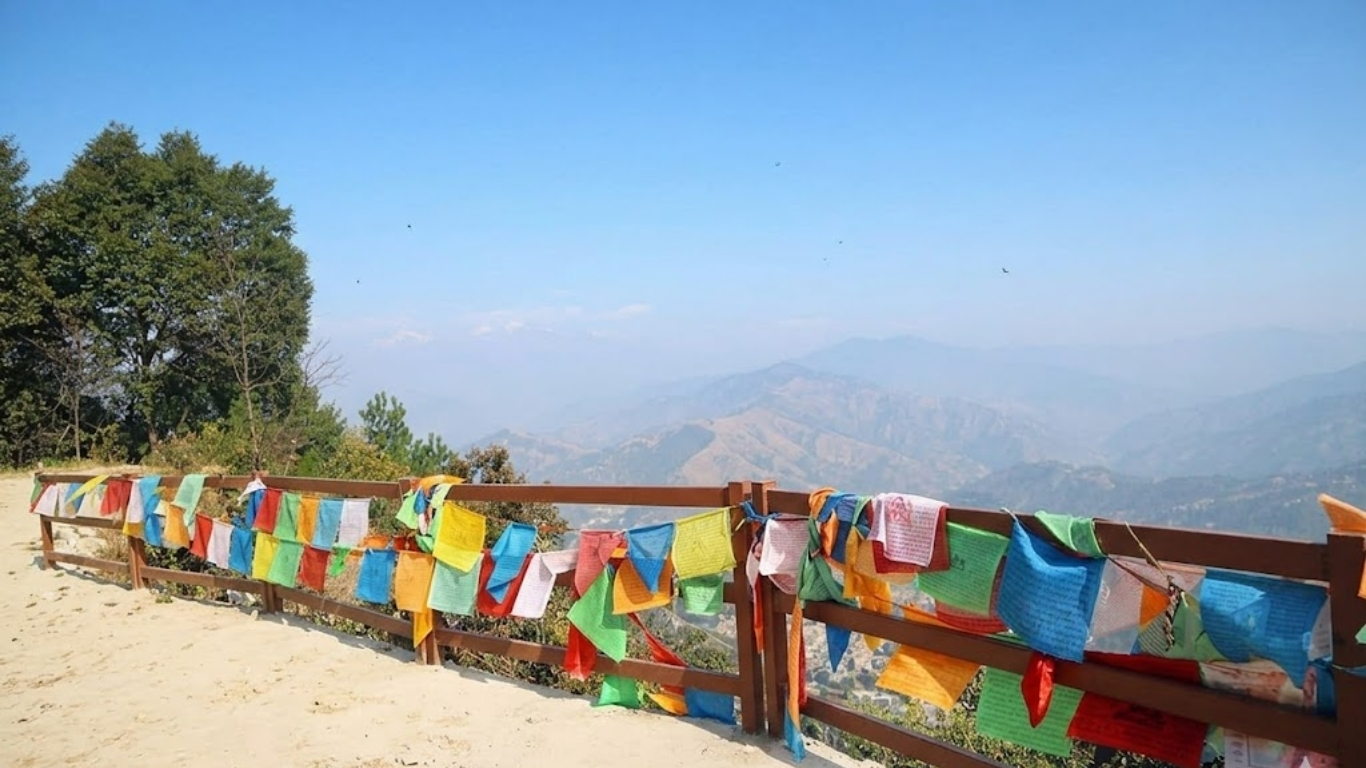
Short treks near Kathmandu Valley offer quick access to forests, hilltop viewpoints, and traditional villages without long travel hours. These routes usually take 2 to 4 days and stay at moderate altitudes, making them ideal for beginners, families, and weekend hikers. You can start most of these treks within one to three hours’ drive from Kathmandu and enjoy Himalayan views along with local culture.

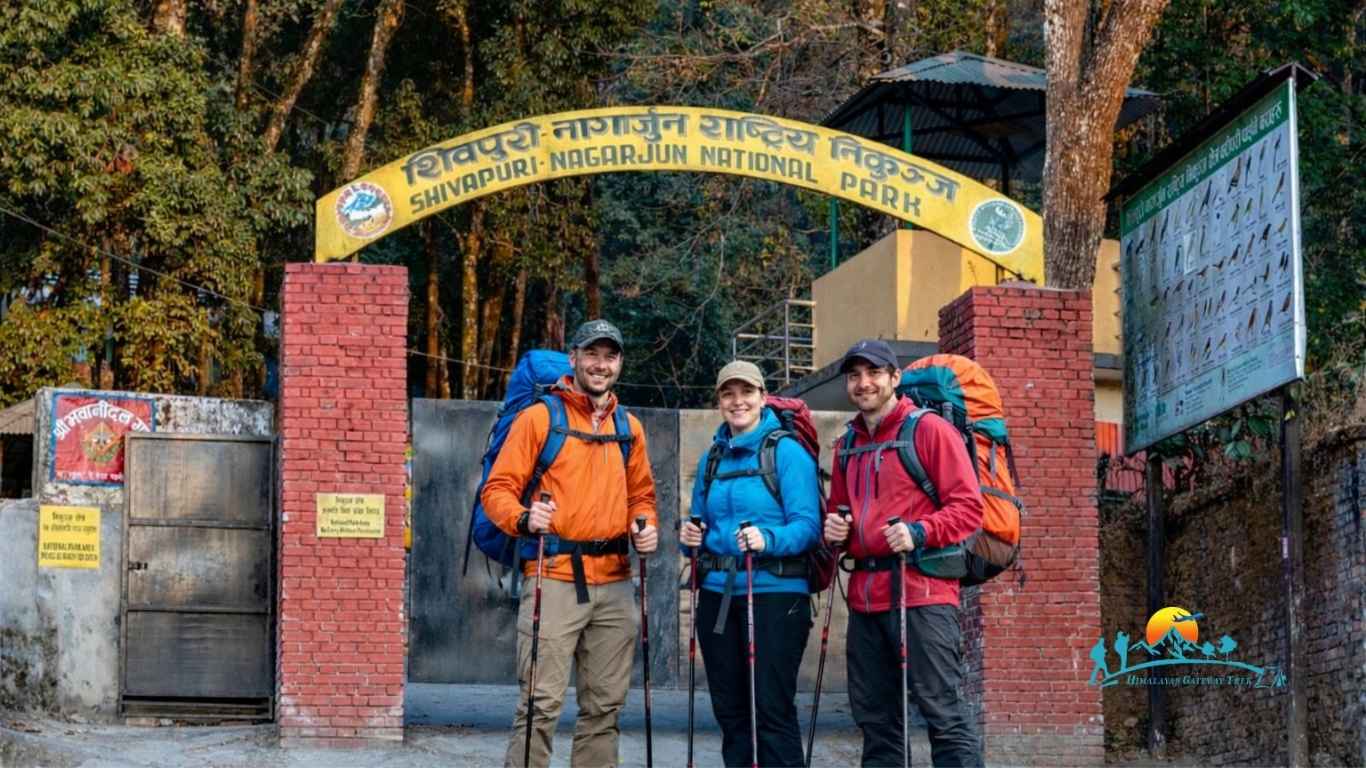
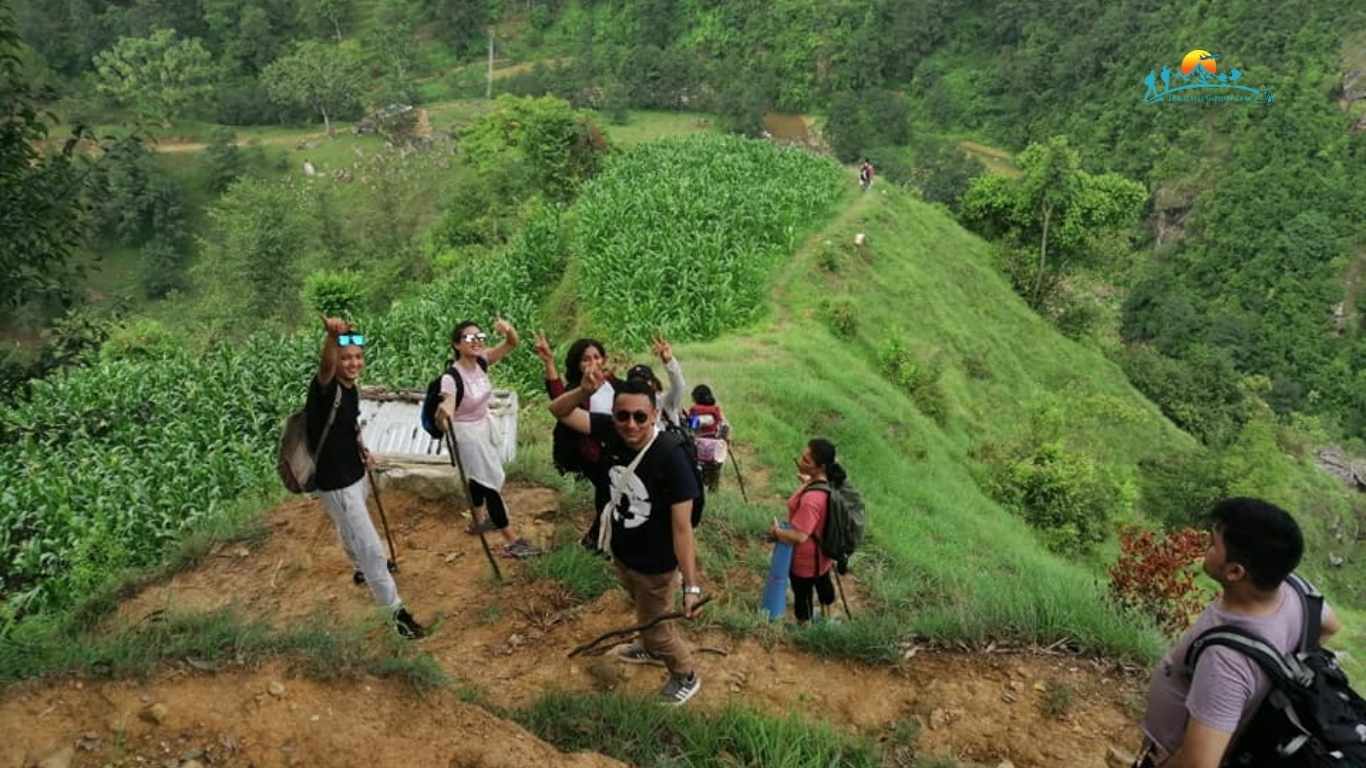
A clear comparison helps you choose the right trek based on time, altitude, and difficulty. The table below highlights some of the most popular short treks in Nepal and compares them side by side so you can quickly match your travel goals with the right route.
| Trek Name | Days | Max Altitude | Difficulty | Best Season | Region | Ideal For |
|---|---|---|---|---|---|---|
| Ghorepani Poon Hill | 4 to 5 | 3,210 m | Easy | Spring Autumn | Annapurna | Sunrise views |
| Mardi Himal | 5 to 7 | 4,500 m | Moderate | Spring Autumn | Annapurna | Close peak views |
| Everest View | 5 to 7 | 3,880 m | Moderate | Spring Autumn | Everest | Everest sight |
| Langtang Valley | 5 to 8 | 3,870 m | Moderate | Spring Autumn | Langtang | Glacier scenery |
| Chisapani Nagarkot | 3 | 2,195 m | Easy | All seasons except heavy monsoon | Kathmandu | Weekend trek |
Clear skies and rhododendron blooms make this season colorful. Annapurna and Everest regions remain popular.
Stable weather and crisp views attract most trekkers. This is the busiest season.
Lower altitude treks like Dhampus and Balthali remain suitable. High routes may receive snow.
Kathmandu Valley and rain shadow areas such as Lower Mustang are better options during heavy rain.
Permits are mandatory for most trekking areas in Nepal because many trails pass through conservation zones and national parks. These fees support trail maintenance, environmental protection, and local community development. You must carry your permits during the trek as checkpoints verify them along the route.
The Trekkers’ Information Management System card records your trekking details for safety tracking. Authorities use it to monitor trekkers in case of emergencies. It is required for many popular regions unless you trek in specific national park areas where alternative systems apply.
This permit is compulsory for routes inside the Annapurna region, including Ghorepani Poon Hill and Mardi Himal. The fee contributes to conservation work, waste management, and community projects within the protected area.
Trekkers entering the Everest region must obtain this permit because the trails pass through Sagarmatha National Park. The revenue supports environmental protection and infrastructure in high altitude settlements.
Langtang and Gosaikunda treks fall inside Langtang National Park, so this permit is required. It helps fund wildlife conservation, trail repairs, and local recovery efforts after natural disasters.
Certain regions such as Upper Mustang require special restricted permits. These permits control visitor numbers and protect sensitive cultural and environmental areas. They are more expensive and must be arranged through a registered trekking agency.
Family-friendly short treks focus on gentle trails, moderate altitude, and reliable accommodation. These routes avoid extreme climbs and long walking hours, which makes them suitable for children and older family members. Most of them also offer cultural villages and wide viewpoints without demanding physical effort.
Short daily walks and comfortable teahouses support family travel, while easy road access allows flexible planning in case of weather changes.
Treks below 3000 meters are ideal for travelers who want mountain scenery without high altitude exposure. These routes keep the risk of altitude sickness very low and allow comfortable walking with steady elevation gain. They are perfect for beginners, older trekkers, and families.
These reduce altitude stress and suit beginners while still offering sunrise viewpoints, forest trails, and traditional village experiences.
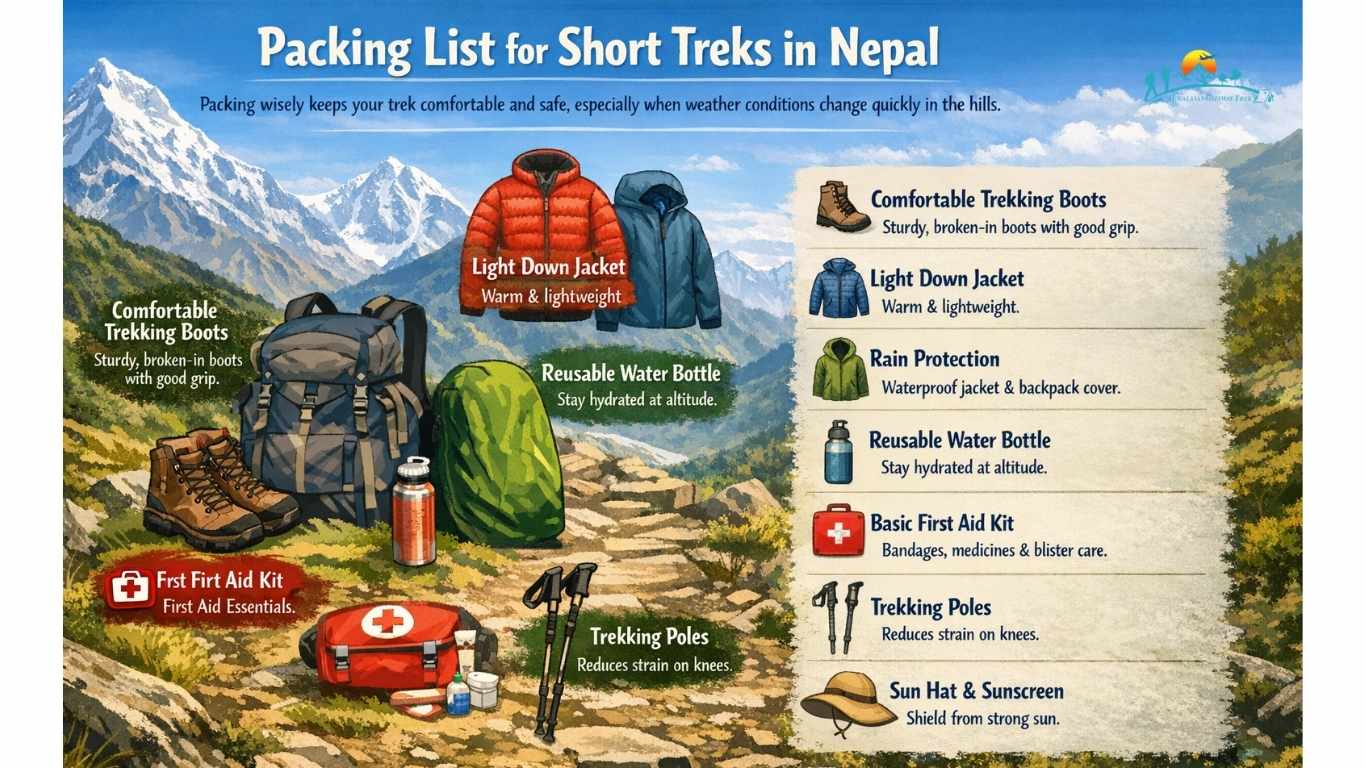
Packing wisely keeps your trek comfortable and safe, especially when weather conditions change quickly in the hills. Even on short routes, mornings can be cold and afternoons can bring rain or strong sun. Carry only what you truly need so your backpack stays light and manageable.
Permits: 20 to 50 USD depending on region
Guide: 25 to 35 USD per day
Porter: 20 to 25 USD per day
Accommodation: 5 to 15 USD per night
Food: 15 to 25 USD per day
Transport: 10 to 40 USD depending on distance
Total cost for a 5 day trek ranges between 350 and 700 USD depending on services.
Nepal delivers powerful mountain experiences even within 3 to 7 days. Short routes allow travelers to stand before snow peaks, walk through forest trails, and connect with local communities without committing to long expeditions. Careful planning, respect for altitude, and responsible trekking practices ensure that these trails remain beautiful for future visitors.
Popular options include Ghorepani Poon Hill, Mardi Himal, and the Langtang Valley trek. These routes offer stunning Himalayan views and cultural experiences within 3 to 7 days, making them perfect for those with limited time in Nepal.
The Ghorepani Poon Hill trek is ideal for beginners. It features well-maintained trails, comfortable teahouses, and manageable elevations. You will enjoy breathtaking sunrise views over the Annapurna range without needing extensive high-altitude trekking experience or technical gear.
Yes, the Everest View Trek or the Pikey Peak Trek are excellent short options. These 5-7 day journeys provide spectacular panoramas of Mount Everest and surrounding peaks like Lhotse and Ama Dablam without the long trek to Base Camp.
Yes, permits are mandatory. Most short treks require a TIMS card and specific National Park or Conservation Area permits, such as the ACAP for Annapurna or the Langtang National Park permit. Always check current 2026 regulations before departing.
The best seasons are spring (March to May) and autumn (September to November). During these months, the weather is stable, skies are clear, and mountain views are most spectacular, providing the perfect conditions for a short Himalayan adventure.
Absolutely. The Chisapani-Nagarkot circuit is a fantastic 3-day trek near Kathmandu. It offers lush forests, traditional villages, and expansive views of the central Himalayas, including the Langtang and Ganesh Himal ranges, right from the valley rim.
Most short treks are categorized as easy to moderate. While they involve some uphill climbing and daily walking for 4-6 hours, they don’t require technical skills, making them accessible to anyone with a basic level of physical fitness.
Yes, a “Short ABC Trek” can be completed in about 5-7 days from Pokhara. This fast-paced itinerary uses local transport to reach higher trailheads, allowing you to experience the spectacular Annapurna Sanctuary even on a tight schedule.
Pack lightweight layers, a warm down jacket, sturdy hiking boots, and a rain jacket. Don’t forget essentials like a reusable water bottle, sun protection, a basic first-aid kit, and a lightweight sleeping bag for cozy teahouse stays.
Yes, regions like Annapurna and Everest offer luxury lodges. The “Everest Luxury Trek” or “Annapurna Luxury Hike” allows you to enjoy the mountains while staying in high-end comfort with hot showers, gourmet meals, and comfortable beds.
While some trails are well-marked, hiring a licensed guide is highly recommended for safety and cultural insight. Nepal’s latest regulations often require guides in many trekking areas to ensure hiker security and support the local mountain economy.
The Dhampus Sarangkot trek is among the shortest. In just 2 days from Pokhara, you can reach incredible viewpoints overlooking the Dhaulagiri, Annapurna, and Machhapuchhre peaks, providing a massive visual reward for a very minimal time investment.
Altitude sickness is less common on short treks since most stay below 4,000 meters. However, routes like the Mardi Himal Trek reach higher elevations, so staying hydrated and maintaining a steady pace is vital for a safe journey.
Prices vary based on duration and service level. Generally, you can expect to spend between $300 and $800 per person. This usually covers permits, guide fees, local transportation, meals, and teahouse accommodation throughout your mountain journey.
Yes, family-friendly treks like the Ghandruk village hike or Balthali Village trek are excellent. These routes feature shorter daily walking hours, lower altitudes, and comfortable teahouses, making them safe and enjoyable for children and older adults.
Pikey Peak is a 5-7 day trek in the lower Everest region. It is famous for providing one of the best panoramic views of Mount Everest, famously praised by Sir Edmund Hillary, along with authentic Sherpa cultural experiences.
Most popular teahouse routes in the Annapurna and Everest regions offer Wi-Fi for a small fee. However, connections can be unstable due to weather or location, so it’s best to enjoy the digital detox when possible.
Short treks are ideal for travelers with limited time who still want a Himalayan experience. They offer stunning scenery and cultural immersion similar to longer expeditions but require less physical preparation and a smaller overall financial commitment.