Best Time for Manaslu Circuit Trek: Month-by-Month Guide
The best time for Manaslu Circuit Trek is generally spring and autumn, but the right dates depend on weather, snow…
 Himalayan Gateway Trek - On
 The Kanchenjunga Trek is one of the hardest treks in Nepal because it combines long walking days, remote trails, high altitude, basic facilities, and changing mountain weather. Many trekkers compare it with Everest Base Camp or Annapurna Circuit, but Kanchenjunga feels tougher due to its distance from major tourist routes and fewer comfort options on the trail.
This trek pays off to those who desire winding routes, uncivilized mountain scenes, the local culture, and the experience of the journey. It is not merely a matter of arriving at base camp. It is dealing with the entire challenge on a day-to-day basis.
If you are asking whether the Kanchenjunga Trek is difficult, the honest answer is yes. Still, fit and prepared trekkers complete it every season.
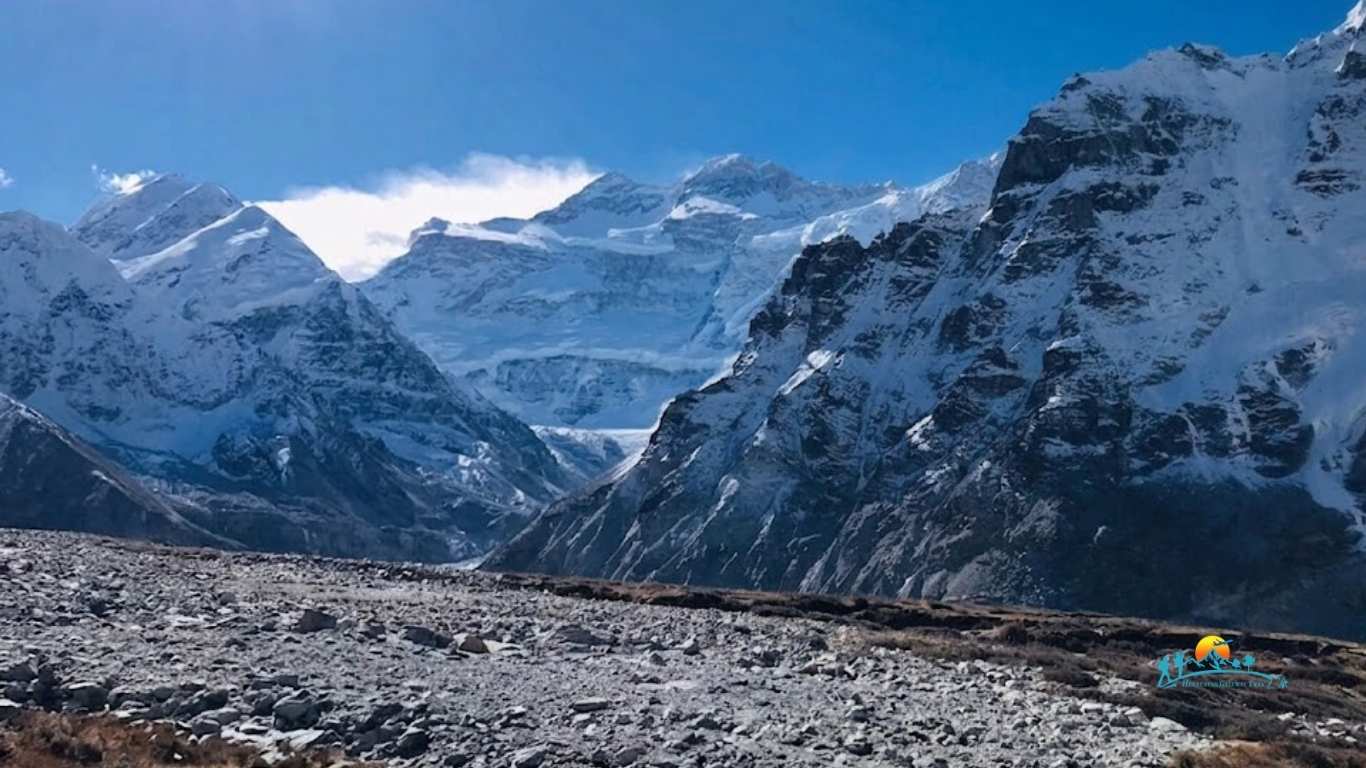
The Kanchenjunga Trek difficulty is moderate to hard, depending on route, season, fitness level, and previous trekking experience.
| Factor | Difficulty Level |
|---|---|
| Altitude | High |
| Trail Condition | Moderate to Hard |
| Daily Walking Hours | Hard |
| Technical Climbing | Low |
| Weather Risk | Moderate |
| Overall | 7.5/10 |
You do not need mountaineering skills. You do need stamina, patience, and proper acclimatization.
The trek feels difficult because several challenges build up over many days instead of one single obstacle. Trekkers often manage the trail well for the first week, then feel the weight of fatigue later. Unlike shorter treks, The Kanchenjunga Base Camp Trek tests your stamina day after day. The body has less time to recover, and even small issues like sore legs, poor sleep, or cold weather can feel bigger as the journey continues. The remote setting also means fewer comfort stops, which adds to the overall effort.
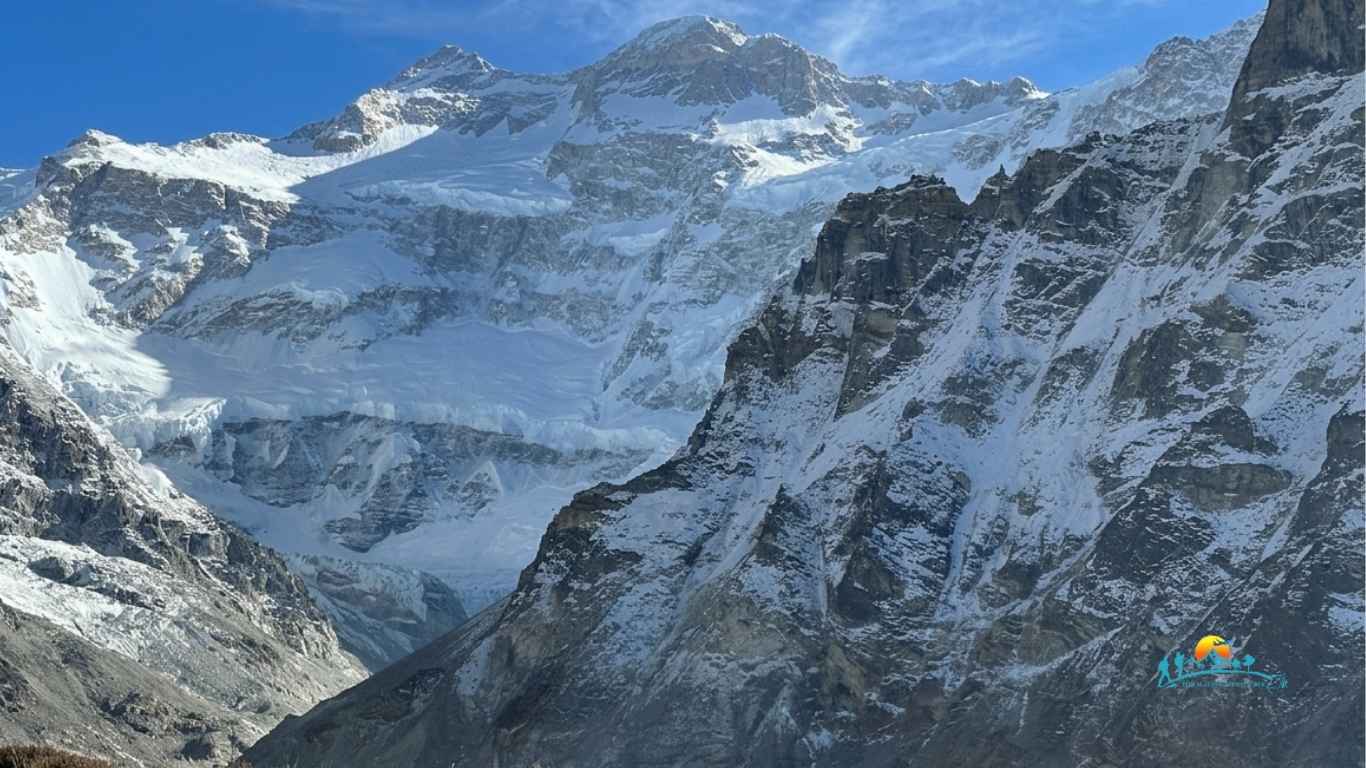
Altitude is the most serious part of the Kanchenjunga Trek difficulty because oxygen levels drop as you climb higher. Many trekkers feel strong at lower villages but slow down after Ghunsa and Kambachen. Even fit people can struggle if they gain height too fast.
At higher elevations, the body needs more time to adjust to thinner air. Simple tasks like climbing a short slope, carrying a daypack, or walking at a normal pace can feel much harder than they do at lower levels. Recovery also becomes slower, especially after long trekking days. This is why proper acclimatization is so important on the Kanchenjunga region. A slow ascent, rest days, and steady walking pace help the body adapt and lower the risk of altitude sickness.
The trek reaches several high settlements and viewpoints where altitude becomes a serious factor. As you move above 3,500 meters, breathing feels harder, walking pace slows, and proper acclimatization becomes more important each day.
Knowing the key altitude points helps trekkers prepare mentally and manage energy better during the journey. It also gives a clear idea of where the toughest sections usually begin.
| Location | Approx. Altitude |
|---|---|
| Ghunsa | 3,475 m |
| Kambachen | 4,050 m |
| Lhonak | 4,780 m |
| Pangpema (North Base Camp) | 5,143 m |
| Oktang (South Base Camp area) | 4,730 m |
The trek feels harder because it lasts longer than many popular Nepal routes. Even moderate days become tiring when repeated for three weeks.
Everest Base Camp can often be done in around two weeks. Kanchenjunga commonly needs more time due to access, route length, and acclimatization.
Mental strength matters almost as much as physical strength here.
The Kanchenjunga route is harder because the trail is less polished than Everest or Annapurna. You may walk through forests, landslide areas, rocky paths, suspension bridges, muddy tracks, and steep ridges. The route stays natural in many sections, which is part of its beauty but also part of its challenge. Uneven ground demands more balance, steady footwork, and extra care, especially after rain or during colder months.
Trekkers often use more energy on rough trails than on smooth paths of the same distance. This is why some shorter sections can still feel tiring and slow.
Some days feel slow not because of distance, but because of trail quality.
Kanchenjunga is one of Nepal’s more isolated trekking regions. That isolation is beautiful, but it also raises the difficulty. Unlike busier trekking areas, villages are farther apart and services are more limited. Transport takes longer, supplies cost more, and help may not be immediately available if problems arise on the trail.
The remote setting also means fewer modern comforts such as reliable internet, charging points, hot showers, and stocked shops. Trekkers need to be more self-prepared and flexible throughout the journey. If you forget key gear in Kathmandu, replacing it later can be difficult.
Both routes are rewarding, but they feel different. The north side is more open, colder, and higher, while the south side has greener landscapes, forest climbs, and glacier viewpoints. Your experience can vary depending on weather, itinerary length, and how well you adjust to altitude.
Some trekkers choose one base camp to shorten the journey, while others complete the full circuit for the complete Kanchenjunga experience. Route choice has a major effect on overall difficulty, daily walking hours, and recovery needs.
| Route | Difficulty | Why |
|---|---|---|
| North Base Camp | Hard | Higher altitude, colder, longer upper valley |
| South Base Camp | Moderate to Hard | Steep forest sections, glacier viewpoints |
| Full Circuit | Very Hard | Longest route, both camps, more fatigue |
North Base Camp often feels harder due to altitude and exposure. Breathing becomes more demanding in the upper valley, and temperatures are usually lower.
The full circuit is hardest overall because of the total distance, multiple demanding sections, and the physical drain that builds over many days. It suits trekkers with strong endurance and enough time for proper acclimatization.

Yes, to lots of trekkers. Everest Base Camp is at a greater elevation but Kanchenjunga can be harder in reality. Elevation is not the only reason. Kanchenjunga is more distant, longer, has fewer comforts on the way. Trekkers tend to encounter harsher paths, less complicated tea houses, and more space in between major destinations.
Everest Base Camp is properly developed with numerous lodges, bakeries, gear stores and frequent traffic on the trail. Kanchenjunga is wilder and more demanding due to a lack of support, and everyday conditions may be more rugged. Comfort-loving trekkers might find Everest to be easier, and remote multi-day trekkers better cope with Kanchenjunga.
The challenge is often determined by fitness, mental attitude, and previous experience of trekking as to which path is more difficult on an individual basis.
You need endurance more than speed. The trail rewards steady walkers.
Beginners can complete the trek if they are fit, disciplined, and guided properly. It is not the best first Himalayan trek for most people.
The main challenge for beginners is not technical climbing. It is the long duration, repeated walking days, changing weather, and high altitude. Many first-time trekkers underestimate how tiring back-to-back trekking days can feel after the first week.
A beginner with regular exercise habits, strong determination, and enough preparation time can still do well on this route. Training before the trip, choosing a sensible itinerary, and walking at a steady pace make a big difference.
Those with no hiking background may enjoy starting with an easier Nepal trek first, then returning to Kanchenjunga with more confidence and trail experience.
Season choice has a huge effect on comfort and safety.
Spring offers stable weather, blooming forests, and moderate temperatures. Snow may remain at higher sections early in the season.
Autumn gives clear skies and crisp mountain views. It is one of the best times for this trek.
Winter raises difficulty with snow, freezing nights, and blocked sections. So winter trekking is little hard.
Monsoon is toughest for many people due to rain, slippery trails, leeches, clouds, and landslides.
Spring and autumn are safest and most comfortable for most trekkers.
Logistics are part of the Kanchenjunga Trek difficulty because the route is not as direct as popular treks. Reaching the starting point takes time, and multiple permits are required before entering the restricted region. Unlike busy trekking areas, arrangements here need more planning and coordination in advance.
Trekkers also depend on flights, long jeep rides, and guide arrangements, which can affect timing and flexibility during the trip. Any delay in transport or permit processing can impact the entire itinerary.
Always check latest permit rules before travel.
Many trekkers train their legs but ignore the mind. Kanchenjunga tests patience.
Yes, for trekkers who want a real mountain journey. The rewards are different from crowded routes.
The effort feels meaningful because the trail stays quiet, natural, and far from mass tourism. Instead of busy lodges and crowded viewpoints, you walk through peaceful valleys, remote villages, and open landscapes with very few trekkers around.
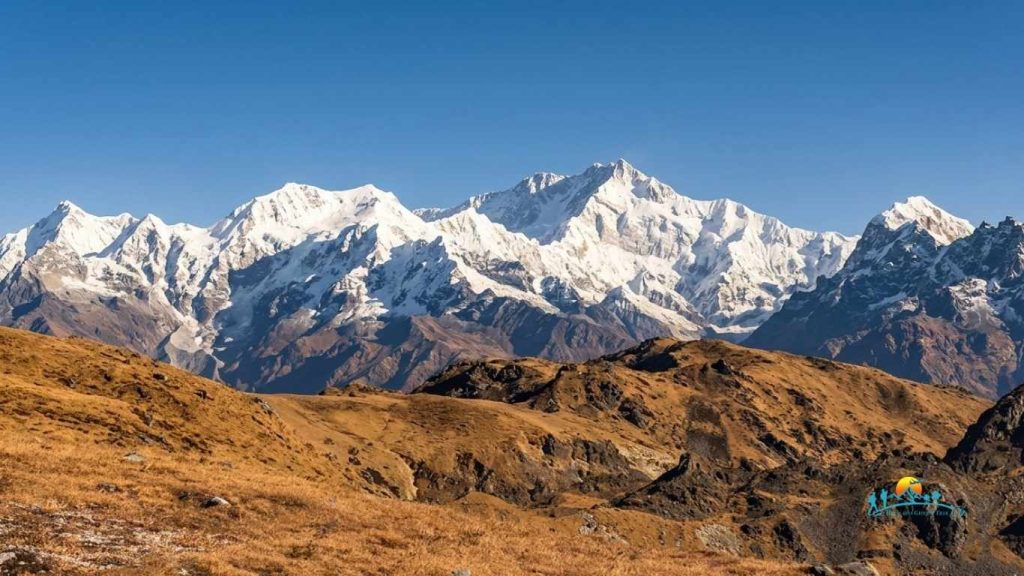
The views of Kanchenjunga massif feel more powerful because you reach them after many days of effort. The sense of achievement also feels stronger since the route demands patience, fitness, and steady progress over a long period. For many trekkers, the difficulty becomes part of the value. The journey itself shapes the experience as much as the destination.
The Kanchenjunga Trek is difficult because it asks for endurance, patience, and respect for altitude. It is not a luxury trek and not the easiest first Himalayan route. Yet strong preparation turns it into an achievable goal.
Trekkers who arrive fit, walk slowly, and give enough days for acclimatization usually enjoy one of Nepal’s finest remote adventures.
If you want comfort and convenience, choose a busier trail. If you want raw beauty and true challenge, Kanchenjunga stands near the top.
The Kanchenjunga Base Camp trek is a strenuous adventure through remote, rugged terrain. It demands high physical fitness and mental endurance to navigate steep climbs, high-altitude passes, and long walking days in Nepal’s secluded and wild eastern wilderness.
Climbing the Kanchenjunga summit is strictly for expert mountaineers due to technical challenges. However, a fit beginner can complete the base camp trek with proper training, a professional guide, and prior experience on easier, high-altitude hiking trails.
Yes, this trek is considered one of Nepal’s most difficult journeys. It involves navigating isolated trails, thin air, and unpredictable weather. Success requires significant preparation, stamina, and the ability to endure basic living conditions for several weeks.
Kanchenjunga is exceptionally hard and dangerous to climb. Known as one of the deadliest 8,000-meter peaks, it features technical ice walls and avalanche risks, requiring elite climbing skills, extensive experience, and extreme physical resilience to reach the summit.
The trek reaches its highest point at the North Base Camp, Pangpema, at approximately 5,143 meters. Spending time at this elevation requires a very careful acclimatization schedule to prevent altitude sickness and ensure a safe journey for all trekkers.
Yes, hiring a licensed guide is mandatory. Since Kanchenjunga is a restricted area, solo trekking is prohibited. You must travel with at least two trekkers and obtain special permits through a registered Nepalese trekking agency to enter the region.
The complete Kanchenjunga circuit trek usually takes between 20 to 25 days. This long duration is necessary for proper altitude acclimatization, exploring both North and South base camps, and navigating the long travel distances to the remote eastern trailhead.
The ideal seasons are spring (March to May) and autumn (September to November). During these months, the weather is most stable, offering clear skies and spectacular mountain views, although temperatures remain quite cold at the high-altitude camps overnight.
Preparation should involve intensive cardiovascular training, leg strength exercises, and hiking with a weighted backpack. Building physical stamina months in advance is crucial to handling the long daily walks and steep altitude gains found on this challenging, remote route.
Accommodation consists of basic tea houses with very limited facilities. Unlike popular regions like Everest, rooms are modest, electricity is scarce, and amenities are primitive, offering a truly raw and authentic wilderness experience for those trekking through remote eastern Nepal.