


Must-See Moments of Shivaratri and Holi Celebrations in Nepal for 2026
Shivaratri and Holi celebrations in Nepal reflect two powerful sides of Nepali culture, deep spiritual devotion and open-hearted joy. Celebrated…
 Himalayan Gateway Trek - On
 Nepal is one of the few countries where mountains, living traditions, wildlife, and daily life connect closely. The top things to do in Nepal include trekking in the Himalayas, visiting ancient temples, spotting wildlife in national parks, enjoying adventure sports, and learning from local culture. Each experience offers something real rather than staged for tourists.
This guide explains the best things to do in Nepal in a clear order, based on what travelers actually search for, plan, and enjoy. It suits first time visitors, repeat travelers, families, and adventure lovers.
Nepal stands out because nature, culture, and faith coexist harmoniously in daily life. Snow peaks rise above farming villages. Centuries-old temples still shape morning routines. National parks protect rare wildlife within reach of cities.
Key reasons travelers choose Nepal:
These factors shape almost every activity listed below.
Trekking remains one of the most important reasons for the top things to do in Nepal. The country offers trails for beginners, experienced hikers, and serious mountaineers.

The Everest Base Camp trek allows travelers to walk through Sherpa villages while standing close to the world’s highest mountain. This trek combines high altitude landscapes with deep cultural experiences shaped by Tibetan Buddhism and mountain life. Well-marked trails, teahouse stays, and local hospitality make it demanding yet achievable for prepared trekkers.
Highlights:
Best for travelers with good fitness and at least 12 to 14 days.

The Annapurna Base Camp trek gives a close look at snow peaks without extreme altitude challenges. This route suits travelers who want dramatic mountain scenery within a shorter time frame. The trail steadily climbs through changing landscapes, offering comfort and variety throughout the journey. Annapurna Base Camp trekking is one of the top things to do in Nepal.
Why travelers choose it:

The Annapurna Circuit trek circles the Annapurna range and crosses Thorong La Pass. This trek stands out for its contrast in climate, culture, and terrain as it moves from green valleys to dry high-altitude regions. Long distances and gradual ascent make it ideal for those seeking depth and variety.
Main features:

Langtang Valley offers a quieter trekking experience close to Kathmandu. The region blends mountain scenery with strong Tibetan cultural influence and traditional village life. Short travel time and steady trails make it suitable for travelers with limited schedules.
Suitable for:
Choosing the right trek in Nepal depends on available time, physical fitness, and the kind of scenery you prefer. Some treks focus on reaching famous landmarks, while others offer changing landscapes or quieter trails. This comparison helps travelers quickly understand the key differences among Nepal’s most popular trekking routes.
| Trek Name | Duration | Difficulty | Best Feature |
|---|---|---|---|
| Everest Base Camp | 12 to 14 days | High | Everest views |
| Annapurna Base Camp | 7 to 10 days | Medium | Mountain bowl |
| Annapurna Circuit | 12 to 18 days | High | Landscape change |
| Langtang Valley | 7 to 9 days | Medium | Quiet trails |
Adventure activities attract travelers who want more than sightseeing. Nepal offers air, water, and land-based sports with mountain backdrops. From gentle first-time experiences to high-intensity challenges, the country suits both beginners and seasoned adventure lovers. Skilled local operators and natural terrain make these activities accessible across different regions.

Paragliding in Pokhara gives bird eye views of Phewa Lake, hills, and snow peaks. Flights usually start from Sarangkot, where steady wind conditions support safe takeoffs. The experience combines calm gliding with wide Himalayan views, making it one of Nepal’s most popular adventure activities. No prior flying experience is required for tandem flights. Paragliding was and is one of the top things to do in Nepal.
It is good because:

Nepal’s rivers flow from the Himalayas, making rafting exciting and scenic. Snow-fed water creates steady rapids that vary by season and location. Rafting trips range from half-day outings to multi-day journeys with riverside camps. The activity suits both families and thrill seekers, depending on river choice.
Popular rivers:
Nepal offers some of South Asia’s highest bungee jumps. These sites sit above deep river gorges, creating strong free fall experiences. Operators follow strict safety checks, and trained staff manage jumps and harness systems. Ziplining options also offer high speed rides with valley views.
Key locations:
Kathmandu Valley holds several UNESCO World Heritage Sites within a small area. These sites reflect Nepal’s royal history, art, and faith. Ancient palaces, stone temples, and open courtyards reveal how kings, craftsmen, and priests shaped the valley over centuries. Walking through these areas offers a close look at living traditions rather than preserved ruins. This is also one of the top things to do in Nepal.

Kathmandu Durbar Square served as the royal palace area for centuries. This historic complex reflects the political and religious center of old Kathmandu. Intricate carvings, pagoda style temples, and open courtyards show the skill of Newari craftsmen. Daily worship and local movement keep the area active and meaningful.
What to see:

Patan Durbar Square highlights Newari art and metal craftsmanship. The square developed as a center for artists, bronze workers, and temple builders. Compared to central Kathmandu, the atmosphere feels more relaxed and organized. Museums and restored buildings add educational value to the visit.
Notable spots:

Bhaktapur Durbar Square feels like a living museum. The city preserved its medieval layout, architecture, and cultural practices better than many other areas. Daily routines such as pottery making and temple rituals continue as they did generations ago. Clean streets and brick paths enhance the visitor experience.
Famous for:
Religion remains part of everyday life in Nepal. Visitors can observe rituals respectfully. Temples, stupas, and monasteries shape daily routines, festivals, and social life across the country. Prayer, offerings, and chants continue throughout the day, allowing travelers to witness living faith rather than silent monuments.

Pashupatinath Temple stands as the most important Hindu site in Nepal. It sits along the Bagmati River and draws pilgrims from across South Asia. The temple complex reflects Hindu beliefs about life, death, and rebirth, making it a deeply meaningful place rather than a sightseeing spot.
Visitors can observe daily prayers, Open air cremation rituals, Sadhus and pilgrims in this temple

Boudhanath Stupa ranks among the largest Buddhist stupas in the world. The massive white dome and watchful eyes of Buddha create a calm and focused atmosphere. Surrounding monasteries and prayer wheels support daily worship and meditation.
Best time to visit this temple are: early morning and evening prayer hours.

Swayambhunath Stupa sits on a hill overlooking Kathmandu. The site blends Hindu and Buddhist elements that reflect Nepal’s shared religious history. A short climb rewards visitors with open views and a strong sense of devotion.
The site blends Hindu and Buddhist elements. This temple is one of the oldest religious sites. People can see wide city views.
Nepal protects diverse wildlife through national parks and reserves. These parks offer travelers a chance to see rare animals in their natural habitats rather than in zoos. From dense forests to grasslands and riverbanks, each park provides unique ecosystems and guided experiences. Visitors can combine safaris with cultural village visits for a well-rounded trip. This is the wildest top things to do in Nepal.

Chitwan National Park allows travelers to see wildlife in a natural setting. As Nepal’s first national park and a UNESCO World Heritage Site, it protects dense forests, grasslands, and river ecosystems. Visitors experience close encounters with animals while learning about conservation efforts and local Tharu culture. The park combines adventure with education, making it suitable for families and wildlife enthusiasts alike.
Animals often spotted in Chitwan National Park are:
Some Activities include:

Bardia National Park offers a quieter safari experience in western Nepal. The park preserves large tracts of forest and riverine habitat, allowing animals to roam freely with minimal human disturbance. It is less commercialized than Chitwan, giving travelers a more immersive and peaceful experience. The park also supports community-based tourism, connecting visitors with local Tharu culture.
Why choose Bardia:

Pokhara serves as Nepal’s adventure and relaxation center. The city lies at the base of the Annapurna range and offers breathtaking views of snow-capped peaks reflected in Phewa Lake. Its calm environment contrasts with the bustling streets of Kathmandu, making it ideal for travelers recovering from long treks. Pokhara also acts as a hub for adventure sports and short day trips, combining natural beauty with local culture. Walking along lakeside streets, exploring caves, and visiting waterfalls are additional ways to enjoy the valley.
Top activities include:
Pokhara suits travelers who want calm surroundings after trekking.
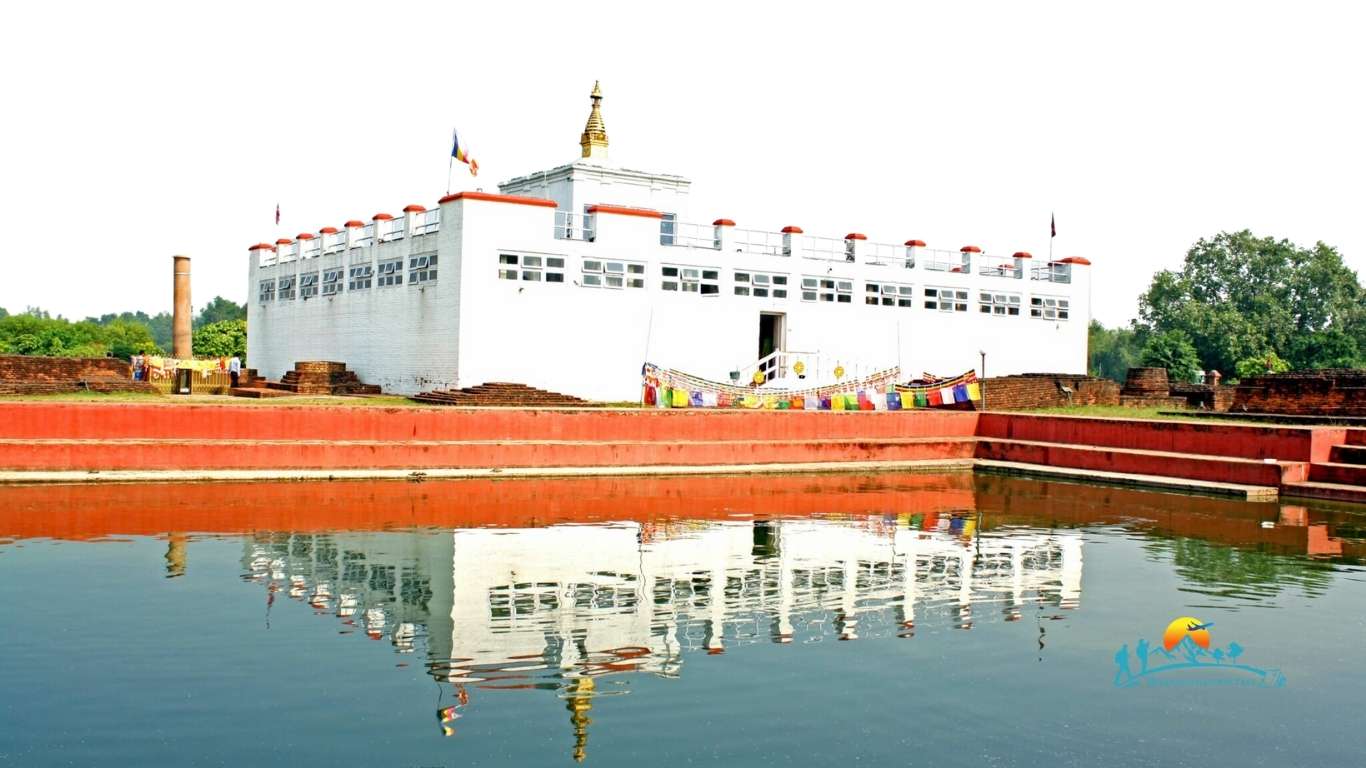
Lumbini holds global spiritual value as the birthplace of Gautam Buddha. It is a place where history, faith, and peace come together, attracting pilgrims from around the world. The site is carefully preserved and recognized as a UNESCO World Heritage Site. Visitors can explore monasteries built by different countries, walk along serene paths, and experience quiet meditation areas that reflect Buddhist practices and teachings.
Key places:
Nepal offers experiences beyond guidebooks. Travelers can connect with local communities, learn traditional crafts, and witness daily life in villages untouched by mass tourism. These experiences provide a deeper understanding of Nepali culture and traditions that go beyond sightseeing.

Staying with local families allows visitors to understand daily routines, food, and customs. Guests can participate in farming, cooking, and cultural festivals, creating memories beyond ordinary sightseeing. These homestays also support local communities and preserve traditional lifestyles.
Popular areas:

Nepali food reflects simple ingredients and local flavors. Sharing meals with locals offers insight into regional traditions and communal eating habits. Street food, local markets, and small eateries allow travelers to taste authentic flavors that are hard to find elsewhere.
Must try dishes:
The best time to visit Nepal depends on the activities travelers want to enjoy. Weather, mountain visibility, and cultural festivals all change with the seasons, affecting the overall experience. Spring and autumn are ideal for trekking, while winter offers clear skies at lower altitudes. Summer brings lush greenery, though some trails may be wetter due to monsoon rains.
| Season | Best For |
|---|---|
| March to May | Trekking and flowers |
| September to November | Clear skies and festivals |
| December to February | Low altitude travel |
| June to August | Lush landscapes |
Trip length shapes experiences, as Nepal offers diverse activities from cultural tours to Himalayan treks. Short trips allow travelers to explore cities and heritage sites, while longer trips provide time for adventure sports, wildlife safaris, and village stays. Planning your itinerary according to your interests ensures a richer experience. Seasonal considerations also affect how much can be comfortably accomplished in each timeframe.
Nepal remains safe for most travelers when basic care is taken. Roads, trails, and crowded areas require attentiveness, and understanding local customs enhances your experience. Being aware of altitude, weather, and personal belongings ensures a smooth and enjoyable trip.
Tips:
Nepal is a land where mountains, culture, and traditions meet in ways that stay with travelers long after their visit. From trekking in the Himalayas and exploring ancient temples to enjoying wildlife safaris and local village life, the country offers experiences for every type of traveler. Planning according to your interests, time, and the seasons ensures a fulfilling trip. Whether you seek adventure, peace, or cultural insight, Nepal promises authentic and memorable experiences at every turn.
For fun, locals and tourists enjoy vibrant festivals, live music in Thamel’s bars, and adventurous “Friday nights” in Kathmandu. Outdoorsy types find joy in paragliding over Pokhara, mountain biking, or relaxing with a boat ride on Phewa Lake.
Nepal’s “wonders” are the seven UNESCO World Heritage sites within the Kathmandu Valley: the Durbar Squares of Kathmandu, Patan, and Bhaktapur; the sacred temples of Pashupatinath and Changu Narayan; and the iconic stupas of Swayambhunath and Boudhanath.
In Nepal, $100 goes a long way for budget travelers, covering nearly a week of local meals and guesthouse stays. However, for luxury dining, private trekking guides, or domestic flights, this amount will only cover a single day’s expenses.
Nepal is world-famous for Mount Everest and the majestic Himalayas, being the birthplace of Lord Buddha in Lumbini, and its intricate Newari architecture. It is also celebrated for handmade Pashmina shawls, bravery of Gurkha soldiers, and delicious Momos.
The peak seasons are Autumn (September to November) and Spring (March to May). These months offer the clearest mountain views, stable weather for trekking, and vibrant blooming rhododendrons, making them ideal for exploring the country’s diverse natural beauty.
Ten days is sufficient to explore the “Golden Triangle” of Kathmandu, Pokhara, and Chitwan. While you won’t have time for long Himalayan treks, you can experience Nepal’s best cultural heritage, jungle safaris, and stunning sunrise views from Nagarkot.
The essential trio includes Kathmandu for its ancient temples and culture, Pokhara for its lakeside serenity and adventure sports, and Chitwan for its world-class wildlife safaris. Together, these cities provide a complete and diverse snapshot of the Nepalese experience.
Nepal’s nightlife is centered in Kathmandu’s Thamel and Pokhara’s Lakeside. You’ll find high-energy clubs, cozy Irish pubs, and venues featuring talented local rock bands. While lively, most places close by midnight, offering a fun yet generally safe environment.
Nepal is widely considered one of the safest destinations for solo travelers due to its deeply hospitable culture. While petty theft is rare, it’s always recommended to hire a licensed guide for remote treks to ensure safety against altitude and terrain.
Yes, comprehensive travel insurance is essential, especially if you plan to trek. Ensure your policy specifically covers “high-altitude trekking” and “emergency helicopter evacuation,” as standard medical costs and rescue operations in the Himalayas can be extremely expensive.
Drinking tap water in Nepal is unsafe for tourists. Always use bottled water, purification tablets, or a filtered bottle like a LifeStraw. Most hotels provide “boiled and filtered” water, but stick to sealed bottles to avoid any risk of stomach upsets.
Most nationalities can obtain a visa on arrival at Kathmandu’s airport. You’ll need a valid passport, digital application form, and USD cash for the fee. Alternatively, apply at a Nepalese embassy beforehand to save time and avoid long airport queues.
Nepalese cuisine is a delicious blend of Indian and Tibetan influences. The national staple is Dal Bhat (lentil soup and rice), eaten daily. You must also try Momos savory dumplings served with spicy dipping sauce, which are a favorite snack across the country.
High-speed Wi-Fi is widely available in city hotels and cafes. However, in trekking regions, connectivity is limited and often carries a small fee. For the best experience, purchase a local Ncell or Nepal Telecom SIM card with a data package upon arrival.
Major hotels, upscale restaurants, and trekking agencies in cities accept credit cards, often with a 3-4% surcharge. However, for local markets, small guesthouses, and remote trekking routes, you must carry enough Nepalese Rupees in cash for all your daily expenses.


