
Best Time to Visit Annapurna Base Camp Trek for 2026
Choosing the best time to visit Annapurna Base Camp Trek directly affects weather comfort, mountain visibility, trail safety, and overall…
 Himalayan Gateway Trek - On
 Choosing the best time for the Annapurna Circuit trek directly affects safety, scenery, comfort, and overall experience because this route crosses high mountain passes, deep valleys, and multiple climate zones. Weather conditions change sharply with altitude, and each season creates a very different trekking experience.
The Annapurna Circuit is not a single-climate trek. It begins in low subtropical valleys, climbs into alpine terrain, and reaches its highest point at Thorong La Pass above 5,400 meters. Because of this variation, the right timing determines trail conditions, visibility, temperature, crowd levels, and even whether the pass can be crossed safely.
This guide provides a clear explanation of the best time for the Annapurna Circuit trek. It covers seasons, monthly conditions, costs, crowd patterns, safety factors, and recommendations based on trekking goals. The aim is to help trekkers choose the right period with confidence and realistic expectations.
The best time for Annapurna Circuit trek is spring from March to May and autumn from September to November because these periods offer stable weather, clear mountain views, and safer conditions at high altitude.
Spring brings mild temperatures, blooming forests, and longer daylight hours. Autumn delivers crisp air, dry trails, and the clearest views of Annapurna, Dhaulagiri, and Manaslu ranges. Both seasons allow a safe crossing of Thorong La Pass in most years.
Trekkers can hike the circuit in other seasons, but winter and monsoon demand higher tolerance for cold, snow, rain, or trail disruptions.
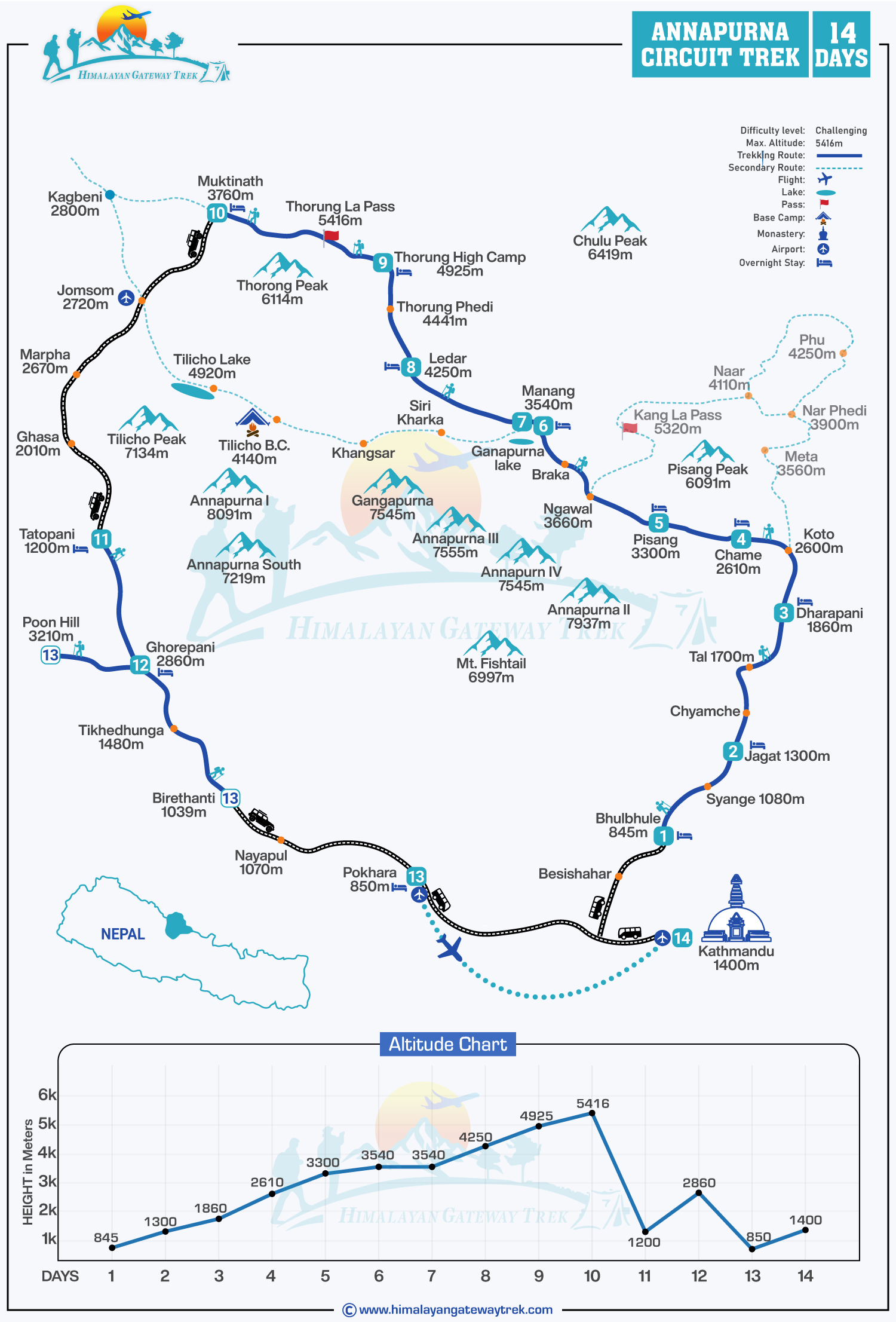
The Annapurna Circuit reaches its highest point at Thorong La Pass, which sits at 5,416 meters (17,769 feet) above sea level. The trek starts in low river valleys around 800–1,000 meters and gradually climbs through subtropical forests, alpine meadows, and high mountain deserts.
Altitude affects both temperature and oxygen levels, so proper acclimatization is essential to avoid altitude sickness. Most trekkers spend several days in Manang district or nearby villages to adjust before attempting the pass. Crossing Thorong La offers panoramic views of the Annapurna and Dhaulagiri ranges, making it the highlight of the circuit for many hikers.
Key Points
This section helps trekkers understand the elevation challenge and plan their trek safely.
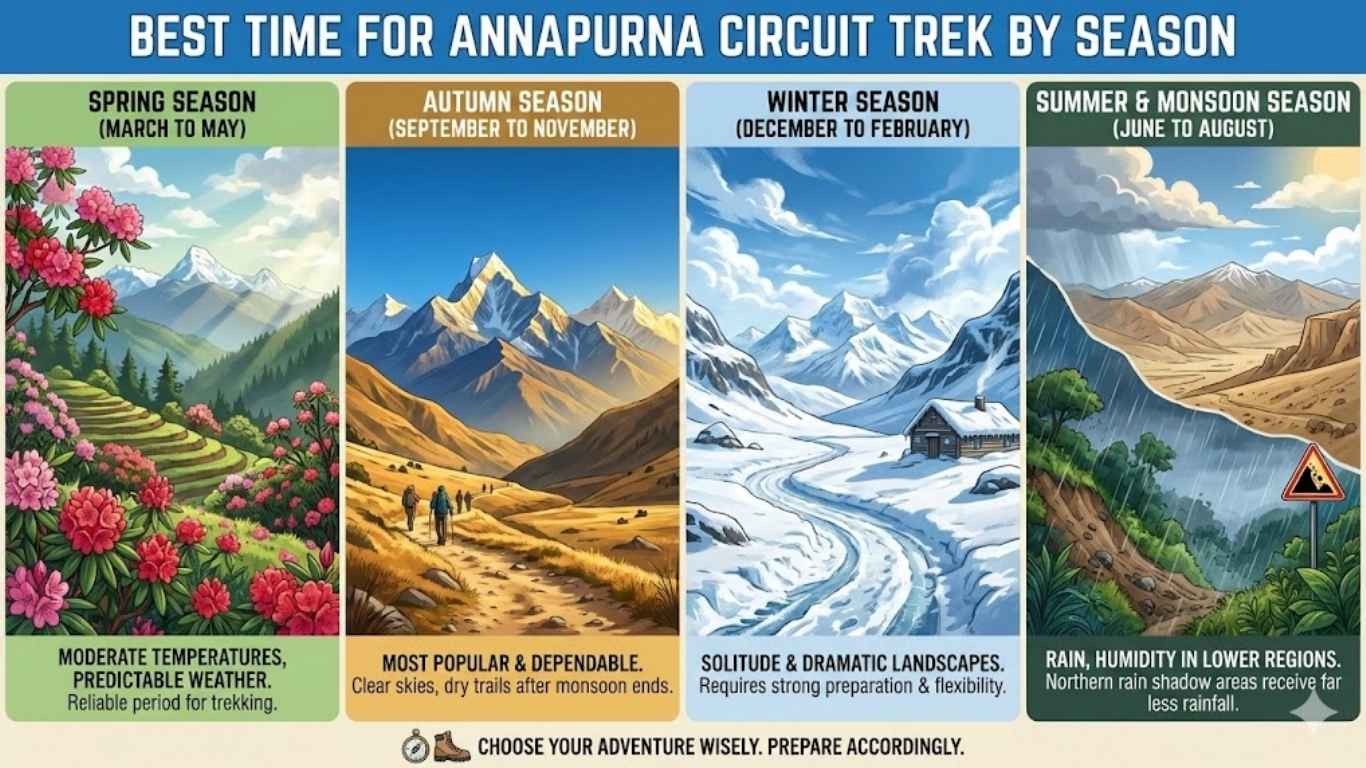
Spring is one of the most reliable periods for trekking the Annapurna Circuit because temperatures remain moderate and weather patterns stay predictable.
Lower regions such as Besisahar and Chame feel warm during the day, while higher villages like Manang experience cool but comfortable conditions. Snow gradually melts on higher sections, making Thorong La Pass more accessible by late March and April.
Rhododendron forests bloom across lower and mid elevations, adding color to the trail. Skies remain mostly clear in the mornings, with clouds forming later in the day.
Spring trekking conditions
Crowds and accommodation
Spring attracts many trekkers, especially in April. Lodges remain busy in Manang and Thorong Phedi. Early booking improves comfort during peak weeks.
Who should trek in spring
Autumn stands as the most popular and dependable time for Annapurna Circuit trek due to clear skies and dry trails after the monsoon ends.
Rain cleans dust from the air, producing sharp mountain views. Temperatures remain cool but stable, especially in October. Thorong La Pass sees minimal snow during early and mid autumn.
Festivals such as Dashain and Tihar bring cultural depth to villages along the route.
Autumn trekking conditions
Crowds and accommodation
October sees the highest number of trekkers. Lodges fill quickly in popular stops. Early starts help avoid congestion on the pass crossing day.
Who should trek in autumn
Winter trekking on the Annapurna Circuit offers solitude and dramatic landscapes but requires strong preparation and flexibility.
Heavy snowfall can block Thorong La Pass, especially in January and February. Temperatures drop sharply at night, and some lodges close in higher villages.
Clear days still occur, especially in December and early January, but cold conditions dominate.
Winter trekking conditions
Crowds and accommodation
Few trekkers attempt the circuit in winter. Lower crowd levels make lodge availability easier, but limited services exist in remote areas.
Who should trek in winter
Summer coincides with Nepal’s monsoon, bringing rain, humidity, and landslides in lower regions. However, the northern rain shadow areas near Manang and Mustang receive far less rainfall.
Clouds often block views in the afternoons. Leeches appear in forested sections below 2,500 meters.
Monsoon trekking conditions
Crowds and accommodation
Very few trekkers visit during monsoon. Lodges remain open, and prices may drop slightly.
Who should trek in summer
January offers clear skies but extreme cold at high altitude. Snow often blocks Thorong La Pass. Suitable only for strong trekkers with winter skills.
Conditions improve slightly toward late February, but snow remains unpredictable. Fewer crowds and quiet trails define this month.
March marks the start of spring trekking. Lower trails warm up, and snow begins to melt near the pass. Rhododendrons start blooming.
April delivers ideal trekking conditions with stable weather and colorful forests. This month attracts large crowds due to comfort and scenery.
May stays warm and dry, though haze may appear in the afternoons. Snow clears completely from most sections.
Monsoon begins. Trails become wet and slippery at lower altitudes. Northern sections stay drier.
Heavy rainfall affects access roads and forest trails. Leeches become common. Views remain limited.
Rain continues but slowly decreases toward the end of the month. Remote sections stay quiet and green.
September marks the transition from monsoon to autumn. Early weeks still see clouds, while late September improves significantly.
October is often considered the best single month for Annapurna Circuit trek. Clear skies, stable trails, and safe pass conditions dominate.
November stays dry and clear but grows colder at night. Late November may see light snow near Thorong La.
Early December offers crisp views and fewer trekkers. Snowfall increases later in the month.

Different trekkers look for different outcomes on the Annapurna Circuit. Some want comfort and safety, while others prefer solitude or lower costs. Choosing the right season based on trekking style improves both safety and satisfaction.
Spring and autumn suit first time high altitude trekkers because weather patterns remain steady and trails stay well maintained. Daytime temperatures stay comfortable, and nights, although cold, remain manageable with standard trekking gear. Acclimatization works better during these seasons since extreme cold or heavy rain does not add extra stress to the body. Lodges operate fully, making food, rest, and medical help easier to access if needed.
Winter and monsoon seasons appeal to experienced trekkers who feel comfortable dealing with cold, snow, or rain. These periods test endurance and planning skills, especially near Thorong La Pass where conditions change quickly. Fewer trekkers on the trail allow greater privacy and a stronger sense of self reliance. Proper equipment, route awareness, and schedule flexibility remain essential during these months.
Monsoon season and early winter reduce overall trekking costs because demand drops across the region. Lodges offer better room availability, and prices often fall compared to peak months. Flights to Nepal may also cost less during these periods. While weather challenges exist, careful planning allows budget focused trekkers to complete the circuit at a lower expense without compromising safety.
Autumn suits photographers who want clear skies and sharp mountain views, especially during early mornings and late afternoons. Snow dusting on high peaks adds contrast and detail. Spring attracts photographers who enjoy forests filled with blooming rhododendrons and fresh greenery. Both seasons offer strong lighting conditions, though autumn provides more consistent visibility across the entire circuit.
Late November, early March, and winter months work best for trekkers who prefer quiet trails and fewer people at lodges. During these times, popular villages like Manang and Thorong Phedi feel calmer, allowing a slower and more personal trekking pace. Weather conditions remain manageable in early shoulder months, though temperatures drop at higher elevations.
Autumn provides the strongest cultural exposure along the Annapurna Circuit. Major festivals such as Dashain and Tihar bring families together in villages, creating a lively atmosphere. Trekkers witness traditional rituals, local food preparation, and community gatherings. These cultural moments add depth to the trekking experience beyond mountain scenery.
The higher sections of the Annapurna Circuit lie in a rain shadow, meaning they are largely sheltered from the summer monsoon by the Annapurna Massif. As a result, the upper trail remains relatively dry, making it technically accessible throughout the year in terms of rainfall.
However, reaching these high areas requires trekking through the temperate zone, which receives heavy monsoon rain. July and August are the wettest months, while March, June, and September also see significant precipitation. Trekkers need to consider both rainfall and temperature when planning the trek, as lower regions may be slippery or flooded even if the high passes remain dry.
Weather and temperature on the Annapurna Circuit change noticeably with altitude because the trail climbs from warm river valleys to high alpine terrain within a short distance. Lower elevations feel mild and pleasant, while temperatures drop sharply above 3,500 meters, especially after sunset. Wind exposure and cloud cover further affect how cold it feels, particularly near Thorong La Pass.
| Altitude Zone | Day Temperature | Night Temperature |
|---|---|---|
| 800 to 2,000 m | 15°C to 25°C | 5°C to 10°C |
| 2,000 to 3,500 m | 10°C to 18°C | 0°C to 5°C |
| 3,500 to 5,000 m | 5°C to 12°C | minus 5°C to minus 15°C |
| Thorong La Pass | minus 5°C to 5°C | below minus 20°C |
Temperature varies by season, wind strength, and cloud cover.
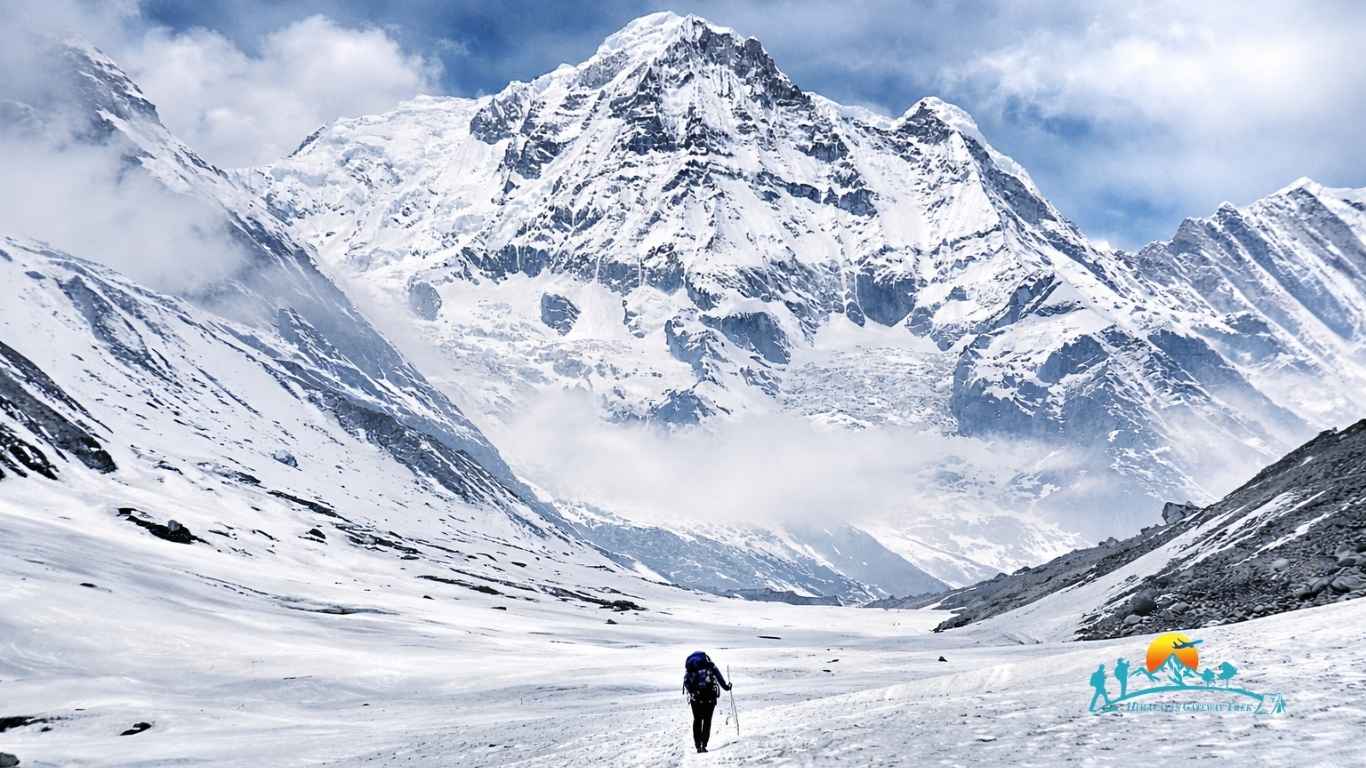
Rainfall, snowfall, and natural risks play a major role in determining trail safety on the Annapurna Circuit because the route passes through steep valleys and high mountain terrain. During the monsoon months from June to August, heavy rain increases the risk of landslides, especially in forested and road-affected sections below 3,000 meters. River crossings may also become more difficult after continuous rainfall.
Snowfall becomes the main concern from December to February, particularly around Thorong La Pass, where deep snow can block the route or make crossing unsafe. Avalanches may occur after fresh snowfall or during sudden temperature rises, especially on exposed slopes. Trekkers should follow local advice, check weather conditions regularly, and remain flexible with rest days or route adjustments to reduce risk.
Cost and budget planning depend heavily on the trekking season because demand changes throughout the year on the Annapurna Circuit. During spring and autumn, high numbers of trekkers increase the cost of flights to Nepal, and lodges along the route often charge higher room rates due to limited availability. Popular villages may also require advance bookings during peak weeks.
Monsoon and winter seasons bring fewer trekkers, which lowers overall expenses. Lodges usually have plenty of space and may offer reduced prices for rooms and meals. Flights can also be cheaper during these months, making them suitable for trekkers who want to complete the circuit with a smaller budget while accepting tougher weather conditions.
Festivals and cultural events influence the atmosphere of the Annapurna Circuit, offering trekkers a chance to experience local life beyond the mountains.
Autumn Festivals (September to November)
Spring Festivals (March to May)
These festivals provide trekkers with opportunities to observe cultural traditions, visit decorated homes, and engage with local communities while trekking.

Packing for the Annapurna Circuit should match the season because weather conditions change significantly with altitude and time of year. Proper clothing and equipment improve comfort, protect against cold or rain, and reduce the risk of illness or injury. Choosing the right gear also helps manage weight, which becomes important during long walking days and high altitude climbs.
The best time for the Annapurna Circuit trek depends on weather preference, trekking experience, and personal goals. Spring and autumn remain the safest and most rewarding choices for most trekkers. Winter and monsoon offer unique experiences for those prepared for tougher conditions.
Careful timing ensures better safety, clearer views, and a more enjoyable journey across one of Nepal’s most varied trekking routes.
The peak windows are Autumn (October to November) and Spring (March to May). Autumn offers the clearest skies and most stable weather, while Spring features blooming rhododendrons and warmer temperatures at higher altitudes.
Yes, but with caveats. Much of the Annapurna Circuit lies in a “rain shadow,” meaning it receives less rain than southern Nepal. However, the trek to get there often involves muddy trails, leeches, and potential flight/drive delays due to weather.
Yes, for experienced trekkers. The skies are incredibly clear and the trails are empty. However, extreme cold (down to -20°C at night) and the high risk of Thorong La Pass being closed due to heavy snow make it a challenging choice.
Early September (just after monsoon) or late May (just before monsoon) are “shoulder” periods. You may encounter some clouds or heat, but the trails are significantly quieter than in October or April.
Temperatures vary by altitude. In the lower regions (Besisahar), it can be 20°C–25°C. At Thorong La Pass (5,416m), even in peak season, temperatures can drop to -10°C or -15°C overnight.
The pass is most frequently closed from January to early March due to heavy snowfall and avalanche risks. It can also close temporarily during unseasonable storms in October (cyclone remnants from the Bay of Bengal).
Yes. Once you pass Manang and head toward Muktinath and Mustang, you are behind the Himalayan range. This area stays relatively dry even when it’s pouring in Pokhara or Kathmandu
Autumn (Oct/Nov) offers the “crispest” views because the monsoon rains have washed all the dust out of the air. Spring (March/April) can be slightly hazier due to dust and agricultural fires, but the mountain views remain spectacular.
As of April 1, 2023, the Nepal Tourism Board officially mandated that all foreign trekkers must hire a licensed guide for trekking in Nepal’s national parks, including the Annapurna Conservation Area. (Note: Check for current enforcement updates, as rules can vary).
Permit costs remain the same year-round, but “off-season” (Winter/Summer) may allow for more bargaining power at teahouses. During peak season (Oct/Nov), prices for food and accommodation are fixed and teahouses can fill up quickly.
Altitude sickness is related to your ascent rate, not the season. However, extreme cold in winter can put more stress on the body, potentially making it harder to acclimatize.
The road to Manang and the road from Muktinath/Jomsom are generally open year-round, but they are highly susceptible to landslides during the Monsoon (June–August) and snow blockages in Winter (Jan/Feb).
March and April are the best months. The forests between Ghorepani and Tadapani turn vibrant shades of red, pink, and white.
1. Dashain & Tihar (Oct/Nov): Nepal’s biggest festivals. You’ll see local celebrations, though some transport can be more crowded.
2. Holi (March): The festival of colors is a fun experience in Kathmandu or Pokhara before or after your trek.
3. Yartung Mela (August): A horse-racing festival in Muktinath, great for those brave enough to trek during the monsoon.
The gear list is largely the same, but for a Spring trek, you might want more breathable layers for the lower, humid sections. For Autumn/Winter, a higher-rated sleeping bag (-20°C) and extra thermal layers are essential for the high-altitude nights.
In the dead of winter (Jan/Feb), pipes in higher villages like Thorong Phedi or High Camp can freeze, meaning you may have to rely on bottled or boiled water rather than filtered tap water.