Best Time for Manaslu Circuit Trek: Month-by-Month Guide
The best time for Manaslu Circuit Trek is generally spring and autumn, but the right dates depend on weather, snow…
 Himalayan Gateway Trek - On
 Solo trekkers can now apply for Restricted Area Permits in Nepal after the government removed the rule requiring at least two trekkers in a group. This update has created a new level of freedom for travelers who enjoy walking alone while still following safety rules. The change came into effect on 22 March 2026 and has become one of the most important updates for trekking in the country.
Many famous routes, such as Upper Mustang, Dolpo, Manaslu, and Nar Phu, fall under restricted areas, so the new rule has opened more options for solo trekkers who used to face limitations.

Restricted Area Permits in Nepal is for controlling entry to regions that are close to borders or places with cultural importance. These permits help to protect local traditions, prevent illegal crossing in borders, manage tourist flow, and maintain safety in remote zones.
The update now allows one traveler to apply for a permit through a government-registered trekking agency. The traveler must still take a licensed guide, but they are no longer required to join another group or find a partner.
This new rule is important because it completely removes the old group requirement. Earlier, agencies could not issue Restricted Area Permits in Nepal for just one traveler. Many solo trekkers had to wait for someone to join or pay higher costs to match with others.
The updated process is simple:
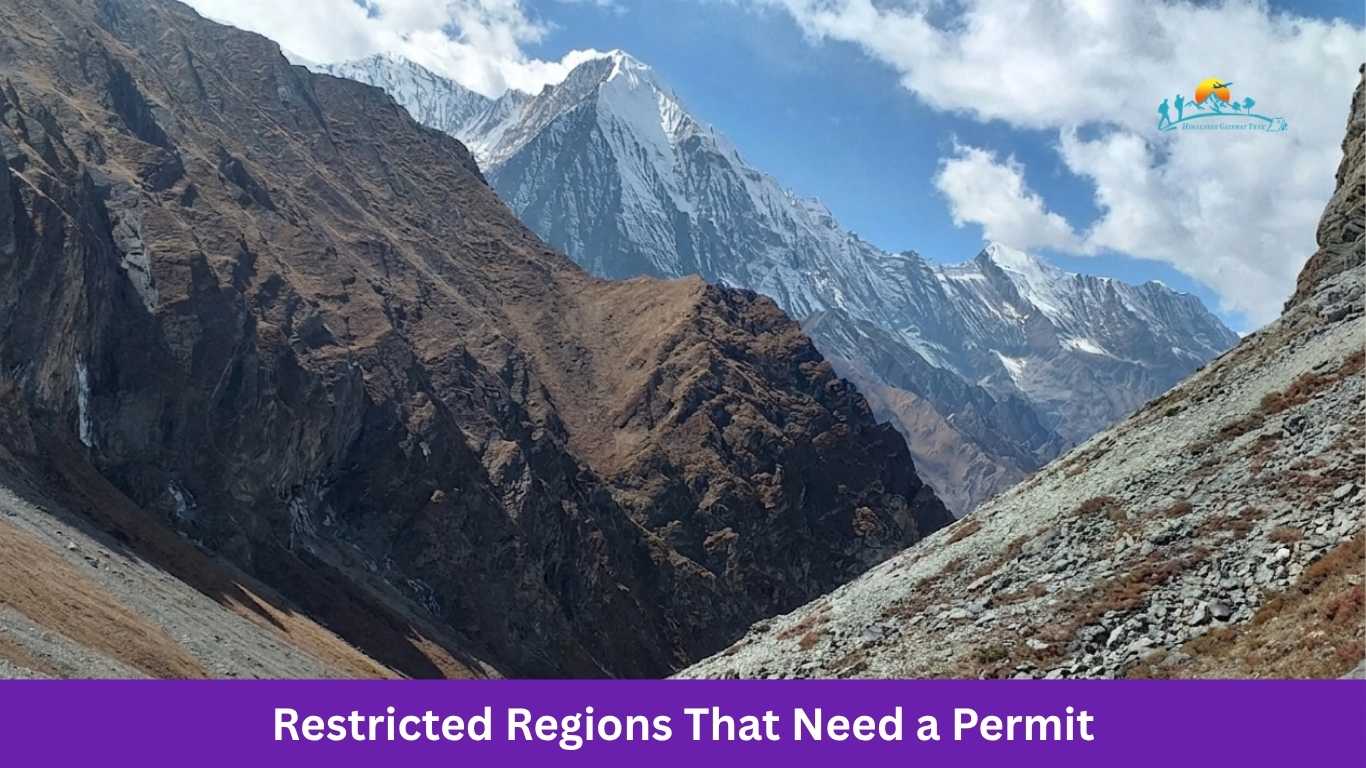
Most of Nepal’s restricted areas are near the northern border or in remote highlands. These regions need special permission because of security rules and sensitive cultural sites.
Here is a clear list of the most popular restricted regions that need a permit:
| Region | Permit Needed | Known For |
|---|---|---|
| Upper Mustang | Yes | Tibetan culture, desert cliffs |
| Upper Dolpo | Yes | Remote valleys, Phoksundo area |
| Lower Dolpo | Yes | Traditional villages |
| Manaslu | Yes | Long circuit route |
| Tsum Valley | Yes | Sacred Buddhist valley |
| Nar Phu | Yes | Hidden stone villages |
| Humla and Limi Valley | Yes | Wilderness and silence |
| Kanchenjunga North and South | Yes | High mountains and rough terrain |
| Northern Rasuwa | Yes | Near Tibet border |
These places remain restricted because they deserve protection and proper monitoring.
Any traveler who has a valid passport and tourist visa can apply. The most important rule is that the traveler must take a licensed guide provided by a trekking agency.
Agencies handle the full paperwork, so the application becomes safe and simple.
You can apply if you meet these conditions:
Getting Restricted Area Permits in Nepal is simple when you prepare the right papers. Since the new rule allows solo trekkers, the process remains the same for everyone.
Most agencies help prepare these papers without difficulty.
This process stays easy because most steps are handled by the trekking agency. You only need to provide the required documents. First, select a TAAN-registered agency and share your passport, visa number, travel insurance, and itinerary. The agency will submit your application to the Department of Immigration and ensure your guide details are included. After verification, the permit is approved, and you can collect it from the agency before starting your trek. Carry the permit at all times during the journey, as it will be checked at multiple checkpoints along the route.
The overall processing time is usually 2 to 4 hours depending on the route.
Permit fees for Restricted Area Permits in Nepal are the same for solo trekkers as they are for groups. The cost varies depending on the region, the duration of the trek, and the season. Some areas have higher fees during peak trekking months, while others offer lower rates in the off-season. These fees are set by the government to manage tourist flow, support local communities, and cover administrative costs.
Below is a simple table showing approximate fees for some of the most popular restricted areas:
| Region | Cost |
|---|---|
| Upper Mustang | USD 500 for 10 days |
| Upper Dolpo | USD 500 for 10 days |
| Lower Dolpo | USD 20 per week |
| Manaslu | USD 100 to 75 depending on season |
| Tsum Valley | USD 40 per week |
| Nar Phu | USD 100 per week |
| Humla Limi Valley | USD 50 per week |
Travelers should always confirm the latest fees with their registered trekking agency before starting their trek, as costs may change slightly based on updated government regulations or seasonal adjustments.
The new rule has significantly improved the experience for solo trekkers in Nepal’s restricted areas. Previously, independent travelers had to find a partner or join a group, which often limited flexibility and added extra costs. Now, solo trekkers can plan their trips according to their own schedule, choose their pace, and focus on personal experiences without compromising safety. This update provides a balance between freedom and security, allowing adventurers to explore remote regions responsibly.
This balance keeps the trekking experience safe and organized while giving solo trekkers the independence they seek.
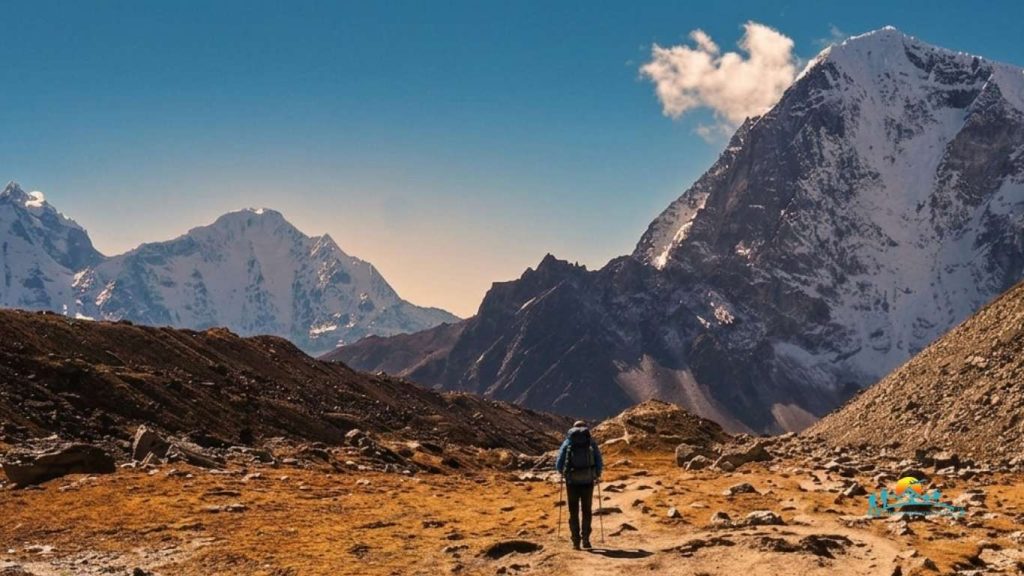
Solo trekking in Nepal’s restricted areas can be one of the most rewarding experiences, but it requires careful planning and attention to safety. Since these regions are remote, have limited facilities, and may face sudden weather changes, being well-prepared ensures you can enjoy your trek without unnecessary risks.
The quality of your experience depends on preparation, awareness, and following the guidance of your licensed trekking guide.
Sometimes trekkers need extra days to complete their journey. Extensions for Restricted Area Permits in Nepal are possible but must be arranged through your registered trekking agency in advance. The guide and agency remain responsible for safety, and additional fees may apply.
This ensures that your extended journey remains safe, legal, and well-supported.
The 2026 update allowing solo trekkers to obtain Restricted Area Permits in Nepal has opened up some of the country’s most remote and beautiful regions to independent adventurers. With a licensed guide, a registered agency, and proper preparation, solo trekkers can explore safely, enjoy the unique culture, and experience the Himalayas on their own terms.
By following the rules, respecting local communities, and planning carefully, travelers can make the most of this opportunity and create a memorable and secure trekking experience in Nepal’s restricted areas.
Yes, as of March 2026, the Department of Immigration has officially eased rules to allow solo foreign trekkers into restricted areas. Previously, a minimum of two people was required, but solo travelers can now obtain permits to explore these regions independently.
Yes, even though the “two-person” rule has been abolished, hiring a government-licensed guide remains mandatory for all restricted regions. This policy ensures trekker safety, supports the local economy, and helps preserve the fragile environments and cultures of remote Himalayan borderlands.
Restricted areas include Upper Mustang, Upper Dolpo, Manaslu, Tsum Valley, Nar-Phu, Kanchenjunga, and Lower Dolpo. These regions require a special Restricted Area Permit (RAP) due to their proximity to international borders and the need to protect unique indigenous traditions and biodiversity.
Solo trekkers cannot apply for RAPs individually. You must process your application through a government-registered trekking agency in Nepal. The agency will coordinate with the Department of Immigration, providing your passport details, visa, and the credentials of your mandatory licensed guide.
Permit fees vary by region and season. For instance, Upper Mustang and Upper Dolpo currently cost $500 for the first ten days. Manaslu permits are $100 per week during autumn and $75 during other seasons. Always verify current rates with your agency.
The 2026 policy change aims to modernize tourism and attract high-value independent explorers. By removing the group size requirement, Nepal makes remote regions more accessible to solo adventurers while maintaining security and environmental standards through mandatory guide supervision and digital tracking systems.
Yes, alongside the Restricted Area Permit, solo trekkers must obtain a Trekkers’ Information Management Systems (TIMS) card. This card is vital for safety monitoring and emergency rescue coordination, ensuring the authorities can track your route and provide assistance if any issues arise.
A Restricted Area Permit (RAP) is specific to high-security zones like Mustang or Manaslu. The TIMS card is a general trekking registration required for safety. Solo trekkers must carry both documents to pass through checkpoints and ensure full legal compliance.
To apply, you must provide a high-quality scan of your passport, a valid Nepal tourist visa, and recent digital photos. Your trekking agency will submit these documents to the Department of Immigration’s online portal alongside the credentials of your licensed guide.