

Best Time to Visit Annapurna Base Camp Trek for 2026
Choosing the best time to visit Annapurna Base Camp Trek directly affects weather comfort, mountain visibility, trail safety, and overall…
 Himalayan Gateway Trek - On
 Riding Upper Mustang tour on a Motorbike is one of the few adventures in Nepal where rules, terrain, altitude, and culture all demand serious preparation. This is not a casual road trip and not a place where shortcuts work. Riders who plan it well experience one of the most raw and untouched regions of the Himalayas those who do not often struggle before reaching Lo Manthang.
Upper Mustang lies beyond the normal trekking routes. It is situated close to the Tibetan border and remains protected by strict travel regulations. The land feels dry, wide, silent, and ancient. Riding through it on a motorbike brings a deep sense of distance and effort that
or jeep travel cannot replace.
This guide explains everything clearly. It covers permits, legality, bikes, routes, seasons, costs, difficulty, and real riding conditions. Every section answers real questions riders search for before booking.

Upper Mustang is a high-altitude desert region in northern Nepal. It lies in the rain shadow of the Annapurna and Dhaulagiri ranges. The area, once formed the Kingdom of Lo and remained closed to foreigners until 1992. Even today, the region stays protected under restricted area rules.
The landscape looks nothing like green Nepal. You see dry cliffs, wide valleys, wind-carved hills, and villages built from mud and stone. Tibetan culture remains strong here. Monasteries, prayer flags, chortens, and old trade routes shape daily life.
A motorbike gives direct access to this land. Riding allows you to cover long distances while still feeling the terrain. You feel the wind, dust, cold mornings, and strong afternoon sun. You stop in villages where vehicles rarely pause. This experience feels personal and physical.
Many riders choose a motorbike over trekking for three main reasons.
Traveling to Upper Mustang tour on a Motorbike is legal only when all government rules are followed. Nepal does not allow independent or solo travel in this region for foreign visitors.
The government classifies Upper Mustang as a restricted area. Because of this status, several conditions apply.
Even experienced riders with international licenses cannot bypass these rules. Police and military checkpoints operate along the route. They verify permits at Kagbeni and other points beyond. Travelers who attempt to enter without proper documents are turned back or fined. Some risk of confiscation of vehicles. This rule applies equally to trekkers and motorbike riders.
Upper Mustang Permits form the foundation of a legal Upper Mustang motorbike journey. Without them, riding beyond Kagbeni is impossible.
The Restricted Area Permit allows access to Upper Mustang beyond Kagbeni.
Key details
Mandatory for all foreign visitors due to its proximity to Tibet.
The Annapurna Conservation Area Permit remains mandatory.
Details
Agencies usually request the following.
Only licensed trekking and tour agencies can apply. Individual travelers cannot submit applications themselves. Agencies submit paperwork to the Department of Immigration in Kathmandu.
This process usually takes one to two working days.
Season choice directly affects road condition, wind strength, temperature, and comfort. Upper Mustang behaves differently than most regions of Nepal.

Spring offers clear skies and stable weather. Days feel dry and bright. Roads remain dusty but manageable.
Advantages
Challenges
Unlike other parts of Nepal, Upper Mustang receives very little rainfall.
Advantages
Challenges
Autumn is the most popular time.
Advantages
Challenges
Winter brings serious cold and snow.
Advantages
Challenges
Bike choice has a direct impact on safety, comfort, fatigue, and control while riding in Upper Mustang. The terrain changes many times in a single day, so a motorbike must handle loose gravel, sand, rocky climbs, river crossings, and long stretches of uneven road without causing constant strain to the rider.
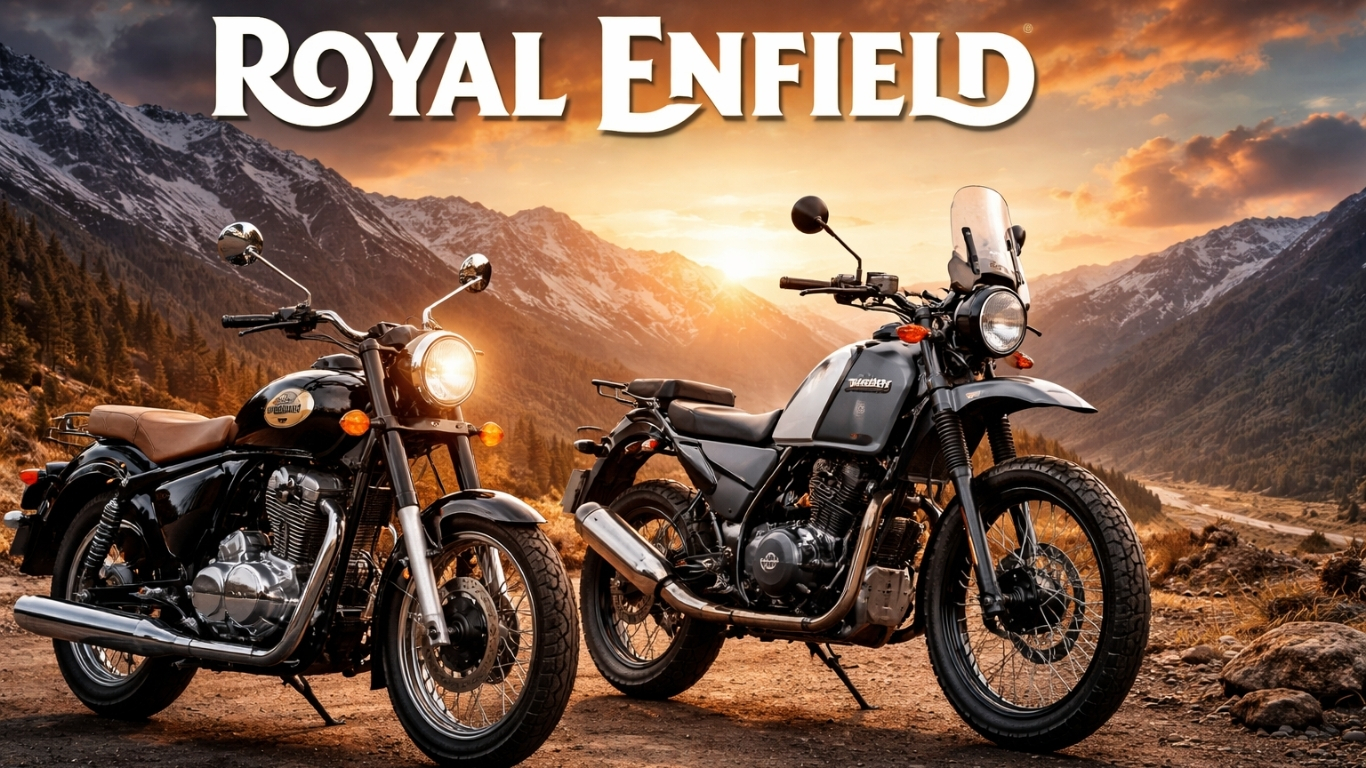
Royal Enfield motorcycles are the most commonly used bikes for Upper Mustang on a motorcycle, especially models like the Classic, Bullet, and Himalayan. Many local agencies prefer them because they suit the slow and demanding nature of the route.
Pros
Cons
Royal Enfield works best for riders who prefer stability and comfort over agility and who already have experience handling heavier bikes.
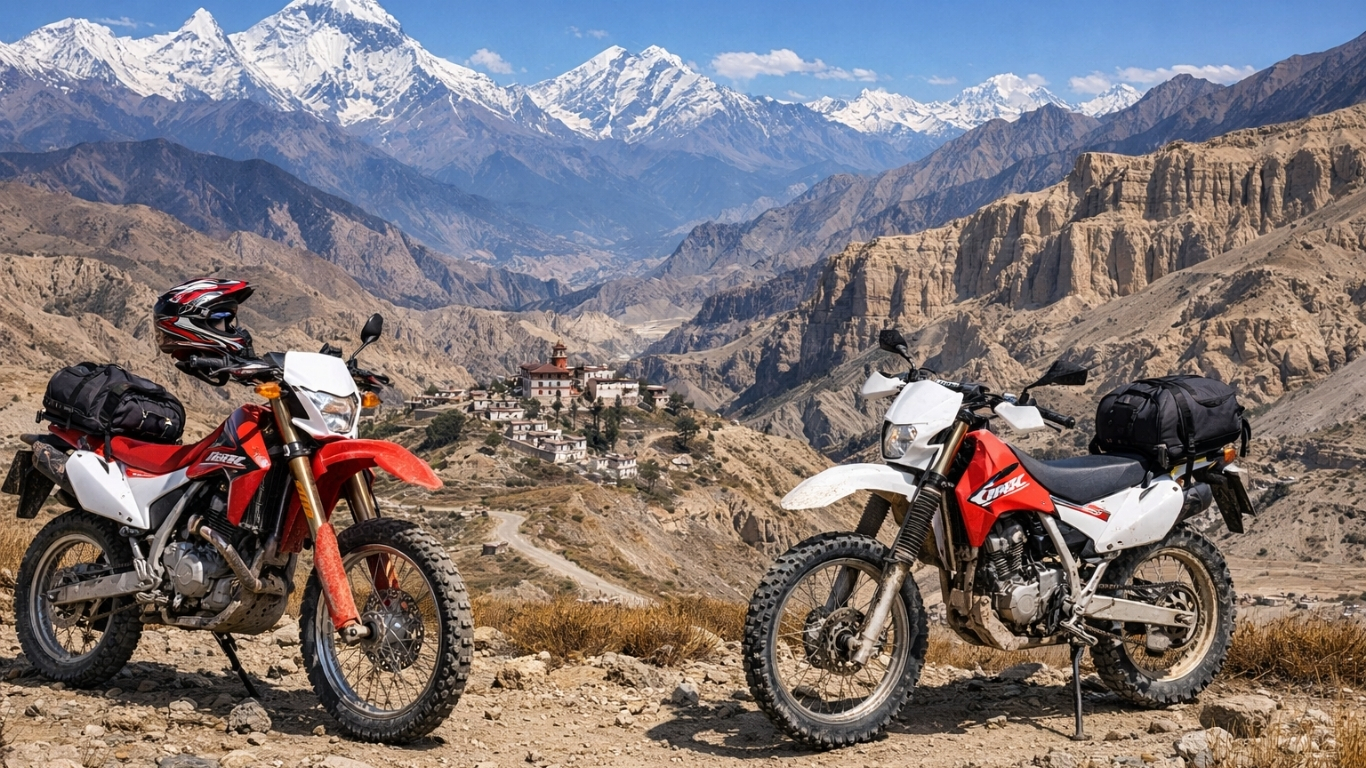
Lightweight trail bikes such as Honda CRF, XR, or similar models are often chosen by riders with strong off road skills. These bikes perform very well on the roughest sections of Upper Mustang.
Pros
Cons
Trail bikes suit riders who value control and agility and are comfortable riding off road for many hours.
The route to Upper Mustang tour on a Motorbike follows some of the oldest trade paths between Nepal and Tibet. These paths were once used by salt traders, pilgrims, and local caravans moving through the Kali Gandaki valley. Riding this route is not only a physical journey but also a cultural one, as the road passes through changing landscapes, climates, and lifestyles within a short distance.
The journey starts in the green hills around Kathmandu valley and slowly moves north into drier and more remote terrain. Each riding day brings a visible change in vegetation, road surface, and altitude. River valleys guide much of the route, which is why wind, dust, and loose gravel are constant companions, especially in the afternoon. Planning daily distances carefully helps reduce fatigue and allows the body to adjust to the rising altitude.
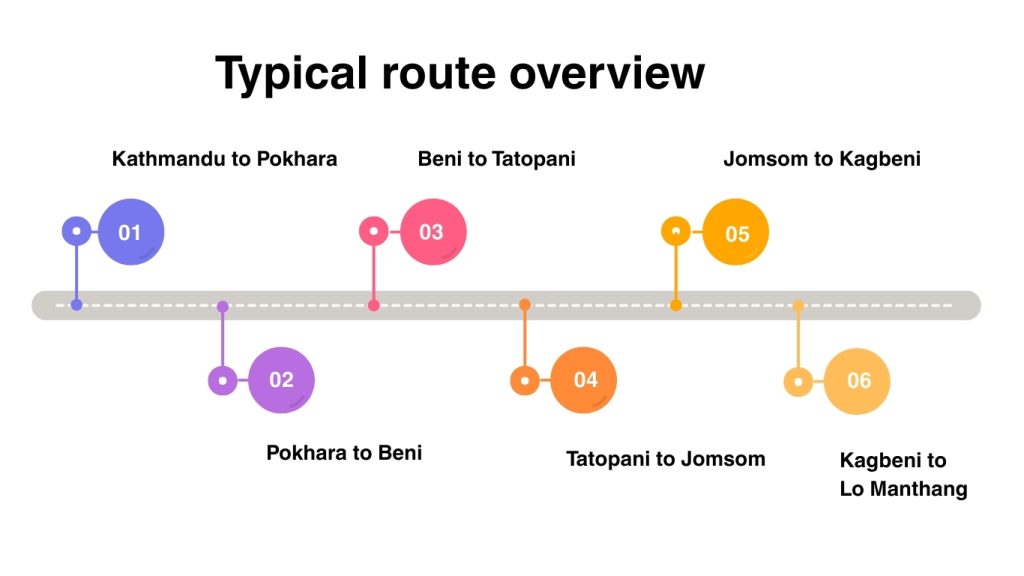
1. Kathmandu to Pokhara
This first leg covers about 200 kilometers on mostly paved roads. Riders experience gentle hills and scenic river valleys, which help warm up for the journey ahead.
2. Pokhara to Beni
The road starts to narrow and includes gravel patches. Riders pass through lush forests and small villages, gradually gaining altitude.
3. Beni to Tatopani
The route becomes rougher with gravel and dirt tracks. Natural hot springs at Tatopani offer a relaxing stop after a challenging ride.
4. Tatopani to Jomsom
Roads here are a mix of gravel and rocky trails, often exposed to wind. Riders move into higher altitudes with drier landscapes.
5. Jomsom to Kagbeni
This section features narrow trails along cliffs and riverbeds. Riders experience dramatic desert-like scenery and Tibetan-style villages.
6. Kagbeni to Lo Manthang
The final stretch is mostly off-road with sand, gravel, and rocky paths. The route leads to the high-altitude walled city of Lo Manthang, the heart of Upper Mustang.
Road quality changes almost every day. Lower sections between Kathmandu, Pokhara, and Beni mostly have paved roads with occasional rough patches. After Tatopani, the road becomes narrower and more demanding. As the route climbs toward Jomsom and beyond Kagbeni, surfaces change to gravel, sand, and rocky trails shaped by wind and river flow.
Upper Mustang roads demand patience, balance, and steady control rather than speed. The terrain changes frequently, sometimes within a few kilometers, which keeps riders alert throughout the day. Weather, wind direction, and road use by jeeps also affect riding conditions, making each day slightly different from the last.
Most sections do not allow relaxed cruising. Riders must stay focused, maintain proper body posture, and adjust speed constantly. Even experienced riders feel the strain due to long hours, high altitude, and uneven surfaces.
You face
Daily riding usually ranges between five to seven hours. Fatigue builds quickly because thin air reduces stamina and the terrain demands continuous attention.
This journey suits riders with off road experience who are comfortable handling a motorbike in difficult conditions. Beginners should not attempt this ride, as mistakes in Upper Mustang can lead to serious problems far from help.
Upper Mustang sits above 3,500 meters for most of the route, where thin air reduces oxygen levels and affects physical performance. Riders often experience headache, fatigue, or shortness of breath, especially during the first few days or after long riding hours. These effects can impact concentration and stamina, so understanding altitude is essential for a safe journey.
Proper acclimatization comes from gradual altitude gain, staying well hydrated, and allowing rest days when needed. Riding at a slower pace, taking regular breaks, and avoiding overexertion help the body adjust naturally and reduce the risk of altitude-related problems.
Approximate cost structure
| Item | Estimated Cost |
|---|---|
| Restricted Area Permit | USD 500 |
| ACAP Permit | USD 30 |
| Bike rental per day | USD 40 to 60 |
| Fuel | USD 10 to 15 per day |
| Guide and support | Included via agency |
| Accommodation and food | USD 25 to 40 per day |
Total cost often ranges between USD 2,200 to 3,200 depending on duration and services.
Safety matters more than speed in Upper Mustang.
Key rules
Responsible riding preserves the region for future travelers.
Booking Upper Mustang tour on a Motorbike through a licensed agency is essential because the region is strictly regulated and cannot be accessed independently. Agencies like himalayangatewaytrek.com provide legal access, experienced guides, mechanical backup, and local support throughout the journey. They manage permits, accommodation, logistics, and emergencies, ensuring the trip follows government rules at every checkpoint.
Beyond paperwork, a licensed agency adds safety and reliability to the ride. Local guides understand road conditions, weather changes, and cultural practices, which helps prevent costly mistakes. Support teams handle fuel planning, bike issues, and daily coordination, allowing riders to focus fully on the riding experience rather than administrative or logistical concerns.
Riding Upper Mustang tour on a Motorbike is a demanding yet deeply rewarding journey that requires proper planning, legal compliance, and respect for the region’s unique environment. Choosing the right bike, understanding road and altitude challenges, and traveling with a licensed agency ensure a safer and more meaningful experience through one of Nepal’s most remote and culturally rich regions.
No. Nepal law requires a minimum of two foreign travelers with a licensed guide and agency support for Upper Mustang. Solo travel is strictly prohibited, and checkpoints along the route verify permits and group size. Attempting to ride alone can result in fines or being turned back before reaching key destinations. Traveling with a group ensures safety, legal compliance, and easier handling of unexpected challenges.
Yes, but it must be registered in Nepal and approved by the agency handling your permits. The bike should be in good mechanical condition and suitable for high-altitude off-road terrain. Agencies often check tires, brakes, and suspension before approving. Carrying basic spare parts and tools is recommended to handle minor breakdowns along remote sections.
The ride is challenging due to altitude, gravel roads, wind, and long riding hours. Riders face loose sand, rocky tracks, and river crossings, which require precise control and stamina. Daily rides can last five to seven hours, testing both physical endurance and concentration. Only those with off-road riding experience should attempt this journey, as mistakes can have serious consequences in remote areas.
Yes, you can ride a motorbike to Upper Mustang, but only through a licensed agency with proper permits. Independent riding is not allowed, and checkpoints along the route verify legal access. The journey passes through paved and off-road sections, requiring careful planning and support.
No, the tour is not suitable for people who have never ridden a motorbike. The terrain requires advanced riding skills, balance, and the ability to handle unpredictable road conditions safely. Beginners risk accidents and fatigue on this route.
Riding hours typically range from five to seven hours per day, depending on the route, terrain, and altitude gain. Some days are shorter when climbing steep sections or exploring villages, while others may be longer on open gravel roads. Frequent breaks are recommended to manage fatigue and acclimatization.
The Upper Mustang on a Motorbike tour usually starts in Kathmandu or Pokhara, depending on the itinerary. Most riders attend a briefing, bike inspection, and permit check before the journey begins. Some tours include a guided ride from Kathmandu, while others start directly from Pokhara for easier acclimatization.
Most tours provide Royal Enfield motorcycles, including the Himalayan, Classic, or Bullet, as they are reliable on gravel, sand, and high-altitude roads. Selected agencies may also offer lightweight off-road bikes like Honda CRF or XR models for riders with advanced off-road skills and prior experience.
Yes, a support vehicle is usually included throughout the Upper Mustang motorbike tour. It carries luggage, fuel reserves, spare parts, and basic medical supplies. The vehicle also provides emergency assistance, making the journey safer in remote and high-altitude sections.