



Best Time to Visit Annapurna Base Camp Trek for 2026
Choosing the best time to visit Annapurna Base Camp Trek directly affects weather comfort, mountain visibility, trail safety, and overall…
 Himalayan Gateway Trek - On
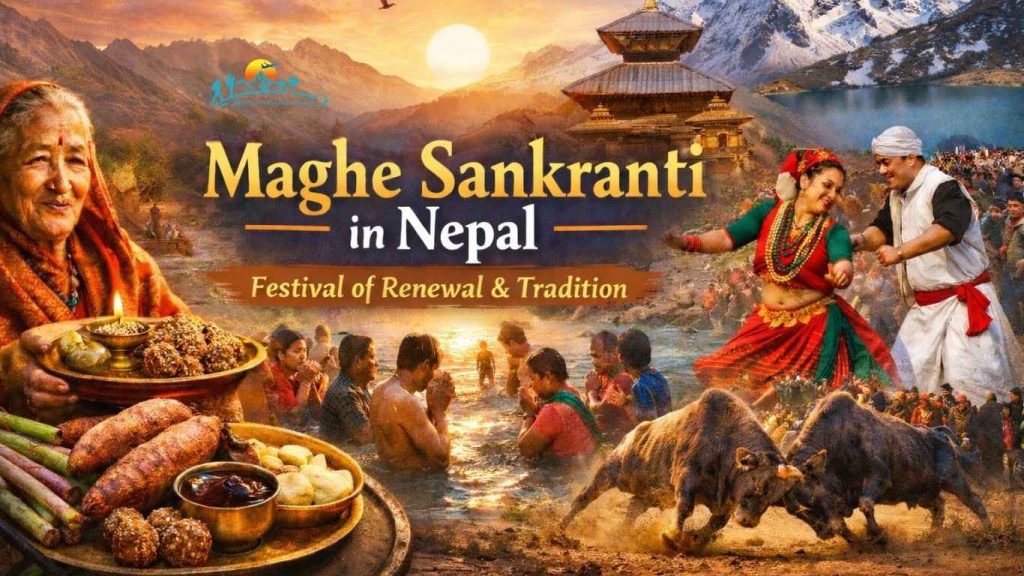
 Maghe Sankranti in Nepal is a major cultural and religious festival celebrated in mid-January. It marks the day when the sun begins its northward journey, known as Uttarayan. This change signals the end of the coldest winter period and the beginning of longer and warmer days.
People across Nepal celebrate Maghe Sankranti with river bathing, prayers, family gatherings, and special foods. The festival brings together many communities, including Tharu, Newar, Magar, and Kirant. While rituals differ by region, the shared meaning of renewal, health, and togetherness remains the same.
Maghe Sankranti in Nepal is not only about tradition. It reflects seasonal change, spiritual belief, and social unity that continues to hold value in modern life.
Maghe Sankranti is the first day of the Nepali month of Magh in the Bikram Sambat calendar. The word Sankranti comes from Sanskrit and refers to the movement of the sun from one zodiac sign to another.
On this day, the sun enters Makara rashi, also known as Capricorn. This is why Maghe Sankranti is also called Makar Sankranti. Unlike most Nepali festivals that follow the lunar calendar, Maghe Sankranti is based on a solar event. This makes its timing stable each year.
In simple terms, Maghe Sankranti in Nepal marks a turning point in nature, when cold days begin to fade and a new seasonal cycle starts.
Maghe Sankranti is celebrated on the first day of Magh every year. In the Gregorian calendar, it usually falls around January 14.
Because the festival follows the movement of the sun, the date remains relatively consistent from year to year. This stability makes Maghe Sankranti distinct from many other Nepali festivals that shift according to the moon.
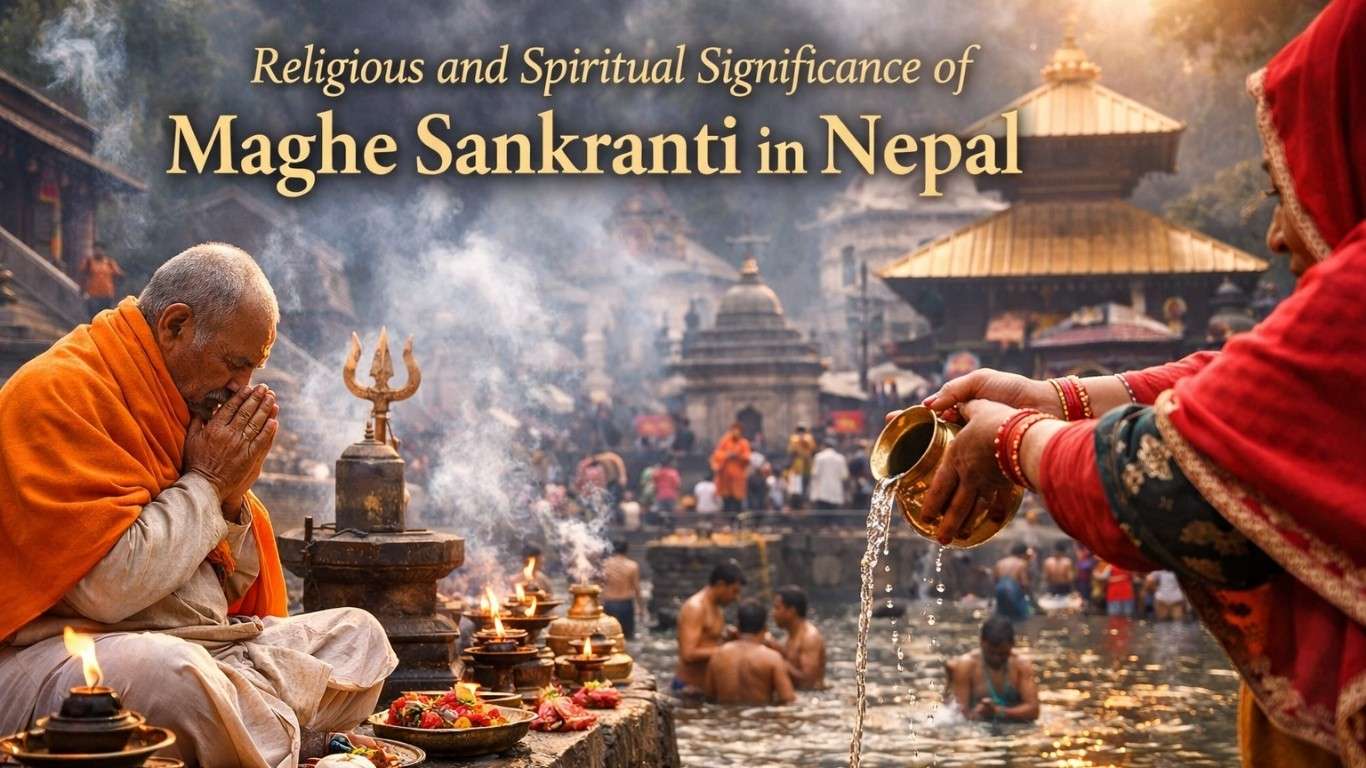
Maghe Sankranti holds deep religious and spiritual importance in Nepal. It is believed to be a time when positive energy increases and people focus on purity and good actions. Many Hindu families follow rituals to gain blessings and start the new season with hope.
Bathing in rivers and lakes is one of the most important rituals of Maghe Sankranti in Nepal. People wake up early and travel to sacred water sites across the country.
Devghat is one of the most important places for Maghe Sankranti. It lies at the meeting point of the Kali Gandaki and Trishuli rivers. Devotees believe bathing here brings purification and peace for the soul.
In the Kathmandu Valley, many people visit the Bagmati River. The river holds deep religious value, and rituals performed here are believed to remove negativity and bring spiritual clarity.
These rivers are important across central and western Nepal. Bathing at their banks during Maghe Sankranti is connected to belief in renewal and devotion.
Gosaikunda Lake is a high altitude sacred lake linked with Lord Shiva. Though difficult to reach in winter, it remains a powerful spiritual symbol connected to Maghe Sankranti.
Maghe Sankranti in Nepal is celebrated by many ethnic groups, each adding local meaning and customs. The festival connects people through shared values such as respect for elders, family unity, and seasonal awareness.
While rituals may differ, the idea of starting a healthier and more positive phase of life is common across communities.
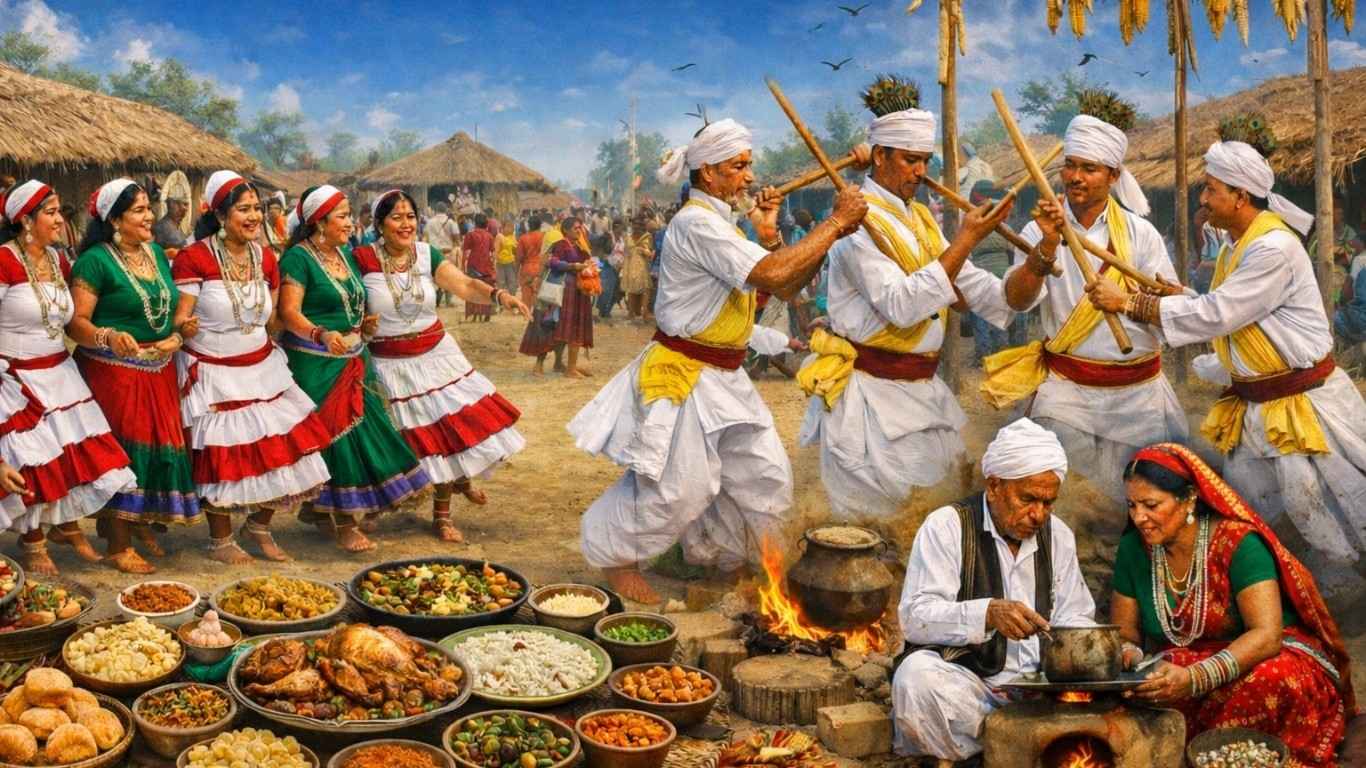
For the Tharu community, Maghe Sankranti is known as Maghi and is celebrated as the New Year. It marks the beginning of a new agricultural and social cycle. Families review the past year and prepare for the future.
Maghi is celebrated with large family gatherings, shared meals, traditional clothing, music, and dance. People visit relatives, exchange greetings, and enjoy local foods prepared for the occasion.
One unique feature of Maghi is the selection of the Badhghar, a community leader. Villagers come together to choose leadership and discuss community matters. This practice shows strong local participation and shared responsibility.
Maghi also holds historical meaning for the Tharu community. It is linked with the end of the bonded labor system, when many Tharu families gained freedom and dignity. Because of this, Maghi represents independence and self respect.
Today, Maghi is celebrated not only in villages but also in cities like Kathmandu valley. Public events help preserve Tharu culture and pass traditions to younger generations.
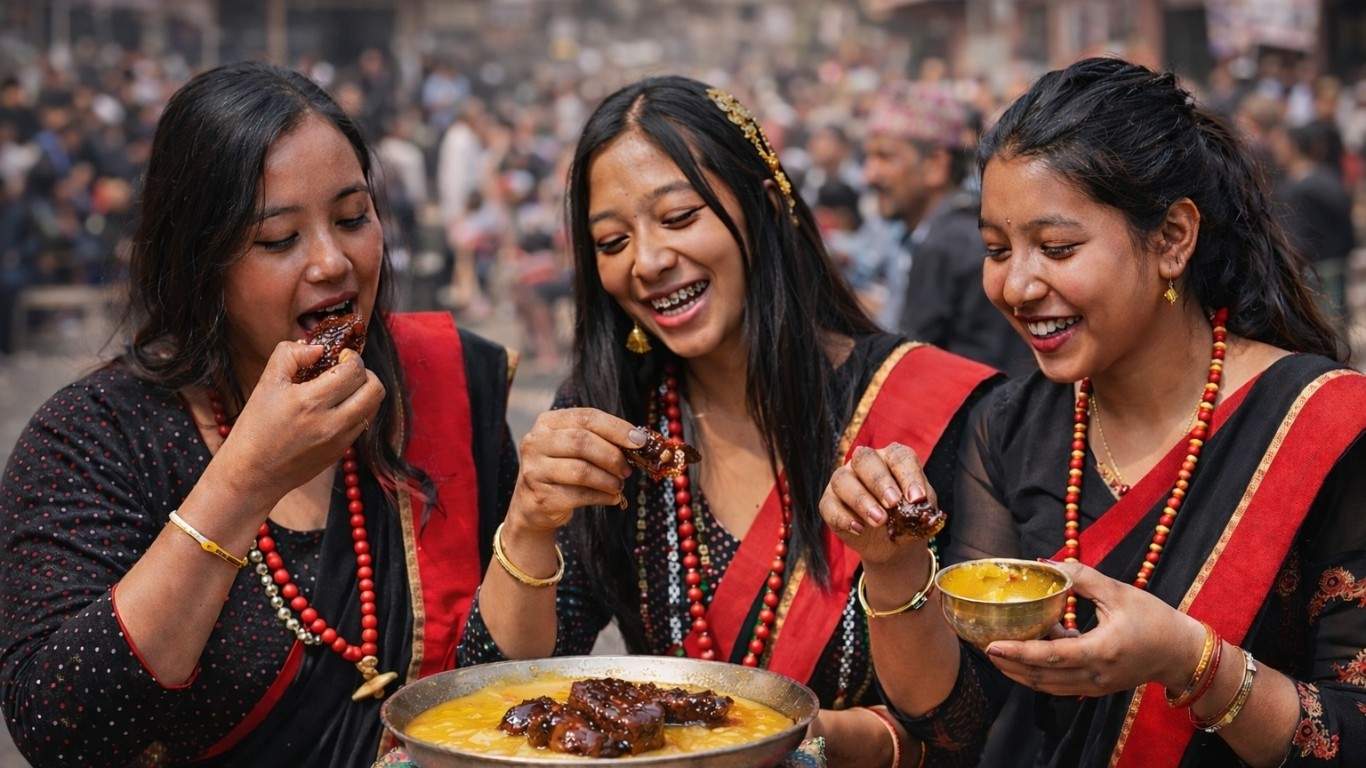
In the Newar community, Maghe Sankranti is closely linked with the tradition of Ghyo Chaku Sannu. On this day, families gather to eat ghee and chaku, which are believed to provide warmth and strength during the cold season.
The festival is also a time for family bonding. Elders give blessings to younger members for good health and a long life. Visiting relatives and sharing food are common practices. For Newars, Maghe Sankranti highlights respect for elders, family care, and the importance of keeping cultural traditions alive.
Magar and Kirant communities celebrate Maghe Sankranti with unique local rituals, prayers, and community gatherings. Families and neighbors come together to perform seasonal worship, offer thanks for a good harvest, and pray for health and prosperity in the coming months.
Community meals and feasts are common, where traditional foods like yams, tarul, and ghee are shared. Festivals often include singing, dancing, and cultural performances, highlighting local heritage and traditions.
Maghe Sankranti in these communities also marks a time of rest and reflection after the cold winter months. It strengthens social bonds, reinforces cultural identity, and provides an opportunity for people to reconnect with family and neighbors before the busy agricultural season begins.
In the Taruka village of Nuwakot, Maghe Sankranti is known for a traditional bullfighting event. Locals believe this practice brings protection, courage, and good fortune for the year ahead. The tradition continues today as a cultural and social event, drawing visitors and participants from nearby regions
While it raises discussions about animal welfare, it remains a unique local practice deeply connected to the festival’s heritage. The event also serves as a community gathering, strengthening social bonds and celebrating local identity. It highlights how Maghe Sankranti blends spiritual beliefs with cultural traditions in Nepal.
Maghe Sankranti is not only a time for rituals and feasts but also a festival rich in myths and cultural stories. These legends connect people to their history, beliefs, and spiritual values. Through stories passed down generations, the festival teaches lessons about devotion, prosperity, and the cycles of life. Many of these tales are linked to Lord Vishnu, the Mahabharata, and local traditions in different communities.
According to the Mahabharata, Bhishma Pitamah chose to leave his body during Uttarayan. This story connects Maghe Sankranti with liberation and wisdom.
A legend from Bhaktapur tells of a merchant who discovered a Vishnu idol beneath sesame seeds. The idol, known as Til Madhav Narayan, became a symbol of prosperity and devotion.
The month of Poush is often seen as difficult due to cold weather and limited outdoor activity. Maghe Sankranti marks the end of this phase and the beginning of warmer, brighter days. With longer days and better weather ahead, people feel renewed hope, energy, and motivation. This belief reflects Nepal’s agrarian roots and seasonal awareness.
It is also considered a time to start new tasks, plan for the year, and embrace positive life changes. The festival symbolizes a fresh start and the transition from hardship to prosperity.
Maghe Sankranti today blends traditional customs with contemporary celebrations. People continue to follow rituals while also enjoying community gatherings, fairs, and cultural shows. The festival has also gained visibility through media and social platforms, making it accessible to younger generations. Schools, organizations, and local groups use this occasion to educate and engage communities about Nepalese culture and heritage.
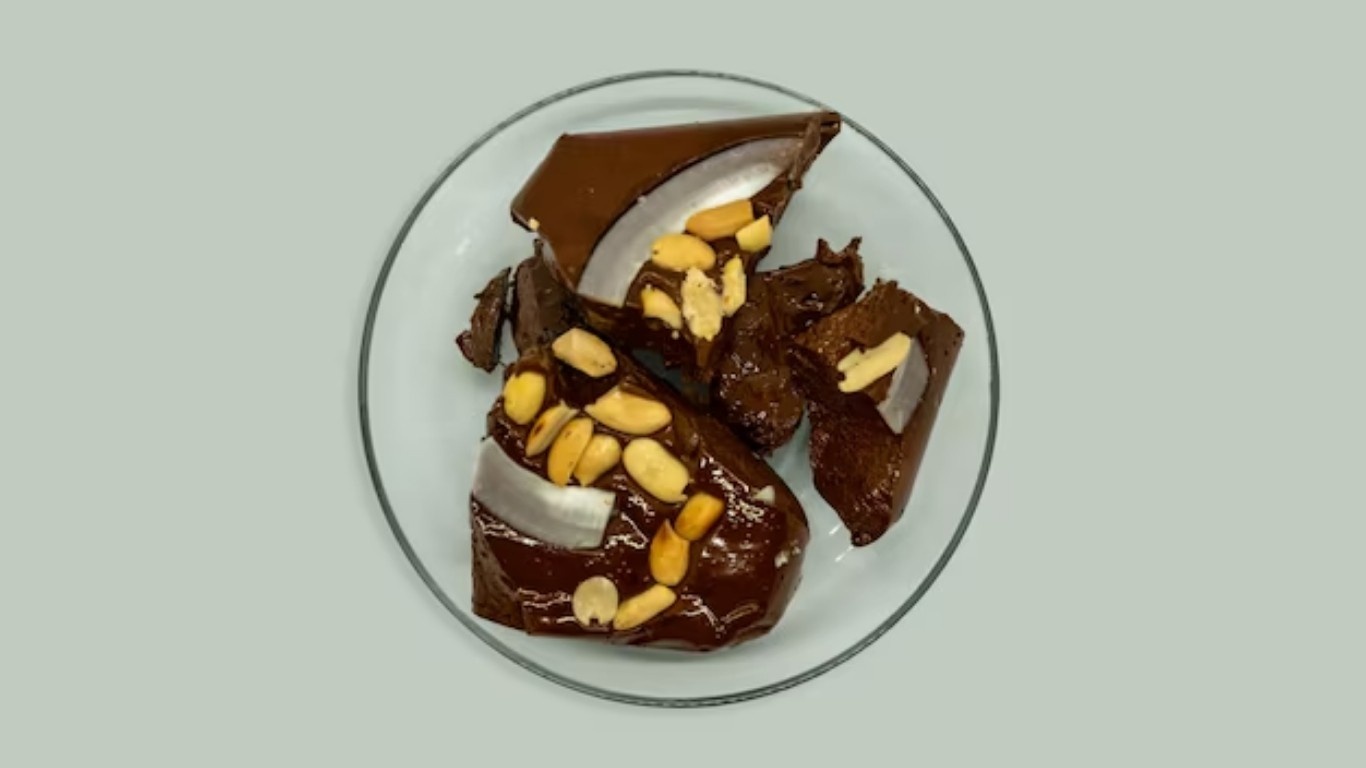
Thick sugarcane molasses prepared by boiling and solidifying sugarcane juice. It is rich in calories and helps keep the body warm during cold winter days. Chaku is often eaten in small pieces, sometimes mixed with nuts or seeds.
Ghee is considered a sacred and nourishing food in Nepali culture. It provides warmth, boosts immunity, and supports digestion in winter. During Maghe Sankranti, ghee is commonly eaten with chaku or rice dishes.
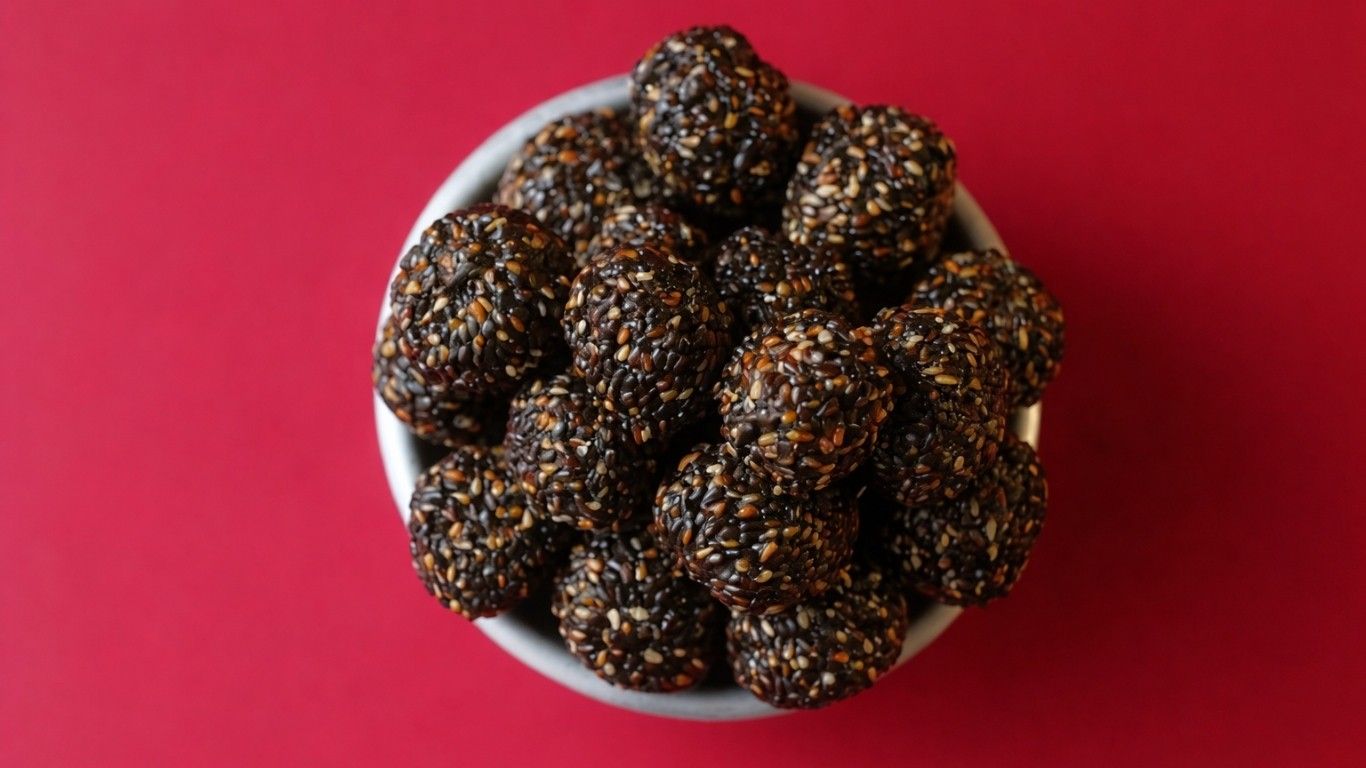
These sweets are made from sesame seeds and jaggery or sugar. Sesame is believed to strengthen bones and protect against cold weather. Eating til ko laddu symbolizes good health and longevity.
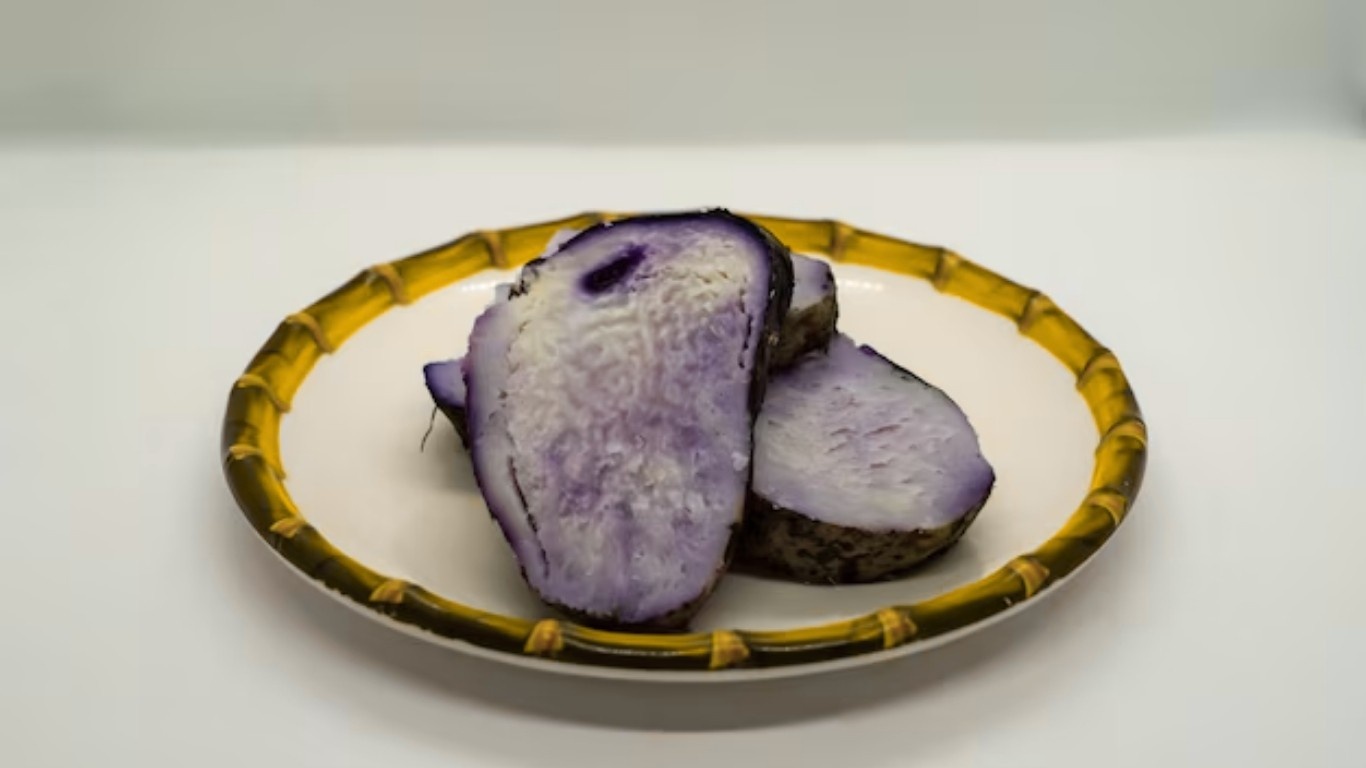
Tarul is a seasonal root vegetable harvested during winter. It is boiled and shared among family members as a symbol of unity. The food represents earth’s blessings and agricultural abundance.
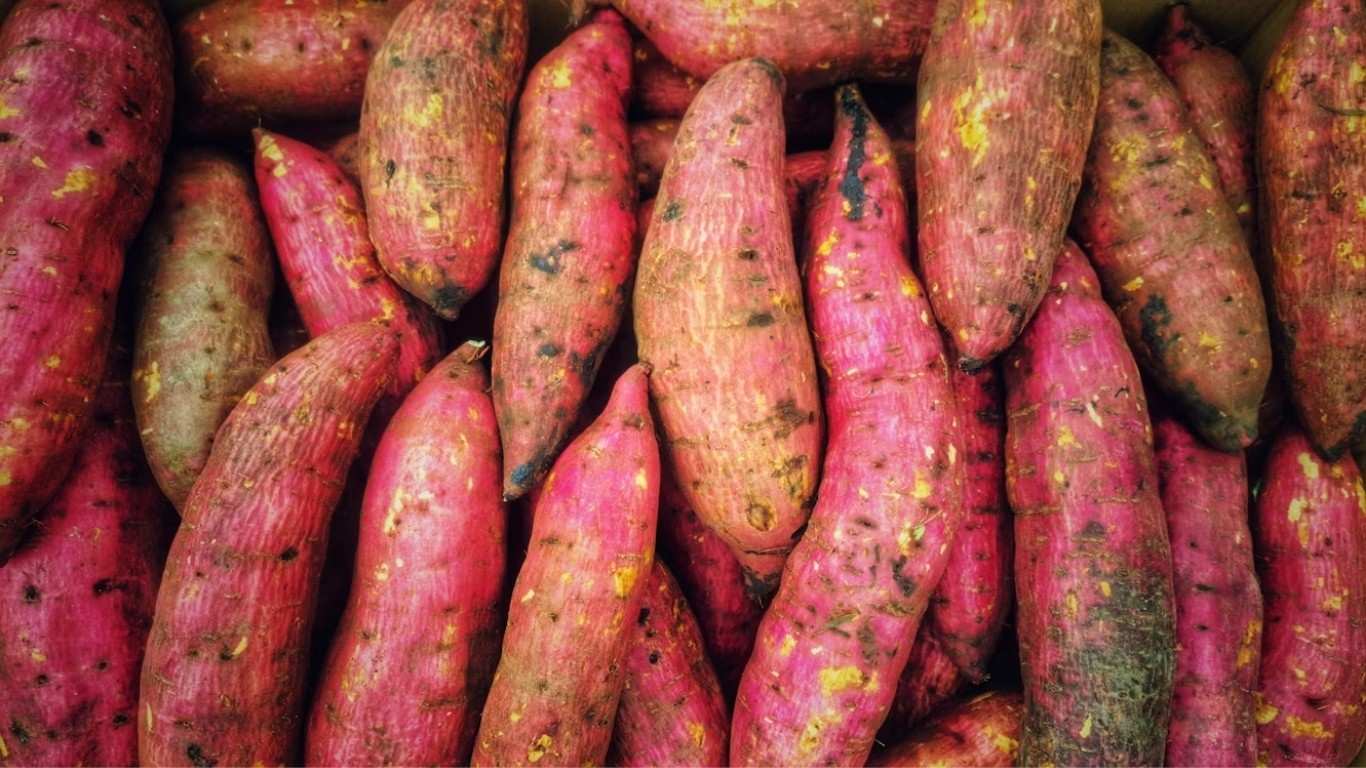
Sweet potatoes are easy to prepare and naturally energy-rich. They help maintain body heat and provide essential nutrients. This food is especially popular in rural households during Maghe Sankranti.
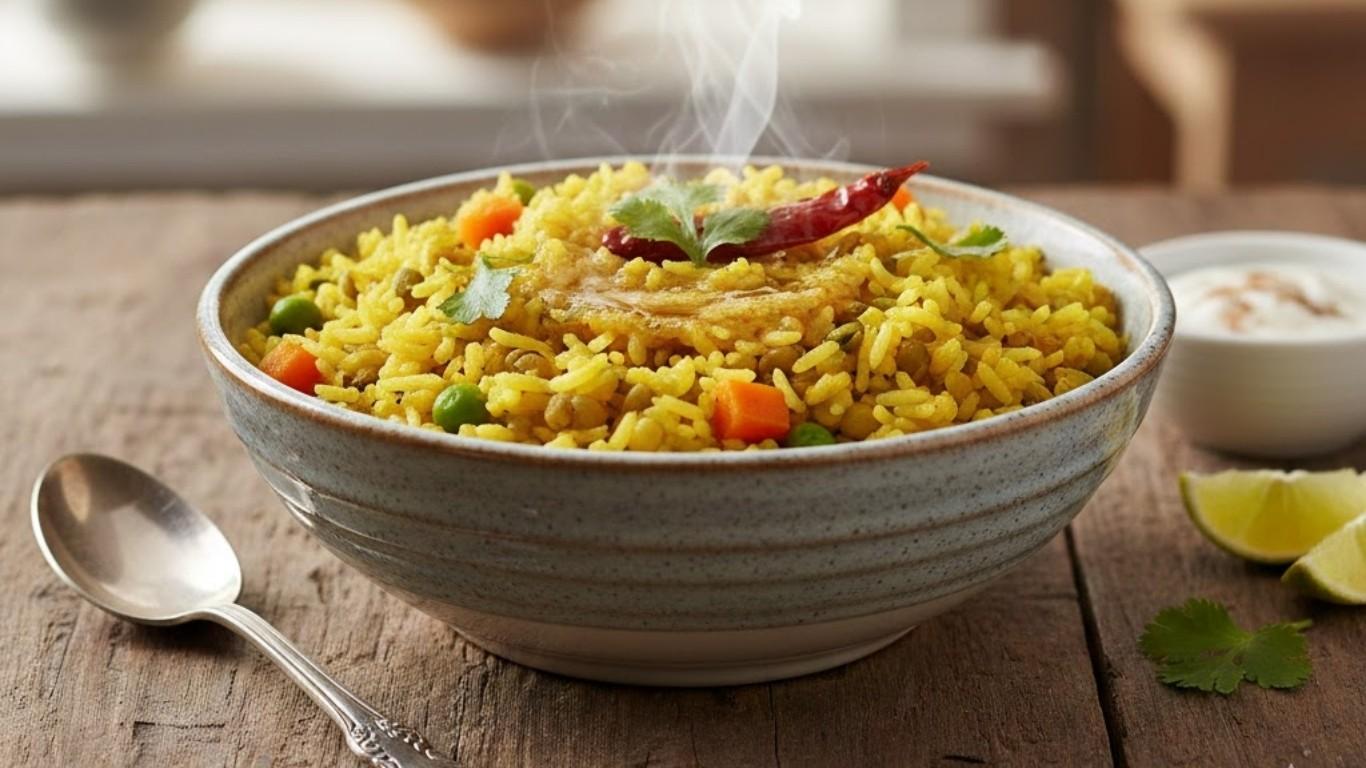
Khichadi is made from rice, lentils, and mild spices. It is easy to digest and provides balanced nutrition. Many families prepare khichadi as a comforting winter meal on this day.
Maghe Sankranti is celebrated across Nepal, but some places offer a more meaningful and vibrant experience. These locations reflect the festival’s religious, cultural, and community traditions in different ways. Visiting them during Maghe Sankranti allows people to see how the festival is observed across regions and communities.
Maghe Sankranti in Nepal continues to matter because it promotes family unity, cultural identity, and seasonal balance. It reminds people to pause, reflect, and reconnect with tradition.
The festival supports both mental and physical well being and helps preserve cultural knowledge for future generations.
Maghe Sankranti in Nepal is a festival of change, unity, and meaning. It connects nature, belief, and community in a simple yet powerful way. As seasons shift and society evolves, the festival continues to remind people of balance, respect, and shared identity. It encourages gratitude for the past and hope for the future.
Maghe Sankranti in Nepal also teaches the importance of togetherness, seasonal awareness, and cultural continuity. It remains a living tradition that still speaks to everyday life and values in Nepal.
Maghe Sankranti is celebrated to mark the end of winter and the beginning of longer, warmer days. On this day, the sun starts moving northward (Uttarayan), which is considered very auspicious in Hindu tradition. It is believed that from this day, cold gradually decreases and nature becomes more favorable for farming, health, and spiritual activities. People celebrate it as a time of renewal, positivity, and gratitude.
On Maghe Sankranti, people mainly worship Lord Vishnu and the Sun God (Surya Dev). Lord Vishnu is worshipped because he represents preservation and balance in the universe, while the Sun God is honored as the source of energy, life, and warmth. In Nepal, people also take holy baths in rivers and pray for health, prosperity, and long life.
Special foods are eaten to keep the body warm and healthy during winter. Common foods include:
1. Til (sesame seeds)
2. Chaku (molasses)
3. Ghee
4. Sweet potatoes (sakhar-kand)
5. Yam (tarul)
6. Laddus made from sesame and jaggery
These foods are rich in energy and help protect the body from cold.
Maghi is the most important festival of the Tharu community in Nepal. It marks the Tharu New Year and is celebrated with great joy. Families gather, clean their homes, prepare traditional food, dance, sing, and wear traditional clothes. Maghi is also a time when the Tharu community traditionally plans household decisions and community matters for the coming year.
People believe that bathing in rivers like the Bagmati, Narayani, Koshi, or other sacred rivers on this day washes away sins and brings spiritual purity. It is also believed to improve physical health and bring good fortune for the coming year.
Maghe Sankranti brings families and communities together. It promotes togetherness, respect for nature, gratitude for food, and cultural identity. For farming communities, it signals preparation for new agricultural activities and a hopeful start to the year.


