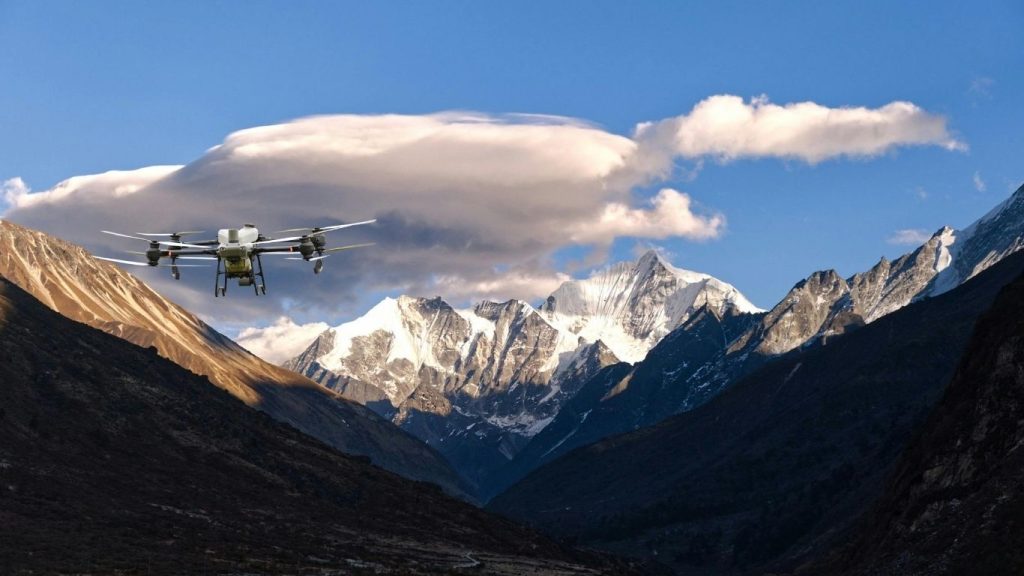
Drone Regulations in Nepal: Things You Need to Know
Nepal is a dream destination for travelers, with towering Himalayas, lush valleys, and cultural heritage sites; there is beauty at every corner. For many adventurers and photographers, drones have become the perfect way to capture these breathtaking landscapes from above. But before you launch your drone over Everest Base Camp or film the temples of Kathmandu, it is essential to know that Nepal has strict drone regulations.
The Civil Aviation Authority of Nepal (CAAN) requires drone operators to follow specific rules, get permits, and respect no-fly zones to ensure safety and privacy. Whether you are a tourist hoping to record your trek or a professional filmmaker capturing Nepal’s natural wonders, understanding these drone laws is a must.
In this guide, we will walk you through the Drone regulations in Nepal, the drone permit process, flying restrictions, and valuable tips so you can enjoy flying your drone in Nepal without running into trouble.
Table of Contents
Drone Rules and Laws in Nepal
If you are planning to capture Nepal’s breathtaking landscapes from the sky, it is essential to understand the country’s drone regulations. The Civil Aviation Authority of Nepal (CAAN) oversees all drone operations to ensure aviation safety, protect sensitive areas, and respect the privacy of locals. Unlike some countries where small recreational drones can be flown freely, Nepal has strict drone rules that apply to both tourists and residents.
Here is a detailed look at the key drone laws in Nepal:
- Permit Requirement
Flying a drone in Nepal without official approval is illegal. Whether you are a hobbyist filming your trekking adventure or a professional videographer, you need a permit from CAAN. The type of permit depends on your drone’s weight and your intended use. - Altitude and Distance Limits
You should be careful about the altitude and distance before flying a drone. The drone’s height should not exceed 120 m (394 ft) or 500 m (1,640 ft). Operators are also required to keep the drone within visual line of sight at all times. - Restricted Flying Zones
To maintain safety and security, Nepal has designated several no-fly zones:- Within the airspace of domestic and international airports.
- Around military bases and government facilities.
- In national parks and conservation areas (unless special permission is granted)
- Overcrowded gatherings, temples, or cultural heritage sites without approval.
- Privacy and Cultural Respect
Nepal is not only about natural beauty but also about its vibrant communities. Drone pilots are expected to respect individuals’ privacy and local traditions. Filming villages or religious ceremonies without permission may cause discomfort and even legal issues. - Safety First
Operators should avoid flying during bad weather, heavy winds, or at night. Flying recklessly, near wildlife, or over steep mountain terrain can be dangerous. - Consequences of Breaking the Rules
Violating drone regulations in Nepal can result in severe penalties, including equipment confiscation, fines, and even legal charges. For tourists, it can also affect travel permits and visas.
By following these drone rules and laws in Nepal, you not only avoid legal trouble but also contribute to safe skies and respectful tourism.
Are Drones Legal in Nepal?
Drones are legal in Nepal. CAAN oversees all drone flights. The laws of drones apply to tourists and local users. All drones are subject to national safety rules, and specific categories require registration and CAAN-issued flight permission.
Nepal considers the drone activity as an aviation system, and flyers are to be provided with the same safety standards as aircraft. Knowledge of these rules will help you avoid punishment and ensure your drone travels smoothly.
How to Get Drone Permission in Nepal
If your drone falls into a category that requires approval, follow this procedure.
Step 1. Prepare required documents
Before applying for a drone permit in Nepal, ensure all requirements are in place. Well-planned preparation is also a way to make the approval process painless and help avoid procrastination with the Civil Aviation Authority of Nepal (CAAN) and other authorities.
- Copy of passport/citizenship.
- Drones by such details as brand, model, and serial number.
- Purpose of flight
- Where would you like to fly or create a flight plan?
- Planned flights, date, and time.
Step 2. Submit the application to CAAN
Send the documents to the CAAN office or by e-mail as guided by the authority. Provide accurate information to avoid wasted time.
Step 3. Wait for review
CAAN examines the intent, site, and safety issues. The review time may depend on the requested area and the drone’s weight.
Step 4. Receive the permission letter
The approval letter should be carried during a flight. Present it to the airport or security personnel when asked.
Please keep in mind that if your drone’s bandwidth exceeds 2.4 MHz, the Information Department must authorize its use. A reference letter from the local government would be beneficial at every stage of the license application process. The authorization provided is valid for only 3 months. If there is a legitimate reason for the extension, it can be extended for an additional three months.
Note: If you want to fly a drone in some specific regions, like the Everest region, there is an additional fee of $1500 for foreigners, NPR (50,000) for SAARC nationals, and NPR 10,000 for Nepalese. These fees are paid to the Department of National Parks and Wildlife Conservation (DNPWS) and are non-refundable.
Drone category in Nepal
The Civil Aviation Authority of Nepal (CAAN) classifies drones based on their weight and purpose of use. Understanding these categories is important because the type of drone you fly determines what kind of permission or permit you need before taking off.

- Category A: Very Low-Risk (Less than 250 g)
- Includes mini drones and toy drones.
- No formal registration required, but drones still cannot be flown in restricted areas (airports, military zones, heritage sites, etc.).
- Ideal for hobbyists and travelers who want lightweight drones for fun.
- Category B: Low-Risk (250 g to 2kg)
- Covers small drones for basic photography and videography.
- Require prior approval from CAAN, especially for outdoor flights.
- Popular among tourists who carry compact drones, such as the DJI Mini series.
- Category C: Regulated Low-Risk (2kg to 25kg)
- Used for professional photography, videography, and survey work.
- Must be registered with CAAN.
- Flight permission is mandatory for each operation, particularly in urban or protected regions.
- Category D: Regulated High Risk (More than 25kg)
- Heavy-duty drones are designed for industrial, cargo, or military purposes.
- Not permitted for recreational or tourist use.
- Require full CAAN authorization and special clearance.
Tip for Travelers: If you are bringing a small drone for your trekking or travel photography, check its weight category first. Even the most miniature drones require approval before flying in Nepal. Carry a copy of your drone’s permit with you, especially if you are traveling to restricted areas such as national parks or heritage sites.
Registration and Licensing
To legally fly a drone in Nepal, every operator must register and obtain a license from the Civil Aviation Authority of Nepal (CAAN). This ensures that drones are tracked, regulated, and flown responsibly, especially in areas with sensitive airspace.
The procedures to register a drone in Nepal
Get the Registration Form
- Available online or at the CAAN office.
- For online registration: (Insert official CAAN drone registration link)
Fill in Drone Details
- Make, model, weight, and serial number.
- Accurate info is crucial for database validation.
Attach Personal Identification
- Tourists: Passport copy
- Locals: Citizenship card
- Also include: invoice or bill of purchase (if available)
Pay Registration Fee
- Nominal amount (varies by drone type)
- Paid via bank deposit or authorized payment channels
Receive Certificate with UIN (Unique Identification Number)
- Serves as proof of registration
- Valid for 1 year – must be renewed annually
- UIN must be displayed on the drone
Who Needs to Register?
- Travel vloggers
- Commercial filmmakers
- Aerial survey companies
- Professional photographers
- Anyone flying drones above the exempted weight limit
Note: The concerned department will check the file and provide you with a certificate, in 2-3 working days, which includes a Unique Identification Number (UIN). This certificate will be valid for 1 year.
Drone Registration vs. Flight Permission in Nepal
- Drone Registration:
- Officially registers the drone under your name with the authorities (CAAN).
- Proves ownership and links the drone to your identity.
- Mandatory for drones over specific weight limits.
- Flight Permission:
- Grants approval to fly the drone in designated locations on specific dates and times.
- Required in addition to registration.
- Ensures each drone flight complies with safety regulations.
Restricted Areas for Flying a Drone in Nepal
Flying a drone in Nepal offers incredible opportunities to capture the country’s natural beauty, but there are strict restrictions on specific areas to ensure safety, security, and privacy. Whether you are a tourist or a professional filmmaker, understanding these no-fly zones is essential before planning your drone flights.
- Airports and Surrounding Areas
- All domestic and international airports in Nepal, including Tribhuvan International Airport (Kathmandu), Pokhara Airport, and Lukla Airport, are strictly no-fly zones.
- Flying drones near airports can pose serious safety risks and lead to heavy fines or confiscation.
- Military Zones and Government Facilities
- Areas near military bases, government offices, and critical infrastructure are off-limits.
- Unauthorized flights in these areas can lead to legal action and even detention.
- National Parks and Conservation Areas
- Many trekking regions and wildlife reserves, such as Sagarmatha National Park (Everest region), Annapurna Conservation Area, and Chitwan National Park, require special permission before flying a drone.
- Drones can disturb wildlife, and unapproved flights are considered violations of conservation laws.
- Crowded or Sensitive Locations
- Avoid flying over festivals, religious ceremonies, markets, and public gatherings, as this can violate privacy and local customs.
- Flying drones over cultural heritage sites, such as temples, stupas, and UNESCO World Heritage Sites, may require special approval.
- High-Risk Trekking and Mountain Areas
- Certain high-altitude or rugged regions may have restrictions due to safety concerns, poor visibility, and limited rescue options.
- Always check with local authorities or trekking guides before flying in remote areas.
Penalties for Illegal Drone Use
Flying a drone in Nepal without complying with the Civil Aviation Authority of Nepal (CAAN) regulations can result in serious consequences. Whether you are a tourist or a local operator, it is essential to understand the legal implications to avoid fines, confiscation, or legal trouble.
- Drones flown without proper registration, permits, or in restricted areas can be immediately confiscated by authorities. This applies to both foreign tourists and local operators.
- Violating drone regulations may result in monetary penalties, which vary depending on the severity of the offense. For instance, flying in no-fly zones, over-crowded areas, or near airports can attract higher fines.
- Serious breaches, such as flying drones over military installations or government buildings, can result in criminal charges, detention, or court proceedings.
- For foreign visitors, illegal drone use can affect tourist visas or future travel permits.
Tips for Safe Drone Flying in Nepal
Flying a drone in Nepal can be an incredible experience, offering stunning aerial views of the Himalayas, valleys, and cultural sites. However, safety should always come first. Following these tips for safe drone flying ensures you stay within the law and capture amazing footage without any mishaps.
- Check Your Drone’s Category and Permit
- Before flying, make sure your drone is registered correctly with CAAN and that you have the appropriate permit for its weight and intended use.
- Avoid Restricted Areas
- Do not fly near airports, military zones, national parks, or crowded heritage sites unless you have special permission.
- Always consult CAAN maps or local authorities before flying in trekking regions like Everest, Annapurna, or Langtang.
- Maintain Line of Sight
- Keep your drone within visual range at all times. This is crucial for safety and is a legal requirement in Nepal.
- Respect Altitude Limits
- Do not fly higher than 120 meters (400 feet) above ground level to avoid interfering with manned aircraft.
- Monitor Weather Conditions
- Avoid flying in strong winds, heavy rain, or low visibility. Mountain regions can experience sudden weather changes, making drone control difficult.
- Be Mindful of Wildlife and Locals
- Avoid disturbing animals, livestock, or people.
- Do not film individuals or communities without permission, especially in villages or religious areas.
- Carry Permit and Documents
- Always have a printed or digital copy of your drone permit, registration certificate, and ID while traveling. Authorities may ask to see them at checkpoints or parks.
- Practice Responsible Flying
- Avoid flying recklessly over steep terrain, rivers, or crowded areas.
- Plan your flight path to prevent crashes.
Best Locations for Drone Photography in Nepal
Nepal is the drone heaven because the country offers a variety of scenery and cultural sites where drone photography is possible, with ample opportunities.
- Himalayan Ranges: Everest, Annapurna, and Langtang possess their abstract sceneries and shining scenes.
- Historic Sites: Official permission is required to photograph landmark locations, including Patan Durbar Square, Bhaktapur, and UNESCO-protected temples.
- Scenic Lakes: Gokyo Lake and Rara Lake are also suitable locations for soothing drone shots and picture-taking.
- Terraced Farmlands: Terraced farmlands are beautifully patterned across rural Nepal, creating exceptional aerial photography.
- Alpine Meadows: Turning its colorful landscapes in spring and autumn, drone footage can be attractive in these seasons.
Important Note: Before flying, one should always verify local laws and prohibited areas to ensure a safe, lawful flight.
Common Mistakes Travellers Make
Even the most travelled individuals can make inevitable mistakes while flying drones in a foreign nation. There are numerous problems due to ignorance of local rules or the belief that regulations in one country are the same as those in the home country. Knowing the pitfalls will help you avoid fines, seizures, or other legal hassles.
- Unregistered air travel.
- Failure to seek permission early enough.
- Taking off close to airports
- Trusting outdated blogs
- When flying within religious areas without permission.
These are the errors to avoid to ensure a stress-free trip.
Drone Flying for Tourists in Nepal
In Nepal, tourists can fly drones as long as they are regulated in accordance with CAAN rules. The most important ones are to respect restricted zones and obtain the necessary permits. These tips will help ensure you stay safe, avoid fines, and enjoy your time with your drone.
- Please indicate that you are a drone at the airport when customs demands it.
- Before flying, the drone must be registered.
- Request approval for the flight routes you will use.
- There is no need to visit restricted places such as the Kathmandu airport area.
- Even when you are traveling, carry your documents.
There are also other rules in some trekking areas and national parks; thus, do not forget to consult local guidelines.
Professional Drone Use in Nepal
Filmmakers, survey companies, and event photographers must adhere to strict rules. Such professional activities usually require permits from various authorities.
- Drone registration
- Flight permission
- Insurance details
- A clear purpose statement
- Coordination with local authorities
Classification: When commercial drone work is not documented correctly, it may result in fines.
No Fly Zones in Nepal
It is possible to pay fines, have items confiscated, or initiate legal action by flying in these restricted areas. You should check the new local notices before making your flight plans.
- Any foreign and domestic airports.
- Military and security zones
- Government buildings
- Conservation areas and national parks.
- Religious sites, as well as specific UNESCO sites.
- The city of Kathmandu operates without authorization.
Their flights in such restricted areas may result in fines, seizure, or prosecution.
Tips to Follow Drone Flying Rules in Nepal
To ensure a safe and enjoyable drone flight in Nepal, one should plan and follow best practices. These tips will help you fly safely while also taking some of the best aerial shots.
- Never count on the weather in the mountains, since it changes rapidly.
- Be safe when shooting scenery.
- Use the return to home features.
- Bring extra batteries, since cold weather is power-hungry.
- Fly in a socially responsible way, in respect of local culture, and leave the wildlife to themselves.
Conclusion
Flying a drone in Nepal can be an incredible way to capture the country’s natural wonders, from the majestic Himalayan peaks to the tranquil valleys and cultural landmarks. But before taking off, it is vital to understand the drone laws and regulations set by the Civil Aviation Authority of Nepal (CAAN).
Whether you are a tourist with a compact travel drone or a filmmaker with professional equipment, following the proper procedures, such as registering your drone, obtaining flight permissions, and avoiding restricted areas, ensures a safe and legal flying experience.
Always remember to fly responsibly, respect privacy, and protect Nepal’s pristine environment while enjoying your aerial adventures. Responsible flying not only helps you avoid penalties but also supports the country’s effort to maintain air safety and preserve its natural beauty.
Contact Himalaya Gateway Trek to help you book your drone in Nepal smoothly and hassle-free.
FAQs for Drone Regulations in Nepal
1. Do I need a permit to fly a drone in Nepal?
Yes. All drones, regardless of size or purpose, require approval from the Civil Aviation Authority of Nepal (CAAN) before flying.
2. Are drones allowed in trekking areas like Everest or Annapurna?
Yes, but you need special permission from CAAN. Some regions, especially national parks and conservation areas, have restrictions to protect wildlife and local communities.
3. Can tourists bring drones to Nepal?
Yes, but foreign visitors must submit a drone permit application in advance, along with a passport, a visa, and a flight plan. Flying without approval is illegal.
4. Is there a maximum altitude for flying drones?
Yes. Drones must not fly higher than 120 meters (400 feet) above ground level.
5. Are there restricted areas where drones cannot fly?
Yes. No-fly zones include airports, military bases, government buildings, crowded areas, heritage sites, and many national parks.
6. Do I need a license to fly a drone in Nepal?
Yes. For commercial use, operators must obtain a drone license from CAAN. Recreational users still need basic registration and approval.
7. What happens if I fly a drone illegally in Nepal?
Penalties include confiscation of your drone, fines, legal action, and possible travel restrictions for foreigners.
8. Can I film people or villages with my drone?
You should always respect privacy and local culture. Filming people without permission, especially in villages or religious sites, is discouraged and may be considered a violation.
9. Can I use a drone for commercial filming as a foreigner?
Yes, but you must obtain special licensing and submit a detailed flight plan. Insurance and CAAN approval are often required.
10. How long does it take to get drone permission in Nepal?
Approval times vary but usually take a few days to a couple of weeks, so it’s best to apply well in advance, especially during peak trekking seasons.
