Best Time for Annapurna Circuit Trek: Plan Your Perfect Adventure
Choosing the best time for the Annapurna Circuit trek directly affects safety, scenery, comfort, and overall experience because this route…
 Himalayan Gateway Trek - On
 Choosing the best time to visit Annapurna Base Camp Trek directly affects weather comfort, mountain visibility, trail safety, and overall trekking enjoyment. Annapurna Base Camp sits at 4,130 meters, and seasonal changes in this region are very noticeable, which makes timing one of the most important decisions for trekkers.
The Annapurna Base Camp trek remains open throughout the year, but not every season offers the same experience. Some months provide crystal clear mountain views and stable weather, while others test endurance with rain, snow, or cold nights. Understanding these differences helps trekkers plan realistically and avoid disappointment.
This guide explains each trekking season in detail, breaking down weather and trail conditions month by month, and helps you determine the best time to visit the Annapurna Base Camp Trek based on your travel style, experience level, and expectations.
The best time to visit Annapurna Base Camp Trek is during spring from March to May and autumn from September to November. These seasons offer stable weather, clear mountain views, and comfortable trekking temperatures.
October and April stand out as the most popular months due to clear skies and reliable trail conditions. Winter and monsoon treks remain possible but suit trekkers who accept cold temperatures or frequent rain.
Nepal is famous for its amazing history and for having the tallest mountains on Earth. Many people travel there to see the crowds of climbers at Mount Everest as they try to reach the top of the world. However, if you want to avoid the crowds, the Annapurna Sanctuary is a much calmer and quieter place to visit.
The trails in the Annapurna region are often more enjoyable because they aren’t packed with people. You also won’t find large groups of yaks blocking the paths like you do in the Everest area. It feels much more peaceful.
Just remember that mountain weather is hard to predict. Even in May, it can get cloudy, and you might still see snow once you reach the Annapurna Base Camp.
Weather patterns in the Annapurna region depend on altitude, monsoon cycles, and seasonal winds, which makes conditions change quickly during the trek. Lower villages remain warmer for most of the year, while higher sections near Machhapuchhre Base Camp and Annapurna Base Camp experience colder temperatures and snowfall in winter.
Cloud build up often appears in the afternoon, even during good seasons, while mornings usually provide the best mountain views. Night temperatures at higher elevations remain cold throughout the year, which requires proper layering regardless of the season.

Autumn provides the most reliable weather conditions for trekking to Annapurna Base Camp. This season follows the monsoon, which clears dust and pollution from the air, resulting in sharp mountain views.
Autumn brings dry weather with mild daytime temperatures and cold nights at higher elevations. Rainfall remains low, and trails stay firm and safe.
Key weather features:
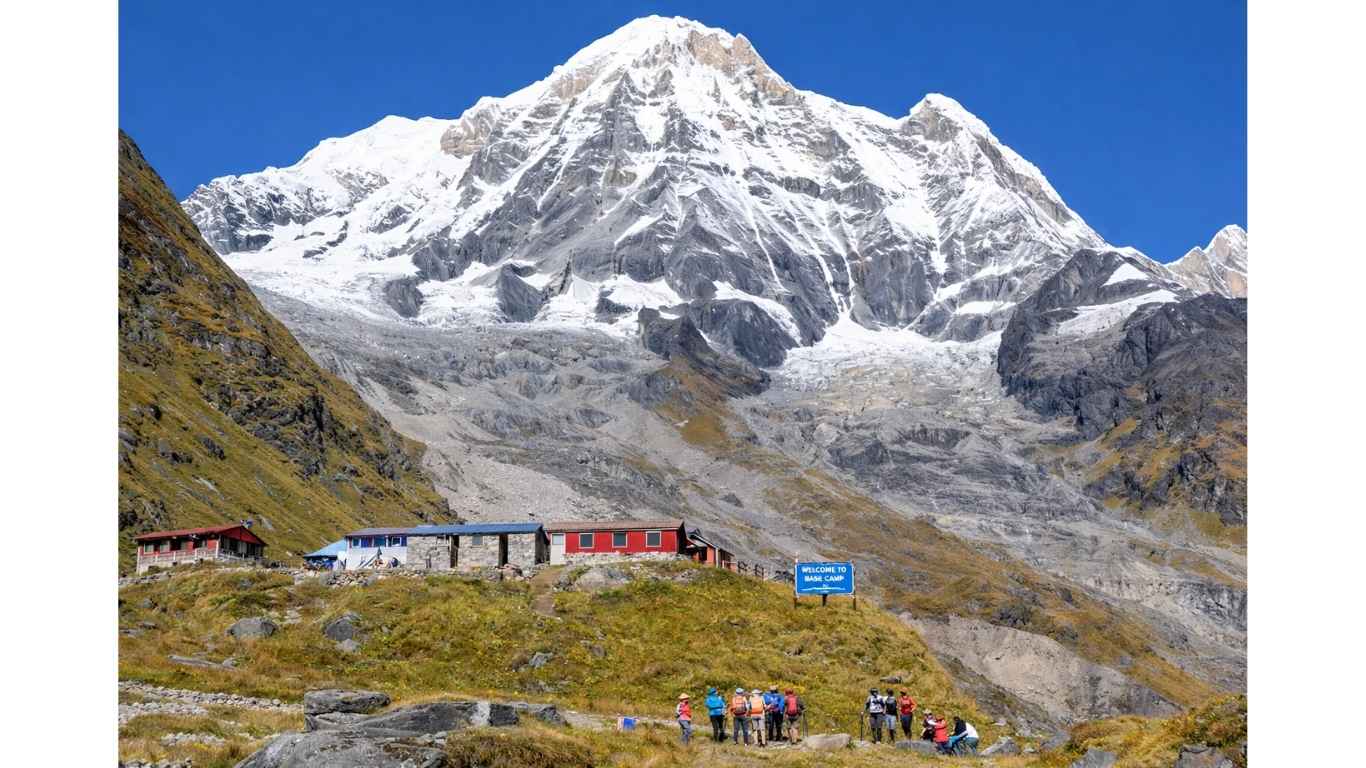
Autumn offers the clearest views of Annapurna South, Hiunchuli, Machhapuchhre, and Annapurna I. Snow lines look clean, and early morning light enhances mountain colors.
Late October and early November provide the most stable visibility with fewer clouds.
Autumn attracts the highest number of trekkers, especially in October. Teahouses fill quickly, and popular villages feel busy.
Trail conditions remain excellent with minimal mud and stable bridges.
Pros
Cons
Spring offers a colorful and lively trekking experience with blooming forests and warmer days. This season suits trekkers who enjoy nature along with mountain views.
Spring weather gradually warms as the season progresses. March remains cool, April offers balanced conditions, and May turns warmer with occasional afternoon clouds.
Typical conditions include:
Rhododendron forests bloom fully in April, especially between Ghorepani, Chhomrong, and Bamboo. Hillsides turn red, pink, and white, which adds color to the trek.
Spring attracts many trekkers, but crowd levels remain slightly lower than in autumn. April stays busy, while March and May feel more relaxed.
Pros
Cons
Winter trekking presents cold temperatures and snow-covered trails, which require proper gear and experience. Days often remain sunny, but nights drop well below freezing.
Winter suits trekkers who accept cold conditions and plan carefully.
Monsoon trekking involves frequent rain, muddy trails, and limited views. Cloud cover often hides mountain peaks.
This season suits trekkers who value solitude over views.

Each month offers a different experience on the Annapurna Base Camp trail. Weather patterns, crowd levels, and trail conditions change noticeably, which makes monthly planning very important for a successful trek.
January brings heavy snowfall at higher elevations and very cold nights. Trails may close temporarily after snowstorms. Daytime skies often remain clear, which allows sharp mountain views on sunny days. Night temperatures frequently drop well below freezing above 3,000 meters. This month suits trekkers who are comfortable walking on snow and carrying winter gear.
February offers cold mornings and clearer skies. Snow still covers high sections, but daylight increases. Trail conditions begin to improve slowly as snowfall reduces compared to January. Teahouses remain open in most villages, though services may be limited at higher altitudes. This month suits trekkers who want winter scenery with slightly better conditions.
March marks the start of spring. Weather improves, flowers bloom at lower elevations, and trail conditions stabilize.
Temperatures become more comfortable during the day, especially below 3,000 meters. Snow remains near Annapurna Base Camp but usually does not block the route. March offers a good balance between fewer crowds and improving weather.
April provides ideal weather with blooming forests and clear mountain views. This month ranks among the best times to visit Annapurna Base Camp Trek. Rhododendron forests reach full bloom, adding color to the trail. Daytime temperatures stay pleasant, while nights remain cold but manageable. Accommodation fills quickly, so booking becomes important.
May offers warmer days and fewer crowds than April. Late May may experience light rain. Lower sections of the trail can feel warm during midday hikes. Mountain views remain clear in the mornings before afternoon clouds form. This month suits trekkers who prefer warmer temperatures and longer daylight hours.
June begins the monsoon transition. Rain increases, and trails become slippery. Humidity rises, especially at lower elevations. Cloud cover often hides mountain views for much of the day. This month requires flexible planning and good rain protection.
July experiences heavy rainfall, leeches, and cloud cover. Mountain views remain limited. Trails become muddy, and river crossings may feel challenging after rain. Landslide risk increases in certain sections of the route. This month suits trekkers who prioritize solitude over scenery.
August continues monsoon conditions with lush scenery but frequent rain and limited visibility. Vegetation appears fresh and green due to continuous rainfall. Leeches remain common in forested sections of the trail. Clear mountain views are rare but possible briefly after rainfall.
September marks the end of the monsoon. Early September remains wet, while late September improves rapidly. Trails begin to dry, and skies gradually clear as the month progresses. Crowds increase toward the end of the month as trekking season resumes. Late September offers a good transition into peak trekking conditions.
October offers the best balance of weather, views, and trail conditions. Skies remain clear, and mountain visibility stays excellent throughout the day. Temperatures remain comfortable for long trekking hours. This month attracts the highest number of trekkers on the trail.
November remains dry and clear but colder at night. This month suits trekkers who prefer fewer crowds. Daytime temperatures stay pleasant, while nights feel noticeably colder at higher elevations. Mountain views remain sharp due to stable post monsoon weather. This month works well for trekkers who enjoy quiet trails with good visibility.
December brings colder nights and occasional snowfall, especially above Deurali. Early December still offers clear skies before deep winter conditions set in. Daytime temperatures remain manageable under sunny conditions. This month suits trekkers prepared for cold nights and shorter daylight hours.

Different trekking goals influence the best travel time. Weather comfort, crowd levels, cost, and personal interests all play a role in deciding the most suitable season for the Annapurna Base Camp trek.
Spring and autumn provide safer conditions and better acclimatization comfort. Trails remain dry, and teahouse services operate smoothly throughout the route. Clear weather also makes navigation easier for those new to Himalayan trekking.
Late October and early November offer sharp mountain views and balanced light. Clear skies improve sunrise and sunset photography from higher viewpoints. Snow-covered peaks stand out clearly against deep blue skies during this period.
Early March and late November provide quieter trails. Teahouses feel less busy, allowing more flexible accommodation choices. These months suit trekkers who prefer a calm trekking pace without congestion.
Winter and monsoon offer lower costs but require flexibility. Accommodation prices often drop due to reduced demand. Trekking agencies and guides may offer better availability during these months.
Autumn coincides with Nepal’s major festivals. Trekkers may witness Dashain and Tihar celebrations in local villages. This season offers a deeper understanding of mountain culture and traditions.
Peak and off seasons create very different trekking experiences on the Annapurna Base Camp trail. Weather stability, crowd levels, and overall comfort vary significantly, which directly affects planning, costs, and safety. Understanding these differences helps trekkers choose a season that matches their expectations and physical comfort.
| Factor | Peak Season | Off Season |
|---|---|---|
| Weather | Stable and dry | Cold or rainy |
| Crowds | High | Low |
| Costs | Higher | Lower |
| Views | Excellent | Limited |
| Safety | High | Moderate |
Trekking season selection depends on personal comfort, physical fitness, and travel flexibility. Cold tolerance, crowd preference, and budget all influence the experience. Weather changes quickly in the Himalayas, so proper preparation remains essential in every season.
Key factors to consider before choosing your trekking time include:
Considering these factors helps trekkers choose the best time to visit Annapurna Base Camp Trek based on personal expectations rather than general trends.
Spring and autumn remain the most suitable seasons for trekking to Annapurna Base Camp. October and April stand out for weather stability, clear views, and comfortable temperatures. These months offer the best balance between trail safety, visibility, and overall trekking comfort.
First-time trekkers benefit from predictable weather and well-managed teahouse services during these seasons.
Off-season trekking appeals to those who value quiet trails but requires careful planning and realistic expectations.
October is the undisputed champion. It offers the crispest Himalayan views, stable post-monsoon air, and festive cultural vibes. If you prefer blooming rhododendrons over crystal-clear skies, choose April. Both months provide the most comfortable trekking temperatures.
The peak windows are Spring (March–May) and Autumn (September–November). Autumn delivers unparalleled visibility for photography, while Spring offers warmer days and lush forests. Aim for late October for the perfect balance of weather and crowd management.
The Monsoon (June–August) is the most challenging due to heavy rain, leeches, and potential landslides. Winter (December–February) follows closely; while skies are clear, extreme cold and avalanche risks near Deurali can make reaching the Base Camp dangerous.
Yes, ABC is a “moderate” trek with well-maintained paths. No technical climbing is required. If you can walk 5–7 hours daily and prepare with basic cardio two months prior, you can successfully reach the sanctuary.
While ABC reaches 4,130m, the risk is lower than Everest due to a gradual ascent. However, it can still happen. Stay hydrated, walk at a “bistari” (slow) pace, and never skip an acclimatization night if your body feels fatigued.
You require two specific permits: the ACAP (Annapurna Conservation Area Permit) and the TIMS card (Trekkers’ Information Management System). Most agencies include these in their packages, but solo trekkers must secure them in Kathmandu or Pokhara beforehand.
Yes, most teahouses offer Wi-Fi and charging stations for a small fee ($2–$5). However, connections become spotty above Sinuwa. We recommend carrying a power bank and a local Ncell/NTC SIM card for the most reliable communication.
As of 2023, the Nepal Tourism Board requires foreign trekkers to hire a licensed guide for most regions, including Annapurna. A guide ensures your safety, handles logistics, and provides deep insights into the local Gurung culture.
Yes! Most trekkers stop at Jhinu Danda on the way back down. After days of strenuous hiking, these natural riverside hot springs offer a perfect therapeutic soak to soothe tired muscles before your final return to Pokhara.
Expect “Dal Bhat Power!” This lentil and rice dish is bottomless and provides the best nutrients for climbing. Most tea houses also serve pasta, pancakes, and momos, but we recommend avoiding meat above Sinuwa to ensure food freshness and safety.
Budget roughly $25–$30 per day for “extras” like hot showers ($3), Wi-Fi ($3), and charging devices ($2). There are no ATMs past Chhomrong, so withdraw all necessary Nepali Rupees in Pokhara or Kathmandu before you begin your journey.