


Top Things to Do in Nepal: A Complete Guide for First-Time and Repeat Travelers
Nepal is one of the few countries where mountains, living traditions, wildlife, and daily life connect closely. The top things…
 Himalayan Gateway Trek - On
 Shivaratri and Holi celebrations in Nepal reflect two powerful sides of Nepali culture, deep spiritual devotion and open-hearted joy. Celebrated during the Nepali month of Falgun, these festivals bring together faith, community life, and seasonal change in a way few countries experience so closely. From silent night-long prayers at sacred temples to streets filled with color, music, and laughter, Nepal offers an authentic setting where tradition still guides daily life.
These festivals are not isolated events. They shape public life, travel patterns, family rituals, and national identity. For locals, they mark sacred moments of worship and renewal. For visitors, they provide a rare chance to witness living Hindu traditions practiced without performance or display.
Shivaratri and Holi celebrations in Nepal stand apart because religion and daily life remain closely connected across the country. Nepal is home to ancient temples, living rituals, and uninterrupted cultural practices that continue as they have for centuries. These festivals are not limited to temple grounds or city squares. They unfold in homes, neighborhoods, riversides, and public spaces.
Another key reason lies in timing. Both festivals fall within weeks of each other, allowing people to move from intense spiritual focus to open celebration within the same season. This balance mirrors the Hindu belief that discipline and joy must exist together.
Nepal also observes both festivals as public holidays, giving families time to gather and communities space to celebrate fully.
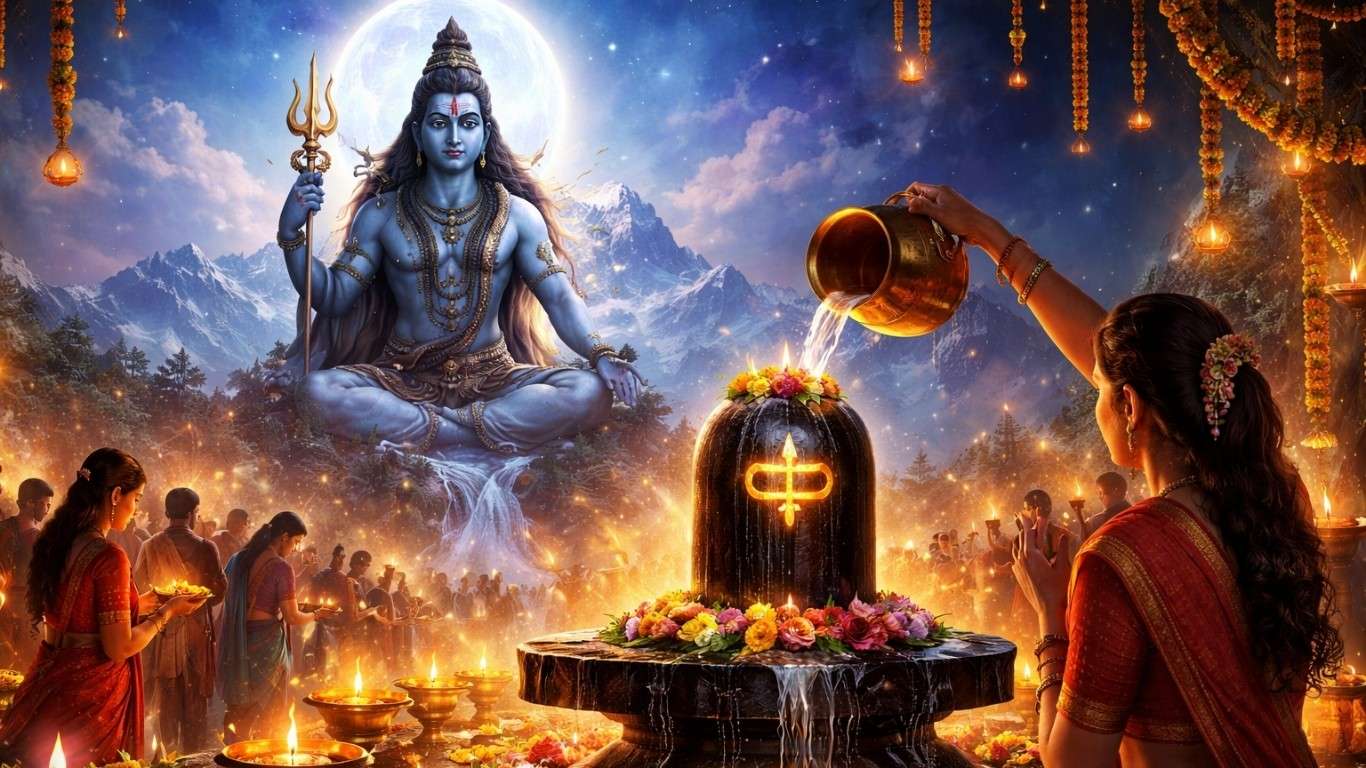
Maha Shivaratri in Nepal centers on devotion, self-control, and spiritual awareness, making it one of the most meaningful nights in the Hindu calendar.
Maha Shivaratri honors Lord Shiva, one of the principal deities in Hindu belief. Devotees observe the night as a time when Shiva performed the cosmic dance, symbolizing creation, preservation, and destruction. Another widely held belief marks this night as the divine marriage of Shiva and Goddess Parvati.
For many worshippers, the night represents a chance to seek inner clarity, cleanse past actions, and renew faith. Unlike festivals focused on outward celebration, Shivaratri emphasizes discipline and prayer.
Maha Shivaratri falls on the fourteenth day of the waning moon in the month of Falgun.
Date of Maha Shivaratri in 2026:
The date changes yearly due to the lunar calendar. Many devotees consider the planetary alignment on this night favorable for meditation and worship.
Maha Shivaratri in Nepal is observed with deep seriousness and personal discipline rather than outward celebration. The day and night are dedicated to worship, self-restraint, and focused prayer, with devotees believing that sincere effort on this occasion brings spiritual clarity and inner peace. Observance varies slightly between households, villages, and temple communities, but the core practices remain consistent across the country. Some people observe the rituals quietly at home, while others travel long distances to sacred temples, especially Shiva shrines, to take part in collective worship.
Shivaratri rituals follow long-established traditions practiced both at home and in temples.
Common practices include
People often bathe in rivers or temple water taps before prayer, believing physical purity supports spiritual focus.

Pashupatinath Temple in Kathmandu stands at the center of Maha Shivaratri observance in Nepal. As one of the most revered Shiva shrines in the world, it attracts a massive gathering of devotees who believe prayers offered here on this night hold special spiritual value. In the days surrounding Shivaratri, the temple area fills with pilgrims, monks, and sadhus, creating an atmosphere of intense devotion and quiet endurance.
On Shivaratri, the temple complex becomes densely crowded, with rituals, chanting, and prayer continuing throughout the day and night across the grounds.
Key features of Shivaratri at Pashupatinath
Devotees often wait for hours to offer prayers at the main shrine, and many consider the physical effort part of sincere devotion.
Bonfires burn at crossroads and open spaces across Nepal on Shivaratri night. These fires symbolize the burning away of ignorance and negative thoughts, encouraging spiritual cleansing and self-discipline. Families and neighbors gather nearby, sharing warmth, quiet conversations, and prayer as the night progresses.
In rural areas, community rituals often hold greater importance than formal temple visits. Elders guide younger members through stories of Lord Shiva, explaining the meaning behind fasting, restraint, and devotion. These gatherings strengthen social bonds while passing religious values from one generation to the next, keeping local traditions alive.

Maha Shivaratri occasionally coincides with Nepali Army Day, adding a national dimension to the festival. When this occurs, the Army Day parade takes place at Tundikhel in Kathmandu, drawing public attention alongside religious observances.
This overlap highlights the close connection between religious tradition and national history in Nepal. While Shivaratri remains spiritual at its core, the public holiday allows people to observe temple rituals and attend national programs on the same day. The coexistence of prayer and ceremony reflects how faith and civic identity continue to exist side by side in Nepali society.
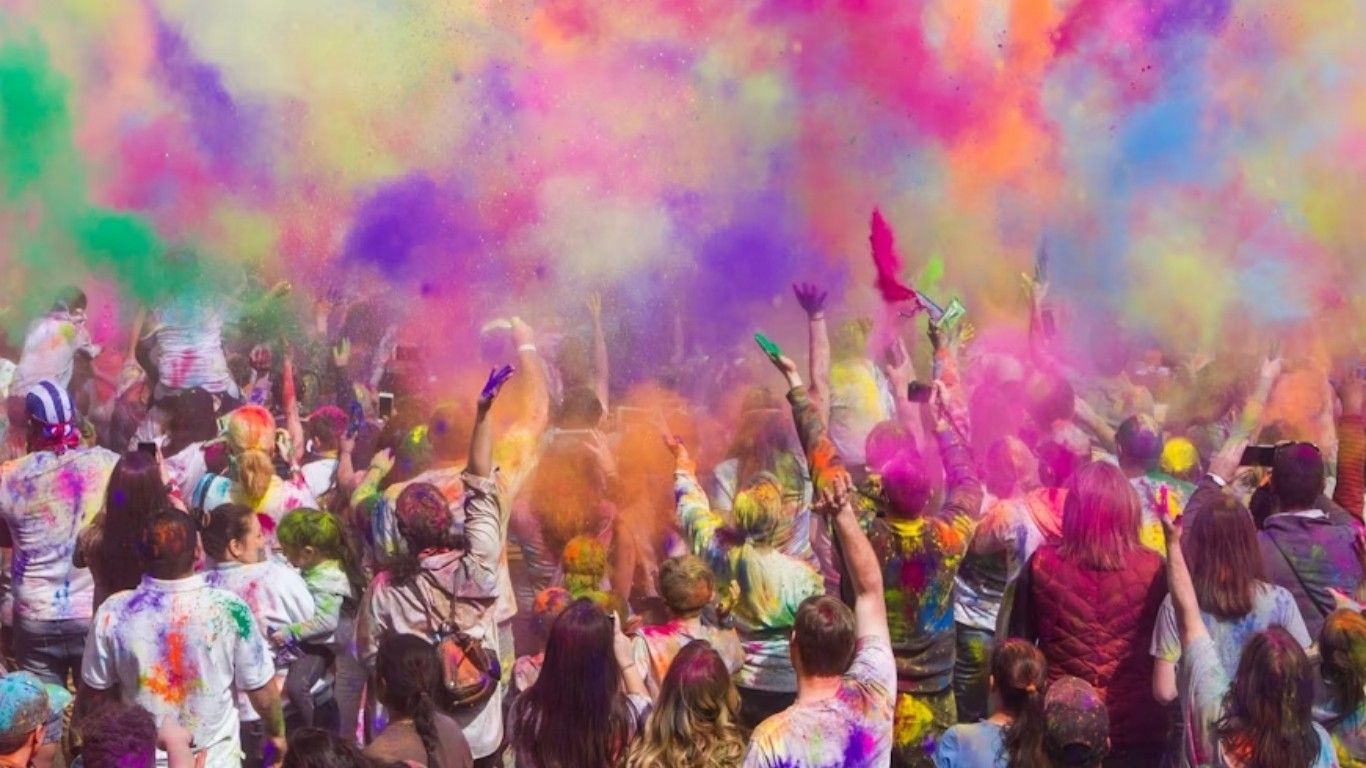
Holi festival in Nepal marks joy, social bonding, and the arrival of spring, making it one of the most awaited celebrations of the year.
Holi commemorates the victory of good over evil through the legend of Prahlad and Holika. According to Hindu belief, Prahlad survived fire through devotion, while Holika perished. The story reinforces faith, courage, and righteousness.
In Nepal, Holi also signals the end of winter and the beginning of warmer days, encouraging people to step outdoors and celebrate openly.

Holi in Nepal is celebrated over two days due to regional customs.
Holi 2026 dates
This staggered celebration reflects Nepal’s diverse geography and traditions.
Holi in Nepal is a festival of joy, marking the arrival of spring and the triumph of good over evil. Celebrations are lively, bringing together neighbors, families, and even strangers in playful and colorful gatherings. The atmosphere is filled with music, laughter, and the smell of festive foods being shared. Young and old participate, blurring social boundaries and reinforcing a sense of community and togetherness. Holi is as much about social harmony as it is about celebration, allowing people to reconnect with friends, relatives, and neighbors.
Typical Holi activities include
The joyous spirit encourages participation from everyone, making streets, squares, and neighborhoods burst with color, laughter, and energy.

Holi celebrations in Nepal are most vibrant in public spaces where communities come together to play with colors, dance, and sing. Both locals and visitors take part, creating an energetic and festive atmosphere that reflects the cultural richness of the region. In addition to the excitement, these celebrations often feature traditional music, street performances, and local food stalls, making them a full sensory experience. Urban areas sometimes host organized events with live music and entertainment, while smaller towns retain the charm of traditional street celebrations, giving everyone a chance to enjoy Holi in their own way.
Popular areas include
Organized music events have become more common in urban neighborhoods, while smaller towns preserve traditional street play.
Food plays a central role in Holi celebrations, bringing families and friends together to share flavors that are as vibrant as the festival itself. Special dishes are prepared in homes and served during community gatherings, often accompanied by music and laughter. These foods are not only festive treats but also carry cultural significance, with recipes passed down through generations. Sweet, savory, and sometimes slightly tangy flavors complement the energetic celebrations, creating a complete sensory experience. Even beverages, including yogurt-based drinks and locally brewed drinks, are carefully enjoyed in moderation, reflecting the balance between festivity and respect for tradition.
Common festive items
Alcohol consumption exists but remains moderate in family settings. Public intoxication is discouraged.
Nepal’s festival calendar highlights both spiritual depth and exuberant joy, and this duality is most visible in Shivaratri and Holi. While one festival calls for reflection, meditation, and devotion, the other encourages openness, play, and social connection. Experiencing both in the same season allows participants to see how Nepali culture embraces the full spectrum of human emotion and communal life.
Comparison of Shivaratri and Holi in Nepal
| Aspect | Maha Shivaratri | Holi Festival |
|---|---|---|
| Core theme | Devotion and discipline | Joy and social bonding |
| Main activity | Prayer and fasting | Playing with colors |
| Time of day | Mostly night | Mostly daytime |
| Key location | Temples | Streets and squares |
| Mood | Calm and focused | Playful and lively |
Together, these festivals show how Nepali culture values balance between restraint and celebration.
Both Shivaratri and Holi are public holidays in Nepal, allowing nationwide participation. Schools, offices, and many businesses close, giving people time to observe rituals, visit relatives, and engage in community celebrations. The holidays also provide opportunities for families to travel to temples or hometowns, strengthening social bonds and cultural continuity.
These festivals boost local economies through tourism, food sales, transport, and small businesses that cater to festival needs. Street markets, hotels, and event organizers see increased activity, while local artisans and vendors benefit from festive demand. Beyond economics, these holidays reinforce community cohesion, as neighbors and communities come together in both solemn worship and joyful play.
Proper preparation can make both Shivaratri and Holi celebrations more meaningful and enjoyable for visitors. Understanding local customs, following safety guidelines, and being aware of crowd behavior help ensure a smooth experience. For first-time visitors, observing the rituals respectfully or participating in Holi playfully but safely allows one to fully appreciate the cultural richness. Planning also helps manage travel, meals, and personal belongings, which is especially important during these crowded and lively festivals.
Visitors should remember that these festivals carry deep meaning for locals. Respectful behavior includes seeking permission before applying color and maintaining quiet around religious rituals. Observing these customs allows participants to fully experience the festivals while honoring local beliefs and traditions.
It is also important to be mindful of temple rules, dress codes, and personal space, especially during crowded events. Engaging with locals politely, listening to explanations of rituals, and following guidance from community members enhances the experience. Photography is welcome in public spaces but often restricted inside temples, so checking first ensures respect for sacred areas.
Despite urban growth and changing lifestyles, Shivaratri and Holi remain firmly rooted festivals in Nepali society. Young people continue traditions alongside older generations, keeping cultural continuity alive.
Community organizations now help manage crowds and cleanliness, especially in cities, ensuring festivals remain safe and inclusive.
Shivaratri and Holi celebrations in Nepal offer a unique window into the country’s rich cultural and spiritual life. One festival calls for quiet devotion, fasting, and reflection, while the other fills streets and squares with music, color, and joyful connection. Together, they demonstrate the balance Nepalese culture places between discipline and celebration, faith and community, tradition and daily life.
Experiencing these festivals allows visitors to witness living traditions, participate respectfully, and appreciate the harmony between spiritual practices and social joy. For locals and travelers alike, Shivaratri and Holi remain moments of renewal, togetherness, and enduring cultural pride.
Yes, Maha Shivaratri is a major national festival in Nepal. Thousands of devotees and Sadhus gather from across the world, particularly at the Pashupatinath Temple, to worship Lord Shiva with prayers, fasting, and intense night-long vigils.
Absolutely, Holi, known as Fagu Purnima, is one of Nepal’s most vibrant and popular festivals. It is celebrated nationwide with colors and water, marking the arrival of spring and the victory of good over evil.
Yes, Maha Shivaratri falls on February 15, 2026. This auspicious date is determined by the lunar calendar, falling on the 14th day of the dark fortnight in the month of Falgun, dedicated to honoring Lord Shiva.
In 2026, Holi is celebrated on March 2 in the Hilly regions (including Kathmandu and Pokhara) and on March 3 in the Terai region. This two-day staggered celebration allows the entire country to enjoy the festivities.
Shivaratri commemorates the wedding of Lord Shiva and Goddess Parvati. For Nepalese Hindus, it’s a night of spiritual awakening, where devotees observe fasts and perform rituals at Shiva temples to seek blessings for prosperity and health.
Nepal celebrates Holi over two days due to geographical and cultural traditions. The Hilly region celebrates on the full moon day (Fagu Purnima), while the Terai region celebrates the following day, reflecting local customs and community gatherings.
The Pashupatinath Temple is the premier location for Shivaratri. As a UNESCO World Heritage site and one of the holiest Shiva shrines, it hosts massive crowds, colorful Sadhus, and elaborate rituals that create an unforgettable spiritual atmosphere.
Traditions include smearing colorful powders (Gulal), splashing water balloons (Lolas), and erecting a “Chir” pole in Kathmandu. Families enjoy traditional sweets like Gujiya and Sel Roti, while communities come together for music, dancing, and joyful celebrations.
While officially restricted, marijuana (Bhang) is traditionally consumed by some Sadhus and devotees during Shivaratri as “Prasad,” symbolizing Lord Shiva’s ascetic lifestyle. However, tourists should remain cautious and respect local laws and the sanctity of the temple.
Tourists should wear old clothes, apply oil to protect skin, and use waterproof bags for electronics. It’s best to celebrate with known groups, stay hydrated, and politely decline if they do not wish to be splashed with water.
Pashupatinath is one of the world’s holiest Shiva shrines. Devotees believe Lord Shiva resides there as a “Linga” that emerged in the first age of humans, making it the most auspicious site for prayers.
Rudra Abhishek is a sacred ritual where the Shiva Lingam is bathed in milk, honey, yogurt, ghee, and water. It is performed by devotees and priests to seek blessings for purity, prosperity, and spiritual liberation.
Yes, Maha Shivaratri coincides with the Nepali Army Foundation Day. In addition to religious rituals, grand military parades and displays are held at Tundikhel in Kathmandu to honor the army’s long-standing history and traditions.
Holi is celebrated on the full moon day (Purnima) in the Hilly regions, including Kathmandu. The Terai (southern plains) celebrates one day later, following different local traditions and a slightly distinct cultural calendar for the festivities.
Generally yes, but it’s best to celebrate in groups or at organized events in Thamel or Lakeside. Wear old clothes, apply coconut oil to your skin/hair for easy color removal, and wear sunglasses to protect your eyes.
With the House of Representatives election scheduled for March 5, 2026, and Holi falling on March 2–3, celebrations will face tighter security. While the core festivities will proceed, expect heavy police presence, potential “dry” (alcohol-free) zones, and restrictions on large political-themed gatherings to ensure a peaceful pre-election environment.


