
Dashain Festival of Nepal: Dates, 15 Days, Traditions and History
The Dashain Festival of Nepal is the country's biggest annual festival for many Nepali families, bringing together religious worship, family…
 Himalayan Gateway Trek - On
 Festivals in Nepal are religious, cultural, and seasonal celebrations observed by different communities across the country. These festivals are deeply connected to Hinduism, Buddhism, and indigenous traditions. People celebrate festivals in Nepal to honor gods and goddesses, mark seasonal changes, remember ancestors, and strengthen family and community bonds.
Nepal celebrates festivals throughout the year. Many festivals follow the lunar calendar, so their dates change every year. Some festivals are celebrated nationwide, while others are specific to certain regions or ethnic groups. Together, these celebrations reflect Nepal’s rich cultural diversity and shared social values.
Festivals play a central role in Nepalese life. They are not just holidays but an important part of daily culture and belief.
Most festivals in Nepal are linked to religious faith. Hindu festivals honor gods such as Durga, Shiva, Vishnu, and Lakshmi. Buddhist festivals remember the life and teachings of Lord Buddha. Rituals, prayers, fasting, and temple visits are common during festivals.
Festivals help preserve traditions, music, dance, clothing, and food. Each community celebrates festivals in its own way, passing customs from one generation to the next.
Many festivals bring families together. Relatives travel long distances to celebrate, share meals, and exchange blessings. Community gatherings strengthen social harmony.
Several festivals mark planting seasons, harvest time, or seasonal changes. These festivals reflect Nepal’s close connection with nature and farming life.
These festivals are celebrated across most parts of Nepal by people from different backgrounds.
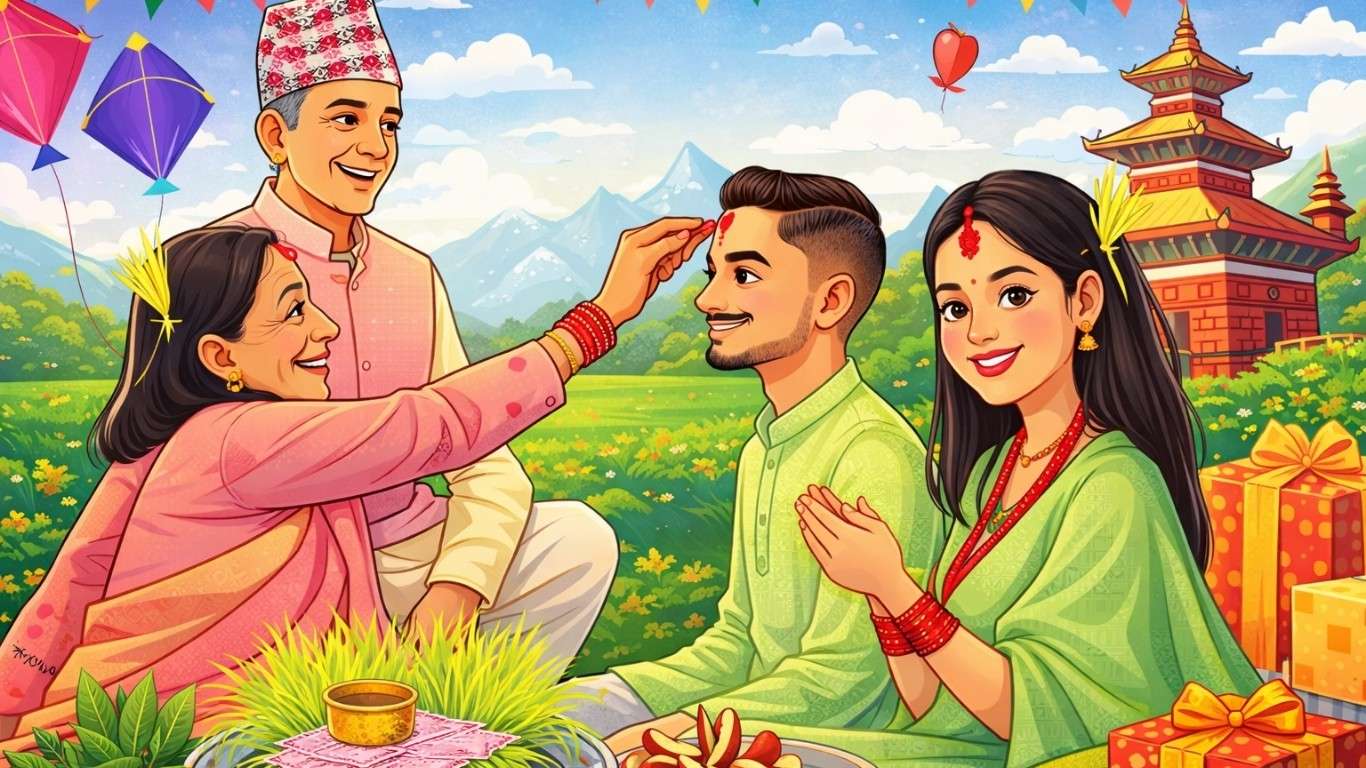
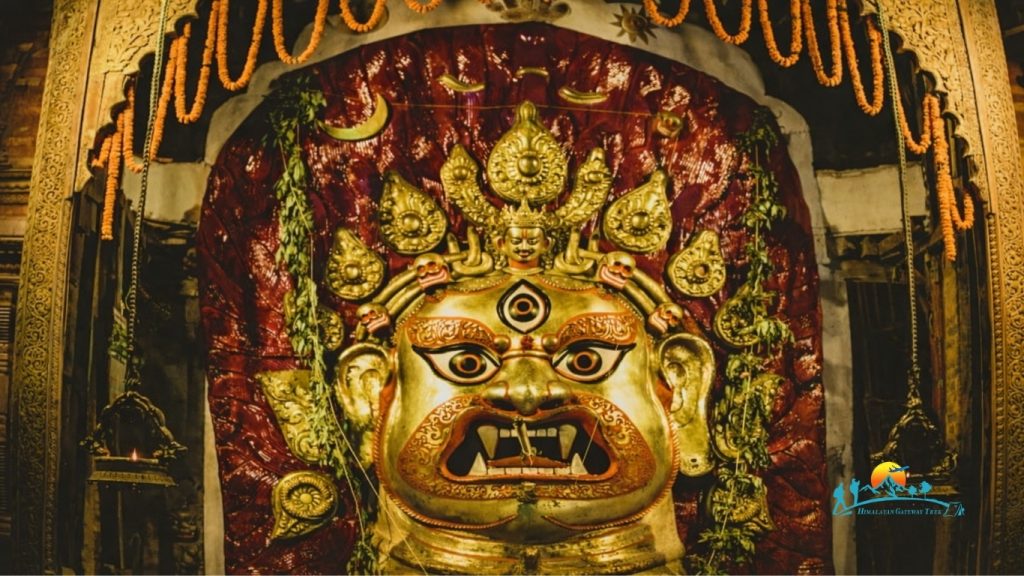
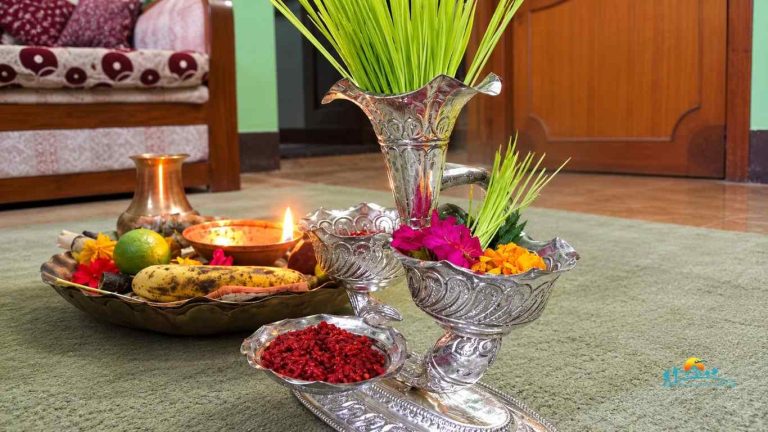
Dashain is the biggest and longest festival in Nepal. It celebrates the victory of good over evil and honors Goddess Durga. The festival usually falls in September or October.
Families gather during Dashain to receive blessings from elders. People clean their homes, buy new clothes, and worship at temples. Animals are traditionally offered in rituals in some communities. Common foods include meat dishes, rice, and sel roti. Dashain is a time of renewal, respect, and family unity.
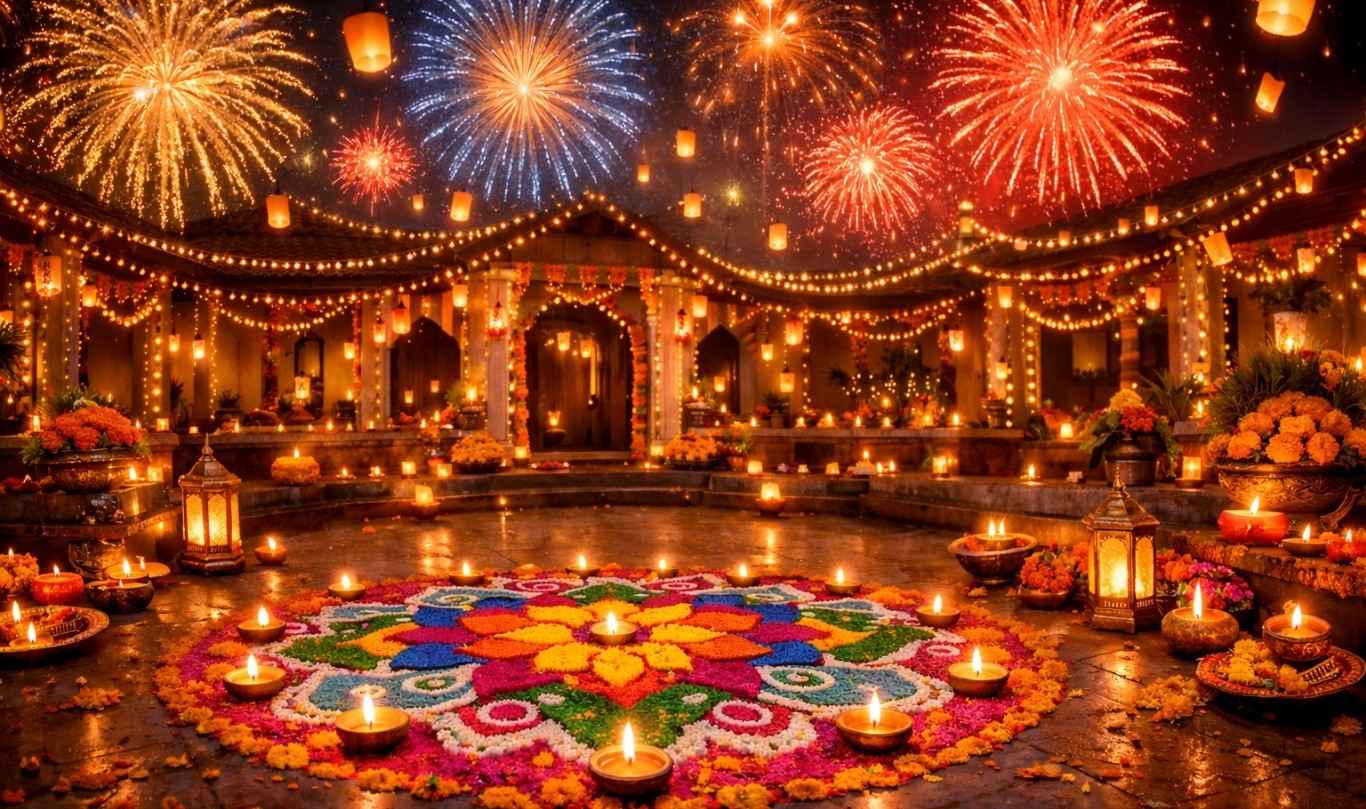
Tihar is known as the Festival of Lights and is celebrated in October or November. It lasts for five days and honors animals, gods, and family relationships.
Each day has special meaning. Crows, dogs, cows, and oxen are worshipped on different days. Goddess Lakshmi is honored with lamps and decorations. Bhai Tika celebrates the bond between brothers and sisters. Homes are decorated with lights, oil lamps, and colorful rangoli designs.
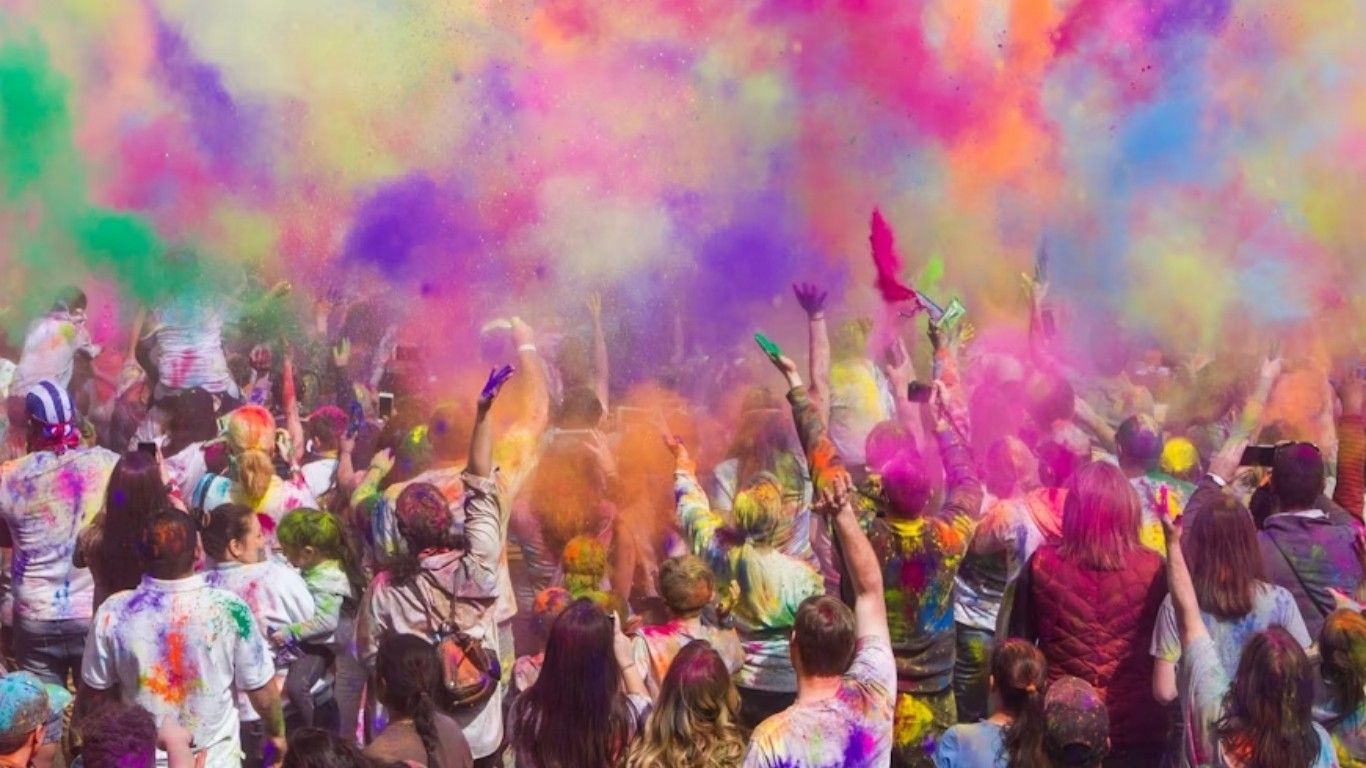
Holi is the festival of colors and marks the arrival of spring. It is celebrated in March. People throw colored powder and water on each other, sing, dance, and enjoy festive foods.
Holi symbolizes joy, forgiveness, and equality. In Kathmandu Valley and hilly regions, Holi is celebrated one day earlier than in the Terai. The festival encourages people to forget differences and celebrate together.
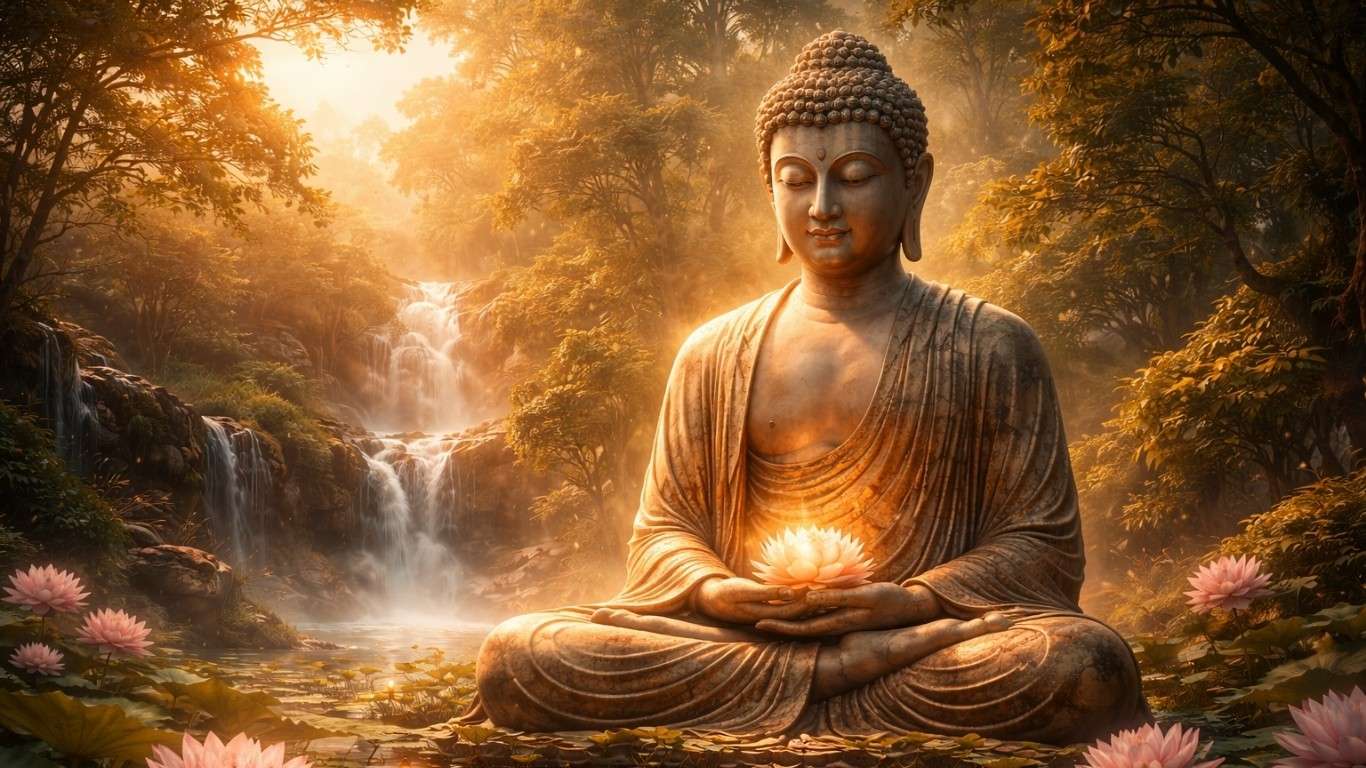
Buddha Jayanti celebrates the birth, enlightenment, and passing of Lord Buddha. It usually falls in April or May. Lumbini, the birthplace of Buddha, becomes the main center of celebration.
People visit monasteries, light butter lamps, chant prayers, and take part in peaceful processions. Both Buddhists and Hindus observe Buddha Jayanti, showing Nepal’s shared spiritual heritage.
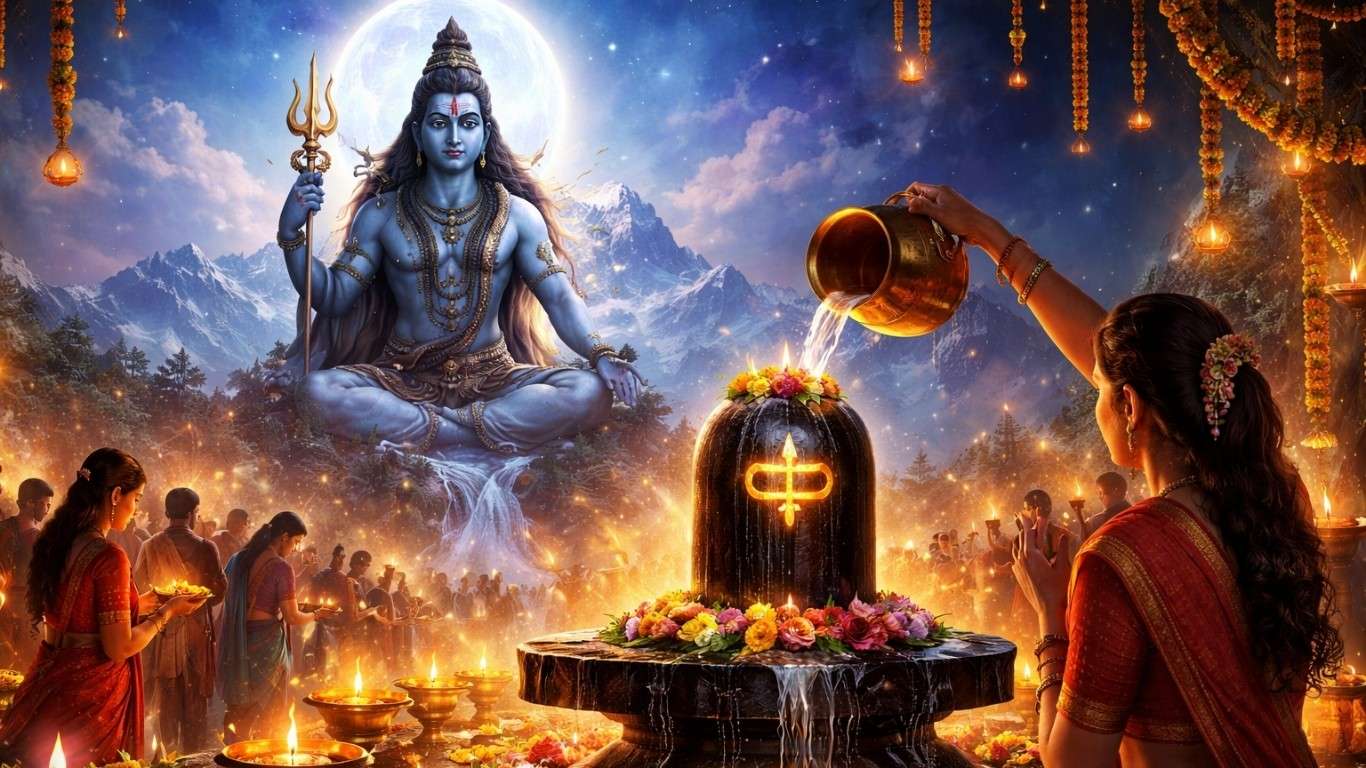
Maha Shivaratri is dedicated to Lord Shiva and is celebrated in February or March. Thousands of devotees visit Pashupatinath Temple in Kathmandu.
People fast, offer prayers, and stay awake during the night. Sadhus from Nepal and India gather at the temple. The festival represents spiritual reflection and devotion.
Kathmandu Valley is rich in Newari culture and hosts some of Nepal’s most unique festivals.
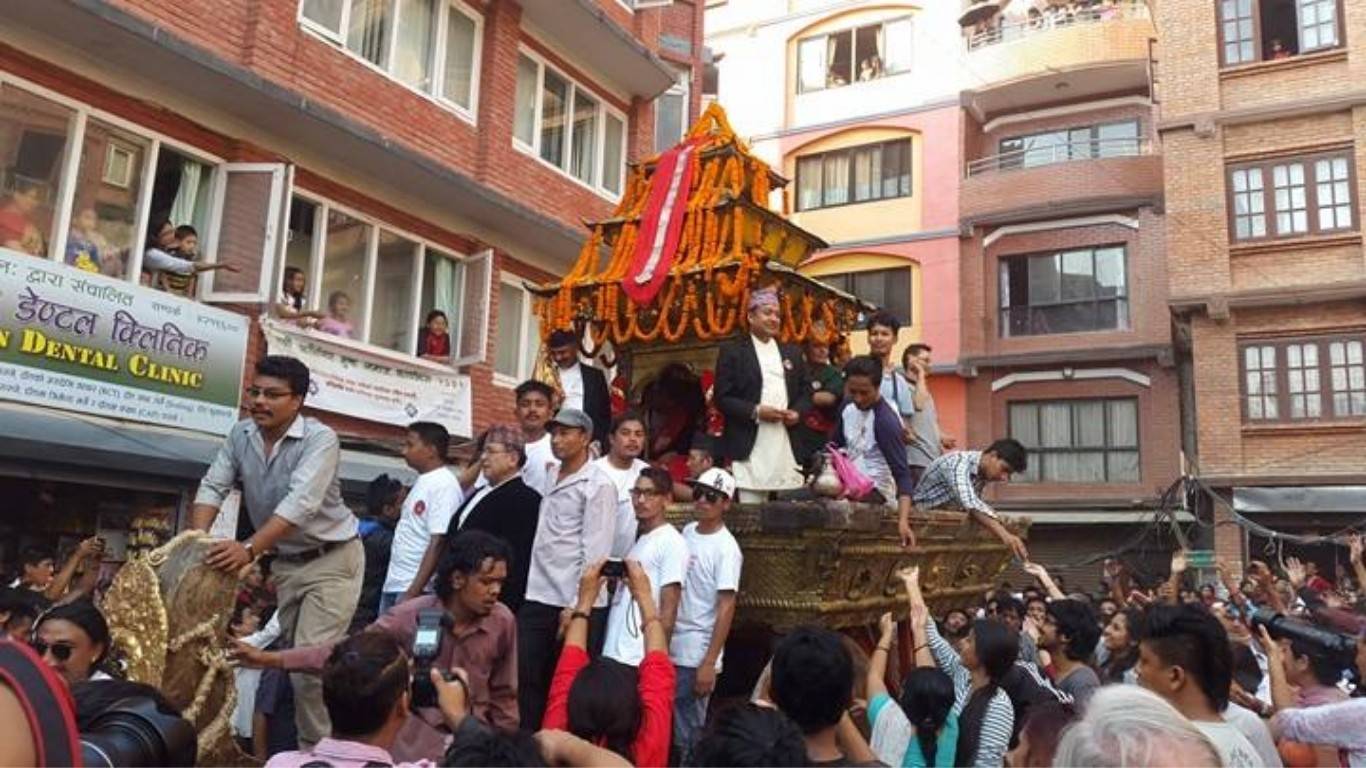
Indra Jatra is celebrated in September and honors Indra, the god of rain. It is one of the biggest festivals in Kathmandu.
The festival includes masked dances, traditional music, and chariot processions. The Living Goddess Kumari and Living Gods Ganesh and Bhairav are taken through the city in a ceremonial chariot with traditional dance like Lakhe, Sawa Bakhu, Pulukisi, Devi Nach. Indra Jatra highlights Newari culture, art, and religious beliefs.
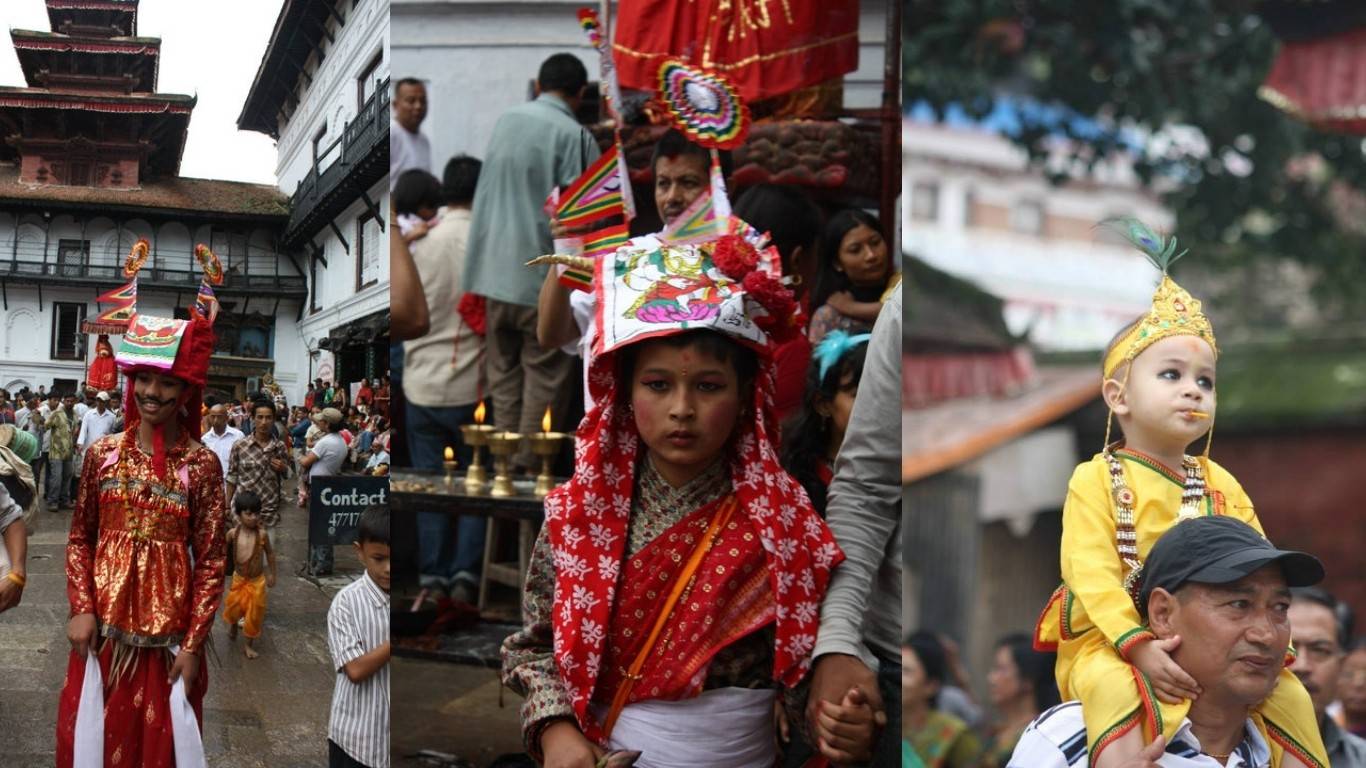
Gai Jatra is celebrated in August to remember family members who passed away during the year. Families join processions, often leading a cow or a child dressed as a cow.
The festival also includes humor, satire, and street performances. It helps people cope with grief and reminds them of the cycle of life and death.
Ghode Jatra is a horse festival held in March or April at Tundikhel in Kathmandu. It has historical roots connected to protecting the city from evil spirits.
Horse races, parades, and military displays are part of the celebration. Today, it combines tradition with public entertainment.
Newari festivals reflect the culture of the indigenous people of Kathmandu Valley.
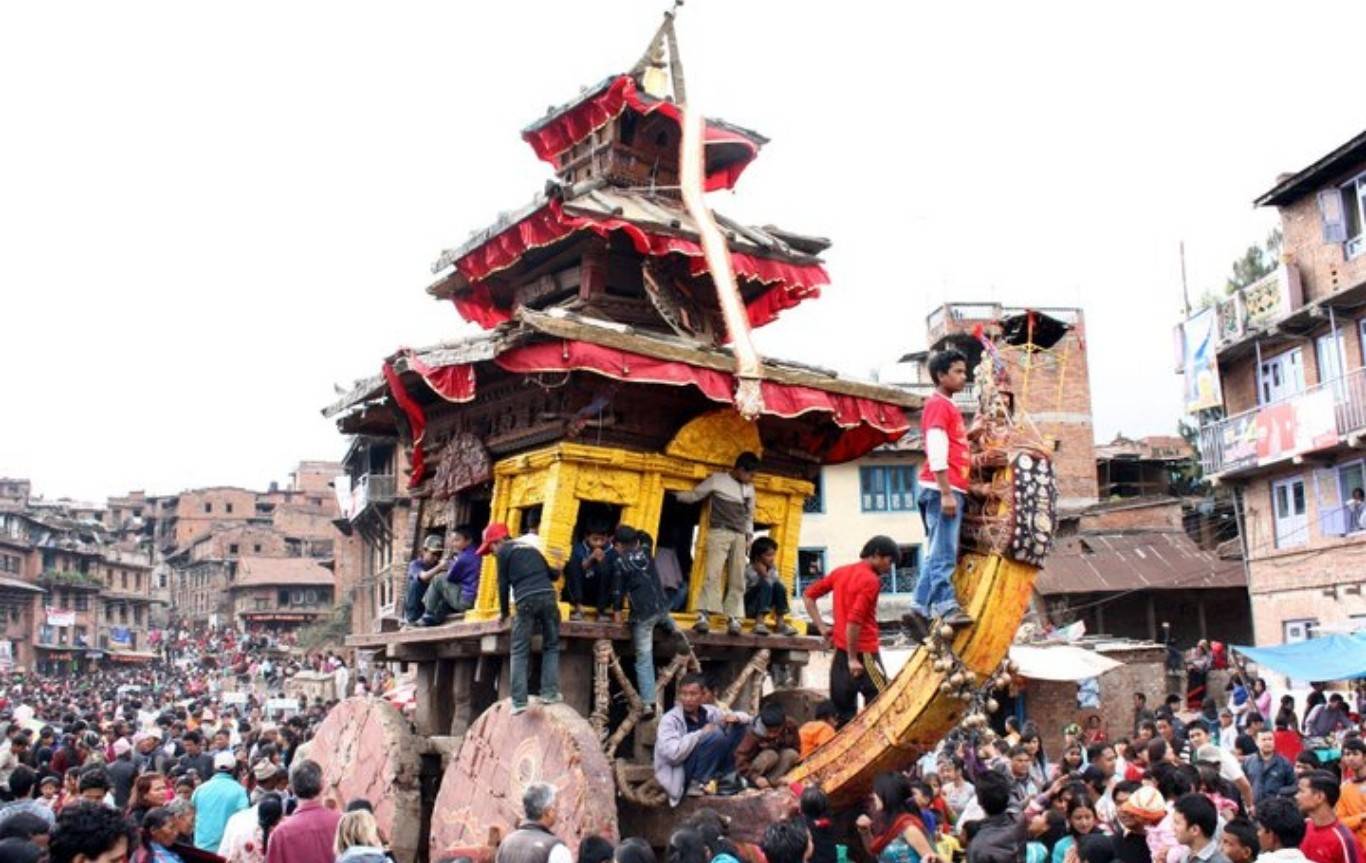
Bisket Jatra marks the Nepali New Year and is celebrated mainly in Bhaktapur in April. Large chariots of local deities are pulled through the streets.
Community members take part in chariot pulling and rituals. The festival is lively and shows strong local participation.
Yomari Punhi is celebrated in December or January after the rice harvest. The main highlight is yomari, a steamed dumpling made of rice flour and filled with sweet ingredients.
Families gather to make yomari and share stories. The festival celebrates prosperity, good harvest, and community bonding.
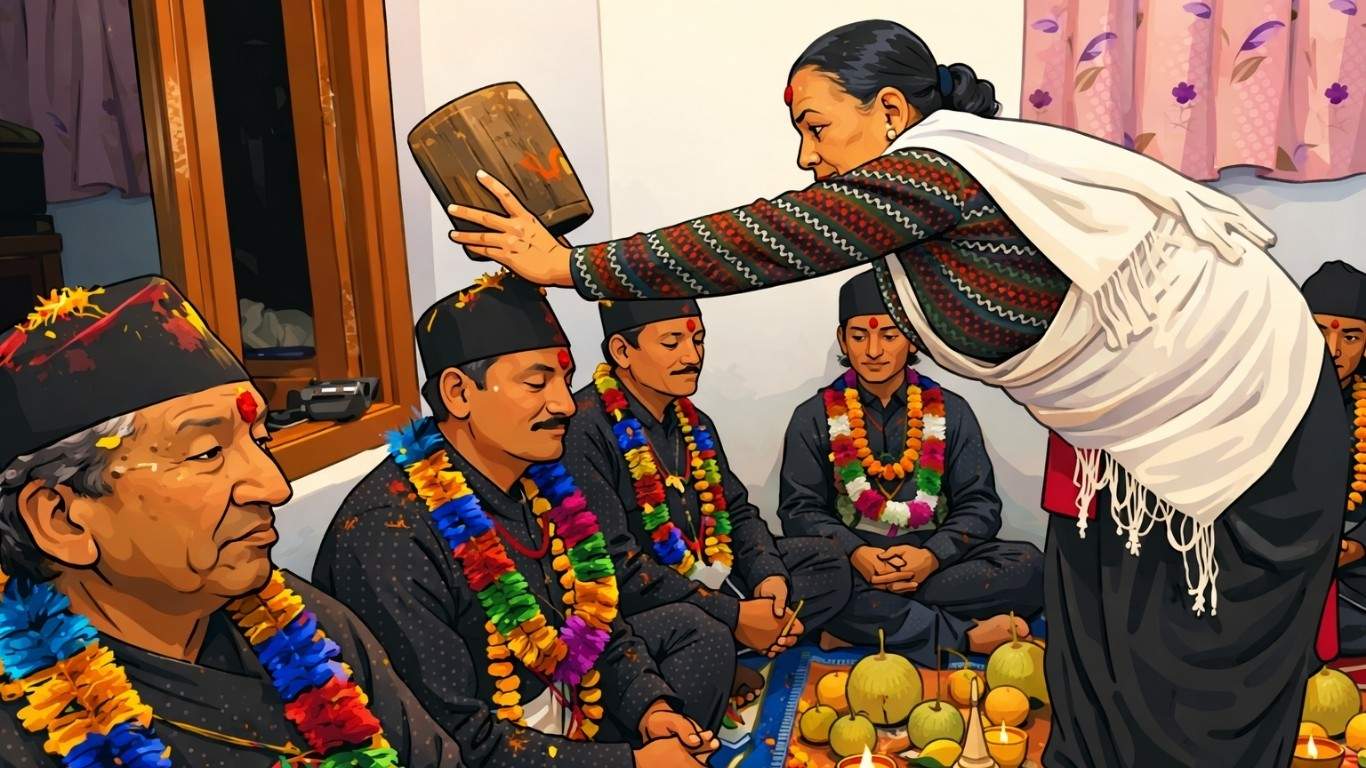
Nepal Sambat is the Newari New Year. Mha Puja is a ritual of self-purification and respect.
Families perform rituals to honor their own body and soul. The festival focuses on health, balance, and spiritual well-being.
Nepal’s ethnic diversity is reflected in its regional festivals.
Maghe Sankranti is celebrated in January and marks the end of winter. People take holy baths in rivers and eat foods like ghee, molasses, and yams.
The festival is important for many communities and symbolizes warmth, health, and new beginnings.
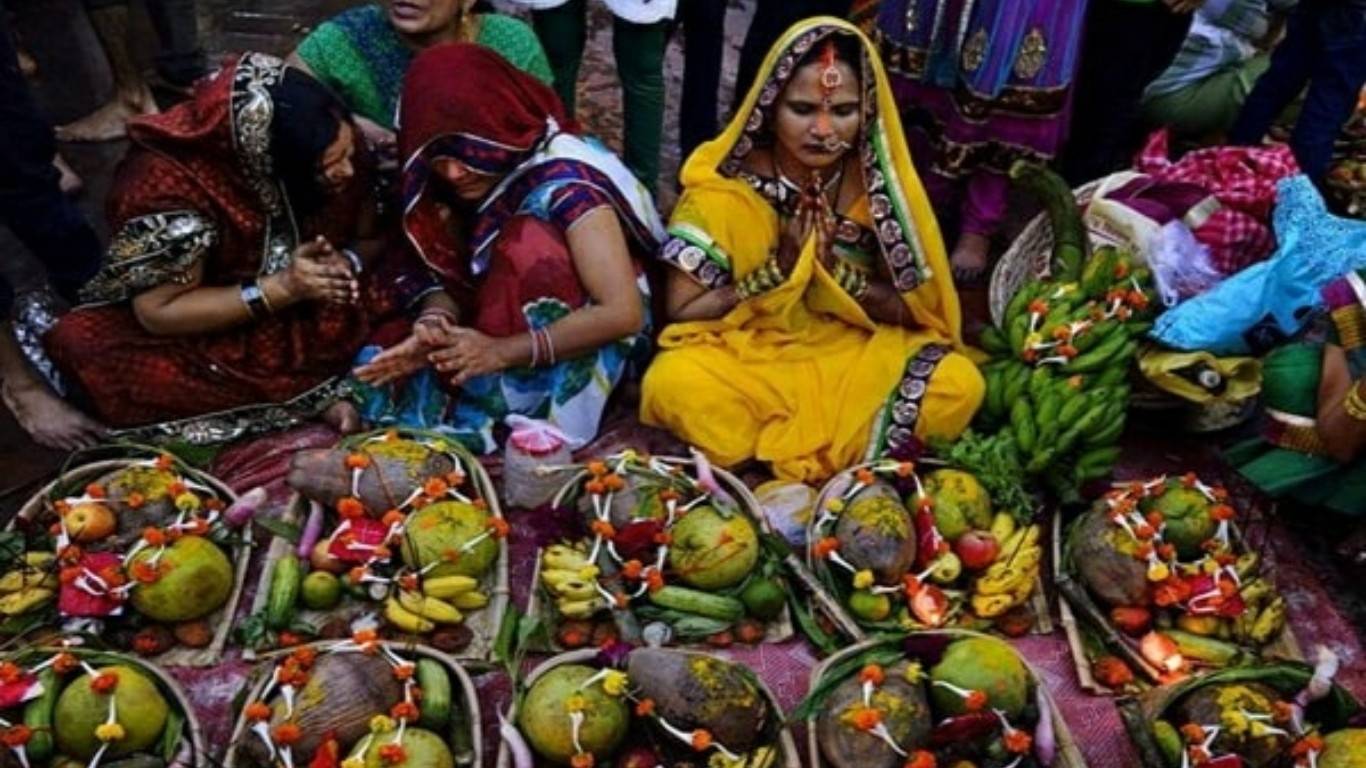
Chhath Parba is dedicated to the Sun God and is mainly celebrated in the Terai region. It usually falls in October or November.
Devotees observe fasting and offer prayers near rivers or ponds. The festival focuses on purity, discipline, and family unity.
Losar is the Tibetan New Year celebrated by Sherpa, Tamang, and Gurung communities. It usually falls in January or February. Mostly celebrated in mountainous region like Annapurna and Everest region.
Homes are cleaned, prayers are offered, and traditional dances are performed. Boudhanath and mountainous regions are popular places to observe Losar.
Maghi is the New Year festival of the Tharu people and is celebrated in January.
Families gather for feasts, cultural programs, and community meetings. Maghi reflects social unity and cultural pride.
January marks the transition from the cold winter season toward warmer days in Nepal. Many festivals during this month are linked to seasonal change, harvest, and community renewal. People focus on health, warmth, and togetherness after the cold months.
February is an important spiritual month in Nepal. Major religious festivals during this time focus on devotion, prayer, and purification. Both Hindu and Buddhist communities observe meaningful rituals during this month.
March brings energy and celebration as winter ends and spring begins. Festivals in this month are colorful and lively, encouraging joy, movement, and public gatherings. The weather becomes pleasant, making outdoor celebrations common.
April is a month of new beginnings in Nepal. It marks the Nepali New Year and includes major cultural festivals that highlight community participation, tradition, and renewal. Many people consider this a fresh start.
May is a calm and spiritual month in Nepal. Festivals during this time focus on peace, reflection, and moral teachings. It is especially important for Buddhist communities across the country.
June and July are closely connected to agriculture and rural life. Festivals during this period celebrate farming, rainfall, and hard work. These months reflect Nepal’s deep connection with its land and nature.
August includes festivals that focus on memory, faith, and tradition. People honor their ancestors, strengthen family bonds, and take part in rituals that have been followed for generations.
September is culturally rich and meaningful, especially for women and local communities. Festivals in this month include devotion, fasting, music, dance, and large public celebrations in urban areas.
October is the most festive month in Nepal. The country comes alive with major celebrations, family gatherings, and religious rituals. Many people travel to their hometowns to celebrate together.
November continues the festive atmosphere with celebrations focused on light, gratitude, and family relationships. Homes, streets, and temples are decorated, creating a joyful environment across Nepal.
December is a quieter but culturally meaningful month. Festivals during this time focus on harvest, gratitude, and spending time with family at home. It marks a peaceful end to the festival year. So next time you plan for winter trek in Nepal, you can enjoy this festival.
Autumn is the best season to experience festivals in Nepal. Dashain and Tihar create a festive atmosphere across the country. Spring is also lively due to Holi and cultural events.
Winter festivals are quieter but culturally rich. Weather and travel conditions should be considered when planning visits during festivals.
Visitors are welcome to observe and join festivals in Nepal when they show respect for local traditions and beliefs. Many festivals are deeply religious and emotional for local communities, so understanding their importance helps visitors take part in a thoughtful way. Observing with patience and curiosity allows visitors to connect more meaningfully with Nepalese culture.
Respect helps create meaningful cultural experiences.
Festivals in Nepal are unique because of animal worship, living goddess traditions, and strong community participation. Hindu and Buddhist practices often blend naturally.
Festivals are celebrated by entire neighborhoods rather than only in religious spaces. This creates a shared cultural experience.
Unlike many countries where festivals are mainly public holidays, festivals in Nepal involve deep personal and community participation. Rituals, family gatherings, and neighborhood events are central to every celebration, and people of all ages take part actively.
Nepal’s festivals also show peaceful coexistence of different religions, which is rare in many parts of the world. Hindu and Buddhist traditions often blend naturally during celebrations. Festivals in Nepal are not limited to cities or tourist areas but are celebrated in homes, villages, and local communities across the country, making them a living part of everyday life.
Visitors can enjoy Nepal’s festivals while respecting local traditions. Dress modestly, especially at temples and sacred sites, and remove shoes before entering. Ask permission before taking photos, and avoid loud or disruptive behavior during rituals. Learn simple Nepali greetings to connect with locals, and join in traditional songs or dances only when invited.
Following these tips helps travelers experience festivals safely, respectfully, and meaningfully, while creating positive memories and understanding Nepalese culture more deeply.
Festivals in Nepal reflect the country’s spiritual depth, cultural diversity, and strong community values. Each festival carries meaning, history, and shared emotion. From large national celebrations to small regional events, festivals bring people together and keep traditions alive.
Understanding festivals in Nepal helps visitors and readers appreciate the heart of the country. These celebrations are not just events but a way of life that continues across generations.
The top 10 festivals in Nepal are Dashain, Tihar, Holi, Buddha Jayanti, Maha Shivaratri, Indra Jatra, Gai Jatra, Losar, Teej, and Maghe Sankranti. These festivals are celebrated nationwide, bringing together communities through rituals, cultural programs, and family gatherings. They reflect the country’s rich diversity and traditions.
Dashain is a 10-day festival in Nepal. It celebrates the victory of Goddess Durga over evil forces and includes family reunions, receiving blessings from elders, and performing traditional rituals. People also decorate their homes and enjoy special foods during this time.
The main festivals of Nepal include Dashain, Tihar, Holi, Indra Jatra, Gai Jatra, Buddha Jayanti, Maha Shivaratri, Teej, Losar, and Maghe Sankranti. These festivals have national importance and are celebrated across various communities, showcasing Nepal’s cultural and religious unity.
Yes, Nepal celebrates festivals throughout the year. Different festivals occur in each season, marking religious events, harvests, or seasonal changes, which keeps cultural traditions alive throughout the year.
Yes, visitors are welcome to join Nepalese festivals, but respectfully. Participating with awareness of local customs, dressing appropriately, and following rituals allows foreigners to experience authentic cultural celebrations.
Dashain, Tihar, Holi, Indra Jatra, and Bisket Jatra are especially popular with tourists. These festivals offer vibrant colors, lively music, and large community gatherings, making them ideal for experiencing Nepal’s traditions first-hand.
No, festivals in Nepal are celebrated by multiple religious and ethnic groups, including Hindus, Buddhists, Newars, Sherpas, Tamangs, and Tharus. Many festivals are shared across communities, reflecting Nepal’s cultural harmony.